www.sciencedaily.com
Pesticide exposure linked to 150% higher cancer risk in major study
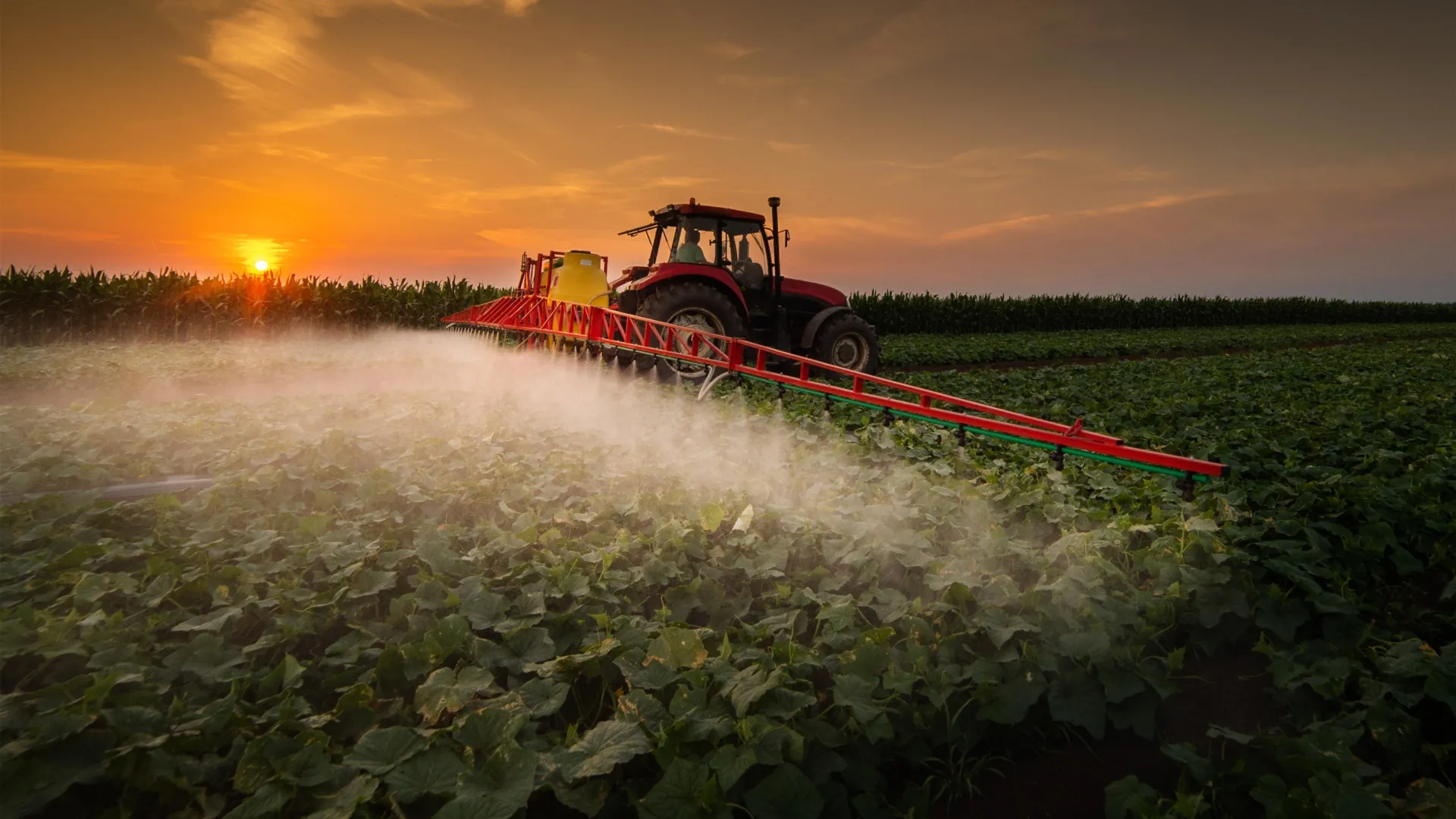
A major new study published in Nature Health has found a strong connection between environmental exposure to agricultural pesticides and an increased risk of cancer. Pesticides are commonly found in food, water, and the surrounding environment, often as complex mixtures rather than single substances. This has made their health effects difficult to measure. Most previous research has focused on individual chemicals in controlled settings, which does not reflect how people are exposed in real life. By combining environmental monitoring, national cancer registry data, and biological research, scientists from the IRD, Institut Pasteur, University of Toulouse, and the National Institute of Neoplastic Diseases (INEN) in Peru provide new insight into how pesticide exposure may contribute to the development of certain cancers. Peru ... includes regions with intensive agriculture, diverse climates and ecosystems, and significant social and geographic inequalities. "We first modeled the dispersion of pesticides in the environment over a six-year period, from 2014 to 2019, which allowed us to create a high-resolution map and identify areas with the highest risk of exposure," explains Jorge Honles, PhD in epidemiology at the University of Toulouse. The team then compared these exposure maps with health data from more than 150,000 cancer patients recorded between 2007 and 2020. Regions with higher environmental pesticide exposure also had higher rates of certain cancers. In these areas, the likelihood of developing cancer was about 150% greater on average. The research also highlights how pesticide exposure may affect the body long before cancer is diagnosed. Molecular studies conducted at the Institut Pasteur, led by Pascal Pineau, show that pesticides can interfere with processes that maintain normal cell function and identity. These disruptions occur early and may accumulate over time without obvious symptoms. Vulnerable populations, including Indigenous and rural communities, may face the greatest risks.
Note: This landmark study demonstrates a significant link between pesticide exposure on a national scale and biological changes that increase the risk of cancer. Our Substack, "The Pesticide Crisis Reveals The Dark Side of Science. We Have The Solutions to Regenerate," uncovers the scope of the widespread conspiracy to poison our food, air, and along with the powerful remedies and solutions to this crisis. For more along these lines, read our concise summaries of news articles on food system corruption and toxic chemicals.
- Science Daily








 New Posts (Home)
 ChatBox
 Popular Posts
  Game Zone
 Top PodCasts