reclaimthenet.org
Incoming Chief of UK Speech Regulator Takes Aim at VPNs
If you're tired of censorship and dystopian threats against civil liberties, subscribe to Reclaim The Net.
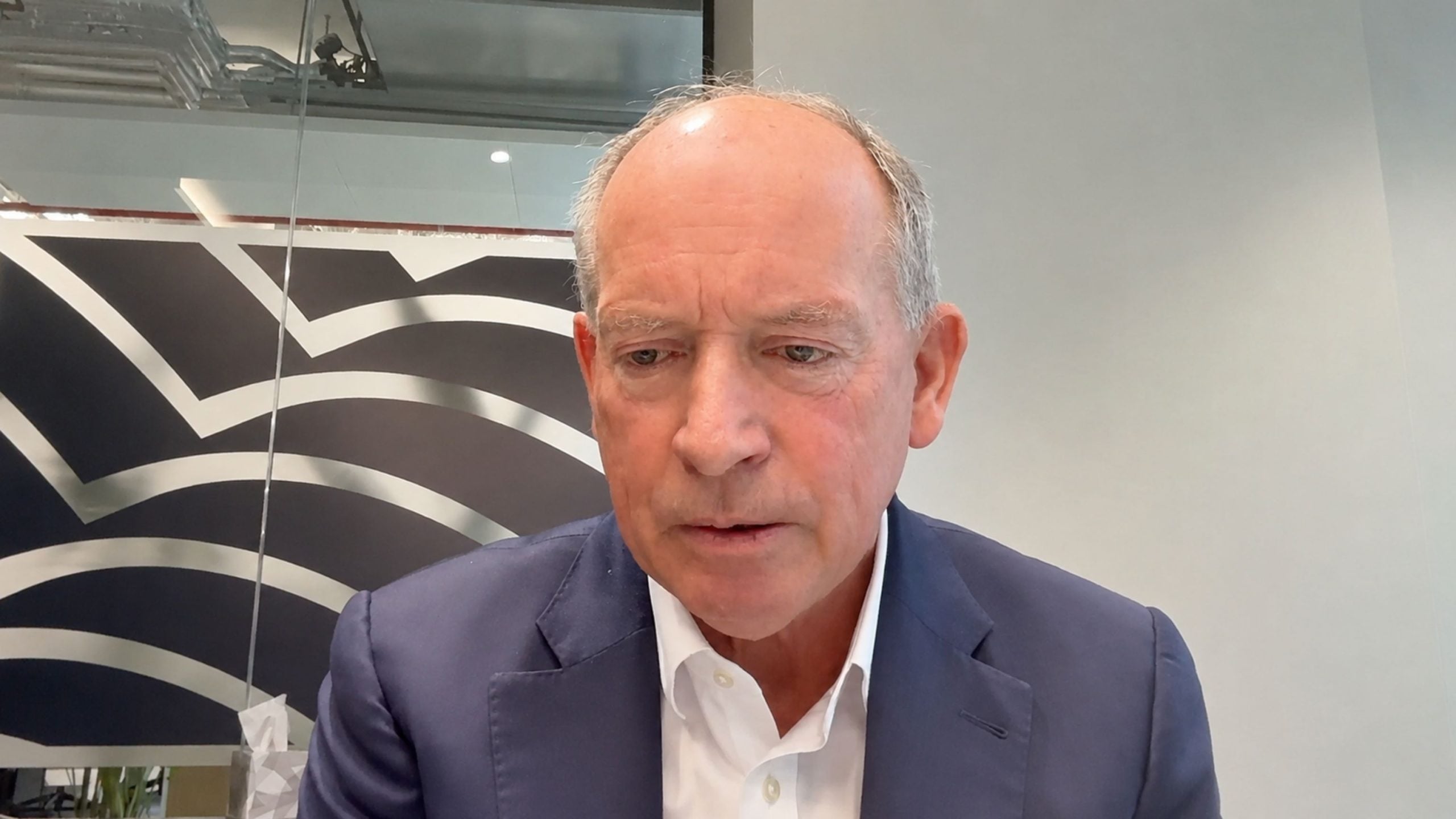
Ian Cheshire, the government’s pick to run the UK’s speech regulator, appeared before the Science, Innovation and Technology Committee on Wednesday and laid out what amounts to an acceleration plan for online censorship.
He pledged to take on the “big tech bros,” branded VPNs as a “technical problem,” identified YouTube as needing a whole new set of regulatory powers, and hinted that Ofcom will ask the Treasury for more funding.
Before the hearing, Cheshire had “reached out to the Molly Rose Foundation because I wanted to understand its perspective.”
He had “quite deliberately” not met any mainstream tech companies. The Foundation has called Ofcom “slow, defensive and risk-averse” and demanded a new, broader censorship law within the first two years of this Parliament. The companies that might have raised concerns about overreach? Cheshire chose not to hear from them.
More: Ofcom and the Fantasy of Global Speech Control
On VPNs, he told MPs: “Parliament has chosen to legislate on online safety; therefore, we should be acting on it. That is subject to the joys of VPNs and the other technical problems we have, but there is no reason not to go after the key harms that are there. As soon as they are visible, there is no reason why we cannot to do something about them.”
VPNs are legal privacy tools used by millions of people. Calling them “technical problems” tells you how the incoming chair views individual privacy relative to the state’s power to police speech. To a growing number of bureaucrats, privacy tools aren’t part of rights to be protected. They’re obstacles.
Ofcom already monitors UK VPN usage using an unnamed third-party tool and a group of peers has proposed banning under-18s from using VPNs entirely.
Cheshire told the committee that Ofcom will “need to deal with” the perception that “Ofcom is too timid and not moving fast enough.”
The Online Safety Act already lets Ofcom compel platforms to censor content under vague categories of “harm” that the regulator defines. It can fine companies up to 10 percent of global revenue and hold executives personally liable.
He singled out YouTube as “the biggest single challenge” and suggested Ofcom may need a “different toolkit” to “regulate effectively something like YouTube.”
The OSA’s codes of practice are still being rolled out. Ofcom hasn’t finished writing the existing rules and the incoming chair is already signaling they won’t be enough.
Cheshire also endorsed extending prominence legislation to YouTube, using law to push state-funded broadcaster content ahead of whatever YouTube’s audience actually chooses to watch.
On funding, he said Ofcom should be “very demanding of itself about whether it really has the resources” and that the Treasury may get a “gentle request” to “raise the cap.” More money means more staff, more surveillance tools, and a larger apparatus for policing speech online.
His description of how he’d approach tech companies was pretty blunt: “persuading them that they need to change, and then being able to present a stick if they do not change, because the quickest way to affect millions of people is to get the big platforms to change their behavior.”
He sees platforms as levers. Change a platform’s behavior and you reshape the information environment for millions of users at once. The OSA’s categories of “harm” are broad enough to catch journalism, satire, and political speech. Who decides where the line falls? Ofcom. Who reviews the decision before content disappears? Nobody.
If you're tired of censorship and dystopian threats against civil liberties, subscribe to Reclaim The Net.
The post Incoming Chief of UK Speech Regulator Takes Aim at VPNs appeared first on Reclaim The Net.








 New Posts (Home)
 ChatBox
 Popular Posts
  Game Zone
 Top PodCasts