www.bikernet.com
Harley-Davidson X440 Comparison
AUTHOR’S NOTE: A 30 year old itch
This article came out of a personal inquiry into available choices in nation of India
The Big V-Twins are not practical for third-world nations and developing nations. Moreover, the X440 single cylinder is not an evil cousin — it’s just that the climate, the terrain, the available infrastructure, logistics and economical condition of consumers demanded a substitute for the big V-Twins which are still desirable but never practical.
A V-Twin would be a trophy bride capable of doing little for an average motorcycle user in India.
Compared to that — the X440 is purpose built for India and for Indians –both.
This Article –it may not be relevant or interesting to global audiences –but i hope Americans don’t believe their beloved brand is being diluted or polluted or subsidised or discounted.
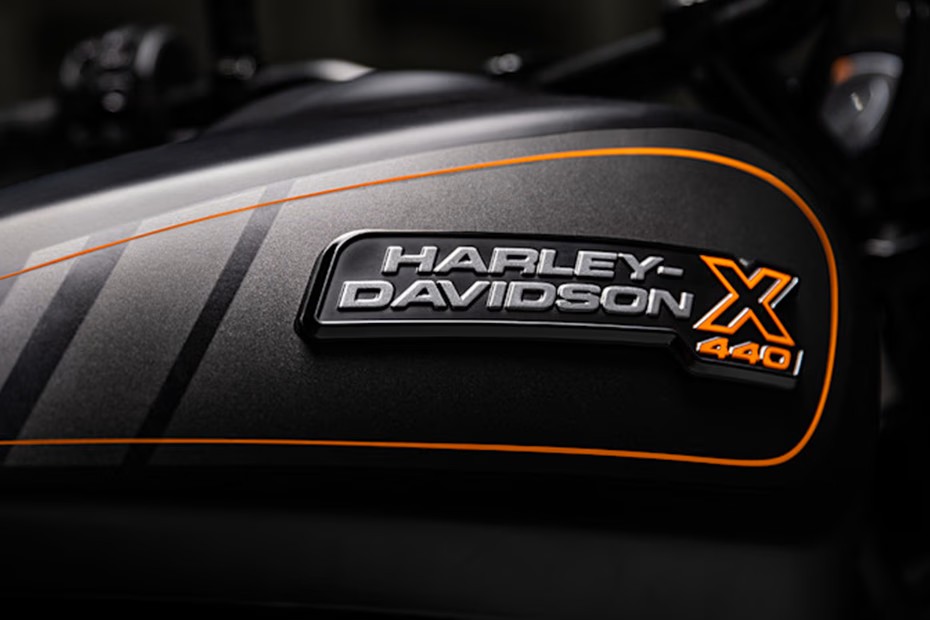
The badge available only on the old X440 S variant is still highly priced over actual upgrades to mechanics and electronics onboard the X440T.
Navigating the Premium Leap: Harley-Davidson X440 S Vs. X440 T and the Art of the Sub-400cc Exchange
Why aesthetics and gadgetry should not be a priority if you are looking for a long-term motorcycle touring solution.
The mid-capacity motorcycle segment in India is witnessing a fascinating tug-of-war between classic, torquey character and cutting-edge electronic refinement. At the epicenter of this shift is the collaboration between Hero MotoCorp and Harley-Davidson. With the launch of the street-tracker-styled X440 T alongside the established X440 S, buyers looking to upgrade from quarter-liter machines face a compelling dilemma.
Compounding this product choice is the real-world hurdle of motorcycle upgrading: trading in an existing vehicle. When transitioning between premium products managed within the same corporate parentage—such as moving from a Hero product to a Hero-built Harley-Davidson—understanding variant nuances and dealership valuation psychology is critical to protecting your wallet and ride-quality.
Part 1: Product Architecture — X440 S vs. X440 T
While both machines share the fundamental underpinnings of an air-oil-cooled, long-stroke 440cc single-cylinder engine producing 27 bhp and 38 Nm of torque, their design philosophies, ergonomics, and electronic packages diverge drastically.
The Standard Flagship: X440 S
The X440 S represents the premium iteration of the original cruiser platform. Distinguished by its machined, 3D metallic tank badge, smartphone-connected TFT console, and diamond-cut alloy wheels, it targets riders seeking a relaxed, commanding road presence. It retains a highly analog mechanical ecosystem, featuring a traditional physical throttle cable.
The New Challenger: X440 T
The X440 T is a structural and aesthetic redesign leaning heavily into a flat-track, “XR1200” style street roadster theme. It updates over 70 individual components to deliver a tighter, more contemporary package. The bulky rear mudguard of the standard model is replaced by a sleek, sharp tail cowl. Mechanically, it implements Ride-by-Wire (electronic throttle control), switchable traction control, multi-level riding modes (Road and Rain), switchable rear ABS, and a panic-brake hazard system.
Part 2: Environmental Adaptation — The Indian Infrastructure Real-World Test
While on-paper technical updates favor the flashier X440 T, evaluating both motorcycles against the grueling demands of Indian roads—particularly highly congested, monsoon-prone, and under-repair metros like Mumbai—reveals that newer isn’t always better.
Traffic Maneuverability and Ergonomics
The X440 T features stylish, bar-end mirrors. In dense, stop-and-go urban traffic where tight gap filtering is mandatory, these mirrors artificially widen the bike’s steering profile, making them highly vulnerable to being clipped by auto-rickshaws or commercial mirrors. The X440 S utilizes classic, top-mounted handlebar mirrors, keeping the machine’s footprint narrow and agile. Furthermore, the X440 S features a swept-back, upright handlebar layout that absorbs shocks through the rider’s legs and spine, whereas the X440 T’s flatter, sportier bar cocks the rider’s torso forward, transferring pothole impacts directly to the wrists.
Use Case Scenarios
Electronic Robustness and Fuel Volatility are true concerns today. Long-distance touring across varying Indian terrains introduces two uncontrollable factors: bad roads, breakdowns, waterlogging and unpredictable fuel quality.
The Case for Mechanical Simplicity: The X440 S relies on a standard mechanical throttle cable. It is impervious to heavy monsoon wading and simple to patch up by a roadside mechanic if a snap occurs. The X440 T’s Ride-by-Wire setup introduces sensitive electronic servo actuators at the throttle body.
Fuel Digestibility: Both variants run a low compression ratio (9.65 : 1), which safely tolerates low-octane, adulterated highway fuel without engine knocking. However, if bad fuel triggers low-rpm stumbling, a rider can manually feather a mechanical throttle cable on the X440 S to smooth over the stutters. On the electronic X440 T, sudden engine dips monitored by hyper-vigilant sensors run a higher risk of tripping the Engine Control Unit (ECU) into a protective “limp home” dashboard error state.
Luggage Management (The Big Touring Hurdle) Touring requires mounting tail bags, saddlebags, or a top box. The standard X440 features a traditional, extended rear subframe and grab rails that act as perfect mounting points for bungee cords and saddle stays. The X440 T has a highly stylized, short, flat-track-inspired tail cowl. While beautiful, this sporty rear shape makes mounting heavy touring luggage securely much harder without scratching the bodywork or risking the bag sliding forward into your back.
Ownership Expenses: From a routine maintenance perspective, the periodic service charges for the Harley-Davidson X440 S and X440 T are virtually identical, as both share the exact same 440cc air-oil-cooled engine, oil filter requirements, and basic mechanical consumables—averaging roughly ₹2,800 to ₹3,200 for standard oil-change services.However, when evaluating long-term accidental repairs or electronic components, the X440 T introduces a higher cost profile. While shared items like brake pads, air filters, chains, and sprockets cost the same, the X440 T carries exclusive, premium body panels (such as the re-engineered flat-track tail section and tank extensions), bar-end mirrors, and complex Ride-by-Wire throttle bodies/sensors that will command a significant premium over the simple, highly affordable mechanical throttle cable and conventional body parts of the X440 S.Consequently, while daily running costs are tied, the X440 S remains the more budget-friendly variant to fix and maintain over years of hard real-world wear.
Part 3: Financial Dynamics in the Mumbai Market
Acquiring a premium machine in Mumbai carries high overhead costs in the form of regional RTO taxes and comprehensive insurance premiums. The cost structure for the two top-end variants reveals a definitive price delta.
Cost ComponentHarley-Davidson X440 SHarley-Davidson X440 TEx-Showroom Price₹2,59,000₹2,84,000Mumbai RTO (Road Tax & Reg.)~₹35,700~₹38,800Comprehensive Insurance~₹22,100~₹22,500On-Road Price Range (Mumbai)₹3,12,000 – ₹3,16,800₹3,41,400 – ₹3,45,300
Upgrading to the tech-loaded X440 T requires an incremental out-of-pocket expenditure of approximately ₹25,000 to ₹30,000 over the X440 S. For purists or long-distance tourers who value ergonomic comfort, luggage solution and mechanical reliability over electronic riding modes, the X440 S offers superior financial and functional value.
Part 4: Case Study — Overcoming Dealership Undervaluation
When upgrading within the same manufacturer ecosystem, buyers often encounter a frustrating phenomenon: automated corporate undervaluation. Dealership networks use internal valuation engines to generate rapid, lowball baseline quotes designed to clear stock to secondary brokers rather than account for individual vehicle maintenance history.
Theoretical Case Study: The Discontinued 2-Valve Asset
Consider a theoretical case study based on an exchange scenario in Mumbai: A buyer seeks to trade in a January 2022 registered Hero Xpulse 200 2V to purchase a new X440 S.
The vehicle has a critical differentiator: it has been maintained under an official, authorized Hero Annual Maintenance Contract (AMC) at all times after the mandated warranty free servicing. Meaning every oil change, parts installation, and engine health monitoring has been meticulously logged in Hero’s central database.
Despite this flawless mechanical pedigree, multiple authorized dealerships render a rigid, uniform trade-in valuation of precisely ₹60,000.
Deconstructing the Lowball Math
The dealership’s valuation software operates on rigid, automated algorithmic anchors:
The Discontinuation Penalty: The Xpulse 200 2-Valve (2V) variant was superseded by the 4-Valve (4V) and subsequent 210cc platforms. Systems automatically depress asset value for defunct engine architectures, assuming diminished component availability.
The Original Price Ceiling: In late 2022, the ex-showroom price of the Xpulse 2V sat near ₹1.27 Lakh. A baseline 3.5-year flat depreciation scale automatically slices the vehicle’s worth by ~50%, completely ignoring real-world inflation or localized demands for rugged adventure platforms.
Part 5: Strategic Negotiation Framework for Upgraders
To break through an algorithm-driven valuation ceiling like the ₹60,000 block highlighted in our case study, an upgrading buyer must shift the conversation from defensive arguing to systemic leverage. The following four-step negotiation framework bypasses the evaluator’s app and targets the dealership’s core business margins.
1. Weaponize the Centralized CRM Data
Do not simply claim a motorcycle is “well-maintained.” Because the vehicle in our case study was bound to an authorized Hero AMC, its entire service roadmap is a verified corporate record.
The Action: Instruct the used-vehicle evaluator to open their internal dealer management system (DMS) portal. Make them trace the digital footprint of every timely oil change and service token. Force them to update the vehicle evaluation application’s manual quality checkboxes from “Good/Average” to “Mint/Excellent.” This simple re-grading of mechanical health can force the automated system to bump its baseline output by ₹8,000 to ₹12,000.
2. Isolate the “Exchange Top-Up” from Base Asset Value
Dealerships routinely combine the raw trade-in value of an old bike and corporate loyalty bonuses into a single, opaque number to protect their profit margins.
The Action: Demand a complete line-item breakdown of the ₹60,000 offer. Ensure that the corporate Hero-to-Harley Upgrade Loyalty Bonus (typically an official company incentive worth ₹3,000 to ₹7,000) is applied separately on top of the bike’s assessed value, rather than being swallowed by the base quote.
3. Negotiate via “Over-Allowance” and New-Vehicle Margins
If the used-bike assessment team remains genuinely restricted by strict backend system caps that forbid manual overrides past ₹60,000, pivot immediately to the New Vehicle Sales Manager. New vehicle divisions possess independent margin flexibilities tied to monthly dealership volume targets.
The Action: Agree to the ₹60,000 trade-in value on paper, but demand a corresponding Over-Allowance discount applied directly to the X440 S invoice. If an upfront cash discount is blocked, negotiate for the waiver of local RTO logistical/handling fees or demand the complimentary installation of official accessories (such as the premium engine guard and bash plate) to close the valuation deficit.
4. Deploy the Cross-Town Showroom and External Benchmarking Strategy
In major metros like Mumbai, premium vehicles are no longer confined to isolated, monopolistic dealerships; they are distributed across competing multi-location Hero Premia networks (stretching across Andheri, Bhandup, Panvel and surrounding regions). Even some multi-brand outlets may source a motorcycle model for you.
The Action: Before settling for an internal trade-in quote, secure a formal, binding inspection offer from specialized independent used-two-wheeler platforms operating in the city (such as BeepKart or CredR). A well-maintained Xpulse 2V with a clean AMC history can easily fetch up to ₹70,000 to ₹75,000 on the open market due to high organic demand.
Present this digital receipt to the Hero Premia Sales Manager. Inform them that they must either match the real-world value through new-motorcycle invoice adjustments or lose a high-value, immediate booking to a rival showroom down the highway.
Conclusion
The choice between the Harley-Davidson X440 S and the X440 T extends far beyond aesthetics; it is a calculation of where and how the motorcycle will live. For the daily urban commuter and long-distance cross-country tourer dealing with volatile fuel and harsh infrastructure, the mechanical simplicity, neutral ergonomics, luggage compatibility, lower long-term ownership costs and traffic-friendly profile of the X440 S make it the superior choice.
Furthermore, by converting documented maintenance records like an authorized AMC into structured negotiation leverage, upgrading motorcyclists can successfully dismantle rigid dealership evaluation algorithms—turning a lowball trade-in attempt into a highly optimized, cost-effective premium purchase.
You can draw a similar conclusion for choosing Hero XPulse 200 4V over the newer XPulse 210
Image Source: Wikipedia and Harley-Davidson official website
—-Wayfarer@Bikernet.comAssociate Editor, Bikernet.com
Mumbai, India
The post Harley-Davidson X440 Comparison appeared first on Bikernet.com - Online Biker Magazine.








 New Posts (Home)
 ChatBox
 Popular Posts
  Game Zone
 Top PodCasts