reclaimthenet.org
California Assembly Passes Under-16 Social Media Ban
If you're tired of censorship and dystopian threats against civil liberties, subscribe to Reclaim The Net.
California’s Assembly voted 76 to 0 on May 28 to push forward a bill that would bar anyone under 16 from holding a social media account and the system that makes such a ban work easily reshapes the internet for everyone else. Assembly Bill 1709 now moves to the state Senate.
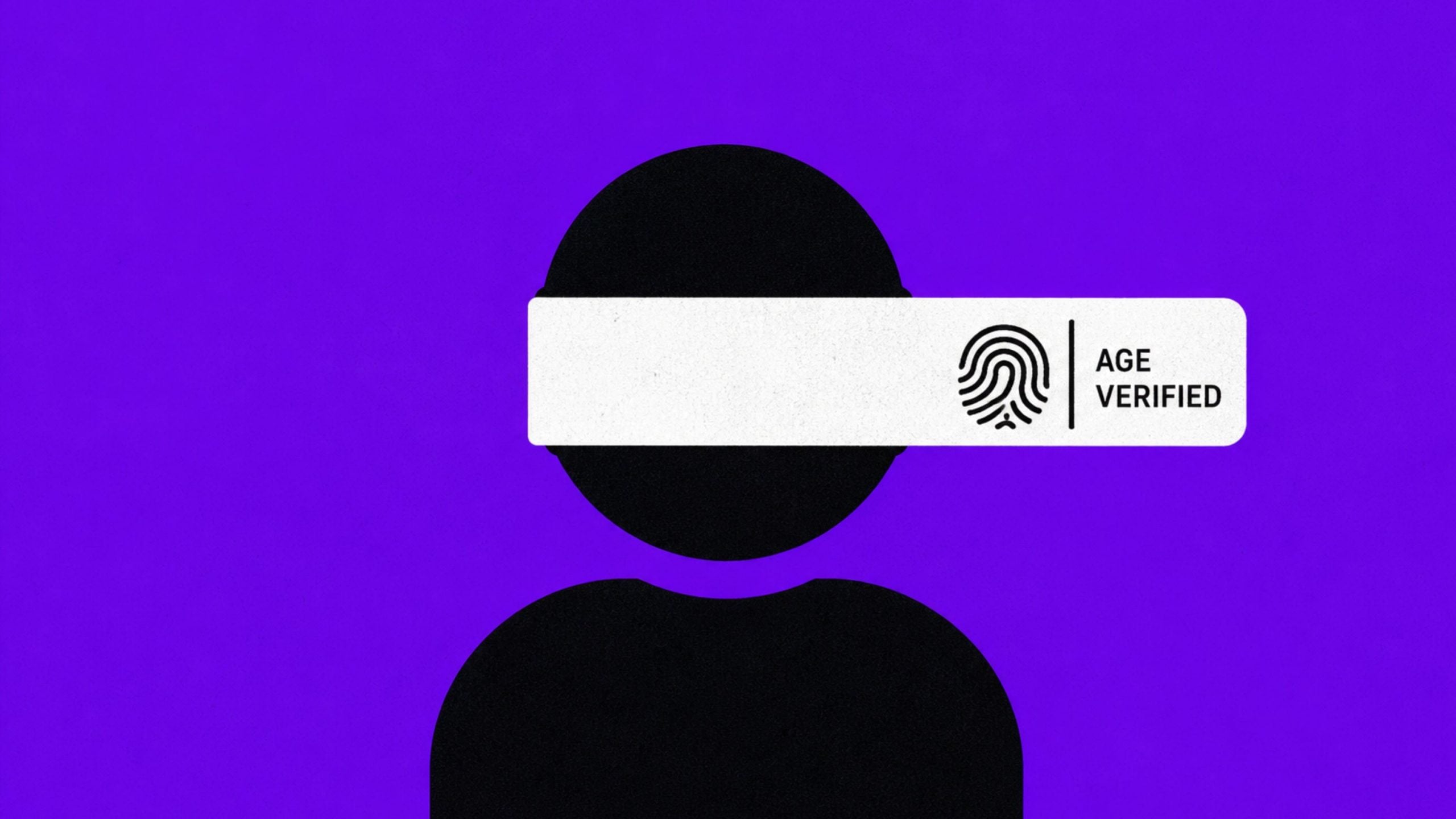
To stop under-16s from creating accounts, a platform first has to figure out who is and is not 16, which means running some form of age check on every person who signs up, regardless of how old they are.
Assemblyman Josh Lowenthal, who wrote the bill, presents it as a response to platforms that he says are harming young people. Social media, he told reporters, is “wreaking havoc on the minds of our youth,” and the companies behind it “have adopted design choices that malignantly target users’ neurological systems, leading to addiction, depression, and, in grave circumstances, death.”
The bill text says the state “has a compelling interest in protecting children and adolescents” from products it describes as built to exploit how young people develop.
The legal language describes the requirement in flatter terms, saying AB 1709 “would prohibit a covered platform, as defined, from permitting a user who is under 16 years of age to create or maintain an account on the covered platform and would require a covered platform to implement reasonable measures to prevent users under 16 years of age from accessing or using accounts on the covered platform.”
A covered platform is any website, service, or app that makes what the bill calls “addictive features,” things like endless scroll, autoplay, and notifications, available to people under 16.
What turns this from a rule about teenagers into a rule about everyone is the verification system it leans on. AB 1709 builds on the Digital Age Assurance Act, California’s age law that takes effect January 1, 2027 and pushes the checkpoint down to the operating system and app store.
Under that earlier law, an app asks the device for an age bracket the moment it is downloaded and launched. AB 1709 attaches social media to that system. The age gate stops being a one-time pop-up you can dodge and becomes part of the plumbing your phone runs before the app even opens.
Proving you are old enough to use a platform is, functionally, proving who you are. Age assurance at this level tends to mean an ID upload, a face scan, or a chain of signals that ties an account back to a real identity.
The teenager the law is written to protect ends up sharing the cost with the adult who simply wants to read a forum without handing a private company a government document first. Anonymous and pseudonymous use of mainstream platforms, the default for most of the internet’s life, gets harder to hold onto with systems like this one.
The bill does include guardrails on the data it generates and they read better than nothing. Age assurance information has to be kept “only for the minimum period necessary to complete the verification process,” cannot be used “for advertising, profiling, or algorithmic recommendation purposes,” and has to sit behind reasonable security. Those limits rest on words like “reasonable” and “minimum,” which companies and regulators get to define later.
The deeper trouble is that the safest data is the data nobody collects and this law guarantees that millions of new identity records get created and parked with private firms that have a poor record of keeping such things from leaking.
AB 1709 also stands up a permanent body to oversee all of it. The bill creates an e-Safety Advisory Commission inside the Department of Justice to advise the Attorney General on enforcement, age verification technology, and online safety generally, and it requires the commission to report to the Legislature and the Governor by January 1 every year.
A standing commission with an annual report is a standing commission that has reason to keep finding work and the bill hands it room to grow. The Attorney General may, “in consultation with the e-Safety Advisory Commission,” rewrite the definition of “covered platform” whenever the office decides a wider net is needed to reach services that make addictive features available to under-16s.
The verification machinery built to keep children off Instagram is the same machinery that can later be pointed at smaller forums and niche apps, or at whatever the office reads into “addictive features” next. California has a habit of setting the template other states copy and the template here asks every resident to prove their identity to a private company as the price of going online.
If you're tired of censorship and dystopian threats against civil liberties, subscribe to Reclaim The Net.
The post California Assembly Passes Under-16 Social Media Ban appeared first on Reclaim The Net.








 New Posts (Home)
 ChatBox
 Popular Posts
  Game Zone
 Top PodCasts