www.dailywire.com
Reality TV Didn’t Hurt Spencer Pratt. It Helped Him Win
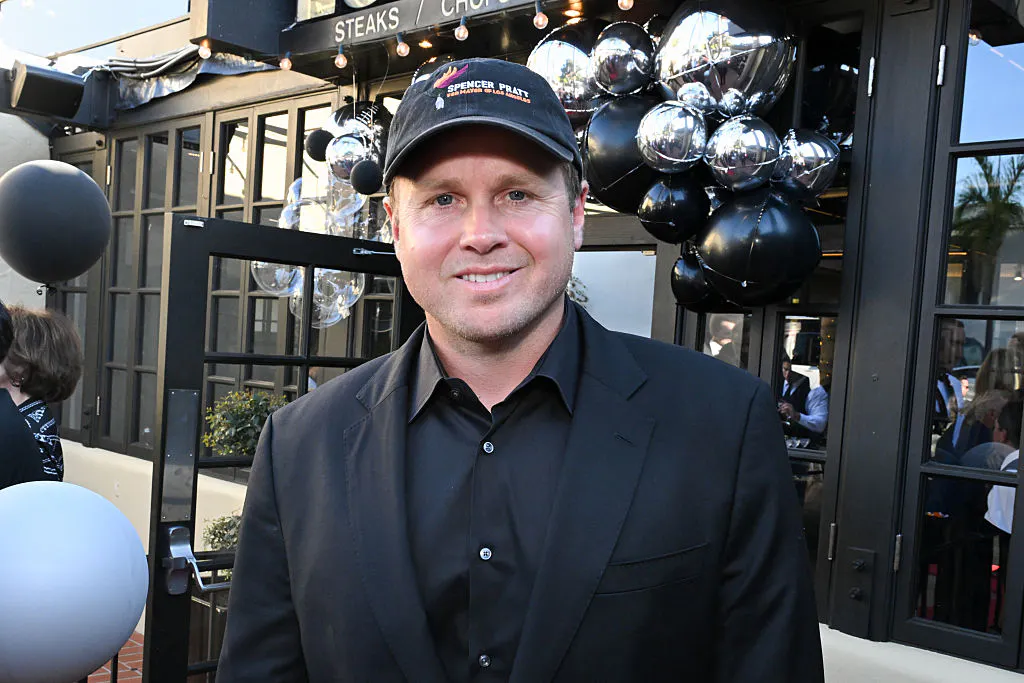
When Spencer Pratt advanced through the primary, plenty of political insiders and even the mainstream media rolled their eyes. They shouldn’t have. Reality television may be one of the most underrated training grounds for modern political leadership.
Long before social media turned every American into a content creator, reality television was teaching people how to communicate directly with audiences, withstand relentless criticism, manage public perception, and remain accountable under constant public scrutiny. Every word, every decision, and every unscripted moment is dissected in real time. Few traditional career paths prepare someone for the realities of modern politics more effectively.
As a former contestant on ABC’s The Bachelor and Bachelor in Paradise, I’ve experienced that pressure firsthand. I know what it’s like to have strangers form opinions about your character based on a few edited moments on television. I’ve lived through the criticism, the public scrutiny, and the challenge of navigating both a national and international audience in real time. That’s why I view reality television differently from many political insiders, not as a punchline but as a crash course in resilience, communication, and public accountability.
President Donald Trump shattered the old political paradigm. He proved that voters were hungry for nontraditional leaders from outside the Beltway — anti-establishment candidates forged in business, media, and entertainment rather than lifelong political insiders. Americans value authenticity and the ability to communicate directly over polished résumés and institutional approval.
That shift has only accelerated. Spencer Pratt’s advancement through the primary is the latest example. While political insiders dismissed him, he understood something many career politicians still don’t: direct, authentic communication with voters often matters more than endorsements, consultants, or party machinery. Through social media, podcasts, viral moments, and emerging tools like AI-generated media, candidates can bypass traditional gatekeepers and speak directly to the people they hope to serve. Reality television personalities understand these dynamics instinctively because audience connection has always been at the core of their profession.
Critics love to sneer at reality stars as unserious fame-chasers, but Spencer Pratt’s advancement through the primary demonstrates how often the political class misreads what voters want. The deeper truth is that many have already built successful lives and careers. They’re willingly stepping away from comfort, privacy, financial security, and family peace to enter the arena, knowing that in politics, the microscope falls not just on them, but on their spouse, children, parents, and friends.
The skills developed on reality television translate powerfully to public service. It demands clear communication under pressure, quick thinking amid chaos, the ability to build relationships with people from every background, and the composure to stay steady while the world watches and judges. In today’s environment, communication is leadership. The ability to explain ideas plainly, inspire trust, and cut through noise is central to effective governance.
Far from easy or mindless, reality television is an intense, accelerated course in public accountability. You can’t hide behind consultant-scripted statements or staff-written talking points. Millions watch, react, praise, and criticize in real time. It forces thicker skin, sharper self-awareness, greater adaptability, and the discipline to stay focused amid chaos. Watching The Apprentice, I saw more than entertainment; I saw real lessons in team dynamics, problem-solving, conflict resolution, and leadership under pressure.
That’s why it makes perfect sense that Sean Duffy went from The Real World to Congress and now serves as Secretary of Transportation, or that Spencer Pratt went from The Hills to advancing through a competitive primary. These platforms reveal who can handle pressure and authentically connect with everyday people.
My time on reality television doesn’t define me — my faith, family, and values do. But it undeniably shaped me. It taught me how to handle criticism with grace, communicate clearly even when emotions run high, and keep my eyes on what matters most amid the noise. Those lessons have served me well in media and communications, and they shape how I evaluate leaders today: not by pedigree or polish, but by character, resilience, vision, and the courage to step into the arena knowing the personal cost.
The political world has changed. Voters are looking for men and women who can connect directly with the people they hope to serve, rather than those who only know how to play the insider game. Reality television does not disqualify someone from public service. In many ways, it has become one of the most effective training grounds for leadership in the digital age. The same skills that help someone survive years under public scrutiny — authentic communication, resilience, adaptability, and the ability to connect with ordinary people — are increasingly the ones that help candidates advance and win in modern politics. Spencer Pratt’s advancement through the primary didn’t happen despite his reality television background. There’s a strong argument that it happened, in part, because of it.
We should judge candidates by their actions, their ideas, their grit, and their character, not by the medium that first put them in the public eye. Because in America, even the teenage villain of a California reality show can grow into a serious political contender and challenge the political establishment. Ultimately, voters, not political insiders, decide who belongs in the arena.
***
Jillian Anderson King is a former Washington Redskins Cheerleader Ambassador and ABC’s The Bachelor and The Bachelor in Paradise contestant. She’s a Mombassador for Moms for America, an ambassador for Turning Point and Turning Point Faith, and a proud Christian Conservative mother and wife. Jillian is also the founder of The Kings Firm, a strategic communications firm.








 New Posts (Home)
 ChatBox
 Popular Posts
  Game Zone
 Top PodCasts