www.dailywire.com
Some Of America’s Favorite Foods Could Be Accelerating Its Cognitive Decline
A recent study suggests that ultra-processed foods could be responsible for declines in attention and cognitive function.
The study, which was published in Alzheimer’s & Dementia: Diagnosis, Assessment & Disease Monitoring last week, analyzed over 2,100 individuals and found that ultra-processed food consumption was linked to worse attention and mental processing. Ultra-processed foods add artificial ingredients such as high-fructose corn syrup, whey protein, flavor enhancers, and chemical-based preservatives.
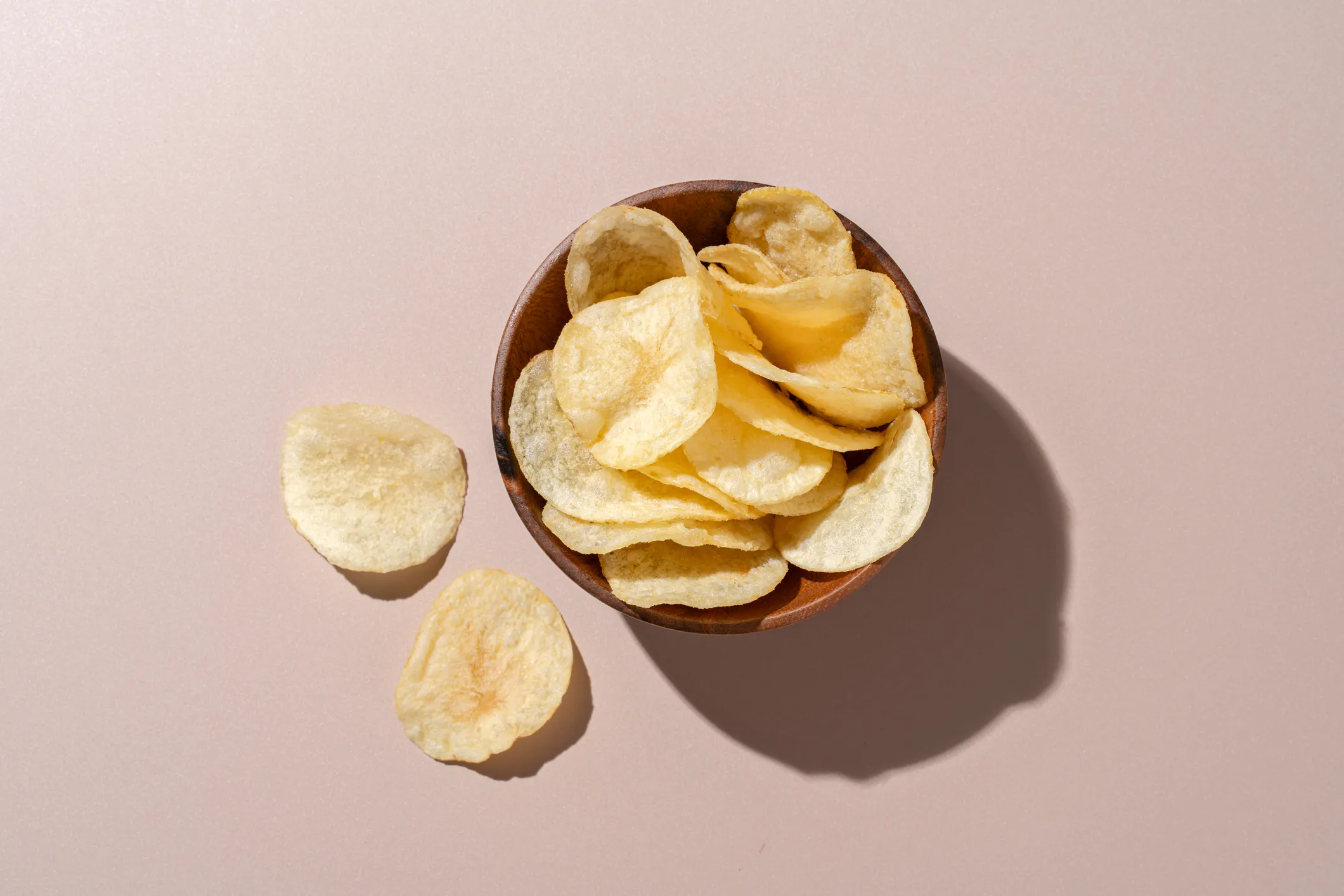
The study showed that even modest increases in ultra-processed foods, such as adding a bag of chips to one’s diet, had negative cognitive effects.
“For every 10 percent increase in ultra-processed food a person consumed, we saw a distinct and measurable drop in a person’s ability to focus,” the study states. “In clinical terms, this translated to consistently lower scores on standardized cognitive tests measuring visual attention and processing speed.”
The study was led by Dr. Barbara Cardoso from Monash University, one of the top 40 research universities worldwide, in partnership with researchers at the University of São Paulo and Deakin University.
Other studies from Harvard University, the Framingham Heart Study, and one from Brazil have shown that ultra-processed foods increase dementia and Alzheimer’s risk and overall cognitive decline. However, these studies analyzed people from general population cohorts, which include people with unhealthy diets. The new study from Monash University shows that even those with a healthy Mediterranean diet also suffer from the cognitive side effects of consuming ultra-processed foods.
“Food ultra-processing often destroys the natural structure of food and introduces potentially harmful substances like artificial additives or processing chemicals,” Dr. Cardoso said.
“These additives suggest the link between diet and cognitive function extends beyond just missing out on foods known as healthy, pointing to mechanisms linked to the degree of food processing itself,” she added.
Ultra-processed foods make up large proportions of the diets of developed countries, consisting of the majority of the total dietary energy for the average person in America, Canada, and the United Kingdom.
Most foods go through some sort of system of processing, whether that be for drying, crushing, freezing, bottling, refining, or pressing, and these processes are mostly benign as they do not add any extra sugars, oils, or fats, according to a study published in Public Health Nutrition, a Cambridge University Press journal.
Ultra-processed foods, however, “are typically high-energy-dense products, high in sugar, unhealthy fats and salt, and low in dietary fibre, protein, vitamins and minerals,” the study adds. Ultra-processed foods often include fast food, soft drinks, salty snacks, frozen meals, and plant-based milks found in vegan products.
Health and Human Services Secretary Robert F. Kennedy Jr. has made the fight against ultra-processed foods a central part of his MAHA movement. In a “60 Minutes“ interview earlier this year, he called ultra-processed foods “poison” and stated they were the cause of America’s obesity. Kennedy has also instructed the HHS and the FDA to phase out artificial dyes, a major component in ultra-processed foods.








 New Posts (Home)
 ChatBox
 Popular Posts
  Game Zone
 Top PodCasts