www.optimistdaily.com
HPV vaccine brings cervical cancer deaths to near zero
BY THE OPTIMIST DAILY EDITORIAL TEAM
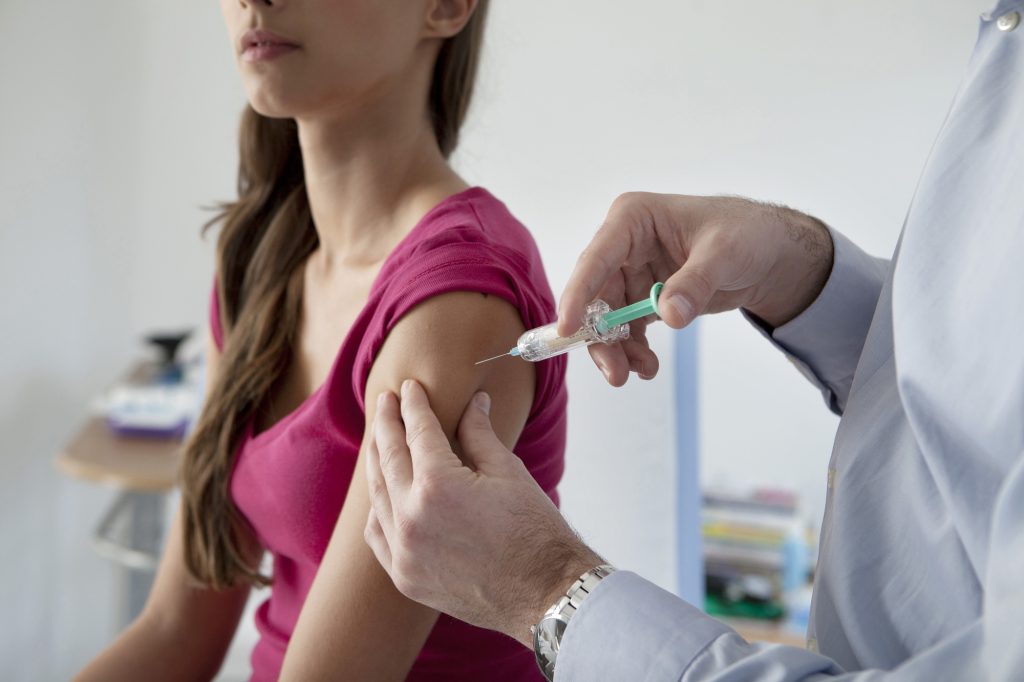
Between 2020 and 2024, not one woman between the ages of 20 and 24 in England died from cervical cancer. It was the first five-year window on record where that age group saw zero deaths, and a new study published in The Lancet now explains why: the HPV vaccine, introduced for school-age girls in England in 2008, is delivering on what it promised.
Children vaccinated against HPV at ages 12 and 13 have close to zero risk of dying from cervical cancer before age 30, according to research led by Professor Peter Sasieni of Queen Mary University of London. Without vaccination, the team estimates roughly 23 deaths would have occurred in that age group over the same period. Since the school vaccination program began, approximately 200 lives have been saved in England.
“It’s incredible to think that a single jab can almost eliminate a particular type of cancer,” Sasieni said.
What HPV is and how it causes cancer
Human papillomavirus, or HPV, is a large group of viruses that spread through skin-to-skin contact, most commonly sexual contact. Most people who contract it never know; the infection typically clears on its own. In some cases, certain strains trigger abnormal cell changes that can develop into cancer over years or decades. HPV is thought to cause 99 percent of cervical cancer cases, and is also linked to cancers of the anus, penis, vulva, vagina, and parts of the head and neck.
The HPV vaccine targets the strains most likely to cause those cancers. Given to children before they encounter the virus, it offers near-complete protection. In England, girls have been offered it since 2008; boys were added in 2019, helping cut transmission and protect them from HPV-related cancers as well.
Five years of zero cervical cancer deaths
In every prior five-year period on record, deaths from cervical cancer in women aged 20 to 24 in England landed somewhere between five and 27. The girls who received the HPV vaccine in 2008, when they were 12 and 13, are now in their late 20s. Between 2020 and 2024, the count was zero. The decline tracks almost exactly with who was old enough to be vaccinated when the program launched.
“As vaccinated generations grow older, we’ll see many more lives saved from cervical cancer,” Sasieni said, calling the current results “the tip of the iceberg.” Cancer Research UK, which funded the study, described the findings as an “incredible milestone.”
Vaccination rates falling short of the 90 percent target
The UK government has pledged to eliminate cervical cancer as a public health problem by 2040. The World Health Organization says 90 percent of girls need to be vaccinated by age 15 to get there. England is currently at 76 percent, and the shortfall is not evenly spread: uptake tends to be lowest in the communities that most need to be reached.
“It’s essential that the UK government and health systems urgently address this with targeted action to reach communities where uptake is the lowest,” said Michelle Mitchell, chief executive of Cancer Research UK.
Catch-up campaigns are now running through community pharmacies, and HPV self-testing kits are going out to women who haven’t come forward for cervical screening. Screening stays recommended for women ages 25 to 64 regardless of vaccination status.
For women who missed the vaccine
Alexandra Legg left school just before the HPV vaccine was introduced in England. In 2021, she was diagnosed with cervical cancer at 30, while planning her wedding. Her treatment involved removing lymph nodes from her abdomen. Surgeons preserved part of her cervix, and a year later, her daughter Ivy was born with the middle name Marvella, meaning “miracle.”
“Those nine months were so scary because I was at such risk of losing her at any point,” Legg said.
She’s since become a vocal advocate for the vaccine. “When Ivy is old enough, she’ll be first in the queue,” she added.
Cervical cancer is still the 14th most common cancer among women in the UK, with around 3,300 diagnoses a year. For women vaccinated on schedule, the risk is now close to zero. How far that extends will come down to whether vaccination rates recover, and how many more young people get reached before the next cohort ages through.
Did this solution stand out? Share it with a friend or support our mission by becoming an Emissary.The post HPV vaccine brings cervical cancer deaths to near zero first appeared on The Optimist Daily: Making Solutions the News.








 New Posts (Home)
 ChatBox
 Popular Posts
  Game Zone
 Top PodCasts