www.theconservativebrief.com
Ceasefire Cracks: Nabatiyeh Blows Up
A fragile ceasefire in Lebanon is buckling as Israeli strikes in Nabatiyeh spark rival claims, rising civilian deaths, and fresh calls to expose Hezbollah’s tactics.
Story Snapshot
Israeli military says it hit Hezbollah weapons sites and infrastructure in Nabatiyeh amid ongoing cross-border fire [3][6].
Lebanese outlets report civilian deaths and damage, fueling claims of ceasefire breaches and demands for accountability [11][12].
Rights groups question target choices and urge investigations into strikes on civilian-linked sites [7][23].
Evidence gaps remain about the exact Nabatiyeh facility, leaving room for spin on both sides [3].
Israeli Military Says Strikes Aimed at Hezbollah Targets
Israeli officials said air crews struck several Hezbollah facilities around Nabatiyeh. They listed weapons storage sites, military structures, and infrastructure tied to the group. They framed the action as a response to more than 50 projectiles launched from Lebanon during the ceasefire window. They added that operations targeted dozens of sites associated with Hezbollah across Lebanon. These statements stress military aims, not civilian areas, and cite continuing cross-border attacks to justify the strikes [3][6].
Reports from Israeli sources describe a broad target set. The set includes logistics hubs that support rockets, drones, and command work. Officials argue Hezbollah embeds in dense towns to shield military assets. That tactic raises risks for civilians when fighting resumes. Israeli leaders say the goal is to blunt current fire and stop future rearmament. They also say the strikes are part of a pattern in south Lebanon, the Bekaa Valley, and near Beirut where Hezbollah operates [6].
Lebanese Reports Highlight Civilian Deaths and Ceasefire Strain
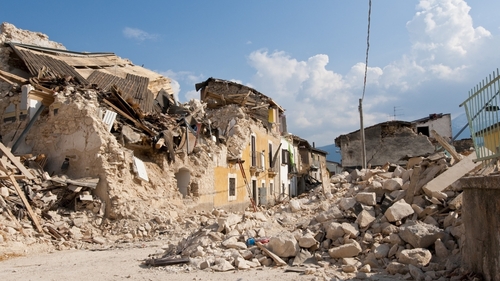
Lebanese state media and civil defense reports say strikes in the Nabatiyeh area killed multiple civilians and injured others. One Associated Press account said part of a building collapsed, killing members of a single family, including a child. Those reports fueled claims that the strikes broke the truce and hit non-military sites. Lebanese leaders and media voices urged retaliation or international pressure, adding heat to a ceasefire already under stress [11][12].
Conflicting claims deepen public confusion. Israeli officials describe military targets and frames of self-defense. Lebanese accounts point to homes, rescue workers, and public infrastructure hit in south Lebanon. Each side faults the other for breaking the truce. The gap between battlefield statements and on-the-ground harm shapes global reaction. It also raises hard questions about how to verify what was hit, why it was chosen, and whether steps to prevent civilian deaths worked as claimed [11].
Rights Groups Challenge Target Choices and Demand Proof
Amnesty International urged probes into Israeli strikes on a financial network tied to Hezbollah, arguing such branches serve civilians and are not lawful military targets. The group said Israel itself described those sites by their funding role, not by direct combat use. Earlier research reviewed broad destruction of civilian structures since late 2024 and documented ongoing harm after the ceasefire date. These findings fuel calls to release target files, imagery, and legal reviews for public scrutiny [7][23].
Numerous Israeli airstrikes killed many people in Lebanon despite an agreed ceasefire, with the Lebanese civil defence authorities saying they had recovered 16 bodies in the southern city of Nabatiyeh alonehttps://t.co/Pm15bySYLR
— dpa news agency (@dpa_intl) June 20, 2026
Key gaps remain around Nabatiyeh. The record names categories like weapons stores and military structures but does not show the exact facility struck. There are no coordinates, chain-of-custody images, or public battle damage proof in the provided material. That leaves citizens sorting through claims and counterclaims, while images of rubble drive the narrative. Independent evidence, if released, could show whether the site was a lawful military objective or a civilian building misidentified in the fog of war [3].
Why This Matters for American Readers
Hezbollah is an Iran-backed force that fires rockets at Israel and hides among civilians. That mix turns towns into battle zones. It also gives media and activists room to paint every strike as an attack on civilians. Americans care because our allies face terror groups tied to Iran, and truth gets lost when facts are thin. Clear proof on targets, and honest reporting on Hezbollah tactics, help avoid propaganda wins for Tehran’s proxies [6].
Accountability should cut both ways. Israel should back claims with verifiable evidence about Nabatiyeh targets. Lebanon should press Hezbollah to stop using civilian areas to stage attacks and store weapons. Ceasefires only hold if parties stop firing and stop hiding behind families and clinics. Transparency, not slogans, can protect innocent people and reveal who is breaking the rules. Until then, expect more strikes, more grief, and more spin from both camps [6][23].
Bottom Line for Conservatives
This fight is part of a wider struggle against Iran’s network. Hezbollah fires rockets and dares Israel to respond near homes and schools. Israel says it hit military sites in Nabatiyeh, but has not released proof the public can vet. Lebanese reports show civilians paid a price. Demand facts. Demand evidence. And do not let terror groups hide in plain sight, then weaponize the fallout for political gain [3][11][23].
Sources:
[3] Web – Air strikes hit Nabatieh in southern Lebanon on Saturday … – …
[6] Web – sraeli strikes on Nabatieh in south Lebanon have killed at least 16 …
[7] Web – Israel’s military says it’s striking Hezbollah sites as Netanyahu vows …
[11] Web – First responders inspect the sites of Israeli strikes on the southern …
[12] Web – Israeli airstrikes kill 10 civilians in Lebanon, state media reports …
[23] YouTube – Israeli strikes target multiple Hezbollah sites in southern Lebanon








 New Posts (Home)
 ChatBox
 Popular Posts
  Game Zone
 Top PodCasts