www.dailysignal.com
Senators Tried to Unravel Historic Student Loan Reform
Last summer, Congress passed the Working Families Tax Cuts Act (WFTCA), which was a massive budget reconciliation package that combined permanent tax relief with much-needed changes to the federal student loan program.
The higher education reforms passed in the WFTCA represent one of the most significant overhauls of federal student lending. These reforms helped to right-size borrowing and repayment options for millions of students, borrowers, and families, shifts that some have described as “some of the most consequential changes to federal higher education policy in years.”
Unfortunately, a group of Senate leftists were seeking to unravel the progress that’s been made.
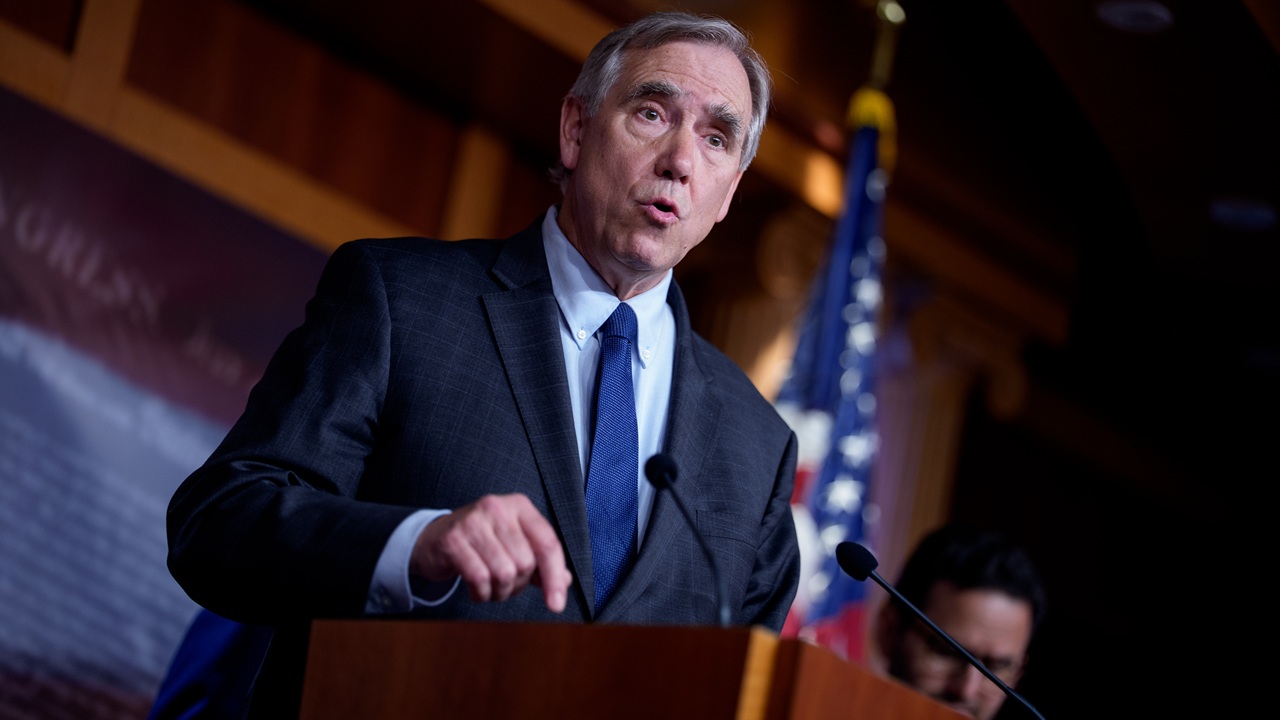
Earlier this month, Sen. Jeff Merkley, D-Ore., introduced Senate Joint Resolution 196, a Congressional Review Act resolution that, if passed by Congress, would invalidate the Department of Education’s final regulation implementing the changes made by the WFTCA to federal student loan limits and repayment plans.
Yesterday evening, the Senate voted on whether the Senate Joint Resolution should be brought to the floor for a vote. Thankfully, the motion failed.
The final regulation in question was titled “Reimagining and Improving Student Education.” It was released for publication by the Department of Education last month. The regulation, once it goes into effect on July 1, operationalizes the changes made by Congress in statute, answering dozens of questions for borrowers, such as when the new loan limits apply to new borrowers or existing ones and how graduate and professional programs are defined.
This is not a new responsibility for the department, nor is it hijacking duties from Congress. Congress has long delegated rulemaking authority to federal agencies so they can fill in the technical details necessary to implement statutory programs.
And the Department of Education has not done this on its own. The Higher Education Act requires the Department to conduct negotiated rulemaking for major regulatory changes. This means convening stakeholder committees that include representatives from institutions of higher education, taxpayer-focused groups, the legal aid community, and others, and engaging in formal negotiations to help shape the final rule.
If Congress had passed Senate Joint Resolution 196, it would have eliminated the entire regulatory framework needed to implement the new loan caps, repayment plans, and administrative guidance, just days before these higher education reforms are scheduled to take effect on July 1. While the statutory changes enacted in the WFTCA would technically have remained in law, the rules necessary to operationalize those changes would have disappeared.
Passing Senate Joint Resolution 196 would have caused utter chaos in the federal student loan and repayment system, which is already very fragile due to actions over the past few years, including prolonged payment pauses, loan cancellation schemes, and illegal repayment plans. Financial aid offices, loan servicers, and institutions would have been left without clear rules, risking delays, inconsistent application, and significant compliance challenges across the system.
The stakes are substantial. The changes made in the WFTCA to the loan limits alone will save taxpayers $44 billion over the next decade, while enacting common-sense loan caps that rein in excessive student loan borrowing that has long enabled universities and colleges to raise tuition and encouraged students to take on disproportionate levels of debt relative to their likely earnings.
Early signs suggest that institutions are already responding to these reforms. In fact, we’re already seeing some schools implement measures to lower costs for students. Santa Clara University School of Law announced that this fall it will provide all law students with a guaranteed tuition scholarship, resulting in a reduction in the net tuition students pay. The University of California, Irvine lowered tuition by more than 20% for its master of business administration program after the new loan caps were announced.
The Senate rightfully rejected Senate Joint Resolution 196. If lawmakers want to revisit elements of these reforms, they should do so through legislation that preserves clarity and stability in the federal student aid system, not by dismantling the regulatory framework required to implement laws already on the books.








 New Posts (Home)
 ChatBox
 Popular Posts
  Game Zone
 Top PodCasts