reclaimthenet.org
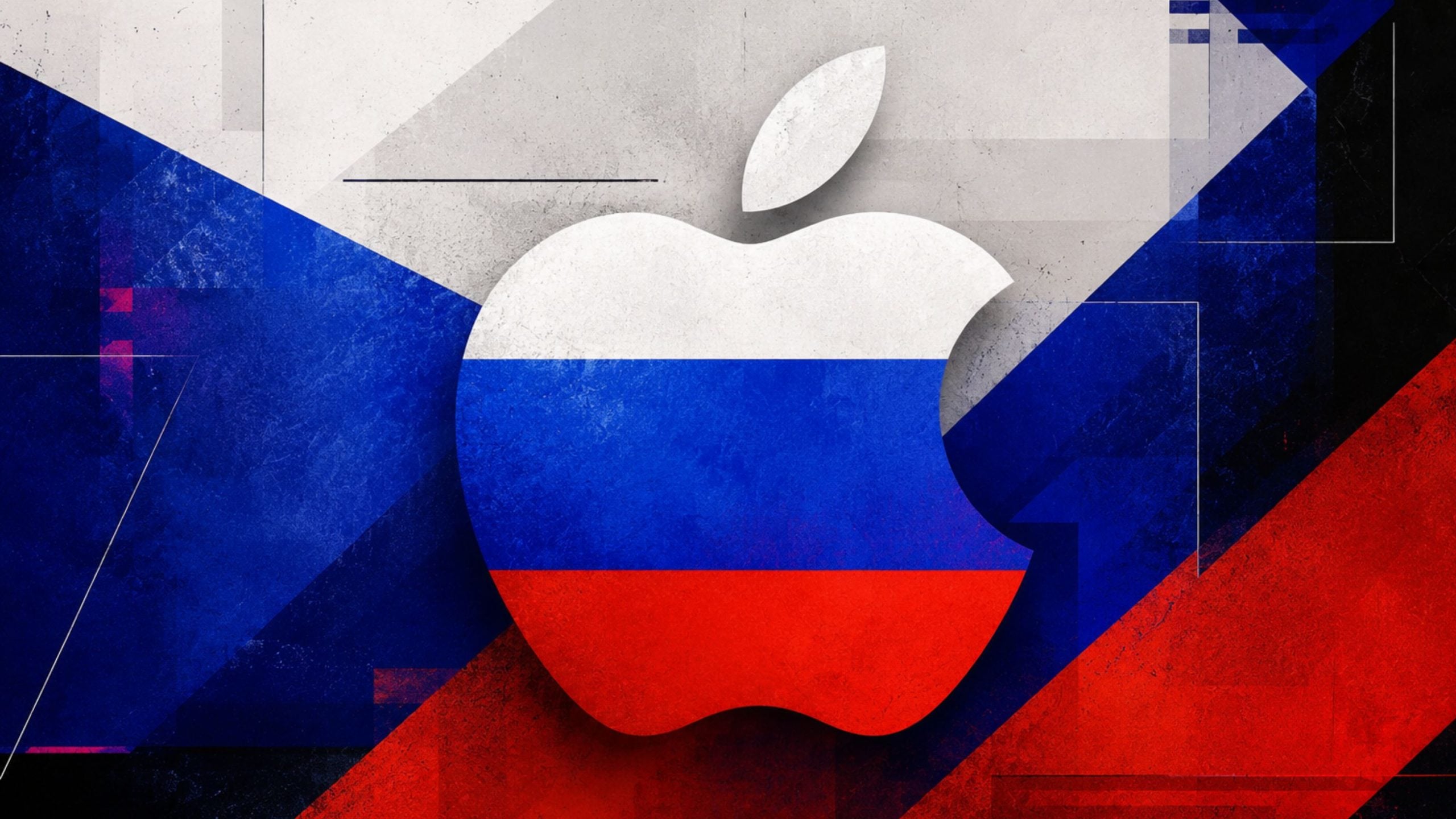
Apple Removes VK’s Apps from App Store in Russia, Citing Sanctions Compliance
If you're tired of censorship and dystopian threats against civil liberties, subscribe to Reclaim The Net.
Apple wiped the Russian tech company VK off its App Store on Thursday, pulling down the social networks VKontakte and Odnoklassniki along with the email client Mail.ru, the content platform Dzen, VK Video, VK Music, VK Dating, and VK Messenger.
The education service Skillbox went too.
There was no warning.
VK has called the deletion “completely unprompted and unacceptable.” The company said in a statement that “Apple is cutting off Russian users from highly popular services used by tens of millions of people every single day,” and warned iPhone owners they would stop receiving push notifications across its apps. VK also said it has “never been subject to sanctions and has never appeared on any sanctions list.”
There is a lot at play here. A single corporation holds a kill switch over the software millions of people use to talk to each other and it can throw that switch overnight without telling anyone why.
Apple did not respond to a request for comment from The Moscow Times. When it deleted VK’s state-built messenger MAX earlier this month, it told BBC News Russian only that it was complying with sanctions, and declined to say which ones.
That vagueness is the whole problem. “Sanctions compliance” is the stated reason, yet Apple won’t name the specific measure, so the public can’t check the claim or contest it.
VK says it gave Apple the paperwork long ago. “Official legal opinions and all necessary information have long been in Apple’s possession. Nevertheless, Apple unilaterally removed VK’s apps without warning,” the company’s press service told Meduza.
The arbitrariness has a track record. Apple pulled VK’s apps in September 2022 after British sanctions, then restored them less than a month later.
The lever that removes an app can put it back and the decision happens inside one company, on a timeline no user controls.
None of this makes VK a plucky victim. The company is a pillar of the Kremlin’s drive to wall off Russia’s internet behind domestic platforms it can monitor, and it took $579 million in state money to build a YouTube rival.
Its CEO, Vladimir Kiriyenko, son of Putin adviser Sergei Kiriyenko, sits under US, EU, and British sanctions. MAX, the messenger Apple deleted first, launched in 2025 as a state-promoted answer to WhatsApp and is legally required to come pre-installed on every phone sold in Russia.
So the ordinary Russian iPhone owner is wedged between two powers that both want to control what runs on their phone. The Kremlin mandates apps and steers citizens toward platforms it can surveil. Apple deletes them by fiat from the other direction.
Digital Development Minister Maksut Shadayev complained that the MAX removal cut more than 20 million iPhone users off without explanation. He is right about the explanation part, even coming from a government that blocks and throttles speech as a matter of policy.
The push to delete MAX came partly from Russia’s exiled opposition. Yulia Navalnaya launched a campaign in February pressing Apple and Google to drop the app worldwide, framing it as anti-censorship.
There is an argument there, that a state surveillance tool does not deserve global distribution. There is also a precedent forming that lobbying a platform to erase an app for millions of strangers is a normal political tactic. Both things are true at once.
Russia is one of the most aggressive censors on the planet and it built VK and MAX into as instruments of that censorship.
Apple is following the sanctions law. Yet these apps are not new arrivals. VKontakte has been the default social network for Russians since before Facebook abandoned the market, and people have run it on iPhones for well over a decade. Deleting it now does not stop anyone in Russia from being who they already are online. It makes the dominant Western phone a worse way to do it, which is the outcome the Kremlin has spent years engineering.
The Russian state distrusts the iPhone in public but leans on it in private. Officials were barred from carrying iPhones into cabinet meetings back in 2023 over spying fears, and this month the FSB accused Western web services of helping foreign intelligence snoop on senior officials through their Apple devices.
Tens of millions of ordinary Russians carry one anyway. A sanctions removal aimed at a Kremlin-linked company therefore, lands hardest on the citizens the Kremlin has never managed to pull off foreign tech, the exact people an open internet is supposed to protect.
Follow that logic forward and you arrive at the splinternet, a world where the global network breaks into national pens, each with its own approved apps and its own gatekeeper deciding who gets through the gate.
Every sanctions-driven deletion hands Moscow the same line. Foreign platforms are unreliable, so move to ours, the ones we can read. Apple pulls VK to satisfy Washington. Russia answers by mandating MAX and herding everyone toward the software it surveils. Both sides build the walls higher, and the person standing between them ends up with fewer ways out, not more.
Russia, predictably, says it wants answers. Kremlin spokesman Dmitry Peskov told reporters on Thursday that Moscow expects an explanation from Apple and advised Russians to switch to other operating systems.
If you're tired of censorship and dystopian threats against civil liberties, subscribe to Reclaim The Net.
The post Apple Removes VK’s Apps from App Store in Russia, Citing Sanctions Compliance appeared first on Reclaim The Net: Free Speech, Privacy, Digital Rights.








 New Posts (Home)
 ChatBox
 Popular Posts
  Game Zone
 Top PodCasts