homesteading.com
How to Can Summer Berries for Jam and Preserves
At a Glance
One water bath method works for strawberries, blueberries, raspberries, and blackberries.
Making jam and canning jam are two different steps: cook the fruit first, then process the jars.
Always use a tested recipe for sugar, acid, and processing time. Never guess.
RELATED: 5 Easy Jam Recipes for Beginners (Summer Fruits)
One Method for the Big Four Summer Berries
If your counter is covered in strawberries from a Saturday farm stand trip, or your blackberry bushes finally went wild this year, you don’t need four different tutorials. You need one solid method that works for strawberries, blueberries, raspberries, and blackberries, with a few small adjustments for each.
Here’s the part that trips people up: making jam and water bath canning are not the same thing. Making jam means cooking fruit down with sugar until it sets. Canning means processing the filled jars in boiling water so they’re safe to store on a shelf, not just in the fridge. You need both steps if you want jars that last past August.
For pantry storage, jams and preserves need to go into a boiling water canner using a tested recipe. That’s the rule this whole guide is built around. Before you get to any of that, let’s confirm which berries this method actually covers.
What Summer Berries Can You Can This Way?
Yes: strawberries, blueberries, raspberries, and blackberries all work with this same method. Each one cooks down a little differently, so here’s what to expect from each before you start prepping.
Strawberries: Sweet and classic. A reliable first jam for beginners.
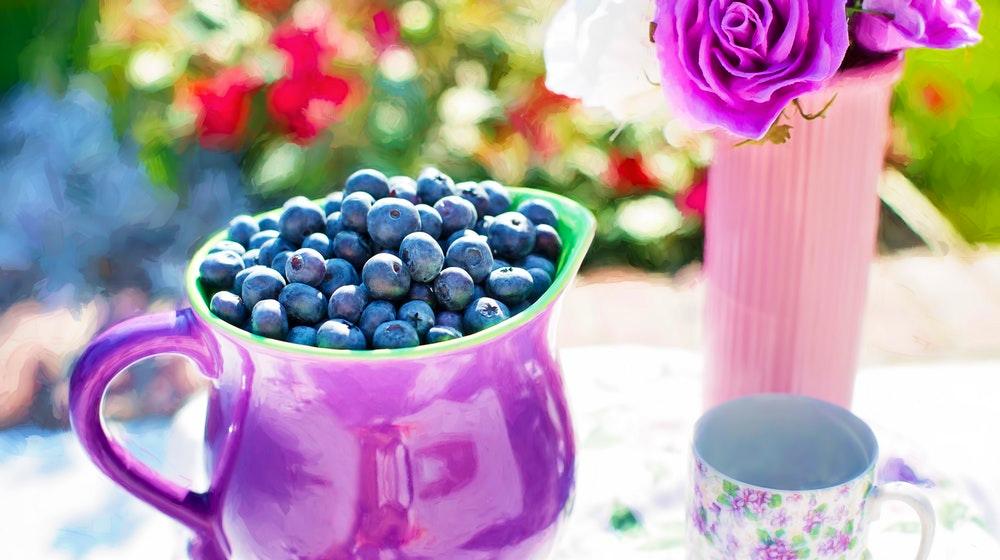
Blueberries: Thicker juice, rich flavor. Great for preserves with whole or lightly crushed berries.
Raspberries: Tart and soft. Breaks down fast, so it’s gentle on the jars and gift-worthy.
Blackberries: Bold, deep flavor. Good alone or mixed with other berries.
What You Need to Can Summer Berries
Get your station set up before a single berry hits the cutting board. Hunting for a jar lifter mid-batch while jam scorches is how good fruit turns into a mess. Here’s the full list, from canning gear to pantry staples.
Water bath canner or a large stockpot with a lid
Canning rack (so jars don’t sit directly on the pot bottom)
Half-pint or pint jars
New lids and clean bands
Jar lifter
Canning funnel
Ladle
Bubble remover or headspace tool
Sugar
Lemon juice
Pectin, if your recipe calls for it
Thermometer, optional but helpful for gauging gel point
Why it matters: A jar lifter isn’t optional gear. Pulling a boiling-hot jar out of the canner with tongs is how people get burned or drop a full jar of hot jam.
With your station ready, the next step is getting the berries themselves prepped and ready for the pot.
Granite Ware 8 Piece Enamelware Water bath canning Pot with Canning kit and Rack. Canning Supplies…
Our products are versatile and efficient, but please note: they are NOT SUITABLE for use on GLASS COOKTOPS or INDUCTION STOVETOPS.21.5-quart water bath canning pot with lid, providing the durability and heat resistance essential for effective canning. Easy to…Five piece toolset: Featuring a bubble remover (1) and ruler: A flexible, tapered silicone scraper that efficiently releases trapped…
$89.99
Buy on Amazon
How to Prepare Summer Berries for Canning
Each berry needs slightly different handling before it hits the pot. Here’s the prep routine for all four, one at a time.
Rinse all berries gently under cool water. Don’t soak them; berries absorb water fast and that waters down your jam.
Remove stems, leaves, and any soft or moldy spots.
Hull and chop strawberries into smaller pieces so they cook down evenly.
Lightly crush blueberries to release juice. Leave some whole if you want texture in a preserve.
Handle raspberries gently. They break down on contact, so don’t over-mix them while rinsing.
Check blackberries closely for seeds, soft spots, and stem fragments.
Measure your prepped berries before cooking. Recipes are written by volume or weight of prepared fruit, not whatever was in the basket.
Checkpoint: Before you move to the stove, your berries should be clean, trimmed, and measured to match your recipe. If you’re short on fruit, top off with the same berry type rather than guessing with a different one mid-recipe.
How to Make Summer Berry Jam or Preserves
This is the cooking stage, where prepped fruit turns into jam. You’re not canning yet, you’re building the jam itself. Here’s the process from raw fruit to a finished, jarred-ready batch.
Add your prepared berries to a wide, heavy-bottomed pot. Wide pots help the jam reduce faster and more evenly than a narrow stockpot.
Add sugar, lemon juice, and pectin if your recipe uses it.
Bring the mixture to a full boil over medium-high heat.
Stir often. Berries scorch fast once the sugar starts concentrating.
Cook until the jam thickens to the consistency your recipe describes.
Skim off any foam that rises to the top. It’s harmless, but it makes for cloudier jars.
Why it matters: Jam is crushed or mashed fruit cooked smooth. Preserves keep larger pieces of fruit intact. Both can be canned the same way, the only difference is how much you break down the fruit before it goes in the pot.
Once the jam is cooked and ready, it’s time for the step that actually makes it shelf-stable.
How to Water Bath Can Summer Berry Jam
This is the step that turns hot jam into a shelf-stable jar. Here’s the full process, from hot jars to a finished cool-down.
Keep your jars hot until you’re ready to fill them. Cold jars can crack when hot jam hits the glass.
Ladle hot jam into the jars using your funnel.
Leave the headspace your tested recipe calls for, usually around a quarter inch for jam.
Run your bubble remover around the inside edge to release trapped air.
Wipe the jar rims clean. Any jam left on the rim can keep the lid from sealing.
Center a new lid on each jar and screw the band on fingertip-tight, not cranked down hard.
Lower the jars into the boiling water canner using your jar lifter.
Make sure the water covers the jar tops by at least an inch.
Process for the exact time your tested recipe lists. Don’t round down.
Lift the jars out and set them on a towel to cool undisturbed. Check seals once they’ve cooled fully.
STOP POINT: Don’t process jars for “about” the right time. The National Center for Home Food Preservation is clear that acid foods like berry jam need the correct boiling-water processing time, plus a full room-temperature cool-down afterward, to be safe on the shelf. If you’re not sure of the time for your recipe, look it up before you start the canner, not while jars are already in the water.
Water Bath Canning Safety for Summer Berries
A handful of habits separate a safe batch from a risky one, and most of them are about what not to do. Here’s the full list to run through before, during, and after every batch.
Use a tested recipe from a source like the NCHFP, Ball, or your extension office.
Don’t guess the processing time based on jar size or “how it looks.”
Don’t skip the lemon juice if your recipe calls for it. It’s there to keep the acid level safe, not just for flavor.
Don’t reuse old lids. The sealing compound only works once.
Don’t can with chipped or cracked jars. They’re more likely to fail in the water bath.
If a jar doesn’t seal after cooling, move it to the fridge and use it soon, don’t try to reprocess it days later.
Store sealed jars somewhere cool, dark, and dry. Light and heat break down quality faster than almost anything else.
Can You Make Berry Jam Without Pectin?
Yes, you can. Pectin is a natural starch found in fruit that makes jam gel and thicken. Some berries have plenty of it on their own, others don’t, which is why most recipes add extra pectin to guarantee a firm set. Skipping it isn’t unsafe, it just changes the texture, and some people prefer the more old-fashioned, fruit-forward result. Here’s what to expect if you go that route.
No-pectin jam relies on the berries’ own natural pectin, sugar, lemon juice, and a longer cook time to set.
It usually sets up softer than jam made with added pectin, more like a spoonable preserve than a firm jam.
Strawberries and raspberries tend to make a looser, softer set without added pectin.
Blueberries and blackberries usually give a bit more body on their own.
Use a tested no-pectin recipe before you water bath can it. Skipping pectin doesn’t mean skipping the rest of the safety rules.
Why it matters: Pectin changes how fast jam sets, not whether it’s safe to can. The acid level, from the fruit and the lemon juice, is what makes water bath canning safe, regardless of whether you add pectin.
Best Berry Combinations for Summer Jam
Farm stand baskets rarely come sorted by type. These combinations let you use what you’ve got without changing your method. Here are four pairings that work well together.
Strawberry + raspberry: Bright, tart, classic summer flavor.
Blueberry + blackberry: Deeper, thicker, almost wine-like.
Strawberry + blueberry: Sweet and kid-friendly.
Raspberry + blackberry: Bold and good for gift jars.
How Many Pounds of Berries Do You Need?
It depends on the batch size you’re going for, but a good rule of thumb is 2 pounds for a small test run and up to 12 or more for a bulk gifting batch. Here’s how that breaks down by batch size so you can plan your shopping list before you head to the farm stand.
2 pounds: A small test batch if this is your first time canning anything.
4 pounds: A solid weekend batch, usually 6 to 8 half-pint jars.
8 pounds: A farm stand haul batch for stocking the pantry.
12+ pounds: A bulk batch for gifting or a full season’s worth of jam.
Yield depends on the berry type, how much sugar and pectin you use, and how long you cook it down. Treat these numbers as a starting point, not a guarantee.
Best Jars for Summer Berry Jam
The right jar size and shape just makes the whole process easier, from filling to storing. Here’s how the options stack up.
Half-pint jars: Best for gifts. Small enough to use up before mold has a chance.
Pint jars: Best for a family that goes through jam fast.
Wide-mouth jars: Easiest to fill and easiest to get a spoon into later.
Regular-mouth jars: Fine for simple jam, and usually a bit cheaper.
Ball Jar Quilted Crystal Jelly (Case of 12), 8 oz
Premium Quality Jars: Crafted by Ball, a renowned brand in preserving, these Quilted Crystal Jelly Jars boast exceptional quality and…Classic Quilted Design: The iconic quilted pattern on the jars not only adds a touch of vintage charm but also provides a non-slip…Perfect Size for Preserving: With an 8 oz capacity, these jars are ideal for preserving smaller batches of jams, jellies, sauces, and…
$11.98
Buy on Amazon
How to Store Canned Summer Berry Jam
Good storage habits protect the work you just put in. Here’s what to do once the jars come out of the canner.
Let jars sit undisturbed for 12 to 24 hours after processing.
Check each lid. It should be slightly concave and not flex when you press the center.
Label every jar with the berry type and the date.
Store sealed jars in a cool, dark pantry or cupboard.
Refrigerate any jar once it’s opened.
For best quality, use home-canned jam within a year. It’s usually still safe after that if the seal held, but the flavor and texture fade.
FAQs About Canning Summer Berries
Do I need to water bath summer berry jam?
Yes, if you want jars that sit safely on a pantry shelf. If you only want fridge jam to use up in a few weeks, you can skip the water bath step and just refrigerate it after cooking.
Is making jam the same as canning?
No. Making jam is cooking the fruit down with sugar until it sets. Canning is the separate step of processing the filled jars in boiling water so they’re safe to store outside the fridge.
Can I use this tutorial for all summer berries?
Yes. This method works for strawberries, blueberries, raspberries, and blackberries, with small prep changes for each one, like crushing blueberries or handling raspberries gently.
Do I need a pressure canner to can summer berries?
No. Berries are high-acid fruit, so jam and preserves made from them only need a water bath canner, not a pressure canner. Pressure canners are for low-acid foods like most vegetables and meats.
Can I make berry jam without pectin?
Yes, but stick to a tested no-pectin recipe. It usually needs a longer cook time and sets up softer than jam made with added pectin, more like a spoonable preserve.








 New Posts (Home)
 ChatBox
 Popular Posts
  Game Zone
 Top PodCasts