reclaimthenet.org
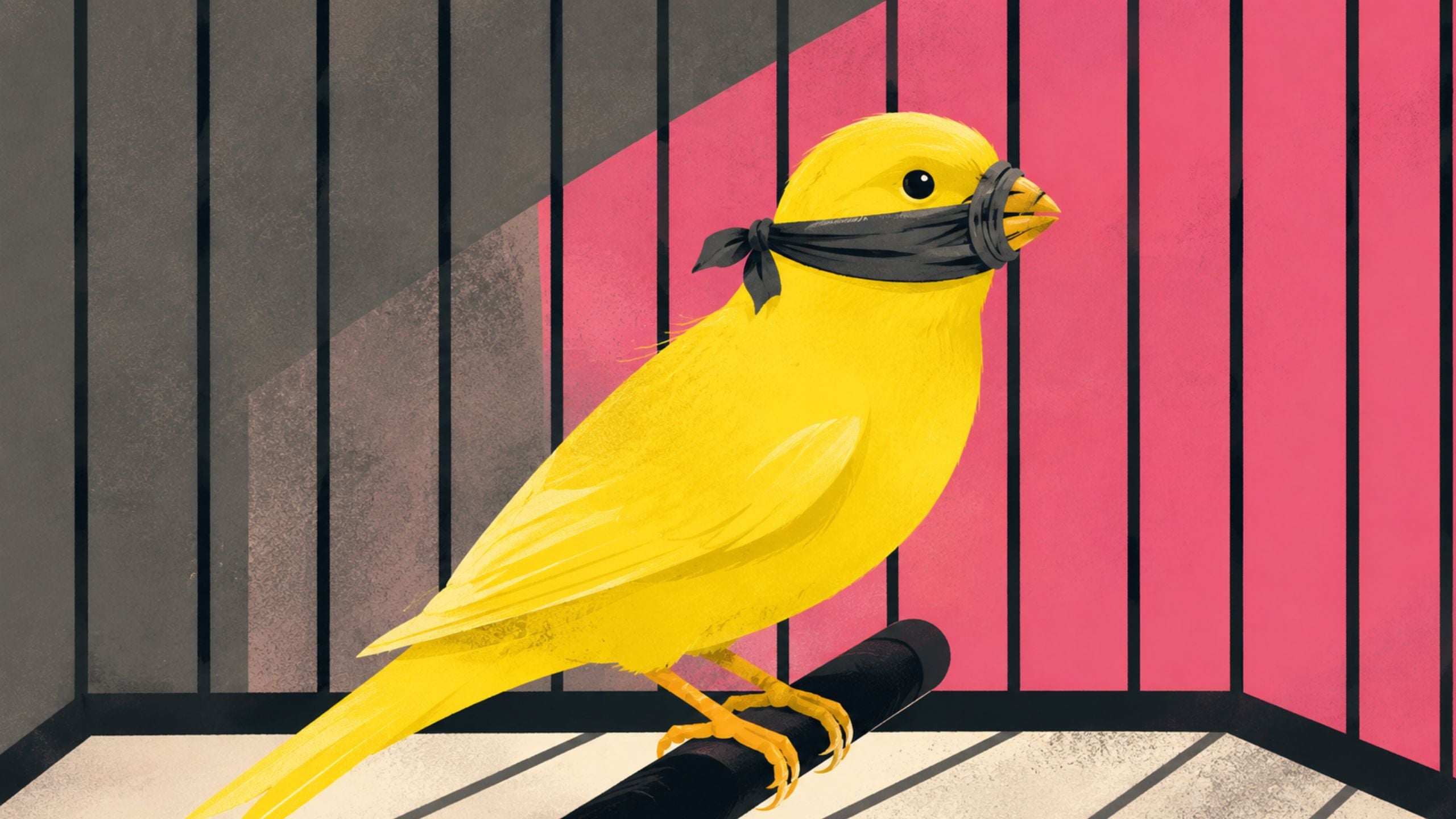
Lloyds Debanks The Canary, Withholds Its Funds
If you're tired of censorship and dystopian threats against civil liberties, subscribe to Reclaim The Net.
The Canary is a British left-wing independent news site, running since 2015, that calls itself “radical working-class media” and made its name attacking the political establishment and the mainstream press.
On June 30, after almost ten years of banking together, Lloyds Banking Group shut the site’s business account, held on to a large share of its money, and gave no reason. The Canary now says it has “barely any funds” and cannot pay all its staff.
According to the outlet, Lloyds is “withholding a substantial amount of our money” and “has not explained why it has taken this action.” The Canary went back to the bank more than once looking for an answer. “Despite multiple communications from us, the bank has not been forthcoming with its reasoning,” it wrote.
Its editors called the move an “outrage” and said they had been “unceremoniously dropped into financial instability with no notice or explanation from Lloyds.” No warning came, and the bank has named no date for handing the money back.
The arrangement is one-sided. Lloyds holds the money and sets the timeline, and it answers to nobody for either. A long-standing customer can lose access overnight and never learn what triggered it. That silence is a large problem with debanking. The bank never has to prove its case because the damage lands before the target can push back.
So who gets to decide a news organization is too risky to bank? Right now, Lloyds does, privately, behind language it won’t explain. Asked about the account, a spokesperson would say only “We do not comment on individual customer accounts.” That answers nothing.
The Canary suspects its politics played a part and says it will not pretend otherwise. “Whilst we do not currently know the reasons behind our debanking, we cannot afford to be naive about this,” the outlet wrote, adding that other politically active people have been cut off by their banks lately. Guessing at motive is what customers are reduced to when a bank withholds the real one.
The Free Speech Union, which has fought its own banking battles, backed the outlet fast. A spokesperson called debanking “one of the most pernicious forms of cancellation that an individual or organisation can face” and said the group is in contact with The Canary and “stand ready to help.”
Britain wrote rules meant to curb exactly this. Since April 2026, a bank must give 90 days’ notice and a written reason before closing an account. The protection reaches only accounts opened after the rules took effect, so a decade-long customer like The Canary falls outside it.
None of this began with The Canary. Coutts, part of NatWest, dropped Reform UK leader Nigel Farage in 2023 after tagging him a politically exposed person, a row that cost chief executive Alison Rose her job and pushed debanking onto the front pages. A bank decides a customer’s views have become a liability, shuts the account, and reaches for regulation instead of an explanation.
The Canary had just announced a daily print newspaper, 25,000 copies across England and Wales. An outlet building toward a bigger platform suddenly cannot make payroll, not through any court order or public process, but because one bank chose to hold its money and stay silent.
If you're tired of censorship and dystopian threats against civil liberties, subscribe to Reclaim The Net.
The post Lloyds Debanks The Canary, Withholds Its Funds appeared first on Reclaim The Net: Free Speech, Privacy, Digital Rights.








 New Posts (Home)
 ChatBox
 Popular Posts
  Game Zone
 Top PodCasts