www.upworthy.com
James Cameron never would have agreed to use ‘My Heart Will Go On’ in ‘Titanic.’ One mistake changed everything.
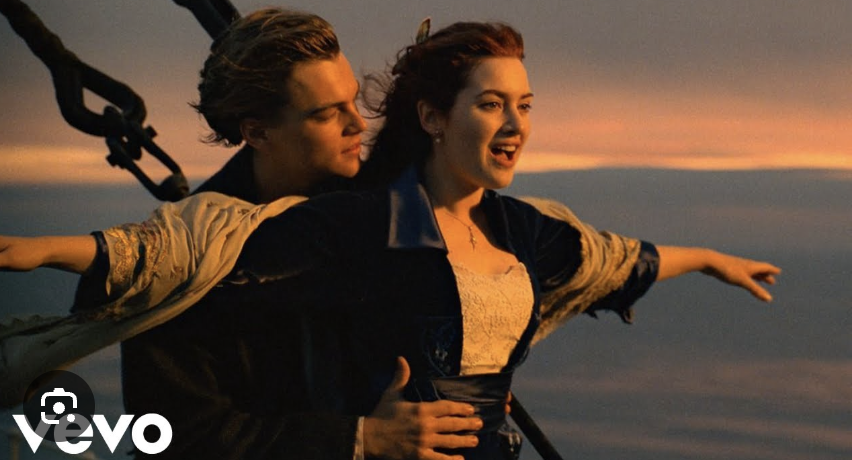
Hear just those beginning flutes of “My Heart Will Go On,” and you are instantly transported to James Cameron’s Titanic. It’s one of the many things that make the film endlessly iconic.
But this beloved anthem likely would have never made it into the movie at all, had it not been for a series of small miracles, some well-intentioned deception, and one seemingly fated misunderstanding.
James Cameron never wanted a closing ballad
Though Jack and Rose’s romance was central to the story, Cameron didn’t want a commercially-friendly love ballad playing over the credits to act as marketing gimmicks that would ultimately cheapen his artistic vision.
And yet, composer James Horner believed that audiences needed an emotional release to encapsulate the tragedy they witnessed for over 3 hours…and ultimately, the hope that love indeed survives in our memory.
A happy misunderstanding in the editing room
So, Horner was experimenting with this song in secret. Eventually, he came upon a melody, which he sent to Cameron for review. He titled it, “sketch,” implying the piece of music was, essentially, still a rough idea of what the theme song could be. Thinking Horner meant this tune for the scene where Jack sketches Rose, Cameron played the song over it, and was enamored.
That audible sketch, as we know, stayed in the film, connecting that first glimmer of Jack and Rose’s budding infatuation with the enduring love older Rose keeps in her memory. The music matches this journey beautifully—at first simple and unorchestrated, later more complex and powerful.
Finding the right words
Still, Horton would need lyrics to better convey this message. For which he brought on lyricist Will Jennings, known for “Up Where We Belong”, “Higher Love,” and “Tears in Heaven”, among others. For weeks, Jennings tinkered with lyrics that refrained from teen love and instead centered around love from an older person’s perspective.
Also, there needed to be a voice powerful enough to bring these epic themes to life.
Céline Dion almost passed on the song
There was no doubt that Dion, already an internationally known name, could handle the task. The issue was…she didn’t want to do it. She already had several movie songs under her belt, and had even already won an Oscar for Beauty and the Beast. Understandably, doing another movie score felt like a career-stalling move.
And yet, Dion’s husband-slash-manager, René Angélil saw potential. He coaxed Dion to at least recording a demo.
Showing up only half warmed up, her vibrato sped up by the black coffee she had just sipped, Dion did an initial pass. By the time she was finished, everyone started to cry, and it was clear there was a classic in the making. In fact, they never re-recorded it, the demo is what was used in the film. And a perfect example of what makes Celine Dion one of the greatest singers of all time…but that’s neither here nor there.
And now…for approval
The final piece of the puzzle, of course, would be securing Cameron’s blessing. Horton knew he had to find the right time, so he secretly carried the tapes around for weeks, waiting for the opportunity to present itself. One day, when Cameron appeared to be in high spirits, Horton showed him the tape, and the rest is award-winning, chart-topping, career-defining cinematic history.
All great movies are made up of a series of chance encounters and seemingly small decisions just like these. It’s part of what makes movies so magical.
Looking back, it’s remarkable how many moments had to line up for one song to become inseparable from one of cinema’s biggest blockbusters. More than two decades later, “My Heart Will Go On” remains as unforgettable as the film it almost never accompanied.
You can watch the full story of “My Heart Will Go On,” courtesy of Behind the Track, below:
The post James Cameron never would have agreed to use ‘My Heart Will Go On’ in ‘Titanic.’ One mistake changed everything. appeared first on Upworthy.








 New Posts (Home)
 ChatBox
 Popular Posts
  Game Zone
 Top PodCasts