www.theconservativebrief.com
Coma Nightmare Shatters—Mercy Triggers Heaven
A woman says one quiet act of mercy inside a nightmare “hell” vision during an 18‑day coma is what snapped her into “heaven” and changed how she sees death, suffering, and the powers that run our lives.
Story Snapshot
A 53‑year‑old woman in a drug‑induced coma says she spent days in a terrifying “hell” before a single act of kindness propelled her into a scene she describes as heaven.
Her story matches a small but real group of “distressing near‑death experiences” that researchers say include visions of torment, void, and judgment.
Medical experts still see near‑death experiences as brain events, not proof of an afterlife, highlighting a deep gap between lived experience and official science.
Her account raises hard questions about how we treat patients, how we handle stories that do not fit the system, and who gets to decide what is “real.”
An 18‑Day Coma, a City of Fire, and a “Holy Ritual” of Mercy
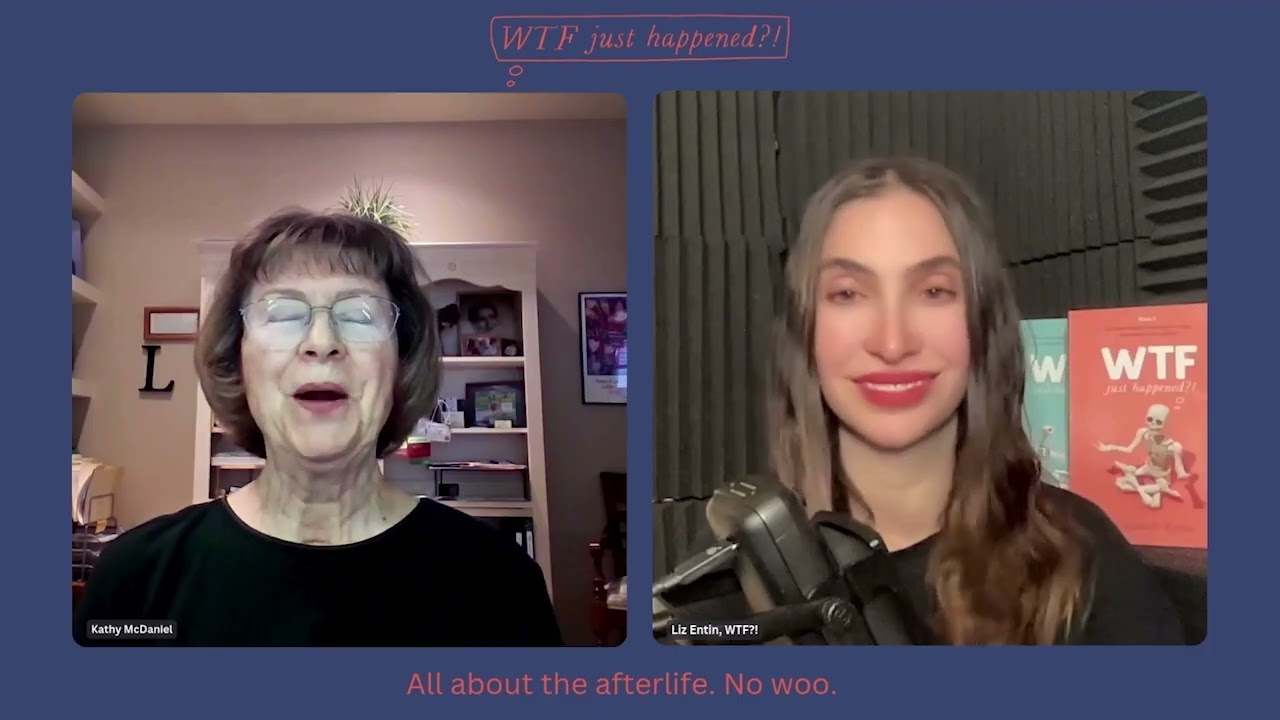
In 1999, Kathy McDaniel was rushed to a Seattle hospital with acute respiratory distress syndrome, a severe lung failure that left her fighting for air. Doctors put her into a medically induced coma for about 18 days to keep her alive. While her body lay sedated and still, she says she was fully aware somewhere else, trapped in a bombed‑out city filled with smoke, fire, and human screams that felt endless. She believed she had landed in hell and that she had earned it.
McDaniel describes being ordered around by beings she took for demons, including one in a dark robe who looked like a judge. At one point, this figure told her she could earn her release if she carried out a strange task: cutting down blackberry vines with scissors in a field that kept regrowing, or in another telling, handling aborted fetuses in a kind of cruel assembly line. The work felt degrading and hopeless. But then she says she broke the rules and tried to comfort one of the babies instead of treating it like a thing, an act she later called a “holy ritual.”
From Terror to Peace: How One Choice “Opened” Heaven
After that moment of mercy, McDaniel says the entire scene shifted in an instant. The darkness and noise fell away. She felt herself moving, then found herself standing in what looked like a huge, bright hall made of marble, with soft light and a garden that felt warm and alive. In this place she felt total safety, love, and deep peace, the opposite of the shame and fear that had weighed on her in the city of fire. She says she realized she was not alone and felt a loving presence guiding her.
McDaniel reports that she then saw her fiancé Rick, who had died shortly before she was hospitalized. She says Rick appeared healthy and calm and told her she had to go back because it was not her time yet. She did not want to return to the pain of earth and hospitals but understood she had work left to do. Soon after, she woke up in the intensive care unit, weak and underweight, with nurses and machines around her, carrying clear memories of both “hell” and “heaven” in her mind.
A Rare but Real Pattern: Distressing Near‑Death Experiences
Researchers who study near‑death experiences say not all of them are peaceful tunnels and bright lights. A small share, maybe between 1 and 15 percent, are distressing and can involve darkness, isolation, or classic “hell” scenes with malevolent beings, barren lands, and a sense of being judged. McDaniel’s report of a tormented city, demonic figures, and a punishing task fits closely with these described patterns of “hellish” near‑death experiences.
Studies also show that people who go through disturbing near‑death experiences often struggle afterward. They report fear, shame, confusion, and social problems when they try to talk about what happened. McDaniel says she stayed silent for about ten years because family and therapists brushed off her story as post‑traumatic stress and told her it was “just” a bad dream. Only after finding others with similar stories did she start to see her own as part of a larger pattern, not a sign she was crazy or broken.
Science, the Soul, and Who Gets to Define “Reality”
McDaniel has been clear that doctors never told her she was clinically dead and that her heart did not stop. She argues this proves her journey happened in her soul, not her brain, because she believes the brain cannot fully “shut off” while the soul travels. Most medical experts do not accept that view. They see near‑death experiences as mental events linked to things like lack of oxygen, heavy drugs, and extreme stress on the brain.
Psychologists have even suggested that near‑death experiences can be a kind of hallucination or depersonalization, a way the brain copes when a person faces danger they cannot escape. In that frame, McDaniel’s fiery city and demons could reflect her past trauma and fear more than a literal trip to hell. But there is no detailed scientific case study of her specific experience, and no one has pulled her original hospital records to map brain data against her vivid scenes. That gap leaves a tension between her lived reality and the system’s default explanations.
Why Her Story Hits a Nerve in Today’s America
Millions of Americans feel like systems built to care for them often ignore their deepest experiences. McDaniel’s story taps into that frustration. A severely ill patient says she passed through terror and judgment, found healing in a simple act of compassion, and then spent years being told by professionals that her most life‑changing memories were not real enough to matter. Her account challenges both religious institutions and medical authorities to take ordinary people’s spiritual and emotional lives more seriously.
Whether one believes her journey was a true visit to hell and heaven or a powerful inner vision, it raises questions that many on both the left and right share: Who decides what counts as truth? Are we more than our brain chemistry and billing codes? Are acts of mercy and courage the real measure of a life, even when they clash with what the experts say? In an age when many feel the “system” treats them like numbers, McDaniel’s claim that one quiet act of compassion could change everything resonates far beyond the walls of her hospital room.
Sources:
mirror.co.uk, danielstih.com, jpost.com, youtube.com, facebook.com, music.youtube.com, lynnmclaughlin.com, audible.co.uk, reinventimpossible.com, pubmed.ncbi.nlm.nih.gov








 New Posts (Home)
 ChatBox
 Popular Posts
  Game Zone
 Top PodCasts