doyouremember.com
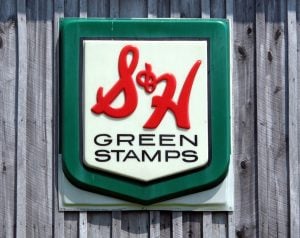
Before Store Rewards Apps, Americans Filled Drawers With Little Green Stamps
Long before shoppers scanned barcodes on their phones or entered rewards numbers at checkout, earning customer perks required patience, scissors, and plenty of glue. Millions of Americans faithfully tucked away tiny paper stamps, carefully pasting them into booklets with dreams of someday trading them for something special.
For families in the 1950s, 1960s, and 1970s, collecting rewards wasn’t an occasional bonus—it was practically a way of life. Grocery trips, department store visits, and household errands all contributed to growing collections that could eventually turn into lamps, bicycles, dishes, and even furniture.
How collecting stamps became a national obsession
Flickr
According to Smithsonian Magazine, the program began in the late 1890s when businessman Thomas Sperry saw an opportunity to expand a small store incentive into a nationwide business. Customers received stamps based on how much they spent, eventually collecting enough to fill booklets that could be redeemed for merchandise.
S&H green stamps / Wikipedia
The idea spread rapidly across America. By the 1960s, the system had reached its peak, with hundreds of redemption centers and more than 100,000 participating businesses across the country. Families eagerly flipped through thick catalogs, deciding which prizes were worth saving for, and filling a booklet became a small achievement in itself.
Why people remember them so fondly today
X
Part of the appeal of green stamps was that they transformed everyday shopping into something exciting. Children often helped parents paste stamps into books at the kitchen table, turning routine errands into family projects with visible progress toward a shared goal. The rewards also felt more tangible than many modern loyalty programs. Instead of points disappearing quietly into an app, customers could physically hold the stamps in their hands and watch their collections grow week after week. That sense of anticipation helped make the experience memorable.
X
Eventually, economic changes and store-run rewards programs pushed the once-dominant system aside. The company attempted digital versions and rebranding efforts, but the era had changed. Ironically, the success of modern loyalty programs exists partly because green stamps showed businesses just how powerful customer rewards could be. Today, memories of carefully filling those little books remain a nostalgic reminder of a slower era of shopping—one where loyalty points came with glue sticks, kitchen tables, and the excitement of finally earning enough for that long-awaited prize.
Discount stubs / Wikimedia Commons
Next up: Happy Heavenly Birthday, Gina Lollobrigida: The Italian Bombshell Who Captivated Hollywood
The post Before Store Rewards Apps, Americans Filled Drawers With Little Green Stamps appeared first on DoYouRemember? - The Home of Nostalgia. Author, Ruth A








 New Posts (Home)
 ChatBox
 Popular Posts
  Game Zone
 Top PodCasts