www.dailywire.com
Mamdani Cements NYC Policy Allowing Drug Addicts To Cash In
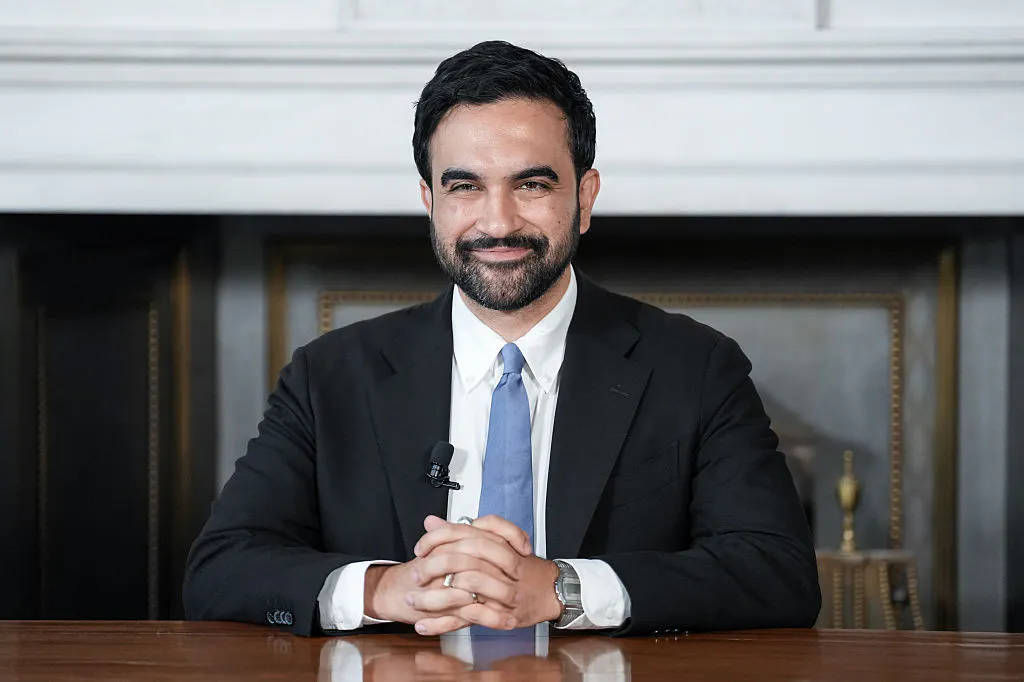
New York City Mayor Zohran Mamdani has made permanent a controversial program that pays people cash for turning in used syringes, cementing an initiative that critics argue risks creating a cycle in which active drug users receive money that can be used to purchase more drugs.
Mamdani’s first city budget includes $3 million to permanently fund the Community Syringe Redemption Program, first reported by the New York Post, which pays participants 20 cents for every used syringe they return, up to 50 syringes — or $10 — per day. The funding appeared in budget documents submitted to the City Council shortly before lawmakers approved the city’s roughly $126 billion spending plan.
Originally authorized as a pilot program through legislation backed by progressive members of the City Council in 2022, the initiative officially launched in March 2025. Under the program, participants can bring used syringes to one of eight collection sites across the city in exchange for cash.
The effort is administered by the nonprofit Addiction Response Resources under an $11.1 million contract that extends through the end of next year. City officials say the program is financed through more than $189 million New York received in opioid settlement funds from pharmaceutical manufacturers and distributors.
Supporters argue the program has successfully reduced hazardous syringe litter across the city.
According to the city’s Health Department, more than 2.3 million syringes have been collected since the program began. During its first year, the city distributed roughly $292,000 to more than 1,700 participants. Sanitation Department data also suggests fewer discarded needles are ending up on city streets. Workers had collected 26,229 needles so far this year, compared to 64,560 during the same period the previous year.
Health Department spokeswoman Rachel Vick defended the initiative, saying the program helps residents “live in a community free of syringe litter” while ensuring used medical waste is safely disposed of.
“The city’s syringe redemption program allows New Yorkers in neighborhoods where we see the most complaints to help keep their communities clean, while safely disposing of medical waste and connecting people in need to nearby care,” Vick said.
But critics say the city is addressing one public health problem by incentivizing another. Queens Councilwoman Joann Ariola, a Republican, argued that opioid settlement money should be directed toward addiction treatment rather than cash payments to active drug users. “All this is doing is putting money in the pockets of addicts, so they can continue to fuel their habits, rather than helping them break free of their disease,” Ariola said.
Bronx Councilman Oswald Feliz, a Democrat whose district includes two of the redemption sites, credited the effort for reducing discarded needles but warned against policies that could create new risks for surrounding neighborhoods. “Too often, used syringes end up in front of schools and children’s parks, and this is an issue that should be treated with the seriousness it deserves,” Feliz said. “We should not recklessly create conditions that can threaten the safety of vulnerable communities.”
Some participants openly acknowledged using the program to provide spending money. “It’s definitely a side hustle for me. Yeah, definitely!” participant Tamia Wright told the Post after redeeming used syringes at a Bronx collection site. Asked how she planned to spend the money, Wright replied: “Right now, I’m gonna buy some weed with [the earnings] and cigarettes.” That admission has become a focal point for opponents of the program, who argue it demonstrates the inherent flaw in paying cash for used needles. While the initiative may reduce dangerous litter, they contend it also places money directly into the hands of active drug users without requiring participation in addiction treatment or recovery services.
Despite those concerns, city officials have no plans to eliminate the program. While the Health Department says it is not currently considering expanding beyond its eight existing collection sites or increasing the daily payment cap, the inclusion of permanent funding in Mamdani’s first budget effectively makes the syringe buyback program a lasting part of New York City’s public health strategy.








 New Posts (Home)
 ChatBox
 Popular Posts
  Game Zone
 Top PodCasts