www.dailysignal.com
Why You Don’t Have to Be Pro-Life to Oppose Research on Aborted Fetal Tissue, According to NIH Director
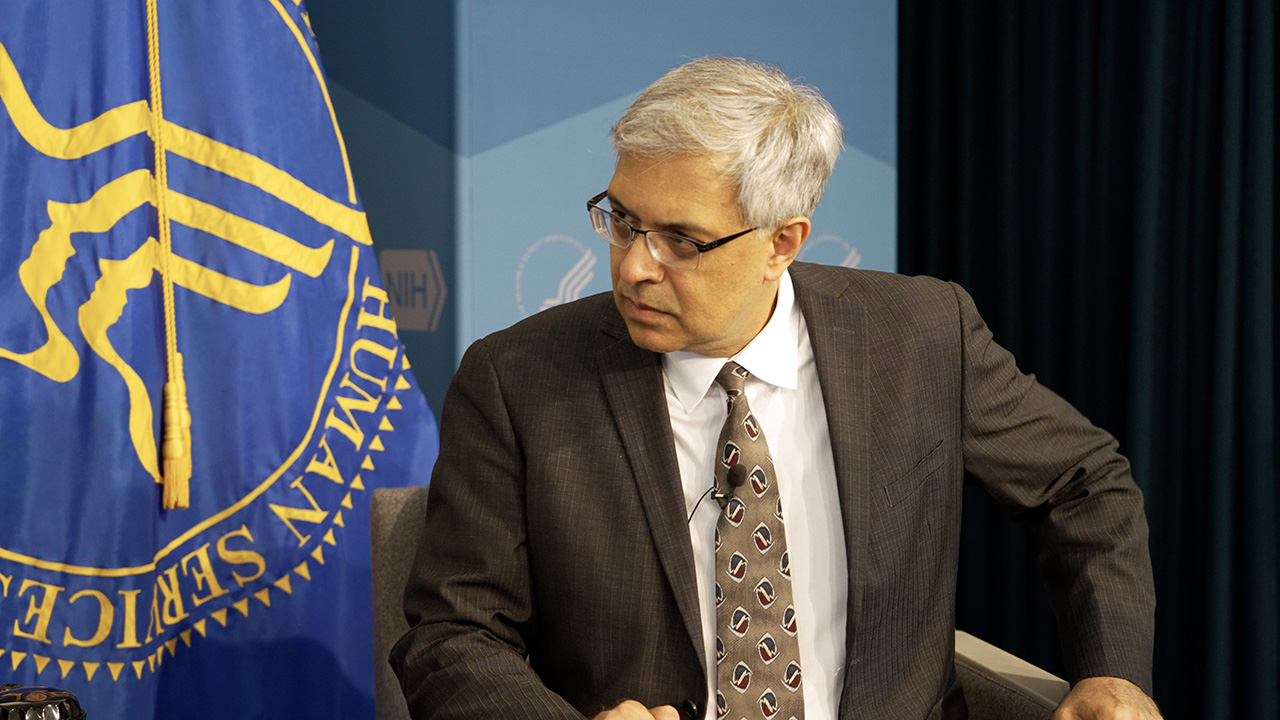
While Dr. Jay Bhattacharya, the director of the National Institutes of Health, calls himself pro-life, he said that is not a prerequisite for opposing research on aborted babies.
In January, Bhattacharya ended the use of NIH-supported research involving human fetal tissue from elective abortions.
“I personally am pro-life, but that’s not enough of a justification,” he said in an exclusive interview with the Daily Signal. “What needs to happen is we have to have neutral principles for why you’re making decisions, and I have two that I’ve established. I apply those to this.”
"That was a relatively easy decision."@NIHDirector_Jay tells @DailySignal why you don't have to be pro-life to oppose aborted fetal cell research. "I personally am pro-life, but that's not enough of a justification," he said. What needs to happen is we have to have neutral… pic.twitter.com/b2uEf8tIrK— Elizabeth Troutman Mitchell (@TheElizMitchell) July 17, 2026
Bhattacharya said NIH research must be ethically acceptable to as broad a segment of the population as possible.
“Imagine I do some amazing study, but I violate horrible ethical norms so that most of the population, most people, believe that I’ve done something terrible,” he said. “The fruits of that terrible thing would be broadly unacceptable to most of the population. So no matter how brilliant the idea that comes out of that would be, it’s not achieving the mission of the NIH, which is to improve health, extend life.”
The scientist said research involving human tissue from aborted babies is ethically unacceptable to a substantial portion of the population.
“Regardless of where anyone stands on abortion or these issues, which are obviously issues where people disagree pretty fundamentally, the NIH needs to focus its resources, our resources, on ideas and projects that are broadly ethically acceptable,” he said.
Secondly, Bhattacharya said data show the controversial practice has declined in recent years.
“It’s not surprising that there were technological advances: the use of adult stem cells, other technologies that substituted for aborted human fetal tissue in research,” he said. “Researchers tended to increasingly adopt those new technologies rather than use aborted human fetal tissue.”
As a result, ending aborted fetal tissue research was a “relatively easy decision” for Bhattacharya.
“You have two sorts of neutral principles that push in the same direction,” he said, “and I think it makes the NIH portfolio much more ethically acceptable to the population at large.”
Because of these “neutral principles,” Bhattacharya said he thinks it will be difficult for the next NIH director who is not pro-life to bring back aborted fetal tissue research.
“If there’s a NIH director several years from now, and they want to reverse it, they’ll have to run up against neutral principles,” he said. “They’ll have to say, ‘Yeah, it’s OK to do research that results in products and ideas that are ethically unacceptable to, you know, half the population. That’s fine. That’s a good idea.’ They’re not going to be able to do that with a straight face.”








 New Posts (Home)
 ChatBox
 Popular Posts
  Game Zone
 Top PodCasts