www.optimistdaily.com
Roadside milkweed is giving monarchs a new migration highway
BY THE OPTIMIST DAILY EDITORIAL TEAM
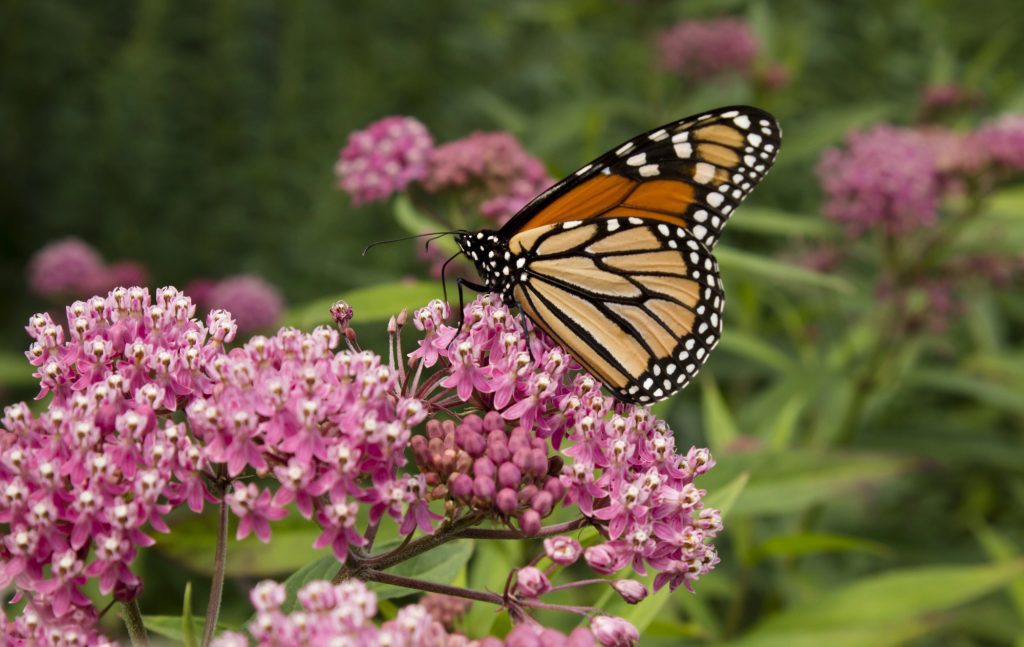
Researchers have planted 9,000 milkweed plants along roads in six North Florida counties, with 6,000 more going in before 2029. Monarchs are already showing up at the sites.
The work is part of a national effort led by the University of Illinois Chicago to turn road margins, power line easements, and rail corridors into usable habitat for monarchs and other pollinators. Florida’s Department of Transportation joined in 2024, committing to manage 10,200 acres (16 square miles) of roadside land for conservation and awarding a $150,000 grant to the lab of Jaret Daniels, curator of Lepidoptera at the Florida Museum of Natural History, to identify, grow, and plant milkweed at sites across the state.
“It’s been a lot of work but also really exciting to see,” Daniels said. “We’ve had good success with plant establishment, and we’ve seen monarchs using the plants already in the field.”
Why roadsides, and why milkweed
Protected land isn’t keeping up with the rate of pollinator habitat loss. But managed land is everywhere. The grass strips beside highways and the margins under power lines get mowed and maintained on a schedule regardless of whether they do anything for wildlife. The question Daniels and his collaborators are testing is whether that work can be redirected.
“We don’t have enough conservation lands to maintain pollinator populations through time in many areas, so we have to look to environments that we, as humans, manage every day,” Daniels said. “Roadsides are managed regardless, so why not do so in a way that confers greater benefits?”
Milkweed is the specific target because of how completely monarchs depend on it. Caterpillars evolved to tolerate the plant’s toxic glycosides by blocking the compounds from binding to cellular receptors, then storing them in their tissue, making the butterflies themselves unpalatable to birds and other predators. The trade-off is absolute: monarch larvae can no longer digest anything else. Milkweed disappears, monarchs disappear with it.
During migration, adult butterflies face a different problem. They can cover more than 100 miles (161 kilometers) a day, which burns through energy fast. Scattered garden patches help, but a continuous corridor of milkweed and wildflowers along a highway gives monarchs a refueling route that matches the scale of the journey.
Other insects feed on milkweed nectar too: bees, moths, wasps, flies, ants. Some get less attention than others. They all show up.
Which plants and why
Daniels’ team evaluated six native milkweed species before settling on two: pinewoods milkweed (Asclepias humistrata) and butterfly weed (Asclepias tuberosa). Both grow naturally in the dry, sandy, low-nutrient soils common along Florida roadsides.
“Both are upland, sand-loving species that would normally be found in pinelands and sandhills,” Daniels said.
Butterfly weed is sold commercially. Pinewoods milkweed is not, so the team builds its own supply. Collectors visit known populations repeatedly during flowering season, tying small bags around developing seed pods to catch the seeds before they drift off on the wind. Those seeds go to the University of Florida Native Plant Nursery, grown in elongated pots that fit the species’ deep taproot. The last batch came in at 98 percent germination.
Planting happens in winter while the plants are dormant, which suits both the plants and field crews who’d rather not be working Florida soil in July. Sites are monitored afterward, and the data on what’s working will shape how the project eventually moves into new counties and other states.
How sites are chosen
Site selection started years before planting. Many of the locations sit adjacent to existing conservation areas. Others are near farms with blueberries and watermelons, crops that depend on wild insect pollination and get a direct benefit from nearby pollinator activity.
An earlier project had already mapped milkweed populations along Florida’s roads, giving the team a starting point. “By partnering with FDOT, we’re trying to fill in gaps where we know appropriate habitat occurs, but there are limited or no milkweeds that grow there,” Daniels said.
The planted areas are now designated wildflower zones, marked with signs. Several are blooming. Monarchs have been seen at multiple sites.
Did this solution stand out? Share it with a friend or support our mission by becoming an Emissary.The post Roadside milkweed is giving monarchs a new migration highway first appeared on The Optimist Daily: Making Solutions the News.








 New Posts (Home)
 ChatBox
 Popular Posts
  Game Zone
 Top PodCasts