www.thegospelcoalition.org
What the Spurgeon Family Scandal Teaches Us About Failure
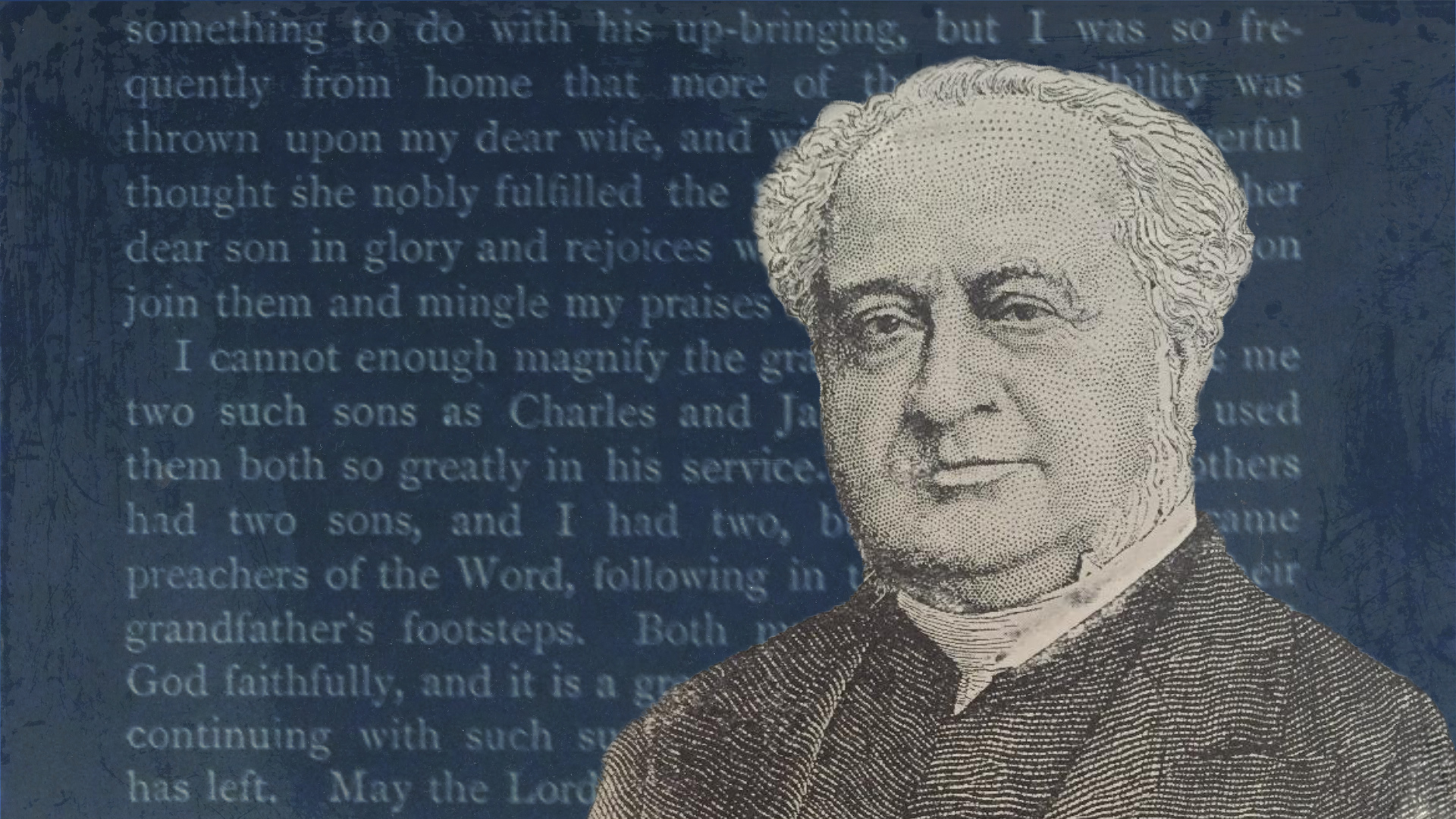
A few years ago, my dad did some clever detective work and found out something shocking about Charles Spurgeon’s dad: He went to prison.
It turns out Charles’s father, John Spurgeon, a shopkeeper, was imprisoned at Chelmsford Gaol on January 30, 1837, for failing to pay his creditors. Charles would’ve been just 2 years old at the time, and it looks like the cot he slept in as a baby was among the items sold to pay off the debt. Prisons at the time were grim, and to be imprisoned for debt was humiliating. We can only imagine the enormous stress this must have put on the family.
It’s also worth saying that John may have simply been unfortunate. It was shockingly easy to get into financial difficulty in Victorian England.
Geoff Chang has helpfully shown the historical relevance of this finding. It explains why Charles was raised by his grandparents from such a young age and why John so sternly warned his son about the dangers of debt—which also explains why Charles repudiated debt. But it’s a devotionally rich finding as well. This unlikely ground zero for the greatest preacher of the 19th century reminds us of wonderful truths.
1. God can work your failure for your child’s good.
John’s failure was a trial but not a disaster for his young son.
Charles was separated from his parents for five years, but in God’s providence this was profoundly formative. He loved his grandparents, and it was with them in Stambourne that he observed up close a male role model who was a preacher, not a shopkeeper. It was here he gained a love for Puritan literature, later returning every summer to devour his grandfather’s library. Charles came to consider it such a formative season that he wrote Memories of Stambourne, his final book, which he was determined to finish despite ill-health.
It’s one thing to trust God’s hand on your own life; it’s a different magnitude altogether to trust God’s hand for your kids. We want to rescue and protect them, and it’s hard not to overfunction in our role.
It’s one thing to trust God’s hand on your own life; I find it’s a different magnitude altogether to trust God’s hand for your kids.
John was a godly man who likely felt the same parental pressure. When his shop went under, he must have felt he’d let his whole family down. Little did he know that what looked like total disaster would, in the end, serve to incubate the calling of one of the world’s greatest preachers.
So it turns out that Romans 8:28 applies to our kids as well as to us. For parents like me who constantly fail, this is an enormous relief.
2. Past failure doesn’t rule out future fruitfulness.
What’s more often overlooked is that John went on to become a fruitful preacher and pastor. His first job out of prison was as a merchant clerk. Over time, he got more involved in local church ministry, eventually becoming pastor of Tollesbury Congregational Church from 1850 to 1863. Under his leadership, the congregation grew from 25 to nearly 500, and his successors had to expand the building.
What a stunning turnaround. This must have been far beyond what John could have possibly imagined for himself all those decades earlier in Chelmsford Gaol. Charles was, in almost every respect, inimitable. But his dad was an ordinary faithful pastor whom God used for fruitful gospel work.
In the end, the Spurgeon family scandal reminds us that even extraordinarily impressive ministries like Charles’s can have grubby, messy roots. And it shows us that God can make ordinary pastors out of prisoners.
God can make ordinary pastors out of prisoners.
Charles, rightly, didn’t see the need to expose his father’s failure in his lifetime, but its coming to light in the modern age helps us trace with joy a new line of the hidden hand of providence: a God who works out all things for the good of those who love him. As Joni Eareckson Tada puts it, “Sometimes God allows what he hates to accomplish what he loves.”








 New Posts (Home)
 ChatBox
 Popular Posts
  Game Zone
 Top PodCasts