www.optimistdaily.com
Mexico’s desert ecosystem is healing months after bison reintroduction
BY THE OPTIMIST DAILY EDITORIAL TEAM
The 200-year absence of bison from Mexico’s Chihuahuan Desert left a gap that most people stopped noticing. Grass accumulated unchecked, soil compacted, fire risk crept upward. Wildlife that depended on the cascade effects of bison grazing gradually disappeared. By the time anyone thought to ask what was missing, the degraded version had become the baseline.
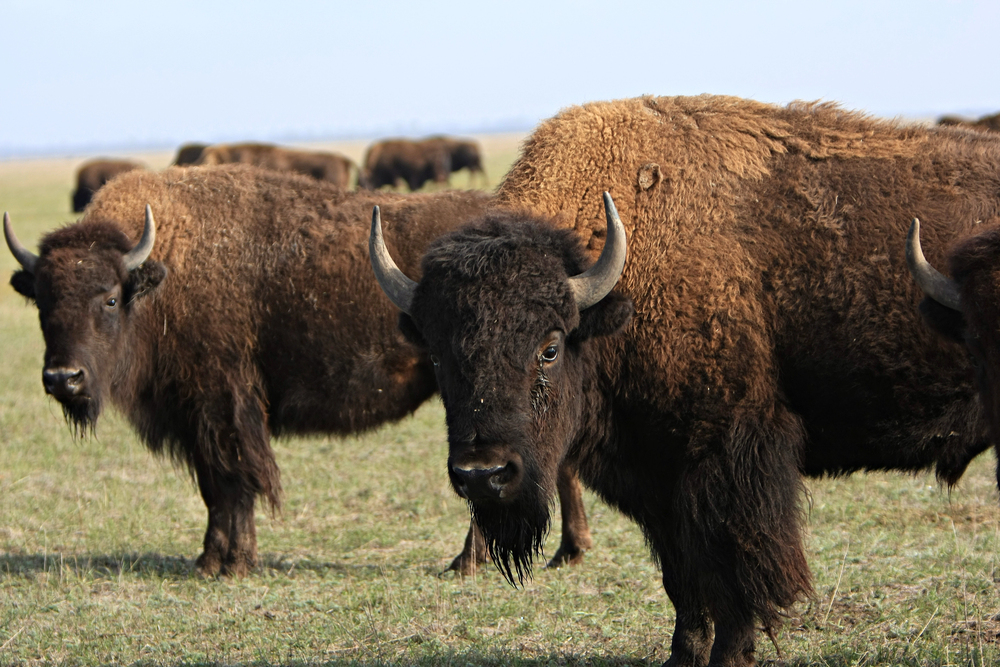
Then, in August 2025, three bison were released into El Santuario, a 4,000-hectare (roughly 9,900-acre) section of the Cuatrociénegas nature reserve in Coahuila state. By November, 44 more had joined them. Within months, things started moving.
Cuatrociénegas is an unusual place. The 84,000-hectare (about 207,000-acre) reserve holds gypsum dunes, bright blue water pools, and hundreds of plant and animal species, including several classified as critically endangered. UNESCO has recognized it for its biological diversity. The El Santuario section, managed by the Fundación Pro Cuatrociénegas alongside Coahuila’s Museo del Desierto and the Mexican Fund for the Conservation of Nature, is the center of active conservation work there.
More than grazers: what bison do to a landscape
Gerardo Ruiz Smith, the Fundación’s director, calls bison “landscape architects,” and he means it more literally than it sounds.
When bison run, their hooves break up the soil surface, creating small openings that pull in water. That shifts the conditions for plant growth, encouraging vegetation in areas that had been compacted for decades. Seeds also catch in the animals’ thick fur as they move through vegetation and fall loose as they travel, spreading plant life without any deliberate effort. Bison grazing also reduces the buildup of dry vegetation that fuels wildfires, which is a real concern in the Chihuahuan Desert.
And then there is the less glamorous part: manure. Bison dung draws dung beetles, which bury excrement into the soil, improving its nutrient content and aerating the subsurface as they burrow. None of this is dramatic to watch, but the effects compound dramatically over time.
The cascade that followed
Hidden cameras in El Santuario have caught what happens when those conditions improve. Pumas, lynxes, and the collared peccary, a pig-like mammal native to the region, have all been spotted in the area since the bison arrived. Local bird species have been seen pulling bison fur for nesting material.
The Fundación released the bison. The rest of the animals and the ecosystem sorted out between them.
Ruiz Smith told CNN he felt hope seeing the effect of “simply bringing back a fundamental species that was there before and should be there.” Nearly 50 animals, two institutions, and years of planning preceded those first three bison stepping into El Santuario, so nothing about it was simple. But the underlying logic is: remove a keystone species, and the system loses functions it didn’t know it needed. Return it, and recovery can start faster than expected.
A century of absence in a region full of life
Bison were hunted out of this part of Mexico in the 19th century. Rewilding projects have been gaining ground across North and Central America as conservation groups try to restore what large mammals do in a functioning ecosystem, not just their symbolic presence but their physical effects on soil, fire, and water.
How much the Cuatrociénegas landscape will shift over years is still an open question. The herd is small, the reserve is large, and independent monitoring is ongoing. What Ruiz Smith and the cameras are documenting now is the start of something, a place beginning, as he put it, to “mold and regenerate itself.”
Did this solution stand out? Share it with a friend or support our mission by becoming an Emissary.The post Mexico’s desert ecosystem is healing months after bison reintroduction first appeared on The Optimist Daily: Making Solutions the News.








 New Posts (Home)
 ChatBox
 Popular Posts
  Game Zone
 Top PodCasts