www.dailywire.com
The Terrifying Vision Side Effect At The Center Of A Growing Ozempic Legal Battle
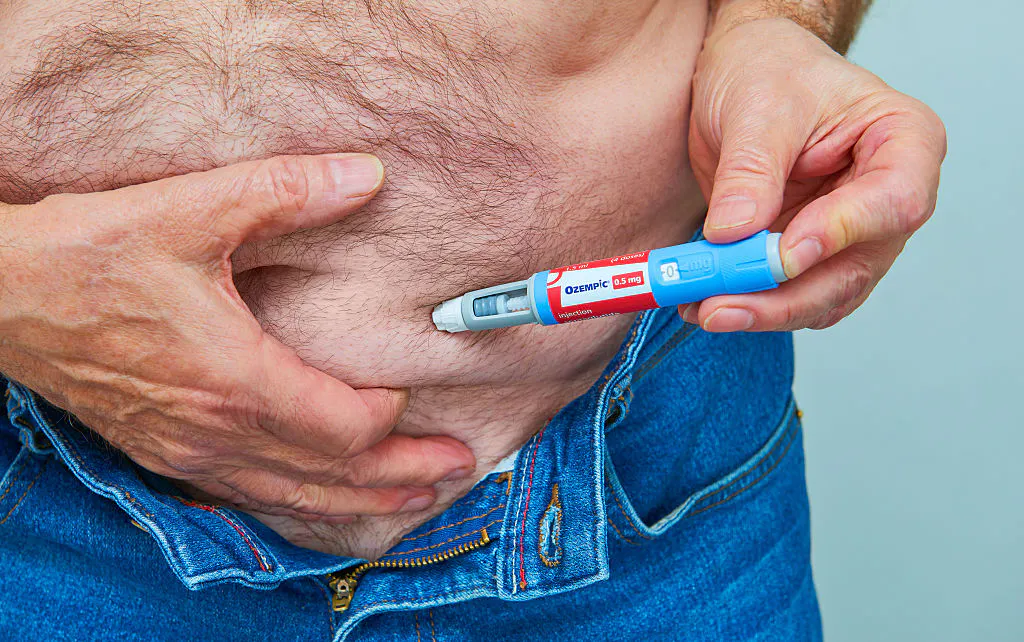
Hundreds of Americans have filed personal injury lawsuits against the makers of popular diabetes and weight-loss drugs like Ozempic, Wegovy, and Mounjaro, claiming they were not properly warned about a rare but potentially devastating form of sudden vision loss.
The condition, known as nonarteritic anterior ischemic optic neuropathy, or NAION, occurs when blood flow to the optic nerve is disrupted. The vision loss typically comes on suddenly, without pain, and is usually permanent.
In one lawsuit, a Kentucky woman named Sandra Godby says she took Ozempic and Wegovy as prescribed before developing NAION in her left eye. Her lawsuit claims the resulting vision loss was severe and permanent, causing “radical changes” to her lifestyle, and alleges Novo Nordisk, which makes Ozempic and Wegovy, failed to adequately warn patients and doctors about the potential risk.
Researchers began examining a possible connection between GLP-1 drugs and NAION after a safety signal emerged from a Boston health center in 2024. Since then, studies have produced conflicting results, and no study has established that the medications actually cause the condition. A 2026 consensus statement from the American Academy of Ophthalmology and North American Neuro-Ophthalmology Society said some studies suggest a small possible increased risk, while others have found no association, with the overall magnitude of the risk remaining low.
Novo Nordisk told ABC News that it believes the U.S. personal injury lawsuits are “without merit.” Eli Lilly, the maker of Mounjaro and Zepbound, said it continuously monitors and evaluates safety information, including potential ophthalmic issues.
Doctors say there are several established risk factors for NAION that already exist independently of GLP-1 use. ABC News cited diabetes, overnight low blood pressure, and having a very small optic nerve cup as risk factors. A person who has already experienced NAION in one eye may also require a more individualized discussion about potential risks.
For now, the U.S. Food and Drug Administration (FDA) does not require NAION to be specifically listed as a risk on the drugs’ labels, although the agency says it is reviewing the potential safety signal. “The FDA routinely monitors the safety of drug products postmarketing,” a statement from the agency said. “The FDA identifies safety signals from a variety of sources, evaluates the available data and takes regulatory actions when appropriate.”
The vision concerns come as users and doctors have been dealing with a wide range of other reported side effects from the increasingly popular drugs. For example, Business Insider previously documented severe gastrointestinal problems among semaglutide users, including constipation, diarrhea, and episodes of people losing control of their bowels. One Wegovy user described becoming so severely constipated that she experienced significant abdominal pain before eventually having an accident.
Additionally, Ozempic’s FDA-approved labeling carries a boxed warning about thyroid C-cell tumors. The drug is specifically not recommended for people with a personal or family history of medullary thyroid carcinoma or with Multiple Endocrine Neoplasia syndrome type 2. The FDA labeling says it remains unknown whether semaglutide causes these tumors in humans.
Still, the drugs have helped people lose significant amounts of weight and improve blood-sugar control. For patients struggling with obesity, doctors often weigh potential benefits against the drugs’ known side effects and risks that are still being studied.








 New Posts (Home)
 ChatBox
 Popular Posts
  Game Zone
 Top PodCasts