New Posts (Home)
 ChatBox
 Popular Posts
  Game Zone
 Top PodCasts
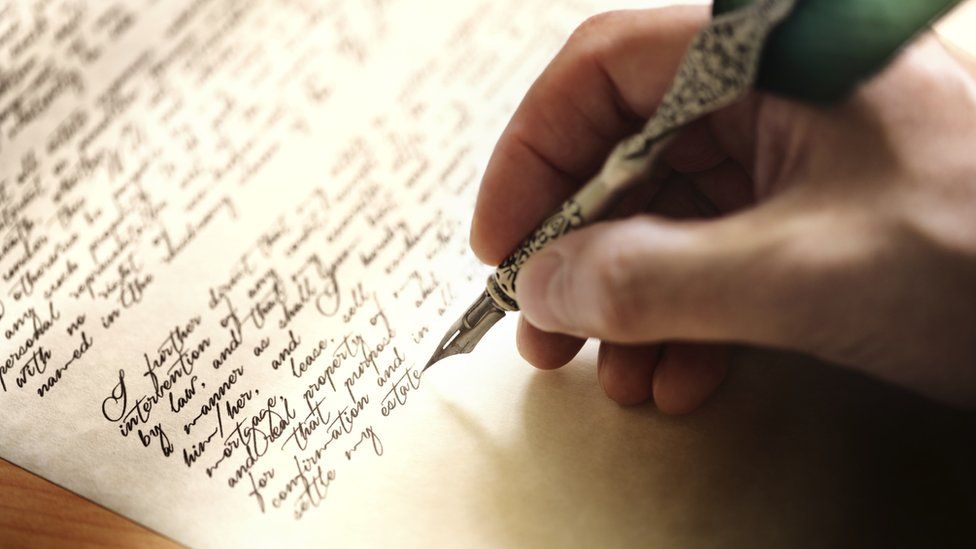

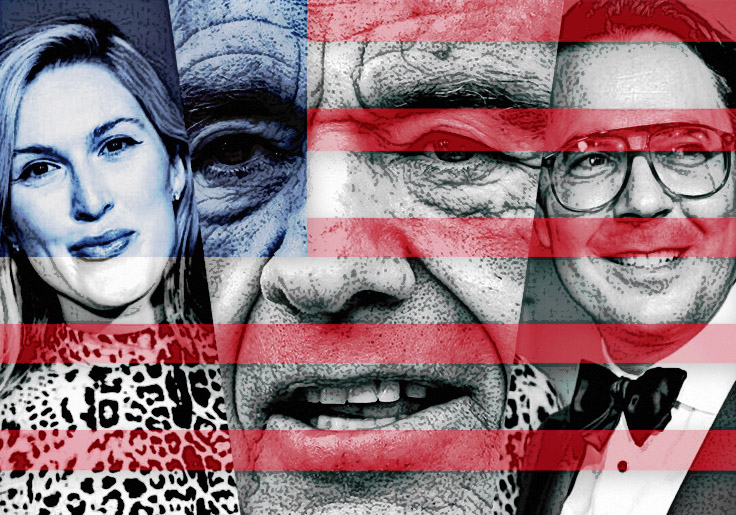
The sun rises also. God's taunt: the relentlessness of repetition; the unyielding promise of possibility. So gentle, yet so violent. A brown box lingers on the front steps, aching for evisceration's gift. Begging to unburden itself. A soul ensconced within—laid bare in literary flesh, fixed in ink, and marketed for mass consumption. A cry for help. The sound of an American flag being raped.
Panopticon doorbell—sold for profit by the neighborhood surveillance corporation—connects to an app that harvests data on the smartphone manufactured by the prestige technology firm named for the fruit of man's first sin. A video feed confirms delivery by the company that sells everything. Knowing what you know, what you thought you knew, what can never be known—would you dare set foot outside that door?
Rain threatens, as it so often does. Yet there she lies—the woman who made poor decisions, blonde detritus of America's unraveling—caged in corrugated cardboard wrung from wood pulp, mouth taped shut. Bound in a parchment vault of buried recollections, witness transcripts, assassination plots. Page on top of page on top of blood-stained page. No one will believe her now.
Like the cheap vessel of her carceral stasis, she existed to be torn apart and discarded. To be fondled indelicately by the low-wage, vested courier who descends from slaves, who slogged through wet suburban enclaves to deposit her.
Here at the threshold of her imminent undoing.
Thus began your humble reviewer's wearisome encounter with American Canto, the new memoir by disgraced journalist Olivia Nuzzi. Such was the experience of reading it, anyway. Trudging through paragraphs of turgid prose and stale vignettes about Donald Trump, endless metaphors laboring to recast the author's personal and professional downfall as a parable of American decline and the "nature of our reality." The scandalous disclosures—the only reason anybody cared—never came. No gossip about her May-December romance with Keith Olbermann, or her brief career as an aspiring teen pop star whose debut single, "Jailbait," never cracked the charts. What a waste.
The book’s release—just over a year after Nuzzi parted ways with New York magazine amid revelations she had an "undisclosed personal relationship" with Robert F. Kennedy Jr.—was much anticipated. Fellow journalists adored Nuzzi's writing. Hailed as the Trump era's Joan Didion, she seduced her peers with intimate profiles of powerful older men. American Canto, and the tawdry spectacle surrounding its release, has proved a sharp corrective.
The book launch could not have gone worse. Nuzzi's scorned ex-fiancé, Ryan Lizza, struck preemptively with a series of smut-filled (and oddly bamboo-centric) blog posts on his Substack page. The first was free, while the rest could be accessed with an $80 annual subscription. He accused Nuzzi of having an affair with another presidential candidate, former South Carolina governor Mark Sanford, whom she profiled during the 2016 campaign. (Gross.) He admitted—without a hint of shame—to spending an entire afternoon on his knees arranging Nuzzi's shoe collection. (Somehow worse.) Paying subscribers were treated to revolting excerpts from RFK's erotic poetry. "The least I can do is share the parts I believe you should know," Lizza wrote behind the paywall.
Indeed, there are no sympathetic figures in this D-list tabloid saga, least of all Nuzzi. She wrote American Canto while hiding out in Malibu, where she mourned her fate by taking lots of drugs and questioning reality. "It became impossible to say who believed what, whose beliefs were real, whether such a thing as realness could be verified and whether it even mattered," she explains. Amid the meandering rubbish, Nuzzi seems to suggest that what happened to her was actually Trump's fault. He is the all-sucking black hole through which reality distorts—through which even his most noble opponents (journalists) are corrupted. He practically made her do it.
In Southern California, Nuzzi found a cleansing respite from the moral decay of Trump's capital. "Land of my idle, my idyll," she quips. The terrain was on fire, but so was her personal life—a connection she unpacks at superfluous length. The book has no chapters, just stray anecdotes and diary entries interspersed with random quotes from Joan Baez, Friedrich Nietzsche, and Saint John of the Cross. So many words to say so little. "There are lemon trees in the yard," she writes. "I did not plant them. There is a fist in my chest. It is not mine." There are mountains overhead, composed of "granite, sandstone, serpentinite, marble, chert, limestone, basalt, dolostone..." Make it stop.
When it comes to Nuzzi's bizarre and ethically dubious relationship with RFK—whom she insists on calling "the Politician"—basic questions are never answered. How did it start? How did it end? Did it ever end? Is RFK the crazed ex-lover Nuzzi thinks is trying to kill her, or is that Lizza—sorry, the "man [she] didn't marry"? Nuzzi recounts falling in love with RFK over long FaceTime chats watching him brush his teeth in hotel bathrooms, the way she yearned to fall asleep to that voice. She remembers the poem she wrote him about the fruit that toppled Eden—"a greater striptease than I had ever performed"—and the profundity of watching him dislodge an apple shard with a strand of floss. Kinky.
"He scared me," Nuzzi fawns. "I liked that." She thought he was different. That he would never lie or treat her poorly (he's a Kennedy, for crying out loud). His own scorned wife, the current one who's still alive, is barely mentioned. It was Nuzzi who taught RFK, who denies everything, how to lie to the press. She insists she isn't lying now. "Facts end [where] truth begins," she explains. Understanding this would help us empathize. It wouldn't; it's nonsense.
Nuzzi does not appear to consider that she is an adult who made poor decisions. That her plight is not relatable in any sense, or quintessentially American in its mythos. She is not Joan Didion, or Monica Lewinsky, or Britney Spears, or a beloved starlet being hounded out of Hollywood during the Red Scare. No one, not even her fellow journalists, wants to read this self-pitying tripe. Nuzzi sees herself, naturally, in all the dead or wounded animals she encounters in her new West Coast environs. A deer run over, a rattlesnake charred. She mourns the death of a baby bird outside her door. "Baby bird." One of the pet names RFK used to woo her with his gnarled rasp. The deceased chick had been "swallowed up by some kind of monster," only to make the monster stronger in its final act—to become one with the monster—which was eating itself.
Belch.
American Canto
by Olivia Nuzzi
Avid Reader Press/Simon & Schuster, 320 pp., $30