New Posts (Home)
 ChatBox
 Popular Posts
  Game Zone
 Top PodCasts


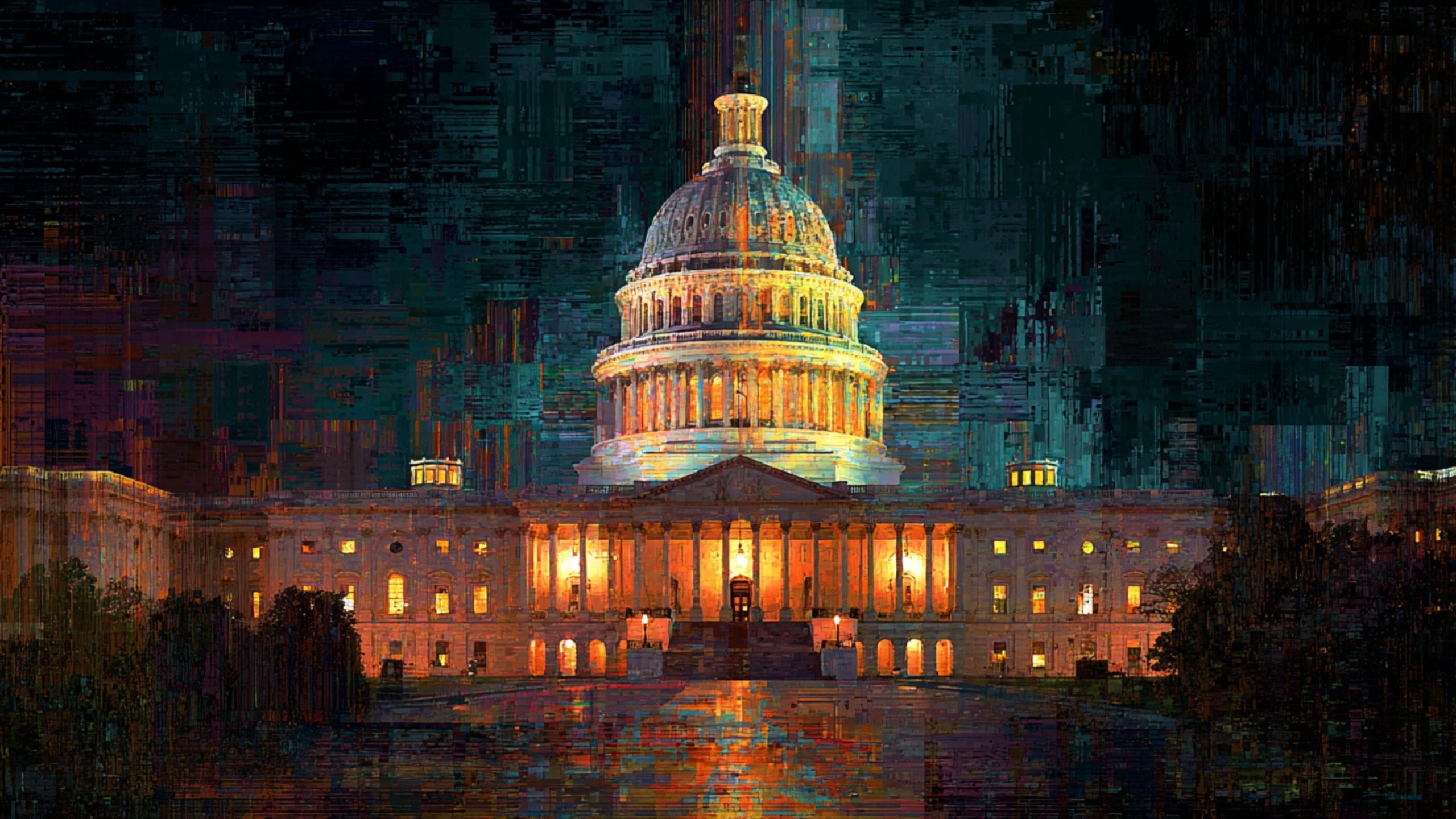
Two new resolutions introduced in Congress directly challenge the growing influence of European and British online censorship laws on American speech. Together, they signal a coordinated effort to push back against a creeping erosion of First Amendment freedoms by foreign powers.
In the Senate, Senator Mike Lee introduced S. Res. 567, declaring that “any attempt by foreign entities to censor or penalize constitutionally protected speech of United States persons shall be opposed.”
The resolution frames freedom of expression as a defining principle of American identity, describing it as “a hallmark of American exceptionalism” and “necessary to ensure that truth can always be spoken, lies can always be exposed, and important questions can always be asked.”
The Senate measure specifically condemns the European Union’s Digital Services Act (DSA), arguing that the law seeks to export European censorship norms across borders.
It warns that the EU has been “attempting to force United States entities to use products and technology to censor and undermine free speech occurring in the United States” and that it “threatens steep penalties under the Digital Services Act if United States entities do not implement the censorship regime required under the Act.”
Senator Lee’s resolution cites the EU’s 2024 threat against Elon Musk over his interview with President Trump on X and the $140 million fine levied against the platform in 2025.
It concludes by urging action: “The Senate… urges the Trump administration to ensure swift and firm rejoinders to any implementation of disapproved activities.”
Meanwhile, in the House, Representative Jeff Van Drew introduced H. Res. 967, asserting that “European laws and regulations unfairly and unreasonably burden American speech and innovation.”
The resolution targets the EU’s Digital Services Act and Digital Markets Act, along with the UK’s Online Safety Act and Digital Markets, Competition and Consumers Act, calling for formal US opposition to their enforcement.
The House measure highlights the political misuse of vague regulatory terms, warning that “labels like ‘misinformation’ and ‘hate speech’ are inevitably used by the powerful to censor critics and silence dissent.”
It also references congressional oversight findings that “the Biden administration coerced and colluded with social media companies to censor First Amendment-protected discourse related to elections and the COVID–19 pandemic.”
Emphasizing the economic and constitutional stakes, the resolution further states that “European digital censorship laws set de facto international standards for content moderation” and that they “violate the due process rights of American companies to administer fines and penalties that amount to targeted trade barriers against Americans.”
Both resolutions reflect a growing determination among lawmakers to prevent foreign governments from shaping the boundaries of US speech. From a free expression perspective, the message is clear: Congress is drawing a line between legitimate cooperation on global digital policy and the imposition of foreign censorship norms within the United States.
By formally calling on the Trump administration to respond through diplomatic and economic channels, these measures make a broader statement that the defense of open debate and the protection of American platforms from extraterritorial censorship are matters of national sovereignty and democratic integrity.