New Posts (Home)
 ChatBox
 Popular Posts
  Game Zone
 Top PodCasts


HBO
What To Know
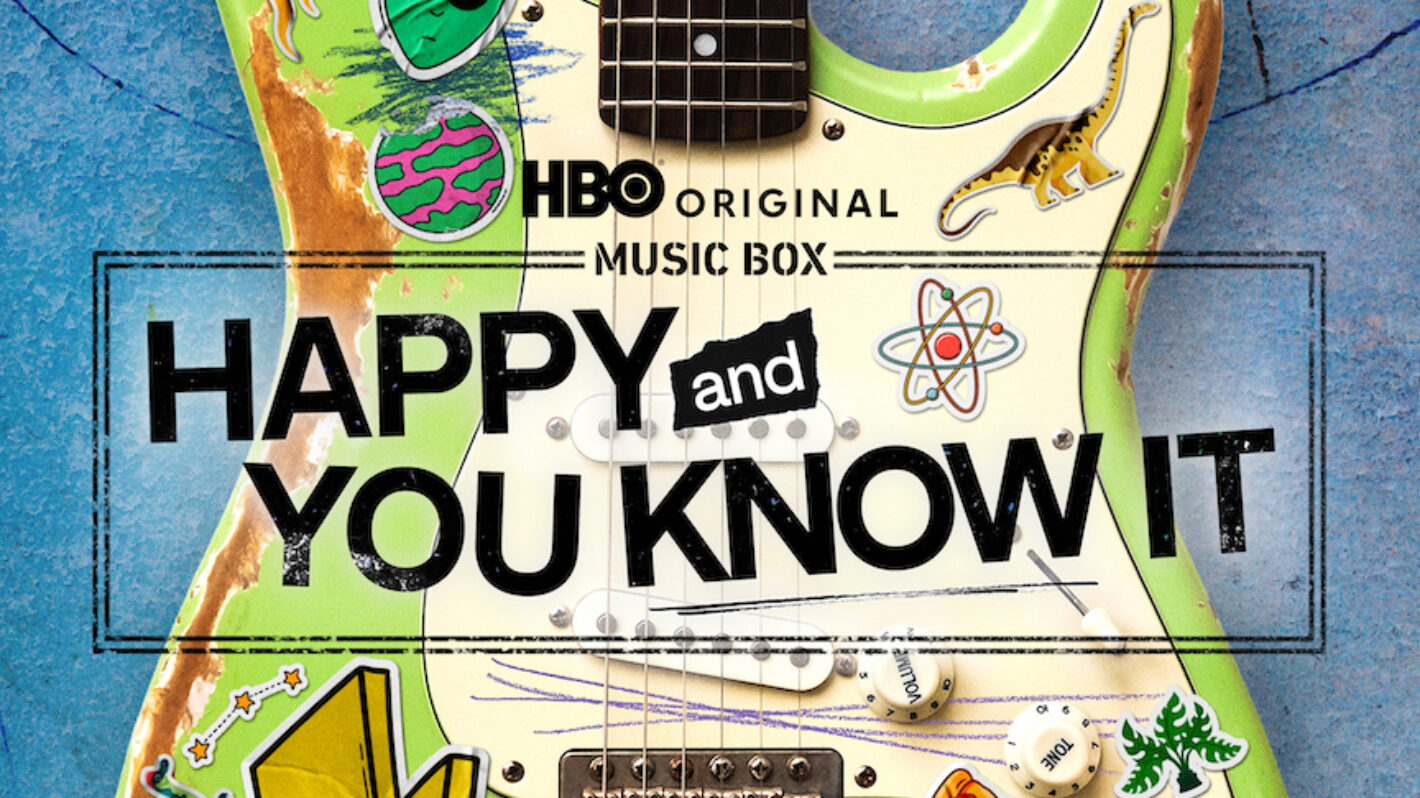
- Director Penny Lane’s new HBO documentary Happy and You Know It explores the overlooked artistry and cultural significance of children’s music, challenging its reputation as merely utilitarian or annoying.
- Lane highlights how mainstream rock and pop musicians, such as Divinity Roxx and Chris Ballew, are increasingly entering the children’s music scene, reflecting shifts in media and audience engagement.
- The film aims to reveal the vibrant and complex community behind children’s music, encouraging audiences to appreciate its joyful and universal appeal beyond its use as a tool for pacifying kids.
If you have any small children in your life, you’d probably do anything to hear less of the earworm-y songs about dinosaurs, dancing, and baby sharks that they love. But documentarian Penny Lane, who examined the world of children’s music in her new film, Happy and You Know It, thinks that those of us who tune it out are missing out on some legitimate artistry. “Kids’ music,” says Lane, “is seen as something that you use. You use it to get your kid to shut up, or you use it to put your kid to sleep, or you use it to distract them. And we were really just really interested in opening that aperture and being like, ‘there’s more going on here than just what you use to pacify a kid.'”
Happy and You Know It premieres on HBO on December 25, 2025, at 9/8c, as part of the channel’s Music Box documentary program. In advance of its release, Lane spoke to Remind about why mainstream rock stars have started making children’s music, the threat AI represents to the future of children’s music, and how, exactly, she decided to document one of America’s most maligned musical subgenres.
“I’m here to tell you there’s nothing cool about [children’s music], but that’s not the point. It may not be cool, but it might be some other things, like joyful,” says Lane. “And we are all children inside. So this music really does touch everybody, if you let it.”
“My favorite documentaries take you inside a world that you didn’t know existed.”
It might initially feel surprising that Lane — whose previous documentaries have focused on subjects ranging from adult contemporary icon Kenny G to controversial religious movement The Satanic Temple — chose to create a film featuring wholesome, G-rated musicians like The Wiggles and Laurie Berkner. But, says Lane, there’s actually a through line in her work, which often focuses on “a topic or a person or a story that’s already kind of known, but maybe misunderstood.”
The seed of Happy and You Know It was planted when Lane, who describes herself as a “middle-aged woman with no kids,” learned about the phenomenon of “Baby Shark.” The children’s tune, popularized in 2016 by South Korean entertainment company Pinkfong, is the most popular YouTube video of all time, with over 16 billion views. “And I always try to pause on this and say, ‘and it’s not even close,'” says Lane. “It’s not like there’s a few [videos] that are in a race. It’s ‘Baby Shark,’ and then the next most popular video has half as many views. It’s on a level that’s incomprehensible. So for me to find out that a song I’d never heard of, that was beloved by two-year-olds, was this huge cultural juggernaut was mind-blowing. And I was like, what’s going on?”
From there, Lane began interviewing children’s musicians, painting a picture of a complex and quirky musical community the most of us aren’t even aware of. “My favorite documentaries take you inside a world that you didn’t even know maybe existed,” says Lane.
Why rock stars become children’s musicians
While some of the musicians profiled in Happy and You Know It were children’s educators who picked up guitars to better connect with kids, others had full careers as rock and pop musicians first — like Grammy nominee Divinity Roxx, who spent five years in Beyonce‘s touring band before pivoting to music for kids, or Chris Ballew, whose achieved ’90s alternative rock stardom as the frontman of the Presidents of the United States of America before recording children’s music under the name Caspar Babypants.
Mainstream musicians making children’s music isn’t entirely new — after all, Johnny Cash released The Johnny Cash Children’s Album in 1975. But it’s certainly become a more common phenomenon in the past few decades, which Lane attributes to ways media has changed (even if children’s music hasn’t).
“Music for kids is pretty universal. Whatever worked for your grandparents probably works for your kids,” says Lane. “But the media ecosystem obviously has completely changed. … There’s a lot more opportunities for kids artists to find an audience. You think about YouTube, YouTube Kids, Spotify, all these kind of different discovery platforms that just didn’t exist 40 years ago. [Back then], you either had an LP record or nothing — or [a TV show], because a lot of this music we learned, we saw on Sesame Street or on a Disney movie or something. So I think even though it’s harder than ever in a way to make a living as an artist, if you’re making art for a niche audience, it’s never been easier.”
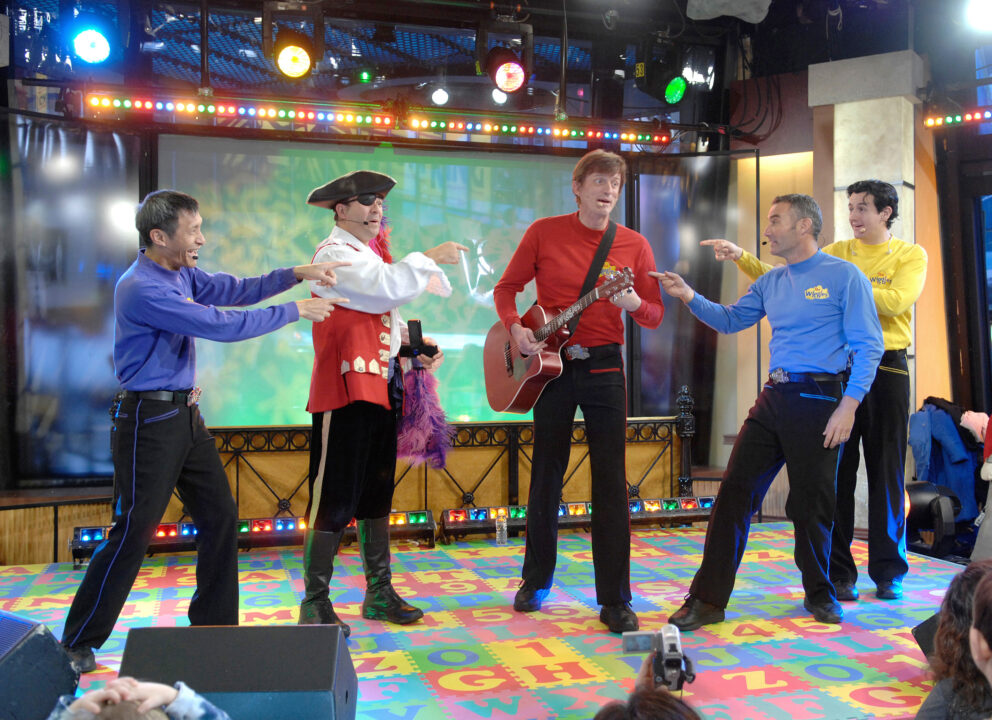
Ida Mae Astute / ©ABC / courtesy Everett Collection
The A.I. takeover of children’s music
When you consider industries likely to be completely altered by AI, children’s music doesn’t immediately jump to mind. But, as Lane highlights in her documentary, the kids’ music landscape is already being changed by online companies that churn out an endless supply of AI-created songs. “It’s the art we value the least that is most in danger of being lost” to AI, says Lane. She was shocked “realizing that there were just infinite YouTube channels that are made with AI slop aimed at toddlers, and are just kind of addictive. You could fill your kids’ days with AI slop. And that is actually endangering the livelihoods of real artists who are working really hard to make high quality art for our children, and hold their attention in a human way, and love them and honor them and care for them.”
The scourge of AI children’s music “was a big surprise and became a big part of the middle of the film.” “That really hit me hard because by then, I was convinced these artists are all heroes, and then I cared enough to care that AI was a real threat to them.”
Share This: