New Posts (Home)
 ChatBox
 Popular Posts
  Game Zone
 Top PodCasts


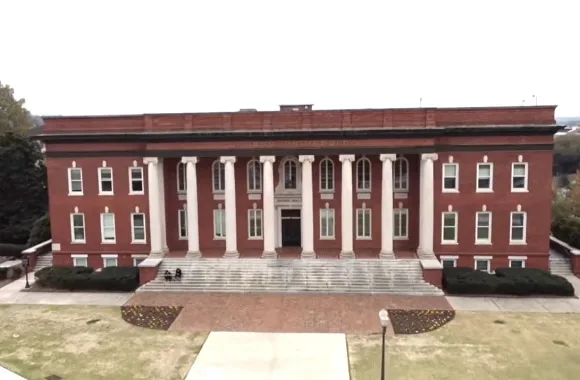
A scholar who sued Clemson University after he was fired for sharing a post on social media calling Charlie Kirk’s assassination “karma” has settled his lawsuit.
Under the settlement, Clemson has rescinded Joshua Bregy’s termination, and he will continue to receive pay and benefits, but will resign his employment effective May 15, according to the ACLU, who represented the professor.
“He will not have teaching, research, or faculty obligations through the spring semester,” the law group stated in a Jan. 8 news release, adding a Clemson provost will provide positive letters of recommendation to potential employers based on Bregy’s classroom teaching.
“We were honored to represent Dr. Bregy and to reach an agreement that restores his employment, allows him to continue to pursue research funding, and deters the university from violating the First Amendment rights of its faculty in the future,” stated ACLU of South Carolina Legal Director Allen Chaney.
A Clemson spokesman told the South Carolina Daily Gazette that Bregy will not work in a classroom or with students this semester and that both sides of the settlement agreement must be followed through on to make it official.
The controversy stems from a Facebook post Bregy shared after the assassination of Turning Point USA founder Charlie Kirk.
THIS IS NOT AN ISOLATED EVENT. We have ANOTHER leftist assistant professor at Clemson, Josh Bregy, in a now-deleted post assenting to the idea that Kirk's assassination is a result of KARMA. WHO ARE YOU HIRING @ClemsonUniv @clemsonpres ??? END THIS NOW. @libsoftiktok pic.twitter.com/X9oiDxs3Q4
— Clemson College Republicans ? (@ClemsonCRs) September 12, 2025
Bregy, an environmental engineering and earth sciences scholar, reposted a message that read in part, “I’ll never endorse violence in any form, but it seems to me that karma can be quick and ironic sometimes.”
“As Kirk said, ‘play certain games, win certain prizes.’ You might think I’m mean too, but I also want to say—I genuinely mourn for Kirk’s family and friends.”
“No one should have to experience such tragic loss. However, am I going to let people turn a flawed person whose words caused real harm into a martyr? Not a chance,” the post read.
Bregy, in his lawsuit, had argued the Facebook post was “protected speech,” and that the university violated his First Amendment right to “speak out on matters of public importance.”
A representative from the Foundation for Individual Rights and Expression agreed, telling The Fix at the time: “A public institution risks violating its First Amendment obligations when it fires a faculty member for discussing major political issues on social media.”
MORE: Tennessee university reinstates professor fired for Charlie Kirk post, settles for $500,000