New Posts (Home)
 ChatBox
 Popular Posts
  Game Zone
 Top PodCasts

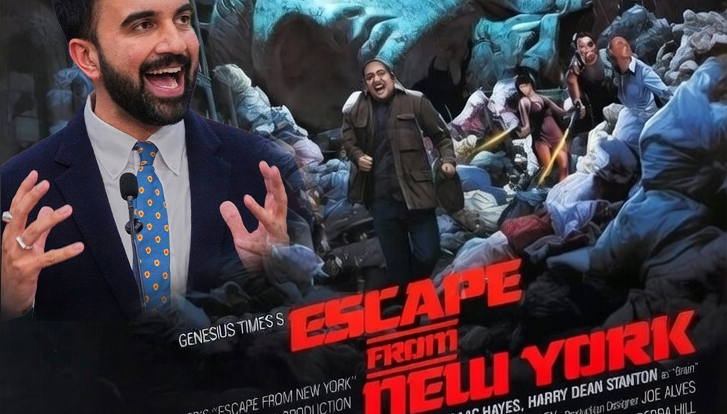
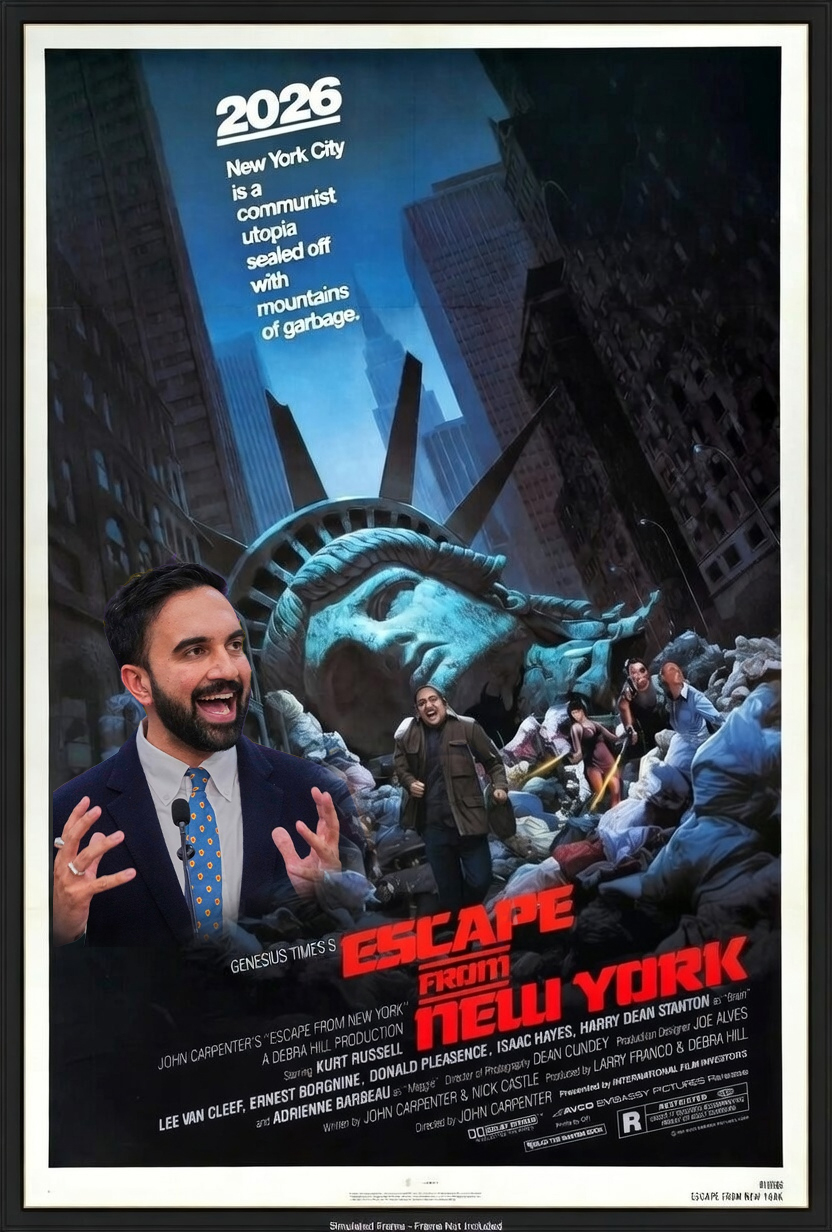
In a bold move to update John Carpenter’s 1981 masterpiece for the modern viewer who prefers their dystopias pre-approved by committee, Hollywood has finally delivered the long-awaited 2026 remake: Escape from New York: 2026.
Gone is the gritty, crime-riddled prison island of old. In this enlightened reimagining, Manhattan has been transformed into a gleaming communist utopia, hermetically sealed behind towering, artistically arranged mountains of recycled single-use plastics, composting failures, and virtue-signaling billboards. The walls are no longer concrete and barbed wire; they’re eco-barriers of compressed cardboard and expired protest signs, patrolled by solar-powered drones that gently remind inmates to reduce, reuse, and reeducate.
The plot remains familiar in broad strokes—Air Force One (now a carbon-neutral electric VTOL craft branded with the UN logo) is “redirected” during a routine equity summit and crash-lands inside the zone. The President, a non-binary diplomat played with earnest blandness by a rising TikTok activist, is immediately taken into “protective custody” by the island’s Supreme Commissar, a charismatic warlord known only as The Dialectic (formerly The Duke, now rebranded for inclusivity). The Dialectic’s forces enforce mandatory group therapy sessions, rationed oat milk, and daily struggle sessions broadcast on communal LED screens salvaged from Times Square.
Enter our hero: S.D. “Snake” Plissken, reimagined as a disillusioned former community organizer with a single augmented-reality eyepatch that displays wellness notifications. Played by a brooding, heavily tattooed A-lister who shall remain unnamed to preserve the surprise (though early leaks suggest someone who once played a wizard but now does “serious” roles), Snake is offered a deal by the Federal Reeducation Bureau: infiltrate the utopia, extract the President before the next five-year plan deadline, and earn a full pardon plus carbon credits redeemable at Whole Foods.
To ensure compliance, authorities implant not explosives but microchip trackers that deliver mild electric shocks for “non-aligned thoughts” and force Snake to attend virtual sensitivity training if he exceeds his allotted screen time.
Snake glides in on a repurposed e-scooter glider, navigating streets lined with communal gardens overrun by invasive kudzu and abandoned Citi Bikes. He reluctantly teams up with a ragtag collective: Cabbie, now an electric taxi driver who only speaks in approved slogans; Brain, a former tech bro reduced to debugging the island’s central planning AI; and Maggie, a fierce performance artist whose medium is interpretive dance protest.
The action set pieces have been thoughtfully updated. The iconic glider descent is replaced by a slow, meditative drone flight over composting heaps. High-speed chases occur via shared e-bikes in 15 mph zones. The climactic showdown on the George Washington Bridge—now renamed the People’s Friendship Span—features a tense negotiation mediated by a conflict-resolution specialist rather than gunfire. Snake’s famous line, “Call me Snake,” is delivered with a weary sigh: “Call me Snake… or whatever pronouns feel affirming today.”
Critics are already hailing the film as “a courageous deconstruction of authoritarian individualism” and “the first blockbuster to achieve net-zero emissions in post-production.” Audiences, however, may find themselves yearning for the days when dystopias were at least honest about being hellscapes, not mandatory group hugs behind garbage barricades.
In the end, Snake escapes—not from New York, but from the crushing weight of performative utopia. The President is rescued, the credits roll over footage of wind turbines, and everyone agrees that, truly, the real prison was late-stage capitalism all along.
Rated PG-13 for thematic discussions of privilege and mild ideological discomfort.

About Author