YubNub Social YubNub Social
    #racism #elections #conservatives #gerrymandering
    Advanced Search
  • Login
  • Register

  • Night mode
  • © 2026 YubNub Social
    About • Directory • Contact Us • Developers • Privacy Policy • Terms of Use • shareasale • FB Webview Detected • Android • Apple iOS • Get Our App

    Select Language

  • English
Night mode toggle
Featured Content
Community
New Posts (Home) ChatBox Popular Posts Reels Game Zone Top PodCasts
Explore
Explore
© 2026 YubNub Social
  • English
About • Directory • Contact Us • Developers • Privacy Policy • Terms of Use • shareasale • FB Webview Detected • Android • Apple iOS • Get Our App
Advertisement
Stop Seeing These Ads

Discover posts

Posts

Users

Pages

Blog

Market

Events

Games

Forum

Strange & Paranormal Files
2 yrs

Why meeting aliens may remain a distant dream
Favicon 
anomalien.com

Why meeting aliens may remain a distant dream

Dr. Malcolm Schofield‚ a researcher from the School of Psychology at the University of Derby‚ has identified two crucial factors that could hinder humanity’s encounter with extraterrestrial life‚ as reported by The Daily Star. According to Schofield‚ there are two primary reasons why humans may have yet to cross paths with other civilizations. Firstly‚ there is the possibility that aliens either no longer exist or have never existed. However‚ the expert emphasizes that the likelihood of humans being the sole intelligent beings in the vast universe is exceptionally small. The second factor highlighted by Dr. Schofield is the immense scale of both space and time. Given the sheer number of planets scattered throughout space and the inherent nature of the cosmos‚ the probability of humans encountering aliens becomes exceedingly slim. The vast distances between stars and galaxies present significant challenges‚ if not rendering such encounters nearly impossible within the constraints of conventional travel. “It appears that the chances of us encountering intelligent life from another planet in our lifetime are slim‚” notes the scientist. Despite the apparent remoteness of encountering extraterrestrial intelligence‚ Dr. Schofield underscores the importance of humanity’s continuous search. He likens this pursuit to the odds of winning the lottery‚ highlighting how our understanding of probabilities can be influenced by past experiences and beliefs. Considering the vast expanse of the universe and the countless galaxies within it‚ the chances of meeting aliens‚ although minuscule‚ still exist. The need for exploration persists‚ even as declassified documents from US officials‚ unveiled late last year‚ suggest there might be more information available than officially disclosed. While an official confirmation remains elusive‚ the quest to uncover the mysteries of the cosmos perseveres‚ fueled by the tantalizing possibility that‚ amidst the vastness of space‚ we may one day make contact with extraterrestrial life. The post Why meeting aliens may remain a distant dream appeared first on Anomalien.com.

Like
Comment
Share
Pet Life
Pet Life
2 yrs

Can Dogs Eat Ham? Vet-Approved Facts &; FAQ
Favicon 
petkeen.com

Can Dogs Eat Ham? Vet-Approved Facts &; FAQ

Click to Skip Ahead Ham &; Dogs Dangers Healthy Diet Tips Other Food Facts Dogs are omnivores‚ which means they are not only capable of eating both plant and animal-based ingredients‚ but their digestive system can process the nutrients in both food types. In the wild‚ they would individually hunt small animals‚ and in packs‚ they might work together to take down larger animals‚ but they would also eat plants including fruit and vegetables. Ham‚ which is derived from pigs‚ is an animal-based food‚ but it is recommended that we do not feed ham to pet dogs. Not only does most commercially packaged ham contain large amounts of sodium‚ or salt‚ but it is also a very fatty meat when compared to other animal protein sources. It is also quite rich‚ which can lead to gastrointestinal upset. With that said‚ it isn’t considered toxic‚ so if your dog has eaten some plain‚ unprocessed ham‚ it should be fine‚ although it may lead to diarrhea or vomiting. Dog Diet Dogs are omnivores and eat a combination of meat and animal-based foods. Most commercial foods‚ whether wet or dry‚  contain a combination of these and other ingredients. Complete and balanced dog food meets all of the dietary and nutritional requirements of a dog‚ including an appropriate amount of protein as well as all the required fats‚ vitamins and minerals to ensure a healthy dog. There are benefits to both dry and wet foods. Dry food has a longer shelf life‚ which means that‚ even when opened‚ it will keep longer than wet food. It also causes less mess‚ but it does not contain the moisture that wet food does so you will need to make sure your dog gets enough fresh water. And‚ some dogs do not find dry food as palatable or appealing as they find wet food. Wet food tends to be higher in protein which can lead to an upset stomach‚ although this isn’t always true. It is also more expensive than dry food and it doesn’t keep as well‚ but some dogs do prefer wet food. It is possible to feed a combination of wet and dry food‚ either at each meal or over a day‚ and there is an increase in interest in raw food or natural food diets. A natural food diet means putting every meal together yourself using natural ingredients. You do need to thoroughly research your dog’s nutritional requirements and ensure that they are being met. One such requirement is providing enough protein. Although protein can be found in plant sources‚ the best source is often high-quality meat. Chicken‚ turkey‚ lamb‚ and beef are the most common meats used in commercial foods and in a raw food diet‚ which begs the question of why pork or ham isn’t used more often. Image Credit: Olya Maximenko‚ Shutterstock Can Dogs Eat Ham? If your dog has eaten a small amount of ham‚ they should be fine because ham is not considered toxic to dogs. You may see some vomiting and diarrhea for a day or two. Consider speaking to your vet to  inform them what has happened. They will be able to advise on the next best step. The Pitfalls of Ham Generally‚ though‚ you should not intentionally feed ham to your dog. When people talk about ham‚ they are usually referring to the processed ham that you can buy in stores. These processed foods can be unhealthy and potentially even dangerous for dogs because of the following reasons: Fatty Meat – Ham is fatty compared to other meats and other beneficial foods given to dogs. When dogs eat too much fatty food‚ it can lead to weight gain and pancreatitis. Being overweight is as dangerous for dogs as it is for people‚ and obesity can lead to diabetes as well as joint problems and other health concerns. Removing the fat from unprocessed meat does provide a healthier solution‚ but there is still fat running through the meat itself. Processed Ham Additives – Most packaged ham is highly processed. It contains high levels of salt and may contain additional additives. Some of these additives may actually be toxic for dogs. Garlic and onions‚ for example‚ are toxic to dogs in large enough amounts. Even without these toxic ingredients‚ too much salt can cause short-term and long-term problems. Initially‚ it can cause dehydration‚ and may‚ over time‚ lead to kidney disease and hypertension. The 3 Tips for a Better Diet for Your Dog Nutrition is important to dogs. Feeding too much or too little of certain foods can cause problems‚ so you must check the food you feed. This means checking the label and ingredients‚ including nutritional values‚ rather than buying food according to the marketing on the package. You also need to consider any other sources of food that your dog has access to‚ including the treats you feed during training. 1. Weigh Food Out Commercial dog foods provide a guideline of how much to feed a dog‚ and if you don’t have any specific guidelines from a vet to follow‚ these are a good place to start. Remember to feed according to the desired weight of your dog‚ and make sure this is at a healthy and sustainable level. If your dog is really overweight‚ don’t aim for their target weight straight away‚ but cut down in increments until you reach the desired weight. When you first start feeding a particular food‚ weigh the amount you give and then determine how many scoops or cups this is‚ yourself‚ rather than using the scoop guideline on the bag. Image Credit: Omi Works‚ Shutterstock 2. Feed Treats in Moderation Most treats contain some calories but do not meet the nutritional requirements of dogs. This means that you are feeding empty calories. Either switch to healthy treats; use praise or toys rather than treats for training; or monitor the number of treats you give and the total calories you feed. You will then need to reduce the amount of food you do give according to how many treats you feed. 3. Increase Exercise If your dog is overweight‚ a diet is part of the solution‚ but it is important to make sure your dog gets enough exercise. This can include the gentle walk around the park you enjoy together‚ but you should try and find ways to introduce more vigorous exercise. Whether you throw a ball around the dog park‚ enroll in agility lessons‚ or take up trail running together‚ introducing exercise is a good way to help prevent weight gain and control the weight of your dog. Image Credit: absolutimages‚ Shutterstock Other Food Facts Can Dogs Eat Ham Bones? Generally‚ you should avoid feeding any cooked bones to dogs. Once cooked‚ the bones become brittle and are easily broken and splintered when your dog bites into them. These splinters can get caught in the digestive tract which can prove fatal. Bones can also cause chipped teeth and other dental problems‚ so it is generally better to offer chewy bones rather than brittle ones as a treat. Can Dogs Eat Cheese? Although some dogs are lactose intolerant‚ many can handle small amounts of cheese and some other dairy products. In fact‚ cheese is often used to hide tablets and medication because most dogs enjoy the flavor of the cheese and will miss the tablet that lurks within. Cheese‚ in moderation‚ can also be used as a training treat. However‚ you shouldn’t feed cheese regularly and avoid feeding too much of it in a single sitting. This is to combat any lactose intolerance issues your dog may have as well the high amount of calories that cheese contains. Always start with a small amount. If your dog eats it and doesn’t show any signs of being intolerant or allergic‚ you can feed a little more next time. Avoid cheese with extra ingredients and choose a cheese that is low in salt. Again‚ keep cheese to a minimum-as a treat or medication hider only. Conclusion Dogs can enjoy a varied diet consisting of meat‚ fruit‚ vegetables‚ and other ingredients because they are omnivores and can digest and process protein‚ vitamins‚ and minerals from a wide variety of sources. While dog food typically contains any of several animal-based ingredients‚ ham and pork are rarely used because these are considered fatty meats that encourage weight gain. Processed ham is also high in salt and may contain other ingredients that are bad for dogs so these should be avoided. Instead‚ consider feeding plain chicken‚ lamb‚ or beef. These offer plenty of protein and are not usually as fatty as ham. Sources https://www.petmd.com/dog/nutrition/can-dogs-eat-ham https://www.akc.org/expert-advice/nutrition/can-dogs-eat-ham/ https://www.purina.co.uk/articles/dogs/feeding/what-dogs-eat/can-dogs-eat-ham https://www.bluecross.org.uk/advice/dog/food-and-weight/can-dogs-eat-cheese https://www.daf.qld.gov.au/__data/assets/pdf_file/0003/66153/IPA-Wild-Dog-Fact-Sheet-Biology-Ecology-Behaviour.pdf.pdf Featured Image Credit: vikiri‚ Shutterstock The post Can Dogs Eat Ham? Vet-Approved Facts &; FAQ appeared first on Pet Keen.
Like
Comment
Share
Pet Life
Pet Life
2 yrs

Can Dogs Eat Doritos? Vet-Reviewed Facts &; FAQ
Favicon 
petkeen.com

Can Dogs Eat Doritos? Vet-Reviewed Facts &; FAQ

Click to Skip Ahead Risks Healthier Alternatives Our canine companions will eat just about anything they can get their paws on‚ including food snatched right from our hands or plates. But just because your dog will eat something doesn’t always mean they should eat it. There are many people foods that are unhealthy for pets and a few that are toxic that you want to absolutely avoid. One of our snacks that dogs seem to greatly enjoy is chips of any kind. But not all chips will be alright for your pet to eat. What about Doritos‚ though? Can dogs eat Doritos? They can eat some flavors of Doritos‚ but not all; however‚ Doritos aren’t a food that makes a great snack for our pups‚ as they are quite unhealthy. Why Doritos Are Bad for Dogs If your dog has grabbed a Dorito off your plate or you’ve given them one or two‚ there’s no need to panic‚ as Doritos aren’t toxic to canines. But some issues may arise if your pet has managed to snag an entire bag of these tasty tortilla chips. Image Credit: Lindsay Helms‚ Shutterstock The Ingredients The first problem with Doritos is that some flavors contain small amounts of ingredients that are toxic‚ such as garlic and onion. Again‚ if your pet just has a chip or two‚ there shouldn’t be enough of these ingredients to cause toxicity. But if your dog eats a ton of Doritos with these seasonings‚ they can run the risk of experiencing serious medical issues. Just a few of the health issues that could occur if your dog eats too much food with these seasonings include gastroenteritis‚ vomiting‚ mouth irritation‚ stomach pain‚ diarrhea‚ and anemia. And some dog breeds are more sensitive to toxicity from seasonings that come from the allium family‚ such as onion and garlic‚ so they would be more at risk. Those breeds include Akitas and Shiba Inus. Doritos also sometimes contain ingredients that aren’t necessarily toxic for your pet but will still make them ill. Take nacho cheese Doritos‚ for example. If a lactose-intolerant dog eats too many of these‚ they could experience diarrhea and vomiting as a result of the cheesy powder on the chips. Along with that‚ some of these ingredients‚ including the oil Doritos are cooked in‚ can lead to digestive upset and irritation. You may see vomiting‚ diarrhea‚ and stomach pain if your dog eats too many. Calories and Fat Content These tortilla chips are also unhealthy for your pet in general due to the number of calories and amount of fat and sodium they contain. While an occasional chip won’t harm your dog’s waistline too much‚ giving them Doritos consistently could‚ over time‚ lead to weight gain‚ which can result in health problems such as diabetes or joint issues. The Bag And one final danger of Doritos you might not have considered is the bag. Some overzealous pups may gobble the bag along with the chips‚ potentially causing an intestinal obstruction or constipation. Image Credit: Paco Romero‚ Shutterstock Healthier Alternatives to Doritos There aren’t really healthier chip alternatives to Doritos. All chips will be unhealthy for our four-legged pals due to the calories‚ fat‚ and sodium they contain. So even if a chip has no toxic ingredients‚ it won’t really be any better for your pup. The healthiest treat option for your pet will always be dog treats. The good news is there are chip-like dog treats (though they’re not so similar to Doritos). If you think your dog is attracted to something like nacho cheese Doritos‚ you can find a cheesy dog snack that will be much better for them (though it should still be given in moderation!). Or‚ if you think your pet enjoys the crunchiness of chips more‚ you might try something like these dried sweet potato treats. If you’re looking for a healthier treat from your kitchen‚ you have a few options. Some healthy treats you can give your dog straight from the fridge or pantry include apples‚ green peas‚ broccoli‚ and carrots. Just remember that healthy treats are still treats‚ so they should only be given on occasion! Image Credit: Olga Anikina‚ Shutterstock Final Thoughts Doritos‚ in and of themselves‚ may not be toxic for our dogs‚ but they can contain some toxic ingredients and are quite unhealthy. If your pet has eaten only a couple of chips‚ there should be no cause for alarm. But if your dog has managed to get their paws on an entire bag of Doritos‚ some health problems could arise. Rather than give your pup Doritos or other chips‚ stick with dog-friendly treats. There are some out there that resemble chips in texture or flavor that your dog is sure to love! Sources VCA Vet Meds Raleigh Vet Featured Image Credit: Natalia Hanin‚ Shutterstock The post Can Dogs Eat Doritos? Vet-Reviewed Facts &; FAQ appeared first on Pet Keen.
Like
Comment
Share
Pet Life
Pet Life
2 yrs

Can Dogs Eat Cow Tongues? Vet-Approved Facts &; FAQ
Favicon 
petkeen.com

Can Dogs Eat Cow Tongues? Vet-Approved Facts &; FAQ

Click to Skip Ahead Ideal Diet Benefits Risks Raw Meat Facts Being a responsible pet owner can sometimes be a bit stressful! What is safe? What is toxic? What is the best diet for my dog? There is so much conflicting information out there that it can be difficult to know what is best! We know that dogs have evolved as facultative carnivores 1. This essentially means that their digestive system‚ teeth and jaws are well adapted to a carnivorous diet‚ but that they can also do well on an omnivorous type of diet. Unlike cats‚ who are classified as obligate carnivores‚ dogs can do well on a diet that contains proteins from a range of different sources‚ not just animals. This means that their diet can contain a bit more variety‚ including vegetables‚ some fruits and carbohydrates‚ as well as a wide range of different meats. Does that include cow tongue? Absolutely. It might seem like a strange ingredient to us‚ but it is‚ after all‚ just a muscle! Let’s take a closer look at the ideal canine diet‚ and how cow tongue could be a part of it. The Ideal Dog Diet The food you give your dog must be well-balanced and contain these five components. Protein Fat Carbohydrates Vitamins &; Minerals Water Protein is vital for their overall health‚ especially if you have a very active dog—proper protein levels will help maintain energy levels‚ as well as contribute to bone and muscle growth and development‚ and is particularly important in young dogs. Fat is also an essential component of your dog’s diet‚ with most dogs needing a diet of at least 5-8% fat. The upper limit of this will depend on the age‚ breed‚ life stage and activity level of the dog. Carbohydrates are not considered to be a highly essential component of canine diets‚ but are useful in helping your dog feel full and providing some more long term energy stores. Your dog’s diet must also contain proper amounts of vitamins and minerals needed to keep the immune system functioning correctly. The complexities of all this is why most people rely on commercially prepared dog foods‚ whether they be dry kibble‚ wet food‚ or raw food‚ but some people prefer to prepare their dog’s food at home. This is a perfectly healthy option‚ provided you are able to address all the nutritional requirements of your pet. In either case‚ a bit of variation or a treat is always well received‚ and a cow tongue is a great way to offer your canine companion a bit of lean muscle meat. Can Dogs Eat Cow Tongue? Image Credit: mikeledray‚ Shutterstock Yes‚ dogs can eat cow tongues! Cow tongue‚ aka beef or ox tongue‚ is delicious and also very healthy for your dog. But even though they are beneficial for your dog‚ you should always offer them in moderation. You can buy cow tongues at almost any grocery store or butcher‚ and you can also purchase cow tongues that are specially made for dogs at any pet store. Nutritional Value of Cow Tongue (100g) Total fat: 16g Saturated fat: 7g Cholesterol: 87mg Sodium: 69mg Total Carbohydrate: 3‚7mg Diatery fiber: 0g Protein: 15g Calcium: 6mg Iron: 3mg Potassium: 315mg Benefits of Feeding Cow Tongue Cow tongue contains high levels of proteins and fat which are crucial for your dog’s health and for keeping them fit. Cow tongue has less percentage of fat than some other meat‚ which is excellent not only for dogs but also for humans‚ plus it contains amino acids that are used for building muscle. It is one of the most nutritious and affordable treats you can give your canine friend. Even though cow tongues are healthy for your dog‚ they should be given in moderation. It would be best if you didn’t give them as a whole meal but as an occasional treat. Risks of Feeding Cow Tongues There are not many risks when giving your dog cooked cow tongues. However‚ when giving your dog raw tongues‚ there is a risk of them getting Salmonella or other bacteria‚ so we wouldn’t recommend it. The best way of preparing a cow’s tongue is to boil it for a few hours with a pinch of salt. Also‚ it is essential to note that some dogs may have more difficulty digesting tongues than others‚ which can result in stomach problems. The size of the portion will depend on the size of your dog. If you have a small dog‚ we suggest cutting it into pieces that will be easy to chew and swallow. For a large dog (>; 40 lbs)‚ a whole tongue is a great way to get those teeth working! Always supervise your dog when offering a treat like this in case they have difficulty. If you would like to offer your dog raw cow tongue‚ the safest option is to freeze it for 3 weeks before thawing it in the fridge. This is the best way to eliminate most pathogens that might be living on the meat. Image Credit: Lamhub‚ Shutterstock Should Dogs Eat Raw Meat? Many people are starting to feed their canine companions a raw diet. The raw diet contains a mixture of raw meat and other ingredients such as fruits and vegetables. Many people feel that raw food is more similar to what dogs would eat if they were still living in the wild and that it is healthier than many commercial foods—although there is not yet a significant amount of scientific data to support this. We suggest that before you start feeding your dog a raw diet‚ you consult with your veterinarian because‚ as we said‚ not having a balanced diet can lead to problems in your dog’s health. Raw meat also contains bacteria and other parasites which would be killed in the cooking process‚ but with raw meat‚ there are more risks to your dog‚ so it is something that needs careful planning and consideration. Final Thoughts A good diet is crucial for your dog’s health‚ and your dog can benefit from eating cow tongue. This way‚ you will have a healthy and nutritious treat for your dog‚ one that is also very affordable for you to provide. We should always aim to feed our dogs the highest quality protein we can afford‚ but cow tongue is actually a great option that provides good quality protein at the fraction of the price of a sirloin! Sources Is Cow Tongue Good For Dogs? Details Explained – Pet Grooming Feeding your pet a raw diet – PDSA Dog Food Nutrition &; Diet | What to Feed your Dog | Medivet   Featured Image Credit: zcw‚ Shutterstock The post Can Dogs Eat Cow Tongues? Vet-Approved Facts &; FAQ appeared first on Pet Keen.
Like
Comment
Share
Pet Life
Pet Life
2 yrs

Can Dogs Eat Spring Mix? Vet-Approved Facts &; FAQ
Favicon 
petkeen.com

Can Dogs Eat Spring Mix? Vet-Approved Facts &; FAQ

Click to Skip Ahead Spring Mix Ingridients Salad Dressing Risks Feeding Tips Tips for a Healthy Diet Spring mix is typically a mixture of different greens‚ such as romaine lettuce‚ iceberg lettuce‚ bibb lettuce‚ spinach‚ arugula‚ mustard green‚ and other various greens. If you have a dog that eyeballs you when you eat spring mix‚ you may wonder if it’s safe to let your dog eat spring mix. The answer is not straightforward‚ however. Why? Because it depends on what exactly is in the spring mix. Let’s dive deeper into spring mix and determine what kinds are safe for your canine pal to share with you. Can Dogs Eat Spring Mix? Dogs can eat spring mix in moderation only if it contains safe ingredients. Let’s break down the safe ingredients commonly found in spring mix to see what you can feed to your dog. Image Credit: Dmytro Zinkevych‚ Shutterstock Iceberg Lettuce Lettuce can provide nutritional benefits for your dog‚ including vitamins A and K‚ and it can also provide potassium. Even so‚ not all lettuce is the same. Iceberg lettuce provides the least amount of nutrition‚ as it is 90% water. While it’s not toxic to your dog‚ it does little in the way of added nutrition. Romaine Lettuce Romaine lettuce offers a little more nutritional benefit. It’s low in calories and high in minerals‚ including calcium‚ phosphorus‚ potassium‚ and magnesium. It’s also packed with vitamins C‚ K‚ and B. Spinach Spinach is high in vitamins A‚ B‚ C‚ and K. It also contains antioxidants‚ iron‚ beta-carotene‚ and fiber. It’s important to note that dogs should not eat a large amount of spinach due to its oxalic acid content. If ingested in large amounts‚ it could cause your dog to have a metabolic imbalance. This means that soluble oxalates‚ which contain oxalic acid‚ bind with calcium and magnesium in the blood. When this happens‚ it limits the body’s ability to absorb calcium‚ leading to kidney damage and even kidney failure in extreme cases. Most healthy dogs can eat spinach in small amounts occasionally without worry. However‚ dogs with kidney disease are more at risk of developing serious issues from eating too much oxalic acid. Arugula Arugula is perfectly safe for dogs in moderation. It’s packed with vitamins‚ minerals‚ and fiber. It’s also a good source of calcium and potassium. Arugula also contains oxalate acid but not as much as spinach. Still‚ arugula should only be given in moderation. Image Credit: Sea Wave‚ Shutterstock Mustard Greens Mustard greens contain calcium‚ vitamin K‚ and lots of fiber to promote bone health and a healthy metabolism. However‚ mustard greens must be cooked before feeding to your dog. Raw mustard greens may be tricky for your dog to digest‚ leading to tummy upset. Is Salad Dressing Safe for My Dog? Salad dressing is not safe for your dog. It has too many unsafe ingredients‚ and some are even toxic to dogs‚ such as balsamic vinegar‚ garlic‚ and onion. Salad dressing is also processed with salt‚ oils‚ vinegar‚ and spices‚ to name a few‚ and your dog simply should not eat it. Let’s just add that salad dressing can be high in fat and calories as well‚ two things your dog just doesn’t need. How to Feed Spring Mix Safely to Your Dog If your pooch shows interest in eating spring mix‚ ensure you wash all leafy greens thoroughly before feeding any to your pooch due to possible pesticide contamination. Only give small amounts in moderation‚ no more than once a week. You can add a little to your dog’s regular food‚ and be sure to chop up the greens for easier digestion. If you feed mustard greens‚ cook them first. Dogs receive all the necessary nutrients from their typical diet‚ and leafy greens should never replace your dog’s regular diet. Image Credit: Olga Anikina‚ Shutterstock Tips for a Healthy Doggie Diet Dogs require a complete and balanced diet consisting of proteins‚ fats‚ carbs‚ vitamins‚ minerals‚ and water. The dog food you feed should be high quality without artificial preservatives or fillers. Always feed according to the feeding guidelines on the food packaging to prevent obesity‚ and consult your veterinarian if you’re unsure how much or which food to feed daily. Final Thoughts Not all dogs care for spring mix‚ and that’s okay. If your dog is like mine‚ she’ll look at you when you place it in her bowl with a look like‚ “Hey‚ where’s the good stuff?” However‚ if your dog shows interest‚ you can safely give them a little in moderation‚ as long as all the ingredients in the spring mix are safe for dogs to eat‚ like the ones mentioned above. If you buy spring mix in a package‚ check all ingredients to ensure they are safe‚ as some spring mix ingredients may vary depending on the manufacturer. If you make it yourself‚ it’s safe to use the ingredients mentioned above; just remember to cook mustard greens beforehand and avoid feeding salad dressing of any kind. Sources Pet MD Specialty Produce Americas Test Kitchen VCA Hospitals https://www.healthline.com/health/food-nutrition/romaine-lettuce https://www.petmd.com/dog/nutrition/can-dogs-eat-lettuce Featured Image Credit: STEVEPHILCOPHOTOGRAPHY‚ Shutterstock The post Can Dogs Eat Spring Mix? Vet-Approved Facts &; FAQ appeared first on Pet Keen.
Like
Comment
Share
Pet Life
Pet Life
2 yrs

Can Dogs Eat Parsley? Vet-Reviewed Facts &; FAQ
Favicon 
petkeen.com

Can Dogs Eat Parsley? Vet-Reviewed Facts &; FAQ

Click to Skip Ahead Safe Varieties of Parsley Health Benefits Feeding Tips FAQ You might be familiar with parsley as a common ingredient in cooking‚ but the herb also offers many health benefits and is considered a superfood for humans 1. As dog owners‚ we want our pets to stay healthy‚ but is parsley safe for them to eat? Dogs can safely eat some types of parsley‚ while other varieties should be avoided due to possible health consequences. In this article‚ we’ll discuss which types of parsley are safe for your dog. You’ll also learn the uses and benefits of this herb‚ plus how to include it in your dog’s diet. Which Varieties of Parsley are Safe for Your Dog? Parsley can be generally divided into two types: flat-leaf and curly. Flat-leaf parsley is commonly known as Italian‚ Hamburg‚ or turnip-rooted parsley‚ and is more frequently used in cooking than curly parsley. According to the ASPCA Animal Poison Control‚ flat-leaf parsley is toxic to dogs‚ cats‚ and horses. Flat-leaf parsley can make your dog’s skin overly sensitive to light when eaten in large enough quantities. This medical condition‚ known as photosensitization‚ makes your dog vulnerable to sunburn and dermatitis. However‚ a large amount of the plant needs to be eaten to cause this sort of effect. While it’s unlikely you would feed your dog enough flat-leaf parsley to cause photosensitization‚ it’s better to be safe and offer the curly variety only. Image Credit: ailin1‚ Shutterstock Is Parsley Healthy for Your Dog? Parsley contains antioxidants‚ folic acid‚ and Vitamins C‚ A‚ and K. These nutrients can help support your dog’s immune system‚ eyes‚ blood clotting‚ and urinary health. Parsley also helps fight bad breath‚ and is often found in dental chews. One thing to keep in mind is that parsley is also a natural diuretic. That means it triggers the body to produce more urine to flush substances out. If your dog eats too much parsley‚ they may need a few extra trips outside‚ or have an unexpected accident in the house. How Do I Feed Parsley to My Dog? Because of its health benefits and breath-freshening properties‚ parsley is found in some dog food‚ treats‚ and chews. Feeding these items is an easy way to include parsley in your dog’s diet. You can also buy fresh parsley from the store or even grow your own at home. Wash the herb thoroughly before feeding it to your dog. Ask your vet for a suggested amount of parsley to feed based on your dog’s weight. You can mix parsley into your dog’s food or combine it with other healthy human food treats‚ like cooked lean meats. Image Credit: Africa Studio‚ Shutterstock Frequently Asked Questions Are There Other Safe Herbs I Can Feed My Dog Besides curly parsley‚ you can feed your dog several herbs. Before feeding your pup any of the following herbs‚ check with your veterinarian to ensure it’s okay‚ particularly if your dog is on a special diet‚ or has any health issues. Cilantro Basil Dill Mint Peppermint Oregano Thyme Sage Rosemary Do I Need to Feed Parsley to My Dog? For most healthy dogs‚ the only thing they really need to eat is a nutritionally balanced diet. Commercial dog food is formulated with all the essential vitamins‚ minerals‚ and other nutrients your pup needs to stay healthy. Your dog shouldn’t need the nutrition from parsley to stay healthy‚ so in that sense‚ no‚ you don’t need to feed it. If you’re interested in feeding parsley to help your dog’s breath‚ it’s important to ensure there’s no medical reason for the foul mouth odor. See your vet for a dental exam and checkup‚ and ensure you’re performing regular preventative dental care‚ such as brushing your dog’s teeth. Conclusion Parsley is a beneficial superfood for humans‚ and dogs can also safely enjoy the curly-leaf version of this herb. However‚ you should check with your vet before offering parsley to your pet since it may not be appropriate for dogs with certain health conditions. Even safe foods could still upset your dog’s stomach until they get used to them‚ so start by feeding a small amount of parsley to see how your pup handles it. Sources Parsley Herbs and Spices for Dogs Can My Dog Eat These Human Superfoods? Parsley: Superfood of the Month Health Benefits of Parsley Featured Image Credit: LenaProkopenko‚ Shutterstock The post Can Dogs Eat Parsley? Vet-Reviewed Facts &; FAQ appeared first on Pet Keen.
Like
Comment
Share
Pet Life
Pet Life
2 yrs

Why Are My Dogs Feet Red? 4 Vet Reviewed Causes
Favicon 
petkeen.com

Why Are My Dogs Feet Red? 4 Vet Reviewed Causes

Click to Skip Ahead Causes Additional Potential Causes Prevention Tips Perhaps you notice that your dog is favoring one leg. Maybe your pup is licking their paws frequently. When you finally look at their feet‚ you see they are red and swollen. Pododermatitis describes the inflammation and immune response you’ve observed in your pet. Your next question is‚ undoubtedly‚ what’s causing it‚ and what can you do? Pododermatitis is not diagnostic of itself. It’s a sign that something is wrong‚ but it can have many‚ varied causes. They can range from benign to severe. This condition may exist alone or accompanied by other indicators. You should immediately take your pup to the vet if they are bleeding‚ struggling to breathe‚ or crying out in pain or distress. Let’s discuss what can cause red feet in canines. The 4 Causes of Red Paws in Dogs 1. Injuries If only one paw is affected‚ the chances are it might be an injury. It may have occurred suddenly when your dog stepped on something sharp or sprained it on uneven terrain. It could also be something stuck between your pet’s paw pads that’s causing pain. If your pet will let you‚ examine the affected paw for any apparent injury or irritation. Another potential cause is irritation or  burns from either too cold or warm surfaces. Dogs can get frostbite from prolonged contact with the cold. Likewise‚ hot concrete can hurt your pet’s paws. Other seasonal hazards include ice formation between your pup’s pads or salt used to melt ice. We recommend early morning or evening walks if the weather is inclement to prevent recurrences. 2. Infections Fungi‚ yeast‚ and bacteria can all cause painful infections‚ leading to red paws. These conditions trigger an immune response in your pet. They’re often accompanied by other signs‚ such as heat or swollen paws. You may see open sores‚ scabs‚ or a discharge‚ particularly if your dog is licking their feet constantly. You may even notice hair loss around the site of the infection. They can occur on their own or result from a secondary bacterial infection from an existing wound. These issues require a visit to the vet to determine the underlying cause and treatment plan. They will get a medical history and collect skin scrapings or cultures to pinpoint the problem. Image Credit: Robert Lessmann‚ Shutterstock 3. Allergies and Parasites Allergies can often appear during spring and summer due to certain plants or grasses. If you notice a recurring issue‚ that may point to the cause. Parasites can also cause red feet. Highly sensitive pets may develop flea allergy dermatitis. These problems require prompt treatment. After all‚ your pet is uncomfortable. Food allergies and atopy can trigger a reaction‚ urging your dog to lick their itchy feet‚ causing redness. These pets may also have hair loss‚ ear infections‚ and other signs of irritation. These conditions are notoriously challenging to diagnose and treat. The fact that a reliable test doesn’t exist complicates matters. Treatment involves an elimination diet to identify the problem. 4. Genetics and Age Factors Some breeds are prone to certain skin conditions that can cause red feet. For example‚ one study found that West Highland White Terriers and Pekingese are susceptible to developing interdigital cysts. They often develop as a result of an environmental irritant‚ leading to excessive licking. After ruling out other conditions‚ your vet will likely put your pet on oral medication and work with you to determine their cause. Likewise‚ other breeds are predisposed to other skin conditions that can affect their feet. English Bulldogs and Chinese Shar-Peis commonly experience issues with their skin folds and short coasts. Sometimes‚ age plays a role. Canine demodicosis occurs in dogs over 4 years old. Populations of Demodex canis mites that usually exist explode‚ leading to occasionally severe infestations. Image Credit: JNix‚ Shutterstock Other Potential Causes Pododermatitis can have other seemingly unexpected causes involving the immune or endocrine system. Hypothyroidism is one potential source. It can also point toward liver disease or a cancerous growth with nail bed squamous cell carcinoma. The takeaway is that your dog’s red feet may be a sign of irritation and not a significant cause for concern. However‚ it can also be a red flag worth investigating. Therefore‚ it’s imperative to rule out other problems‚ especially if your pup shows other signs of an issue‚ such as lesions‚ open sores‚ nodules‚ or an impact on your dog’s quality of life. Of course‚ the treatment and prognosis depend on the underlying condition. Preventing Foot Problems We suggest getting your pet used to having their paws handled. Regular nail trimming can ensure you can easily inspect your pup’s feet for potential problems. We also suggest wiping your dog’s paws after you bring them inside the house after playtime or walks. Early detection of an irritant or sign of an infection can make your pet’s recovery easier and quicker. Image Credit: Ekaterina Bashtovaia‚ Shutterstock Final Thoughts Your dog’s red feet may simply be a reaction to an irritant or a pebble between their pads. However‚ it can also be a warning sign that something else is wrong. We recommend regularly inspecting your pet’s feet. If you notice other issues‚ such as limping or an unusual gait‚ make an appointment with your vet. Prevention and early detection are your pup’s best friends. Sources https://www.merckvetmanual.com/integumentary-system/fleas-and-flea-allergy-dermatitis/flea-allergy-dermatitis-in-dogs-and-cats https://vcahospitals.com/know-your-pet/pododermatitis-in-dogs https://vetnutrition.tufts.edu/2017/01/food-allergies/ https://vetnutrition.tufts.edu/2020/03/food-allergy-testing/ https://onlinelibrary.wiley.com/doi/abs/10.1111/j.1748-5827.1970.tb06133.x?sid=nlm%3Apubmed https://www.petmd.com/dog/slideshows/8-breeds-prone-skin-infections https://animalallergycolorado.com/animal-disease-index/canine-demodicosis Featured Image Credit: Oksamutnaya‚ Shutterstock The post Why Are My Dogs Feet Red? 4 Vet Reviewed Causes appeared first on Pet Keen.
Like
Comment
Share
Pet Life
Pet Life
2 yrs

How to Tell If a Nursing Cat Is Pregnant Again: 5 Vet-Reviewed Signs to Look For
Favicon 
petkeen.com

How to Tell If a Nursing Cat Is Pregnant Again: 5 Vet-Reviewed Signs to Look For

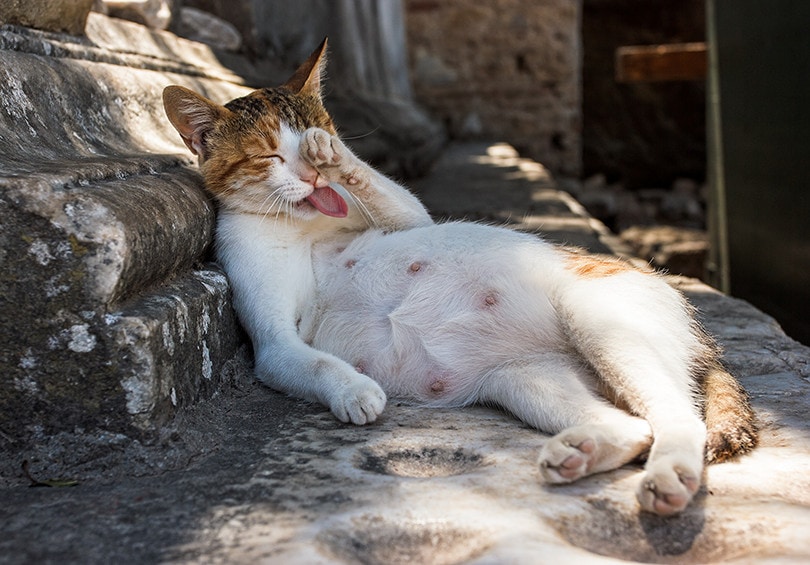
Click to Skip Ahead Signs Clinical Diagnosis Preventiion Spaying/Neutering Benefits Budget Tips Cats are known for being exceptionally fertile‚ with one female being capable of having up to three litters per year. When a nursing mother cat is busy caring for her kittens‚ you may not think she’d be at risk of becoming pregnant while nursing‚ but it can definitely happen. Just because a cat is lactating and actively nursing‚ doesn’t mean the heat cycle is suppressed. In fact‚ females can go into heat in as little as 2 weeks after giving birth. Being able to tell if a nursing mother cat is pregnant again may be a little harder to detect‚ but there are still some signs you can look for. The 5 Signs on How to Tell If a Nursing Cat Is Pregnant Again 1. Noticeable Weight Gain It’s no surprise that weight gain is the most noticeable sign of pregnancy‚ and it’s probably the biggest indicator that a nursing cat has fallen pregnant again. Your average female cat will gain anywhere from 2 to 4 pounds during pregnancy‚ and the majority of that weight will be lost following the birth of her kittens. Cats are only pregnant for 63 to 65 days‚ so depending on how quickly she went into heat after giving birth‚ you may start noticing her abdomen begin to enlarge due to the new group of growing fetuses. Pregnancy is typically noticeable around the 5-week mark‚ so there’s a chance the kittens will have already weaned in some cases since kittens will nurse for about 4 to 6 weeks. Image Credit: Li Lin‚ Unsplash 2. Increased Appetite Increased appetite is a very common sign of pregnancy since the mother is needing enough nutrients to sustain herself and her unborn kittens. This is also very common among nursing mothers since they also need a lot of extra nutrients for nursing‚ so it may be hard to differentiate between the two. If your nursing mother cat has gone through a heat cycle‚ has had access to an unaltered male‚ and has shown a drastic increase in appetite as she’s been nursing‚ there’s a good chance she could be pregnant. 3. Sleeping a Lot You may notice excessive sleepiness as a sign that your nursing cat is expecting. This is due to the drastic hormonal changes that occur with pregnancy. Keep in mind this is also common for nursing mothers‚ as they are also expending a lot of energy from nursing. It’s also completely normal for cats to sleep from 12 to 18 hours each day. In the wild‚ cats need all the energy they can muster for hunting‚ chasing‚ and succeeding in taking down their next meal‚ so sleeping a lot is a natural behavior across the feline family. Image Credit: Jim Black‚ Pixabay 4. Vomiting Pregnant queens may sometimes experience what humans call “morning sickness.” Just like with humans‚ feline mothers-to-be may become nauseous and vomit on occasion. This is also a result of hormonal changes that occur. It’s important to keep an eye on vomiting‚ and if it becomes frequent and continuous you will need to contact your veterinarian right away. A nursing cat needs all the nutrients she can get; excessive vomiting could result in malnourishment‚ dehydration‚ or be a sign of another underlying health concern. 5. Behavioral Changes Changes in behavior can indicate a possible pregnancy‚ though it’s certainly not always the case. Cats may show changes in behavior for a variety of reasons‚ especially while they are nursing. Caring for kittens requires a lot of the mother’s time and energy‚ so she may not start acting like herself until after the litter has weaned. More often than not‚ behavioral changes during a cat’s pregnancy are more subtle. Some may become more loving‚ while others may become more aloof or even display more defensive behavior. The biggest changes in behavior will likely occur when she is getting close to giving birth‚ in which the first litter would already be weaned. Image Credit: yasuspade‚ Shutterstock How to Definitively Diagnose Pregnancy in Cats Getting a clinical pregnancy diagnosis is not always necessary but can be very helpful if you have any doubts about a potential pregnancy and/or you would like your cat to be thoroughly examined to ensure she is in good health and being cared for properly. There are several ways that a veterinarian can definitively diagnose pregnancy in cats. The method may vary depending on your clinic‚ preferences‚ and overall cost. Ways a Veterinarian May Perform a Clinical Diagnosis Palpating the Abdomen A veterinarian may be able to feel the fetus by palpating‚ or gently pressing on‚ the abdomen. This won’t work in the earliest stages of pregnancy but may be an effective method starting between 3 and 4 weeks into the pregnancy. This is undoubtedly the least invasive way to confirm pregnancy. Ultrasound Just like with humans‚ an ultrasound is able to detect fetuses. Scans are usually done from around week 3 of pregnancy when fetal heart beats can be seen. Not all veterinary clinics will have access to an ultrasound machine‚ and the price for this type of medical imaging can be pricey. Image Credit: Libre‚ Shutterstock X-Ray An X-ray or radiograph of the female’s abdomen can be performed to definitively diagnose pregnancy and to help determine the number of kittens in the litter the kittens’ skeletons develop in the last 3-4 weeks of pregnancy.  X-rays are not always accurate in telling how many kittens are coming‚ and typically are not as effective‚ nor as safe‚ until after day 42 of pregnancy. Pregnancy Test Yes‚ pregnancy tests for cats do exist‚ but they are a bit different than your human test where you pee on a stick and have the results within minutes. This type of test is typically only necessary when the veterinarian is either unsure or cannot perform any other diagnostic test‚ which isn’t often. This test requires a blood sample to test the levels of the hormone relaxin‚ which is often present starting around day 25 after conception. These tests are costly and often are not necessary. Preventing Pregnancy While a Mother Cat is Nursing As a cat owner or caretaker‚ you are responsible for their health and wellbeing. It’s very important to prevent unwanted pregnancy by doing your due diligence and preventing it from happening in the first place. Talk to your veterinarian if you have any questions‚ but here are some of the best ways to prevent future pregnancies whether your cat is currently nursing or not. Have all cats in the home spayed and/or neutered. Keep your cat indoors at all times. Do not allow your female to have access to any intact males. Why You Should Consider Spaying/Neutering Image Credit: Bogdan Sonjachnyj‚ Shutterstock If you are not a cat breeder and do not have a purebred cat that is going to be used in a breeding program‚ it’s important to have them spayed or neutered as soon as possible. Female cats can go into heat and begin breeding as young as 4 months of age. Males will typically reach sexual maturity around 6 months of age‚ but it can happen sooner. There is a companion animal overpopulation crisis occurring all over the world‚ with nearly 2 million cats being euthanized each year in the United States alone. Spaying and neutering are critically important to help prevent further overpopulation. There are plenty of other benefits associated with spaying and neutering‚ too. Benefits of Spaying Female Cats They will not experience heat or estrus cycles Eliminates unwanted behaviors related to heat cycles Reduced risk of mammary gland tumors Reduced or eliminated risk of ovarian and/or uterine cancer‚ especially if spay is done before the first heat cycle Benefits of Neutering Male Cats Reduces or eliminates the risk of spraying and urine marking Less desire to roam Reduced risk of fighting other cats Eliminates the risk of testicular cancer Reduced risk of prostate issues (rare in cats) What If I Can’t Afford to Have My Cat Spayed/Neutered? Plenty of pet owners shy away from spaying or neutering their animals because of the associated costs of the surgery. If you have an unaltered cat‚ do some research‚ or contact your local animal shelter to get resources and information about spay and neuter clinics in your area. There are often low-cost options available in most communities for those that can’t afford to pay full price at a veterinary clinic. Image Credit: VGstockstudio‚ Shutterstock Conclusion There are a few signs you can look for to determine whether your nursing cat is pregnant. Unfortunately‚ a lot of these signs are also related to nursing‚ aside from rapid weight gain and an enlarged abdomen. You can always opt for a clinical diagnosis from your veterinarian to confirm your suspicion. It’s important to take preventative measures to keep your nursing mother cat from becoming pregnant again and we encourage speaking to your veterinarian about the benefits and importance of spaying and neutering. Sources https://vcahospitals.com/know-your-pet/pregnancy-and-parturition-in-cats https://www.santacruzveterinaryhospital.com/site/blog/2022/04/15/what-to-expect-when-your-cat-is-expecting-pregnancy-in-cats Featured Image Credit: Lenar Musin‚ Shutterstock The post How to Tell If a Nursing Cat Is Pregnant Again: 5 Vet-Reviewed Signs to Look For appeared first on Pet Keen.
Like
Comment
Share
Pet Life
Pet Life
2 yrs

How to Get a Psychiatric Service Dog: 6 Vet-Approved Tips
Favicon 
petkeen.com

How to Get a Psychiatric Service Dog: 6 Vet-Approved Tips

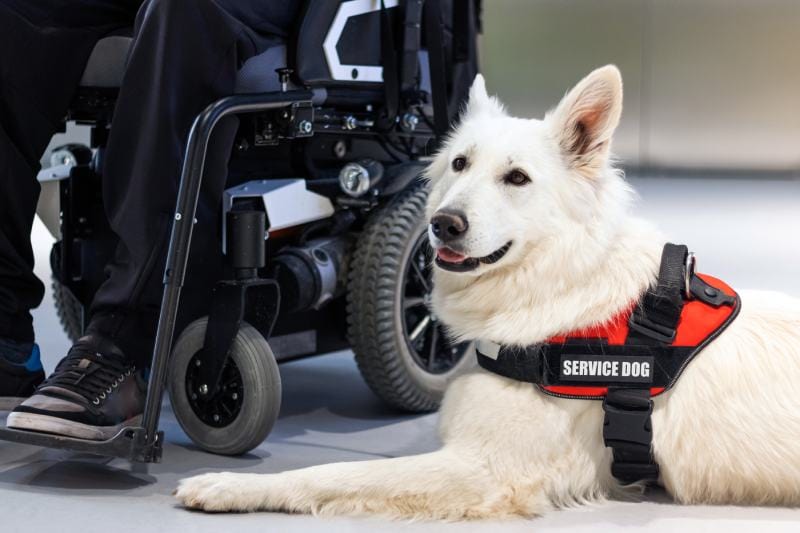
Service dogs play a very important role in the lives of their handlers. They aid people with both physical and mental disabilities and can help them lead more normal lives. A psychiatric service dog‚ or PSD‚ meets the ADA requirements for a service animal and assists those suffering from various forms of mental illness and disabilities. If you or a loved one could benefit from a psychiatric service dog‚ we are here to provide you with the information you need to get one. The 6 Tips on How to Get a Psychiatric Service Dog 1. Talk to Your Doctor First and foremost‚ you need to discuss your mental health with your doctor. It is estimated that one in five adults in the United States live with a mental illness and if you have not yet talked to a professional‚ you should do so right away so that you can be properly diagnosed and treated. It’s important to understand your mental health condition and the various things you can do to cope. Once you’ve been diagnosed‚ your doctor can help you move forward with your desire for a service dog. For those that are already working with your doctor regarding your mental health‚ you should discuss your interest in a psychiatric service dog so they can help you get everything you need. 2. Do Your Research Image Credit:: Suradech Prapairat‚ Shutterstock If you are interested in a psychiatric service dog‚ you should first do some research to understand more about what they are and the duties they perform. A psychiatric service dog is just that‚ a service dog. They are going to have different requirements than a therapy dog or an emotional support dog‚ so you should understand the differences between them. Therapy Dog A therapy dog is a pet dog that is trained to provide affection‚ comfort‚ and support to people. They often accompany their owners to places like hospitals‚ retirement homes‚ nursing homes‚ schools‚ libraries‚ hospices‚ or areas that have recently been struck by disaster. They are typically used on a volunteer basis to improve the lives of others that get comfort from the presence of a dog. Therapy dogs are not considered service dogs and do not have public access rights. Emotional Support Dog Emotional support dogs‚ or emotional support animals‚ provide comfort to their owners with their companionship alone. These dogs have not been specifically trained for any task and are not considered service dogs. With a doctor’s letter supporting the claim‚ an emotional support animal will fall under the “assistance animal” category under the Fair Housing Act. This is regarding housing laws only‚ but emotional support dogs do not have public access rights and should never be taken to places that only allow service animals. Psychiatric Service Dog The psychiatric service dog will meet the ADA requirements to be considered an official service dog. With these dogs‚ their handler must have a disability and the dog must be specifically trained to alleviate that disability by performing specific tasks. The purpose of a psychiatric service dog is to allow their handler to either improve or overcome their ability to function. Their specific role will be dependent on the handler’s specific disability‚ and they will have gone through rigorous training to be successful at not only their specific tasks‚ but also for obedience and public access. Unlike the therapy dogs and emotional support dogs‚ psychiatric service dogs will have public access rights under ADA law. Common Duties for a Psychiatric Service Dog Wake up the handler during nightmares. Reduce social anxiety and facilitate social interaction. Help calm an agitated handler. Aid with fears and anxiety by helping the handler become present in the moment. Help create a safe personal space. Retrieve medication or other items when the handler is unable to do so. To get help from others in an emergency. Provide balance assistance to the handler. Remind a person to take their medication. Distract their handler during emotional overload. Provide the handler with tactile stimulation. 3. Know the ADA Requirements for a Psychiatric Service Dog The Americans with Disabilities Act of 1990 or ADA is a civil rights law enacted to prohibit discrimination based on disability to ensure the disabled have the same rights and opportunities as others. This law protects individual’s disabilities in all areas of public life‚ including jobs‚ schools‚ transportation‚ and all public and private places open to the public. Requirements for a Service Dog From guiding the blind‚ aiding the deaf‚ medically alerting those that suffer from ailments like seizures or diabetes‚ reminding those with mental illness to take prescribed medications‚ calming a person with Post Traumatic Stress Disorder‚ and much more‚ service animals can play a significant role in improving the lives and functionality of those with various disabilities. According to the ADA laws‚ to be considered a service dog‚ the handler must have a disability and the dog must be individually trained to do work or perform tasks to mitigate the disability. The disability may be physical or mental‚ and it must impact the handler’s life to the point it limits daily life. Psychiatric service dogs are necessary when a mental illness prevents the handler from functioning in their daily life. If the mental illness does not limit daily life‚ the individual would not qualify for a psychiatric service dog. Where They Are Permitted According to the ADA “State and local governments‚ businesses‚ and nonprofit organizations that serve the public generally must allow service animals to accompany people with disabilities in all areas of the facility where the public is allowed to go.” Rules for Public Access Under the ADA‚ the dog must be trained before it can be taken into public places. Service animals must always remain under the handler’s control. They should be harnessed‚ leashed‚ or tethered unless the individual’s disability prevents this or if this interferes with the service animal’s safe‚ effective performance of tasks. If these devices cannot be used‚ the individual must maintain full control through voice commands‚ signals‚ or other forms of effective control. 4. Understand the Potential Drawbacks You should also consider whether taking a dog with you everywhere you go could do the opposite for your mental health. There are so many benefits to having a psychiatric service dog‚ but it’s important to understand the drawbacks so that you are fully prepared for this new adventure. Not only will the dog garner you much more attention when out in public‚ but because so many people take advantage of the role of service animals you may have negative experiences when out and about. It’s fairly common for people to bring their pets in public spaces where only service animals are allowed‚ and it’s hard to tell the difference sometimes‚ so those with true service dogs may suffer ridicule from the general public because of this. You will most likely be stopped by dog lovers wishing to pet your service dog and strike up a conversation‚ which will happen more than you realize. You may also run the risk of your dog having an accident in public‚ which can also be stressful. We’re not saying the cons of having a psychiatric service dog outweigh the pros‚ but since this is to help with your mental health condition‚ it is important that you are aware of what comes along with your dog’s public access. Image Credit: SasaStock‚ Shutterstock 5. Obtain a Psychiatric Service Dog Letter from a Mental Health Professional To be eligible for a psychiatric service dog‚ your doctor will need to diagnose you with a specific mental illness‚ and they must verify that the mental illness limits you or inhibits you from functioning properly in daily life. Some of the most common mental health conditions that may require the need of a psychiatric service dog include: Post-Traumatic Stress Disorder (PTSD) Depression Anxiety Disorders Obsessive-Compulsive Disorder (OCD) Attention-Deficit/Hyperactivity Disorders Bipolar Disorders Social Phobias Schizophrenia Agoraphobia Claustrophobia Panic Disorders Autism 6. Find Yourself a Psychiatric Service Dog When it comes to finding a psychiatric service dog‚ you can either purchase from an organization that specifically trains these dogs‚ send your own dog to be trained‚ or choose to train a dog yourself. Regardless‚ it is very important to find a dog that is well suited for the job and your specific needs. A service dog organization will speak to you about your specific needs and will either pair you up with a dog already trained or will train one specifically for you. Not only will they come trained to perform their service dog duties but will also be fully trained for public access. While psychiatric service dogs can be any breed‚ certain breeds tend to perform better than others when it comes to a service dog role. Regardless of breed‚ the dog must be well-behaved‚ good-tempered‚ and calm. They should also be adaptable to a variety of environments and situations and enjoy human companionship and prefer to be always close to their handler. Dogs that exhibit fear‚ aggression‚ nervousness‚ or are easily stressed will not be suitable for this role. It can be difficult for your average person to go through the rigorous training required for service dogs. This process will take a lot of time‚ patience‚ commitment‚ and hard work. If you are committed to training on your own‚ do a lot of research on every aspect of training. This will include obedience‚ public access‚ and the specific tasks. If you elect to send your dog to be trained for this purpose‚ keep in mind that not all dogs are suited for the job‚ so you will need to keep this in mind and follow the professional trainer’s advice. While expensive‚ purchasing a trained service dog will undoubtedly be the easiest route for most people. Image Credit: Shine Caramia‚ Shutterstock Conclusion Psychiatric service dogs are different from both therapy dogs and emotional support dogs‚ as they are considered true service dogs and are allowed public access under ADA law. These dogs can help people with mental illnesses and disabilities to live a more functional life. To obtain one of these dogs‚ you must first talk to your doctor and obtain necessary documentation. Remember to do your research on the subject and understand everything it entails. You can either purchase a PSD‚ have one trained‚ or train one yourself if you have the knowledge and experience to do so. Sources https://www.webmd.com/anxiety-panic/what-are-psychiatric-service-dogs https://www.servicedogregistration.org/blog/how-to-find-psychiatric-service-dog/ https://www.ada.gov/resources/service-animals-2010-requirements/   Featured Image Credit: 24K-Production‚ Shutterstock The post How to Get a Psychiatric Service Dog: 6 Vet-Approved Tips appeared first on Pet Keen.
Like
Comment
Share
Pet Life
Pet Life
2 yrs

Is There No Such Thing as a Truly Hypoallergenic Cat? Vet-Approved Truth Unveiled
Favicon 
petkeen.com

Is There No Such Thing as a Truly Hypoallergenic Cat? Vet-Approved Truth Unveiled

Click to Skip Ahead Why No Cat Is Truly Hypoallergenic Best Breeds for Allergies Tips to Help Reduce Allergens In the United States‚ millions of people suffer from pet allergies‚ and more are diagnosed each year. While dogs and cats can trigger allergic reactions‚ cat allergies are about twice as common as dog allergies 1. Unfortunately for feline fans with allergies‚ there’s no such thing as a truly hypoallergenic cat. However‚ those with cat allergies aren’t necessarily doomed to a life without a purring pet. In this article‚ we’ll discuss why there’s no truly hypoallergenic cat and list some breeds that allergy sufferers may tolerate better. We’ll also give you tips to reduce the allergens in your home and help you tolerate your pet better. Why No Cat Is Truly Hypoallergenic One of the most common misconceptions about cat (and dog) allergies is that they’re triggered by pet hair. If that were the case‚ we would expect low-shedding or hairless cats to be hypoallergenic. However‚ the primary cause of cat allergies is a protein on their skin and saliva. Allergens build up on the cat’s fur as the kitty grooms itself‚ which is why shed fur can trigger an allergic reaction. Even hairless cats possess this protein on their skin and can collect more as they clean themselves. In addition to this protein‚ cats have at least seven others that can trigger allergies. Every cat produces different amounts of these proteins‚ but they all have at least one‚ which is why there is no truly hypoallergenic cat. Image Credit: jojosmb‚ Shutterstock Which Breeds Are Best for Allergy Sufferers? Individual cats produce varying types and amounts of allergens‚ so not every kitty triggers the same reaction in a person with allergies. While there’s no way to predict precisely which cat will make you sneeze‚ the following breeds are often better tolerated by those with allergies: Sphynx Devon Rex Cornish Rex Siberian Again‚ the severity of an allergic reaction depends not only on the cat’s level of allergens but also on your immune system. Tips to Help Reduce Cat Allergens at Home Since there’s no such thing as a truly hypoallergenic cat‚ cat lovers with allergies must adopt other strategies if they want to live comfortably with a kitty. You can spay or neuter your cat since it can reduce the number of allergens the cat produces. Bathing your cat frequently‚ once a week‚ also significantly decreases the allergens present on their skin and coat. One reason that allergy sufferers better tolerate Sphynx cats is that their skin gets wiped so frequently. At home‚ keep at least one room‚ such as your bedroom‚ cat-free to give your immune system a break. Use home air filters designed to trap allergens‚ or consider a portable air filter for specific rooms. Vacuum frequently‚ ideally with a machine that contains a filter. If you’re the person at home with cat allergies‚ avoid doing the cleaning yourself or wear a mask. Sweeping and dusting should also be limited‚ as these cleaning techniques tend to stir up allergens more than remove them. Finally‚ speak to your doctor about options for allergy shots or medications. Despite your best efforts‚ it may not be possible for those with severe cat allergies to keep a cat. However‚ these tips can help you give it your best shot first. Image Credit: Africa Studio‚ Shutterstock Conclusion If you have cat allergies and are considering adding one to your house‚ try to spend time around the cat you wish to adopt first to see how your immune system reacts. As we covered in this article‚ there’s no guarantee of how any cat will make you feel until you’re exposed to them. If you find that you or an allergic family member cannot live with a cat‚ consider trying to re-home them with a friend or relative before contacting a rescue group or animal shelter. Sources “There’s No Such Thing As a Hypoallergenic Cat” “Do Hypoallergenic Cats Exist?” “Allergic to Your Cat? Easy Tips to Prevent and Control Your Allergy” Featured Image Credit: Lisitskiyfoto‚ Shutterstock The post Is There No Such Thing as a Truly Hypoallergenic Cat? Vet-Approved Truth Unveiled appeared first on Pet Keen.
Like
Comment
Share
Showing 103911 out of 120916
  • 103907
  • 103908
  • 103909
  • 103910
  • 103911
  • 103912
  • 103913
  • 103914
  • 103915
  • 103916
  • 103917
  • 103918
  • 103919
  • 103920
  • 103921
  • 103922
  • 103923
  • 103924
  • 103925
  • 103926
Advertisement
Stop Seeing These Ads

Edit Offer

Add tier


Select an image
Delete your tier
Are you sure you want to delete this tier?

Reviews

In order to sell your content and posts, start by creating a few packages. Monetization

Pay By Wallet

Payment Alert

You are about to purchase the items, do you want to proceed?

Request a Refund