YubNub Social YubNub Social
    #music #tew #tuba #euphonium #militarymusic #tew2026 #armymusic #armyband #uk #jazz #quartet #history #warmup #bigband #armyblues
    Advanced Search
  • Login
  • Register

  • Night mode
  • © 2026 YubNub Social
    About • Directory • Contact Us • Developers • Privacy Policy • Terms of Use • shareasale • FB Webview Detected • Android • Apple iOS • Get Our App

    Select Language

  • English
Night mode toggle
Featured Content
Community
New Posts (Home) ChatBox Popular Posts Reels Game Zone Top PodCasts
Explore
Explore
© 2026 YubNub Social
  • English
About • Directory • Contact Us • Developers • Privacy Policy • Terms of Use • shareasale • FB Webview Detected • Android • Apple iOS • Get Our App
Advertisement
Stop Seeing These Ads

Discover posts

Posts

Users

Pages

Blog

Market

Events

Games

Forum

Pet Life
Pet Life
6 w

Dog Health Checkups: What To Expect At Vet Visits
Favicon 
www.dogingtonpost.com

Dog Health Checkups: What To Expect At Vet Visits

Regular dog health checkups catch problems early and keep your pup healthy for years to come. At DogingtonPost, we know that many dog owners feel unsure about what happens during these visits. This guide walks you through each part of a vet appointment, from physical exams to blood work. You’ll also learn how to prepare your dog and what questions to ask your veterinarian. What Happens During a Standard Vet Checkup Your vet’s hands-on examination reveals health insights that matter. When your dog arrives, the vet measures temperature, heart rate, and respiration rate as baseline vital signs. A normal dog temperature sits between 101 and 102.5 degrees Fahrenheit, and heart rate varies by breed size, ranging from 60 to 100 beats per minute in larger dogs up to 100 to 140 in small breeds. These numbers matter because deviations signal infections, heart problems, or other issues that need attention. The vet listens to the heart and lungs using a stethoscope to catch abnormalities like murmurs or fluid buildup that you won’t notice at home. The head-to-tail physical exam follows, where the vet checks eyes for cloudiness or discharge, ears for infection or mites, skin and coat for dryness or lumps, and joints for early arthritis. The vet palpates the abdomen to feel for masses or organ enlargement and checks lymph nodes for swelling. This thorough approach catches problems before they become serious. Dental Health Gets Priority Dental disease affects most adult dogs, yet most owners skip home care entirely. Your vet examines teeth and gums for tartar buildup and gum disease, which can lead to kidney and heart problems if left untreated. Many vets recommend professional cleaning when tartar accumulates, and at-home dental care between visits makes a real difference. Daily tooth brushing with a pet-specific toothbrush and toothpaste works best, though many owners find this challenging. If brushing feels impossible, dental chews or water additives offer a backup, though they’re less effective than brushing. Your vet can recommend specific products and help you establish a routine that actually works for your household. Oral pain often goes unnoticed by owners, so the vet’s exam catches issues you might miss. Weight and Body Condition Tracking Your vet tracks weight at every visit because unexplained changes signal underlying problems. Weight loss can indicate cancer, kidney disease, or dental pain that prevents eating, while weight gain accelerates joint problems and diabetes risk. The vet assigns a body condition score on a scale of 1 to 9, with 5 being ideal. A dog at score 7 or higher carries excess weight that shortens lifespan and reduces quality of life. The vet measures this through palpation, feeling ribs and spine to determine if they’re easily felt or hidden under fat. This objective assessment guides diet and exercise recommendations tailored to your dog’s age, breed, and health status. Tracking these numbers over years helps your vet spot trends and adjust care before problems escalate. These baseline measurements set the stage for the blood work and screenings that come next. Common Tests and Screenings at Vet Visits Blood Work Reveals Hidden Health Problems Your vet orders blood work and urinalysis because these tests catch silent killers before symptoms appear. A complete blood count measures red blood cells, white blood cells, and platelets to assess immune function and detect anemia or infection. The chemistry panel checks kidney and liver function, electrolytes, proteins, and glucose levels to reveal metabolic problems your dog shows no signs of yet. Abnormal results in either test indicate infections, organ dysfunction, or conditions like diabetes that need immediate treatment. Urinalysis complements blood work by detecting kidney issues, urinary tract infections, and diabetes that blood tests alone might miss. Parasite Screening Starts Early and Continues For puppies, a fecal exam screens for intestinal parasites like roundworms at every wellness visit until 16 weeks old, then annually for adults. Many puppies carry parasites without obvious symptoms, yet these worms rob them of nutrients and can spread to humans. Your vet will ask you to bring a fresh stool sample, which makes the exam faster and more accurate than relying on visual inspection alone. Annual heartworm testing happens every 12 months even if your dog takes heartworm prevention, because breakthrough infections do occur and catching them early prevents serious heart damage. The American Heartworm Society recommends this annual test as non-negotiable for all dogs over seven months old. Parasite Prevention Requires a Tailored Approach Many modern parasite prevention products cover multiple threats in a single monthly or quarterly dose, protecting against fleas, ticks, intestinal parasites, and heartworms simultaneously. Your vet will recommend specific products based on your dog’s weight, age, and any health conditions that might affect tolerance. This customized approach saves money by eliminating unnecessary treatments while maximizing protection against the parasites your dog actually faces. Vaccination Status Needs Regular Review Vaccination status requires review at every visit because core vaccines like rabies, distemper, and parvovirus need boosters every three years, though some vets use titer testing to confirm immunity before revaccinating. Non-core vaccines like Bordetella for kennel cough or Lyme disease depend on your dog’s exposure risk and lifestyle. Your vet will explain which vaccines your dog actually needs rather than giving unnecessary shots, which saves money and reduces potential side effects. Staying current on vaccines prevents diseases that spread rapidly in boarding facilities and dog parks, protecting your dog and others in your community. With testing and prevention plans in place, the next step involves preparing your dog for the appointment itself. How to Prepare for Your Dog’s Vet Visit Showing up to a vet appointment unprepared wastes time and money. Bring your dog’s complete medical history, including vaccination records, previous test results, and any medications or supplements your dog takes. If your dog has seen other vets, request those records in advance so your current vet has the full picture. Write down any changes you’ve noticed in the past few weeks-appetite shifts, energy levels, bathroom frequency, or behavioral changes. Many owners forget these details during the appointment, so a written list prevents blanking when the vet asks questions. If your dog has limped, scratched, or acted differently, document when these issues started and how often they occur. The vet uses this baseline information to connect dots that might otherwise stay hidden. Gather Essential Documents and Information Bring a fresh stool sample in a sealed container if your dog hasn’t had a parasite screening recently, which speeds up fecal exam diagnostics. Call ahead and ask for a cost estimate so you know whether blood work, vaccines, or other tests will fit your budget. Some clinics charge 40 to 90 dollars for an office visit, with blood work running 50 to 200 dollars and urinalysis adding 20 to 60 dollars. Knowing these numbers prevents sticker shock and lets you plan financially before the appointment. Manage Your Dog’s Anxiety Before the Visit Anxious dogs often resist exams and blood draws, making the visit harder on everyone. Start with short, positive trips to the vet clinic before the actual appointment so your dog associates the building with good things rather than fear. Walk in, let the staff offer treats, and leave without any medical procedures. Repeat this a few times if your dog shows real anxiety. On appointment day, exercise your dog beforehand so excess nervous energy dissipates, making your dog calmer during the exam. Avoid a large meal right before the visit since stress can upset the stomach. Bring high-value treats your dog loves so the vet and staff can reward calm behavior throughout the appointment. Ask your vet about anti-anxiety medication if your dog panics during visits, since some vets can prescribe a mild sedative given before arrival. Ask Questions That Matter Most Come prepared with specific questions written down so you don’t forget what matters most to you. Ask about dental care recommendations for your dog’s age and breed, whether your dog needs any non-core vaccines based on lifestyle, and what parasite prevention makes sense for your region. Discuss diet and exercise routines to confirm they match your dog’s current health status and weight. Ask about the cost of preventive care versus emergency care so you understand why routine checkups save money long-term. Clarify the clinic’s after-hours emergency protocol and whether they have a preferred emergency facility in your area. These details matter because emergencies happen at midnight on weekends, and knowing your options prevents panic. Final Thoughts Regular dog health checkups form the foundation of responsible pet ownership. The physical exams, blood work, and parasite screenings you’ve learned about aren’t optional extras-they’re the difference between catching kidney disease at stage one versus stage four, between treating a urinary tract infection with antibiotics versus dealing with sepsis. Your vet’s hands-on assessment catches problems your eyes miss, from early arthritis to heart murmurs that show no symptoms yet. Preventative care costs far less than emergency care. A wellness visit runs 40 to 90 dollars, while treating a ruptured bladder or advanced cancer can exceed thousands. Annual blood work at 50 to 200 dollars catches metabolic problems before they become critical, and heartworm prevention costs pennies compared to treating heartworm disease, which damages the heart permanently. Schedule your dog’s appointment today and ask for a cost estimate so you can budget accordingly. We at DogingtonPost believe every dog deserves this level of care, and your commitment to regular dog health checkups shows your dog that their wellbeing matters.
Like
Comment
Share
Pet Life
Pet Life
6 w

Fostering To Adopt: How Temporary Homes Create Forever Families
Favicon 
www.dogingtonpost.com

Fostering To Adopt: How Temporary Homes Create Forever Families

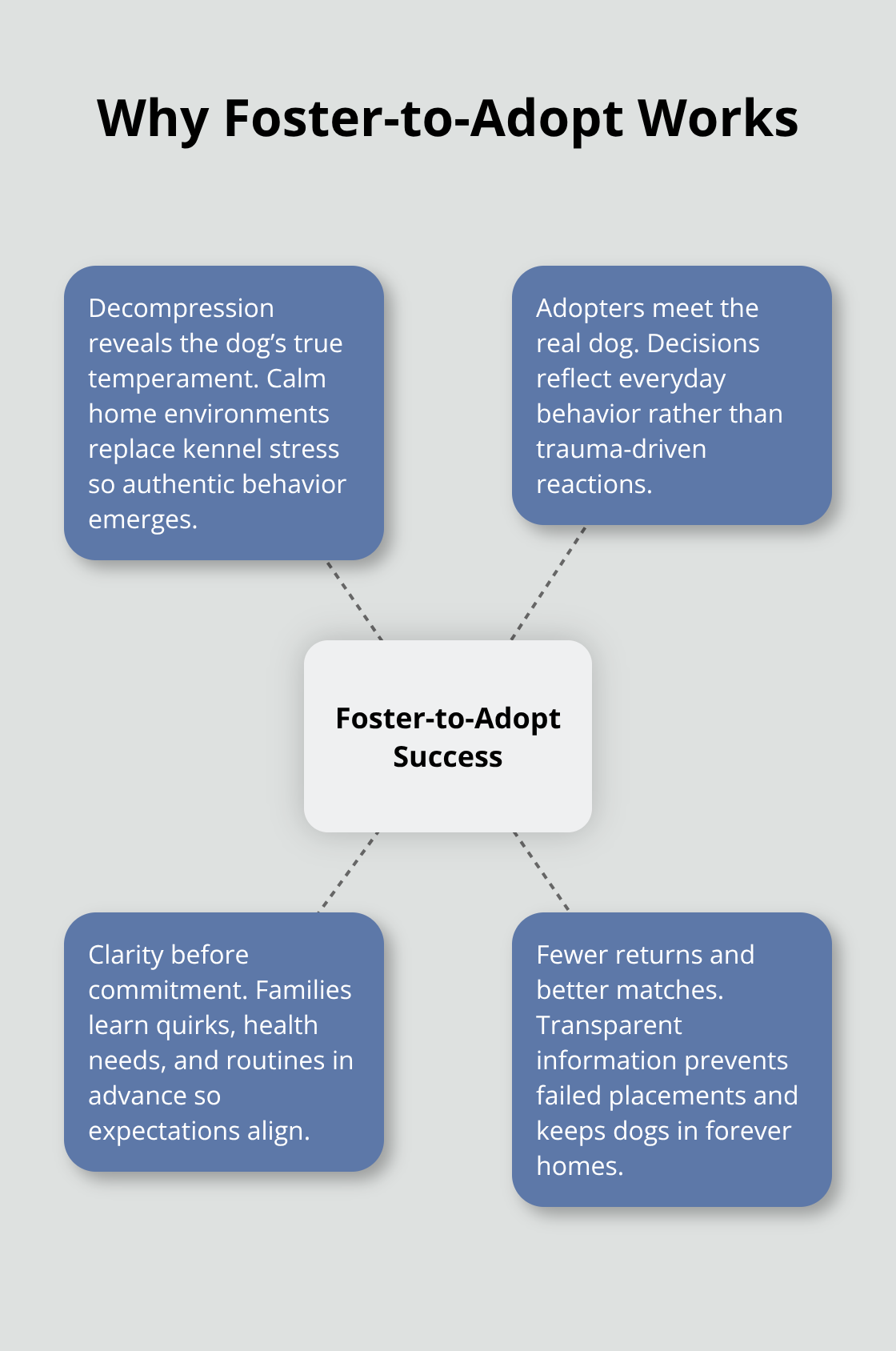
Foster-to-adopt programs transform the way dogs find their forever homes. By spending time in a temporary home first, dogs get the chance to relax, show who they really are, and build trust with their potential family. We at DogingtonPost believe this approach works because it benefits everyone involved. The dog gets a second chance to thrive, families make better matches, and shelters free up space for more animals in need. Why Foster-to-Adopt Actually Works Foster-to-adopt programs succeed because they strip away the shelter environment’s noise and stress. A dog living in a kennel shows only fragments of their personality-fear, confusion, or defensive behavior mask who they truly are. In a foster home, a dog decompresses over weeks or months, and their real temperament emerges. This matters because adopters see the actual dog they’re getting, not a traumatized version wearing a mask. Foster families know exactly what behavioral quirks, health needs, and personality traits they’re committing to before signing adoption papers. This clarity eliminates the guesswork that leads to returns and failed placements. The Decompression Effect Changes Everything A dog fresh from a shelter or rescue needs time to regulate their nervous system. The first two to four weeks in a foster home are critical-dogs stop reacting to constant noise and overcrowding, sleep patterns normalize, and anxiety drops noticeably. Foster parents witness this transformation firsthand. They see a fearful dog become playful, or a hyperactive dog settle into a calm routine. This decompression period also reveals medical or behavioral issues that shelter staff might miss. A foster parent spends daily time with a dog and catches subtle signs like limping, digestive problems, or resource guarding that require attention before adoption. These discoveries prevent adopters from inheriting expensive surprises or behavioral challenges they’re unprepared for. Strong Bonds Form Before Adoption Day Foster families don’t just observe dogs-they build genuine relationships. Feeding a dog daily, taking them for walks, playing in the backyard, and sleeping under the same roof creates attachment that matters. When a foster family decides to adopt permanently, they’re not meeting a stranger; they’re formalizing a bond that already exists. Fostered dogs form secure attachments to their caregivers, which accelerates adjustment in the new home because the dog already knows their adopter’s voice, routine, and expectations. Families who foster-to-adopt report higher satisfaction because they’ve eliminated the unpredictable adjustment period that typically follows adoption. The dog settles faster, behavioral problems are fewer, and the family feels more confident in their decision. This proven model reduces adoption returns significantly compared to direct shelter adoptions, which means fewer dogs cycle back into rescue systems and more permanent placements stick. What Foster Parents Discover About Their Dogs Foster parents uncover information that transforms adoption outcomes. A dog’s true personality emerges in a home environment, revealing whether they’re social butterflies or introverts, high-energy athletes or couch potatoes. Foster parents also identify specific needs-a dog might require medication for anxiety, need extra time with other pets, or thrive best as an only dog. This detailed knowledge allows adopters to make informed decisions and prepare their homes appropriately. Rescue organizations rely on foster feedback to match dogs with the right families, not just any family willing to adopt. When adopters understand a dog’s actual needs before commitment, they’re far more likely to succeed long-term. The Ripple Effect on Shelter Capacity Foster-to-adopt placements free up shelter resources in ways that direct adoptions cannot. Each dog that moves from foster care to permanent adoption opens a kennel space for another animal in crisis. Shelters operate at capacity constantly, and foster programs act as overflow systems that allow rescues to save more dogs. Foster families essentially become extension workers for rescue organizations, providing care that would otherwise consume shelter budgets and staff time. This efficiency means more dogs get second chances instead of facing euthanasia or prolonged confinement. Real stories from foster families reveal just how transformative this process becomes-and what happens when a temporary home becomes forever. Getting Ready to Foster and What Happens Next Rescue organizations structure foster programs with clear expectations and support systems, though the specifics vary by organization. Most rescues require foster parents to complete orientation training covering basic dog behavior, handling techniques, and health monitoring before a dog arrives. This training typically takes two to four hours and covers recognizing stress signals, managing resource guarding, and identifying medical red flags. Foster parents receive written guides specific to each dog, including dietary needs, medication schedules, behavioral quirks, and emergency contact information. The best rescue organizations assign a dedicated caseworker or foster coordinator who remains available throughout the placement, answering questions and troubleshooting problems in real time. This support matters because foster parents aren’t veterinarians or behaviorists-they’re temporary caregivers who need guidance when a dog shows unexpected behaviors or health issues. Before committing to foster care, ask potential rescue organizations how they train foster parents, what written materials they provide, and how quickly they respond to urgent questions. Daily Care Responsibilities That Matter Daily foster care involves consistent routines, careful observation, and detailed record-keeping that directly impacts adoption success. Foster parents feed the dog at regular times, monitor appetite and digestion, track bathroom habits, note any limping or signs of discomfort, and observe how the dog interacts with other pets and visitors. This daily documentation becomes invaluable information for adopters and rescue staff. Foster parents should record behavioral changes, medication effectiveness, sleep patterns, and social preferences in a simple log or notebook-many rescues provide templates for this. Health monitoring is non-negotiable; foster parents must recognize signs of illness like lethargy, vomiting, diarrhea, or excessive scratching and report these immediately to the rescue. The Critical First Weeks Reveal Everything The critical first weeks reveal the most critical information about a dog’s true temperament and medical status. Foster parents who maintain consistent schedules-regular walk times, feeding times, play sessions-help dogs regulate their nervous systems faster and show their authentic personalities sooner. A dog that arrives anxious and withdrawn often transforms into a playful, confident companion once the decompression period takes hold. This window of time allows foster parents to identify whether a dog needs medication for anxiety, requires extra socialization with other pets, or thrives best as an only dog. The observations foster parents make during these weeks directly shape which families receive matches and how well those matches succeed long-term. Transitioning to Permanent Adoption The shift from foster care to permanent adoption happens gradually if the foster family adopts. Foster parents work with the rescue to finalize paperwork, arrange a veterinary checkup if needed, and update microchip information. If a different family adopts the dog, foster parents should prepare the dog for the change through consistent messaging and maintain open communication with the new adopters about the dog’s preferences and routines. This handoff period typically takes one to two weeks and involves the foster family introducing the new adopters to the dog, sharing detailed notes about what works, and discussing any behavioral strategies that proved effective during foster care. The foster parent’s role shifts from caregiver to mentor, ensuring the dog’s transition remains smooth and the new family feels confident in their adoption decision. What Foster Dogs Actually Teach Us About Adoption Success Foster-to-Adopt Placements Succeed at Higher Rates Foster-to-adopt placements succeed at dramatically higher rates than traditional shelter adoptions. Foster families commit to dogs they already know intimately, reducing the shock of behavioral changes or unmet expectations. The dogs themselves benefit too-they arrive in their permanent homes already decompressed, already bonded to their adopters, and already confident in daily routines. Foster parents spend weeks observing a dog’s true personality, and that observation becomes the foundation for successful matches. A foster parent might notice that a dog resource guards with food, needs anxiety medication, or requires an only-pet household. These discoveries prevent adopters from inheriting problems they’re unprepared to handle. When adopters receive detailed foster reports showing exactly what they’re getting, they make informed decisions and follow through with commitment. The foster period essentially screens out mismatches before they happen, which is why dogs from foster care stay in their forever homes. What Foster Parents Discover During Temporary Care Foster parents uncover details during temporary care that directly shape adoption outcomes in measurable ways. A dog showing excessive barking in a shelter might simply experience stress, but a foster parent learns over four weeks whether the barking persists in a quiet home or stops completely once decompression happens. A dog that appears shy in a kennel might reveal itself as highly social once it trusts a caregiver. Foster parents identify medical needs too-skin allergies, arthritis, ear infections, or behavioral anxiety that shelter staff missed during brief evaluations. This detailed knowledge gets documented and shared with adopters, who then prepare appropriate care plans before the dog arrives permanently. Foster families also build confidence in dogs through consistent routines and safe spaces during foster care. How Confidence Transfers to Permanent Homes A fearful dog that learns to trust one person in a foster home transfers that trust more easily to an adoptive family because the foundation already exists. The foster period acts as a confidence-building bridge that accelerates adjustment in the permanent home. Rescue organizations that invest in foster programs report higher adopter satisfaction scores and lower behavioral complaints post-adoption because families understand exactly what they’re committing to and dogs arrive psychologically ready for their new environment. Final Thoughts Foster-to-adopt programs create permanence where traditional adoptions often fail. Dogs that spend weeks decompressing in foster homes arrive in their permanent families already bonded, already confident, and already understood. Adopters who foster to adopt eliminate the guesswork that leads to returns and heartbreak. One foster home creates ripples far beyond a single dog’s life. When a foster family commits to temporary care, they free up shelter kennel space for another animal in crisis. Rescue organizations operating at capacity depend on foster networks to save more dogs, and each transition from foster care to permanent adoption opens resources for the next animal waiting for rescue. If you’re ready to make a difference, contact a local rescue organization and ask about their foster program structure, training requirements, and support systems. Most rescues welcome foster parents and provide everything you need to succeed. Visit DogingtonPost for expert advice and real stories from families who’ve transformed their lives through fostering to adopt.

Like
Comment
Share
Pet Life
Pet Life
6 w

Dog Friendly Apartment Tips: Living Comfortably in Small Spaces
Favicon 
www.dogingtonpost.com

Dog Friendly Apartment Tips: Living Comfortably in Small Spaces

Apartment living with a dog comes with real challenges, from limited space to noise concerns. We at DogingtonPost know that dog friendly apartment tips can transform your home into a comfortable haven for both you and your pet. This guide covers everything you need: smart layouts, exercise solutions, and neighbor-friendly training strategies. You’ll find practical advice to make apartment living work for your four-legged friend. How to Set Up Your Apartment for Your Dog Create a Dedicated Dog Zone Your apartment’s layout determines whether your dog thrives or struggles. The first step is creating a dedicated dog zone that serves as your dog’s safe space, separate from high-traffic areas like the entryway and kitchen. Place this zone in a quiet corner away from shared walls to minimize noise that travels to neighbors. A 50 to 80 square foot area works well for most dogs, though you should adjust based on your dog’s size and energy level. If possible, position the zone near a window or use a daylight lamp to support healthy circadian rhythms and reduce stress. Layer Your Dog’s Bedding and Comfort Items The foundation matters: start with a waterproof base mat, add an orthopedic bed for dogs to support joints and handle accidents, then layer washable blankets on top. Include one comfort item with your scent, like a worn piece of clothing, to reduce separation anxiety. Set up visual boundaries using pressure-mounted baby gates, which work perfectly in rentals without requiring permanent installation. Temperature control keeps your dog comfortable-try 65 to 75 degrees Fahrenheit in warm months. Reduce external noise by placing soft furnishings like blankets and cushions around the zone to absorb sound, or add a white noise device to mask sudden noises that trigger barking or reactivity. Establish Feeding and Potty Routines Feed your dog at consistent times each day, ideally within 30 minutes of waking, with the final meal at least three hours before bedtime. This predictability reduces accidents and builds confidence. Establish a designated potty routine: take your dog outside immediately after meals, upon waking, before bed, and at midday if you’re home. For dogs in apartments without private yards, plan for two 30-minute walks daily, or 45 minutes for high-energy breeds. Rotate Toys and Enrichment Items Store toys and enrichment items where you can rotate them every few days-interactive toys like Kong Wobblers and snuffle mats should occupy your dog for 20 to 40 minutes when you’re home. Keep puzzle feeders and lick mats accessible for mental stimulation during predictable windows throughout your day. Secure cords, hide cables, and store cleaning products safely in childproof cabinet locks to prevent accidents. Now that your physical space supports your dog’s comfort and safety, the next challenge is keeping your dog mentally and physically active throughout the day-especially when you’re away from home. Keeping Your Apartment Dog Active and Stimulated Two Daily Walks Form Your Foundation A tired dog is a well-behaved dog, and apartment living demands that you take this seriously. Two 30-minute walks daily form the baseline for most dogs, though high-energy breeds need more to prevent destructive behavior and excessive barking. Consistency matters more than perfection-dogs thrive when they know exactly when outdoor time arrives. Vary your walking routes and parks to provide environmental enrichment; exposure to new places, sounds, and other dogs supports mental development and adaptability. If you live in a city like Chicago with abundant dog parks and trails, use these resources strategically for socialization and off-leash play. Indoor Exercise Routines Combat Boredom The problem with apartment dogs isn’t lack of space-it’s lack of structured activity. On days when weather or your schedule limits outdoor access, engage your dog with vigorous indoor games like fetch down hallways or stair climbing, which burn significant energy in minutes. Indoor exercise routines matter just as much as outdoor time. Structure your day around exercise windows, not the other way around, and your dog will adapt naturally to apartment living. Interactive Toys and Puzzle Feeders Keep Minds Sharp Kong Wobblers, snuffle mats, and puzzle feeders aren’t optional extras-they’re essential tools that keep your dog’s mind occupied when you’re home. Rotate these toys every few days so novelty maintains your dog’s interest. Feed meals using puzzle feeders instead of bowls; this transforms mealtime into a mental challenge rather than a two-minute event. Lick mats frozen with peanut butter or wet food can occupy your dog for extended periods, particularly useful during times when you need your dog calm and focused. Mental Stimulation Prevents Behavioral Problems Mental stimulation prevents boredom-related barking and destructive chewing, making it as important as physical exercise for apartment success. A well-exercised dog with an active mind is dramatically less likely to disturb neighbors with excessive barking or create apartment-related behavioral problems. The core principle remains unchanged: consistent activity and mental engagement transform apartment living from a challenge into a sustainable lifestyle for your dog. Now that your dog has the physical and mental outlets needed to thrive indoors, managing how your dog interacts with neighbors becomes the next critical consideration for peaceful apartment living. Managing Noise and Neighbor Relations Identify and Address Barking Triggers Barking is the number one complaint apartment neighbors make about dogs. Excessive barking stems from specific triggers: boredom, anxiety, territorial responses, and lack of exercise. The solution isn’t punishment-it’s identifying what causes your dog to bark and removing or managing that trigger. A dog that barks when you leave needs separation anxiety work, not corrections. A dog that barks at hallway noise needs soundproofing or white noise to mask external sounds. The most effective approach combines training, environmental management, and honest communication with your landlord about your dog management plan. When you present a concrete strategy showing how you’ll address barking through exercise, enrichment, and soundproofing, landlords become allies instead of adversaries. Dogs that receive adequate physical activity and mental stimulation bark significantly less than under-exercised dogs, making your earlier investment in two daily walks and puzzle toys the foundation of neighbor relations. Prevent Problems Through Routine and Structure Training techniques matter less than consistency and prevention. Most apartment dogs don’t need advanced obedience-they need predictable routines that exhaust them mentally and physically before problem behaviors emerge. If your dog barks during specific windows, structure your day to occupy those times with puzzle feeders, indoor play, or walks. Dogs thrive when they know exactly when activity arrives and when rest follows. This predictability reduces anxiety and eliminates many barking triggers before they start. Your dog’s schedule becomes your neighbor’s peace of mind. Soundproof Your Space Strategically Soundproofing your space protects your relationship with neighbors more effectively than training alone. Heavy thermal curtains reduce noise transmission through windows and help regulate temperature, serving dual purposes in small apartments. Soft furnishings like area rugs, blankets, and upholstered furniture absorb sound that travels through walls and floors-these items also improve your dog’s comfort. White noise machines running at 50 to 60 decibels mask sudden external sounds that trigger reactivity without being loud enough to disturb neighbors. Position these devices near your dog’s zone, not in hallways where they affect neighbors. Some apartment dwellers add acoustic panels behind furniture or curtains, though this requires checking lease restrictions on permanent installations. The goal is reducing the volume and frequency of barking, not eliminating all noise. Build Trust Through Transparency and Action Building trust with neighbors requires transparency and action, not excuses. Inform neighbors proactively that you have a dog and outline your noise management plan rather than waiting for complaints. Document your dog’s quiet times and share this evidence if concerns arise-showing that your dog is quiet for most of the day shifts the narrative from problem to manageable situation. If a neighbor complains, address it immediately and specifically. Don’t make vague promises; instead explain exactly what you’ve changed: new soundproofing, adjusted walking schedule, or enrichment tools. Offer your contact information and invite neighbors to reach out if problems persist. Most neighbors respect effort and communication far more than perfection. Some apartment buildings have pet policies that require landlord approval for behavior plans, so understand your lease thoroughly and get any agreements in writing. If your building has community spaces, use them strategically. Taking your dog to on-site dog parks during off-peak hours builds positive visibility and shows responsible ownership. If your building lacks amenities, research nearby parks and establish a routine there. Consistency matters enormously-neighbors notice when your dog’s schedule is predictable and when barking decreases over weeks. This consistency demonstrates that you’re serious about apartment living with your dog, not treating it as temporary. Your veterinarian can also support these efforts. If your dog shows signs of separation anxiety or noise reactivity, contact your vet to rule out medical issues and discuss behavioral support options. Dupont Veterinary Clinic at (260) 637-7676 offers guidance for apartment-dwelling dogs. The reality is straightforward: apartment success depends on exhausted, mentally stimulated dogs living in soundproofed spaces with landlords and neighbors who see you as a responsible pet owner, not a problem. Final Thoughts Apartment living with a dog succeeds when you align three core elements: a well-designed physical space, consistent daily routines, and transparent communication with your landlord and neighbors. Your dedicated dog zone reduces stress and prevents destructive behavior, while your two daily walks and puzzle toys exhaust your dog mentally and physically. Soundproofing and honest neighbor relations prevent complaints before they start, and each piece supports the others to create a sustainable lifestyle for your dog. Success depends on your commitment to structure and consistency, not on luck or breed selection. A tired, mentally stimulated dog living in a predictable routine causes far fewer problems than an under-exercised dog in a chaotic household. Your dog doesn’t need a yard or a house-your dog needs you to follow through on exercise, enrichment, and environmental management every single day. Start by assessing your current setup against the dog friendly apartment tips covered here and pick one area to improve first. Contact Dupont Veterinary Clinic at (260) 637-7676 if you encounter specific challenges like excessive barking or separation anxiety, as your vet becomes your partner in apartment success. Visit DogingtonPost for ongoing support, practical advice, and community connection with other apartment dog owners navigating small-space living with their pets.
Like
Comment
Share
Pet Life
Pet Life
6 w

Joint Health Dog Foods: Top Picks to Keep Paws Moving
Favicon 
www.dogingtonpost.com

Joint Health Dog Foods: Top Picks to Keep Paws Moving

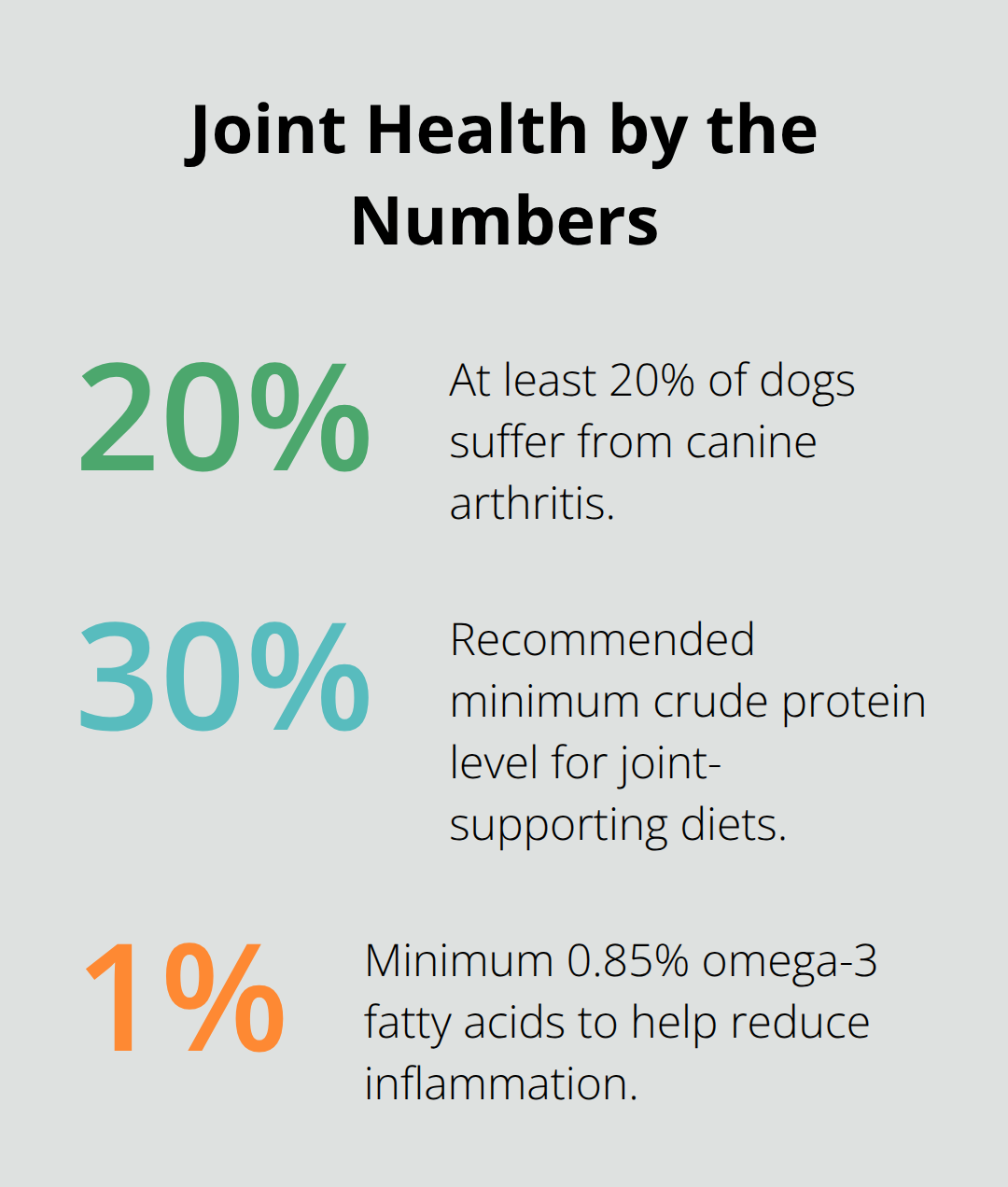
Your dog’s stiff movements in the morning or reluctance to jump on the couch might signal joint problems. At DogingtonPost, we know that the right joint health dog foods can make a real difference in your dog’s mobility and quality of life. This guide walks you through the signs of joint issues, what ingredients actually matter, and which foods deliver results for dogs that need extra support. Recognizing Joint Problems in Your Dog Stiffness after rest is one of the first signs you’ll notice, and it’s worth taking seriously. If your dog struggles to stand up after sleeping or hesitates before jumping down from furniture, joint issues are likely developing. The American Kennel Club reports that at least 20% of dogs suffer from canine arthritis, making this a widespread problem that many dog owners face. What makes this concerning is that arthritis is progressive and currently incurable, so early recognition matters. Watch for morning stiffness that improves after a few minutes of movement-this is classic early-stage joint deterioration. Some dogs will shift their weight away from a painful leg or walk with an uneven gait, favoring one side over the other. You might also notice your dog taking shorter steps or moving more slowly on walks than they used to. Decreased Activity and Exercise Tolerance Your dog’s exercise habits reveal a lot about joint health. If your previously active dog now avoids stairs, skips walks, or tires quickly during play sessions, joint pain is likely the culprit. Senior dogs especially show this pattern-they may lose interest in activities they once loved or simply sit out when other dogs are running around. Track how long your dog can walk comfortably and whether they limp afterward, as this gives you concrete data to share with your veterinarian. Many owners mistake reduced activity for normal aging, but it’s actually a sign that intervention through diet and other treatments can genuinely improve quality of life. Dogs with joint problems also tend to spend more time resting and may seem reluctant to engage in physical activity they previously enjoyed. Building Your Case for Your Vet Document these changes carefully-note when your dog started showing less interest in walks or play, and mention this timeline during your vet visit. This information helps your veterinarian establish how quickly the condition is progressing and whether dietary changes alone will be sufficient or if additional treatments are needed. The right joint health dog food can slow deterioration and restore mobility, but your vet needs the full picture to recommend the best approach for your dog’s specific situation. What Actually Works in Joint Health Dog Foods Glucosamine and chondroitin attract attention, but they represent only part of the solution. Understanding what these ingredients actually accomplish helps you make informed choices for your dog. Glucosamine supports cartilage and joint fluid lubrication, while chondroitin helps joints resist compression and stay cushioned. These two work together to slow cartilage breakdown, but here’s what matters: they’re not recognized as essential nutrients by AAFCO, which means their presence alone doesn’t guarantee results. The overall nutrient profile determines effectiveness. Look for dog foods with at least 30% crude protein, minimum 0.85% omega-3 fatty acids, and glucosamine levels appropriate for joint support. Hill’s Prescription Diet j/s Mobility meets these benchmarks and is backed by double-blind studies showing measurable improvements in mobility. Purina Pro Plan Veterinary Diets JM Joint Mobility follows a similar formula with 30% protein and proven clinical support. When you read ingredient labels, omega-3 sources like salmon, trout, and fish oil should appear near the top of the list, not buried halfway down. Protein Powers Muscle Support Senior dogs need roughly 1.5 to 2 grams of protein per pound of bodyweight daily to maintain muscle mass around aging joints. Muscle acts as a shock absorber for joints, so weak muscles actually accelerate joint deterioration. High-protein formulas matter more than trendy ingredients because they address the mechanical foundation of joint health. Wellness Complete Health Senior and Merrick Healthy Grains Senior Recipe pair quality protein with omega-3s and antioxidants like blueberries and spinach to address inflammation from multiple angles. These brands recognize that protein alone isn’t enough-the supporting nutrients must work together. Omega-3s Fight Inflammation Omega-3 fatty acids from fish sources reduce inflammation and joint pain, which is why salmon appears in effective formulas throughout the market. These fatty acids work at the cellular level to calm the inflammatory response that causes stiffness and discomfort. Foods listing corn, wheat, or excessive salt high on the ingredient list promote inflammation rather than fight it, so avoid these options. The anti-inflammatory benefit compounds when combined with high protein levels and proper calorie density. Weight Management Amplifies Everything Obesity worsens joint pain and reduces mobility, so a food with the right calorie density matters just as much as the ingredients themselves. Purina’s Feeding Guide Calculator helps match portions to your dog’s weight and activity level, preventing the overfeeding that sabotages joint health. A dog carrying excess weight places constant stress on already-compromised joints, negating the benefits of premium ingredients. Getting weight right transforms how effectively the food supports your dog’s mobility. Choosing Foods That Deliver Results The brands that combine these elements-high protein, omega-3s, glucosamine, and appropriate calories-produce the measurable improvements that veterinarians recommend. Your next step involves identifying which of these formulas fits your dog’s specific needs and budget, then understanding how to transition your dog without causing digestive upset. Top Joint Health Foods and Their Benefits Hill’s Prescription Diet j/d Mobility stands out as the most evidence-backed option available, with double-blind studies showing that EPA in the formula helped reduce protoglycan loss from cartilage. The formula delivers 30% crude protein minimum, 800 IU/kg vitamin E, and glucosamine at 1000 mg/kg, hitting every marker that matters for joint support. Purina Pro Plan Veterinary Diets JM Joint Mobility follows closely with identical protein levels and 0.85% omega-3 fatty acids, paired with a calorie density of 379 kcal per cup that prevents the overfeeding trap many owners fall into. Wellness Complete Health Senior takes a different approach, emphasizing lean meat sources with antioxidant-rich fruits and vegetables plus omega-3 flaxseed, making it ideal for dogs with sensitivities to prescription formulas. Merrick Healthy Grains Senior Recipe pairs chicken and turkey with salmon oil and glucosamine, offering a gluten-free option at roughly 25% protein. The critical difference between these brands and budget alternatives lies in ingredient transparency and clinical validation, not marketing claims about superfood ingredients. Transitioning Your Dog to a New Food A structured seven-day plan prevents the vomiting and diarrhea that derail owners’ efforts. Start with 75% old food and 25% new food for two days, move to 50/50 for two days, then 25% old and 75% new for two days before switching fully on day seven. Dogs with sensitive stomachs need an even slower transition, stretching this over ten days. Hill’s recommends their four-step plan specifically because rushing causes gastrointestinal upset that makes owners revert to inferior foods. Monitor your dog’s stool consistency throughout the transition, as firm stools indicate successful acceptance. Once fully transitioned, most dogs show noticeable improvements in morning stiffness within three to four weeks and more significant mobility gains by week eight, though some respond faster. Feeding Portions and Weight Monitoring Feed your dog according to weight and activity level using Purina’s calculator as a guide, adjusting portions if your dog gains weight on the recommended amount. Weigh your dog monthly for the first three months after switching to catch weight creep early, since excess pounds undo the benefits of premium ingredients. A dog carrying excess weight places constant stress on already-compromised joints, negating the benefits of premium ingredients. Most dogs require between 0.9 and 4.8 cups daily depending on their size, with larger dogs needing proportionally more to maintain muscle mass around aging joints. Assessing Results and Next Steps Schedule a veterinary follow-up visit after eight weeks to assess whether the food alone is sufficient or whether additional supplements or therapies are needed. Your veterinarian can evaluate mobility improvements and recommend adjustments based on your dog’s response. Some dogs benefit from joint supplements like glucosamine or chondroitin added to their diet, while others need physical rehabilitation alongside dietary changes. Document any changes in your dog’s activity level, stiffness, or willingness to engage in play so you have concrete observations to share with your veterinarian. Final Thoughts Your veterinarian remains your most important partner in supporting your dog’s joints. Schedule a follow-up visit eight weeks after switching to joint health dog foods to assess whether dietary changes alone work or whether your dog needs additional joint supplements, physical rehabilitation, or other treatments. Bring documentation of your dog’s activity level, stiffness patterns, and any changes you’ve observed since starting the new food so your vet can evaluate mobility improvements and recommend adjustments tailored to your dog’s specific situation. Weight management amplifies everything else you’re doing-excess pounds place constant stress on compromised joints and negate the benefits of premium ingredients. Feed portions based on your dog’s weight and activity level, weigh monthly for the first three months, and adjust if needed. Combine dietary changes with low-impact exercise like short walks or swimming, and consider working with a Canine Rehabilitation Therapist if your dog shows significant mobility limitations. Start implementing these changes now rather than waiting for joint problems to worsen. The progression of arthritis is relentless, but early intervention through proper nutrition makes a real difference in your dog’s quality of life. Visit DogingtonPost for expert advice and resources on canine nutrition and care.
Like
Comment
Share
Pet Life
Pet Life
6 w

Cat Found Outside Has Four Kittens, Then She Takes in Five Others Who Needed a Mother
Favicon 
www.lovemeow.com

Cat Found Outside Has Four Kittens, Then She Takes in Five Others Who Needed a Mother

A cat found outside had four kittens, then she took in five others who needed a mother. Celine and her kittensBestFriendsFelinesBest Friends Felines received a call about a mother cat and her four kittens who needed a safe place to land.The feline family had been taken in by Good Samaritans who were unable to keep them long-term. Wanting to give them the best chance at life, they reached out to the rescue. A volunteer immediately set out to collect them, but while she was on the road, another message came through.Five more kittens had been found huddled together in a nearby park. BestFriendsFelinesThe five kittens came from the same background as the first family, but their mother was nowhere to be found. "We don't know what happened to her, only that she never came back," the rescue shared.When the mother cat from the first family met the orphaned kittens, she accepted them immediately and began caring for them as her own. "When our carer arrived, she had already taken all nine kittens under her wing, snuggling them close and keeping them safe." BestFriendsFelinesThe family of ten settled into a cozy room with soft beds, full food bowls, toys, and plenty of space to explore. The mother cat, named Celine, was a bit nervous at first with the unfamiliar surroundings and the rumble of a storm outside."But she soon relaxed, knowing her babies were safe." BestFriendsFelinesAlthough the park kittens were slightly older, they were severely underweight and needed extra feedings in addition to Celine's devoted care. "We started them on supportive feeds of baby cat mousse and kitten formula to help them catch up."It didn't take long for Celine's own kittens to notice the extra meals, and they happily joined in. BestFriendsFelinesWith dedication from their foster mom, Jen, the kittens began to thrive. They devoured every meal, gaining weight and strength. To Jen's surprise, all nine kittens turned out to be girls.They had a super mom doting on them, a loving human catering to their every need, and a community rallying behind them. Bada (left) and her sistersBestFriendsFelinesOne kitten, Bada, gave her foster mom a scare when she suddenly fell ill, but with medication, close monitoring, and plenty of love, she bounced back and doubled her weight in just a week. "She's back to being her wild, wonderful self."As the kittens grew healthy and independent, Celine finally allowed herself to relax. She no longer hovered over them and rediscovered the joy of play. BestFriendsFelinesShe started taking more time for herself, stretching out on a shelf above the pen. "She only stirred when she heard the unmistakable sound of food being served.""Celine has proven herself to be one of the sweetest and most people-loving cats we've met. Confident, outgoing, and chatty, she races to greet visitors for pets and conversation. Her favorite thing, though, is affection. She leans in for love, grateful for every gentle touch." BestFriendsFelinesWith ten hungry mouths to feed, the rescue went through mountains of food each day. Thanks to the incredible support of their community, Celine and her kittens never missed a meal and had everything they needed to thrive.When the kittens were ready for their next chapter, the rescue hoped Mama Celine would find the loving home she deserved. BestFriendsFelinesJust before the New Year, Keely came to the rescue searching for her best friend. The moment she met Celine, it was love at first sight. "She knew Celine was the perfect companion for her."After raising nine kittens and showering them with unconditional love, Celine finally gets to be the baby herself, living the dream life as the center of attention in her forever home. Celine has found her forever homeBestFriendsFelinesShare this story with your friends. More cats and kittens at Best Friends Felines on Instagram @bestfriendsfelines and Facebook.Related story: Cat Wanders onto Patio After Years of Living on the Streets, Not Knowing His Life is About to Change
Like
Comment
Share
Pet Life
Pet Life
6 w

Kitten Spotted in a Car Never Gave Up, She Became the Happiest Little 'Kangaroo' Cat
Favicon 
www.lovemeow.com

Kitten Spotted in a Car Never Gave Up, She Became the Happiest Little 'Kangaroo' Cat

A kitten found inside a car never gave up. Months later, she became the happiest little "kangaroo" cat. Roo aka TaylorAlley Cat RescueAt just two months old, a tiny kitten named Taylor had already used several of her nine lives.She arrived at Alley Cat Rescue after being found injured inside a car engine and was rushed into surgery. Although veterinarians couldn't save her left front leg, they brought her back from the brink and worked tirelessly to repair her other fractured leg.Despite everything she had been through, Taylor was remarkably resilient, always eager for food and affection. She loved being cuddled and filled the room with her loud purrsAlley Cat RescueTiny as she was, Taylor was strong-willed, a purring machine with a spirit far bigger than her body. "She is inspiring, and we're giving her all the love and care she needs to heal," Alley Cat Rescue shared.Before long, she was lifting herself up and standing proud. "She has the heart of a lion." Before long, she was standing up, happy and proudAlley Cat RescueTaylor loved being close to her people, especially when she was in her cozy kitten sling. "The moment she's nestled in, she starts purring like a tiny motor. She loves being carried everywhere, totally content to soak up the cuddles."To make sure she never felt alone, her foster mom gave her a snuggle toy with a heartbeat. And when she was introduced to another kitten, the two curled up together as if they'd known each other forever. Alley Cat RescueEven with limited mobility, Taylor never let it slow her down. She used her remaining front leg however she could and kept pushing forward, one careful step at a time.Over the next three months, Taylor healed beautifully. She learned to hold herself upright and balance on her hind legs like a little kangaroo. Soon, she no longer needed assistance, and could eat on her own, use the litter box, and navigate her world like a pro. Alley Cat Rescue"She continues to love having company and snuggles, and we're so proud of her progress."With her long recovery behind her, Taylor was finally ready for adoption. It didn't take long for the perfect family to notice her. They fell in love with her resilient spirit and larger-than-life personality and knew she was meant to be theirs. Alley Cat Rescue"The jolly little tabby has been adopted and is thriving with her family. Her new humans picked the perfect name for her: Roo."After major surgeries and months of healing, Roo blossomed into an energetic, mischievous young cat. She now gets around perfectly in her own way, hopping, pouncing, and playing with impressive agility. Roo has found her forever homeAlley Cat RescueRoo spent her first holiday season with her forever humans and a feline companion. Having three legs never slowed her down as she zipped from room to room, filling the house with silly antics and laughter."She's settled in so seamlessly and is exactly what my other kitty and I needed," her family shared. Alley Cat RescueRoo has grown into a world-class cuddle bug. She showers her humans with endless affection, rubbing her face against them and falling asleep in the middle of a love fest.This little kangaroo kitty is finally living the life she always dreamed of. Alley Cat RescueThanks to the people who never gave up on her, Roo didn't just survive; she thrived, becoming the happiest, most playful cat she was always meant to be. Alley Cat RescueShare this story with your friends. More cats and kittens at Alley Cat Rescue on Instagram @alleycatrescue and Facebook.Related story: Kitten was So Excited When Driver Stopped to Help, His Wish Came True with Another Cat
Like
Comment
Share
Pet Life
Pet Life
6 w

Cat Arrives on a Man's Porch, and It Leads to the Rescue of Four Kittens and More
Favicon 
www.lovemeow.com

Cat Arrives on a Man's Porch, and It Leads to the Rescue of Four Kittens and More

A cat arrived on a man's porch, and it led to the rescue of four kittens, a tomcat, and more. SaskiaChatonsOrphelinsMontrealA gray cat appeared on a man's porch in search of food and shelter, but she wasn't alone. Trailing behind her were four kittens.Once food and cozy beds were placed outside, the little family decided to stay. The mother cat quickly warmed up to the kind man and even approached him for pets.The home was located near a wooded area filled with wildlife. Concerned for the safety of the mom and her kittens, the man reached out for help. ChatonsOrphelinsMontrealJenny, an animal rescuer, came across a video of the feline family and offered her assistance. When she arrived, she was surprised to find a second mother cat and a white tomcat who bore a striking resemblance to the kittens.Determined to bring everyone to safety, Jenny set humane traps around the property and waited patiently. ChatonsOrphelinsMontrealJenny was able to scoop up the gray mother cat, who was frail and severely underweight. Once her four kittens were secured, the small family was transported to Chatons Orphelins Montreal, where they received immediate medical care.The mother cat, named Saskia, weighed barely four pounds. "She hadn't eaten in a long time and wasn't producing milk for her kittens, who were also sick and thin," the rescue shared. ChatonsOrphelinsMontrealAs Saskia's condition continued to decline, she was rushed to the hospital, where veterinarians discovered she was battling a severe illness. Over the next several days, she fought for her life while receiving round-the-clock intensive care from a dedicated veterinary team."She received the best care and began to recover. After a week of hospitalization, she regained her strength and started eating again." ChatonsOrphelinsMontrealSaskia had poured every ounce of her strength into protecting her kittens, ignoring her own needs until they were safe. Now that her babies were in good hands, she could finally rest and heal. She returned to her foster home with medication and a renewed zest for life.Within two months, Saskia gained over 2.5 pounds and was brimming with energy. ChatonsOrphelinsMontrealMeanwhile, rescuers continued working to help the remaining cats. "The tomcat, named Everest, has enormous polydactyl paws. He managed better outdoors, and it's clear he's the father of all the kittens."When they finally rescued him, Everest was frightened, but beneath his tough exterior was a gentle soul longing for love. "Even though he hissed at first, you could tell he was a sweetheart." EverestChatonsOrphelinsMontrealIn a calm, quiet environment with steady meals and soft beds, Everest slowly let his guard down. His true personality began to emerge. "He came out of his shell once he realized there was no more danger and that his human was kind."At first, he hid inside a small cardboard box. As his confidence grew, he ventured to the windowsill, then claimed the couch. One day, his foster mom was surprised to find him curled up fast asleep on her bed. ChatonsOrphelinsMontrealJenny successfully rescued the second mother cat along with her kitten. With proper care, all of them made a full recovery, were spayed or neutered, and are now thriving in their foster homes.Saskia's four kittens have grown by leaps and bounds. They love cuddling together, piling into warm laps, and filling the room with their purrs. Now that the kittens can eat and play on their own, their mother can finally focus on herself. ChatonsOrphelinsMontrealSaskia has come a long way from barely surviving outside to flourishing as an indoor cat. With a hearty appetite, a powerful purr motor, and a deep love for human companionship, she seems relieved to know her days on the streets are behind her."She's finally living life like a queen and has everything she's ever wanted." ChatonsOrphelinsMontrealShare this story with your friends. More on the cats and kittens and Chatons Orphelins Montreal on Instagram and Facebook.Related story: After Almost a Year They Bring Big Street Cat to Safety, Only to Discover He's Gentle Giant with a Lot to Say
Like
Comment
Share
Hot Air Feed
Hot Air Feed
6 w

Things Fall Apart; The Center Cannot Hold
Favicon 
hotair.com

Things Fall Apart; The Center Cannot Hold

Things Fall Apart; The Center Cannot Hold
Like
Comment
Share
Hot Air Feed
Hot Air Feed
6 w

Iran's FM to Trump: Call Me, Maybe?
Favicon 
hotair.com

Iran's FM to Trump: Call Me, Maybe?

Iran's FM to Trump: Call Me, Maybe?
Like
Comment
Share
Hot Air Feed
Hot Air Feed
6 w

When Democrat Tax Crack Addicts Attack
Favicon 
hotair.com

When Democrat Tax Crack Addicts Attack

When Democrat Tax Crack Addicts Attack
Like
Comment
Share
Showing 6413 out of 114352
  • 6409
  • 6410
  • 6411
  • 6412
  • 6413
  • 6414
  • 6415
  • 6416
  • 6417
  • 6418
  • 6419
  • 6420
  • 6421
  • 6422
  • 6423
  • 6424
  • 6425
  • 6426
  • 6427
  • 6428
Advertisement
Stop Seeing These Ads

Edit Offer

Add tier


Select an image
Delete your tier
Are you sure you want to delete this tier?

Reviews

In order to sell your content and posts, start by creating a few packages. Monetization

Pay By Wallet

Payment Alert

You are about to purchase the items, do you want to proceed?

Request a Refund