YubNub Social YubNub Social
    #astronomy #nightsky #florida #humor #law #loonylibs #electionfraud #voterfraud #civilrights #trans #lawsuit #funny #jupiter #policemisconduct #lies
    Advanced Search
  • Login
  • Register

  • Night mode
  • © 2026 YubNub Social
    About • Directory • Contact Us • Developers • Privacy Policy • Terms of Use • shareasale • FB Webview Detected • Android • Apple iOS • Get Our App

    Select Language

  • English
Community
New Posts (Home) ChatBox Popular Posts Reels Game Zone Top PodCasts
Explore
Explore
© 2026 YubNub Social
  • English
About • Directory • Contact Us • Developers • Privacy Policy • Terms of Use • shareasale • FB Webview Detected • Android • Apple iOS • Get Our App
Advertisement
Stop Seeing These Ads

Discover posts

Posts

Users

Pages

Blog

Market

Events

Games

Forum

Daily Caller Feed
Daily Caller Feed
2 yrs

Chuck Grassley In Hospital For Infection
Favicon 
dailycaller.com

Chuck Grassley In Hospital For Infection

'He is in good spirits'
Like
Comment
Share
Daily Caller Feed
Daily Caller Feed
2 yrs

EXCLUSIVE: Montana AG Urges SCOTUS Not To Let Gov’t Officials ‘Financially Cripple Their Political Opponents’
Favicon 
dailycaller.com

EXCLUSIVE: Montana AG Urges SCOTUS Not To Let Gov’t Officials ‘Financially Cripple Their Political Opponents’

'No official should have that power'
Like
Comment
Share
Daily Caller Feed
Daily Caller Feed
2 yrs

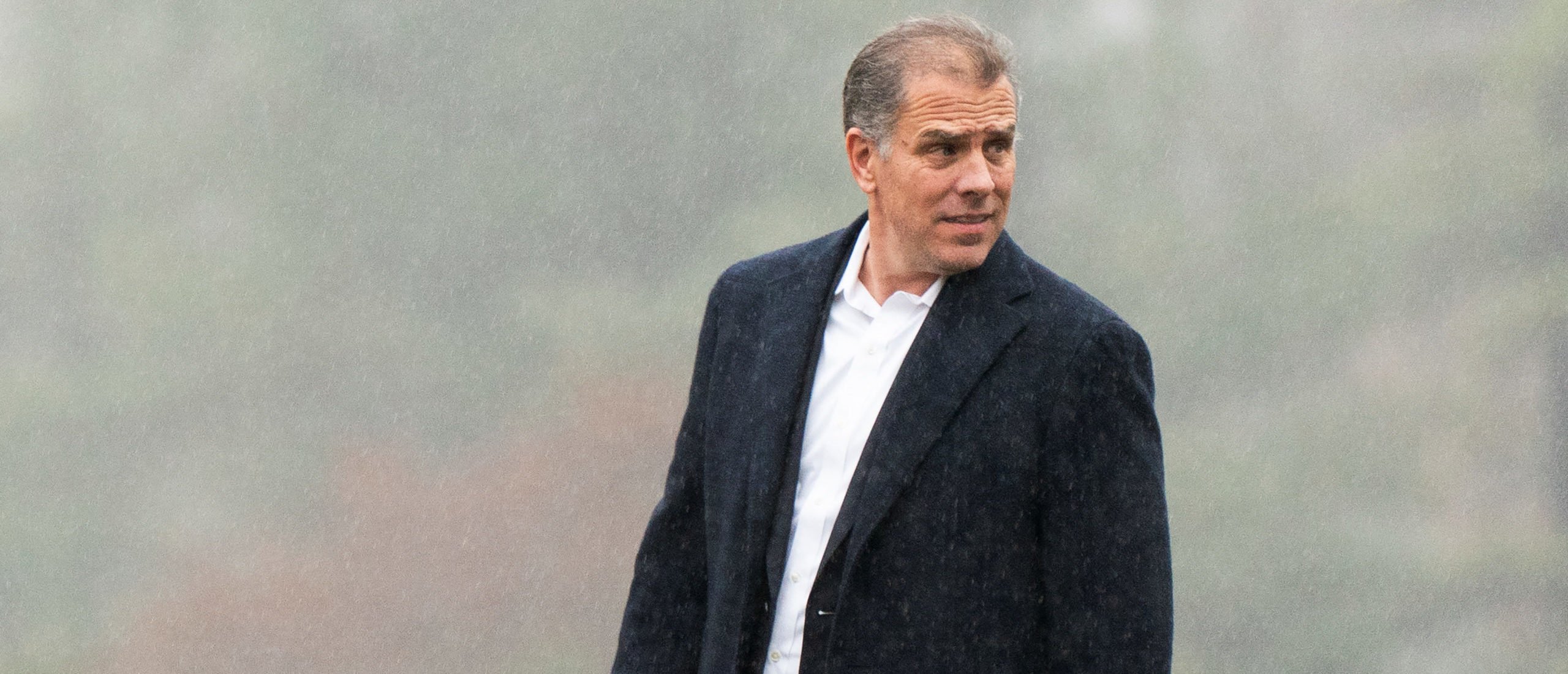
FBI Investigators Found Cocaine On Firearm Pouch Hunter Biden Used‚ Prosecutors Say
Favicon 
dailycaller.com

FBI Investigators Found Cocaine On Firearm Pouch Hunter Biden Used‚ Prosecutors Say

'Investigators literally found drugs on the pouch where' Biden allegedly had his gun
Like
Comment
Share
Daily Caller Feed
Daily Caller Feed
2 yrs

George Soros Sets Eyes On Latest Target—One Of The GOP’s Top Strongholds 
Favicon 
dailycaller.com

George Soros Sets Eyes On Latest Target—One Of The GOP’s Top Strongholds 

'George Soros is a person who knows what’s at stake'
Like
Comment
Share
Daily Caller Feed
Daily Caller Feed
2 yrs

New York Taxpayers On The Hook For Andrew Cuomo’s Legal Fees After State Failed To Obtain Convictions
Favicon 
dailycaller.com

New York Taxpayers On The Hook For Andrew Cuomo’s Legal Fees After State Failed To Obtain Convictions

Cuomo's campaign has $565‚000 so far
Like
Comment
Share
Daily Signal Feed
Daily Signal Feed
2 yrs

1‚200 Pizza Hut Drivers Among First Victims of California’s $20 Minimum Wage Folly
Favicon 
www.dailysignal.com

1‚200 Pizza Hut Drivers Among First Victims of California’s $20 Minimum Wage Folly

My foray into the workforce was a minimum-wage job making pizzas and washing dishes at Pizza Hut. The money I earned supported my spending as a new driver and taught me how to budget and save for the future. And the experience I gained—everything from teamwork to customer service to safety standards—has stuck with me throughout my career. If I were growing up in California today‚ though‚ that same job opportunity probably wouldn’t exist. As a 16-year-old without experience‚ I couldn’t produce $20 per hour of value for Pizza Hut—or probably any company. But $20 per hour is where Assembly Bill 1228 in California sets the bar for fast-food workers. After factoring in mandatory employment taxes‚ that comes out to more than $48‚000 per year for a full-time employee. Not surprisingly‚ multiple Pizza Hut franchises announced they are laying off 1‚200 delivery drivers. These drivers are likely just the first of potentially thousands more fast-food workers who will lose their jobs. Like me‚ most Americans start out earning the minimum wage. And like me‚ most Americans are not capable of producing over $48‚000 in value right out of the gate. Mandating that employers pay workers more than they can produce raises the bar on employment‚ excluding those who cannot reach it yet. When lawmakers attempt to “help” lower-wage workers by mandating higher minimum wages‚ they often end up causing more harm than good. As the late economist and commentator Walter Williams warned about minimum wage laws‚ “intentions have no effect on outcomes.” The unintended negative outcomes of increases in the minimum wage are well documented. Multiple analyses from the Congressional Budget Office estimate that large increases in the federal minimum wage would: Cost hundreds or thousands or millions of jobs. Drive up prices‚ interest rates‚ and federal deficits. Reduce total family incomes and cause hundreds of thousands of workers who lose their jobs to drop out of the labor force permanently. Individuals with little education‚ disabilities‚ criminal records‚ and limited English are most likely to lose their jobs‚ as are teens. A study by the Employment Policies Institute found that the 40% increase in the minimum wage in 2009 contributed to a 15.5% decline in employment among workers with less than a high school diploma and an 9% decline in teen employment (which rose to 30%). Minimum wage jobs aren’t meant to be careers or family-supporting jobs‚ but they nevertheless play a crucial role as a stepping stone into more advanced and higher-paying employment. The individuals who have initial job opportunities cut off by precipitous hikes in the minimum wage suffer lifelong consequences. Workers who hold part-time jobs as teens have higher earnings than their peers who didn’t have part-time jobs. Further‚ individuals exposed to high minimum wages have lower future earnings. Another consequence of minimum wage hikes is higher prices‚ because when employers have to pay workers more to do the same thing‚ they have to raise their prices. When New York City increased its minimum wage from $13 to $15‚ most restaurants said they raised their prices and many reported losing repeat customers. Fewer customers means fewer workers are needed. Even more seasoned workers who retain their jobs could be worse off despite receiving a pay raise. That’s because restaurants in California could also adjust to the $20 minimum wage by cutting worker hours‚ eliminating benefits like health insurance and imposing on-demand scheduling. California lawmakers may think that mandating higher wages could help address issues like housing unaffordability‚ high crime rates‚ homelessness‚ and rising costs‚ but the evidence shows it could have the opposite effect. That’s because laws can’t create higher incomes; they only can redistribute incomes. The only way workers can achieve lasting real wage gains is by becoming more productive. To that end‚ state policymakers should eliminate unnecessary licensing requirements so that people don’t need a costly license to braid hair or arrange flowers. Federal lawmakers should end the government’s monopoly on registered apprenticeships so that more people can get paid while being trained for successful careers. And all levels of government should remove unnecessary regulations so that more of businesses’ estimated $12‚800 per employee in annual regulatory costs could go toward higher wages and investments in workers. Such policy changes may not poll as well as a $20 minimum wage‚ but they’ll actually help workers. And isn’t that the goal? This commentary originally was distributed by Tribune News Service Have an opinion about this article? To sound off‚ please email letters@DailySignal.com‚ and we’ll consider publishing your edited remarks in our regular “We Hear You” feature. Remember to include the URL or headline of the article plus your name and town and/or state. The post 1‚200 Pizza Hut Drivers Among First Victims of California’s $20 Minimum Wage Folly appeared first on The Daily Signal.

Like
Comment
Share
Daily Signal Feed
Daily Signal Feed
2 yrs

Chicago EV Charging Fiasco Appears to Pierce Proponents’ Claims About Performance in Bitter Cold
Favicon 
www.dailysignal.com

Chicago EV Charging Fiasco Appears to Pierce Proponents’ Claims About Performance in Bitter Cold

Electric vehicle drivers in the Chicago area have recently struggled to charge their vehicles amid frigid temperatures‚ contradicting the assertions of some EV proponents suggesting that fears about performance in inclement conditions are overblown. Dozens of EV drivers reportedly lined up at EV charging stations to juice up their vehicles in Oak Brook‚ Illinois‚ but the bitter cold that has blanketed the area made that task effectively impossible‚ according to Fox 32‚ a local media outlet. Several organizations that promote EVs—a product that the Biden administration is pushing aggressively as part of its climate agenda—have previously suggested that concerns over diminished EV and battery performance in cold weather are inflated‚ but the experiences of drivers in Oak Brook seem to belie that notion. “Nothing. No juice. Still on zero percent‚” Tyler Beard‚ who had been attempting to recharge his Tesla at an Oak Brook Tesla supercharging station since Sunday afternoon‚ told Fox 32. “And this is like three hours being out here after being out here three hours yesterday.” Kevin Sumrak‚ another EV driver living in the Chicago area‚ arrived at Chicago’s O’Hare International Airport to discover that his EV had run out of charge while he was away‚ according to Fox 32. “This is crazy. It’s a disaster. Seriously‚” Tesla owner Chalis Mizelle told Fox 32. Mizelle eventually had to abandon her EV and have a friend pick her up after realizing that her car would not charge. Mizelle was not the only driver that opted to abandon their EV at a Chicago-area charging station‚ as abandoned EVs littered charging stations around the Chicago area‚ according to Fox 32. The Chicago region is currently experiencing a prolonged cold spell‚ with temperatures expected to stay well below freezing through Sunday; Tuesday saw temperatures as low as 4 degrees Fahrenheit‚ according to AccuWeather. The experiences of Beard‚ Sumrak‚ Mizelle‚ and other Chicago-area EV owners may come as a surprise to some proponents of EVs that have previously said cold weather is not a major cause for concern in terms of EV performance and charging. On Monday‚ Energy5‚ a green energy company‚ released a blog post focused on “debunking misconceptions about cold weather” as it relates to EVs. In the blog‚ the company laid out its rebuttals to several “myths” about EV performance and cold weather‚ asserting that “cold weather does not prevent EV charging” and that “EVs are equipped with advanced battery management systems designed to mitigate the effects of cold weather.” The suggestion that “EVs don’t work in the cold weather” is akin to a “myth‚” according to a November 2023 blog post published by the Arcadia Center‚ an environmental organization. In January of 2022‚ the Environmental Defense Fund asserted that “EV battery tech is getting better every year especially in cold weather” in a write-up it posted to address a “snowstorm of misinformation” about EVs. The Biden administration is spending vast amounts of taxpayer funds‚ including $7.5 billion to establish a nationwide charging network‚ and aggressively regulating the auto market to advance its goal of having EVs make up 50% of new vehicle sales by 2030. Despite these initiatives‚ the EV market appears to be faltering: Consumer demand is not growing as quickly as expected‚ manufacturers are losing large amounts of money on their EV product lines‚ and executives are starting to back off of near-term EV commitments. Originally published by the Daily Caller News Foundation Have an opinion about this article? To sound off‚ please email letters@DailySignal.com‚ and we’ll consider publishing your edited remarks in our regular “We Hear You” feature. Remember to include the URL or headline of the article plus your name and town and/or state. The post Chicago EV Charging Fiasco Appears to Pierce Proponents’ Claims About Performance in Bitter Cold appeared first on The Daily Signal.

Like
Comment
Share
Daily Signal Feed
Daily Signal Feed
2 yrs

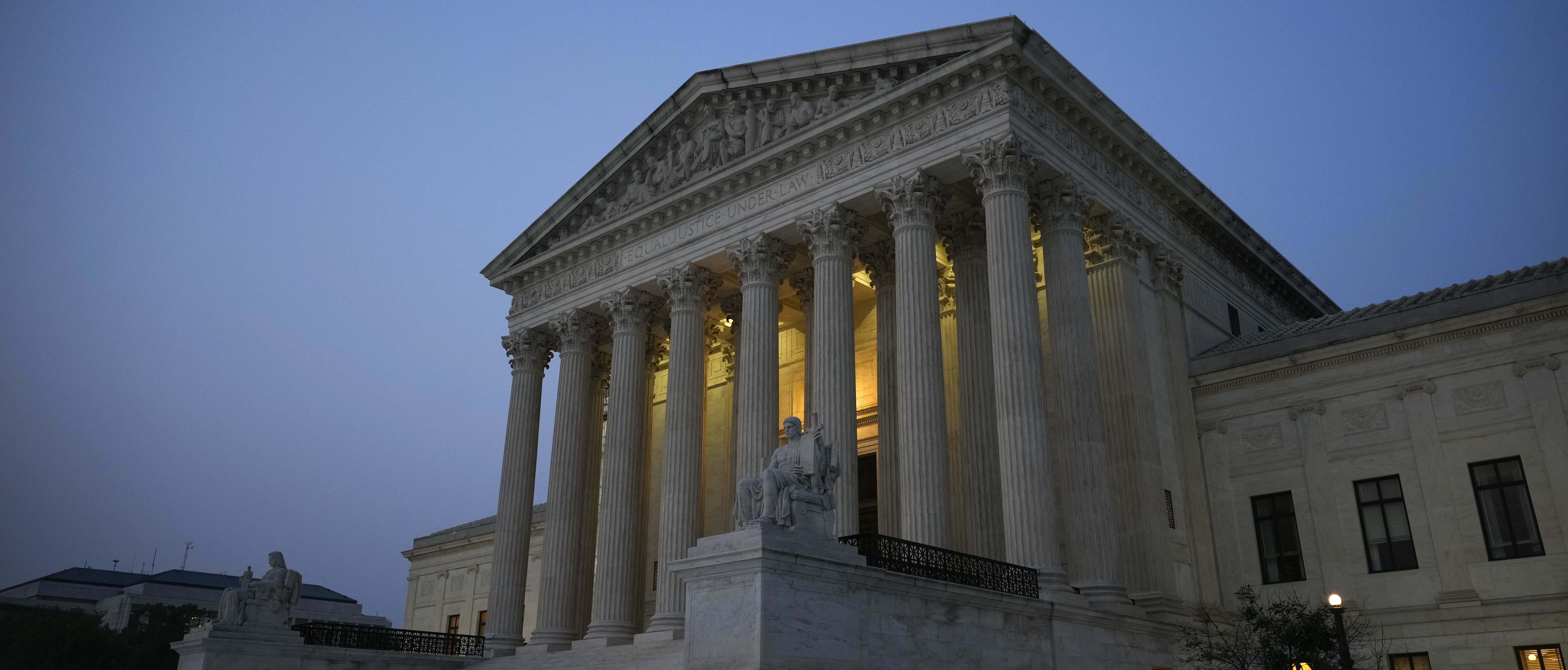
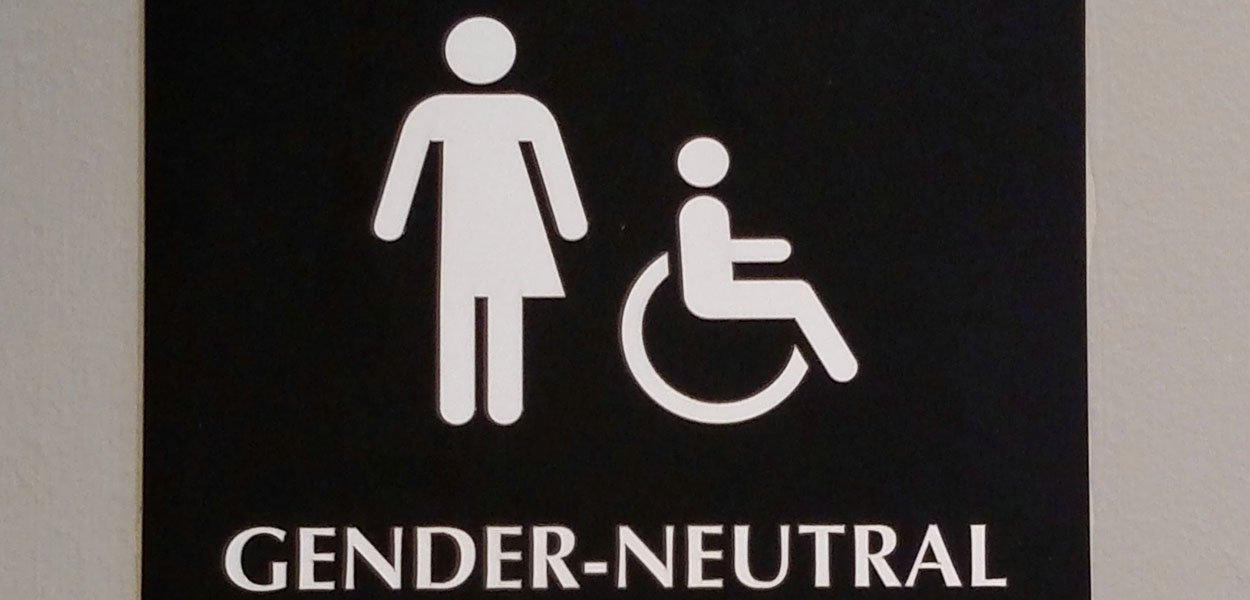
Supreme Court Denies Review in Critical Trans Bathroom Case That Could Have Clarified Title IX
Favicon 
www.dailysignal.com

Supreme Court Denies Review in Critical Trans Bathroom Case That Could Have Clarified Title IX

The Supreme Court unceremoniously denied review Tuesday in a case that would have clarified once and for all whether separating bathrooms based on biological sex violates either Title IX of the Education Amendments of 1972 or the equal protection clause of the Constitution. Now‚ the nation must wait with bated breath for publication of the Department of Education’s final Title IX rule. That Biden administration rule promises to upend decades of sex equality in education by allowing students in a federally funded school to use the bathroom that corresponds to their gender identity‚ rather than their biological sex. In the case Martinsville School District v. A.C.‚ a biological girl who “identified” as a boy sought access to the boys’ restrooms at her middle school. Per the policy of Indiana’s Martinsville school district‚ the girl’s requests were denied; however‚ she was permitted access to a single-use‚ gender-neutral bathroom. Unsatisfied‚ the student filed a lawsuit‚ claiming that the school district’s bathroom policy was discriminatory and a violation of civil rights and constitutional law. Both the federal trial court and the U.S. Court of Appeals for the 7th Circuit enjoined the school district’s policy and permitted the student’s bathroom access according to her gender identity. In increasing measure‚ however‚ challenges to educational institutions such as those in the Martinsville case have resulted in widely varied outcomes across the country. The en banc 11th Circuit Court of Appeals‚ for example‚ has held that neither Title IX nor the 14th Amendment’s equal protection clause deprives schools of the ability to maintain bathrooms separated by biological sex. But both the 4th and 7th Circuits have held the opposite‚ concluding that both Title IX and the equal protection clause prohibit schools from denying students access to bathrooms corresponding to their gender identity. Many court watchers credit one particular Supreme Court decision as the pebble that triggered an avalanche of legal battles over the meaning of “sex” in federal law: the 2020 decision in Bostock v. Clayton County‚ Georgia. In an opinion by Justice Neil Gorsuch‚ the court in Bostock interpreted the word “sex” in Title VII of the Civil Rights Act of 1964‚ which prohibits employment discrimination‚ to include “gender identity.” In excoriating the majority of justices in Bostock for “legislating‚” instead of “interpreting‚” Justice Samuel Alito in a dissenting opinion predicted future challenges like those in the Martinsville case‚ writing: What the Court has done today—interpreting discrimination because of ‘sex’ to encompass discrimination because of sexual orientation or gender identity—is virtually certain to have far-reaching consequences. Over 100 federal statutes prohibit discrimination because of sex. …  The briefs in these cases have called to our attention the potential effects that the Court’s reasoning may have under some of these laws‚ but the Court waves those considerations aside. As to Title VII itself‚ the Court dismisses questions about ‘bathrooms‚ locker rooms‚ or anything else of the kind.’ … And it declines to say anything about other statutes whose terms mirror Title VII’s. The Court’s brusque refusal to consider the consequences of its reasoning is irresponsible. … Before issuing today’s radical decision‚ the Court should have given some thought to where its decision would lead. As the briefing in these cases has warned‚ the position that the Court now adopts will threaten freedom of religion‚ freedom of speech‚ and personal privacy and safety.   Martinsville School District v. A.C. seemed to be an ideal vehicle to remedy the Bostock dilemma. In fact‚ the 7th Circuit Court of Appeals‚ in issuing its decision on behalf of the transgender student‚ wrote: “Litigation over transgender rights is occurring all over the country‚ and we assume that at some point the Supreme Court will step in with more guidance than it has furnished so far.” Alas‚ the public—and federal courts—must wait a little longer for that guidance. The Supreme Court appears generally allergic to transgender-related issues‚ having regularly turned down similar disputes. The high court declined to take up a student’s challenge to a Virginia school bathroom policy in Grimm v. Gloucester County School Board in 2021. Last year‚ the court declined to intervene to enforce West Virginia’s ban on transgender athletes. And in June‚ it declined to disturb a ruling favoring a transgender-identifying man who claimed he was deprived by the government of his hormone treatment while in jail. But there may still be time for clarification during this Supreme Court term on the parameters of transgender “rights” under state and federal law. Still pending in petitions for review before the high court are four more cases implicating gender identity. One is a challenge to a state court’s removal of a self-identified transgender child from the care of fit Christian parents because of their refusal to accept the minor child’s gender identity. The other two cases ask the court to determine whether parents have a constitutional right to secure experimental “gender- affirming care” (genital surgery‚ cross-sex hormones‚ and puberty blockers) for their minor children in the states of Tennessee and Kentucky. In the final case‚ a group of parents is asking the court to determine whether a public school’s policy is unconstitutional in hiding information about the expressed gender identity of minor school children from their parents. Around the time that the Supreme Court’s term winds down in June‚ the Biden administration will release its much anticipated Title IX rule—expanding long-standing protections for girls and young women in K-12 schools and college institutions to any boy or young man who identifies as a woman. At that point‚ the Supreme Court may have no choice but to finally weigh in. The sooner the better. Have an opinion about this article? To sound off‚ please email letters@DailySignal.com‚ and we’ll consider publishing your edited remarks in our regular “We Hear You” feature. Remember to include the URL or headline of the article plus your name and town and/or state. The post Supreme Court Denies Review in Critical Trans Bathroom Case That Could Have Clarified Title IX appeared first on The Daily Signal.

Like
Comment
Share
Daily Signal Feed
Daily Signal Feed
2 yrs

Will Education Choice Momentum Continue in 2024?
Favicon 
www.dailysignal.com

Will Education Choice Momentum Continue in 2024?

National School Choice Week begins on Sunday‚ and this year‚ there’s much to celebrate. In 2023‚ the school choice movement made more progress expanding education options than ever before. The Year of Education Freedom saw seven states pass new education choice policies and nine states expand existing choice policies. There are now nine states with universal education choice policies that offer education savings accounts or ESA-style options to every K-12 student in the state. In 2024‚ that momentum is likely to continue as several states gear up to pass new or expanded education choice policies. Alabama The Yellowhammer State has lagged relative to its neighbors in offering education choice. That could change this year as Gov. Kay Ivey‚ a Republican‚ has set an ambitious goal for the 2024 legislative session.  “My goal is for Alabama to be the most school choice-friendly state in the nation‚” Ivey said on Alabama Public Television’s “Capitol Journal” in July. “I want us to have lots of school choices for our parents to choose from. We are working now‚ already‚ now‚ on a bill‚ an ESA bill‚ an education savings account bill‚ to present to the legislature in the next session‚ and I’m very optimistic that will pass.” Florida     In 2023‚ for the second year in a row‚ Florida ranked first in the nation on The Heritage Foundation’s Education Freedom Report Card‚ and ranked second only to Arizona for education choice. Can Florida take the top spot for education choice in 2024? Last year‚ Florida Gov. Ron DeSantis signed HB 1‚ which expanded eligibility for the state’s Family Empowerment Scholarship to all K — 12 students. However‚ as I explained last year‚ there were some drafting errors that prevented ESA students from being able to choose religiously affiliated providers of virtual learning‚ and defined “eligible private school” in a way that limited the ability of parents to choose “blended learning” programs that combine or alternate between in-person and virtual instruction‚ as well as “hybrid homeschooling” that alternates between in-person instruction and home education. A broad coalition of advocacy organizations‚ including Heritage Action for America‚ has asked the legislature to address these issues. Although the amended version of HB 1403 attempts to address the first of these issues‚ it does not go far enough to alleviate the latter. (Heritage Action for America is the grassroots action arm of The Heritage Foundation‚ of which The Daily Signal is the news outlet.) HB 1403 still requires that participating private schools “[m]aintain a physical location in the state at which each student has regular and direct contact with teachers.” The amended version clarifies that the “regular and direct contact with teachers” requirement is satisfied if ESA students physically attend a private school “at least two school days per week‚” which would allow hybrid homeschooling. However‚ the bill would still limit the ability of ESA families to choose full-time virtual instruction or blended learning offered by private schools that have brick-and-mortar locations. If Florida wants to continue to be a leader in education‚ it must allow for greater innovation in how education is delivered. Georgia After several failed attempts to pass a robust ESA policy‚ Georgia Gov. Brian Kemp is growing impatient. “Over the last few years‚ there has been a great deal of debate around different proposals to expand options for students and families when it comes to finding the education that best fits their individual needs‚” Kemp‚ a Republican‚ observed in his recent State of the State address. “At the end of the day‚ our first and foremost consideration should be the future of that student. Our job is not to decide for each family‚ but to support them in making the best choice for their child.” Kemp urged the Georgia General Assembly to pass an education choice policy this session‚ adding: “I believe we have run out of ‘next years.’” Kentucky In 2021‚ Kentucky lawmakers enacted an innovative ESA policy funded via tax credits. Unfortunately‚ the Kentucky Supreme Court struck down the ESA policy in a flawed ruling that held—contrary to the U.S. Supreme Court and nearly every other state supreme court to address the matter—that funds belonging to private citizens or corporations can become “public funds” even before reaching the public treasury. Now‚ state lawmakers are fighting back with a proposed constitutional amendment that would clarify that school choice is constitutional. According to the Courier Journal‚ the amendment “will have support by legislators in the House and Senate‚” including state Sen. Steve West‚ chairman of the Kentucky Senate’s Education Committee‚ who told the newspaper that he is “pro-school choice” because it “will enhance education in Kentucky … and it’s not going to destroy public schools.” If a supermajority of three-fifths of each chamber of the Kentucky General Assembly passes the amendment‚ it will go to Kentucky voters for final approval. Louisiana Among education choice advocates‚ the Pelican State is widely considered “most likely to succeed” in 2024. Last year‚ the Louisiana state legislature twice passed bills to enact education choice policies‚ and twice then-Gov. John Bel Edwards‚ a Democrat‚ vetoed them. However‚ there’s a new sheriff in town: Republican Gov. Jeff Landry‚ who took office Jan. 8‚ a longtime supporter of education choice whose campaign website stated that if “school cannot adequately educate its students‚ those students should be given the ability to obtain an education that is worthy of the commitment we have made to them.” At his inauguration‚ Landry declared: “Our people seek government that reflects their values. They demand that our children be afforded an education that reflects those wholesome principles‚ and not an indoctrination behind their mother’s back.” The surest policy to enable families to choose learning environments that reflect their values and work best for their children is universal education choice. Mississippi Although Mississippi was one of the first states to enact an ESA policy nearly a decade ago‚ eligibility is still limited to students with certain special needs and only a few hundred students are participating. Gov. Tate Reeves would like to change that. “There’s been a huge push among Republicans around the country to give parents more options in their kids’ education‚” Reeves said recently. “We have seen tremendous progress when it comes to educational achievement levels in our state‚ and the obvious next step is more school choice. And I hope the legislature acts on that‚ and I believe there’s a lot of people in the legislature who want to do that.” Last month‚ a poll by Arc Insights found that 79% of Mississippi voters support school choice. Tennessee Even before this year’s legislative session began‚ Tennessee Gov. Bill Lee‚ a Republican‚ had made expanding education freedom and choice a top priority. “A high-quality education has the power to change the trajectory of a child’s life‚ and there’s no question that now is the time to make school choice a reality for every Tennessee family‚” Lee said at an event announcing the proposal last November. “Tennessee’s Education Freedom Scholarships will empower parents with the freedom to choose the right education for their child‚ while also giving them a say in how their taxpayer dollars are invested. In the coming months‚ I look forward to working with Tennessee families and members of the General Assembly to accomplish this historic legislative initiative and establish Tennessee as a leader in providing choice for families while also striving toward the best public school system in the country.” If enacted‚ Lee’s proposal would provide 20‚000 scholarships during the 2024–25 school year‚ with half earmarked for low-income students and half available to all students. In addition to the states profiled above‚ school choice advocates‚ such as Corey DeAngelis of the American Federation for Children‚ expect to see progress in several other states‚ including Idaho‚ Missouri‚ Nebraska‚ North Dakota‚ Texas and Wyoming. Have an opinion about this article? To sound off‚ please email letters@DailySignal.com‚ and we’ll consider publishing your edited remarks in our regular “We Hear You” feature. Remember to include the URL or headline of the article plus your name and town and/or state. The post Will Education Choice Momentum Continue in 2024? appeared first on The Daily Signal.

Like
Comment
Share
Homesteaders Haven
Homesteaders Haven
2 yrs

Food to Stockpile During January Sales
Favicon 
www.amodernhomestead.com

Food to Stockpile During January Sales

Read the original post "Food to Stockpile During January Sales" on A Modern Homestead. January has a lot of really great sales on non-perishable food items. If you're paying attention you can fill up your pantry for a fraction of the cost! Let's take a look at some of the best things to stock up on during January food sales. Food Items to Stockpile in January Buying in bulk... Read More The post "Food to Stockpile During January Sales" appeared first on A Modern Homestead.
Like
Comment
Share
Showing 113454 out of 125320
  • 113450
  • 113451
  • 113452
  • 113453
  • 113454
  • 113455
  • 113456
  • 113457
  • 113458
  • 113459
  • 113460
  • 113461
  • 113462
  • 113463
  • 113464
  • 113465
  • 113466
  • 113467
  • 113468
  • 113469
Advertisement
Stop Seeing These Ads

Edit Offer

Add tier


Select an image
Delete your tier
Are you sure you want to delete this tier?

Reviews

In order to sell your content and posts, start by creating a few packages. Monetization

Pay By Wallet

Payment Alert

You are about to purchase the items, do you want to proceed?

Request a Refund