YubNub Social YubNub Social
    #racism #elections #conservatives #gerrymandering
    Advanced Search
  • Login
  • Register

  • Night mode
  • © 2026 YubNub Social
    About • Directory • Contact Us • Developers • Privacy Policy • Terms of Use • shareasale • FB Webview Detected • Android • Apple iOS • Get Our App

    Select Language

  • English
Night mode toggle
Featured Content
Community
New Posts (Home) ChatBox Popular Posts Reels Game Zone Top PodCasts
Explore
Explore
© 2026 YubNub Social
  • English
About • Directory • Contact Us • Developers • Privacy Policy • Terms of Use • shareasale • FB Webview Detected • Android • Apple iOS • Get Our App
Advertisement
Stop Seeing These Ads

Discover posts

Posts

Users

Pages

Blog

Market

Events

Games

Forum

Science Explorer
Science Explorer
2 yrs

First-of-Its-Kind 'Quantum Tornado' Achieves Record-Breaking Black Hole Mimicry
Favicon 
www.sciencealert.com

First-of-Its-Kind 'Quantum Tornado' Achieves Record-Breaking Black Hole Mimicry

"We have taken this research to the next level."
Like
Comment
Share
Science Explorer
Science Explorer
2 yrs

Eggs Use a 'Zipper' to Block Extra Sperm: It May Lead to Non-Hormonal Contraception
Favicon 
www.sciencealert.com

Eggs Use a 'Zipper' to Block Extra Sperm: It May Lead to Non-Hormonal Contraception

And new insights into female infertility.
Like
Comment
Share
Conservative Voices
Conservative Voices
2 yrs

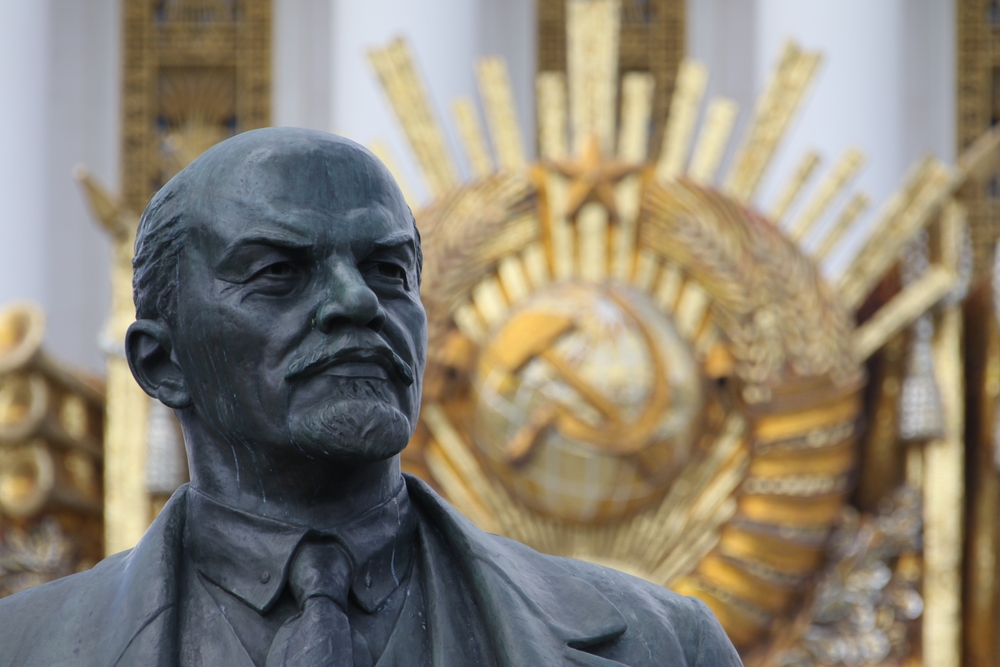
Leftists Blatantly Celebrate Lenin’s Legacy in New Book
Favicon 
spectator.org

Leftists Blatantly Celebrate Lenin’s Legacy in New Book

Let it be admitted that Vladimir Ilyich Lenin was consequential. One of the most consequential people in history. He was essential to the Bolshevik Revolution‚ which overthrew the feckless liberals and socialists who had ousted the tsar. He led the campaign to defeat the divided Whites in a bitter civil war. He created a system that pioneered terror and yielded Joseph Stalin — a system that later imposed communism on Eastern Europe and aided China’s Maoist revolution‚ as well as encouraged an assortment of petty tyrannies across Africa‚ Asia‚ and South America. Yes‚ Lenin mattered. READ MORE from Doug Bandow: Unlikely Persecutor: Japan Threatens to Shut Unification Church So much so that Ray Bush of the Review of African Political Economy exults‚ “The mention of Lenin’s name generates anxiety and concern among the ruling class and reactionary social and class forces everywhere.” Not just among them. His name also excites fear among merchants‚ workers‚ farmers‚ intellectuals‚ expatriates‚ foreigners‚ neighbors‚ students‚ soldiers‚ and just about everyone else. Unfortunately‚ Lenin’s success resulted in mass slaughter‚ starvation‚ and tyranny. Historians argue over the exact numbers and how many deaths were intended. But the macabre tolls in the Soviet Union and People’s Republic of China were in the scores of millions. Understandably‚ then‚ “many on the contemporary Left continue to disavow any association with Tovarish Lenin‚” observe book editors Hjalmar Jorge Joffre-Eichhorn and Patrick Anderson. Not‚ however‚ them and the other contributors to Lenin: The Heritage We (Don’t) Renounce. Writes historian Tamás Krausz: “Lenin is the voice of the political and social awakening of the subordinated classes and the historical embodiment of their revolutionary will on a global scale. The more aspersions the capitalist media casts at Lenin‚ the clearer the gigantic significance of his legacy becomes.” The Bolshevik leader was a great success‚ argues KYRGSOC‚ a Kyrgyz organization: “Lenin fought for socialism and democracy‚ never once in his life retreating from his political ideals.… Lenin’s administrative abilities and Bolshevik discipline underpinned the decisive success of the October Revolution.” Independent researcher Adrien Minard‚ a “collector of Soviet artifacts” (like me!)‚ describes Lenin’s mourners and the offerings they left: “The size of these crowds and especially their sense of creativity reveal a true spirit of spontaneous communion and a deep popular attachment to Lenin.” Aimo Minkkinen‚ former director of Finland’s Lenin Museum‚ writes how he “took along [his] girlfriend Lea on the trip that became a nine-year honeymoon in Moscow.” He went to the museum because “[he] thought that it was important to tell the truth about Lenin: his national policy‚ the right to self-determination of nations‚ international solidarity‚ the fight for peace‚ against imperialism and great Russian chauvinism.” Remember all the elections that Lenin won? “Independent scholar” Jacques Pauwels lauds Lenin’s democratic values: “[I]t is obviously an absurdity of Western mainstream historiography that Lenin is condemned as a nasty dictator‚ while Churchill is praised as one of the greatest democrats in recent history.” But why even pretend that democracy matters? Philosopher Slavoj Žižek asks: “Is it not that‚ if we are to confront seriously our challenges‚ from ecological crises to immigration‚ we will have to change our entire political system along the lines suggested by Lenin?” After all‚ the Soviet Union and its Eastern European satellites were widely known as environmental paradises! Lest someone seek to separate Lenin and Mao Zedong‚ Alain Badiou‚ a French philosopher (naturally!)‚ rises to the occasion: I would like to describe here the striking continuity between how Lenin‚ shortly after the insurrectional victory of 1917‚ viewed the very young communist revolution in Russia‚ and how Mao‚ in the 1960s and 1970s‚ after twenty years of practice of power by the Chinese Communist Party‚ reflected on the political results of this power. Indeed‚ Badiou writes of “the problems to be addressed by the Cultural Revolution‚” as if the latter was just another committee meeting at work. In truth‚ Mao’s Cultural Revolution was a mad mix of chaos‚ party purge‚ mob violence‚ and civil war‚ unleashed by Mao to retrieve his political fortunes‚ at the cost of hundreds of thousands of lives. On the book goes. According to writer Marcela Magalhães: Lenin’s ideas—paradoxically—resurface as a voice that challenges resignation and stimulates reflection on what can be achieved when we dare to dream. As such‚ dreaming is not an escape from reality‚ but a way of creating a vision that guides our actions. Lenin‚ in his quest for a more just society‚ believed in the possibility of radical transformation. His ideas were hence not mere theoretical abstractions: they were calls to action‚ to build a society that would transcend the inequalities and violence intrinsic to the capitalist-colonial system. What of the occasional blip along the way? Lenin “remained steadfast in his conviction that humanity could achieve a higher state of equality and justice.” The University of Brighton’s Christian Høgsbjerg lauds Lenin’s support for black liberation: “In other words‚ Lenin was truly himself a ‘tribune of the people […] able to react to every manifestation of tyranny and oppression‚ no matter where it appears‚ no matter what stratum or class of the people it affects.’” Daria Dyakonova‚ a self-proclaimed “Marxist historian‚” explains that “Vladimir Lenin‚ like many communists of his time‚ was a champion of women’s emancipation‚ which he linked to the revolutionary socialist transformation of societies.” Economist Demba Moussa Dembélé lauds Lenin’s opposition to colonialism: “Lenin’s insights on imperialism have inspired analysis of foreign domination and imperialism in Africa and the Global South for many decades.” If only so many of the people Lenin so heroically liberated hadn’t ended up in prison or dead! Churning through the seemingly endless musings of Lenin fanboys and girls — there are 104 contributions‚ including poetry‚ imagined conversations‚ and “love letters” — isn’t easy. There are even unintended comedic scripts. For instance‚ author Constantino Bértolo explains: [L]ittle attention has been paid to the Lenin who‚ against this image of rough and ruthless coldness‚ provides a vision of the revolutionary tasks in which aspects and concepts are present that can be identified and found within that very humanist tradition that the sanctimonious bourgeoisie accepts‚ approves of and acclaims. The right to dream‚ for example. The volume’s essence was well captured by two essays. One is by Anatoli Ulyanov. Born in the Soviet Union‚ he went West and was disappointed: I ran to a supposed paradise: a world where cops brutalize Black teens; veterans of endless wars rot under bridges; quality healthcare remains a mocking dream for the impoverished; inmates labor for pennies in prisons more crowded than the GULAG; students graduate indebted to bankers…. The facade shattered‚ and from the debris‚ Lenin winked. In his writings‚ I met not the towering idol but a mere comrade. An imperfect voice that ignites with a timeless message: another world is possible; the guiding stars are those who work. Another world indeed‚ of institutional terror and the Gulag. Also uniquely clueless was Göran Therborn‚ a “Swedish intellectual.” In his view one of history’s great tyrannies was responsible for what little progress occurred in liberal‚ capitalist‚ democratic Western systems: Lenin was one of the creators of the 20th century.… The USSR was decisive for the defeat of Nazi Germany. It was an important support of the decolonization process‚ of African Americans in the USA…. Racist resistance was ferocious‚ and without Cold War competition‚ President Eisenhower‚ by no means a committed anti-racist‚ would never have sent federal troops to protect the first token Black children going to school from the White mobs of the Southern states. Also‚ without the Soviet Union‚ the Cuban Revolution would have been liquidated. Social protection and labor rights in Western Europe would have been fewer and slower without bourgeois fears of Communism and the USSR. The Soviet bloc in the United Nations was behind the UN’s tremendously successful and globally inspiring 1975 World Conference on Women in Mexico. Who can forget that 1975 U.N. conference? The highlight of the 20th century! There are serious issues the book could have discussed. The flaws of Western societies are obvious‚ and the ensuing reform path usually is tortuous. Nevertheless‚ the volume’s contributors fail to grapple with the tragic reality that Lenin’s national progeny greatly compounded preexisting injustices. Indeed‚ Lenin’s socialist states proved unique in their contempt for human liberty and inability to feed their people. They were almost always much worse than what they replaced. Journalist Mahir Ali writes: “Despite all the ‘foolish things‚’ [to which Lenin admitted‚] the Bolshevik experiment turned out to be globally transformative. It still has much to contribute.” Alas‚ the Bolsheviks committed more than “foolish things.” Consider the apparently beneficent Soviet Gulag of Ulyanov’s imagination. In celebrating the 50th anniversary of the publication of Alexander Solzhenitsyn’s The Gulag Archipelago‚ Northwestern University’s Gary Saul Morson wrote: Millions of people lived and died in the Gulag’s many “islands‚” the camps scattered over the vast country. The worst were located in the Kolyma region in northeastern Siberia‚ where prisoners labored at 50‚ 60‚ even 70 degrees below zero and were given insufficient calories to sustain life. At least Leninist states were equal opportunity oppressors‚ guaranteeing all the rights to be arrested‚ tortured‚ murdered‚ and impoverished. Russia’s decrepit Romanoff dynasty looks pretty good compared to Lenin’s Bolshevik state. Similar was the result of most other Leninist revolutions. By numbers‚ Mao is probably the greatest mass killer in history‚ yet he is still venerated in the People’s Republic of China. Beijing has lifted its people out of poverty only by rejecting Maoism and turning toward the market and capitalist West. Cambodia’s Pol Pot committed the greatest proportional slaughter‚ most likely killing around 2 million people‚ but possibly as many as 3 million‚ out of a population of about 7.8 million. The Killing Fields should be visited for their horror to be truly grasped. North Korea is perhaps the world’s most tyrannical society today‚ with ruthless repression‚ a mini-Gulag‚ and a rigid social classification system. It also warrants a visit from any enthusiastic communist. Lenin: The Heritage We (Don’t) Renounce illustrates well the importance of individuals in history. Lenin was charismatic‚ determined‚ prescient‚ confident‚ and ruthless. More than anything else‚ he understood how and when to use power. Without him‚ the Bolsheviks‚ a minority among revolutionary wannabes — let alone the larger population — likely would have faded from history. After ascending to the pinnacle of power‚ Lenin suffered a series of strokes beginning in 1922. He died a century ago‚ only 53 years old. And his best student‚ in terms of gaining and using power‚ won an extended political struggle: Joseph Stalin completed Lenin’s mission‚ solidifying the Soviet state and spreading revolution wherever the latter’s armies roamed. Even if Lenin had second thoughts at his choice of Stalin as party general secretary — the authenticity of the former’s supposed last testament remains in doubt — they were over Stalin’s incivility‚ not his brutality. Bush calls Lenin: The Heritage We (Don’t) Renounce an “exhilarating collection.” That’s true‚ in the sense that most people would call a root canal an “exhilarating procedure.” The book performs‚ however‚ at least one useful function: It reminds us that even the worst ideas sometimes persist‚ despite repeated flagrant and costly refutations. The persistence of Lenin’s nostrums should energize reform efforts within our constitutional and democratic order that respect human life‚ dignity‚ and liberty. The editors opine that their product is intended “to help liberate the old Ilyich from the musty‚ petrifying solitude of his mausoleum.” That is a worthy objective. It’s time to bury him. Literally. And forever put behind us more than a century of mass repression and murder in the name of the proletariat. Doug Bandow is a senior fellow at the Cato Institute and former special assistant to President Ronald Reagan. The post Leftists Blatantly Celebrate Lenin’s Legacy in New Book appeared first on The American Spectator | USA News and Politics.

Like
Comment
Share
Conservative Voices
Conservative Voices
2 yrs

Behold‚ the Villains: Biden Family Defenders Make the Case for a Hero
Favicon 
spectator.org

Behold‚ the Villains: Biden Family Defenders Make the Case for a Hero

A couple of weeks ago‚ I talked about the fact that the 2024 presidential election is becoming a real-life political analog to the hero’s journey‚ the literary archetype from which so much of our culture derives. My point wasn’t so much that Donald Trump‚ who is cast as the hero of the saga‚ contains all of the heroic virtues the archetype demands but that Trump’s enemies are casting themselves so perfectly as the villains. READ THE PIECE: Trump’s Reelection Effort Is Becoming the Hero’s Journey In comparison‚ Trump looks quite virtuous indeed. Recently‚ it’s been made yet more obvious how utterly bereft of quality the modern Left is. You have to wonder how well-read these people are and whether they recognize any context at all for their antics and rhetoric. For example‚ on Wednesday the House of Representatives held a hearing to talk about the Chinese bribe money paid to the Biden family‚ something that is virtually incontrovertible at this point. We know that the Chinese Communist Party–controlled CEFC made a $5 million payment to a company controlled by Hunter Biden in August of 2017; what we haven’t been given a plausible explanation for was what exactly CEFC got in return. And yet Joe Biden’s designated defenders among the Democrats on the House Oversight Committee chose to beclown themselves with such over-the-top idiocies‚ and you have to ask whether they think they’ve muddled the situation or made it worse. For example‚ here was AOC: After practicing in the mirror all night‚ AOC delivers a fiery pre-written script to Tony Bobulinski‚ calling on him to point to the exact crime Joe Biden committed. Watch him embarrass her into a full on tantrum! pic.twitter.com/8NDyirleoY — Lori Love (@thereallorilove) March 20‚ 2024 She wasn’t the only one who fell afoul of former Biden business partner Tony Bobulinski‚ whom the Democrats fervently wish never existed. Here was the obnoxious Dan Goldman: "That's a blatant lie Mr. Goldman‚ you know better" Tony Bobulinski calls out Rep. Goldman for trying to cover for the Biden crime family. pic.twitter.com/FcFQ5wz9zZ — Media Research Center (@theMRC) March 20‚ 2024 And the disgusting Jasmine Crockett: America’s classiest Democrat Congresswoman Jasmine Crockett has another meltdown defending the Biden crime family pic.twitter.com/dDfNW8rNMu — Benny Johnson (@bennyjohnson) March 20‚ 2024 And Jared Moskowitz‚ whose juvenile antics made zero sense at all: Delusional Dem Jared Moskowitz wears a Putin Mask to hearing on the Biden family’s influence peddling schemes: “I just came to thank James Comer for taking all of our intelligence…!” REPORTER: “Don’t you think this behavior is kind of immature?” pic.twitter.com/DBl6NBCDfG — Townhall.com (@townhallcom) March 20‚ 2024 And I can’t discuss the villainy of the modern Democrat Party without including Chuck the Schmuck Schumer and his ridiculous lies — what does Charlottesville have to do with Benjamin Netanyahu‚ whom Schumer has denounced with little to no justification? Nobody who meets with antisemites like Nick Fuentes‚ called white supremacists in Charlottesville “very fine people‚” disgustingly said Hitler “did some good things” has any right to lecture Jewish Americans on their personal political beliefs Everyone must condemn Trump’s words pic.twitter.com/EJgRLIr1mC — Chuck Schumer (@SenSchumer) March 19‚ 2024 And then you have Joe Biden’s nominee for a spot on the 7th Circuit Court of Appeals‚ Nancy Maldonado‚ who can’t even answer a simple question from Sen. John Kennedy about the assault weapons she sought to ban: WATCH:@SenJohnKennedy: “You said‚ ‘assault weapons may be banned because they’re extraordinarily dangerous and are not appropriate for legitimate self-defense purposes.’ Tell me what you meant by assault weapons?” Biden’s Seventh Circuit judge nominee Nancy Maldonado: “I’m not… pic.twitter.com/1ctY2E64IO — Carrie Severino (@JCNSeverino) March 20‚ 2024 Away from Congress‚ we have Marc Elias‚ the sleazebag Clinton campaign lawyer who‚ as much as anyone else‚ was the architect of the Trump–Russia hoax‚ running to MSNBC with a fresh set of conspiracy theories: The greatest threat to free and fair elections this November are right wing and Republican election vigilantes intimidating and challenging voters and harassing election officials. @InsideWithPsaki @jrpsaki pic.twitter.com/9cUqlbnEAR — Marc E. Elias (@marceelias) March 19‚ 2024 Then there’s Peter Navarro‚ who obviously isn’t a leftist but is about to spent three months in a federal prison over a disagreement about which presidential communications fall under executive privilege‚ and the former Trump trade adviser had some prophetic and terrifying words of warning for the rest of us: .@RealPNavarro before he turns himself into prison saying he will walk PROUDLY into prison as the only person in the Miami prison convicted of a misdemeanor. “I will gather strength from this: Donald John Trump is the nominee for the Republican Presidential Campaign.” pic.twitter.com/0zwVMggSVT — Sebastian Gorka DrG (@SebGorka) March 19‚ 2024 Is the Left paying attention? No. This is what the Left wants to talk about now. Mike Sington is a former executive at NBCUniversal who bills himself as “the ultimate Hollywood insider‚” and he posted this on X before taking it down: He hasn’t bothered anyone and has never gotten involved in politics or made a public statement. He deserves to be left alone. All children of candidates who don’t put themselves out there should be left alone. pic.twitter.com/P7kPJpzaCp — Yashar Ali (@yashar) March 20‚ 2024 And they’re in fine fettle over the fact that‚ starting on Monday‚ Letitia James‚ the attorney general of the state of New York‚ will be able to seize assets owned by Donald Trump: NY AG Letitia James is now allowed to seize Donald Trump's assets‚ starting Monday. I hear Mar-a-Lago may have some value. — Dan Rather (@DanRather) March 19‚ 2024 Dan Rather helmed CBS’s evening newscast for several years‚ though it was ultimately recognized that Rather’s grasp of the truth was tenuous at best. Even so‚ one wonders whether Rather knows that Mar-a-Lago is not in New York and that it would be very questionable whether courts in Florida would allow James to seize it (as opposed to several properties in the state of New York owned by Trump that actually are in jeopardy of seizure). Famed investor and Shark Tank cast member Kevin O’Leary‚ who is not a political hack but rather a businessman who operates in the realm of market realities‚ threw a massive wet blanket over the villains’ petty party: Kevin O'Leary goes off on New York AG Letitia James: "This has absolutely nothing to do with Donald Trump at this point. This is an attack on America. And I don't know how you can look at it any other way." pic.twitter.com/Xps5j8k1MJ — Citizen Free Press (@CitizenFreePres) March 19‚ 2024 O’Leary is correct‚ of course‚ because the implications of that half-billion-dollar asset seizure go far beyond Trump. No one in his or her right mind would engage in real-estate speculation in New York now because the precedent has been set that falling afoul of James or some other Lavrentiy Beria–style law enforcement goon in that state could subject one to utterly ruinous consequences. Joe Rogan had this correct: Joe Rogan Rips Fani Willis‚ Letitia James‚ and the Political Prosecutions of Donald Trump: "It Seems Like What Happens in Banana Republics" "It's crazy how many times they've indicted him because it seems like what happens in banana republics‚ but just somehow or another‚ it's… pic.twitter.com/IvcpDtBstI — KanekoaTheGreat (@KanekoaTheGreat) March 15‚ 2024 The Democrat propagandists who run The View decided to resurrect the liar Christine Blasey Ford and put her on their show this morning‚ utterly without any news value‚ and the effect was not what you’d call great television: 1. There Is No Evidence that Ford and Kavanaugh Ever Met 2. Leland Keyser Said She Did Not Have ‘Any Confidence’ in Her Friend’s Story 3. Friends Pressured Keyser to Change Her Story 4. All Alleged Witnesses Strongly Dispute the Claim 5. Ford’s Father Supported Kavanaugh’s… https://t.co/tEJxIbkhuE — Mollie (@MZHemingway) March 20‚ 2024 And another network leftist‚ MSNBC’s Elie Mystal‚ had this highly intellectual reaction to the Supreme Court handing down an entirely predictable and correct ruling that Texas can make its state laws mirror federal laws and‚ in turn‚ enforce them: God damn these Republican assholes on the Supreme Court. https://t.co/XEqKpaJ0rg — Elie Mystal (@ElieNYC) March 19‚ 2024 It goes on and on. There is so much of it that the compendium above barely scratches the surface. We are utterly awash in miserable‚ idiotic‚ unhinged‚ and utterly evil people attaching themselves to our politics‚ most of whom are on the left. It’s a horde of villains who no longer believe in anything but the hatred and subjugation of their fellow man. And this is why‚ regardless of whether Trump fits the mold of the classic literary hero‚ he’s forced into the role. Someone has to defeat these villains‚ or all is lost. For better or worse‚ it’s him. The post Behold‚ the Villains: Biden Family Defenders Make the Case for a Hero appeared first on The American Spectator | USA News and Politics.

Like
Comment
Share
Conservative Voices
Conservative Voices
2 yrs

Feud’s New Miniseries Recycles Old Truman Capote Gossip
Favicon 
spectator.org

Feud’s New Miniseries Recycles Old Truman Capote Gossip

Now that Netflix’s The Crown has finally come to an end‚ one of the most expensive and elaborate TV series around is Feud‚ created by Ryan Murphy‚ Jaffe Cohen‚ and Michael Zam and aired on FX and Hulu. Its first season‚ Bette and Joan (2017)‚ was an eight-episode account of the tensions between Bette Davis (Susan Sarandon) and Joan Crawford (Jessica Lange) on the set of the 1962 movie What Ever Happened to Baby Jane?. The very idea of devoting eight or so hours to this less than earth-shaking subject seemed‚ of course‚ a major case of overkill. But for some fans of Golden Age Hollywood‚ at least‚ the scenes in which Davis and Crawford bared their claws against each other — not to mention those in which we saw first-rate actors like Stanley Tucci and Judy Davis delivering bravura performances as‚ respectively‚ Jack Warner and Hedda Hopper — made it a whale of a watch. RELATED from Bruce Bawer: The Crown’s Surprisingly Touching Finale Now‚ seven years later‚ Feud has returned with eight new episodes about an entirely different story. Entitled Capote vs. the Swans and written by Jon Robin Baitz‚ with all but two episodes directed by Gus Van Sant (Good Will Hunting; My Own Private Idaho)‚ season two of Feud explores the battle between Truman Capote (1924–84) and the upper-crust Manhattan wives — he called them his “swans” — who were among his closest friends beginning sometime in the mid-1950s. Most of those friendships ended abruptly on a single day in 1975‚ when Esquire published a Capote story‚ “La Côte Basque‚ 1965‚” that betrayed many of the swans’ private confidences — some of which they’d shared with him at the snooty (and now defunct) restaurant of that name on West 55th Street that is one of the show’s major settings. The whole season revolves (and revolves and revolves) around that crucial day — which came at a time when Capote’s finest work was behind him. His 1958 novella Breakfast at Tiffany’s‚ which I’ve described elsewhere as “a small‚ exquisite gem‚ the work of a writer determined to serve up nothing less than le mot juste‚” confirmed his role as “the postwar generation’s … F. Scott Fitzgerald — elegiac‚ lyrical‚ a pitch-perfect literary stylist.” His “nonfiction novel” In Cold Blood (1966) was a masterwork — and a blockbuster. But “La Côte Basque‚ 1965‚” and three other Esquire stories of the mid-1970s that were promoted as excerpts from a forthcoming novel entitled Answered Prayers were‚ as I wrote in a 1985 New Criterion essay‚ “the work of a man grown lazy and self-indulgent” — cheap (if well-written) gossip about people whom Capote found enthralling but whom few Americans‚ even then‚ knew or cared about. Of course‚ Capote has been depicted frequently on stage and screen. Jay Presson Allen’s Tru (1989) was one of those one-man plays in which a famous person (played‚ in this case‚ by Robert Morse) recounts his own life story. The films Capote (2005) and Infamous (2006)‚ the former of which won the late Philip Seymour Hoffman an Oscar for his performance in the title role‚ both covered the seven-year-period during which Capote researched and wrote In Cold Blood‚ about the brutal slaughter of a family in Holcomb‚ Kansas. Capote’s immersion in that gruesome event and its aftermath left him with something not unlike PTSD — in the years that followed‚ he did a lot more drinking and drugging than he did writing — and his exclusion from the swans’ circle only made him double down on his self-destruction. Capote vs. the Swans‚ which dwells on this sad third act‚ benefits from a fine cast. Capote is played by Tom Hollander (who was unforgettable as George III in the John Adams miniseries‚ and who is mostly successful here at suppressing his British accent)‚ while the roles of the swans are filled by a lineup of first-rate actresses: Diane Lane‚ Calista Flockhart‚ Chloë Sevigny (who looks here‚ as Capote once said about Jacqueline Susann‚ like a truck driver in drag)‚ and — best of all — Naomi Watts‚ who is consistently mesmerizing as the swan whom Capote loved most of all‚ Babe Paley. Joe Mantello is Capote’s longtime (and long-suffering) companion‚ Jack Dunphy; Jessica Lange is the ghost (yes) of Capote’s mother‚ who tells him that by writing “La Côte Basque‚ 1965‚” he’s “avenged” her against the society women who’d excluded her from their ranks; and the late Treat Williams is credible‚ comical‚ and commanding as Babe’s randy but (in his fashion) devoted husband‚ legendary CBS honcho Bill Paley. Then there’s Russell Tovey as John O’Shea‚ a married (and‚ at times‚ physically violent) Long Island banker to whom Capote developed an unhealthy attachment and who‚ after Capote takes him along to a déjeuner with the swans‚ proffers the fateful advice: “Write about the world you’re showing me. That lunch was gold. Nobody can show us these women‚ Truman‚ how they really are.” Thus‚ apparently‚ was born the idea for Answered Prayers‚ which‚ Capote bragged for years on talk shows‚ would be his masterpiece‚ right up there with Proust. Alas‚ what survives of Answered Prayers just gave us gossip‚ whereas Capote vs. the Swans‚ for all its flaws‚ showcases these socialites’ relationships with Capote and with one another and‚ hence‚ gives us something that‚ at least intermittently‚ resembles drama. Drama‚ that is‚ without very much at all in the way of dramatic structure. In Bette and Joan‚ the story was told in chronological order. Not here. In the first episode alone‚ we jump from 1968 to 1955 to 1975. It’s easy to get lost. Baitz’s script circles back through some material over and over again. Certain points are made repeatedly — often at unnecessarily excruciating length‚ and‚ increasingly‚ in dream sequences and fantasy sequences‚ by turns campy and cartoonish‚ that utterly stall the action until‚ in the last episode‚ the thing goes totally off the rails into pure‚ self-indulgent absurdity. But the script problems are there from the very beginning‚ with its structure (or lack thereof) making it impossible for the characters to deepen or the conflict to build; every time the swans meet for a lunch date at La Côte Basque‚ it feels like Groundhog Day. Baitz could easily have omitted‚ without any real loss‚ the entire episode about Capote’s ridiculous 1966 Black-and-White Ball‚ which for some reason was the hot ticket of the decade‚ and on which he wasted much of his once-in-a-lifetime In Cold Blood haul. It’s mind-boggling to watch famous‚ accomplished grown-ups actually fret about who will or won’t get invitations to a party. (It’s also irritating to learn that years after his big ball‚ Capote thought about throwing another one — and this time inviting Fidel Castro.) Yes‚ there are illuminating human moments here: We see how Capote used flattery and humor to win Babe’s friendship — and how she ended up being dependent on him for moral support‚ insights‚ and advice. When Babe — whom he praises as “the most perfect woman ever made” — cries on his shoulder about Bill’s infidelity‚ Capote tells her that she isn’t really hurt: “It’s your ego. It’s your pride.” She agrees: “You’re right. The only person who could ever really hurt me is you.” There are powerful moments‚ such as the surprisingly affecting scenes between Babe and Bill when she’s diagnosed with cancer. There are moments of true recognition‚ as when Babe admits to her fellow swans over lunch that in “La Côte Basque‚ 1965‚” Capote “got it all right about most of us but especially me.” And there are ugly moments‚ as when Capote‚ mourning his lost swans‚ tells James Baldwin (Chris Chalk) that‚ far from being “truly interesting people‚” they’re actually “dull”: They “don’t know what’s going on in the world‚” don’t possess “one ounce of empathy or feeling or compassion‚” and are all “horrible mothers.” (So much for Babe being “the most perfect woman ever made.”) And there are improbable moments: Does anyone really believe that Babe fantasized about Capote — whom she’d dismissed‚ after his betrayal‚ as a “court jester” — on her deathbed? Or that‚ after her death‚ Capote lay down on her grave and talked to her? Up to a point‚ it’s all diverting enough. But the more this season drags on‚ the more a viewer may find himself scratching his head: How could a man with Capote’s intelligence and literary brilliance have spent so much time cultivating so many superficial women? How could he have imagined that their idle conversation was the stuff of great literature? Or‚ as I wrote in my New Criterion essay‚ “why … would anyone want to spend a decade of his life reproducing [the swans’] silly chatter and collecting their gossip—or‚ for that matter‚ keeping them company?” I asked that question way back in 1985; I learned the likely answer four years later from Gerald Clarke’s splendid biography of Capote. For all his early literary success‚ explained Clarke‚ Capote’s mother‚ a vapid social climber who died in 1954‚ had been ashamed of her effeminate son; since all that had really mattered to her was her own desperate (and failed) attempt to break into the Manhattan beau monde‚ Capote’s decision to become “a society ‘pet’” seems to betoken a pathetic attempt to triumph at something she had valued. As I wrote in a Wall Street Journal review of Clarke’s book: “Capote always was two individuals in one: a mature‚ sensible artist and an erratic‚ love-starved child‚ wounded by his mother’s neglect. Following In Cold Blood‚ the child increasingly had the upper hand.” And the Capote we get to know in FX’s show is indeed a child — self-pitying‚ petulant‚ and wildly undisciplined. One thing that Bette and Joan had going for it was that its protagonists were two women of substance and grit — evenly matched adversaries whose deep mutual hostility had something tragic about it. Why tragic? Because they actually had a good deal in common. They might have become friends — good friends‚ even — and provided each other with much needed company and comfort as they headed together‚ post–Baby Jane‚ into what for both of them would prove to be a lonely and largely disappointing old age. What Capote and the Swans gives us‚ however‚ isn’t tragedy but pathos — buckets full of it. READ MORE from Bruce Bawer: No Funny Business Here: Hannah Gadsby’s New Special Endlessly Bashes Whites‚ Christians‚ and the ‘Cisgendered’ Watching the Oscars: Silly‚ Obscene‚ Irrelevant‚ and Artificial Fun With Liz and Dick: The Behind-the-Scenes Dirt‚ Grit‚ and Pleasure of Who’s Afraid of Virginia Woolf? The post <;i>;Feud<;/i>;’s New Miniseries Recycles Old Truman Capote Gossip appeared first on The American Spectator | USA News and Politics.

Like
Comment
Share
Conservative Voices
Conservative Voices
2 yrs

US Steel–Nippon Steel: A Global Deal for American Prosperity
Favicon 
spectator.org

US Steel–Nippon Steel: A Global Deal for American Prosperity

The Pennsylvania-based U.S. Steel company recently agreed to be purchased by the Tokyo-headquartered publicly traded company Nippon Steel. This deal makes sense to economists. It will encourage other foreign companies to invest in the U.S.‚ creating wealth and new job opportunities and further shoring up the U.S. economy‚ particularly amid inflation worries. More importantly‚ this deal makes sense to the owners of U.S. Steel. RELATED: Why the Bipartisan Hostility Toward Nippon Steel Deal? And yet‚ in our age of government shoving its fingers into everything‚ President Joe Biden announced that he opposes this purchase for muddled‚ misguided reasons. Former President Donald Trump agrees‚ showing once again that when it comes to trade there is little difference between the two presidents. Such government meddling is what American steel producers get for having clamored for decades — often successfully — that they need protection from foreign competition. The Trump steel tariffs are the latest expression of this attitude. But one stupid policy move doesn’t justify a second. As soon as the announcement of Nippon’s $14.1 billion deal with U.S. Steel was made public‚ fans of protectionism and industrial policy‚ including prominent policymakers‚ came swarming out of the woodwork to explain why the government should be able to override‚ or at least modify‚ the decision of the rightful owners of a company to sell their company to a particular buyer. Assertions of dangers to “national security” are being used to scare Americans into thinking that a good deal for investors‚ employees‚ and the U.S. economy will somehow make America less militarily secure. This is nonsense. Japan has been a strong ally of the U.S. for over 60 years. In a recent piece‚ the Cato Institute’s Scott Lincicome and Alfredo Carrillo Obregon remind us that “the Defense Department doesn’t currently buy from U.S. Steel‚ and DOD needs just 3 percent of domestic steel production to meet its procurement obligations.” Furthermore‚ U.S. Steel‚ despite its historic significance‚ is no longer a major player in the steel industry and could benefit from Nippon Steel’s investment and technology enhancements. Besides‚ foreign investments‚ including those from Japan‚ are typically beneficial to the domestic economy and workforce — and to the millions of Americans holding corporate shares in retirement portfolios. According to the fearmongers‚ Nippon Steel‚ being a Japanese company‚ perhaps harbors secret plans to spend $5 billion above U.S. Steel’s market capitalization to shutter it. Obviously‚ this is total nonsense. It should go without saying that investors don’t purchase companies to then shut down those companies’ profitable operations. Yet it needs to be said‚ since that’s one of the main fears about the acquisition. The fact is that Nippon‚ by saving U.S. Steel and enhancing the domestic production of steel‚ will bolster our national security. Opponents of the deal ignore this reality. Yet again‚ the facts don’t seem to matter to those who use nationalist rhetoric to oppose Americans’ peaceful commercial dealings with non-Americans — in this case‚ even a crucial‚ decades-long ally. The business practice of buyouts is not inherently bad. Nippon Steel will save U.S. Steel and make it better through new ownership. John Tamny wrote at Forbes on March 4 that “neither bankruptcy nor buyouts signal the vanishing of businesses as much as they signal the happy‚ pro-employee and pro-business scenario of physical and human capital being shifted into the hands of more capable stewards.” Tamny is right‚ and U.S. Steel is in a good position‚ if another successful company sees value in purchasing the company to make it more efficient and productive. For all the protectionist handwringing‚ you’d think policymakers would recognize that this buyout will save the company from eventual bankruptcy without the deal and might secure the jobs of U.S. workers. The merged company will be able to provide for the massive demand for high-grade steel in the United States — demand exploding in no small part because of increased domestic production of electric vehicle motors. It makes economic sense for Nippon Steel to invest in this Pennsylvania-based company to meet the growing demand for steel in the U.S. Nippon Steel has the potential‚ and the incentive‚ to restore U.S. Steel into a strong and leading steelmaker once again‚ unless the U.S. government and the hordes of economic nationalists get in the way. As meddling in the dealings of successful companies increases‚ the American economy will suffer the creeping statism that has hamstrung so many European economies‚ where intrusive government control impedes private enterprise. Veronique de Rugy is the George Gibbs Chair in Political Economy and a senior research fellow at the Mercatus Center at George Mason University. To find out more about Veronique de Rugy and read features by other Creators Syndicate writers and cartoonists‚ visit the Creators Syndicate web page at www.creators.com. COPYRIGHT 2024 CREATORS.COM The post US Steel–Nippon Steel: A Global Deal for American Prosperity appeared first on The American Spectator | USA News and Politics.

Like
Comment
Share
Conservative Voices
Conservative Voices
2 yrs

College Sports’ March Toward Unionized Madness
Favicon 
spectator.org

College Sports’ March Toward Unionized Madness

March Madness came early to the Dartmouth College basketball team. The “Big Green” aren’t set to compete in the famous tournament‚ but they did vote on March 5 to create the first college sports union‚ which was certified on March 14. Labor activists and their media allies are already pushing more college teams to unionize‚ and not just in basketball. Student athletes should ask themselves some questions first. READ MORE: Why Labor Unions Won’t Save Higher Education To start: Do athletes want to play their favorite sport or fight never-ending political and courtroom battles? If they unionize‚ the answer will likely be fighting off the court. There’s no precedent for college sports team unions. Federal and state law are anything but clear on the question of student athlete organizing. There are essentially 51 different sets of laws — one in each state and one at the federal level. That’s going to lead to chaos and lawsuits. Some states are going to fight unions‚ while others may welcome them. And in some (like my home state of Michigan)‚ state laws make student athlete unions illegal. One potential solution would be congressional action‚ but is that a realistic possibility — particularly when it comes to a controversial subject like unionization? Athletes are likely to be pulled into the middle of these battles‚ taking precious time away from the sports they love. None of the legal warring helps athletes compete and win. Perhaps most importantly‚ who will the employer be? The individual universities that have the money? The National Collegiate Athletic Association‚ which has state and private university members? Both? The U.S. Supreme Court has ruled that the NCAA‚ despite having many state university members‚ isn’t a state actor for questions of constitutional violations. Would that court be willing to hold that the NCAA is the employer of all of these state university student athletes? Even if everyone gets along‚ will a union give athletes an edge over players on other teams? Not likely. Unions seek easier workplace accommodations‚ which in amateur athletics would equate to restrictions on how much practice and training time athletes get. Assuming individual universities are designated as the employers‚ if Ohio State’s football team gets more practice time or a better training table than the University of Michigan’s‚ that may not go well for Michigan — because athletes‚ both student and professional‚ prefer to win. The last thing student athletes want is an unfair matchup‚ but unionization makes unfairness more likely‚ not less. What kind of benefits will student athletes get? Right now‚ they can already earn money from their image and likeness‚ and‚ naturally‚ some college stars are more lucrative than others. But unions‚ by nature‚ try to redistribute the wealth. That would mean capping how much some stars can make or requiring that a certain percentage be given to teammates. Surely that’s not what the best players want. It’s not clear whether unionization will affect image and likeness contracts. But if not‚ what is unionization solving? Speaking of good players‚ will unions block them from transferring schools? The players will be tied to union contracts that could stop them from moving around. They’ll also be tied to the terms of those contracts. When disputes arise‚ they’ll likely take months‚ if not years‚ to resolve — union standard time. That would disrupt training and practice even further‚ taking student athletes out of the game they love‚ potentially when it matters most to their careers. And the hardest question of all: What do the unions want in return? They won’t represent student athletes for free because‚ after all‚ unions inevitably want money to pay their leaders and spend on politics. They may draw money from scholarships‚ leaving less money for athletes themselves. They may demand a percentage of what athletes make from their image and likeness‚ taking more from some than they do from others. All these are open questions‚ because the unionization of college sports is a whole new ball game. They’ll take years to answer‚ and no doubt‚ many student athletes won’t like the answers. The simple fact is that unionization isn’t the solution that some people claim it to be‚ especially not for something as dynamic and competitive as college sports. Unionization is this year’s real March Madness‚ and‚ as more teams take this path‚ the chaos will come to dominate college sports all year round. Patrick Wright is Vice President for Legal Affairs at the Mackinac Center for Public Policy‚ where he directs the Mackinac Center Legal Foundation. The post College Sports’ March Toward Unionized Madness appeared first on The American Spectator | USA News and Politics.

Like
Comment
Share
Conservative Voices
Conservative Voices
2 yrs

Hamas-Israel War: How Do You Defeat a Culture of Hate?
Favicon 
townhall.com

Hamas-Israel War: How Do You Defeat a Culture of Hate?

Hamas-Israel War: How Do You Defeat a Culture of Hate?
Like
Comment
Share
Conservative Voices
Conservative Voices
2 yrs

Weaving Good News Into the Fabric of Society
Favicon 
townhall.com

Weaving Good News Into the Fabric of Society

Weaving Good News Into the Fabric of Society
Like
Comment
Share
Conservative Voices
Conservative Voices
2 yrs

Why Leftism Fails: A Historical Study‚ Part Three
Favicon 
townhall.com

Why Leftism Fails: A Historical Study‚ Part Three

Why Leftism Fails: A Historical Study‚ Part Three
Like
Comment
Share
Showing 100893 out of 121032
  • 100889
  • 100890
  • 100891
  • 100892
  • 100893
  • 100894
  • 100895
  • 100896
  • 100897
  • 100898
  • 100899
  • 100900
  • 100901
  • 100902
  • 100903
  • 100904
  • 100905
  • 100906
  • 100907
  • 100908
Advertisement
Stop Seeing These Ads

Edit Offer

Add tier


Select an image
Delete your tier
Are you sure you want to delete this tier?

Reviews

In order to sell your content and posts, start by creating a few packages. Monetization

Pay By Wallet

Payment Alert

You are about to purchase the items, do you want to proceed?

Request a Refund