YubNub Social YubNub Social
    #astronomy #nightsky #newyork #physics #moon #astrophysics #fullmoon #supermoon #planet #nasa #zenith #wolfmoon #moonafteryule #cosmology #coldmoon
    Advanced Search
  • Login
  • Register

  • Day mode
  • © 2026 YubNub Social
    About • Directory • Contact Us • Developers • Privacy Policy • Terms of Use • shareasale • FB Webview Detected • Android • Apple iOS • Get Our App

    Select Language

  • English
Install our *FREE* WEB APP! (PWA)
Night mode toggle
Community
New Posts (Home) ChatBox Popular Posts Reels Game Zone Top PodCasts
Explore
Explore
© 2026 YubNub Social
  • English
About • Directory • Contact Us • Developers • Privacy Policy • Terms of Use • shareasale • FB Webview Detected • Android • Apple iOS • Get Our App
Advertisement
Stop Seeing These Ads

Discover posts

Posts

Users

Pages

Blog

Market

Events

Games

Forum

YubNub News
YubNub News
3 w

REPORT: Rob Reiner Son Had Heated Argument At Holiday Party
Favicon 
yubnub.news

REPORT: Rob Reiner Son Had Heated Argument At Holiday Party

Authorities are continuing to investigate the killings of filmmaker Rob Reiner and his wife, Michele Singer Reiner, after the longtime Hollywood couple were found dead inside their Los Angeles home in…
Like
Comment
Share
YubNub News
YubNub News
3 w

New Jersey Man’s Guns Returned After Lawsuit Filed Over Their Confiscation
Favicon 
yubnub.news

New Jersey Man’s Guns Returned After Lawsuit Filed Over Their Confiscation

A New Jersey man’s firearms and permits were confiscated by authorities after a weird series of events and possible malfeasance. After filing suit, his oppressors indicate they want to settle. Advertisement…
Like
Comment
Share
YubNub News
YubNub News
3 w

US Officials Identify National Guardsmen Killed in ISIS Attack in Syria
Favicon 
yubnub.news

US Officials Identify National Guardsmen Killed in ISIS Attack in Syria

A U.S. military convoy on a road in northeastern Syria's Al-Hasakah province, on Jan. 30, 2025. Bernat Armangue/AP photoThe two U.S. military members killed over the past weekend in central Syria were…
Like
Comment
Share
YubNub News
YubNub News
3 w

NEW: Conservative Candidate Who Ran On Mass Deportations Cruises To Victory In Chile
Favicon 
yubnub.news

NEW: Conservative Candidate Who Ran On Mass Deportations Cruises To Victory In Chile

An ultra-conservative former lawmaker who ran on a campaign of mass deportations and cracking down on violent crime cruised to victory in Chile’s presidential election on Sunday, marking a significant…
Like
Comment
Share
YubNub News
YubNub News
3 w

California Hires CDC Officials Who Left Trump Administration
Favicon 
yubnub.news

California Hires CDC Officials Who Left Trump Administration

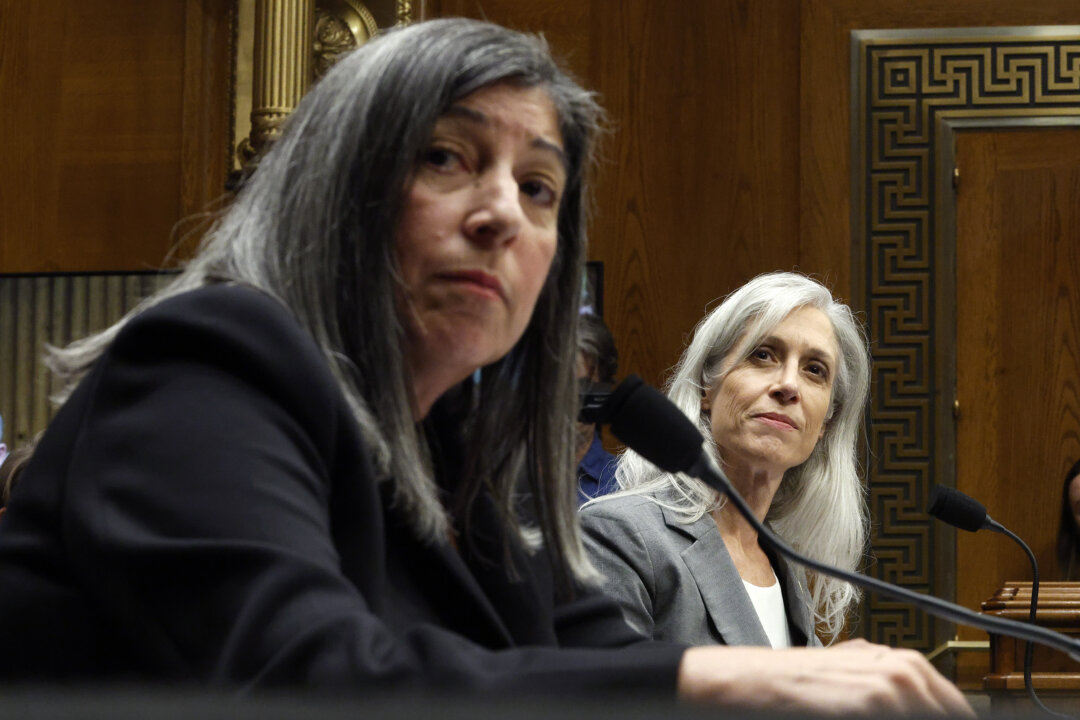
Dr. Debra Houry (L) and Susan Monarez in Washington on Sept. 17, 2025. Kevin Dietsch/Getty ImagesTwo former Centers for Disease Control and Prevention officials have joined the California government to…
Like
Comment
Share
YubNub News
YubNub News
3 w

White House Brings Back ‘Merry Christmas’ with Patriotic Honors
Favicon 
yubnub.news

White House Brings Back ‘Merry Christmas’ with Patriotic Honors

The White House unveiled its “Merry Christmas, America” website, an effort highlighting contributions that have shaped the nation. “Over twelve days, we’re highlighting moments of design, innovation,…
Like
Comment
Share
YubNub News
YubNub News
3 w

Op-Ed Defends National Reciprocity
Favicon 
yubnub.news

Op-Ed Defends National Reciprocity

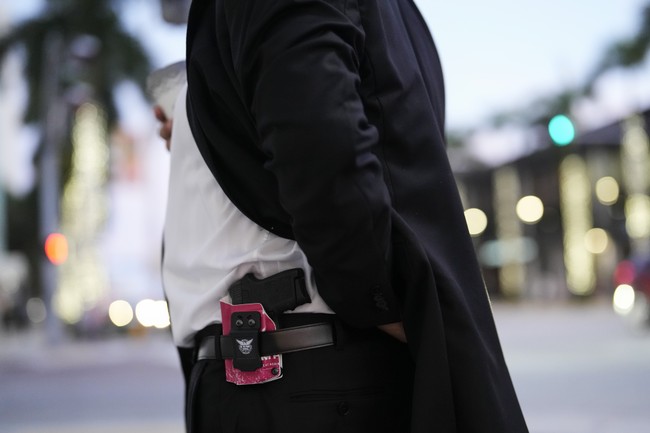
In the wake of both the Brown University shooting and what happened at a beach at Bondi Beach in Australia are, without a doubt, terrible. At a time like this, it would be easy to focus on these two awful…
Like
Comment
Share
Survival Prepper
Survival Prepper  
3 w

Your Tattoo Isn’t Just Ink… It’s Quietly Reprogramming Your Immune System
Favicon 
prepping.com

Your Tattoo Isn’t Just Ink… It’s Quietly Reprogramming Your Immune System

<span style="display: inline-block; width: 0px; overflow: hidden; line-height: 0;" data-mce-type="bookmark" class="mce_SELRES_start"></span> The Dark Secret Tattoo Artists Never Mention: Where Your Ink Really Ends Up Tattoo ink doesn’t just sit quietly in your skin like paint sealed under glass. Once it’s injected, it moves. It travels. And in ways most people—and most doctors—rarely think about, it reshapes how your immune system behaves for months or even years afterward. New research using mice, human immune cells, and real human lymph node samples shows that tattoo ink particles migrate into nearby lymph nodes, accumulate there, kill key immune cells, and drive long-lasting inflammation. Even more striking, that ink-driven immune remodeling can weaken responses to mRNA vaccines like COVID-19 shots—while paradoxically boosting responses to more traditional vaccines like the flu shot. In short, tattoos aren’t immunologically neutral. They leave fingerprints deep inside the body’s immune plumbing. The Hidden Journey of Tattoo Ink Tattoo ink doesn’t just color your skin – it can seep into your lymph nodes, stoke silent inflammation, and may even nudge cancer risk over time. When a tattoo needle repeatedly punctures the skin, it deposits microscopic pigment particles far below the surface. Those particles don’t stay politely where they’re placed. Instead, the body treats them like foreign debris. Almost immediately, lymphatic vessels—the immune system’s drainage channels—begin sweeping loose ink particles away from the tattoo site. These vessels funnel everything they collect into the nearest lymph nodes, which act like biological checkpoints, constantly sampling what flows through tissues. In this study, researchers tattooed small areas on the feet of mice using black, red, or green ink and watched what happened next. Within minutes, ink was visibly streaming through lymphatic vessels. Within 24 hours, the draining lymph nodes were swollen, darkened, and packed with pigment. Over the following weeks, the buildup didn’t stop. Ink continued accumulating for at least two months. What looks like a small patch of body art on the outside quickly becomes a permanent fixture inside immune organs you never see. Lymph Nodes Turned Into Pigment Traps Inside those ink-darkened lymph nodes, the pigment didn’t float freely. It ended up exactly where you wouldn’t want chronic debris to land: inside macrophages. Macrophages are the immune system’s heavy lifters—the “vacuum cleaners” that engulf pathogens, debris, and dying cells. In lymph nodes, medullary macrophages sit in key filtering zones, intercepting whatever drains in from surrounding tissues. Under the microscope, these macrophages were crammed with ink granules. Some fused into oversized, multinucleated giant cells, swollen with pigment like overstuffed trash bags. Importantly, this wasn’t just a mouse phenomenon. Human lymph node biopsies from tattooed individuals showed the same ink-loaded macrophages and giant cells, confirming that what researchers observed in animals mirrors what’s happening quietly in people. Ink doesn’t fade away. It gets archived inside immune cells. When Pigment Becomes Toxic At first, macrophages responded to the pigment surge by multiplying. But that compensation didn’t last. As ink continued to accumulate, many macrophages began to die. In mouse lymph nodes, macrophage numbers rose, then sharply fell. Electron microscopy revealed ruptured membranes, cellular blebbing, and internal damage—classic signs of necrosis and apoptosis. To pinpoint the cause, scientists exposed mouse and human macrophages to tattoo ink in lab dishes. The cells eagerly swallowed the pigment. Then, depending on dose and color, they began lighting up with markers of cell death. Red and black inks were generally the most toxic, while green ink caused milder effects. In other words, tattoo ink isn’t just inert debris. In sufficient amounts, it directly kills the very immune cells tasked with maintaining order. A Slow-Burn Immune Fire When immune cells die in the wrong place, inflammation follows. And that’s exactly what unfolded in the ink-draining lymph nodes. Shortly after tattooing, immune traffic surged. B cells, T cells, natural killer cells, and dendritic cells flooded into the nodes as if responding to an alarm. At the same time, inflammatory signaling molecules spiked both locally and systemically. This response came in two waves. First, there was a sharp early burst of cytokines like IL-6 and chemokines that recruit immune cells. Then came a slower, lingering phase marked by molecules such as IL-1 and CXCL13—signals associated with chronic immune activation and lymphoid remodeling. Crucially, this inflammation didn’t fully resolve. Even two months after a single tattoo, inflammatory mediators remained elevated, and lymph node tissue showed ongoing cell proliferation precisely in areas stained with pigment. The immune system wasn’t returning to baseline. It was settling into a new, ink-shaped normal. Why Chronic Lymph Node Inflammation Matters Lymph nodes aren’t just passive filters. They’re command centers where immune decisions are made. Chronic inflammation inside them can tilt immune surveillance in subtle but important ways. The study’s authors note that long-term lymph node inflammation has been linked to higher cancer risk in other contexts. Recent epidemiological studies have also found associations between tattoo exposure and increased risk of malignant lymphoma. One inflammatory molecule that stayed persistently elevated after tattooing—IL-1—is known to help melanoma cells establish themselves in lymph nodes. That raises uncomfortable questions about whether ink-driven immune irritation could intersect with cancer spread or interfere with how well cancer immunotherapies work in tattooed patients. These findings don’t prove causation. But they make it harder to dismiss tattoos as biologically trivial. When Tattoos Collide With Vaccines The most immediate and practical implications emerged when researchers examined vaccine responses. In one experiment, mice received the Pfizer-BioNTech mRNA COVID-19 vaccine injected directly into tattooed skin—either a few days or a few months after tattooing. In both cases, antibody responses against the spike protein were significantly weaker than in non-tattooed mice, especially for IgG antibodies, which provide longer-term protection. Looking closer, researchers found that ink-loaded medullary macrophages in these animals captured less vaccine material, expressed less spike protein, and displayed fewer costimulatory molecules like CD80 and CD86—signals required to fully activate T cells. Put simply, pigment-stuffed macrophages were doing a worse job of teaching the immune system what to fight. Interestingly, tattoos may have helped those who received COVID-19 vaccines stay alive. Location Matters More Than You Think To test whether tattoos anywhere on the body caused this effect, researchers vaccinated another group of tattooed mice in a non-tattooed limb. The results were striking. When the vaccine drained to lymph nodes untouched by ink, antibody responses returned to normal. The problem wasn’t having a tattoo—it was sharing lymphatic real estate with one. Human immune cells told the same story. When macrophages from healthy donors were exposed to tattoo ink and mRNA vaccine in the lab, they processed less vaccine and stimulated weaker IgG responses from B cells. IgM responses were less affected, and red and green inks tended to interfere more strongly with early antibody production. When Ink Helps Instead of Hurts Interestingly, tattoo ink didn’t sabotage every vaccine. When researchers tested a UV-inactivated influenza vaccine—one that delivers ready-made viral components rather than mRNA—the results flipped. In this case, the inflammation created by tattooing acted like an adjuvant. Mice tattooed shortly before flu vaccination showed higher influenza-specific IgM levels and, in some cases, higher IgG as well. Even animals tattooed two months earlier mounted stronger IgG responses with black and red inks. The same inflammatory environment that dulled mRNA vaccines amplified vaccines that thrive on innate immune activation. Not All Inks Behave The Same Across nearly every experiment, black and red inks caused stronger macrophage death, more inflammation, and larger shifts in vaccine responses than green ink. That fits with long-standing dermatology observations. Red pigments are notorious for triggering skin reactions, while black and red inks tend to form larger, more persistent pigment aggregates. Complicating matters further, tattoo inks are chemical grab bags—mixtures of pigments, binders, solvents, and impurities that vary widely by brand and region. While the inks used in this study complied with European REACH regulations, looser oversight elsewhere means immune effects could differ dramatically from one bottle to the next. What This Means In The Real World None of this means tattoos automatically wreck your immune system or render vaccines less harmful. But it does mean tattoos are not biologically inert. Ink migrates. It accumulates in lymph nodes. It kills immune cells. And it reshapes immune signaling in ways that can either blunt or boost vaccine responses depending on how those vaccines work. For now, the most practical takeaway is simple: vaccine injections should avoid heavily tattooed areas, especially large or dense pieces that drain to the same lymph nodes the vaccine relies on. Longer term, these findings will likely fuel calls for tighter tattoo ink regulation, better labeling, and deeper investigation into how lifelong pigment exposure intersects with immunity, cancer risk, and modern vaccination strategies. Body art, it turns out, doesn’t just leave a mark on your skin. It leaves one on your immune system too.

Like
Comment
Share
Survival Prepper
Survival Prepper  
3 w

The Dark Side Of Your Morning Brew And How to Clean It Up
Favicon 
prepping.com

The Dark Side Of Your Morning Brew And How to Clean It Up

<span style="display: inline-block; width: 0px; overflow: hidden; line-height: 0;" data-mce-type="bookmark" class="mce_SELRES_start"></span> Before You Take Another Sip… Read This There’s something almost sacred about that first cup of coffee in the morning. Here along the Mississippi River, away from city noise and blinking screens, that smell drifting through the air feels earned. It’s often a quiet reward for stacking wood, feeding animals, or simply watching the light creep across the land. In my case, coffee warms my hands, sharpens my sleepy brain, and signals the start of another day. But beneath that familiar comfort, there’s a side of coffee most folks never stop to consider. As it turns out, your morning brew is a lot like the modern world itself — full of genuine benefits, tangled up with hidden compromises. Coffee delivers powerful antioxidants and proven health perks. Yet, mixed in with those earthy flavors can be mold toxins, chemical residues, and byproducts of modern processing. The good news? You don’t have to give up coffee to clean it up. With a few simple, old-school choices, you can keep the good stuff and leave the rest behind. What’s Really in That Cup Convenient cup, hidden cost: what else is brewing in your plastic pod coffee? To start with the good news, coffee earns its reputation as a health-promoting drink. Study after study shows that coffee is rich in phenolic acids and polyphenols — natural antioxidants linked to lower risks of type 2 diabetes, heart disease, liver disease, and even certain cancers. In many cases, coffee drinkers live longer than non-drinkers. Yet, like any crop grown on real soil and shipped across long distances, coffee can pick up some unwanted hitchhikers along the way. Depending on where and how it’s grown, dried, stored, roasted, and brewed, coffee may contain traces of mold toxins, pesticide residues, and heat-formed compounds. Most show up in tiny amounts, well below official safety limits. Still, folks who live closer to the land understand something city labels often ignore: small exposures add up over time. When you care about clean water, clean soil, and clean food, it makes sense to care about what’s floating in your daily cup. Mold in Your Mug Let’s tackle the ugliest concern first: mold. Coffee beans are agricultural products, and when they’re stored in warm, humid conditions, certain molds can grow. Some of these molds produce mycotoxins — compounds known to stress the kidneys, suppress immunity, and, in high exposures, raise cancer risk. In one European analysis, researchers detected nearly thirty different mycotoxins across coffee and chicory samples. That sounds alarming — until you look closer. Roasting dramatically reduces mycotoxin levels, often by more than half. For most healthy people, exposure remains low. Still, if your immune system is already taxed, or you’re dealing with chronic inflammation or environmental toxin load, mold exposure becomes more relevant. That’s why many off-grid coffee drinkers skip pre-ground beans and store whole ones themselves — sealed in glass jars, kept cool, dark, and dry. That simple habit doesn’t just preserve flavor. It shuts down the very conditions mold needs to grow. The Heat Trade-Off Of course, roasting solves one problem while creating another. When coffee beans are heated above about 250°F, a compound called acrylamide forms. In lab studies, acrylamide can damage nerves and DNA. In real-world diets, coffee remains a minor source compared to fried or burned foods — but it’s still worth understanding. Think of acrylamide like charred toast. Not something to panic over, but also not something you want piling up daily. Fortunately, coffee gives you options. Darker roasts contain less acrylamide than lighter ones because the compound breaks down as roasting continues. Arabica beans also tend to produce less acrylamide than cheaper robusta varieties. If you roast at home, slower, controlled roasts help keep levels lower. And if you buy beans, choosing medium-dark to dark roasts quietly solves much of the problem. The Good and the Bad Oils Coffee beans naturally contain plant oils called diterpenes — mainly cafestol and kahweol. These oils give coffee its rich mouthfeel and depth. They also come with a trade-off. Unfiltered brewing methods — French press, cowboy coffee, Turkish coffee — allow those oils straight into your cup. In some people, that can raise LDL cholesterol. Paper filters trap most of these oils, which is why filtered coffee shows a gentler cholesterol profile. Here’s the twist: those same oils also carry antioxidant and anti-inflammatory benefits. So this isn’t about fear — it’s about balance. If you love French press coffee by the wood stove, enjoy it. Just don’t make it the only way you brew. Rotating in filtered coffee keeps things working with your body instead of against it. The Pesticide Puzzle Modern coffee farming spans the globe — and not all farms play by the same rules. In large-scale production, pesticides and herbicides are common. Surveys of coffee beans have detected residues from dozens of agricultural chemicals. Most fall within legal limits, but no label accounts for cumulative exposure from food, water, air, and household products. Even organic coffee isn’t bulletproof. Drift from neighboring farms can contaminate crops. Still, certified organic beans or direct-trade sources remain your best bet for minimizing chemical load. Interestingly, brewing method matters here too. Espresso — with its short contact time and high pressure — tends to extract fewer pesticide residues than long boiling or percolation. That small, intense shot might be cleaner than it looks. Convenience with a Catch In the rush of modern life, pod machines promise speed and simplicity. But that convenience comes with baggage. Single-serve plastic pods can leach PFAS — so-called “forever chemicals” — along with other industrial compounds into hot liquids. Heat and pressure accelerate that process. These chemicals linger in the body and environment and have been linked to hormonal disruption and certain cancers. That’s why many health-conscious households skip pods entirely. Hand-grinding beans. Heating water on a stove. Using a pour-over or simple drip setup. No plastic. No waste. No chemical surprises. Sometimes the old ways really are cleaner. The Truth About Flavors and Decaf Flavored coffees may smell amazing, but they come at a cost. Artificial flavoring often strips away beneficial antioxidants while increasing heat-formed byproducts like acrylamide. If you want flavor, nature already has you covered. Cinnamon, nutmeg, vanilla extract, or even a pinch of cocoa add depth without chemical baggage. Decaf deserves its own caution. Some producers still use methylene chloride — a chemical solvent — to remove caffeine. While debate continues, long-term studies have raised concerns, particularly in men. If you go decaf, choose water-processed or carbon dioxide-processed beans. They cost a bit more, but they skip the solvent step entirely. When Instant Isn’t So Easy Instant coffee is great for emergencies. It packs light, brews fast, and works anywhere there’s hot water. But research suggests daily instant coffee consumption may increase inflammation and raise the risk of age-related eye conditions in genetically susceptible people. Scientists suspect the dehydration process creates compounds that stress the body over time. Keep instant coffee in the emergency kit — not as a daily ritual. Add-Ins That Undo the Benefits Coffee’s health perks vanish quickly when buried under sugar and cream. Studies show the heart-protective effects of coffee disappear when sweetened heavily. Non-dairy creamers often rely on hydrogenated oils and emulsifiers that disrupt gut health and fuel inflammation. Artificial sweeteners don’t escape scrutiny either. Emerging research links some to metabolic dysfunction and increased clot risk. If you need sweetness, stick close to nature. Raw honey. Maple syrup. Maybe some molasses. A pinch of stevia leaf. Small amounts go a long way. A Cleaner Way to Drink Coffee For people who value independence, coffee is easiest to clean up when you control it. Buy whole beans. Store them in an airtight glass. Choose organic or transparent growers. Brew with paper filters. Favor darker roasts. Skip plastics and artificial add-ins. These small habits don’t just protect your health. They build resilience — the same quiet self-reliance that defines off-grid living. Because coffee isn’t just a drink. Yep, the smell of beans at dawn. The pause before the work begins. When you take charge of what’s in that cup, you’re not just drinking better coffee — you’re reclaiming a little freedom, one steady sip at a time.
Like
Comment
Share
Survival Prepper
Survival Prepper  
3 w

Being Broke is a Choice
Favicon 
prepping.com

Being Broke is a Choice

*Being wise doesn't mean you are great at everything - In fact, for men, it most likely means you have only learned many painful lessons in life. We can learn from others' silly mistakes, or we can fall into the same traps. The same is true with finances* It's a rerun - deal with it *My Gear Recommendations:* https://www.amazon.com/shop/gruntproof *HHV Helmet:* https://spn.so/l/g64113jn *Mags:* https://magpul.com/?avad=384221_b44c2d7ed *Lead:* https://alnk.to/9IfLro8 https://alnk.to/gKS4G1Q https://alnk.to/5FckSEA *Optics:* https://alnk.to/eDSYUfC Tactical Equipment: https://alnk.to/clZ89Bw *Medical:* https://alnk.to/4BHMZIX *Holsters:* https://alnk.to/e78HXM2 https://alnk.to/2uIHdX6 https://alnk.to/1N3FiI9 #gruntproof
Like
Comment
Share
Showing 2528 out of 105224
  • 2524
  • 2525
  • 2526
  • 2527
  • 2528
  • 2529
  • 2530
  • 2531
  • 2532
  • 2533
  • 2534
  • 2535
  • 2536
  • 2537
  • 2538
  • 2539
  • 2540
  • 2541
  • 2542
  • 2543
Advertisement
Stop Seeing These Ads

Edit Offer

Add tier


Select an image
Delete your tier
Are you sure you want to delete this tier?

Reviews

In order to sell your content and posts, start by creating a few packages. Monetization

Pay By Wallet

Payment Alert

You are about to purchase the items, do you want to proceed?

Request a Refund