YubNub Social YubNub Social
    #astronomy #police #nightsky #florida #law #racism #electionfraud #voterfraud #civilrights #funny #lawsuit #jupiter #lies #policemisconduct #venus
    Advanced Search
  • Login
  • Register

  • Night mode
  • © 2026 YubNub Social
    About • Directory • Contact Us • Developers • Privacy Policy • Terms of Use • shareasale • FB Webview Detected • Android • Apple iOS • Get Our App

    Select Language

  • English
Community
New Posts (Home) ChatBox Popular Posts Reels Game Zone Top PodCasts
Explore
Explore
© 2026 YubNub Social
  • English
About • Directory • Contact Us • Developers • Privacy Policy • Terms of Use • shareasale • FB Webview Detected • Android • Apple iOS • Get Our App
Advertisement
Stop Seeing These Ads

Discover posts

Posts

Users

Pages

Blog

Market

Events

Games

Forum

Daily Caller Feed
Daily Caller Feed
1 y

Heat Players Find Out Jimmy Butler Has Been Traded In Hilariously Bizarre Way
Favicon 
dailycaller.com

Heat Players Find Out Jimmy Butler Has Been Traded In Hilariously Bizarre Way

The NBA trade deadline has brought us nothing but utter insanity
Like
Comment
Share
Daily Caller Feed
Daily Caller Feed
1 y

FACT CHECK: Is The FDA Banning Cosmic Brownies?
Favicon 
checkyourfact.com

FACT CHECK: Is The FDA Banning Cosmic Brownies?

A post shared on Facebook claims the U.S. Food and Drug Administration (FDA) is purportedly banning Cosmic Brownies. Verdict: False The claim is false. The FDA is banning red dye No. 3, not Cosmic Brownies, according to VERIFY. Fact Check: The FDA recently approved Journavx, a non-opioid painkiller that treats “moderate to severe acute, or […]
Like
Comment
Share
Survival Prepper
Survival Prepper  
1 y

Prepping to Repair: Building Resilience
Favicon 
www.theorganicprepper.com

Prepping to Repair: Building Resilience

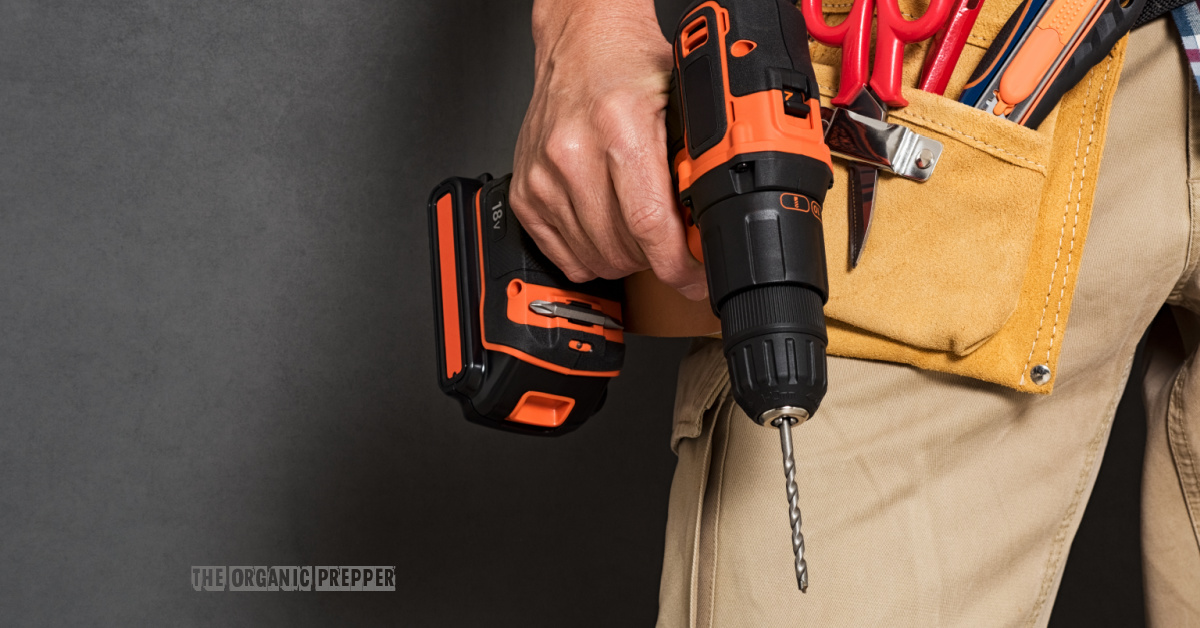
The (stereo)-typical prepper focus often gravitates toward stockpiling consumables. All types of consumables: food, water, medicine, and essential supplies. Mostly, vital items for immediate or medium-term survival, of course. We would be crazy not to do it this way, though! But those of us who’ve been through a couple of tight spots know it´s not enough. My experiences over these last 7 years have taught me that true resilience lies in the ability to maintain and repair the tools and infrastructure that sustain our production activities over a long-term scheme. This shift in focus, from simply acquiring supplies and parts to mastering the skills to repair and maintain them, is what we term “Prepping to Repair.” Here’s why Imagine a scenario where access to readily available parts and expert services is severely limited or non-existent and for an undetermined period. Broken tractors and harvesters crippling farms, a malfunctioning generator can leave a community in darkness, and damaged vehicles all over waiting for parts. Sure, there is a whole bunch of countries that could supply them. But how much time before the supply lines can be re-routed from different manufacturers? In Venezuela, we are trying very slowly to rebuild what once was our infrastructure. However, the foreign competition and the systematic dismantling the lefties executed, added to the crippling taxes of a State starving and hungry for foreign currency, it won´t be possible without major investments and legal reforms including dismantling the mafia structure in the customs, totally controlled by greenies. Then, lacking spare parts can (once again like in the lapse 2015-2021) leave us stranded. All this explanation is intended for you to understand how complicated things can get in a real crisis. People used to go to a shop and pick the part of the brand they want, are going to face a rude awakening. In such a situation, what we are going to need the most are things like the ability to diagnose problems, source alternative materials (which is challenging itself and demands lots of online time!), and the use of ingenious repair techniques becomes paramount. Invest in a couple of hard drives and save all the videos you can find on how to repair your equipment. Build a good folder structure so you can find them easily. It´s much better to dedicate some time to this than some other empty entertainment activity. I take great pleasure on working on my preps while listening to music, rather than going outside sometimes. Key Areas Automotive  Vehicles: Cars, trucks, motorcycles, and off-road vehicles. Unless you have someone to assist with the maintenance or repair, at least could learn on how to work on some basic stuff.  Skills: Basic engine mechanics, electrical systems, tire repair, welding, fabrication, and the ability to adapt and improvise using salvaged parts. If you can use a screwdriver, there is a ton of disassembling and cleaning you can do on your own, solving a bunch of common problems. Research first, of course, but keeping equipment clean saves troubles in the future. Tools: Comprehensive toolkits (wrenches, sockets, screwdrivers, pliers), voltmeters, multimeters, welding equipment, and a good set of repair manuals. This is VERY important. A good mechanic will attack the problem by opening the manual and using a scanner to diagnose with the suited equipment instead of randomly disassembling parts. Even old pros learn to use manuals and modern tools at their mature age. I have trouble finding mechanics that even have a set of torque wrenches. (We will talk about them in the next article with much more detail, as they are very necessary in any decent workshop) Fuel Systems: Knowledge of alternative fuels (biodiesel, ethanol), fuel storage and maintenance, and the ability to repair fuel lines, tuning up carburetors, understanding how the fuel injection works, and basic diagnostics. It´s not difficult, and there are courses you can follow. Machinery  The machines in the workshops, studios, ateliers, cobbler shops, and similar facilities. Leather/fabric sewing machines, looms, etc. Tractors, Combines, Balers This is where all the food production-related equipment is included. Meat saws, or whatever is in the chain. Skills: Hydraulics, engine repair, electrical systems, welding, and the ability to fabricate replacement parts using salvaged metal. Tools: Specialized tools for farm equipment, hydraulic jacks, and access to welding equipment. Power Generation  Generators (gas, diesel, solar): electricity in off-grid facilities and homesteads.  Skills: Engine repair, electrical troubleshooting, battery maintenance/building, solar panel repairs, and the ability to construct simple wind or water-powered generators. Tools: Voltmeters, multimeters, soldering irons, a basic understanding of electrical wiring, measuring calipers, micrometers, and if some mechanical works need precision, dial indicators for runout. A common skill that works for everything that needs a battery is being proficient in electrical systems. If you can (and have the cheap tools) to diagnose a starter battery and know how it works, you could even get some more juice out of it. Infrastructure  Buildings: Houses, barns, outbuildings. In this regard, that´s why I like simple constructions that don´t need a lot of specialization. I can make a stone wall by basically mixing very fluid cement, setting up two plywood sheets vertically, and throwing stones inside. So, I don´t need too many skills to build an entire permanent house. The rest is common sense, like plumbing, which is not hard either. There are many videos out there these days.  Drainage and sewage  I have seen many people paying good money for something they could have done with a shovel, a wheelbarrow, and some free time. With a little bit of practice, the drainage of water collectors is easy to install. With the crisis, I know many of my colleagues have done a lot of things by themselves, including basic masonry. Skills: Basic carpentry, masonry, roofing, plumbing, and electrical wiring. Tools: Hand saws, hammers, drills, screwdrivers, leveling rulers, and a variety of construction materials (wood, metal, concrete). Water Systems: Wells, pumps, rainwater collection/filtration and purification, and irrigation systems.  Skills: Water well maintenance, pump repair, plumbing, and the ability to construct and maintain simple water filtration systems. Tools: Pipe wrenches, plumbing tools, and the necessary materials for repairs. Communication  Radio Equipment: Ham radios, shortwave radios, and whatever other means of long-distance communication. Gaining proficiency in handling these devices is something that every single member of a group in a homestead should do. If they´re not operated or connected properly, can be damaged.  Skills: Radio operation, antenna construction and maintenance, and basic electronics repair and servicing. Tools: Soldering irons, multimeters, and a good understanding of radio frequencies. Building a “Repair Library” At this stage, we should have compiled a good library by now. Digital or physical, it´s irrelevant. But if your main power source fails and your battery rack is frozen, you can´t provide electricity to a tablet to read your workshop manual. So, I´d print everything and leave the digital backups in a safe place. Manuals: Acquire repair manuals for all vehicles, farm equipment, and appliances. Books: Invest in books on basic mechanics, electrical engineering, welding, woodworking, and other relevant skills. Online Resources: Utilize online forums, tutorials, and communities for sharing knowledge and troubleshooting. Clothing You may want to stash some important consumables: thread rolls for sewing shoes, the material used to sew holes in winter jackets, perhaps some patches, filling, and so on. Getting a few consumables of this kind on the cheap will save you not only time, but money, in the future. Prioritizing Repairability: When purchasing new equipment: Choose models known for their durability, ease of repair, and availability of replacement parts. Embrace older, simpler technologies: Older equipment is often more robust and easier to repair than modern, complex machines. Developing a “Repair Mindset” Embrace the challenge: View every broken item as an opportunity to learn and grow. I´ve found quite useful stuff at home that my father received for free and repaired with a couple of dollars, selling them after for a fair price. Experiment and innovate: Don’t be afraid to try unconventional solutions and adapt to unforeseen circumstances. Share knowledge: Teach others the skills you’ve acquired and foster a community of repairers. Prepping to Repair is not just about acquiring tools, consumables, and skills; it’s about cultivating and transmitting a mindset of resourcefulness, resilience, and self-reliance. It’s about recognizing that, in an environment where access to readily available resources may be limited, the ability to repair and maintain what we have is crucial for long-term survival and prosperity. This article provides a broad overview. Focus on what YOU need. Remember to tailor your focus to your specific needs and circumstances. But generally speaking, as long as your health allows it, you could do plenty of maintenance by yourself. Sadly, this is something we have to accept. Sooner or later we will need to repair something. By investing some time and resources in the skills and knowledge necessary to repair and maintain your essential equipment, you can significantly increase your chances of thriving in a challenging and uncertain future. Thanks for your reading! Stay safe, and keep tuned! J. About Jose Jose is an upper middle class professional. He is a former worker of the oil state company with a Bachelor’s degree from one of the best national Universities. He has an old but in good shape SUV, a good 150 square meters house in a nice neighborhood, in a small but (formerly) prosperous city with two middle size malls. Jose is a prepper and shares his eyewitness accounts and survival stories from the collapse of his beloved Venezuela. Jose and his younger kid are currently back in Venezuela, after the intention of setting up a new life in another country didn’t  go well. The SARSCOV2 re-shaped the labor market and South American economy so he decided to give it a try to homestead in the mountains, and make a living as best as possible. But this time in his own land, and surrounded by family, friends and acquaintances, with all the gear and equipment collected, as the initial plan was.  Follow Jose on YouTube and gain access to his exclusive content on Patreon. Donations: paypal.me/JoseM151 The post Prepping to Repair: Building Resilience appeared first on The Organic Prepper.
Like
Comment
Share
Survival Prepper
Survival Prepper  
1 y

Prepping to Repair: Building Resilience
Favicon 
www.theorganicprepper.com

Prepping to Repair: Building Resilience

The (stereo)-typical prepper focus often gravitates toward stockpiling consumables. All types of consumables: food, water, medicine, and essential supplies. Mostly, vital items for immediate or medium-term survival, of course. We would be crazy not to do it this way, though! But those of us who’ve been through a couple of tight spots know it´s not enough. My experiences over these last 7 years have taught me that true resilience lies in the ability to maintain and repair the tools and infrastructure that sustain our production activities over a long-term scheme. This shift in focus, from simply acquiring supplies and parts to mastering the skills to repair and maintain them, is what we term “Prepping to Repair.” Here’s why Imagine a scenario where access to readily available parts and expert services is severely limited or non-existent and for an undetermined period. Broken tractors and harvesters crippling farms, a malfunctioning generator can leave a community in darkness, and damaged vehicles all over waiting for parts. Sure, there is a whole bunch of countries that could supply them. But how much time before the supply lines can be re-routed from different manufacturers? In Venezuela, we are trying very slowly to rebuild what once was our infrastructure. However, the foreign competition and the systematic dismantling the lefties executed, added to the crippling taxes of a State starving and hungry for foreign currency, it won´t be possible without major investments and legal reforms including dismantling the mafia structure in the customs, totally controlled by greenies. Then, lacking spare parts can (once again like in the lapse 2015-2021) leave us stranded. All this explanation is intended for you to understand how complicated things can get in a real crisis. People used to go to a shop and pick the part of the brand they want, are going to face a rude awakening. In such a situation, what we are going to need the most are things like the ability to diagnose problems, source alternative materials (which is challenging itself and demands lots of online time!), and the use of ingenious repair techniques becomes paramount. Invest in a couple of hard drives and save all the videos you can find on how to repair your equipment. Build a good folder structure so you can find them easily. It´s much better to dedicate some time to this than some other empty entertainment activity. I take great pleasure on working on my preps while listening to music, rather than going outside sometimes. Key Areas Automotive  Vehicles: Cars, trucks, motorcycles, and off-road vehicles. Unless you have someone to assist with the maintenance or repair, at least could learn on how to work on some basic stuff.  Skills: Basic engine mechanics, electrical systems, tire repair, welding, fabrication, and the ability to adapt and improvise using salvaged parts. If you can use a screwdriver, there is a ton of disassembling and cleaning you can do on your own, solving a bunch of common problems. Research first, of course, but keeping equipment clean saves troubles in the future. Tools: Comprehensive toolkits (wrenches, sockets, screwdrivers, pliers), voltmeters, multimeters, welding equipment, and a good set of repair manuals. This is VERY important. A good mechanic will attack the problem by opening the manual and using a scanner to diagnose with the suited equipment instead of randomly disassembling parts. Even old pros learn to use manuals and modern tools at their mature age. I have trouble finding mechanics that even have a set of torque wrenches. (We will talk about them in the next article with much more detail, as they are very necessary in any decent workshop) Fuel Systems: Knowledge of alternative fuels (biodiesel, ethanol), fuel storage and maintenance, and the ability to repair fuel lines, tuning up carburetors, understanding how the fuel injection works, and basic diagnostics. It´s not difficult, and there are courses you can follow. Machinery  The machines in the workshops, studios, ateliers, cobbler shops, and similar facilities. Leather/fabric sewing machines, looms, etc. Tractors, Combines, Balers This is where all the food production-related equipment is included. Meat saws, or whatever is in the chain. Skills: Hydraulics, engine repair, electrical systems, welding, and the ability to fabricate replacement parts using salvaged metal. Tools: Specialized tools for farm equipment, hydraulic jacks, and access to welding equipment. Power Generation  Generators (gas, diesel, solar): electricity in off-grid facilities and homesteads.  Skills: Engine repair, electrical troubleshooting, battery maintenance/building, solar panel repairs, and the ability to construct simple wind or water-powered generators. Tools: Voltmeters, multimeters, soldering irons, a basic understanding of electrical wiring, measuring calipers, micrometers, and if some mechanical works need precision, dial indicators for runout. A common skill that works for everything that needs a battery is being proficient in electrical systems. If you can (and have the cheap tools) to diagnose a starter battery and know how it works, you could even get some more juice out of it. Infrastructure  Buildings: Houses, barns, outbuildings. In this regard, that´s why I like simple constructions that don´t need a lot of specialization. I can make a stone wall by basically mixing very fluid cement, setting up two plywood sheets vertically, and throwing stones inside. So, I don´t need too many skills to build an entire permanent house. The rest is common sense, like plumbing, which is not hard either. There are many videos out there these days.  Drainage and sewage  I have seen many people paying good money for something they could have done with a shovel, a wheelbarrow, and some free time. With a little bit of practice, the drainage of water collectors is easy to install. With the crisis, I know many of my colleagues have done a lot of things by themselves, including basic masonry. Skills: Basic carpentry, masonry, roofing, plumbing, and electrical wiring. Tools: Hand saws, hammers, drills, screwdrivers, leveling rulers, and a variety of construction materials (wood, metal, concrete). Water Systems: Wells, pumps, rainwater collection/filtration and purification, and irrigation systems.  Skills: Water well maintenance, pump repair, plumbing, and the ability to construct and maintain simple water filtration systems. Tools: Pipe wrenches, plumbing tools, and the necessary materials for repairs. Communication  Radio Equipment: Ham radios, shortwave radios, and whatever other means of long-distance communication. Gaining proficiency in handling these devices is something that every single member of a group in a homestead should do. If they´re not operated or connected properly, can be damaged.  Skills: Radio operation, antenna construction and maintenance, and basic electronics repair and servicing. Tools: Soldering irons, multimeters, and a good understanding of radio frequencies. Building a “Repair Library” At this stage, we should have compiled a good library by now. Digital or physical, it´s irrelevant. But if your main power source fails and your battery rack is frozen, you can´t provide electricity to a tablet to read your workshop manual. So, I´d print everything and leave the digital backups in a safe place. Manuals: Acquire repair manuals for all vehicles, farm equipment, and appliances. Books: Invest in books on basic mechanics, electrical engineering, welding, woodworking, and other relevant skills. Online Resources: Utilize online forums, tutorials, and communities for sharing knowledge and troubleshooting. Clothing You may want to stash some important consumables: thread rolls for sewing shoes, the material used to sew holes in winter jackets, perhaps some patches, filling, and so on. Getting a few consumables of this kind on the cheap will save you not only time, but money, in the future. Prioritizing Repairability: When purchasing new equipment: Choose models known for their durability, ease of repair, and availability of replacement parts. Embrace older, simpler technologies: Older equipment is often more robust and easier to repair than modern, complex machines. Developing a “Repair Mindset” Embrace the challenge: View every broken item as an opportunity to learn and grow. I´ve found quite useful stuff at home that my father received for free and repaired with a couple of dollars, selling them after for a fair price. Experiment and innovate: Don’t be afraid to try unconventional solutions and adapt to unforeseen circumstances. Share knowledge: Teach others the skills you’ve acquired and foster a community of repairers. Prepping to Repair is not just about acquiring tools, consumables, and skills; it’s about cultivating and transmitting a mindset of resourcefulness, resilience, and self-reliance. It’s about recognizing that, in an environment where access to readily available resources may be limited, the ability to repair and maintain what we have is crucial for long-term survival and prosperity. This article provides a broad overview. Focus on what YOU need. Remember to tailor your focus to your specific needs and circumstances. But generally speaking, as long as your health allows it, you could do plenty of maintenance by yourself. Sadly, this is something we have to accept. Sooner or later we will need to repair something. By investing some time and resources in the skills and knowledge necessary to repair and maintain your essential equipment, you can significantly increase your chances of thriving in a challenging and uncertain future. Thanks for your reading! Stay safe, and keep tuned! J. About Jose Jose is an upper middle class professional. He is a former worker of the oil state company with a Bachelor’s degree from one of the best national Universities. He has an old but in good shape SUV, a good 150 square meters house in a nice neighborhood, in a small but (formerly) prosperous city with two middle size malls. Jose is a prepper and shares his eyewitness accounts and survival stories from the collapse of his beloved Venezuela. Jose and his younger kid are currently back in Venezuela, after the intention of setting up a new life in another country didn’t  go well. The SARSCOV2 re-shaped the labor market and South American economy so he decided to give it a try to homestead in the mountains, and make a living as best as possible. But this time in his own land, and surrounded by family, friends and acquaintances, with all the gear and equipment collected, as the initial plan was.  Follow Jose on YouTube and gain access to his exclusive content on Patreon. Donations: paypal.me/JoseM151 The post Prepping to Repair: Building Resilience appeared first on The Organic Prepper.

Like
Comment
Share
Hot Air Feed
Hot Air Feed
1 y

USAID Is a Trap For Democrats
Favicon 
hotair.com

USAID Is a Trap For Democrats

USAID Is a Trap For Democrats
Like
Comment
Share
Hot Air Feed
Hot Air Feed
1 y

CNN: Let's Face It -- Trump Has Defeated Senate Dems
Favicon 
hotair.com

CNN: Let's Face It -- Trump Has Defeated Senate Dems

CNN: Let's Face It -- Trump Has Defeated Senate Dems
Like
Comment
Share
NewsBusters Feed
NewsBusters Feed
1 y

CNN Touts Efforts to Help Illegal Aliens Hide from ICE
Favicon 
www.newsbusters.org

CNN Touts Efforts to Help Illegal Aliens Hide from ICE

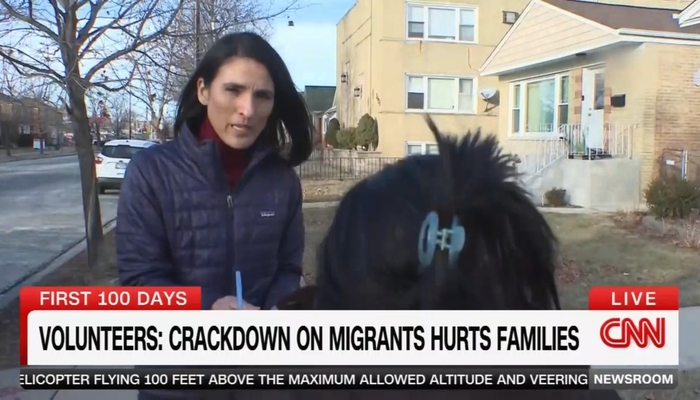
Over the weekend, CNN viewers several times got to see a pre-recorded piece in which reporter Rosa Flores rode with a liberal activist in Chicago who helps illegal aliens hide from ICE by delivering food to their homes. The report first aired on Saturday afternoon with weekend host Fredricka Whitfield setting it up thusly: "While President Trump is making good on his promise to deport undocumented migrants, volunteers across the country are working to make sure those hiding from law enforcement are getting fed. CNN's Rosa Flores rides along with one of those volunteers in Chicago." As Flores was seen riding with a woman whom she identified as "Sam," the CNN reporter was heard noting in a voiceover that her identity was being kept hidden: "Sam is not her real name. She asked CNN not to reveal her identity for fear of retaliation." Another voiceover soon filled in viewers: ROSA FLORES:  She volunteers to deliver groceries to undocumented migrant families, many seeking asylum, in the Chicago area, who have stopped going to work, to school, and to the store for fear of deportation. Every delivery costs $80 to $100. Sam says she has made up to 15 deliveries since Trump took office. Then came a clip of the two of them speaking during the ride: FLORES (to Sam): So some of these families that you visit haven't left their homes since Trump took office? SAM: Yes. FLORES: Since Inauguration Day? SAM: Yeah. Flores then noted that Sam has been receiving more requests for food deliveries since ICE began its recent raids in Chicago: "Sam says her nonprofit has received dozens of requests from migrant families since the ICE enforcement blitz started. Chicago police say more than 100 people have been arrested in the metro area. This day, Sam's meeting a Venezuelan mom of three teens." The CNN reporter was then seen speaking with one of the women who received groceries: FLORES (voiceover): This Venezuelan mother was waiting outside. She doesn't want us to use her real name. She arrived in the U.S. 17 months ago seeking asylum. FLORES (speaking to unidentified woman): So you've been in your apartment for two weeks? (asks question in Spanish and then translates) Do you send your family to school? UNIDENTIFIED WOMAN: No.  The report concluded with Sam discussing her fears of her own son being targeted by ICE even though both she and her son are U.S. citizens. At no point was it questioned whether such activity helping illegal aliens to stay hidden from ICE violates the law...or whether some of the hidden have criminal convictions.  The report was repeated on Sunday's CNN This Morning Weekend and again on Sunday afternoon. Transcripts follow: CNN Newsroom February 1, 2025 3:24 p.m. Eastern FREDRICKA WHITFIELD: While President Trump is making good on his promise to deport undocumented migrants, volunteers across the country are working to make sure those hiding from law enforcement are getting fed. CNN's Rosa Flores rides along with one of those volunteers in Chicago. ROSA FLORES (voiceover): What might appear to be a simple case of extreme stockpiling is actually the preamble to an emotional day. FLORES: (sitting in a car speaking with the driver): Sam, first of all, thank you so much for doing this. FLORES (voiceover): Sam is not her real name. She asked CNN not to reveal her identity for fear of retaliation.  FLORES (to Sam): Could you tell us where we're going? SAM: To an apartment to drop off groceries for a mother and three children. They only have enough groceries for the day, and then, after that, it is bare cabinets, empty fridge. FLORES (voiceover): She volunteers to deliver groceries to undocumented migrant families, many seeking asylum, in the Chicago area, who have stopped going to work, to school, and to the store for fear of deportation. Every delivery costs $80 to $100. Sam says she has made up to 15 deliveries since Trump took office. FLORES (to Sam): So some of these families that you visit haven't left their homes since Trump took office? SAM: Yes. FLORES: Since Inauguration Day? SAM: Yeah. FLORES (voiceover): Sam says her nonprofit has received dozens of requests from migrant families since the ICE enforcement blitz started. Chicago police say more than 100 people have been arrested in the metro area. This day, Sam's meeting a Venezuelan mom of three teens. FLORES (to Sam): So we're pretty close. What's usually your plan? SAM: So usually I will notify them on WhatsApp that I'm outside. FLORES: What touches your heart the most? SAM: The fact that our site is feeding into this propaganda that it's criminals, and yet what I'm seeing is that it's families. FLORES (voiceover): Families like hers, she says. Sam's mom is Mexican American -- her dad is indigenous. She says she sees herself in the children of the mothers she serves. SAM: It is very emotional work. If we're not stepping up, no one is feeding these families. FLORES (voiceover): This Venezuelan mother was waiting outside. She doesn't want us to use her real name. She arrived in the U.S. 17 months ago seeking asylum. FLORES (speaking to unidentified woman): So you've been in your apartment for two weeks? (asks question in Spanish and then translates) Do you send your family to school? UNIDENTIFIED WOMAN: No.  FLORES: No. (woman then speaks Spanish) Why don't you send them to school? WOMAN: Por miedo. FLORES: Because of the fear? WOMAN: Si. SUPERINTENDENT LARRY SNELLING, CHICAGO POLICE DEPARTMENT: With this level of fear -- FLORES (voiceover): Chicago's police superintendent acknowledged the fear in immigrant communities could impact public safety. SNELLING: -- I'm pretty sure that there are some people who have not stepped up and reported a crime that may have been committed against them out of fear. SAM: It's -- it's heartbreaking. FLORES (voiceover): Sam says it's not just undocumented moms who are in fear for their children. FLORES (to Sam):  What did you tell your son to say? SAM: If he was questioned by ICE, I told him to say, "I'm an American citizen -- please call my mom." FLORES (voiceover): She and her 10-year-old son are both U.S. citizens. SAM: It breaks my heart. FREDRICKA WHITFIELD: Rosa Flores, thank you so much. (...) CNN This Morning Weekend February 2, 2025 6:49 a.m. AMARA WALKER: Now, while President Trump is making good on his promise to deport undocumented migrants, volunteers across the country are working to make sure those hiding from law enforcement are getting fed. CNN correspondent Rosa Flores has more. (Rosa Flores report is repeated.) (...) CNN Newsroom February 2, 2025 5:42 p.m. JESSICA DEAN: President Trump's promise to deport illegal migrants has terrified a lot of people across the U.S. Some undocumented families have been too frightened to leave their homes since Trump took office, and our Rosa Flores rode along with a volunteer in Chicago who was working to ensure that those in hiding get what they need to survive. (Rosa Flores report is repeated.)
Like
Comment
Share
Twitchy Feed
Twitchy Feed
1 y

Buh-Bye: Pete Hegseth Shares Video of First 'High-Threat' Criminal Illegals Arriving at Gitmo
Favicon 
twitchy.com

Buh-Bye: Pete Hegseth Shares Video of First 'High-Threat' Criminal Illegals Arriving at Gitmo

Buh-Bye: Pete Hegseth Shares Video of First 'High-Threat' Criminal Illegals Arriving at Gitmo
Like
Comment
Share
RedState Feed
RedState Feed
1 y

Extreme EDS: Congresswomen Crash Meeting of Speaker Johnson and Treasury Sec. Bessent...Because DOGE!
Favicon 
redstate.com

Extreme EDS: Congresswomen Crash Meeting of Speaker Johnson and Treasury Sec. Bessent...Because DOGE!

Extreme EDS: Congresswomen Crash Meeting of Speaker Johnson and Treasury Sec. Bessent...Because DOGE!
Like
Comment
Share
RedState Feed
RedState Feed
1 y

Joe Rogan Swipes Back at Kamala’s Team, Says They're Lying About Interview: ‘Trying to Cover Their A**’
Favicon 
redstate.com

Joe Rogan Swipes Back at Kamala’s Team, Says They're Lying About Interview: ‘Trying to Cover Their A**’

Joe Rogan Swipes Back at Kamala’s Team, Says They're Lying About Interview: ‘Trying to Cover Their A**’
Like
Comment
Share
Showing 65271 out of 125788
  • 65267
  • 65268
  • 65269
  • 65270
  • 65271
  • 65272
  • 65273
  • 65274
  • 65275
  • 65276
  • 65277
  • 65278
  • 65279
  • 65280
  • 65281
  • 65282
  • 65283
  • 65284
  • 65285
  • 65286
Advertisement
Stop Seeing These Ads

Edit Offer

Add tier


Select an image
Delete your tier
Are you sure you want to delete this tier?

Reviews

In order to sell your content and posts, start by creating a few packages. Monetization

Pay By Wallet

Payment Alert

You are about to purchase the items, do you want to proceed?

Request a Refund