YubNub Social YubNub Social
    #music #tew #tuba #euphonium #militarymusic #armymusic #armyband #satire #tew2026 #jazz #quartet #history #warmup #bigband #armyblues
    Advanced Search
  • Login
  • Register

  • Night mode
  • © 2026 YubNub Social
    About • Directory • Contact Us • Developers • Privacy Policy • Terms of Use • shareasale • FB Webview Detected • Android • Apple iOS • Get Our App

    Select Language

  • English
Night mode toggle
Featured Content
Community
New Posts (Home) ChatBox Popular Posts Reels Game Zone Top PodCasts
Explore
Explore
© 2026 YubNub Social
  • English
About • Directory • Contact Us • Developers • Privacy Policy • Terms of Use • shareasale • FB Webview Detected • Android • Apple iOS • Get Our App
Advertisement
Stop Seeing These Ads

Discover posts

Posts

Users

Pages

Blog

Market

Events

Games

Forum

Intel Uncensored
Intel Uncensored
4 d

New Evidence Crushes Epstein ‘Suicide’ Narrative
Favicon 
www.sgtreport.com

New Evidence Crushes Epstein ‘Suicide’ Narrative

by Frank Bergman, Slay News: Newly released documents from the Jeffrey Epstein files are raising fresh doubts about the official claim that the disgraced financier “killed himself” in a Manhattan federal jail cell in 2019. The documents show that FBI investigations uncovered evidence of suspicious activities by one of Epstein’s prison guards. However, this information […]
Like
Comment
Share
The Lighter Side
The Lighter Side
4 d

The DIY Solar Revolution Is Coming to U.S. Balconies
Favicon 
reasonstobecheerful.world

The DIY Solar Revolution Is Coming to U.S. Balconies

This story was originally published by Canary Media, an independent, nonprofit newsroom covering the transition to clean energy and solutions to the climate crisis. Last October, Reasons to be Cheerful covered the game-changing potential of balcony solar in Germany. We are now republishing Canary Media’s story to document how this solar technology is gaining ground in the U.S. Lauren Phillips’ balcony just became a power plant. A very small, carbon-free one. A few weeks ago, the attorney set up what may be the first plug-and-play solar panel in the Bronx. The 220-watt installation, which is secured to the balcony railing with zip ties, has been a boon for the co-op apartment owner and mother of two. “I have an enormous childcare bill every month. My electricity bills never go anything but up,” Phillips said. ​“Everywhere you turn, things are only getting more expensive.” Plug-in solar nonprofit Bright Saver, which provided the roughly $400 panel to Phillips at no cost, estimated that it will produce about 15 percent to 20 percent of the electricity her family uses and save her about $100 per year. Every time Phillips gazes at the device, she said, she’s amazed that ​“this is just a thing that I plugged in, and I’m generating my own power.” Phillips is one of the few intrepid Americans installing DIY solar without the permission of their utilities, taking advantage of a regulatory gray area. Only deep-red Utah has a law, passed in March 2025, that explicitly allows residents to plug in these devices. A few thousand households there have installed systems so far, Bright Saver said. But other states, including New York, could soon follow Utah’s lead and unleash much broader adoption of solar panels that plug into a standard 120-volt wall outlet. As of the end of last month, Democratic and Republican lawmakers in 28 states and Washington, D.C., have announced their own legislation to make these systems permissible, according to Bright Saver and other sources. As utility bills climb and contribute to broader cost-of-living challenges across the United States, legislators see the portable tech as an affordability tool. It literally empowers people, said New York Assemblymember Emily Gallagher, a Democrat who in September introduced a bill to pave the way for small-scale solar. “People are extremely enthusiastic about it,” noted Gallagher, a renter who longs for a plug-in system of her own. An 800-watt unit that costs $1,099 is capable of powering a fridge or a few small appliances for a sunny fraction of the day. That’s enough power to reduce bills for a New York household by $279 per year on average, Gallagher said. Assuming utility costs continue to rise, those savings could increase to $327 per year by 2035. Plug-in solar is already booming in Europe. As many as four million households in Germany have installed the systems, which people can order through Ikea. Weighed down by negative news? Our smart, bright, weekly newsletter is the uplift you’ve been looking for. [contact-form-7] But in the U.S., outside of Utah, the tech is stuck in regulatory limbo. While the systems aren’t illegal, utilities often require users to sign an interconnection agreement before plugging in solar — just as they would for a large rooftop array. And those agreements can require fees and take weeks to months to get. Utah did away with that interconnection requirement, so long as a nationally recognized testing laboratory certifies the solar device is safe to use. All the other legislation introduced since would do the same. “The technology has evolved, and the law hasn’t caught up yet,” Phillips said. Putting up her own system might be ​“an act of solar civil disobedience,” she mused. UL Solutions launched an initial testing protocol in January, which a panel of experts will refine in the coming months, according to Bernadette Del Chiaro, senior vice president for California of the nonprofit Environmental Working Group and former executive director of trade group California Solar and Storage Association. Last month, lawmakers in 28 states and Washington, D.C. announced legislation to make balcony solar systems permissible. Credit: alexgo.photography There’s a real hunger for plug-in solar, said Cora Stryker, co-founder of Bright Saver. Momentum for these devices is growing faster than she expected. Some zealous legislators announced bills out of the blue, Stryker noted. A few chambers even saw multiple lawmakers introduce plug-in solar bills independently of each other. Missouri state Rep. Mark Matthiesen, a Republican, sponsored a DIY solar bill in December. Electricity rates are climbing fast in his state; families who get a system could save $30 to $40 per month and break even in as little as 25 months, he said. “Then, everything beyond that is money back in your pocket,” said Matthiesen, who got rooftop solar panels in 2024. ​“If people can buy something to invest in themselves, to save them money down the road, then we as a government just need to let people do that.” Matthiesen heard about plug-in systems last year from fellow legislators when they met up at the site formerly known as the National Renewable Energy Laboratory in Golden, Colorado. As for South Carolina state Rep. Mike Burns, another Republican who recently introduced a balcony solar bill, it was a passionate constituent who tipped him off. Wait, you're not a member yet? Join the Reasons to be Cheerful community by supporting our nonprofit publication and giving what you can. Join Cancel anytime A few proposals, including those in Missouri, Washington State and Wyoming, have stalled. Some utilities have opposed legislation for permissionless systems, saying there are safety risks, including from energy being fed back to the grid and potentially overwhelming its capacity. Advocates, however, say that this argument ignores the physics of electricity. Because these are modest systems, which proposals generally cap at a size of 1,200 watts (that’s up to a sixth the size of the typical rooftop array), a home’s appliances will quickly gobble up the power they produce, according to Del Chiaro. Very little, if any, energy will flow back onto the distribution grid. Lauren Phillips points to her 220-watt plug-and-play solar panel in the Bronx. Photo courtesy of Lauren Phillips Balcony solar bills in New Hampshire, Vermont, New Jersey, and Illinois look on track to pass, according to Stryker. A proposal in California — a potentially massive market as the state with the second-highest electricity prices and largest state economy in the nation — is in committee. Stryker anticipates that still more lawmakers will announce legislation for the up-and-coming tech this year. For Phillips, balcony solar is more than a means to save money; it’s a step toward a healthier future. She’s a third-generation native of the Bronx, an area disproportionately burdened by noxious pollutants. “I was actually hospitalized with an asthma attack last year,” Phillips said. ​“For me, anything that we can do to green our power grid, to reduce pollution, is a matter of justice — especially for people who live where I live.” Phillips has been talking to friends and family about her mini power plant. ​“Everybody wants one,” she said. States simply need to pass their portable solar bills to open the floodgates, Phillips noted. “I can’t wait to see solar panels peeking out of everyone’s balcony.”   The post The DIY Solar Revolution Is Coming to U.S. Balconies appeared first on Reasons to be Cheerful.

Like
Comment
Share
Classic Rock Lovers
Classic Rock Lovers  
4 d

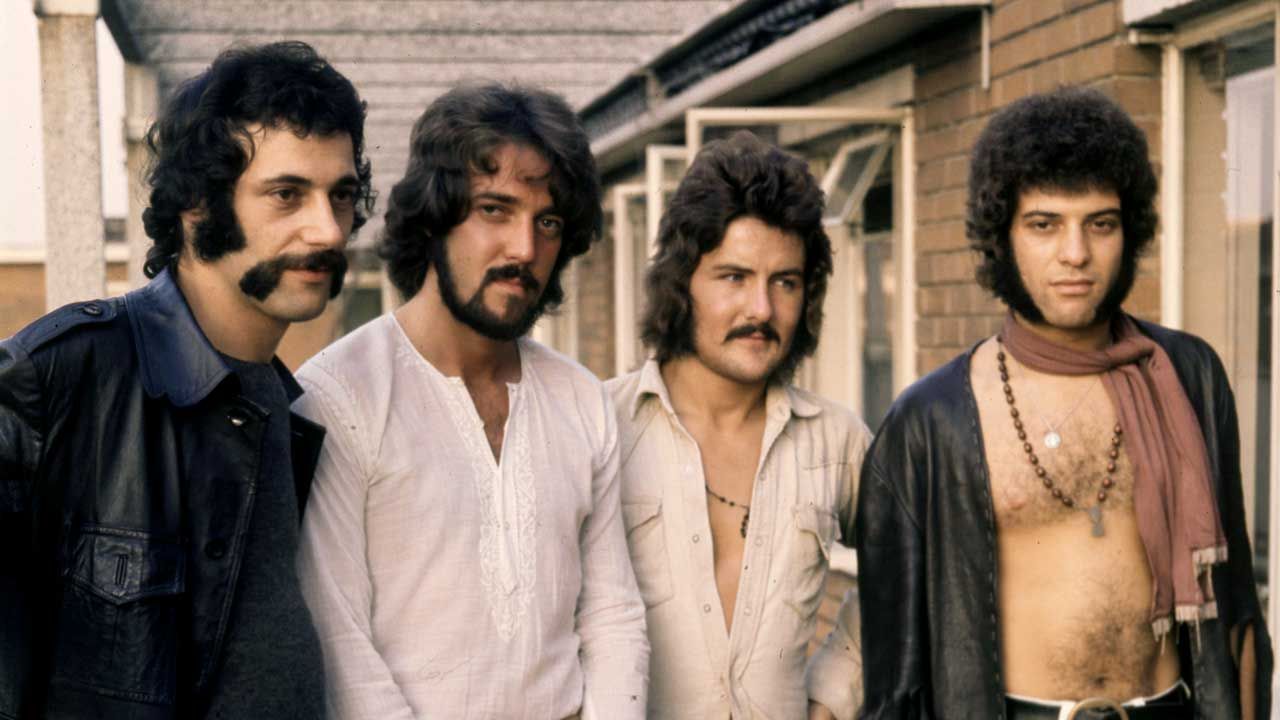
"I always took a flagon of cider on stage with me. When I'd finished drinking it I played the jug." The extraordinary story of the debut single that sold 73,000 copies before lunch and became a hit all over the world
Favicon 
www.loudersound.com

"I always took a flagon of cider on stage with me. When I'd finished drinking it I played the jug." The extraordinary story of the debut single that sold 73,000 copies before lunch and became a hit all over the world

How a song that wasn't considered to have potential as a single soundtracked the summer of 1970
Like
Comment
Share
The Lighter Side
The Lighter Side
4 d

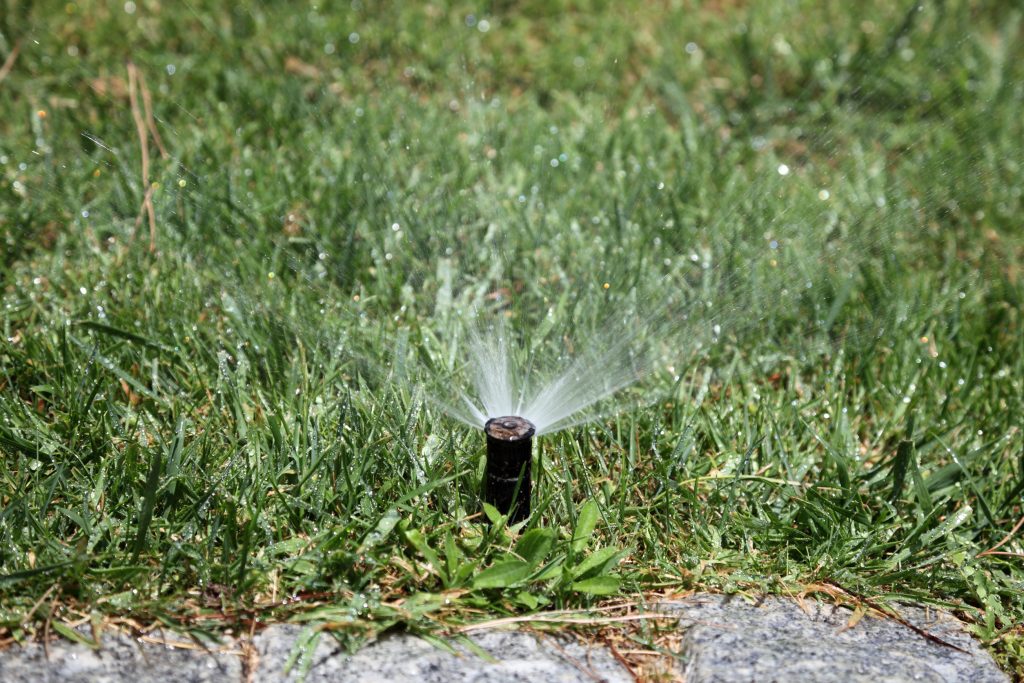
When to turn sprinklers on after winter (and how to avoid costly damage to lawn and home)
Favicon 
www.optimistdaily.com

When to turn sprinklers on after winter (and how to avoid costly damage to lawn and home)

BY THE OPTIMIST DAILY EDITORIAL TEAM The first warm afternoon of spring has a way of making everything feel urgent. The lawn looks a little tired. The flower beds need encouragement. It’s tempting to flip the sprinkler system back on and declare winter officially over. But plumbers would suggest a bit more patience. Turning on your sprinklers too early isn’t just unnecessary; it can damage pipes, crack valves, waste water, and create expensive repairs that surface weeks later. Waiting until conditions are truly ready protects both your landscape and your plumbing system. Here’s how to get the timing right, according to the experts. Why timing matters more than the calendar There’s no universal “turn it on” date. Spring arrives at different speeds depending on where you live, and what matters most isn’t the month but the temperature trend. Professional plumber Robert Schwachenwald says to wait until temperatures are consistently above freezing during both the day and night. One mild afternoon doesn’t count. “One overnight freeze can crack PVC irrigation lines, backflow preventers, [and] control valves,” he warns. Instead, he advises waiting until nighttime temperatures stay above 40 degrees Fahrenheit for at least 10 days straight. That buffer matters because irrigation lines often retain small amounts of water. If temperatures dip, that water can freeze, expand, and create fractures you may not notice until pressure builds later in the season. Check the ground, not just the forecast Even if your weather app says you’re in the clear, the soil may tell a different story. Residential plumbing expert Megan Doser recommends confirming that the ground has fully thawed before restarting your system. A few warm days don’t always penetrate deeper soil layers. If you can easily dig into the soil with a shovel and it isn’t icy underneath, that’s a good sign. If the ground is still stiff or partially frozen, hold off. Use your area’s last frost date as a guide Josh Leclair, owner of Village Home Services, suggests looking at your region’s average last frost date as a practical benchmark. Across much of the continental United States, that typically falls sometime in March or April. “Usually, the average last frost date is an ideal time because it means the ground is thawed, overnight freezes are unlikely, grass roots are becoming active again, and you’re at a lower risk of damaging pipes,” he explains. It’s not a guarantee, but it’s a reliable starting point. What can go wrong if you turn them on too early When it comes to irrigation systems, being slightly late carries very little downside. Being early can create real problems. Frozen or burst pipes “If overnight temperatures still dip below freezing, water sitting in pipes, valves, or sprinkler heads can freeze and expand,” says Leclair. “This expansion can crack PVC pipes, split fittings, or damage valves, which cause leaks that show up weeks later when the pressure increases.” In more serious cases, burst pipes can lead to flooding, mold growth, or even structural damage. Damage to the backflow preventer The backflow preventer is particularly vulnerable because it sits above ground and holds water once the system is activated. “The backflow preventer is often the most vulnerable and most expensive part to damage,” Doser says. Freezing water inside can expand and crack the brass or plastic body. Sometimes the damage isn’t obvious until you turn the system on and see water spraying or leaking. Replacing one can cost hundreds of dollars in parts and labor. Unnecessary wear and tear “Running a system when it’s not needed adds stress to pumps, valves, and heads,” Leclair notes. Early activation doesn’t benefit dormant grass but can shorten the lifespan of system components. Water waste and runoff Early spring soil is often saturated from snowmelt and rain. “Instead of soaking in, water runs off into sidewalks, streets, or storm drains,” says Leclair. That runoff wastes water and can contribute to erosion. You may also notice your water bill creeping up. Lawn and plant health issues Excess watering before grass is actively growing can promote root rot and fungal disease, Schwachenwald says. More water is not always better, especially in early season conditions. How to safely turn your sprinkler system back on Once temperatures are stable and the ground has thawed, restart the system slowly and deliberately. Locate the main water valve for your outdoor irrigation system. Slowly open the valve a quarter turn at a time, waiting about 15 seconds between turns. Avoid opening it fully all at once. Set the controller to manual mode so you can inspect each zone individually. If you have a backflow preventer, open its valves gradually and listen for dripping, spraying, or hissing that could indicate a leak. Activate one sprinkler zone at a time. Allow the system to fill slowly and confirm that each head sprays evenly without leaking at the base. Check that sprinkler heads haven’t shifted during winter. Tilted heads can cause uneven coverage and pooling. Once everything looks good, program your watering schedule and monitor the system over the next week or two. Taking this step-by-step approach helps you catch small issues before they become larger repairs. Common spring sprinkler mistakes to avoid A few habits tend to cause the most trouble: Opening the valve too quickly “Pipes trap air that sits there over winter, and when you open the valve fully too fast, it creates a sudden pressure surge, which is high enough to damage fittings and pipe joints,” says Doser. Turning the system on based on one warm day Leclair notes that many homeowners act on a single stretch of pleasant weather, only to be caught by a late freeze. Skipping inspection Don’t switch the system on and walk away. Watching and listening during startup can reveal leaks, weak pressure, or misaligned heads. Overwatering early grass New growth doesn’t require heavy irrigation right away. Monitor soil moisture and adjust gradually. Spring irrigation is less about eagerness and more about timing. When temperatures have truly stabilized and the ground has thawed, your system can come back online smoothly. And your lawn will respond when it’s ready.     Did this solution stand out? Share it with a friend or support our mission by becoming an Emissary.The post When to turn sprinklers on after winter (and how to avoid costly damage to lawn and home) first appeared on The Optimist Daily: Making Solutions the News.
Like
Comment
Share
The Lighter Side
The Lighter Side
4 d

Panama’s golden frogs return to the wild after 17-year battle with deadly fungus
Favicon 
www.optimistdaily.com

Panama’s golden frogs return to the wild after 17-year battle with deadly fungus

BY THE OPTIMIST DAILY EDITORIAL TEAM For the first time in nearly two decades, Panama’s forest streams are once again home to flashes of bright yellow. The Panamanian golden frog (Atelopus zeteki) is being reintroduced to the wild 17 years after a fungal epidemic wiped it out in its native habitat. The return follows years of captive breeding, disease research, and carefully staged release trials aimed at navigating one of the most destructive wildlife pathogens ever recorded. The fungus that devastated Panama’s golden frogs The crisis began in the late 1980s, when an invasive fungus called Batrachochytrium dendrobatidis (Bd) spread through Central America. The pathogen moves easily through water, which proved disastrous for amphibians living along rivers and streams. Golden frogs, which stay close to flowing water, were particularly vulnerable. Bd infects amphibian skin and causes chytridiomycosis, a disease that disrupts electrolyte balance and often leads to heart failure. While harmless to humans, it has devastated amphibian populations worldwide. By 2004, the chytrid fungus reached El Valle de Anton, the last stronghold of Panama’s golden frogs. By 2009, the species had disappeared from the region entirely. How captive breeding prevented extinction Extinction was avoided thanks to intervention by the Panama Amphibian Rescue and Conservation Project (PARC), a Smithsonian-affiliated initiative that began collecting and breeding golden frogs in controlled facilities. Maintaining stable captive populations required years of careful genetic management and disease monitoring. Only recently did those populations grow strong enough to support reintroduction efforts. “We provide care for some of the most endangered amphibians in Panama, and now we are entering a new phase of our work to study the science of rewilding,” said PARC director Roberto Ibañez. That transition from preservation to reintroduction marks a significant shift in strategy. It reflects not only confidence in captive populations but also a deeper understanding of how to manage the disease in natural habitats. Reintroducing golden frogs into the wild Releasing golden frogs back into Panama’s ecosystems has required a cautious, data-driven approach. The chytrid fungus remains present in parts of the country, meaning reintroduction sites must be selected carefully. During an initial 12-week soft release, researchers estimate that about 70 out of 100 frogs died from chytridiomycosis. While the losses were substantial, the trial generated valuable information about survival patterns and environmental conditions. “These crucial data will inform our conservation strategy moving forward,” said conservation biologist Brian Gratwicke. “Our earlier modeling suggested there may be release sites we can select that will be climatic refuges—places that are suitable for the frogs but too hot for the fungus.” Temperature and microclimate appear to influence how well Bd can survive. By identifying areas less favorable to the fungus, conservationists hope to improve long-term survival rates for reintroduced frogs. A broader strategy for amphibian conservation The golden frog is not the only species benefiting from these efforts. In the past year, PARC successfully reintroduced three additional species: the crowned tree frog (Tripion spinosus), Pratt’s rocket frog (Colostethus pratti), and the lemur leaf frog (Agalychnis lemur). Each release contributes to a growing body of knowledge about amphibian conservation in the age of chytrid fungus. The Panamanian golden frog also carries cultural significance. Often viewed as a national symbol associated with good fortune, its disappearance left a visible absence in both ecosystems and public consciousness. Visitors who encounter one along a forest stream should admire from a respectful distance. Golden frogs produce potent defensive toxins, including steroidal bufadienolides and guanidinium alkaloids, reminding us that their striking color serves as a warning as well as an emblem. The reintroduction does not eliminate the threat posed by chytridiomycosis. The fungus remains a global challenge for amphibian populations. But Panama’s golden frogs are no longer confined solely to conservation facilities. They are once again part of the country’s living landscape, an inspiring development made possible through sustained research, adaptive management, and long-term investment in biodiversity protection.     Did this solution stand out? Share it with a friend or support our mission by becoming an Emissary.The post Panama’s golden frogs return to the wild after 17-year battle with deadly fungus first appeared on The Optimist Daily: Making Solutions the News.
Like
Comment
Share
Daily Caller Feed
Daily Caller Feed
4 d

Four Great White Sharks Ping Off Florida As Spring Break Begins
Favicon 
dailycaller.com

Four Great White Sharks Ping Off Florida As Spring Break Begins

All of the great white sharks can be tracked using the OCEARCH Global Shark Tracker app
Like
Comment
Share
YubNub News
YubNub News
4 d

BOOM: U.S. Military Blows Up Another Drug Boat in the Eastern Pacific
Favicon 
yubnub.news

BOOM: U.S. Military Blows Up Another Drug Boat in the Eastern Pacific

Even as U.S. troops fight Iran in the Middle East, President Trump’s war on drugs continues! On Sunday, the U.S. military blew up yet another drug boat in the Eastern Pacific. Six narco-terrorists were…
Like
Comment
Share
YubNub News
YubNub News
4 d

Australian Opposition Says Request for Aid From Gulf Nation Should Be ‘Duly Considered’
Favicon 
yubnub.news

Australian Opposition Says Request for Aid From Gulf Nation Should Be ‘Duly Considered’

Australian Foreign Minister Penny Wong speaks to the media during a press conference with German Foreign Minister Dr Johann Wadephul at Parliament House in Canberra, Australia on Feb. 5, 2026. AAP Image/Lukas…
Like
Comment
Share
YubNub News
YubNub News
4 d

United States starts 'large military drill' in another country as WW3 fears escalate
Favicon 
yubnub.news

United States starts 'large military drill' in another country as WW3 fears escalate

About 18,000 South Korean troops are participating in the Freedom Shield exercise running through 19 March, while speculation mounts that Washington is relocating some military assets to support operations…
Like
Comment
Share
YubNub News
YubNub News
4 d

Dem Chuck Schumer Says SAVE Act is Jim Crow 2.0 Despite Once Pushing ID to Prevent Illegal Alien Fraud
Favicon 
yubnub.news

Dem Chuck Schumer Says SAVE Act is Jim Crow 2.0 Despite Once Pushing ID to Prevent Illegal Alien Fraud

Democrat Senator Chuck Schumer says don’t count on his party helping Republicans pass the SAVE Act. Democrats continue to push the narrative that requiring ID to vote is racist. Of course, Schumer was…
Like
Comment
Share
Showing 698 out of 113774
  • 694
  • 695
  • 696
  • 697
  • 698
  • 699
  • 700
  • 701
  • 702
  • 703
  • 704
  • 705
  • 706
  • 707
  • 708
  • 709
  • 710
  • 711
  • 712
  • 713
Advertisement
Stop Seeing These Ads

Edit Offer

Add tier


Select an image
Delete your tier
Are you sure you want to delete this tier?

Reviews

In order to sell your content and posts, start by creating a few packages. Monetization

Pay By Wallet

Payment Alert

You are about to purchase the items, do you want to proceed?

Request a Refund