YubNub Social YubNub Social
    #freedom #americanhistory #amercia250
    Advanced Search
  • Login
  • Register

  • Night mode
  • © 2026 YubNub Social
    About • Directory • Contact Us • Developers • Privacy Policy • Terms of Use • shareasale • FB Webview Detected • Android • Apple iOS • Get Our App

    Select Language

  • English
Night mode toggle
Featured Content
Community
New Posts (Home) ChatBox Popular Posts Reels Game Zone Top PodCasts
Explore
Explore
© 2026 YubNub Social
  • English
About • Directory • Contact Us • Developers • Privacy Policy • Terms of Use • shareasale • FB Webview Detected • Android • Apple iOS • Get Our App
Advertisement
Stop Seeing These Ads

Discover posts

Posts

Users

Pages

Blog

Market

Events

Games

Forum

Pet Life
Pet Life
2 yrs

Cat Owner’s Manual for Pain Part 2: Misconceptions and Treatments
Favicon 
www.catster.com

Cat Owner’s Manual for Pain Part 2: Misconceptions and Treatments

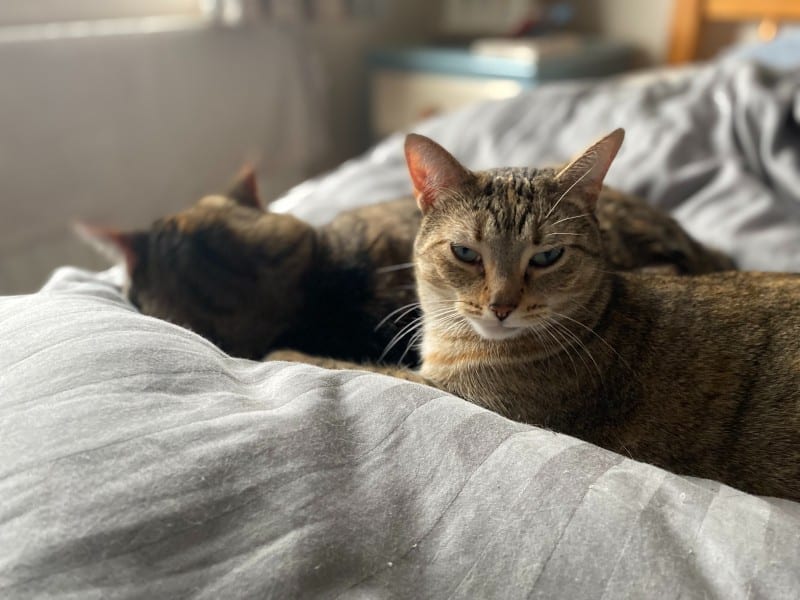
The post Cat Owner’s Manual for Pain Part 2: Misconceptions and Treatments by Dr. Lauren Demos (Vet) appeared first on Catster. Copying over entire articles infringes on copyright laws. You may not be aware of it‚ but all of these articles were assigned‚ contracted and paid for‚ so they aren't considered public domain. However‚ we appreciate that you like the article and would love it if you continued sharing just the first paragraph of an article‚ then linking out to the rest of the piece on Catster.com. Hi‚ I’m Dr. Lauren! Read my introduction to learn more about me and my two adventurous cats‚ Pancake and Tiller. In the continuation of this two-part series on Pain in Cats: an Owners’ Manual (you can read the first part on Recognizing Pain here)‚ we look at the misconceptions of feline pain‚ which abound. As well‚ we can touch on the action items that can help you be the best advocate for pain in your cat‚ and resolving it. To recap‚ you are the best advocate (or advo-cat) for your feline‚ so the more knowledge you have‚ the better we as vets can help you address any concerns. So‚ let’s jump straight in. Common Misconceptions About Cats In Pain There are a lot of misconceptions about pain and how it shows in cats. In part‚ this is because they are fantastic at hiding pain. In large part‚ this is because they can be fairly subtle with their body language and the signals they send. Misconception: Cats always show when they are in pain. Truth: Actually‚ many don’t‚ or do so very subtly. Misconception: A purring cat is a happy cat. Truth: Cats purr when nervous‚ and in pain‚ as well as when they are happy. Misconception: Because they are eating‚ they can’t have pain. Truth: This is a very common misconception I discuss with clients. Cats will eat well in spite of some pretty terrible dental disease. So never use this as an indication that their dental health is fine‚ or that they don’t need dental care. Routine annual examinations are critical to detect these issues early! Some of the patients I see with the healthiest appetites have teeth literally falling out of their mouths! Misconception: Pain is normal in certain situations. Truth: Any pain should be investigated‚ even if your cat has recently had major surgery. Cats don’t need to be in pain‚ due to the many treatment options that are available in modern feline medicine. A painful cat is not necessary‚ and does not help the healing process (by keeping them quiet)—that’s a myth. In fact‚ research in humans shows that pain delays healing‚ and we believe this to be true in cats‚ as well. Misconception: Using opioids prescribed for my cat can cause constipation or opioid addiction. Truth: In clinical practice‚ opioids seem to almost never lead to constipation in the cats I’ve worked with. So‚ if your vet prescribes them‚ use them as directed. Similarly‚ many clients I’ve worked with are concerned about their cat developing an opioid addiction: it doesn’t work that way in cats. Misconception: Human pain medications are OK for use in cats. Truth: Without a doubt‚ they aren’t. Use what your vet prescribes‚ and nothing else. What To Do If You Think Your Cat May Be In Pain Now that we’ve covered the common causes in feline pain at home‚ how to recognize them‚ and the misconceptions around pain‚ let’s get to the real crux of the matter. Once you identify pain in your cat‚ what do you do next? This is the critical part of the equation‚ as it allows your cat to receive the treatment they need. Getting an appointment for pain in your cat: Take video: a video is a great tool to capture the behavior you are seeing at home‚ which is often not replicated in a clinic! Next‚ speak to your vet clinic‚ and book an appointment. Critical tip: Provide them with the video before an appointment (either via email‚ or a file-sharing service such as Gmail Drive) so they have the opportunity to see it before your cat’s appointment. Professional secret: we will often share such videos with colleagues in the clinic and view it together‚ which means you will often be getting second and third opinions on your video‚ which is all the better for your cat (and free of charge to you!) Do research beforehand‚ on what your cat is displaying‚ and what tests or treatments might be available. Bring a written list of questions‚ so you don’t forget to ask them. Expect that bloodwork may be needed‚ as may additional imaging such as x-rays. Sometimes‚ this can not all be done at the same appointment. Attend the appointment. If you have concerns‚ and they aren’t addressed‚ it’s ok to ask for a second opinion! Seriously‚ I’ve never met a vet that minds. We want you‚ and your cat‚ to get the best care‚ and to be happy with the outcome. Sometimes you don’t bond well with a vet‚ or like their approach‚ or simply need things explained in a different way. Or you think you see something they don’t. Remember‚ you know your cat better than we do – so don’t hesitate to advocate for them. Closely observing your cat before a vet appointment can help you identify any problems and get appropriate treatment. Top Tips for Pain Treatments in Cats Lastly‚ I wanted to share some tips from a veterinarian’s perspective‚ that can help you better manage pain in your cat. These are things that as a professional‚ I’d love for you to know‚ but often don’t have time to fully discuss in an appointment. Or‚ sometimes‚ we discuss it‚ but given the amount of information that cat owners have to process in any given appointment‚ I’m surprised anything is remembered! Know that many feline medications come in a liquid‚ and a pill form – so decide if one will be easier for your cat. If in doubt‚ I recommend pills (aka tablets)‚ as they can sometimes be put into food‚ which skips the need to pill your cat. (Churus are an amazing tool to hide pills for cats‚ by the way!) On the other hand‚ if you are giving liquid‚ the volumes are often fairly large‚ and if your cat spits it out‚ then you don’t know if you need to repeat the dose‚ and if so‚ how much. Here is a good video for pilling your cat. This is the method I use myself—a cat facing away from me is easier to work with. Also‚ tilting their head up slightly opens their mouth naturally‚ making it easier to give the medication. Transdermal patches are also an option for some medications‚ so are injections. For cats that hate having their mouths touched‚ these can be better alternatives! Quick-dissolving tablets are another option for some medications‚ but I’ve not had good success as a professional getting cats to understand the theory of these! So‚ I often avoid these. Not all pain meds work well for all cats. If your cat has been prescribed something‚ and you don’t feel it works‚ don’t hesitate to ask for a different option. Similarly‚ if a medication causes vomiting or diarrhea‚ speak with your veterinarian to find another option. Generics vs Brand Name medications: Much as in people‚ there shouldn’t be much in the difference…. But sometimes‚ there is. We don’t fully understand why‚ as the active ingredients are the same. Sometimes‚ additional additives may be the culprit‚ sometimes not. But if you feel a brand name medication works better than a generic brand or vice versa‚ don’t hesitate to request the alternative form. In the end‚ cats are lovely mysteries‚ and as cat owners‚ we want nothing but the best for them. I hope this Cat Owners Manual on Pain is informative‚ and allows you opportunities to best advocate for your feline. The post Cat Owner’s Manual for Pain Part 2: Misconceptions and Treatments by Dr. Lauren Demos (Vet) appeared first on Catster. Copying over entire articles infringes on copyright laws. You may not be aware of it‚ but all of these articles were assigned‚ contracted and paid for‚ so they aren't considered public domain. However‚ we appreciate that you like the article and would love it if you continued sharing just the first paragraph of an article‚ then linking out to the rest of the piece on Catster.com.
Like
Comment
Share
SciFi and Fantasy
SciFi and Fantasy  
2 yrs

Seven Mouthwatering SFF Short Stories
Favicon 
reactormag.com

Seven Mouthwatering SFF Short Stories

When real life feels too bland‚ I turn to two places: fantasy stories and the kitchen. The first provides an escape into possibilities that are more appealing than reality‚ while the other demands intense focus—for me‚ cooking leaves no space for negative thoughts. And a blending of the two? Perfection. Here’s a selection of stories that explore the beauty of flavors mingling together‚ the joy of cooking‚ and the love that is inherent in the process of making and sharing a favorite dish. “Ten Fruits and Other Memories of Rialynas” by AnaMaria Curtis This is the kind of story that feels fresh and sweet. AnaMaria Curtis brings Rialynas to life with mouthwatering descriptions that viscerally brought forth memories and sensations of fruits familiar and exotic‚ so much so that I could feel almost taste and feel them as I was reading. Best enjoyed with a bowl of mango‚ papaya‚ and/or watermelon. “The Cook” by C.L. Clark One of the things I enjoy about cooking is that I get to do it for my family. I love feeding them (and being fed by them). As I wrote in a blog post once‚ when we cook for someone‚ when we eat together‚ we’re saying “let’s keep each other alive‚ together.” This brief sapphic love story evokes a similar sentiment‚ but in language more delicious than I can convey: “We stare at each other‚ two women alone in a kitchen with no intent to cook.” “The War of Light and Shadow‚ in Five Dishes” by Siobhan Carroll This is my favorite story on this list. It’s a story within a story‚ the narrator talking to an apprentice‚ describing how Leu‚ a young chef trained under the very best‚ finds himself a prisoner of war. Leu’s life depends on cooking for his new commander and her army. While the war rages‚ he focuses on making the best meals possible using the army’s limited rations and the local spices and vegetables available on their journey‚ and without knowing it‚ changes the course of history. No piece of writing—even on food blogs and magazines—has ever made me long so much to rush back to the kitchen. I’ve always thought of writing as my main artistic passion‚ but Carroll’s story made me feel that cooking could be it too. The story is layered with tragedy and politics and flavour and meaning fitting together into a perfect whole‚ like the layers of an onion. One of the most beautiful pieces of fiction I’ve read. “Five Stories in the Monsoon Night” by Nghi Vo Six words: Egg noodles on a rainy night. I’ve read tons of stories with excellent writing that makes me forget where I am and what I’m doing‚ but if I had to name a story that felt truly‚ perfectly immersive‚ I’d immediately pick this one. I can feel the chill in my bones and the spice on my tongue‚ and I always crave noodles after reading it. “So Much Cooking” by Naomi Kritzer I have to include Naomi Kritzer’s pandemic survival story (famously written before the pandemic) on this list. It got me interested in food blogs and from there‚ in other kinds of food writing. It may be the only time that I’ve read a story that just felt way too familiar‚ too real for fiction. Given the context‚ it is grim at times‚ but as with real life‚ there’s hope. And because the story is told through a series of posts on a food blog‚ of course it has some excellent‚ flavorsome descriptions of foods that you can actually make at home. “Boiled Bones and Black Eggs” by Nghi Vo At the Drunken Rooster‚ Shang Hua serves both the living and the dead. It’s no big deal; the food is good and the guests are polite. When they have had their fill‚ they leave. Then one day Lord Ning shows up and then the stove is always lit‚ the air always filled with the aroma of spices. What do you do when the dead keep asking for more? And more? And more? “Aunt Taveaj’s Wolf-Friendly Sweet Shoppe” by Marie Croke And a final dessert at the end of this list: a visit to Aunt Taveaj’s Wolf-Friendly Sweet Shoppe. All Aunt Taveaj wanted was to make the furless kids happy with her treats—and to forget the loss of her own pups. Everything was going well until the furless adults found her. They made her change herself‚ to keep their kids safe. But how long can one go on changing to assuage the fears of others? A not-so-cheerful flash story with definite cottagecore vibes. [end-mark] The post Seven Mouthwatering SFF Short Stories appeared first on Reactor.
Like
Comment
Share
Fun Facts And Interesting Bits
2 yrs

Do You Remember? GUTS
Favicon 
theretronetwork.com

Do You Remember? GUTS

Toy soldiers have allowed kids all over the world to be the generals of their own armies for many decades. These enduringly popular toys have seen many variations from the basic green plastic soldiers that CONTINUE READING... The post Do You Remember? GUTS appeared first on The Retro Network.
Like
Comment
Share
Survival Prepper
Survival Prepper  
2 yrs

OBSERVE: Selco Says THIS Is Your # 1 Skill to Survive SHTF Mayhem
Favicon 
www.theorganicprepper.com

OBSERVE: Selco Says THIS Is Your # 1 Skill to Survive SHTF Mayhem

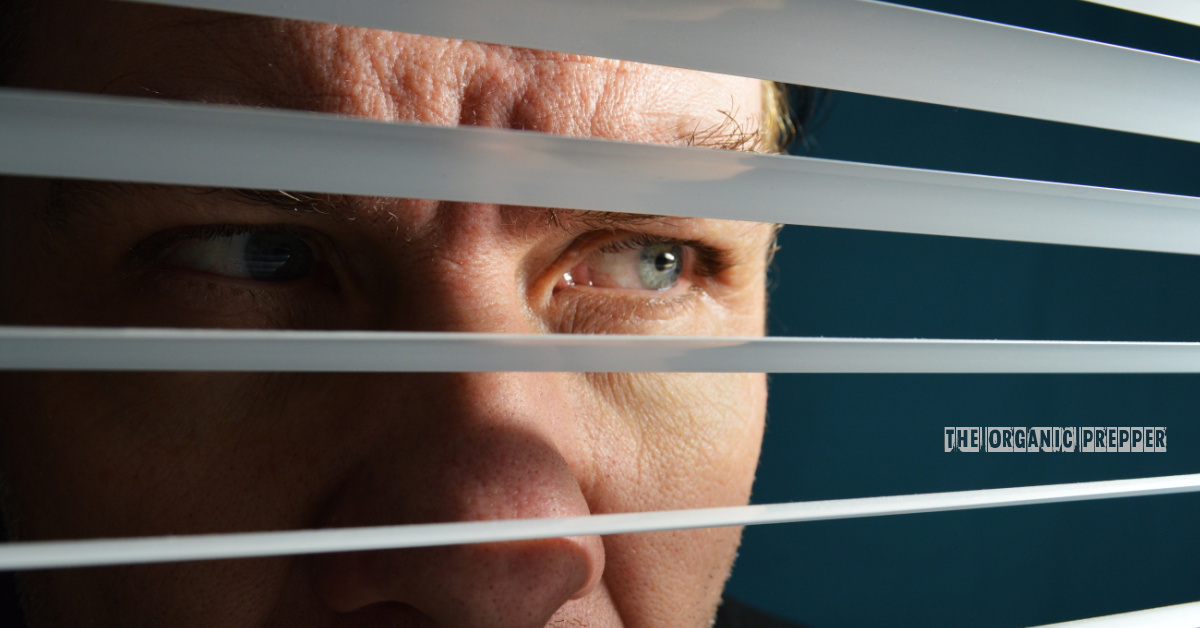
 Author of The Dark Secrets of SHTF Survival and the online course SHTF Survival Boot Camp I have been writing articles and doing survival courses for years‚ and while it is much easier to show the importance of basics in real courses‚ it is a bit harder to do that in my articles. That’s because we‚ as humans‚ tend to look for flashy things. We love quick and interesting facts that will occupy our attention. But you must also prepare for the basics so that you can perform those things during the confusion‚ panic‚ and mayhem of SHTF. You must observe your surroundings before anything terrible happens. And then you must plan for terrible things. Basics are simply that: basic – and because that we often overlook it‚ or forget it. For example‚ an article with news about the latest development in tensions between the US and Iran with all the flaming rhetoric will catch more attention than an article about how to grow tomatoes. We look for flashy stuff‚ but the majority of us need to go back to basics (or at least to refresh them). Every now and then‚ I like to remind people about that. Why I don’t like list posts Lists about what to do and what not to do in the form of “10 things to do” or “10 things not to do” or “10 things to have” are not my favorite‚ because some people tend to think those “10 things” are definitive lists that solve all problems. But‚ as we write‚ it is easy to put it in that way as a concept. You‚ as a reader‚ must understand it is a list that continues‚ and as long as you understand that‚ you need to constantly refresh your basics. Big world events usually will happen no matter what you do or think about it.  You need to operate in your “small circle” where you actually can change things for real. Let’s start small‚ inside our small circle‚ and let’s do only “2 things to do today” You cannot know for sure how your surroundings will change around you when the SHTF‚ but you can have a pretty educated guess. You just need to be observant. Observe people. Observe the people around you‚ it can be worth a lot to you one day when the SHTF because you might already have information that tells you who your neighbors really are and what they have. Think a bit outside of the box (like you should always do). Consider how observing things about the people that are close to you could have big significance for you once the SHTF. Who of your neighbors will be dangerous when SHTF? Who will be weak? How many of them have weapons in their homes? How many have resources or skills that may be useful (or maybe dangerous) to you? Do they have addiction problems or “interesting” habits? Thinking out the box does not mean that you are going to sneak in other folks homes or ask them openly about these things. It means that by observing their activities you’ll try to figure out their settings. In real life‚ it does not have to be anything sophisticated. For example‚ if your neighbor has a “Molon Labe“ sticker on his bumper it can be used in your planning for the when SHTF. Think in terms how all of that might be used in your favor or against you once the SHTF. Observe resources. Resources are everywhere around us today. They are just not ours because we have easier and more practical (or more legal) ways to get resources today. Perhaps you are not noticing those other resources. Try to think here‚ too‚ out of the box and spot those “other” resources today that are gonna be important when SHTF. Gas tanks in gas stations‚ water pools or rivers‚ fruit trees‚ firewood‚ plants…and‚ yes‚ even shops that are close to you with all the stuff inside. You may think that something is illegal today‚ but in terms of very serious SHTF legal and illegal gets very blurred. When SHTF‚ those who take longer to adapt to the new rules usually have weakest results. In a real-life example from my own experience‚ by the time I realized that the S had hit the fan so hard and seriously‚ it was too late. I finally realized it was perfectly fine to go to shops or malls and take food (just take it) in order not to be hungry in the middle of a civil war‚ but by then other people already took most of it. My period of adapting was a bit too long there. Now‚ of course‚ use common sense. Maybe you are not gonna be in that kind of SHTF. If there is still law some things are simply illegal‚ but the concept is the same. Look for the change of rules and adapt to it. Observe interesting spots. “Interesting spots” are something that people who have not gone through a collapse sometimes have problems understanding. You cannot think about your surroundings in the SHTF with a mindset from normal times. Good advice here comes in the form of a saying that goes something like‚ ”if you are living close to a river‚ you have to know to swim.” Basically‚ no matter how well prepared you are you need to stop and think about how new settings are gonna look around you once the SHTF‚ and how all that is going to change your plans. To be literal‚ no matter how many or how good bug-out vehicles you have‚ or backup means of transport‚ bikes‚ airplanes or whatever‚ if you have river in your surroundings‚ you’ll need to be ready to swim across that river‚ even if it is not on your first choice of route to your BOL for example. That river is an interesting (or problematic) spot‚ and since an SHTF scenario by its definition‚ is something unexpected‚ it is a situation where you will need to adapt and probably change plans. You will simply need to acknowledge those “interesting spots” and be prepared for whatever comes. Another example‚ if in your surroundings you have a prison‚ it may look today just like that – a prison‚ a building with a high fence and guards‚ nothing really particularly important there. But once the SHTF‚ I see there are a whole bunch of dangerous people who might be free and out on the street. Or‚ if you have an army base or police station near you‚ during an SHTF time‚ it is a place of huge violent events‚ and so on and so on. It does not have to be anything big. It can be simply a bridge near you. Today‚ it is a bridge‚ tomorrow when SHTF it is a checkpoint may be – a huge danger and obstacle for you. Think about the interesting spots around you. You have to practice. I have been in situations where I would be awoken in pitch darkness‚ and I would be forced to eliminate a threat or move away from it in a split second. It is something that rarely can be done in a conscious way.  It needs time‚ practice‚ and the right dose of adrenaline. But I emphasize here the word “practice.” You need to practice.  Your most important decisions of life and death can happen in split seconds‚ and only practice will condition you in the direction of perfection. It is nothing new. It has been used for ages in different kinds of training. You do not have necessarily practice being awoken in the middle of the night and shooting the right person. Start with “small” things. For example‚ practice how fast you can wake in the middle of the night by an alarm. Then‚ without eletricity in your home‚ gather all the important items and leave home. Then check what you forgot. How much time did you need for that? Then work in the direction of perfection. Later you can throw in some kind of “complication”  – for example‚ you woke up‚ gathered important items‚ left the house‚ and tried to spot the intruder (your friend) inside the house‚ yard‚ or similar. Just throw in more and more obstacles and complications. By doing that you will spot a lot of flaws in your planning‚ and that is exactly the point of practicing. Everything is different when you throw in speed and adrenaline‚ and you can practice that too. Maybe you will realize that all your planning was good‚ but everything failed simply because your flashlight was not right at the reach of your hand when you woke up‚ or you do not know where your glasses are‚ or you cannot find your shoes in pitch dark because a small dose of adrenaline sent you the wrong way. You may have a perfectly good rifle or gun‚ or a good bug-out bag‚ or bug-out vehicle‚ but everything may go to s..t because you simply failed to have clear plan with your family members of what to do (or what not to do‚ where to gather in the house‚ or hide‚ or use signs or…) if something happened in the middle of the night in pitch dark and confusion. What about you? Do not forget‚ an SHTF event‚ by its core definition‚ is something unexpected. So you need to practice operating in that condition‚ in confusion‚ panic‚ mayhem. You need to condition yourself to it. Are there ways that you practice your observational skills? Do you spend time observing the things and people around you? Do you create plans based on your observations? Let’s talk about it in the comments section. About Selco: Selco survived the Balkan war of the 90s in a city under siege‚ without electricity‚ running water‚ or food distribution. He is currently accepting students for his next physical course here. In his online works‚ he gives an inside view of the reality of survival under the harshest conditions. He reviews what works and what doesn’t‚ tells you the hard lessons he learned‚ and shares how he prepares today. He never stopped learning about survival and preparedness since the war. Regardless of what happens‚ chances are you will never experience extreme situations as Selco did. But you have the chance to learn from him and how he faced death for months. Read more of Selco’s articles here. Buy his PDF books here. Buy his #1 New Release paperback‚ The Dark Secrets of Survival here. Take advantage of a deep and profound insight into his knowledge by signing up for his online course SHTF Survival Boot Camp. Learn the inside story of what it was really like when the SHTF with his online course One Year in Hell. Real survival is not romantic or idealistic. It is brutal‚ hard and unfair. Let Selco take you into that world. The post OBSERVE: Selco Says THIS Is Your # 1 Skill to Survive SHTF Mayhem appeared first on The Organic Prepper.

Like
Comment
Share
Hot Air Feed
Hot Air Feed
2 yrs

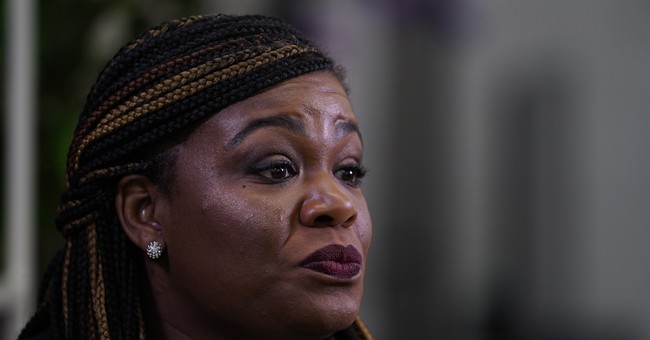
Rep. Cori Bush Responds to Federal Investigation into Misuse of Funds
Favicon 
hotair.com

Rep. Cori Bush Responds to Federal Investigation into Misuse of Funds

Rep. Cori Bush Responds to Federal Investigation into Misuse of Funds
Like
Comment
Share
Hot Air Feed
Hot Air Feed
2 yrs

Cornell Has 1 Administrator For Every 2 Undergrads
Favicon 
hotair.com

Cornell Has 1 Administrator For Every 2 Undergrads

Cornell Has 1 Administrator For Every 2 Undergrads
Like
Comment
Share
Science Explorer
Science Explorer
2 yrs

Cloud Nine: The 1960s Idea To House Billions Of People In The Sky
Favicon 
www.iflscience.com

Cloud Nine: The 1960s Idea To House Billions Of People In The Sky

Visions of the future from the past tend to involve a lot more stuff flying around in the sky than ends up happening in real life. Disappointing as it is that we didn't get flying cars‚ we have also missed out on Cloud Nine; Buckminster Fuller's vision of the future population being housed inside gigantic flying spheres. Fuller's idea was based on geodesic spheres‚ composed of triangular sections built into a thin-shell structure shaped like a giant sphere. The advantage of building in this pattern is that it distributes the stress of the building throughout the structure. "The triangle is the only arrangement of structural members that is stable within itself without requiring additional connections at the intersection points to prevent warping of the geometry‚" one manufacturer of geodesic domes‚ Outdoor Igloos‚ explains on their site. "In other words‚ apply pressure to one edge of a triangle‚ and that force is evenly distributed to the other two sides‚ which then transmit pressure to adjacent triangles. That cascading distribution of pressure is how geodesic domes efficiently distribute stress along the entire structure."Here's where it gets fun: geodesic domes and spheres become proportionately stronger as they get bigger. Not only that‚ but as the radius of a sphere increases‚ its volume increases at a higher rate.Now to pause proceedings for a quick lesson on buoyancy. Buoyancy is an upward force in a fluid (any flowing substance‚ including air) exerted on all bodies within it. The force comes from the pressure within the fluid being greater the further down in the fluid you go. The pressure on the bottom of an object within the fluid is higher than at its top‚ causing the upward force.If the buoyant force of a fluid is greater than the weight of an object placed within it‚ the object will float. Helium‚ being lighter than the other elements in our atmosphere‚ rises. It's the same when air is heated inside a hot air balloon‚ making it less dense per volume inside the balloon than it is outside‚ causing it to rise.All this means that if you were able to increase the temperature – by 1°C (1.8°F) according to Fuller – and let some of the air escape‚ you could greatly reduce the overall mass of the sphere‚ and would potentially have yourself a futuristic floating orb city to fly around in.        Whether it would work in practice is a whole other matter. Some attempting their own calculations suggest that making living areas (presumably in layers) would quickly make the whole system too heavy‚ making it extremely impractical‚ even if you don't take into account potential damage to the sphere sending it careering towards the ground folk.Fuller did not expect Cloud Nine (the name he gave to the idea) to actually happen. Instead‚ he was suggesting it as a way of making people think about how we can cope with a growing population. In 1969 the population was 3‚475‚400‚000. Since then it has risen to over 8 billion‚ almost all of whom are not floating through the sky in a big balloon.
Like
Comment
Share
Science Explorer
Science Explorer
2 yrs

Face Yoga Is TikTok’s Latest Anti-Aging Trend‚ But Does It Actually Work?
Favicon 
www.iflscience.com

Face Yoga Is TikTok’s Latest Anti-Aging Trend‚ But Does It Actually Work?

TikTok abounds with techniques that will supposedly keep us looking young‚ which seems a tad odd considering the biggest proportion of its users are under 25. Regardless‚ it’s full of advice about 20-step skincare routines and “anti-aging” straws (yes‚ you read that right). And the latest trend? Face yoga.What is face yoga?The idea of face yoga has been kicking about for a while – like many anti-aging trends‚ it gets recycled every couple of years on whatever the most popular platform is. This time‚ it’s TikTok‚ where face yoga videos have totted up over 2 billion views. But what even is face yoga?“Face yoga is a description for exercises performed to tone and stretch facial muscles‚” Dr Amy B. Lewis‚ a dermatologist and certified yoga instructor‚ told Vogue. It usually involves rubbing‚ stretching‚ or pulling different areas of the face‚ often with the goal of targeting specific facial muscles.If you think that sounds a bit like like a massage‚ you’re not wrong. “Face yoga actually has more parallels with massage and acupuncture. It’s massaging your face more than doing yoga‚” explained human movement researcher Neha Gothe‚ speaking to Northeastern Global News.Does it actually work?The proponents of face yoga claim it’s brimming with anti-aging results‚ all the way from giving you a youthful glow and preventing wrinkles‚ to lifting and sculpting your face and neck. A 2018 study from a Northwestern University team of researchers set out to find out if any of those claims were true.The team recruited 27 participants aged between 40 to 65 years old to carry out facial exercises for 30 minutes each day for eight weeks. Once the eight weeks were up‚ participants then had to carry out the exercises every other day for a further 12 weeks.According to the study’s results‚ participants appeared nearly three years younger at the end of the 20 weeks. The facial exercises “seemed to improve mid-face and lower face fullness‚” the authors concluded.The key word there is “seemed”. Whilst interesting‚ the results can’t be generalized; there was no control group‚ the number of participants was only small and made up exclusively of middle-aged women‚ and 11 of them dropped out before the end of the study. There was also no follow-up to see if any of the participants stopped the regimen after the study finished and‚ if so‚ whether any benefits remained.In other words‚ there’s little robust scientific evidence to support the claims made on social media of drastic anti-aging effects. Not only that‚ but it does seem like a bit of a pain to poke about your face for 30 minutes each day for months – probably why those 11 people dropped out of the study.“Unless someone is highly motivated‚ it’s hard to sustain these facial exercises over a long period of time and achieve these results‚” Dr Shilpi Khetarpal‚ a dermatologist‚ told the Cleveland Clinic.That isn’t to say that face yoga is straight up useless though – it’s just not necessarily going to delete your fine lines as though they never existed. It’s basically a trendy name for a massage‚ which we know does have some benefits.Massaging can help to release muscle tension and stimulate blood flow to the area‚ which could explain the “glow” that some people see with face yoga. “Anytime you bring blood flow into an area‚ it gets your capillaries (blood vessels) moving‚ which can promote a relaxation of the muscles and get fluids moving‚” massage therapist Vickie Bodner explained to the Cleveland Clinic. “Sometimes‚ people get puffy under the eyes or in the sinus area. Practicing self-massage on the face may help you release unwanted fluids.”In summary: if it feels nice and helps you relax‚ face yoga could be for you. If you can’t be bothered with it but are worried you’ll turn into a bag of wrinkles otherwise‚ rest assured – you’re not missing out.All “explainer” articles are confirmed by fact checkers to be correct at time of publishing. Text‚ images‚ and links may be edited‚ removed‚ or added to at a later date to keep information current.  The content of this article is not intended to be a substitute for professional medical advice‚ diagnosis‚ or treatment. Always seek the advice of qualified health providers with questions you may have regarding medical conditions. 
Like
Comment
Share
Science Explorer
Science Explorer
2 yrs

Rubbing Testosterone Gel On Men Made Them Less Aware Of Being Watched
Favicon 
www.iflscience.com

Rubbing Testosterone Gel On Men Made Them Less Aware Of Being Watched

Ever feel like you’re being watched? More specifically‚ ever think to yourself‚ “I probably should/shouldn’t do that‚” because someone might see you? Well‚ here comes science to throw a spanner in the works. When one group of researchers applied testosterone gel to some men‚ it made them much less sensitive to being observed‚ and consequently less likely to behave with others’ judgment in mind.How we’re likely to be perceived by those around us has a marked impact on our behavior‚ whether we consciously realize it or not. Actions we take that are likely to make others view us positively are called prosocial behaviors. Whether it’s donating blood or throwing a few dollars onto the collection plate at church‚ research suggests humans behave more prosocially when others can see us doing it.This idea of altering our actions in response to being watched also has a snappy name: the “audience effect”.A recent study set out to investigate whether testosterone could have an impact on this effect. It’s understood from previous research that higher testosterone levels are associated with behaviors that enhance social status. The study authors suggested that this could go one of two ways: either men with higher testosterone levels could be less concerned with the opinions of others‚ or they could be more sensitive to the audience effect as a means to enhance their reputation and social standing.To test out their theories‚ the team‚ led by Hana H. Kutlikova at the University of Vienna‚ recruited 192 healthy men aged between 18 and 40. In small groups‚ the men were instructed to apply a dose of gel containing 150 milligrams of testosterone‚ or an equivalent amount of placebo gel. They rubbed the gel onto their own upper arms and shoulders using disposable gloves‚ and then waited around for two hours for it to take effect.The men then had to perform a task‚ in which they were told they could earn rewards either for themselves or for a non-governmental organization (NGO) of their choice. Some of the men were randomly selected to perform the task on their own‚ while others were watched by two women who had been introduced to the men as “NGO representatives”.At various points throughout the experimental period‚ saliva samples were taken to measure the participants’ testosterone levels. After completing the task‚ they were asked about their perception of being watched.“The results show that testosterone diminishes the typical audience effect present in the placebo condition‚” the authors explain in their paper. “We show that exogenous testosterone fully eliminated strategic‚ i.e.‚ feigned‚ prosociality and thus decreased submission to audience expectations.”In other words‚ the increased testosterone made the men less bothered about being watched‚ and less likely to change their behaviors to match what their observers might think they “should” do. The authors point out some limitations to the study. They only included men due to sex differences in testosterone metabolism and a lack of data on how topical testosterone is processed in women‚ so more data is needed to know whether the results extend beyond males. In addition‚ it could be interesting to explore whether the audience effect changes depending on the gender or number of observers‚ since only female observers were used in this study.While these results come down on the side of testosterone reducing the impact of the audience effect‚ other studies in the literature have produced contrasting results. It goes to show just how complex the effects of hormone fluctuations can be – it looks like there’s much more left for scientists to discover.The study is published in the journal Neuropsychopharmacology.[H/T: ZME Science] 
Like
Comment
Share
Science Explorer
Science Explorer
2 yrs

Hope You Like Seaweed‚ Because We'll All Be Eating It After Nuclear War (If You Survive)
Favicon 
www.iflscience.com

Hope You Like Seaweed‚ Because We'll All Be Eating It After Nuclear War (If You Survive)

If worst comes to worst and atomic warfare erupts‚ seaweed could become the unlikely savior of humanity.In a nuclear war‚ mushroom clouds and searing hot fireballs are just the start of the problems. Radiation will poison the land and vast plumes of soot will be blasted into the atmosphere‚ blocking sunlight from reaching Earth’s surface in what’s known as a "nuclear winter".This will result in a cooling of the planet‚ almost certainly leading to widespread crop failure and famine. However‚ some crops may be able to weather the storm better than others.In a new study‚ scientists argue that seaweed could rise to become a much-needed food source amid the fallout of nuclear war. Seaweed is relatively resilient and can grow in a wide range of environmental conditions. It's also incredibly nutritious. Along with containing basic carbs‚ proteins‚ and fats‚ it’s also loaded with nutrients like magnesium‚ zinc‚ vitamin B12‚ iodine‚ and polyunsaturated fatty acids.The research showed that seaweed could still be grown around the coast of the tropical oceans even after nuclear war. Within 9 to 14 months of the atomic bomb blasts‚ seaweed production could be scaled up to provide 45 percent of the global human demand‚ substituting 15 percent of human food‚ 10 percent of animal feed‚ and 50 percent of the global biofuel use.“Once the whole seaweed farm area is saturated with seaweed‚ all yield thereafter can be used to produce food‚ feed‚ and biofuel. This is based on a low-tech seaweed farm design. Such designs consist mainly of seedling lines to attach the seaweed‚ longlines to attach the seedling lines‚ buoyant to keep the longlines afloat‚ and anchors to fix the farm in place‚” the study authors write.      Of course‚ none of this should downplay the unbelievably horrific potential of nuclear war. The Bulletin of the Atomic Scientists estimates that a global all-out nuclear war between the US and Russia would cause at least 360 million immediate deaths. Even a localized exchange between two nuclear-armed countries‚ let’s say India and Pakistan‚ could result in the immediate deaths of 50 to 125 million people. This is before we even consider the impacts of radioactive fallout and a nuclear winter.Nuclear weapons have only been used once in warfare. On August 6‚ 1945‚ the US bomber Enola Gay cruised over the Japanese city of Hiroshima and dropped an atomic bomb. Just three days later‚ another nuclear bomb was dropped on Nagasaki. Estimates vary‚ but between 110‚000 to 210‚000 people died in the initial blasts and the ensuing effects of ionizing radiation.Following the end of the Cold War in 1991‚ the threat of nuclear war briefly subsided. Today‚ however‚ we are seeing the deterioration of nuclear arms treaties and‚ once again‚ rising tensions between atomically armed nations.Consequently‚ the Bulletin of the Atomic Scientists believes our species is the closest it has ever been to annihilation – and no amount of seaweed can save us from that.The new study is published in the journal Earth's Future.
Like
Comment
Share
Showing 102103 out of 115870
  • 102099
  • 102100
  • 102101
  • 102102
  • 102103
  • 102104
  • 102105
  • 102106
  • 102107
  • 102108
  • 102109
  • 102110
  • 102111
  • 102112
  • 102113
  • 102114
  • 102115
  • 102116
  • 102117
  • 102118
Advertisement
Stop Seeing These Ads

Edit Offer

Add tier


Select an image
Delete your tier
Are you sure you want to delete this tier?

Reviews

In order to sell your content and posts, start by creating a few packages. Monetization

Pay By Wallet

Payment Alert

You are about to purchase the items, do you want to proceed?

Request a Refund