YubNub Social YubNub Social
    Advanced Search
  • Login
  • Register

  • Day mode
  • © 2026 YubNub Social
    About • Directory • Contact Us • Developers • Privacy Policy • Terms of Use • shareasale • FB Webview Detected • Android • Apple iOS • Get Our App

    Select Language

  • English
Night mode toggle
Featured Content
Community
New Posts (Home) ChatBox Popular Posts Reels Game Zone Top PodCasts
Explore
Explore
© 2026 YubNub Social
  • English
About • Directory • Contact Us • Developers • Privacy Policy • Terms of Use • shareasale • FB Webview Detected • Android • Apple iOS • Get Our App
Advertisement
Stop Seeing These Ads

Discover posts

Posts

Users

Pages

Blog

Market

Events

Games

Forum

One America News Network Feed
5 w ·Youtube News & Oppinion

YouTube
VICE PRESIDENT VANCE: WE CANNOT LET DEMS WIN MIDTERMS
Like
Comment
Share
One America News Network Feed
5 w

DOJ: Fmr Air Force pilot arrested for providing unauthorized defense services to Chinese military
Favicon 
www.oann.com

DOJ: Fmr Air Force pilot arrested for providing unauthorized defense services to Chinese military

Gerald Eddie Brown, Jr., a 65-year-old retired U.S. Air Force officer and pilot known by the call sign “Runner,” was arrested on Thursday and charged for "providing and conspiring to provide defense services to Chinese military pilots without authorization, in violation of the Arms Export Control Act (AECA)."
Like
Comment
Share
NEWSMAX Feed
NEWSMAX Feed
5 w ·Youtube News & Oppinion

YouTube
‘Fake news’ outlets want to ‘take down’ Trump, not focus on State of the Union: Rob Finnerty
Like
Comment
Share
NEWSMAX Feed
NEWSMAX Feed
5 w ·Youtube News & Oppinion

YouTube
Rob Schmitt: Democrats believe there's 'virtue in destroying their own society'
Like
Comment
Share
NEWSMAX Feed
NEWSMAX Feed
5 w ·Youtube News & Oppinion

YouTube
‘This is all happening because Bill Clinton couldn’t control himself’: Rob Finnerty
Like
Comment
Share
BlabberBuzz Feed
BlabberBuzz Feed
5 w

World Economic Forum CEO Resigns Amid Epstein Scandal
Favicon 
www.blabber.buzz

World Economic Forum CEO Resigns Amid Epstein Scandal

Like
Comment
Share
The Lighter Side
The Lighter Side
5 w

The silk solution: why surgeons are turning to spiders to repair nerve injuries
Favicon 
www.optimistdaily.com

The silk solution: why surgeons are turning to spiders to repair nerve injuries

BY THE OPTIMIST DAILY EDITORIAL TEAM Spider silk has always had a certain reputation: impossibly strong, faintly magical, and mostly reserved for nature documentaries and superhero origin stories. But in a humid lab in Oxford, it is being treated less like a wonder and more like a tool. A tool that might help surgeons solve a problem modern medicine still struggles with: getting severed nerves to reconnect across larger gaps. Dr. Alex Woods, a trauma and orthopaedic surgeon for the NHS, is also the co-founder of a start-up called Newrotex. The setting he works in now looks a little different from an operating theatre: about 30 golden orb-web spiders sit in individual terrariums, spinning threads that researchers believe could guide nerve regeneration in a way the body often cannot manage on its own. Holding a fine strand between his fingers, Woods offers the simplest yet most poetic description of what they’re trying to do: “It acts like a scaffold for nerves to grow along like a rose on a trellis.” It is, he says, a way to “bring this really cool ancient technology to patients.” The “ancient” part is doing a lot of work here, since spider silk is not new, not engineered, not invented. It is a biological material perfected over millions of years. The novelty lies in taking it seriously as a surgical device. Why a nerve injury is not like a cut on the skin When a nerve is cut, it does not simply knit itself back together in the way skin might. The body does attempt a repair by creating a temporary structure that the nerve can regenerate along, but that scaffold only survives for around 10 days before breaking down. That short window becomes a major limitation when the gap is large. As Woods explains, “So if that gap is more than one centimetre with nerves regenerating at about one millimetre a day it can’t bridge big gaps and breaks down.” In other words, the nerve may still be trying to cross the injury when the bridge underneath it disappears. This is where the golden orb-web spider enters the chat. The thread that matters most: drag-line silk The spiders Newrotex works with are native to southern and eastern Africa, and the group in Oxford came from Madagascar. They are described as harmless to humans, though they are not especially sociable with each other. “They’re quite territorial so we keep them in their own terrariums and we keep the room very humid to mimic their natural environment,” Woods explains. Their webs can be more than a metre wide, but the researchers are focused on a specific type of silk: drag-line silk, the thread spiders use to dangle and anchor themselves. Woods says this drag-line silk behaves like the body’s own nerve scaffold, “except it lasts for 150 days,” he says. “So now we can allow the nerves to get across the gap.” Instead of relying on a structure that collapses after 10 days, the idea is to implant these silk fibres inside a vein or hollow conduit so they can serve as a longer-lasting guide. Over time, the fibres degrade in the body, meaning the scaffold can do its job and then exit the scene without demanding a permanent role. Why this could be a big deal for recovery Today, many nerve repairs require grafts, a technique that often means taking a nerve from elsewhere in the patient’s body and using it to bridge the damaged area. That approach can restore function, but it also creates a second injury site, and it can leave lasting numbness where the donor nerve was removed. Helen Hide-Wright has experienced that trade-off firsthand. In 2022, she suffered a cardiac arrest while driving and crashed into a truck, breaking “almost every bone” in her body. She also severed nerves in her right arm, and surgeons had to remove nerves from behind her foot, leaving her without sensation there. She describes her treatment as successful, but still sees why a silk-based alternative is compelling. “The surgery was brilliant,” she says, “but what Alex is offering would appear to be far more beneficial, a very exciting opportunity.” Woods argues that a device that repairs a nerve immediately without needing a second operation site could also help with NHS costs. “It’s an extra operation site that has associated harm and that has a cost you won’t need if you have a device you can take and repair the nerve straight away,” he says. The applications may stretch beyond trauma Road accidents and severe injuries are an obvious starting point, but Woods is looking beyond that category. Nerve injuries can also occur during surgeries such as mastectomies or prostate cancer procedures, where nerves are sometimes damaged as an unintended consequence. These injuries can be difficult to treat, and the effects can be long-lasting. “These are huge problems, which are nerve injuries which, right now, struggle to be treated,” Woods says. “So there’s a really exciting opportunity to take this simple device and open it up to people in all those different specialties.” A promising idea still has to survive reality For all the elegance of the science, Woods is candid about the distance between “works in principle” and “is available in hospitals.” Regulation, evidence thresholds, manufacturing demands, and cost can derail even strong medical concepts. “I’m convinced that if my nerve was lacerated tomorrow I would have our implant put in,” he says. But, he adds, “Seeing all the steps you need to get through and the cost and the evidence you need to produce to bring that to patients has been really eye-opening, but there’s still a risk it’ll never see the light of day.” Right now, the device is undergoing its first-in-human study in a hospital in Panama to establish safety, before further studies in the UK and the US. If those steps go well, one of nature’s most famous materials may end up with a new reputation that is less superhero fantasy and more useful medicine.     Did this solution stand out? Share it with a friend or support our mission by becoming an Emissary.The post The silk solution: why surgeons are turning to spiders to repair nerve injuries first appeared on The Optimist Daily: Making Solutions the News.
Like
Comment
Share
The Lighter Side
The Lighter Side
5 w

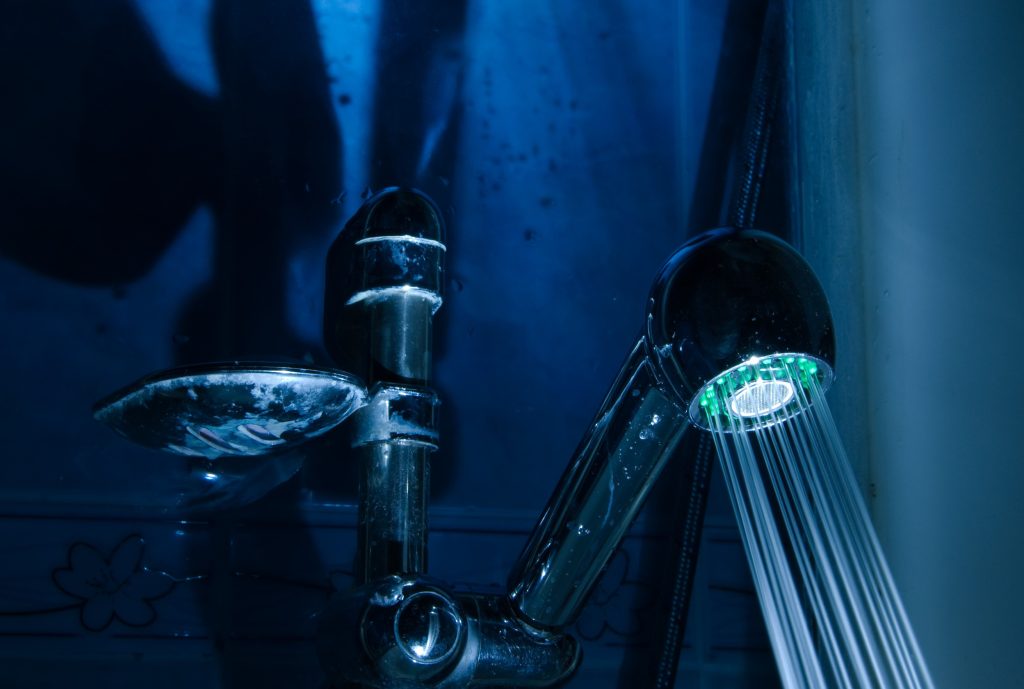
Does dark showering help you sleep better? Experts explain the viral bedtime trend
Favicon 
www.optimistdaily.com

Does dark showering help you sleep better? Experts explain the viral bedtime trend

BY THE OPTIMIST DAILY EDITORIAL TEAM Scrolling through social media lately, you may have stumbled upon a surprisingly simple sleep hack: turning off the lights before stepping into the shower at night. Known as “dark showering,” the trend swaps bright bathroom lighting for dim bulbs or even complete darkness as part of a bedtime wind-down routine. Supporters say it calms the mind, reduces stress, and even improves sleep quality. But does showering in the dark truly help you fall asleep faster, or is it simply a comforting ritual at the end of a long day? Sleep experts say there is some real science behind the idea (with a few important caveats). Why light and temperature matter for sleep According to Chelsie Rohrscheib, PhD, a neuroscientist and head of sleep research at Wesper, dark showering can support the body’s natural transition into sleep. “For the brain to initiate sleep, the body must undergo a slight drop in core body temperature (usually by one degree),” Rohrscheib explained. A warm shower temporarily raises body temperature. When you step out, your core temperature drops quickly, essentially mimicking the body’s natural cooling process before sleep. “This mimics the natural process that occurs in our body before sleep, making it easier for the brain to transition into sleep,” she said. Lighting plays a role as well. Melatonin, the hormone that signals it is time to sleep, is regulated by light exposure. “Melatonin is a circadian rhythm-regulating hormone created in our brains that signals when it’s time to be awake vs. asleep,” Rohrscheib said. “Its production is regulated by light information entering our eyes, where consistent light exposure suppresses melatonin production and lower light levels increase melatonin production.” In other words, dimming the lights even in the shower can help signal to your brain that bedtime is approaching. “Therefore, showering with the lights off promotes melatonin release, preparing the brain for sleep ahead of time,” she added. A built-in mindfulness moment Beyond biology, dark showering may offer psychological benefits. “It’s a good way to relax and de-stress before bed, moving our nervous system into the parasympathetic state, which is responsible for relaxation and sleepiness,” Rohrscheib noted. That shift can also reduce cortisol, a hormone associated with alertness and stress. Patricia Read, a sleep coach at Goldilocks Sleep Solutions, says the practice can double as a form of mindfulness. “In the dark, we create space for our other senses to take over. We can focus more on the comforting feel of the warm water hitting us, the pleasant smells we chose for our cleansers, and the soothing sounds of the shower water,” she said. The result can resemble meditation. “This atmosphere creates the perfect space to visualize your thoughts and worries being washed away, creating a blank slate for you to welcome sleep and then start your day fresh in the morning,” Read added. For people whose evenings are packed with screens and stimulation, that sensory reset can be especially helpful. Not a cure-all for sleep struggles As soothing as it sounds, experts caution against seeing dark showering as a miracle solution. “Someone with chronic sleep issues or an underlying sleep disorder may find limited to no success without medical intervention,” Rohrscheib said. Mindset also matters. “If someone goes into dark showering thinking it’s a magical solution, then chances are they won’t benefit from it,” Read explained. Rushing through the shower just to check off a wellness box may cancel out the stress-reducing effect. “Dark showering before bed could be counterproductive for someone who feels pressure to get it done, hence heaping even more stress on themselves,” she said. In short, it works best as a ritual, not a performance. Proven sleep strategies to pair with it If you are curious about trying dark showering, experts recommend combining it with evidence-based sleep habits. Rohrscheib advises keeping a consistent sleep schedule. Try going to bed and waking up at roughly the same time every day, including weekends, to help regulate your circadian rhythm. Caffeine timing matters, too. She recommends avoiding it at least six hours before bed. Research suggests caffeine’s half-life is around six hours, meaning about half of it can still be active in your system long after that afternoon coffee. Read also suggests avoiding heavy meals about three hours before bedtime, as digestion can interfere with rest. Light exposure remains one of the most powerful sleep signals. Rohrscheib recommends limiting bright overhead lighting and screens in the evening and keeping your bedroom dark, cool, quiet, and comfortable. And what if sleep still refuses to come? “Do not allow yourself to toss and turn in bed for longer than 20 minutes,” Rohrscheib said. Instead, get up and do a calming activity in dim light for 10 to 15 minutes before returning to bed. A small shift with potential payoff Dark showering is not a cure for insomnia. But as part of a thoughtful nighttime routine, it may offer a low-effort way to reduce stimulation and ease the transition into rest. Sometimes, better sleep does not require a dramatic overhaul. Just a few subtle signals to your brain that the day is done. If turning down the lights and stepping into warm water helps you exhale a little more deeply, that alone may be a step in the right direction.     Did this solution stand out? Share it with a friend or support our mission by becoming an Emissary.The post Does dark showering help you sleep better? Experts explain the viral bedtime trend first appeared on The Optimist Daily: Making Solutions the News.

Like
Comment
Share
Daily Caller Feed
Daily Caller Feed
5 w

Scott Jennings Says Democrats Misuse Epstein Files The Same Way They Did Steele Dossier
Favicon 
dailycaller.com

Scott Jennings Says Democrats Misuse Epstein Files The Same Way They Did Steele Dossier

'I get the process'
Like
Comment
Share
Daily Caller Feed
Daily Caller Feed
5 w

Caitlin Clark Spotted Hanging Out With Eileen Gu — It’s Time To Stop Being Fans Of This Overrated Saphead
Favicon 
dailycaller.com

Caitlin Clark Spotted Hanging Out With Eileen Gu — It’s Time To Stop Being Fans Of This Overrated Saphead

Caitlin Clark and Eileen Gu were spotted sitting in the front row beside one another at Prada
Like
Comment
Share
Showing 4544 out of 116266
  • 4540
  • 4541
  • 4542
  • 4543
  • 4544
  • 4545
  • 4546
  • 4547
  • 4548
  • 4549
  • 4550
  • 4551
  • 4552
  • 4553
  • 4554
  • 4555
  • 4556
  • 4557
  • 4558
  • 4559
Advertisement
Stop Seeing These Ads

Edit Offer

Add tier


Select an image
Delete your tier
Are you sure you want to delete this tier?

Reviews

In order to sell your content and posts, start by creating a few packages. Monetization

Pay By Wallet

Payment Alert

You are about to purchase the items, do you want to proceed?

Request a Refund