YubNub Social YubNub Social
    #trump #democrats #loonylibs #americafirst #sotu #k #culture #fuckdiversity #streetingtrial #wesstreeting #saynottopubertyblockers #exodermin
    Advanced Search
  • Login
  • Register

  • Night mode
  • © 2026 YubNub Social
    About • Directory • Contact Us • Developers • Privacy Policy • Terms of Use • shareasale • FB Webview Detected • Android • Apple iOS • Get Our App

    Select Language

  • English
Night mode toggle
Featured Content
Community
New Posts (Home) ChatBox Popular Posts Reels Game Zone Top PodCasts
Explore
Explore
© 2026 YubNub Social
  • English
About • Directory • Contact Us • Developers • Privacy Policy • Terms of Use • shareasale • FB Webview Detected • Android • Apple iOS • Get Our App
Advertisement
Stop Seeing These Ads

Discover posts

Posts

Users

Pages

Blog

Market

Events

Games

Forum

Conservative Voices
Conservative Voices
6 w

'Driver's Licenses for All': Minnesota's Dangerous Surrender of the Rule of Law
Favicon 
www.westernjournal.com

'Driver's Licenses for All': Minnesota's Dangerous Surrender of the Rule of Law

Now that the nation’s attention has turned to Minnesota and its massive welfare fraud – fraud so large (referred to as “industrial-scale” by the assistant U.S. attorney, possibly as much as $9 billion) that Democratic Gov. Tim Walz felt compelled to end his bid for re-election -- we should take...
Like
Comment
Share
BlabberBuzz Feed
BlabberBuzz Feed
6 w

Ilhan Omar Explodes At ‘U.S. G------ States’ Hearing—Elon Musk Drops One Chilling Word
Favicon 
www.blabber.buzz

Ilhan Omar Explodes At ‘U.S. G------ States’ Hearing—Elon Musk Drops One Chilling Word

Like
Comment
Share
BlabberBuzz Feed
BlabberBuzz Feed
6 w

“Squad” Showdown In St. Louis: Can Cori Bush Explain This Stunning Transit Flip-Flop?
Favicon 
www.blabber.buzz

“Squad” Showdown In St. Louis: Can Cori Bush Explain This Stunning Transit Flip-Flop?

Like
Comment
Share
Living In Faith
Living In Faith
6 w

Running with Horses - Encouragement for Today - January 19, 2026
Favicon 
www.christianity.com

Running with Horses - Encouragement for Today - January 19, 2026

Discover how life's most exhausting challenges are not obstacles but divine training grounds, preparing you for greater endurance and purpose. This article reveals how perceived struggles are God's way of equipping you to 'run with horses' and overcome future trials with newfound strength.
Like
Comment
Share
Living In Faith
Living In Faith
6 w

I Might Owe My Students an Apology About Josephus
Favicon 
www.thegospelcoalition.org

I Might Owe My Students an Apology About Josephus

Flavius Josephus was a Jewish aristocrat (AD 37–100) who witnessed firsthand the great Jewish war with Rome. After surrendering to the Roman general Vespasian (soon Emperor Vespasian) in Galilee, Josephus was granted a pension and a home in Rome, where he wrote nearly half a million words: narrating the events of the war (The Jewish War), telling his life story (Life), and recounting the entire history of the Jewish people in 20 volumes (Jewish Antiquities). Josephus is our most important historical source for the Roman East—Syria, Galilee, and Judea—offering priceless insights into politics, warfare, religion, and daily life we’d otherwise never know. I’ve taught about Josephus’s life and works for more than 20 years—first in secular settings like Macquarie University and the University of Sydney, and now at Wheaton College. But Josephus and Jesus: New Evidence for the One Called Christ by T. C. Schmidt, associate professor of religious studies at Fairfield University, has forced me to rewrite my lectures—and it might just have changed my mind. It seems that a controversial passage about Jesus’s resurrection might be original after all. Contested Passage Of everything Josephus wrote, a single paragraph has been analyzed and debated more than all the rest. Those 90 words are even given their own name in scholarship: the Testimonium Flavianum—the testimony of Flavius Josephus about Jesus. It appears in Book 18 of Jewish Antiquities. Here’s the standard translation from the Loeb Classical Library, with brackets around the words I’ve described for decades as “dodgy.” (Not exactly a technical term, but I always thought it apt.) About this time there lived Jesus, a wise man, [if indeed one ought to call him a man]. For he was one who wrought surprising feats and was a teacher of such people as accept the truth gladly. He won over many Jews and many of the Greeks. [He was the Messiah.] When Pilate, upon hearing him accused by men of the highest standing among us, had condemned him to be crucified, those who had in the first place come to love him did not give up their affection for him. [For he appeared to them alive again on the third day, the divine prophets having foretold these and countless other marvellous things about him.] And the tribe of the Christians, so called after him, has still to this day not disappeared. Since a famous 1987 article by Géza Vermes (professor of Jewish studies at Oxford University), the scholarly consensus about this paragraph has been that Josephus himself wrote a brief, neutral—or perhaps negative—remark about Jesus, which was later “improved” by a Christian scribe copying out Josephus’s works in the fourth, fifth, or sixth century. It seems that a controversial passage about Jesus’s resurrection might be original after all. A major article by Cambridge University’s James Carleton Paget in 2001 seemed to seal this conclusion, just as I was beginning to teach this material at university. It’s true a few “crackpots” insisted the whole paragraph was authentic and some “atheist onliners” argued the whole thing was a fabrication, but the settled mainstream view seemed most reasonable. This is what I’ve been teaching students for years. So I was skeptical when I first heard that Schmidt was bringing out Josephus and Jesus, the first major work on the topic in decades. I knew it was peer-reviewed—published by Oxford University Press, no less—but I couldn’t imagine how anything new could be said after Vermes, Carleton Paget, John P. Meier, Graham Stanton, and a host of others had all landed on roughly the same view. I, too, had published several pieces on the Testimonium Flavianum that echo this consensus. But I (and the consensus) might be wrong. Schmidt has done something new—in fact, four new things—and it invites a rethinking of the case. Manuscript Evidence Schmidt does a terrific job in the early chapters of his book chasing down all the manuscripts that contain the Testimonium Flavianum. Josephus wrote in Greek, but his work—at least parts of it—was quickly translated into Latin, as well as Syriac, Armenian, and Arabic. Unlike most classical and New Testament scholars, Schmidt seems comfortable swimming in all these linguistic oceans. The upshot of his analysis is that we may have to rethink a key line. In the traditional Testimonium Flavianum, the statement “He was the Christ” is the giveaway, so it was thought, that this couldn’t have been written by a non-Christian Jew like Josephus. The expression “a (mere) wise man” earlier in the paragraph fits Josephus’s likely view, but a declaration of messianic identity is out of place. But Schmidt notes that Latin and Syriac manuscripts of this passage don’t have the clear affirmation “He was the Christ” but instead the more doubtful “He was believed to be [Latin] / thought to be [Syriac] the Christ.” Given the early date of these renditions—AD 300s—and the unlikelihood that any Latin or Syriac Christian copyist would demote Jesus, it seems reasonable to conclude this was what Josephus wrote. In the Greek copying tradition, a single verb (legomenos, “called,” perhaps) appears to have dropped out, either by accident or intent. Word-Frequency Evidence Schmidt also applies stylometry to the Testimonium Flavianum. Stylometry is the mathematical (i.e., computer-assisted) analysis of an author’s vocabulary and syntax. It allows scholars to create a kind of “linguistic fingerprint” for an author. It isn’t just for ancient texts. Researchers at Northeastern University, for instance, have used the same technique to test whether Little Women author Louisa May Alcott secretly wrote a series of gothic tales under the pseudonym “E. H. Gould.” By digitizing 19th-century magazines and running them through algorithms that identify each writer’s linguistic fingerprint, they can often make the call. Why is this relevant to Josephus? Some scholars have long claimed—based on general impressions—that the famous paragraph about Jesus uses odd words found rarely or nowhere else in Josephus’s many works. Schmidt shows this scholarly hunch to be wrong. It turns out Josephus had an enormous Greek vocabulary: He uses a unique term roughly every 87 words throughout his corpus. Having a unique word, and a couple of rare words, in a 90-word paragraph is exactly what we’d expect. Schmidt even examined Josephus’s rate of using common words such as “and,” “or,” and “the”—and the Testimonium Flavianum shows the same frequencies as the rest of his nearly half-million-word output. Josephus’s fingerprints are all over this contested paragraph. Greek Evidence Schmidt offers a Greek-language insight into the most obvious Christian interpolation: the statement typically translated “he appeared to them alive again on the third day.” The key verb is phainō—“to appear.” Vermes, Carleton Paget, and others have reasonably noted that a non-Christian Jew like Josephus would never have said Jesus actually “appeared alive.” That sounds like a Christian addition. Josephus’s fingerprints are all over this contested paragraph. But what if phainō in this context carries one of its other connotations, well attested in Greek writings from Plato (fourth century BC) to Origen (third century AD)—namely, to indicate “something seeming or appearing to be so (but which may not actually be so),” as Schmidt puts it (97)? That would mean Josephus isn’t claiming Jesus really was alive, any more than earlier in the paragraph he was claiming Jesus was actually the Christ. Rather, he’s reporting, in a noncommittal or even skeptical way, that “it seemed” to Jesus’s followers he was alive, just as they “believed” or “thought” Jesus to be the Christ. Schmidt gives examples of this usage in Josephus. For instance, in his Jewish Antiquities (2.35), Josephus retells the biblical story of Joseph and his brothers. The brothers put blood on his clothes “so that Joseph might appear [phainō] to Jacob to have been killed by beasts.” This is clearly an example of something that seems to be the case but is false. Schmidt suggests the remark about Jesus is similar: It merely appeared to Jesus’s followers that he was alive in fulfillment of their Scriptures. Such a statement would be entirely plausible. Public Claims Virtually all historians today, regardless of their religious commitment, agree that Jesus’s resurrection was the central public claim of Christians in this period and, equally, that certain Jewish elites were disputing the claim (see Matt. 28:11–15). The statement “it seemed to them that he was alive again” fits Josephus’s situation well. And such a noncommittal or skeptical way of referencing the resurrection is unlikely to have been added by a later Christian copyist trying to ventriloquize correct doctrine through Josephus’s lips. Schmidt’s own rendition of the full (and perhaps authentic) Testimonium Flavianum is this: And in this time, there was a certain Jesus, a wise man, if indeed one ought to call him a man, for he was a doer of incredible deeds, a teacher of men who receive truisms with pleasure. And he brought over many from amongst the Jews and many from amongst the Greeks. He was thought to be the Christ. And, when Pilate had condemned him to the cross at the accusation of the first men amongst us, those who at first were devoted to him did not cease to be so, for on the third day it seemed to them that he was alive again given that the divine prophets had spoken such things and thousands of other wonderful things about him. And up till now the tribe of the Christians, who were named from him, has not disappeared. (204) An argument supported by the above three forms of evidence would have been well worth publishing for scholarly consideration. Nevertheless, Schmidt offers a fourth, remarkable contribution. Insider Connections When I interviewed Schmidt for the Undeceptions podcast, he told me he’d initially planned to leave the book as simply a fresh way to read the manuscripts and language of the Testimonium Flavianum. Yet, he told me, one day he ventured down a rabbit hole. He started to ask, What relationships did Josephus personally have with the “first men amongst us” in Judea in the AD 40s, 50s, and 60s when he was in Judea and Galilee? The results might be the most significant part of the book. I’ve often cautioned my students that, while Josephus probably wrote a neutral or skeptical sentence or two about Jesus, we could never know where he got his information—public rumor, Christian sources, or some official non-Christian channel. Schmidt may have found the most plausible answer. He has mapped Josephus’s remarkable network of relationships with the very Jerusalem elites present at both Jesus’s trial (around AD 30) and the later execution of his half-brother James (in AD 62, an event Josephus records in Antiquities 20). As Schmidt argues, it turns out Josephus moved within the priestly dynasty directly connected to both deaths. His wartime commander was Ananus II (Ananus the Younger), the high priest who ordered James’s execution. Ananus II was the son of Ananus I, Ananus the Elder, the former high priest who presided over Jesus’s interrogation (known as Annas in John 18:13). Ananus the Elder’s daughter married Caiaphas, the high priest named in the Gospels. Ananus II was therefore Caiaphas’s brother-in-law. Luke 3:2 and John 18:13 place Ananus and Caiaphas together at the apex of the priestly establishment. Josephus twice calls Ananus II “the oldest of the chief priests” and notes his death in AD 68–69. Ananus II was likely in his 70s or 80s when he died, making him in his 30s or 40s around AD 30, fully adult and influential at the time of Jesus’s trial. Therefore, Schmidt plausibly speculates that Ananus II (the Younger) might even have been a member of the Sanhedrin that handed Jesus over to Pilate. Whatever we make of that suggestion, Schmidt is right to note that Jewish law required families to keep the Passover meal in the patriarch’s house. This means Ananus II would have been at his father’s house on the night Jesus was brought there for questioning (John 18:13). Therefore, Schmidt writes, “Ananus II surely would have observed the portion of the proceedings held in his family’s patriarchal residence” (192). That seems solid to me. The upshot of this complicated discussion of priestly family connections is that when Josephus wrote in the Testimonium Flavianum that Jesus had been accused by “the first men among us,” he was plausibly drawing not on Christian rumor but on the recollections of Jerusalem leaders he knew personally. Largely Convincing Josephus and Jesus offers academics, pastors, public advocates for Christianity a fresh look at one of the most hotly debated passages among ancient documents. I’m about 78 percent convinced by this book (that’s an excellent mark in Australia—less so in America, I’ve learned!). What’s my remaining 22 percent of doubt based on? I have quibbles—for example, around Schmidt’s discussion of the phrase paradoxa erga (“baffling deeds”)—but much of my hesitation isn’t intellectual. It’s sociological or psychological. I’ve spent my career trying to ensure my teaching about the historical Jesus stays within the bounds of mainstream (secular) scholarship, and Schmidt’s book is a major, serious challenge to the consensus on the Testimonium Flavianum. It won’t completely convince everyone, but if I’m any indication, it could partly convince many. I might owe my former students an apology.
Like
Comment
Share
Living In Faith
Living In Faith
6 w

Come to Jesus, All Those Who Feel Overwhelmed by Work
Favicon 
www.thegospelcoalition.org

Come to Jesus, All Those Who Feel Overwhelmed by Work

Many scenarios could make the seasonal burdens of work feel overwhelming—think of an accountant in April, a teacher in August, or a pastor in December. But our work can also feel overwhelming on a more mundane level. A full email inbox, a big project, or even the regular daily grind can leave us tired and discouraged. What does God offer in the Bible when I’m feeling overwhelmed by work? One definition of “overwhelm” is “[to] bury or drown beneath a huge mass.” While our work might feel like a huge mass we’re buried or drowning beneath, God tells us in Scripture, “When you pass through the waters, I will be with you; and through the rivers, they shall not overwhelm you; when you walk through the fire you shall not be burned and the flame shall not consume you” (Isa. 43:2). We also know we’re “afflicted in every way, but not crushed; perplexed, but not driven to despair; persecuted, but not forsaken; struck down, but not destroyed” (2 Cor. 4:8–9). So while we may feel overwhelmed, we can remind ourselves that since we belong to Christ, we aren’t actually buried or drowned. Questions to Ask Let’s consider a few questions to determine what’s leading us to feel overwhelmed. 1. Are we taking on more than is ours to take? We may not have control over what our leaders assign as our responsibilities, but we do have control over what job we agree to take in the first place, how we communicate our capacity, and what we choose not to take on beyond our role. Do we count the cost of duties, responsibilities, and travel expectations before committing to a position? Have we taken opportunities to be humbly transparent about our heavy workload or long hours so our leaders might consider deprioritizing certain initiatives or sharing our responsibilities with another teammate? Are there other areas—our time in the Word, our investment in family, or our community building—that we need to make room for too? Since we belong to Christ, we aren’t actually buried or drowned. Besides evaluating our schedule and to-do lists, have we also evaluated our hearts? Are we trusting God’s sovereignty over all we cannot control, like economic trends, world events, leadership moves, and other people’s reactions to our work? Or perhaps sin has crept in. Have we taken on work beyond our responsibility, potentially because delegation would jeopardize our idol of control? Or because, in our pride, we’re anxious that others wouldn’t perform as well as we would? If so, we’d do well to heed Jethro’s advice to his son-in-law Moses: The work was too heavy for Moses to handle alone, but if he allowed others who were capable, trustworthy, and honest to share it, the strain would be easier and the output would serve others better in the end (Ex. 18:18–23). We can look to God for wisdom in defining our portion of responsibilities and the boundary lines of our work, relinquishing control of others’ assignments, and trusting him to carry what only he can. 2. Are we placing our identity in work? Sometimes we look to our work for a sense of worth and acceptance we’re only meant to find in Jesus. Have we become obsessed with our pursuit of a promotion, a higher salary, or public recognition as we seek our own glory? Have we allowed work to take too high a priority in our lives relative to all other roles to which God has called us in our families, churches, and communities? It’s true we were created for good works prepared for us in advance, but we’re to walk in these works from our identity as God’s workmanship, glorifying the One who created us rather than ourselves as creators or anything we create (Eph. 2:10). When we place our identity in the shaky and uncontrollable aims of our own success, commendations, and achievements, the fear of falling short (as we inevitably will) can weigh us down like sandbags or catapult us into a cycle of anxious toil. Instead, we can anchor our purpose and worth in the reality that we serve God, not man, and that we look to the Lord always for our ultimate acceptance (Gal. 1:10). 3. Are we working wisely? After defining the workload that’s rightly ours and seeking to work heartily as for the Lord and not for men (Col. 3:23), we can also consider whether we have opportunities to work more wisely. Can we seek to complete our work more efficiently? Can we better organize our to-do list or be more intentional and guarded with our schedule? Are we praying throughout the day for the strength, creativity, and discernment to work well? Can we look to others’ examples of producing reliable, quality work in a reasonable time? Can we learn about their approach to work and imitate their example? Can we resist unworthy distractions during working hours, such as social media, team gossip, news scrolling, office grumbling, or personal tasks? Are they robbing us of the hours that would otherwise be sufficient for completing the work? Do we even need to set aside our phone or email inbox for a brief time to focus more fully on our tasks? Are some of our shortcomings—such as complaining, worrying, exaggerating, treating people poorly, or idolizing others’ approval—creating more work for us along the way? Have we instead asked the Lord for wisdom to react, communicate, relate, and lead for his glory? Ultimately, we need supernatural wisdom to work with efficiency and effectiveness in the tasks before us—wisdom to discern the right choices that save us later corrections, wisdom to see and draw out the gifts the Lord has given those around us, wisdom to leverage the resources around us for higher productivity, and wisdom to prioritize what most deserves our attention as we go about the day. Without that wisdom, we may become like a dull axe, our tasks requiring far more effort, attempts, and frustration—and leaving us far more overwhelmed—than they need to (Eccl. 10:10). 4. Are we working under Jesus’s light burden and easy yoke? When we feel overwhelmed by work, we’d do best to take Jesus up on his offer to the weary and heavy-laden—that of rest from work and an easy yoke and light burden for work. We need supernatural wisdom to work with efficiency and effectiveness in the tasks before us. This promise beckons us to work in a way that isn’t overwhelmed by the insufficiency of our own strength and ability to meet work’s demands, but in a way that relies on God’s power working in our weakness (2 Cor. 12:9), his promise to give wisdom to those who ask (James 1:5), his new mercies every morning (Lam. 3:23), and his commitment to daily bear us up (Ps. 68:19). One practical way to do this is through weekly Sabbath rest, even in our overwhelming seasons. We do this not only as stewards of our health for the kingdom but in dependence on the God who rested from his creation work and promises to work even when we’re obediently still (Ex. 14:14). Work as It Was Designed to Be As we seek to reflect—through our work—the One who works for us, we can look to him to allot our portion of work, anchor our identity in him, equip us with wisdom, and shoulder the overwhelming weight of all that only he can carry. In this way, we can demonstrate how God designed work to be before the fall—an opportunity to walk in fellowship with him, laboring to see his kingdom come and will be done on earth as it is in heaven, in reliance on and for the glory of the King (Matt. 6:10).
Like
Comment
Share
Living In Faith
Living In Faith
6 w

Teach People How to Read Their Bibles
Favicon 
www.thegospelcoalition.org

Teach People How to Read Their Bibles

A pastor isn’t responsible only to teach Scripture but also to help his people learn how to read the Bible for themselves. Matt Smethurst and Ligon Duncan share how pastors can encourage their congregations to engage deeply with God’s Word, meditate on how the Lord has revealed himself, and approach Scripture with obedience and joy. Resources Mentioned: A Heart Aflame for God: A Reformed Approach to Spiritual Formation by Matthew C. Bingham A Quest for Godliness: The Puritan Vision of the Christian Life by J. I. Packer Before You Open Your Bible: Nine Heart Postures for Approaching God’s Word by Matt Smethurst The Message of the Old Testament: Promises Made by Mark Dever The Message of the New Testament: Promises Kept by Mark Dever Ryken’s Bible Handbook by Leland Ryken, Philip Ryken, and James Wilhoit Survey of the Bible by William Hendriksen
Like
Comment
Share
Living In Faith
Living In Faith
6 w

The FAQs: What Should Churches Do When Protest Enters the Sanctuary?
Favicon 
www.thegospelcoalition.org

The FAQs: What Should Churches Do When Protest Enters the Sanctuary?

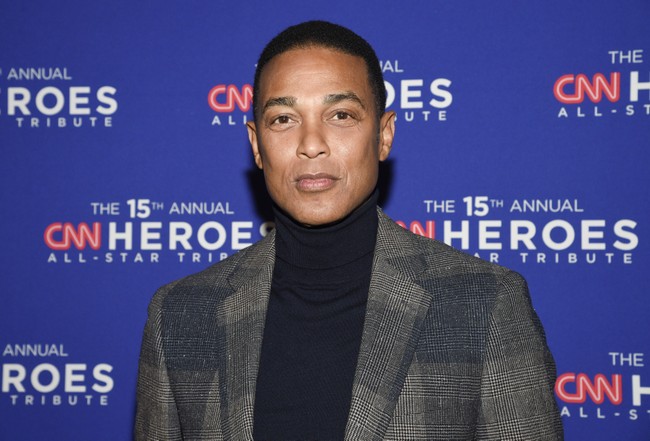
What just happened? Protesters disrupted a Minnesota church service on Sunday after activists determined one of the pastors works as the acting director of U.S. Immigration and Customs Enforcement’s field office in St. Paul, says the Minnesota Star Tribune. Activists, including some from Black Lives Matter Minnesota, attended the service at Cities Church in St. Paul and chanted, “Justice for Renee Good.” Cities Church pastors include Desiring God president and CEO Marshall Segal and executive editor David Mathis. The church is led by Jonathan Parnell, who was confronted on camera and misidentified by former CNN anchor Don Lemon. Harmeet Dhillon, assistant attorney general for the U.S. Department of Justice, announced an investigation of possible criminal violations. Attorney general Pamela Bondi also said, I just spoke to the Pastor in Minnesota whose church was targeted. Attacks against law enforcement and the intimidation of Christians are being met with the full force of federal law. If state leaders refuse to act responsibly to prevent lawlessness, this Department of Justice will remain mobilized to prosecute federal crimes and ensure that the rule of law prevails. On X, North American Mission Board president Kevin Ezell wrote, This church is pastored by @SendNetwork’s city missionary in Minneapolis-St. Paul. It is absurd that protestors would disrupt a Sunday morning worship service. If elected officials won’t contain lawlessness, @NAMB_SBC will provide protection for our churches. How common are such disruptions? According to the Family Research Council, 383 churches endured a combined total of 415 hostile incidents in 2024, including vandalism, arson, armed aggression, and service disruptions. Armed incidents more than doubled from 12 in 2023 to 28 in 2024. To date, the organization has identified 1,384 acts of hostility toward U.S. churches, occurring between January 2018 and December 2024. Is a church a public space where anyone may protest? No. Under U.S. law, churches are private property, even when open to the public for worship. Property owners—including churches—retain the right to set rules for conduct on their premises and to remove individuals who violate those rules. The Supreme Court held in Lloyd Corp. v. Tanner (1972) that private property doesn’t become a public forum merely by being open to the public. A Connecticut appeals court applied this principle directly to churches in State v. Steinmann (1990), observing that “property does not lose its private character merely because the public is generally invited to use it for designated purposes.” This means speech protected outside the church building (such as on a sidewalk) doesn’t automatically enjoy the same protection inside a sanctuary. When does protest become unlawful inside a church? Protest typically becomes unlawful when it involves disruption, refusal to comply with lawful instructions, or interference with religious worship. Examples commonly recognized in law include interrupting a worship service, shouting or chanting during prayer or preaching, blocking aisles or access points, refusing to leave when asked by church leadership, and attempting to seize microphones or approach the platform. At that point, the issue is no longer political disagreement but becomes a legal issue (e.g., trespass or disorderly conduct). What federal laws protect churches from disruption? The Freedom of Access to Clinic Entrances Act (FACE Act, 18 U.S.C. § 248), enacted in 1994, prohibits the use of force, threat of force, or physical obstruction to interfere with anyone “lawfully exercising or seeking to exercise the First Amendment right of religious freedom at a place of religious worship.” Physical obstruction under this law means rendering entrance to or exit from a place of worship impassable or making passage unreasonably difficult or hazardous. Violations can result in fines and imprisonment, with enhanced penalties for repeat offenses or incidents involving bodily injury. Churches and aggrieved individuals can also bring civil suits seeking injunctive relief, compensatory and punitive damages, and attorneys’ fees. Additionally, 18 U.S.C. § 247 specifically addresses damage to religious property and obstruction of persons in the free exercise of religious beliefs. What state laws apply? Nearly every state has laws specifically criminalizing the disruption of religious services. In Minnesota, the state where the latest incident occurred, Section 609.28 makes it a gross misdemeanor to “intentionally and physically [obstruct] any individual’s access to or egress from a religious establishment.” In California, Penal Code 302 makes it a misdemeanor to intentionally disturb any assembly of people meeting for religious worship by “profane discourse, rude or indecent behavior, or by any unnecessary noise,” with penalties including up to one year in jail, a $1,000 fine, or both. In Florida, Section 871.01 makes it a first-degree misdemeanor to “willfully and maliciously” interrupt or disturb any assembly of people met for worship; if the disruption includes a credible threat, it becomes a third-degree felony. In Virginia, if the disruption “prevents or interferes with orderly conduct” or tends to cause violence, it’s classified as a Class 1 misdemeanor. Similarly, in Massachusetts, Chapter 272, Section 38 punishes anyone who “wilfully interrupts or disturbs” an assembly gathered for worship with up to one year imprisonment or a $1,000 fine, while in New York, Penal Law § 240.21 criminalizes disruption of religious services. The common thread across these statutes is the word “willfully”—the law targets intentional, purposeful disruption, not accidental disturbances. Is asking someone to leave a church a violation of religious freedom? No. Religious liberty protects a church’s right to govern its own worship according to its theological convictions. The First Amendment doesn’t require a church to provide a platform for messages contrary to its mission. In Hosanna-Tabor Evangelical Lutheran Church and School v. EEOC (2012), the Supreme Court unanimously affirmed the autonomy of religious institutions in matters of internal governance. A church that removes a disruptive individual is exercising its own religious freedom. What speech remains protected near churches? Not all protest activity near churches is unlawful. The following remain constitutionally protected: peaceful picketing on public sidewalks, handing out leaflets on public property, quiet demonstration that doesn’t interfere with access or worship, and verbal criticism of the church or its beliefs from a distance. However, when protesters block entrances, enter the building without permission, use amplified sound to drown out worship, threaten or intimidate congregants, or refuse to leave when asked, they’ve crossed the line from protected speech into unlawful conduct. Should pastors personally confront protesters during the service? Generally, no. Pastors are shepherds, not security officers. Confrontation during worship can escalate rather than resolve the situation. According to guidance from Brotherhood Mutual Insurance and other church-safety experts, best practice is for the pastor to continue the service if possible while trained volunteers or designated leaders handle the situation, with law enforcement contacted if the disruption persists. This approach protects the congregation and prevents the pulpit from becoming a stage for conflict. What should a church do when protesters arrive? First, remain calm and avoid confrontation. Protesters often seek to provoke a reaction and may be filming the interactions. The goal should be de-escalation rather than debate. Second, discourage individual congregation members from approaching protesters. Instead, a designated representative—ideally someone with a calm demeanor—should approach with witnesses present to politely but clearly ask the protesters to leave the property. While one person engages with the situation, another should call law enforcement. Third, document the interaction if possible, but don’t allow documentation to become confrontational. According to Church Law & Tax, courts have upheld the right of churches to use “reasonable force” in removing trespassers, but this force should always be a last resort. Is calling the police an overreaction? Not necessarily. Calling law enforcement is appropriate when a person refuses to leave private property, when worship is being intentionally disrupted, when there are credible safety concerns, or when leaders are unable to de-escalate the situation. Don’t wait for a situation to escalate before calling the police. When they arrive, officers can issue trespass warnings, arrest for disorderly conduct or disturbing worship, and create an official record of the incident. Building a relationship with local law enforcement before any incident occurs is also valuable. Many police departments will conduct security assessments and may even provide officers for services when specific threats are identified. Romans 13 reminds Christians that civil authorities exist to restrain disorder, not merely to punish crime. Involving law enforcement is often an act of prudence and responsible pastoral care. What about protecting vulnerable members during a disruption? While leadership addresses the disruption, other church members should ensure the safety of children, elderly members, and anyone else who appears distressed. If protesters have entered the building, moving vulnerable individuals to secure interior rooms may be appropriate. Children’s ministry areas should have secure access protocols and clear procedures for lockdowns, and parents should know these procedures in advance. According to Ministry Pacific, if your church broadcasts services online, consider implementing a delay of at least 30 seconds so you can cut the feed if disruption occurs, rather than broadcasting the incident to a wider audience—which may be what protesters intend. Should churches take special precautions when high-profile public figures attend? Yes, wisely and quietly. When elected officials, judges, well-known speakers, or other public figures attend worship, churches face an increased risk of protest, disruption, or unwanted attention. According to guidance from Church Mutual Insurance Company and other church-security professionals, advance planning is essential in such situations. Reasonable measures may include a designated security or safety team (trained volunteers rather than ad hoc responders), a clear chain of command for handling disruptions, coordination with local law enforcement before high-profile visits, controlled access points during services, greeters trained to observe and report concerns, and clear procedures for removing disruptive individuals. For public figures without dedicated security, consider hiring off-duty law enforcement officers for the events or regular services. These measures should still preserve the atmosphere of worship while preparing for contingencies. Should churches announce security measures publicly? Generally, no. Publicizing protocols can unintentionally invite disruption. The best practice is to ensure internal clarity by having members know whom to contact and what to do. Security team members should be equipped with two-way radios and use plain language whenever possible. However, some churches adopt a color code for common situations (such as “Code Yellow” for suspicious person, “Code Red” for immediate threat) so security can communicate without alarming congregants who overhear radio traffic. How should a church build a security team? The best crisis response begins long before the crisis arrives. Look for individuals with calm temperaments, situational awareness, and the ability to serve without drawing unnecessary attention. Experience in law enforcement, military, or security is valuable but not essential. What matters most is character, judgment, and a servant’s heart. All security team members should undergo background checks and receive regular training covering de-escalation techniques, emergency response protocols, first aid, and the legal framework for using force. According to Tithe.ly, in an emergency, the pastor shouldn’t have operational command; that should be left to the security team. They should have the authority to decide when to evacuate, when to call law enforcement, and when to implement lockdown procedures. This distinction must be established and communicated before any incident occurs. Why are written policies important? Document your church’s security protocols in writing. Include procedures for medical emergencies, fire, severe weather, active threats, and protest or disruption. Ensure pastors, staff, and security team members all have access to these documents and review them regularly. Written policies also provide legal protection. If an incident occurs and litigation follows, having documented procedures shows that the church took reasonable precautions. What theological principles should guide churches in these moments? Three biblical truths must be held together. First, the church is a sacred assembly. Paul describes gathered worship as ordered and peaceable: “God is not a God of confusion but of peace” (1 Cor. 14:33). Second, the church welcomes sinners—but not disruption. Hospitality doesn’t require surrendering the gathering itself. Third, the church isn’t a political theater. Worship is directed vertically before it’s expressed horizontally. When protest overtakes praise, the purpose of the assembly is lost. Does increased security contradict trust in God? No. Trust in God has never excluded preparation. Nehemiah both prayed and posted guards (Neh. 4:9). Jesus instructed his disciples to be “wise as serpents and innocent as doves” (Matt. 10:16) and spoke of prudence in dangerous contexts (Luke 22:36). Security isn’t fear; it’s stewardship. Protecting your congregation is an act of love. Doing so with grace—responding to even hostile protesters with firm kindness rather than retaliation—is an act of witness. In an age of increasing hostility toward religious communities, churches must prepare. But our preparation should never descend into fear or hostility. We protect because we love. We plan because we’re stewards. And we trust that, ultimately, our security rests in the hands of One who neither slumbers nor sleeps (Ps. 121:4).
Like
Comment
Share
Pet Life
Pet Life
6 w

Adoption Fees Explained: What You Pay And Why It Matters
Favicon 
www.dogingtonpost.com

Adoption Fees Explained: What You Pay And Why It Matters

Adoption fees can feel like sticker shock when you’re ready to bring a dog home. But here at DogingtonPost, we believe adoption fees explained reveals something important: shelters aren’t trying to profit-they’re covering real costs to keep dogs healthy and safe. The money you pay goes directly toward veterinary care, food, housing, and staff who work tirelessly to prepare your new companion. Understanding where your adoption fee goes helps you see it as an investment, not an expense. What Adoption Fees Really Cover The Range and Reality of Adoption Costs Adoption fees typically range from under $100 at municipal shelters to $500 or more at rescue organizations, and this variation reflects real differences in what shelters provide. According to Shelter Animals Count data, approximately 4.2 million dogs and cats were adopted in 2024, yet many adopters still question whether fees justify the cost. The reality is that adoption fees directly fund the medical care your dog receives before coming home. Most shelters include vaccinations, microchipping, and spay or neuter surgery in their fees-procedures that would cost $500 to $1,500 if you paid for them privately. Why Fees Vary Between Organizations A 4-month-old puppy adopted without prior neutering represents lower upfront costs for the shelter but higher future expenses for you, which is why many organizations front-load these costs into their adoption fees. Some shelters offer transparent, itemized breakdowns showing exactly how much goes toward each service, while others bundle everything into one price. Foster-based rescue organizations often charge more because they cover months of food, supplies, and individualized care in a home setting rather than a facility. Municipal shelters frequently charge less because government funding supports their operations, but this sometimes means fewer medical services included upfront. Fee Structure and Adopter Outcomes Research shows that adoption fee amounts don’t actually predict adopter commitment-one study found that waiving adoption fees increased adoption rates. Some shelters strategically reduce fees for senior dogs or animals with longer stays, recognizing that extended shelter time increases behavioral and health risks. The Cat Adoption Team increased adoptions by 89% when they lowered fees for adult cats, yet their total revenue actually grew because adoption volume more than compensated for lower per-animal fees. This means shelters charging premium fees aren’t necessarily operating more efficiently-they’re simply using price as a barrier. What to Ask Before You Adopt When comparing shelters, ask what each fee includes: vaccines, microchip, behavior assessment, trial periods, and post-adoption support vary significantly. Organizations offering adoption guarantees or disruption insurance protect your investment if the placement doesn’t work, justifying higher fees through risk management. Location matters too; urban shelters typically charge more than rural ones due to higher facility and staff costs, not necessarily better services. These questions help you understand whether a higher fee reflects superior care or simply reflects where the shelter operates. Breaking Down Where Your Money Actually Goes Veterinary Care: The Largest Cost Component Veterinary care represents the largest chunk of your adoption fee, and shelters do not cut corners here. Before a dog leaves the shelter, it receives vaccinations against rabies, distemper, and parvovirus, which cost $15 to $100 per dose. Microchipping adds another $25 to $50, and spay or neuter surgery runs $200 to $500 depending on the animal’s age and health status. A shelter that performs these procedures on hundreds of animals annually negotiates better rates with veterinarians than you would as an individual, but the costs remain substantial. Some shelters also include fecal exams to check for parasites, heartworm testing for dogs in certain regions, and dental cleanings for older animals. When you adopt, you receive approximately $400 to $750 worth of veterinary services bundled into a single fee. Food and Housing: Daily Operational Expenses Food and housing expenses compound quickly in shelter settings. The average shelter dog stays 9 to 14 days before adoption, though many stay far longer. During this time, shelters provide quality dog food, bedding, toys, and climate-controlled housing. A dog that consumes 2 to 3 cups of food daily costs roughly $8 to $15 per day in supplies alone, meaning a 30-day stay generates $240 to $450 in food costs before accounting for housing utilities, cleaning supplies, and waste management. Rescue organizations that run foster-based programs face even higher expenses because they pay foster families or reimburse them for months of care, veterinary emergencies, and specialized food for dogs with dietary restrictions. Staff and Administrative Costs: The Hidden Reality Staff costs represent the reality most adopters overlook. Shelter employees include veterinarians, veterinary technicians, behavior specialists, adoption counselors, and facility maintenance workers. A single full-time veterinarian costs a shelter $60,000 to $80,000 annually in salary and benefits. A behavior specialist who evaluates dogs for adoptability earns $35,000 to $50,000 yearly. When you adopt one dog, you pay a proportional share of these salaries plus administrative overhead, liability insurance, and facility rent or mortgage. Larger shelters spread these costs across thousands of adoptions annually, resulting in lower per-animal fees. Smaller rescues with fewer adoptions must charge higher fees to cover the same essential staff positions. This explains why a rescue organization that places 50 dogs yearly charges significantly more per adoption than a municipal shelter that places 2,000 dogs annually, even if both provide identical medical care. Understanding this cost structure helps you recognize that higher fees at smaller organizations reflect operational realities, not inflated pricing-and it sets the stage for understanding what additional benefits and protections your adoption fee actually provides. What Your Adoption Fee Actually Protects Health Documentation and Legal Safety You pay an adoption fee to obtain documented proof that your dog meets basic health standards before arriving home. Shelters provide vaccination records, microchip registration, and spay or neuter certificates that establish your dog’s medical history from day one. This documentation protects you from unexpected veterinary bills and legal liability. A dog without proof of rabies vaccination can trigger quarantine requirements if it bites someone, potentially costing you thousands in legal fees and boarding expenses. Shelters conduct behavior assessments before adoption, identifying dogs with aggression or severe anxiety issues that would surface after you bring them home. Research shows that comprehensive pre-adoption screening reduces your risk of costly returns, emergency rehoming, or expensive behavior training far more effectively than adoption fee amounts alone. Trial Periods and Adoption Guarantees Many shelters now offer trial periods or adoption guarantees, allowing you to return the dog within 14 to 30 days if the match fails, with full refunds or fee credits toward a different animal. This protection proves invaluable because a behavioral mismatch costs far more in stress, time, and money than any adoption fee. Some organizations include disruption insurance that protects your investment if the placement doesn’t work out, justifying higher fees through risk management. These safeguards transform adoption from a permanent, irreversible decision into a flexible arrangement that protects both you and the dog. Post-Adoption Support and Ongoing Guidance Post-adoption support separates quality shelters from mediocre ones, yet most adopters never ask about it. The best organizations provide free behavior consultations during your first month, telephone support for training questions, and connections to local trainers or veterinarians. Some shelters cover the cost of behavioral medication if your newly adopted dog develops anxiety after placement, recognizing that environmental stress causes many behavioral problems that weren’t visible in the shelter. Foster-based rescues maintain relationships with adopters for years, offering guidance on introducing dogs to children, managing resource guarding, or addressing separation anxiety. A dog from a reputable shelter comes with institutional knowledge about its personality, food preferences, and medical history that a random dog from an online listing never provides. This information helps you avoid expensive mistakes like purchasing the wrong food for a dog with digestive issues or triggering fear responses through incompatible training methods. Understanding What Your Fee Includes When shelters charge higher fees, they often fund post-adoption services through adoption revenue. A $400 fee at a rescue organization might include six months of telephone support, while a $150 fee at a municipal shelter covers only basic medical care. Ask what support your fee includes before adopting, helping you choose an organization aligned with your needs and experience level. This transforms adoption from a one-time transaction into an ongoing partnership that protects your investment in your new dog. Final Thoughts Adoption fees explained reveals a straightforward truth: you pay for health, safety, and ongoing support that protects both you and your dog. The $150 to $500 you spend upfront prevents far costlier problems down the road, from legal liability to veterinary emergencies that dwarf any adoption fee. Shelters absorb these costs so you don’t have to, providing documented medical care, professional behavior assessment, and often a safety net through trial periods or guarantees. Shelter dogs come with institutional knowledge about their personalities, medical needs, and quirks that helps you avoid expensive mistakes (something you’ll never get from an unlicensed breeder or online listing). Post-adoption support from reputable organizations means you have experts to call when questions arise, preventing costly mismanagement of training, nutrition, or health issues. Research consistently shows that adoption doesn’t predict lower commitment or higher return rates compared to purchased dogs. View adoption fees as transparent investments in a healthier, safer relationship with your new companion. Ask shelters to itemize what your fee includes, compare organizations based on services and support rather than price alone, and recognize that higher fees often reflect superior care and ongoing commitment to your success as a dog owner. Visit DogingtonPost for more practical guidance on responsible dog ownership and adoption resources that help you make informed decisions about bringing a dog into your home.
Like
Comment
Share
YubNub News
YubNub News
6 w

Talking To UK TV About the Bigger Picture of Somali Fraud
Favicon 
yubnub.news

Talking To UK TV About the Bigger Picture of Somali Fraud

A global problem.January 19, 2026 by Daniel Greenfield Leave a Comment [embedded content] I joined the UK’s GB News to discuss Somali fraud in the United States (it’s also happening in Europe) and…
Like
Comment
Share
Showing 5189 out of 111969
  • 5185
  • 5186
  • 5187
  • 5188
  • 5189
  • 5190
  • 5191
  • 5192
  • 5193
  • 5194
  • 5195
  • 5196
  • 5197
  • 5198
  • 5199
  • 5200
  • 5201
  • 5202
  • 5203
  • 5204
Advertisement
Stop Seeing These Ads

Edit Offer

Add tier


Select an image
Delete your tier
Are you sure you want to delete this tier?

Reviews

In order to sell your content and posts, start by creating a few packages. Monetization

Pay By Wallet

Payment Alert

You are about to purchase the items, do you want to proceed?

Request a Refund