YubNub Social YubNub Social
    #freedom #americanhistory #amercia250
    Advanced Search
  • Login
  • Register

  • Night mode
  • © 2026 YubNub Social
    About • Directory • Contact Us • Developers • Privacy Policy • Terms of Use • shareasale • FB Webview Detected • Android • Apple iOS • Get Our App

    Select Language

  • English
Night mode toggle
Featured Content
Community
New Posts (Home) ChatBox Popular Posts Reels Game Zone Top PodCasts
Explore
Explore
© 2026 YubNub Social
  • English
About • Directory • Contact Us • Developers • Privacy Policy • Terms of Use • shareasale • FB Webview Detected • Android • Apple iOS • Get Our App
Advertisement
Stop Seeing These Ads

Discover posts

Posts

Users

Pages

Blog

Market

Events

Games

Forum

Conservative Voices
Conservative Voices
1 y

Everybody Missed What Really Happened When He Didn't Shake Kamala's Hand, And Now She Looks Even Worse
Favicon 
www.westernjournal.com

Everybody Missed What Really Happened When He Didn't Shake Kamala's Hand, And Now She Looks Even Worse

The non-handshake heard round the world might have amounted to a politically-motivated snub. Or, the elderly man who refused the handshake might have had any number of non-political reasons for doing so. Either way, those who make it their business to draw conclusions based on insufficient information have once again...
Like
Comment
Share
Classic Rock Lovers
Classic Rock Lovers  
1 y

“Andrew Loog Oldham asked if we were songwriters. I said we were – then I had to go away and figure out how you wrote songs”: The Nice helped found prog and merged classical music with rock, then they were gone
Favicon 
www.loudersound.com

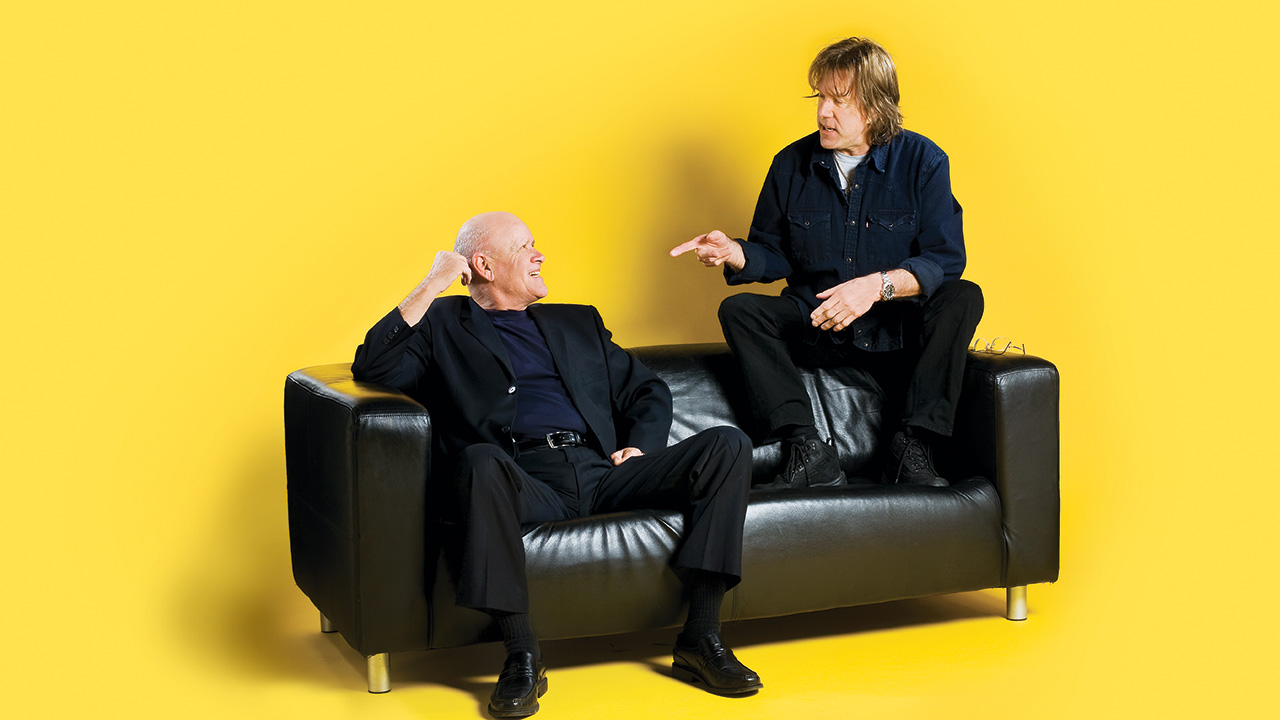
“Andrew Loog Oldham asked if we were songwriters. I said we were – then I had to go away and figure out how you wrote songs”: The Nice helped found prog and merged classical music with rock, then they were gone

Prompted by a disagreement that spilled into the public domain, co-founders Keith Emerson and Lee Jackson once visited the Prog office to set things straight
Like
Comment
Share
Front Page Mag Feed
Front Page Mag Feed
1 y

LA Mayor Vacations in Africa While City Burns
Favicon 
www.frontpagemag.com

LA Mayor Vacations in Africa While City Burns

The best government ballot harvesting can buy. The post LA Mayor Vacations in Africa While City Burns appeared first on Frontpage Mag.
Like
Comment
Share
BlabberBuzz Feed
BlabberBuzz Feed
1 y

WATCH: Emergency DELAYS Ahead? Firefighters SLAM NYC’s Costly NEW Toll Policy
Favicon 
www.blabber.buzz

WATCH: Emergency DELAYS Ahead? Firefighters SLAM NYC’s Costly NEW Toll Policy

Like
Comment
Share
Living In Faith
Living In Faith
1 y

When Imperfections Turn into Blessings - Senior Living - January 8
Favicon 
www.christianity.com

When Imperfections Turn into Blessings - Senior Living - January 8

When you encounter obstacles in life, remember that they give you, as a believer, the chance to let God make something wonderful happen.
Like
Comment
Share
Living In Faith
Living In Faith
1 y

The Case for Retrieving Thomas Aquinas with Care
Favicon 
www.thegospelcoalition.org

The Case for Retrieving Thomas Aquinas with Care

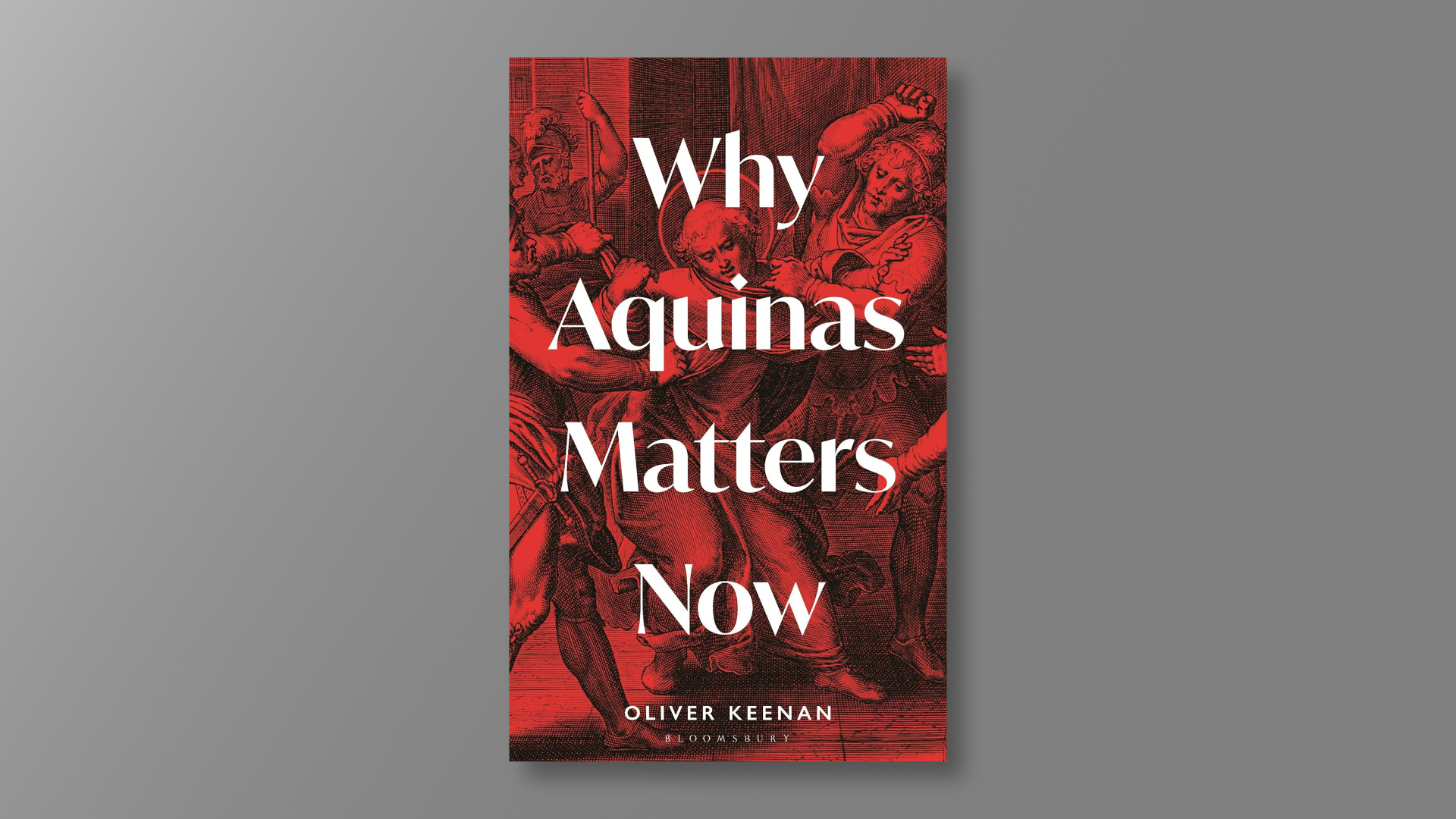
The Middle Ages are over and distant. Theology is no longer considered the “queen of the sciences.” So, what does a medieval theologian like Thomas Aquinas (c. 1225–74) have to say to our contemporary age? A great deal, according to Oliver Keenan, a Dominican theologian and Oxford lecturer, writing in Why Aquinas Matters Now. He argues, “Aquinas matters now, not because he was right about everything he said (or even about most things on which he had his say) but because he can teach us a way of looking at the world that we ignore at our peril” (1). Keenan suggests using “architecture” rather than “archeology” as the primary way of appreciating Aquinas’s legacy (6). Following these analogies, Thomas’s structures of thought are more relevant than the individual bricks. (Scholars refer to Thomas Aquinas as both “Aquinas” and “Thomas.”) Evangelicals are likely to find the opposite approach more helpful. Aquinas Then and Now Aquinas matters because he’s second only to Augustine in his influence on Western Christianity. For centuries, Roman Catholicism has regarded Aquinas as its champion—the highest, most resounding, most complete voice of Roman Catholic thinking and believing. Pope John Paul II expressed deferential appreciation by pointing to him as a “master of thought and model of the right way to do theology.” Contemporary interest in Aquinas goes well beyond Roman Catholic and indeed religious circles and touches on studies on political and legal theory, philosophy, psychology, and social ethics. Borrowing from Foucault, Keenan calls Thomas a “producer of discursivity,” highlighting how his work has generated multiple waves in many disciplines (5). Keenan sympathetically explores the master plan of Aquinas’s work. While showing a high degree of familiarity with the details of Thomas’s work, Keenan provides an informed bird’s eye view of its building blocks and the overall shape. According to Keenan, “Aquinas intentionally crafted his writings so as to stimulate conversation . . . with reality” (11–12). He argues that Thomas understands human life and God himself in communicative terms. Thus “human beings belong to the world-conversation by shaping their lives in projects of meaning” (12). Keenan’s assessment reveals why he believes Aquinas is useful for understanding our liquid modernity. In more traditional terms, the book is a primer on Thomas’s metaphysics (e.g., existence and essence, matter and form, substance and accidents), epistemology, theology, anthropology (e.g., emotions and virtues), the transcendentals (the good, beautiful, and true), and their interconnections. It’s an accessible yet engaging introduction to Aquinas’s worldview, always trying to show why he still matters. Great Insights, Structural Flaw Keenan’s account helps evangelical readers appreciate Aquinas’s robust theology proper. For example, the book’s section on divine simplicity illustrates Thomas’s commitment to Scripture and creedal Christianity in presenting the reality of God as a pure presence of perfection. His overall doctrine of creation is also biblically rich and sound with its inner and ordered dynamism mirroring created reality. These are some of the “archaeological” benefits Thomas provides. Keenan’s account helps evangelical readers appreciate Aquinas’s robust theology proper. However, the problem begins to emerge when Thomas deals with the account and consequences of sin. Aquinas seems to overestimate our natural capacities even after the fall. In Keenan’s words, “Thomas exhibits great confidence in the universality and power of human reason as the basis upon which humanity can communicate in the shared task of getting to the truth of things” (7). Again, echoing Thomas, Keenan writes, “Our endowment with intellect renders us capax Veritatis [capable of the truth]” (121). Keenan’s affirmative reading of Aquinas supports the assessment of some of Thomas’s evangelical critics: There’s no sense of the radical influence of the noetic effects of sin. It’s as if sin only mildly affects us, bending and blurring our capacity for truth but not irreversibly breaking it at a fundamental level. Although recognized, in Thomas’s architecture sin doesn’t receive the importance it should receive biblically. This underestimation has architectural consequences on the whole of his thought. While dedicating long sections to other aspects, the book only needs one page to expound Thomas’s view of sin, and this proportion accurately reflects the theological weight he gives to it. Nature and Grace Metaphysically Married Pervasive optimism permeates Thomas’s anthropology, epistemology, ethics, and ultimately soteriology. Structurally speaking, this optimism comes from the way he relates nature and grace. According to Thomas’s architectural thought, Keenan argues, “Grace and nature exist in a kind of metaphysical marriage. They are only truly comprehensible together, they are bound together by divine will, and yet they retain their own particular character and distinctness” (164). But where is sin in this metaphysical marriage? Thomas’s worldview seems entrenched in metaphysical categories and pays little attention to the historical-redemptive flow of the Bible’s story of creation, fall, and redemption. Keenan argues that for Aquinas, the nature-grace relationship works between theology and philosophy in ways that should raise concern. He writes, “Dogmatic theology in no way nullifies what has been gained by philosophical reflection, but the knowledge given to faith does perfect and surpass mere reason” (83). This looks like a pre-fall, creational perspective, but what about the situation after sin entered the world? Sin’s distorting power is reduced to a mitigated echo. As far as salvation goes, Keenan argues, “Every human person is a unique child of God—a product of God’s love and freedom—who consequently belongs, whether actually or potentially, within the Church” (129). Here our natural humanity is already and inherently ordered to the church. Sin isn’t even mentioned, thus fundamentally altering the biblical account of salvation from sin. Keenan’s analysis shows why evangelicals should retrieve Aquinas’s ideas with care. Roman Catholic Architecture According to Keenan’s account, Thomas serves the catholicity of Roman Catholicism, especially in its willingness and ability to include everything in its “synthesis,” a term Keenan often returns to (e.g., 16–17, 24, 177, 186). Aquinas may appeal to many contemporary thinkers because of his inclusive trajectory. As a result, Thomism can lose sight of the integrity of the biblical gospel because it loses sight of the antitheses of the gospel (God vs. the idols, either with me or against me, light vs. darkness, sin vs. holiness), and the call to take every thought captive to Jesus Christ (2 Cor. 10:5). Aquinas may appeal to many contemporary thinkers because of his inclusive trajectory. According to Keenan, Aquinas matters now because of his nonoppositional worldview capable of integrating old and new elements. Thomas invites all to participate in the extended synthesis that Roman Catholicism aspires to, in the melding of Bible and traditions, nature and grace, faith and reason, Christians and non-Christians, and Christianity and other religions. Evangelicals can appreciate much of Thomas, eclectically benefiting from some building blocks of his thought. Welcoming Keenan’s invitation, for them too Aquinas matters now, but more in “archeological” terms than “architectural” ones.

Like
Comment
Share
Living In Faith
Living In Faith
1 y

Coming Soon: ‘Scrolling Ourselves to Death: Reclaiming Life in a Digital Age’
Favicon 
www.thegospelcoalition.org

Coming Soon: ‘Scrolling Ourselves to Death: Reclaiming Life in a Digital Age’

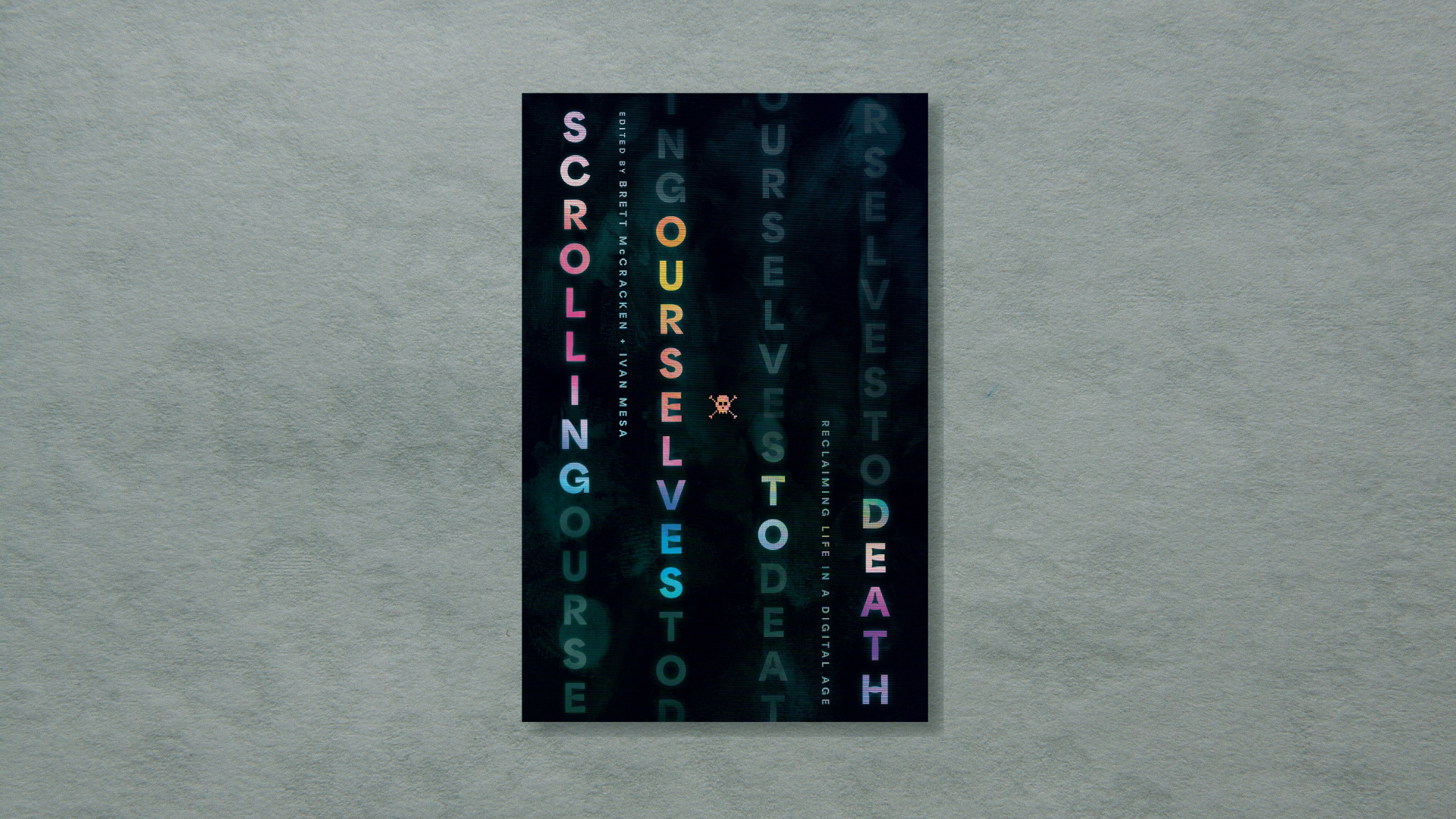
Last year felt like a turning point in the rising awareness of the detrimental effects of excessive scrolling. Jonathan Haidt’s The Anxious Generation released in March and quickly became a bestseller. The book presents an array of empirical data so convincing that it catalyzed countless school districts, states, and even nations to institute new limits and age restrictions on smartphone and social media use for kids. Consensus is growing that the addictive scrolling habits of our digital age are bad for us: mentally bad, spiritually bad, societally bad, and sometimes even deadly. We’re both longtime editors at The Gospel Coalition, working daily on screens and in the ecosystems of social media and online discourse. We know these technologies can be harnessed in powerfully good ways for discipleship and gospel advance. But we’re also keenly aware of the malformative dynamics of these technologies and the many challenges they pose for Christians today. We see up close how scrolling can help lead to spiritual health but more often leads people to spiritual sickness. That’s why we’re excited to announce a new book we coedited, coming in April from Crossway and TGC: Scrolling Ourselves to Death: Reclaiming Life in a Digital Age. In this volume, we enlisted 13 other contributors to help Christians and church leaders think carefully about the spiritual hazards—and opportunities—of contemporary digital life. We don’t have to passively accept the ways of this scrolling world. We ought to question what needs to be questioned, resist what needs to be resisted, and adopt what can be adopted. But we should do it all thoughtfully, with more conversations in our churches and families about the theological and discipleship implications of our relationship with technology. Neil Postman Inspiration We drew inspiration for Scrolling Ourselves to Death from Neil Postman’s 1985 classic, Amusing Ourselves to Death. The book has influenced each of our thinking about technology and media, and so on its 40th anniversary, we’re proud to publish a new book that engages Postman’s insights but applies them to the new dynamics of the digital age. Many of the reasons Postman thought we were “amusing ourselves to death” in the 1980s still apply today. But recent innovations—particularly the internet, the smartphone, and social media—have added new dynamics that only accelerate the trends Postman saw. As Postman’s book did in 1985, our book in 2025 aims to help you understand how technology is forming you—and the people you lead. Our book focuses on the spiritual dynamics of this formation and its theological and ecclesial implications. We hope it’ll equip parents, pastors, youth leaders, educators, and individual Christians to understand and respond to this highly formative technological moment. With discussion questions after each chapter, the book is also designed for small groups, leader teams, or classes to go through together. Preorder The book releases on April 15, 2025, but you can preorder it now at TGC’s store, Crossway, Amazon, or other retailers. Table of Contents and Chapter Contributors Introduction: Back to the Future: How a 1985 Book Predicted Our Present (Brett McCracken) Part 1: Postman’s Insights, Then and Now Chapter 1: From Amusement to Addiction: Introducing Dopamine Media (Patrick Miller) Chapter 2: From the Clock to the Smartphone: A Brief History of Belief-Changing Technologies (Joe Carter) Chapter 3: From the Age of Exposition to the Age of Expression (Jen Pollock Michel) Chapter 4: The Origins and Implications of a Post-Truth World (Hans Madueme) Chapter 5: Striving for Seasonableness in a “Now . . . This” World (Samuel D. James) Part 2: Practical Challenges Facing Christian Communicators Chapter 6: How the Medium Shapes the Message for Preachers (Collin Hansen) Chapter 7: Apologetics in a Post-Logic World (Keith Plummer) Chapter 8: Telling the Truth about Jesus in an Age of Incoherence (Thaddeus Williams) Chapter 9: “Unfit to Remember”: The Theological Crisis of Digital-Age Memory Loss (Nathan A. Finn) Part 3: How the Church Can Be Life in a ‘Scrolling to Death’ World Chapter 10: Use New Media Creatively but Cautiously: Video as Case Study (G. Shane Morris) Chapter 11: Reconnect Information and Action: How to Stay Sane in an Overstimulated Age (Brett McCracken) Chapter 12: Embrace Your Mission: Tangible Participation, Not Digital Spectating (Read Mercer Schuchardt) Chapter 13: Cling to Embodiment in a Virtual World (Jay Y. Kim) Chapter 14: Heed Huxley’s Warning (Andrew Spencer) Epilogue (Ivan Mesa) Cover We thank Crossway’s superb design team for the book’s jarring cover. It leaves a potent “medium is the message” impression in a way that pays homage to Marshall McLuhan (of whom Postman was an intellectual successor). The design uses typography to convey the concept, with repeated titles and vertical text suggesting endless, mindless activity. The digital/pixel texture reinforces repetitiveness. A particularly brilliant touch is the smudge effect meant to convey the look of an overused smartphone screen. The designers created this effect by manually smudging printed ink with isopropyl alcohol and scanning it back into Photoshop for a subtle added layer to the design. See the behind-the-scenes photo below, as well as the finished cover.
Like
Comment
Share
Living In Faith
Living In Faith
1 y

The God Who Legislates (Ex. 20)
Favicon 
www.thegospelcoalition.org

The God Who Legislates (Ex. 20)

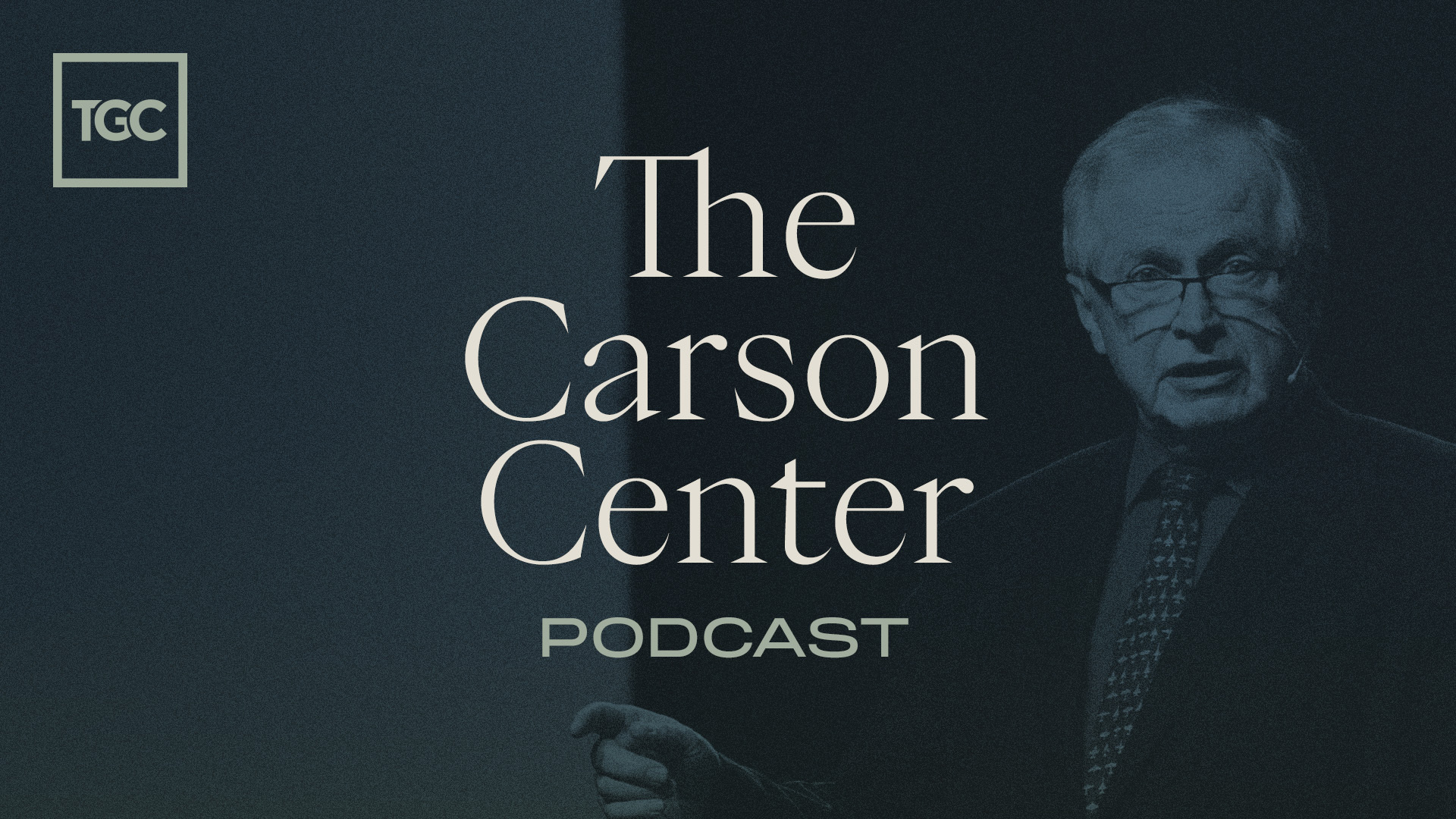
In this lecture, Don Carson discusses God’s role as both Creator and Legislator, challenging listeners to consider the Bible’s laws and their relevance in today’s society amid objections to Christian morality. He explores the importance of boundaries in truth and freedom, drawing connections between God’s laws, the Mosaic covenant, and the story of the Israelites. Carson concludes by pointing to Jesus as the ultimate sacrifice that fulfills the law and reconciles humanity to God. He teaches the following: All communities have boundaries, and no community can be completely inclusive Truth is inevitable and cannot be escaped, even in a postmodern context Why freedom must have discipline and how this truth is biblically based The historical significance of each commandment in Exodus 20 and their relevance for Christians today How the Ten Commandments are related to God’s self-disclosure in a redemptive act How the sacrificial system fits into the broader storyline of God’s relationship with his people
Like
Comment
Share
NewsBusters Feed
NewsBusters Feed
1 y

The Regime Media MOURN Meta’s Elimination of ‘Fact-Checkers’
Favicon 
www.newsbusters.org

The Regime Media MOURN Meta’s Elimination of ‘Fact-Checkers’

The Regime Media are in mourning, in the wake of Meta CEO Mark Zuckerberg’s momentous announcement. Meta platforms are shifting off of fact-checking and censorship and are moving to community notes and more emphasis on free speech.  The evening newscast reports uniformly opened with the mention of the elimination of fact-checking. Here is ABC’s in its entirety (click “expand” for transcript): ABC WORLD NEWS TONIGHT 1/7/24 6:42 PM DAVID MUIR: This evening, there is news that the parent company of Facebook has now eliminated fact checking on Facebook. Mark Zuckerberg recently meeting with President-Elect Trump, and what Facebook will now do instead. Here's Rebecca Jarvis. REBECCA JARVIS: Tonight, a seismic shift in strategy. CEO Mark Zuckerberg announcing Meta will eliminate his third-party fact-checking, a program originally designed to combat misinformation. MARK ZUCKERBERG: And we've reached a point where it's just too many mistakes and too much censorship. JARVIS: The change coming just days before Donald Trump takes office. Zuckerberg acknowledging the move was prompted in part by the election. ZUCKERBERG: The recent elections also feel like a cultural tipping point towards once again prioritizing speech. JARVIS: But Zuckerberg says the change also aligns with his long-held personal views on free speech. ZUCKERBERG: I believe that people should decide what is credible, not tech companies. JARVIS: Meta will phase in a community note system, letting users decide which posts are misleading. A model similar to X's, the platform run by Elon Musk. The move, a kind of reset for Zuckerberg and Facebook, which President-Elect Trump once called a true enemy of the people. Zuckerberg recently traveling to Mar-a-Lago to meet Trump, and just yesterday, Meta adding key Trump ally Dana white, CEO of the Ultimate Fighting Championship, to its board of directors.  And in fact, David, Mark Zuckerberg and Dana White have recently bonded over their shared passion for mixed martial arts. The President-Elect Trump today said he welcomed the changes from Meta and that the company's come a long way. David. MUIR: All right. Rebecca Jarvis reporting. Rebecca, thank you. ABC’s report was the shortest of the night, but hit all the common notes. Most notably, the double emphasis on the elimination of fact-checkers. That’s the big one for the media. As Erick Erickson notes, the defenestration of the fact-checking grift stands as another lethal blow to an already reeling media. The media, having lost the trust of the public, formed "fact-checkers" to act as gate keepers of information. The fact-checkers were not fact-checkers but ideological enforcers. They once bullied Facebook into embracing them. Now that Facebook is done with them, they are… — Erick Erickson (@EWErickson) January 7, 2025 Both NBC and CBS aired the same quote from President-Elect Donald Trump’s Mar-a-Lago press conference suggesting that Zuckerberg acted in order to stave off potential consequences over a continued censorship regime, and unfavorably framing Trump: DONALD TRUMP: Honestly, I think they have come a long way. Meta. Facebook. REPORTER: Do you think he’s directly responding to the threats that you have made to him in the past? TRUMP: Probably. Where coverage diverges slightly is that CBS’s Kelly O’Grady (formerly of Fox Business) brought on an analyst to discuss the business side of Zuckerberg’s decision. KELLY O’GRADY: Wedbush Securities’ global head of research Dan Ives says today’s change could be a good business move.  What does Meta have to gain with this change? DAN IVES: Well, this could increase advertising. And when you look at the biggest threat here, it’s regulation in the Trump Administration. This is a little sort of waving of the white flag with Trump coming in. Over at NBC, Hallie Jackson brought in Bret Schaefer of the notoriously pro-censorship Alliance for Securing Democracy, to commiserate: BRET SCHAFER: Fact-checking is not censorship. HALLIE JACKSON: What do you see as the Trump factor, if you will, here? SCHAFER: This is very obviously a political decision. What none of these reports did was tell you with any detail what changes Meta made. For instance, Meta got rid of pro-censorship Nick Clegg and replaced him with pro-speech Joel Kaplan (formerly of the Bush 43 White House). Meta also opened their algorithms. Among the reported items, Dana White was added to Meta’s board. This is very obviously a huge deal, and a great day for free speech. In the meantime, we trust and verify that Zuckerberg is going through with implementation of these changes, and we enjoy the media’s ongoing meltdown. Click “expand” to view the full transcripts of the aforementioned reports as aired on their respective newscasts on Tuesday, January 7th, 2025: CBS EVENING NEWS 1/7/24 6:38 PM NORAH O’DONNELL: The President-Elect is also praising a decision by Mark Zuckerberg to effectively ditch its fact-checking program on Facebook, Instagram, and other Meta platforms. CBS's Kelly O'Grady tonight looks at what the change means for you. MARK ZUCKERBERG: It’s time to get back to our roots around free expression on Facebook and Instagram. The fact-checkers have just been too politically biased and have destroyed more trust than they’ve created. KELLY O’GRADY: Meta CEO Mark Zuckerberg announced major changes today, including an end to the platform's fact-checking program, relying on users instead. ZUCKERBERG: It means we're going to catch less bad stuff, while also reducing the number of innocent people's posts and accounts that we accidentally take down.  O’GRADY: So what does this look like? Whether it’s Instagram, Facebook, or Threads, you’ll see a similar Community Notes label as you do on X. For example, this Elon Musk post, users added this context. But critics warned removing fact-checkers could breed misinformation. The International Fact-Checking Network, one of the third parties used by Meta, tells CBS “It's unfortunate that this decision comes in the wake of extreme political pressure.” But some are cheering the move, including President-Elect Donald Trump. DONALD TRUMP: Honestly, I think they have come a long way. Meta. Facebook. REPORTER: Do you think he’s directly responding to the threats that you have made to him in the past? TRUMP: Probably. DAN IVES: I think this is really Zuckerberg reading the room. O’GRADY: Wedbush Securities’ global head of research Dan Ives says today’s change could be a good business move.  What does Meta have to gain with this change? IVES: Well, this could increase advertising. And when you look at the biggest threat here, it’s regulation in the Trump Administration. This is a little sort of waving of the white flag with Trump coming in. O’GRADY: Meta is also addressing censorship concerns by lifting restrictions on topics it deems controversial like immigration And Norah, these changes come on the heels of a broader shift in the tech community. Amazon is licensing a documentary on Melania Trump, and others are donating to the President-Elect’s inauguration fund. O’DONNELL: Kelly O’Grady. Thank you so much. NBC NIGHTLY NEWS 1/7/24 6:40 PM LESTER HOLT: And it’s the shift in the political and the social landscape that prompted the big changes announced today by Facebook parent meta. Our Hallie Jackson explains. HALLIE JACKSON: New fallout tonight after Meta's mega move to eliminate traditional fact checking on the world's biggest social media platform. MARK ZUCKERBERG: We’ve reached a point where it’s just too many mistakes, and too much censorship. (VIDEO SWIPE) The fact checkers have just been too politically biased and they have destroyed more trust than they’ve created. Especially in the U.S. JACKSON: It’s a significant shift from the fact checking put in place after Donald Trump’s first win. Instead, Meta will now rely on community notes. In other words, user input similar to what Elon Musk’s X platform does, as part of a broader move to loosen up how Meta moderates content. The company will also lift restrictions on hot-button topics like gender identity and immigration, allow more politics into people’s feeds, and move its Trust and Safety team from liberal California to ruby-red Texas. All just days before President-Elect Trump retakes The White House. ZUCKERBERG: The recent elections also feel like a cultural tipping point towards once again prioritizing speech. JACKSON: It‘s a political evolution for Meta. four years after Facebook suspended Mr. Trump’s accounts in the wake of January 6th, and just months after the President-Elect accused Zuckerberg of plotting against him in 2020, calling for life in prison if Zuckerberg did it again. But after Mr. Trump's win, Zuckerberg travelled to Mar-a-Lago, his company donated $1 million to the Trump inaugural fund, and now close Trump ally and UFC head Dana White is joining Meta's board.  DONALD TRUMP: Meta, Facebook. I think they’ve come a long way. (VIDEO SWIPE) REPORTER: Do you think he’s directly responding to the threats that you have made to him in the past? TRUMP: Probably. JACKSON: Some critics concerned. BRET SCHAFER: Fact-checking is not censorship. JACKSON: What do you see as the Trump factor, if you will, here? SCHAFER: This is very obviously a political decision. JACKSON: Over the next four years, the Trump administration will set key policy on critical tech topics like antitrust and AI. And as Meta has pushed into the world of artificial intelligence.New tonight. NBC News has found user-generated AI chatbots that seemingly violated Meta's policies against creating characters based on religious or real-life figures. The NBC News review found some two dozen chatbots ranging from Hitler and Jesus Christ, to Taylor Swift and Captain Jack Sparrow.  Meta took down those individual accounts after our team reached out, and in a statement says they’re continuously improving their detection measures. Lester. HOLT: All right. Hallie Jackson, thank you.  
Like
Comment
Share
Twitchy Feed
Twitchy Feed
1 y

Well, Water You Think of That? Trump Wants to Rename Gulf of Mexico to ‘Gulf of America’
Favicon 
twitchy.com

Well, Water You Think of That? Trump Wants to Rename Gulf of Mexico to ‘Gulf of America’

Well, Water You Think of That? Trump Wants to Rename Gulf of Mexico to ‘Gulf of America’
Like
Comment
Share
Showing 59401 out of 115918
  • 59397
  • 59398
  • 59399
  • 59400
  • 59401
  • 59402
  • 59403
  • 59404
  • 59405
  • 59406
  • 59407
  • 59408
  • 59409
  • 59410
  • 59411
  • 59412
  • 59413
  • 59414
  • 59415
  • 59416
Advertisement
Stop Seeing These Ads

Edit Offer

Add tier


Select an image
Delete your tier
Are you sure you want to delete this tier?

Reviews

In order to sell your content and posts, start by creating a few packages. Monetization

Pay By Wallet

Payment Alert

You are about to purchase the items, do you want to proceed?

Request a Refund