YubNub Social YubNub Social
    #astronomy #nightsky #moon #fullmoon #planet #jupiter #pinkmoon #онлайн
    Advanced Search
  • Login
  • Register

  • Night mode
  • © 2026 YubNub Social
    About • Directory • Contact Us • Developers • Privacy Policy • Terms of Use • shareasale • FB Webview Detected • Android • Apple iOS • Get Our App

    Select Language

  • English
Night mode toggle
Featured Content
Community
New Posts (Home) ChatBox Popular Posts Reels Game Zone Top PodCasts
Explore
Explore
© 2026 YubNub Social
  • English
About • Directory • Contact Us • Developers • Privacy Policy • Terms of Use • shareasale • FB Webview Detected • Android • Apple iOS • Get Our App
Advertisement
Stop Seeing These Ads

Discover posts

Posts

Users

Pages

Blog

Market

Events

Games

Forum

Intel Uncensored
Intel Uncensored
1 y

Biden May Blanket Pardon Those Who Targeted Trump and Those Who Weaponized Government
Favicon 
www.sgtreport.com

Biden May Blanket Pardon Those Who Targeted Trump and Those Who Weaponized Government

from The Conservative Treehouse: Joe Biden was asked yesterday if he would pardon anyone else.  He couched his response, “it depends on some of the language and expectations that Trump broadcasts in the last couple days here as to what he’s going to do,” Biden told reporters at the White House. “There’s still consideration of some folks, but no […]
Like
Comment
Share
Intel Uncensored
Intel Uncensored
1 y

Something Strange is Happening in America: The 2025 Awakening
Favicon 
www.sgtreport.com

Something Strange is Happening in America: The 2025 Awakening

from reallygraceful: TRUTH LIVES on at https://sgtreport.tv/
Like
Comment
Share
Conservative Voices
Conservative Voices
1 y Politics

rumbleRumble
The FBI Warns Of A Grave Threat, But Will Anyone Believe Them? (Ep. 2399) - 01/13/2025
Like
Comment
Share
History Traveler
History Traveler
1 y

10 Must-See Historic Sites in Utah
Favicon 
www.thecollector.com

10 Must-See Historic Sites in Utah

  From the establishment of Salt Lake City by Mormon pioneers in 1847 to the completion of the transcontinental railroad in 1869, Utah has played a key role in America’s westward expansion. Its breathtaking landscapes and cultural heritage make it a destination worth exploring. Visitors come to experience the state’s natural beauty and haunting ghost towns, learn about its unique pioneer and Native American history, and connect with its historic sites. Here are ten must-see historic landmarks in Utah.   1. Temple Square, Salt Lake City Temple Square, Salt Lake City, Utah. Source: Wikimedia Commons   Temple Square in Salt Lake City stands as a symbol of faith, community, and history. Established in 1847 by Mormon pioneers, the 35-acre site is the headquarters of The Church of Jesus Christ of Latter-day Saints.   The square features the iconic Salt Lake Temple, whose construction began in 1853 and took 40 years to complete, showcasing exquisite Gothic and Romanesque architecture.   Other landmarks include the Tabernacle, known for its incredible acoustics, and the Assembly Hall. You’ll also have the chance to explore beautifully manicured gardens, interactive exhibits, and learn about Utah’s pioneer heritage.   2. Golden Spike National Historical Park, Promontory Summit Golden Spike National Historical Park, Promontory, Utah. Source: Wikimedia Commons   Golden Spike National Historical Park in Promontory Summit commemorates the monumental completion of the first U.S. transcontinental railroad on May 10, 1869. This achievement united the Central Pacific and Union Pacific Railroads, and symbolized a new era of coast-to-coast connectivity.   You can see the exact location where the “Last Spike” was driven, marking the railroad’s completion. The park features meticulously crafted replicas of the original steam locomotives, the Jupiter and Union Pacific No. 119, which are showcased during reenactments of the historic event.   The park offers auto tours along the original railroad grade, providing insights into 19th-century engineering feats like the “Big Fill,” an impressive embankment constructed to bridge a large ravine.   The visitor center presents exhibits detailing the challenges and triumphs of building the railroad, highlighting the diverse workforce, including significant contributions from Chinese laborers.   3. Bryce Canyon Lodge, Bryce Canyon National Park Lodge at Bryce Canyon, Bryce Canyon National Park, Utah. Source: Flickr   Bryce Canyon Lodge, nestled within Bryce Canyon National Park, stands as a testament to early 20th-century park architecture. Constructed between 1924 and 1925, the lodge was designed by architect Gilbert Stanley Underwood, renowned for his work in National Park Service rustic design.   The lodge’s construction utilized local materials, including stone and timber, to harmonize with the surrounding landscape. Its steeply pitched shingled roof and log-framed structure exemplify the rustic style that Underwood popularized in national parks across the western United States.   In 1987, Bryce Canyon Lodge was designated a National Historic Landmark, recognizing its architectural significance and its role in the development of national park tourism.   Today, visitors to Bryce Canyon National Park can experience the lodge much as it appeared in the 1920s. The lodge offers accommodations including lodge suites, motel rooms, and cabins, all within walking distance of the park’s iconic Bryce Amphitheater. The dining room serves breakfast, lunch, and dinner, and a gift shop is available for souvenirs.   4. Fort Douglas, Salt Lake City Fort Douglas Military Museum, Salt Lake City, Utah. Source: Wikimedia Commons   Established in 1862 during the Civil War, Fort Douglas was strategically positioned east of Salt Lake City to safeguard the overland mail route and monitor local activities.   Today, the Fort Douglas Military Museum offers a comprehensive look into Utah’s military heritage. Housed in historic barracks, the museum showcases artifacts spanning from the fort’s inception to modern times, including uniforms, weaponry, and personal stories of service members. An outdoor exhibit features artillery, helicopters, and military vehicles, providing tangible insights into military technology.   You’ll enjoy visiting the Fort Douglas Post Cemetery, established in 1862, which honors soldiers from various conflicts, including those who perished in the Bear River Massacre.   A visit to Fort Douglas offers a unique opportunity to delve into the military history that has significantly influenced Utah and the broader United States.   5. Zion-Mount Carmel Highway and Tunnel, Zion National Park Small Tunnel, Zion-Mount Carmel Highway, Zion National Park, Utah. Source: Wikimedia Commons   The Zion-Mount Carmel Highway and Tunnel, completed in 1930, stand as remarkable feats of engineering within Zion National Park. Constructed to connect Zion with Bryce Canyon and the Grand Canyon, the 25-mile highway ascends Pine Creek Canyon, culminating in a 1.1-mile tunnel carved through Navajo sandstone cliffs.   At its dedication, the tunnel was the longest of its kind in the United States. Its design includes six large windows, or “galleries,” providing ventilation and glimpses of the canyon’s grandeur.   Travelers journey through this historic passage, marveling at the seamless blend of human ingenuity and natural splendor. The highway offers access to trailheads like Canyon Overlook and views of landmarks such as Checkerboard Mesa.   Due to the tunnel’s dimensions, oversized vehicles require an escort, ensuring safe passage through this narrow corridor. This blend of history, engineering, and breathtaking scenery makes the Zion-Mount Carmel Highway and Tunnel a must-experience route for visitors to Zion National Park.   6. Utah State Capitol, Salt Lake City Utah State Capitol, Salt Lake City, Utah. Source: Wikimedia Commons   The Utah State Capitol, perched atop Capitol Hill in Salt Lake City, serves as the epicenter of the state’s government. Designed by architect Richard K.A. Kletting, the neoclassical building was constructed between 1912 and 1916.   The Capitol’s exterior is crafted from locally sourced granite, and its interior features a grand rotunda adorned with murals depicting significant events in Utah’s history. The building houses the chambers of the Utah State Legislature and the offices of the Governor, Lieutenant Governor, Attorney General, and State Auditor.   In 2004, the Capitol underwent a comprehensive restoration and seismic upgrade to enhance its structural integrity and preserve its historical features. This project was completed in 2008, ensuring the building’s resilience against potential earthquakes.   Visitors to the Capitol can explore its art collection, which includes paintings and sculptures that reflect Utah’s cultural heritage. Guided tours are available, offering insights into the building’s architecture, history, and the state’s legislative process.   The Capitol grounds feature well-maintained gardens and monuments, providing a serene environment for both tourists and locals. The panoramic views of Salt Lake City and the surrounding mountains from the Capitol Hill are particularly noteworthy.   7. Anasazi State Park Museum, Boulder Reconstructed Anasazi Pueblos in Lost City Museum in Overton, Nevada. Source: Wikimedia Commons   This historic museum offers a window into the lives of the Ancestral Puebloans who inhabited the region from approximately A.D. 1050 to 1200. The park encompasses the Coombs Village Site, one of the largest known Ancestral Puebloan communities west of the Colorado River. When visiting, you’ll enjoy exploring a life-sized, six-room replica of an ancient dwelling, providing insight into the architectural practices and daily life of the site’s original inhabitants. The museum houses a collection of artifacts, including pottery and tools, excavated from the site, offering a tangible connection to the past.   Established as a state park in 1960, Anasazi State Park Museum serves both educational and preservational purposes, ensuring that the legacy of the Ancestral Puebloans remains accessible to the public. The park features a visitor center, museum store, auditorium, and picnic areas, enhancing the visitor experience.   For those interested in archaeology and ancient cultures, the park provides interpretive signs along a self-guided trail through the Coombs Village Site, enriching the understanding of this significant archaeological location.   8. Union Station, Ogden Union Station museum in Ogden, Utah. Source: Wikimedia Commons   The original station, established in 1869, was a pivotal junction for the Union Pacific and Central Pacific railroads, earning Ogden the nickname “Junction City.” After a fire destroyed the initial structure in 1923, the current Union Station was constructed and dedicated on November 22, 1924.   Today, Union Station has transformed into a vibrant cultural hub, housing several museums that celebrate diverse aspects of the region’s history. The Utah State Railroad Museum offers insights into the development of the American West through railroads. The John M. Browning Firearms Museum showcases the legacy of the renowned firearms inventor. Additionally, the Browning-Kimball Classic Car Museum and the Utah Cowboy and Western Heritage Museum provide further exploration into the area’s rich cultural tapestry.   Visitors can also appreciate the station’s architectural grandeur, including murals by artist Edward Laning that depict the joining of the transcontinental railroad.   9. Beehive House, Salt Lake City A view of the front (south side) of Brigham Young’s Beehive House in downtown Salt Lake City, Utah. Source: Wikimedia Commons   The Beehive House, constructed in 1854, served as the official residence of Brigham Young, the second President of The Church of Jesus Christ of Latter-day Saints and the first governor of Utah Territory. Designed by architect Truman O. Angell, the house is named after the beehive sculpture atop its roof.   Strategically located at the corner of State Street and South Temple in Salt Lake City, the Beehive House was not only a family residence but also a center for official government and church business. It hosted numerous dignitaries, including President Ulysses S. Grant and writer Mark Twain.   In 1920, the house was repurposed as a boarding home for single women working in the city, reflecting its ongoing role in community support. Later, it was restored to its 19th-century appearance and opened to the public as a museum, offering guided tours that provide insights into the daily life of Brigham Young’s family and the early history of Utah.   10. Timpanogos Cave National Monument, American Fork Timpanogos Cave National Monument, American Fork, Utah. Source: Wikimedia Commons   Timpanogos Cave National Monument, located in American Fork Canyon, encompasses a trio of limestone caves: Hansen Cave, Middle Cave, and Timpanogos Cave. These caves are renowned for their intricate speleothems, including helictites and aragonite formations.   The monument was established on October 14, 1922, by President Warren G. Harding, one of the country’s forgotten presidents, to protect these geological wonders.   You can access the caves via a 1.5-mile paved trail that ascends approximately 1,092 feet, offering panoramic views of the surrounding Wasatch Mountains. Guided tours, led by National Park Service rangers, provide insights into the caves’ geology and history.   The caves maintain a constant temperature of around 45°F (7°C), so a light jacket is recommended. It’s important to note that the caves are only accessible through guided tours, and advance ticket purchases are strongly recommended.   Exploring Timpanogos Cave National Monument provides a unique opportunity to witness the delicate beauty of subterranean formations and to learn about the natural processes that created them.

Like
Comment
Share
History Traveler
History Traveler
1 y

What Was Colonialism? Causes and Impact
Favicon 
www.thecollector.com

What Was Colonialism? Causes and Impact

  The VOC trading lodge in Hougly in Bengal, by Hendrik van Schuylenburgh (ca. 1620–1689), oil on canvas, 1665   Colonialism – the act of subjugating a native population – often entails imposing the invading country’s own cultural values and preferences on the indigenous population. A huge proportion of countries today have at some point in the past been conquered, or ‘colonized’ by European nations, with the exception of a few, such as Japan, Thailand, and Korea.   There were two main waves of colonialism in modern history. The first occurred in the 15th century during Europe’s Age of Discovery. During this era, European countries including France, Britain, Portugal, and Spain, seized territories around the world. Colonized regions included North America, South America, Australia, most of Africa, and parts of Asia. The second wave, which is widely referred to as the Scramble for Africa, occurred in the 19th century, after a collective of European nations took over large segments of Africa.    Which Colonial Powers Conquered the Most Territories? The 18th (Royal Irish) Regiment of Foot at the storming of the forts of Amoy by James Henry Lynch after Michael Angelo Hayes, 1841. Source: Graphic Arts Collection   The British Empire was the biggest colonial power in history. The empire began colonizing territories in the 16th century and used its military power to spread its influence. At its peak, the British Empire had about 90 colonies under its rule spanning from North America to Asia and Africa.   The French Empire came second in terms of the vastness of regions that it conquered. It began conquering new areas in the 16th century under the reign of King Henry IV and reached its apex in the 19th century under the leadership of Emperor Napoleon III.    The French also established several colonies in North America that included Acadia, Louisiana, and Montreal. The French were, however, less successful in controlling North America. This is because they lacked the numbers to carry out a solid invasion. They also experienced major difficulties dealing with competing colonial powers that were also vying for the territory such as the Spanish. French colonial campaigns came to an end after World War I.   La Conquista del Colorado by Augusto Ferrer-Dalmau. Source: Arizona Public Media   The third biggest colonial power after the 15th century was Spain. The Spanish Empire oversaw colonies in South America, North America, Africa, and Asia. At its height, it controlled over 30 colonies spread over all continents except Antarctica and Australia. Other empires that partook in colonial overtures include the Dutch, Portuguese, and the Belgian empires.   What Were the Main Reasons for Colonialism? Indigenous children in an Australian residential school, photo by Sam Hood, 1910-1950, Source: New South Wales State Library   One of the main motivations behind colonialism in the Age of Discovery (between 1400s and 1600s) was expansion. The motivations have been summed up by historians as mainly the pursuit of resources and for glory. More resources were needed because at that time, the European population had become accustomed to unique imported commodities from continents such as Asia like spices, silk, and pottery, which were delivered through the Silk Road. However, the trade of these commodities had come under threat by the end of the 16th century.    The abrupt change in circumstances caused European countries to recognize the potential benefits of securing more resource areas and new sea routes. Colonization also had a religious element. European missionaries, for example, felt as though it was their duty to spread Christianity and gain divine compensation for saving souls. These factors, coupled with nationalistic ambitions, spurred colonial powers to compete to take over territories around the world.   Did Colonialism Impact Indigenous Communities? Colonial police forces stand guard over Kenyans suspected of committing massacres. Source: Popperfoto / Getty Images   Colonialism had a significant impact on the socio-economic structures of colonized populations. Colonized natives, for example, were forced to adopt the invaders’ language and cultural paradigms. In regions that the British colonized, the English language was recognized as an official language.    Such classifications exist in many of those regions today. Because colonial empires were based on the exploitation of indigenous people, in many cases they also utilized slave labor. This level of exploitation engendered economic inequity, systemic racism, poverty, and blatant disregard for the human rights of indigenous populations.   In places such as North America, high demand for cheap labor to grow New World cash crops such as tobacco and sugar led to the increased enslavement of Africans after 1600. Many of the slaves were taken from parts of Africa and transported across the Atlantic. The strategy caused some places, such as the island of Barbados, to have a huge slave population of approximately fifty thousand by 1700. In fact, Barbados is recognized as the birthplace of British slave society. It was ruled by British elites who made their fortunes from enslaved laborers who worked on their sugar plantations.
Like
Comment
Share
History Traveler
History Traveler
1 y

What Was the Teapot Dome Scandal?
Favicon 
www.thecollector.com

What Was the Teapot Dome Scandal?

  Most Americans have heard of the Watergate scandal of the early 1970s under President Richard Nixon, and many have also heard of the 1980s Iran-Contra Affair under President Ronald Reagan. However, America’s original big federal government scandal goes back to the 1920s. Under President Warren G. Harding, oil leases were doled out thanks to bribery, creating a classic case of corruption. When the news broke, the public was outraged.   What was the Teapot Dome scandal? Did the president know what was going on under his nose? Who took the Fall for the bribery? Check out the story of America’s original federal government corruption case.   Setting the Stage: A Growing US Navy A painting of United States Navy ships during World War I. Source: Naval History and Heritage Command   By the end of World War I, the United States had fully emerged as a world power. In the twenty years since the rapid US victory in the Spanish-American War, the United States had demonstrated unparalleled economic growth, industrial might, and technological skill. Much of America’s rise in geopolitical power and prestige came from its Navy. The Navy helped surprise and overwhelm the Spanish in mere weeks in 1898, delivering battle-ready US troops to surprised Spanish defenders.   In 1907, US President Theodore Roosevelt sent the new “Great White Fleet” around the world to demonstrate America’s naval power. A decade later, America’s entry into World War I sent military ship-building into overdrive. By the end of the conflict, the US Navy had more than quintupled in size, exceeding 2,000 vessels! Of course, the United States now had to figure out how to sustain its newfound military might. In the new era of mechanized warfare, ready sources of fuel were needed at all times.   Setting the Stage: Warren G. Harding A photograph of US President Warren G. Harding (1921-23), a former US Senator from Ohio. Source: National Public Radio (NPR)   The background of the Teapot Dome scandal comes from the conservatism of US President Warren G. Harding, a Republican elected in 1920 on a Return to Normalcy platform. Harding’s administration ended the Progressive Era (1900-1920) and set the stage for the Roaring Twenties by cutting taxes on high-income individuals. Unlike his progressive predecessors, Harding was not a very active president. He was widely considered a nice man, but seemed to have few policy convictions and was largely nominated by his party in 1920 as a genial “compromise candidate.”   Unfortunately, Harding may have been too friendly. By 1923, he was plagued with rumors that some political appointees, including Cabinet secretaries, were engaged in corruption. He struggled with how to respond to the allegations, though Secretary of Commerce (and future president) Herbert Hoover urged him to expose them to the public. In August 1923, Harding died of a sudden heart attack while visiting San Francisco, California. Importantly, he was not implicated in the growing Teapot Dome scandal…but he did appoint Albert Fall.   Harding Transfers the Oil Leases A photograph of a “gusher” oil well at Teapot Dome, Wyoming in 1923. Source: Wyoming Historical Society   One of several post-World War I issues that Harding dealt with involved oil leases that provided fuel for the US Navy. On May 31, 1921, Harding signed an executive order transferring the oil leases from the Navy to the Department of the Interior. Two oil leases were in California, and one was in Wyoming, under a salt dome that vaguely resembled a teapot. When these oil leases were shifted from the Navy to the Department of the Interior, they could be auctioned off for drilling by private companies.   The executive order had been suggested by Harding’s Secretary of the Interior, Albert Fall, who had been New Mexico’s first US Senator. Once the ink dried on the order, Fall effectively controlled the oil leases. He also happened to be close friends with some oil barons. It did not take long for Fall to accept bribes in exchange for exclusive access to drill on this government-owned land.   Albert Fall, Edward Doheny, & Francis Sinclair A Sinclair gas station, seen here circa 1950, was part of the Sinclair oil company that received the oil leases from Albert Fall. Source: Sinclair Corporation   One bribe came from Edward Doheny, a wealthy oil man with wide-ranging operations. Doheny had traveled the Southwest as a young man, doing odd jobs, and struck it rich at age 37 by discovering oil in Los Angeles, California. Within a decade, he could purchase a mansion with gold coins. Flush with cash and looking to expand his oil empire, Doheny had his son deliver Secretary of the Interior Albert Fall a suitcase containing $100,000. This exchange gave Doheny exclusive rights to the government oil leases in California, plus payment to transport the oil to Pearl Harbor, Hawaii for the US Navy.   A larger bribe came from Francis Sinclair, who spent $300,000 to get exclusive access to Teapot Dome, Wyoming. Like Doheny, Sinclair had been a wanderer as a young man, though Sinclair had grown up in affluence while Doheny had been mired in poverty. Sinclair quickly squandered the inheritance from his father and was forced to strike out on his own. His time as a stock trader of questionable legality helped him become an oil giant by 1913, thanks to his ability to trade his own Sinclair Oil stock for the properties of other oil companies.   Why Did Fall (Allegedly) Seek the Bribes? A photograph of Albert B. Fall, the US Secretary of the Interior who benefited financially from giving the oil leases to Edward Doheny. Source: Whiting-Robertsdale Historical Society   The money Albert Fall received came in the form of Liberty Bonds. Despite his former position as a US Senator and de facto architect of New Mexico statehood, Fall was in some financial distress due to unpaid taxes on his ranch near Sierra Blanca Peak. With the money, he could pay off these taxes and make improvements to his run-down ranch. Unfortunately for Fall, his new spending did not go unnoticed in New Mexico.   Fall had expensive tastes, such as his mansion built in El Paso, Texas, and his 1906 purchase of the Three Rivers Ranch. He was an avowed conservative when it came to the economy and, as a legislator in New Mexico Territory, guided the state constitution to be one of the most conservative in the country. Corporations could easily access—critics would say exploit—New Mexico’s natural resources. Perhaps after years of politicking on behalf of railroads coming into the new state, Fall wanted some money for himself, especially after a hard upbringing on the frontier in the late 1870s and 1880s.   US Senate Investigation Into Teapot Dome Carl Magee, who invented the practical parking meter in the 1930s, provoked interest in Albert Fall’s sudden affluence a decade earlier as a reporter. Source: Oklahoma Historical Society   Unfortunately for Fall, Doheny, and Sinclair, the governor of Wyoming saw Sinclair Oil trucks driving onto the Teapot Dome lease with drilling equipment…and requested that US Senator John Kendrick (D-WY) look into it. Constituents in Wyoming sent Kendrick information that there had been backroom dealing regarding the oil leases. Kendrick managed to start an investigation in April 1922, though it began with little enthusiasm and was delegated to the committee’s most junior member. However, a few senators pressed on, even after seeing that President Harding himself had approved the oil leases.   A famous 1924 political cartoon about the Teapot Dome oil scandal, which would be the worst government scandal until Watergate some 50 years later. Source: Library of Congress   While the leases themselves were legal, though highly controversial due to lack of public notice or bidding, senators quickly became suspicious of Albert Fall’s newfound wealth. One of the investigating senators, Robert La Follette, had his office ransacked, heightening his suspicions of a crime. In 1923, Fall resigned his Cabinet post and took a job with Franklin Sinclair, further intensifying suspicions of improper dealings between the two. That October, Fall testified before Congress that he had approved the drilling on grounds that it would improve US preparedness for a potential naval conflict against Japan.   1924: The Smoking Gun A photograph of a 1921 banknote in the denomination of $100, representing Doheny’s interest-free loan to Fall. Source: Smithsonian Institution   Public interest grew as financial details didn’t add up. The $100,000 “loan” became a hot topic. Edward Doheny eventually testified before the US Senate that he had made the cash loan, though he insisted it was unrelated to the oil deal. By January 1924, Fall was refusing to cooperate further, insisting that he was both unwell and that Congress had no authority to compel him to testify. Harding’s replacement, Vice President Calvin Coolidge, was now chief executive and appointed special counsel to investigate the growing allegations against Fall, Doheny, and Sinclair.   In March 1924, Franklin Sinclair also refused to cooperate with Congress, insisting that only the courts could compel testimony. On March 31, 1924, a grand jury indicted Sinclair with contempt of Congress. The Senate investigation was completed with its report on June 6. This report led to criminal charges against Fall, Doheny, and Sinclair. In 1928, a weakened Albert Fall, suffering various health maladies, was called to testify in court against Sinclair.   1929-30: Justice Served? A photograph of the Tularosa Basin, New Mexico area where Albert Fall’s home was foreclosed on by Edward Doheny for an “unpaid loan” of $100,000. Source: National Park Service   In 1928, Franklin Sinclair was convicted of jury tampering for having private detectives follow the jurors of his and Fall’s October 1927 trial. He appealed but lost and was forced to serve a brief prison sentence. Fall went on trial again and was convicted on October 25, 1929 of accepting a bribe, though the jury asked the judge to show leniency due to Fall’s weakened condition. Fall became the first former Cabinet secretary in the United States to suffer a criminal conviction and be sentenced to prison.   Ironically, Doherty was acquitted of bribing Fall the following year despite the evidence being virtually identical. In July 1931, Fall finally traveled to Santa Fe, New Mexico to serve his sentence. He was released after ten months but refused to pay the $100,000 fine imposed. Despite the protection against double jeopardy (being charged again for the same crime after being acquitted), Doherty actually foreclosed on Fall’s ranch for alleged nonpayment of the $100,000 “loan.” This may have been an attempt by Doherty to protect his legacy.   Aftermath: Cabinet’s Tainted Legacy US President Warren G. Harding (far left) with his Cabinet in 1921; Secretary of Interior Albert Fall is second from the right. Source: National Portrait Gallery, Washington DC   The Teapot Dome scandal was a major blow to citizens’ trust in the federal government. Warren G. Harding’s letter approving the oil leases tainted his legacy, though there is no evidence that the president knew about the bribes. Many Americans viewed Harding’s cabinet as a corrupt institution, especially since Fall’s actions were so egregious. Although some of the legal stuff was complex, the bribery part was cut-and-dried corruption.   And it wasn’t just Albert Fall who made Harding and the rest of the cabinet look bad: the amiable but perhaps not-quite-competent-enough Harding was notorious for allegedly appointing too many friends from his “Ohio gang” into his executive branch. Harding liked these men personally, but they would unlikely survive a modern-day vetting process for cabinet posts. Several of them allegedly used their cabinet positions to help industries with which they were connected, today violating conflict of interest standards.   Reform: Laws & Supreme Court Rulings The document to compel testimony before Congress against Albert Fall and Harry F. Sinclair in 1927. Source: Library of Congress   Fortunately, some positive reforms emerged from the whole debacle. To better investigate alleged financial fraud, similar to what Albert Fall had perpetrated, the Revenue Act of 1924 gave Congress the ability to access any citizen’s tax records through the Internal Revenue Service. This makes it easier for congressional investigations to uncover fraud and is still a tool used by today’s congressional investigations into allegedly corrupt executives.   The US Supreme Court provided a final answer on whether Congress can compel testimony: yes. In Sinclair v. United States (1929), justices ruled that the US Senate did have the authority to compel Sinclair’s testimony, and thus, he was liable for refusing to testify. This significantly increased Congress’ oversight authority into the actions of executives. Today, citizens and bureaucratic agencies must testify before Congress under oath when called to do so. This helps maintain healthy checks and balances that keep US democracy (relatively) free of tyranny and corruption.
Like
Comment
Share
Conservative Voices
Conservative Voices
1 y

Mayor Bass Frantically Edits Mind-Blowing X Post, But It's Too Late - Everyone Already Noticed Her Massive Mistake
Favicon 
www.westernjournal.com

Mayor Bass Frantically Edits Mind-Blowing X Post, But It's Too Late - Everyone Already Noticed Her Massive Mistake

Could Los Angeles Mayor Karen Bass do more damage to her reputation if she actively tried to? Despite the fact that high winds were predicted for the Southern California region for days before and after the fires began raging last Tuesday, Bass didn't return from a trip to Ghana (decidedly...
Like
Comment
Share
100 Percent Fed Up Feed
1 y

WATCH: Gavin Newsom Says Team Being Organized To Reimagine “L.A. 2.0” – SmartLA 2028?
Favicon 
100percentfedup.com

WATCH: Gavin Newsom Says Team Being Organized To Reimagine “L.A. 2.0” – SmartLA 2028?

In an interview with Meet the Press, California Gov. Gavin Newsom said he’s organizing a Marshall Plan to reimagine “L.A. 2.0” after the destructive wildfires. Los Angeles will host several major sporting events in the next several years, including the World Cup, Super Bowl, and Summer Olympics. Newsom said the city will “rebuild” in wake of the fires. “We’re already organizing a Marshall Plan. We already have a team looking to reimagine L.A. 2.0. And we’re making sure everyone is included,” Newsom said. “We’re already talking to city leaders. We’re already talking to civic leaders. We’re already talking to business leaders and non-profits. We’re talking to labor leaders. We’re starting to organize how we can put together a collection of individuals on philanthropy for recovery. How we can organize the region. How we can make sure that we are seeking federal assistance for the Olympics, more broadly, but also federal assistance for the recovery efforts,” he continued. “Governor Gavin Newsom announces a sweeping plan to rebuild Los Angeles, dubbing it ‘L.A. 2.0’ under a Marshall Plan-inspired initiative that signals major changes for the city. Newsom reveals he’s already mobilizing city officials, civic influencers, powerful business moguls, and labor unions to execute his vision,” Shadow of Ezra commented. “He says that the region will be completely reorganized, vowing to seek federal assistance to reshape Los Angeles ahead of the Olympics. This sounds more like a fantasy from the World Economic Forum,” the post added. WATCH: Governor Gavin Newsom announces a sweeping plan to rebuild Los Angeles, dubbing it "L.A. 2.0" under a Marshall Plan-inspired initiative that signals major changes for the city. Newsom reveals he’s already mobilizing city officials, civic influencers, powerful business moguls,… pic.twitter.com/cV8C5oR5Mb — Shadow of Ezra (@ShadowofEzra) January 12, 2025 Per Deadline: Newsom also issued a new executive order to try to prevent fraud and price gouging, and speed the inspection process so those who have lost their homes can get their insurance claims. The executive order also eliminates California Environment Quality Act requirements, Newsom said, and addresses property tax assessments “to make sure when someone rebuilds that they have their old property tax assessments and that they’re not increased.” “I’m worried about time to getting these projects done,” he said. Another worry, he said, is winter rains. “I’ve got to button up the canyons here as it relates to potential flooding of a lot of atmospheric rivers,” he said. Newsom suggested that the rebuilding efforts also would be tied to the Olympics, which Los Angeles will host in 2028. X users commented on Newsom’s interview: But first, of course, he had to ALLOW it to burn… https://t.co/k96WYplMLS — HealthRanger (@HealthRanger) January 12, 2025 It’s like the Great Reset… but different https://t.co/5XtRcSF8Yh — Being Libertarian (@beinlibertarian) January 12, 2025 15 minute smart city? …………watch how soon they can roll out the plans for this, it will tell is everything! https://t.co/1YaBQBInRq — @PatriotGrandma74 (@PatriotGra15501) January 13, 2025 Los Angeles will be America's first 15 minute city https://t.co/wbG7rkOrx1 — Steve Ferguson (@lsferguson) January 13, 2025 I thought smart cities were just a conspiracy….. ? https://t.co/fnJuMY9dRc — Mr. Clarke Payne (@mrclarkepayne) January 13, 2025 From The Guardian: Newsom also called for a California version of the Marshall Plan. “We already have a team looking at reimagining LA 2.0,” he said, “and we are making sure everyone’s included, not just the folks on the coast, people here that were ravaged by this disaster.” Meanwhile investigators are searching for clues as to why the major fires – Palisades and Eaton – were ignited, even as Santa Ana winds are expected to pick up overnight on Sunday and through Tuesday with no rain anticipated until later in the week. One theory gaining traction is that overhead transmission and distribution lines, rocked or brought down by the winds, may have sparked, igniting the dry vegetation below. It is routine for utilities to shut off power during “red-flag events” but the power lines were on near the Eaton and Palisades fires started on Tuesday last week. Power lines and utility equipment have been identified as the cause of California’s 2018 Camp fire, killing 85 people and destroying the town of Paradise, the 2023 Maui fire in Hawaii and a 2021 fire in Otis, Oregon, that began when a utility pole fell and ignited a wildfire, destroying 300 homes. Los Angeles department of water and power reportedly does not have a program in place to pre-emptively shut off power in urban areas when fire risk is high. Robert McCullough, a electric utility consultant, told the New York Times that the department’s shut-off plan is “woefully inadequate”. The analyst also said that the utility’s electric grid was designed to withstand wind speeds of up to 56mph, which considered “quite low in today’s climate”. The department has said it did not cut power in advance of the fires in the city despite the wind speeds. WATCH: As 100 Percent Fed Up noted, the City of Los Angeles released a document in 2020 outlining how to make the country’s second-largest metropolis a “Smart City” in 2028. The document is titled, “SmartLA 2028, Technology for a better Los Angeles.” * Image from “SmartLA2028 – Smart City Strategy * ”The soul of our recovery will shape the contours of our City’s future for decades to come…We have a blueprint for the city of the future,” a quote from former Los Angeles Mayor Eric Garcetti reads. “The City of Los Angeles envisions a highly digital and connected city in 2028,” the document reads. The document outlines a plan to transform Los Angeles into a “Smart City” in time for the 2028 Summer Olympics. “Visitors for the 2028 Summer Olympics and Paralympics will find a transformational digital Olympic experience from the moment they arrive. Passing through LAX airport’s completely renovated terminals, they can use the new automated people mover to select between light rail airport connections, rideshare, or taxi transportation choices. They will be greeted by digital signage, directed by multi-lingual electronic wayfinding, and connected through their smartphone with the hotels, restaurants, and venues that they are looking for during their stay,” the document states. Whether visiting Hollywood Boulevard or Venice Beach, visitors will use smartphones or easily accessible kiosks to learn in their own language about the landmarks and readily available services to enhance their experience, including blind or deaf visitors,” it continues. This vision is already becoming a reality. As a three-time United States Digital City Winner (2016-18), the City of Los Angeles has been investing and continues to invest in the infrastructure, digital services, and data tools to be a globally recognized Smart City. The SmartLA 2028 strategy is a concise summary of our vision, our approach to being a Smart City, and our roadmap to 2028,” it adds. WATCH: Per StateTech Magazine: The city of Los Angeles has Olympic-level ambitions for its development as a smart city over the next year seven years. The city, which is set to host the 2028 Summer Olympics, recently released a smart city blueprint that outlines how it plans to evolve and become a more connected and equitable city in time for the games. The plan was shared with members of the Los Angeles City Council in June. The plan envisions a city that is easy to get around without a car via a unified digital payment platform for Metro rail, buses, bikes and shuttles. “Ethical proactive technology” will help identify “fire, violence, or other risks to the health and safety of L.A. residents” even before a 911 call. The city will deploy “ubiquitous, ultra-high speed 5G connectivity” across its environs. It calls for the deployment of smart wayfinding kiosks and 10,000 public electric vehicle charging stations. “It’s close enough to provide a target, but it’s also far away enough to accomplish some pretty aggressive goals,” LA CIO Ted Ross tells StateScoop about the plan. “So the idea of electronic vehicle charging being spread across the city — that’s not something you can do in a year. But it’s certainly something that, within the next seven years, you could be in a very solid place to receive people with electric cars.” The plan outlines five “components of a digital and connected Los Angeles”: Infrastructure Data Tools & Practices Digital Services Connectivity & Digital Inclusion Governance “In 2019, the City of Los Angeles Information Technology Agency (ITA) convened its Smart City Committee, composed of 24 departments and elected officials. While Los Angeles had become a civic technology leader (winning #1 U.S. Digital City award for three straight years), the exponential growth of new technologies and increasing public expectations requires new levels of coordination to realize our vision,” the document reads. The City of Los Angeles’ Smart City Committee came to the following conclusions: 1. Smart cities are multi-faceted and made up of several components, not just IT infrastructure 2. Smart cities are evolving, which requires both near-term and long-term goals that adhere to an overarching set of Smart City values 3. Smart cities require collaboration, where government and non-government entities work together to deliver best-in-class services to the public 4. Smart cities require local resident and business participation, especially in light of major social movements, such as the protests for racial justice, the Digital Divide, and social impacts from the COVID-19 pandemic 5. Smart cities don’t happen by accident; they require careful strategic planning and investment to become intelligent urban ecosystems designed for the humans that live there. L.A set to become a smart city by 2028 As announced Dec of 2020, L.A has been actively planning and strategizing on becoming a #smartcity in time for the Olympics set to take place in L.A in 2028.#LosAngelesFire https://t.co/BMnSrgTTxX pic.twitter.com/7gBxEjeWHw — Stephanie Starr (@StephanieStarrC) January 8, 2025 Read the full “SmartLA2028” document HERE.
Like
Comment
Share
The People's Voice Feed
1 y

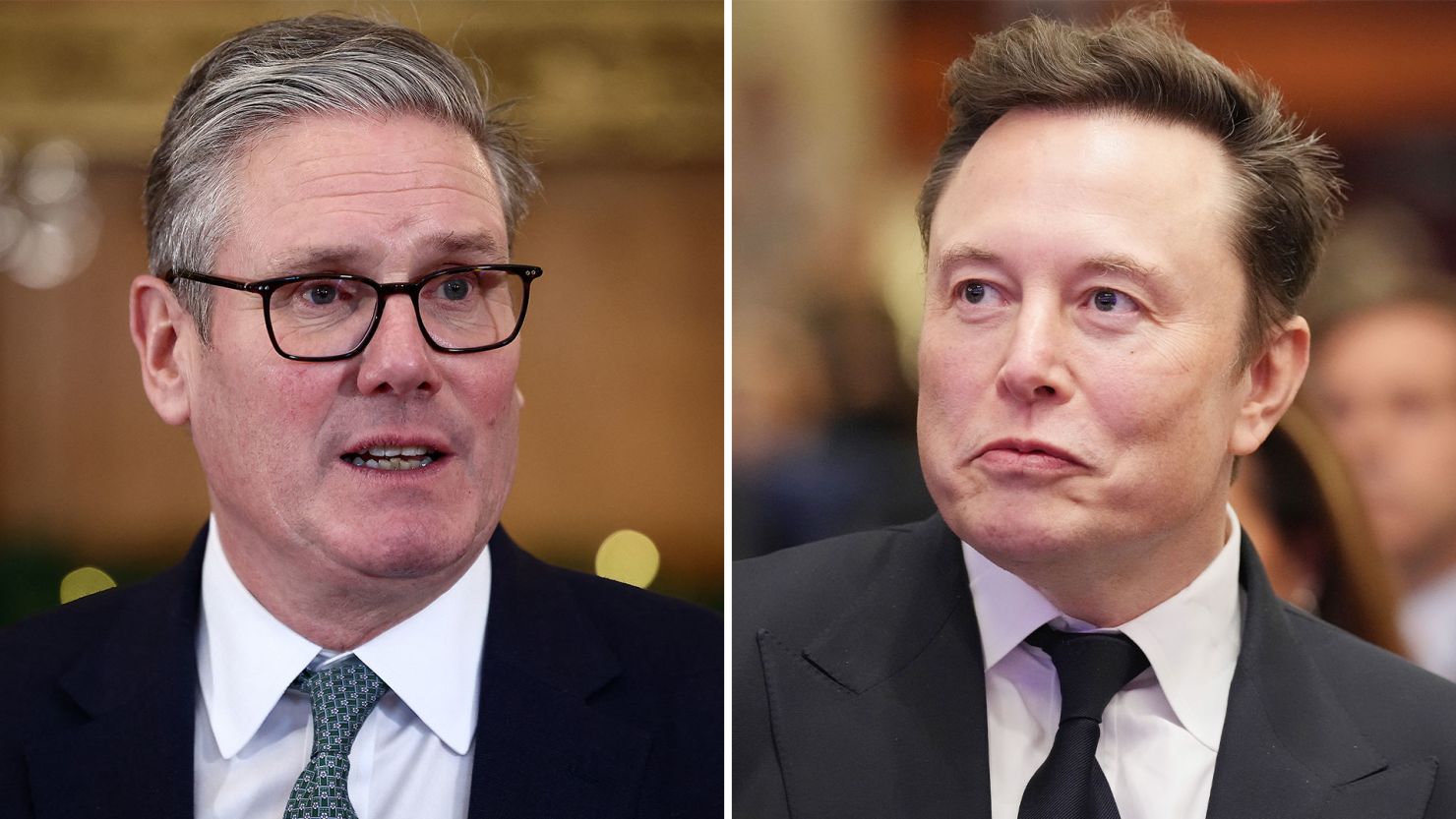
Musk Accuses Starmer Of Meddling In US Elections
Favicon 
thepeoplesvoice.tv

Musk Accuses Starmer Of Meddling In US Elections

SpaceX and Tesla CEO Elon Musk has accused British Prime Minister Sir Keir Starmer of interfering in American elections. Accusing the UK leader of ‘sending operatives’ to undermine US elections, Musk said it was no [...] The post Musk Accuses Starmer Of Meddling In US Elections appeared first on The People's Voice.
Like
Comment
Share
Classic Rock Lovers
Classic Rock Lovers  
1 y

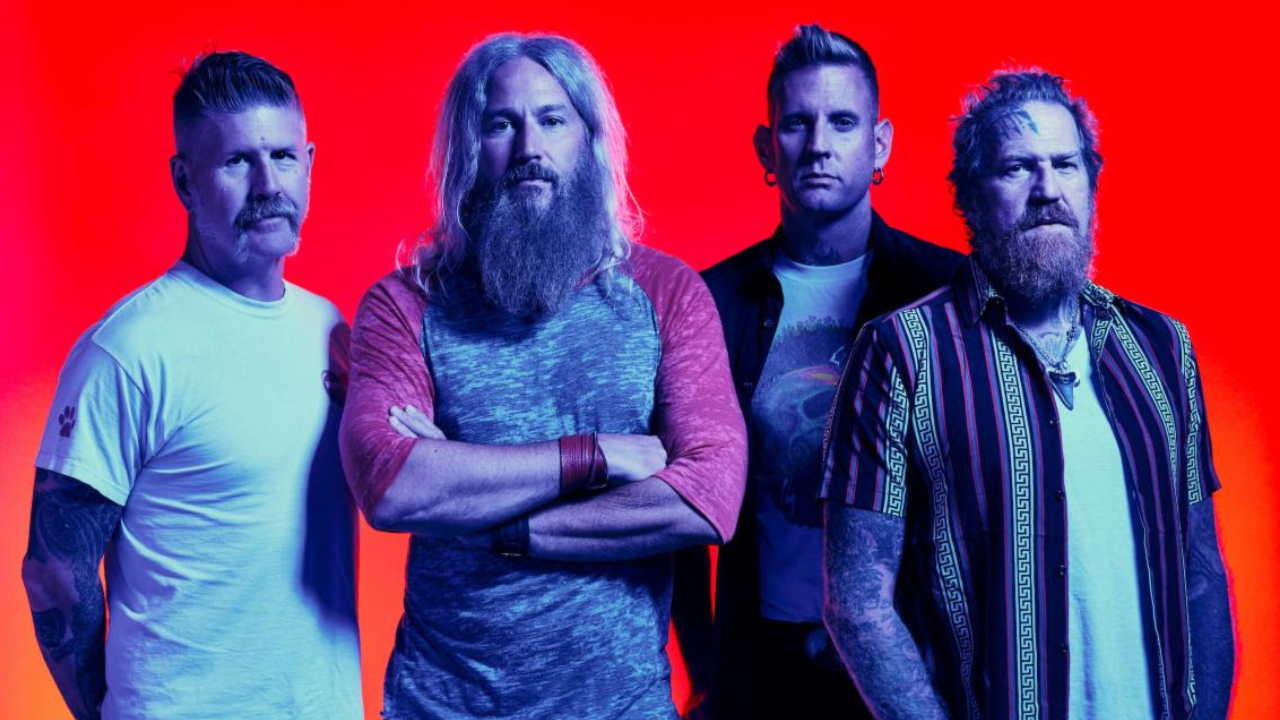
Mastodon’s new album is “all over the place” musically, teases Brann Dailor
Favicon 
www.loudersound.com

Mastodon’s new album is “all over the place” musically, teases Brann Dailor

“I hear some punk rock in there, but then I hear some insane prog and I hear the heaviest version of ourselves poking its head out again”
Like
Comment
Share
Showing 59406 out of 116558
  • 59402
  • 59403
  • 59404
  • 59405
  • 59406
  • 59407
  • 59408
  • 59409
  • 59410
  • 59411
  • 59412
  • 59413
  • 59414
  • 59415
  • 59416
  • 59417
  • 59418
  • 59419
  • 59420
  • 59421
Advertisement
Stop Seeing These Ads

Edit Offer

Add tier


Select an image
Delete your tier
Are you sure you want to delete this tier?

Reviews

In order to sell your content and posts, start by creating a few packages. Monetization

Pay By Wallet

Payment Alert

You are about to purchase the items, do you want to proceed?

Request a Refund