YubNub Social YubNub Social
    #music #tew #tuba #euphonium #militarymusic #tew2026 #armymusic #armyband #uk #jazz #quartet #history #warmup #bigband #armyblues
    Advanced Search
  • Login
  • Register

  • Day mode
  • © 2026 YubNub Social
    About • Directory • Contact Us • Developers • Privacy Policy • Terms of Use • shareasale • FB Webview Detected • Android • Apple iOS • Get Our App

    Select Language

  • English
Night mode toggle
Featured Content
Community
New Posts (Home) ChatBox Popular Posts Reels Game Zone Top PodCasts
Explore
Explore
© 2026 YubNub Social
  • English
About • Directory • Contact Us • Developers • Privacy Policy • Terms of Use • shareasale • FB Webview Detected • Android • Apple iOS • Get Our App
Advertisement
Stop Seeing These Ads

Discover posts

Posts

Users

Pages

Blog

Market

Events

Games

Forum

Science Explorer
Science Explorer
6 w

Romans used human feces as medicine 1,900 years ago — and used thyme to mask the smell
Favicon 
www.livescience.com

Romans used human feces as medicine 1,900 years ago — and used thyme to mask the smell

A new study shows that organic residues from a Roman-era glass medicinal vial came from human feces.
Like
Comment
Share
Science Explorer
Science Explorer
6 w

Critical moment when El Niño started to erode Russia's Arctic sea ice discovered
Favicon 
www.livescience.com

Critical moment when El Niño started to erode Russia's Arctic sea ice discovered

Scientists discover a tipping point that took place in 2000, where El Niño’s effect on sea ice loss in Siberia was amplified.
Like
Comment
Share
Science Explorer
Science Explorer
6 w

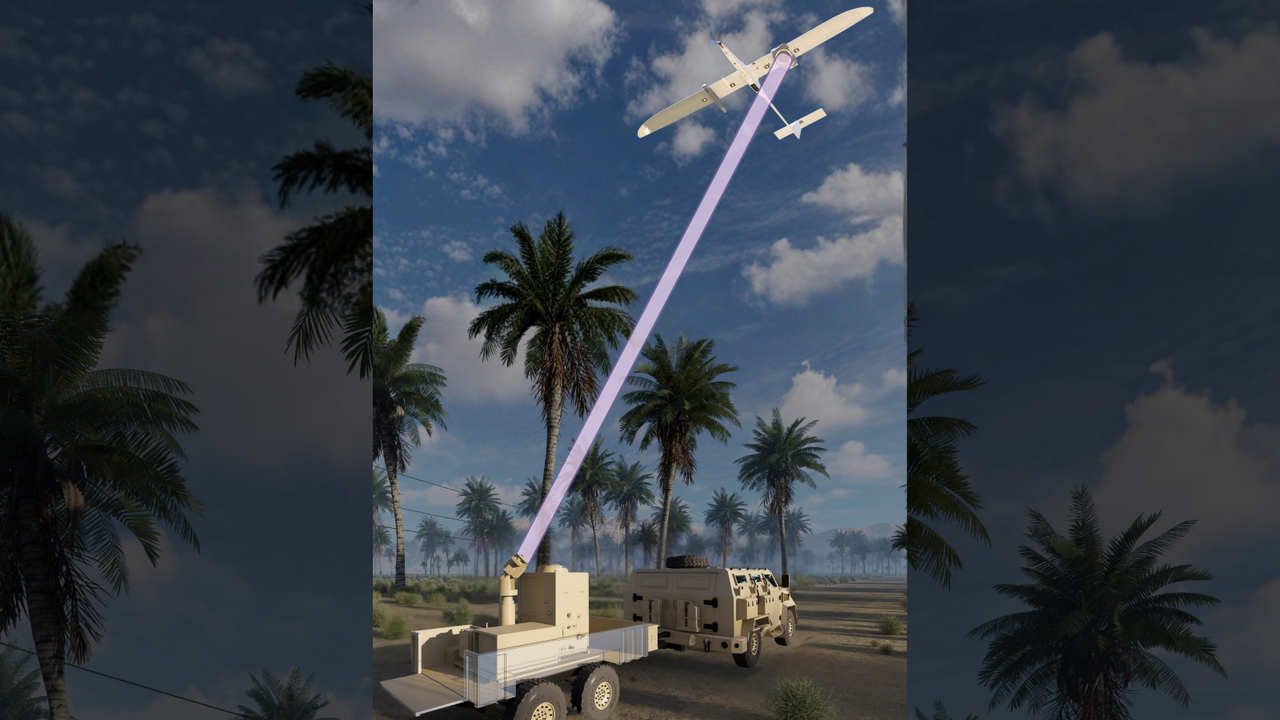
Drones could achieve 'infinite flight' after engineers create laser-based wireless power system that charges them from the ground
Favicon 
www.livescience.com

Drones could achieve 'infinite flight' after engineers create laser-based wireless power system that charges them from the ground

A new system will enable operators to use laser beams to top off batteries while drones are in midflight.
Like
Comment
Share
Science Explorer
Science Explorer
6 w

February 2026 night sky: What to see and what you need
Favicon 
www.livescience.com

February 2026 night sky: What to see and what you need

The best of February’s stargazing events — with key dates and the must-have gear to see them at their best.
Like
Comment
Share
Science Explorer
Science Explorer
6 w

Stone Age teenager was mauled by a bear 28,000 years ago, skeletal analysis confirms
Favicon 
www.livescience.com

Stone Age teenager was mauled by a bear 28,000 years ago, skeletal analysis confirms

The mystery of a Stone Age teenager's death has been solved — 80 years after he was found in an ancient burial ground in Italy.
Like
Comment
Share
Science Explorer
Science Explorer
6 w

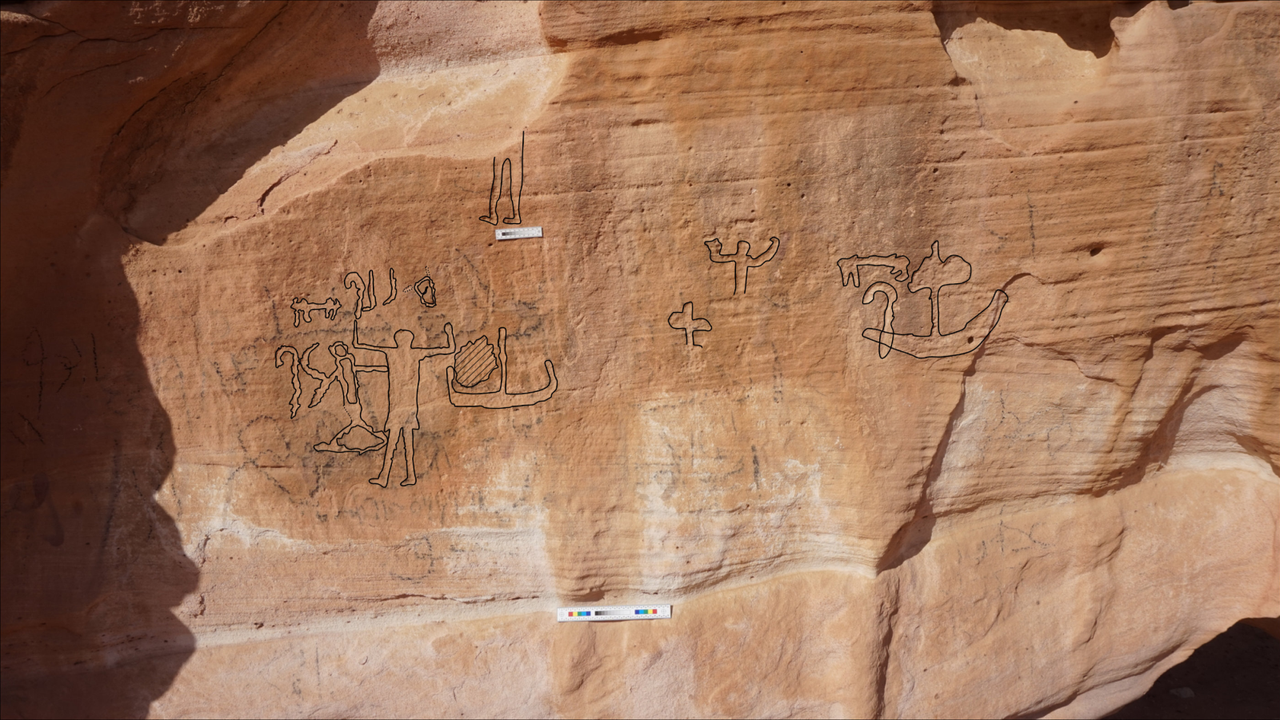
5,000-year-old rock art from ancient Egypt depicts 'terrifying' conquest of the Sinai Peninsula
Favicon 
www.livescience.com

5,000-year-old rock art from ancient Egypt depicts 'terrifying' conquest of the Sinai Peninsula

Archaeologists have found 5,000-year-old ancient Egyptian rock art in the Sinai Desert that depicts the conquest of the region.
Like
Comment
Share
Science Explorer
Science Explorer
6 w

50-year-old NASA jet crashes in flames on Texas runway — taking it out of the Artemis II mission
Favicon 
www.livescience.com

50-year-old NASA jet crashes in flames on Texas runway — taking it out of the Artemis II mission

New footage shows one of NASA's WB-57 research jets spewing out flames and smoke as it skids across a runway during an emergency landing near Houston. The veteran aircraft was due to play a small role in the Artemis II mission.
Like
Comment
Share
Science Explorer
Science Explorer
6 w

South Carolina's measles outbreak nears 790 cases — making it the biggest in decades
Favicon 
www.livescience.com

South Carolina's measles outbreak nears 790 cases — making it the biggest in decades

Nearly 790 people, primarily children, have been infected in South Carolina's ongoing measles outbreak, officials report.
Like
Comment
Share
Science Explorer
Science Explorer
6 w

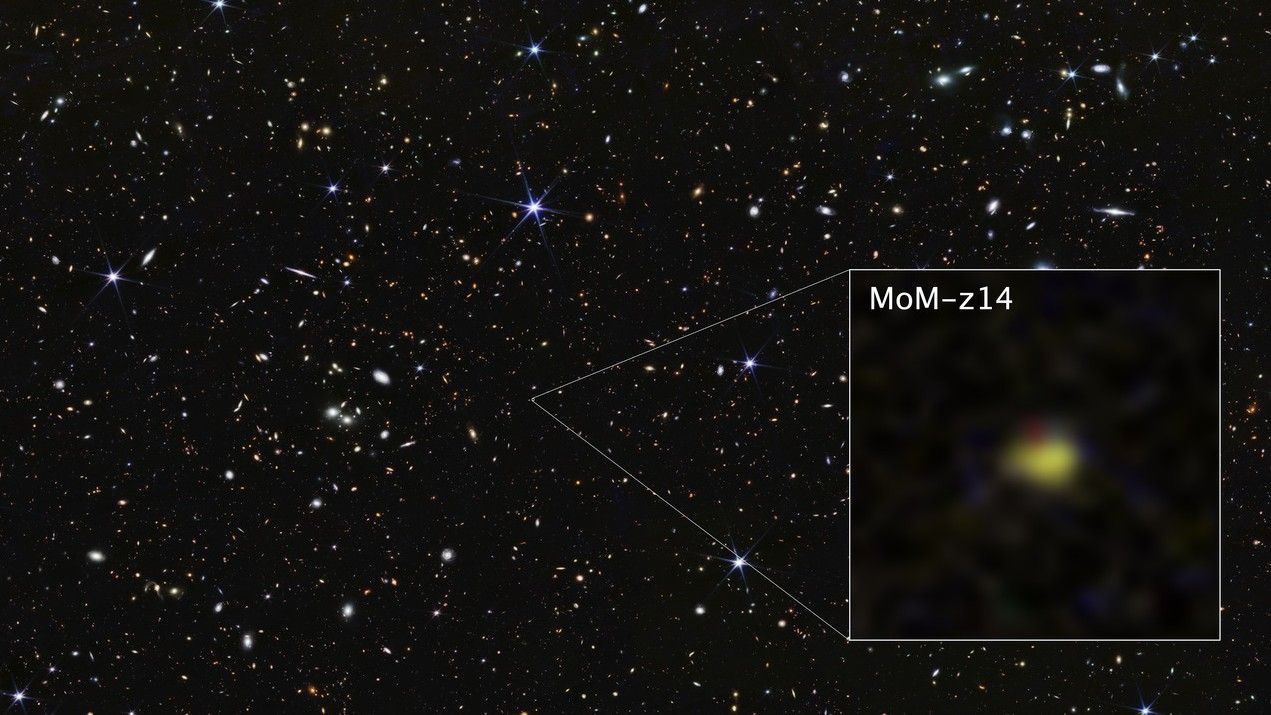
James Webb telescope discovers closest galaxy to the Big Bang ever seen
Favicon 
www.livescience.com

James Webb telescope discovers closest galaxy to the Big Bang ever seen

The James Webb Space Telescope has confirmed the most distant, early galaxy in the known universe. The new contender, MoM-z14, is visible just 280 million years after the Big Bang.

Like
Comment
Share
Science Explorer
Science Explorer
6 w

Halley wasn't the first to figure out the famous comet. An 11th-century monk did it first, new research suggests.
Favicon 
www.livescience.com

Halley wasn't the first to figure out the famous comet. An 11th-century monk did it first, new research suggests.

An 11th-century monk saw the famous "Halley's comet" first as a child and later as an adult, new research finds.
Like
Comment
Share
Showing 6337 out of 114235
  • 6333
  • 6334
  • 6335
  • 6336
  • 6337
  • 6338
  • 6339
  • 6340
  • 6341
  • 6342
  • 6343
  • 6344
  • 6345
  • 6346
  • 6347
  • 6348
  • 6349
  • 6350
  • 6351
  • 6352
Advertisement
Stop Seeing These Ads

Edit Offer

Add tier


Select an image
Delete your tier
Are you sure you want to delete this tier?

Reviews

In order to sell your content and posts, start by creating a few packages. Monetization

Pay By Wallet

Payment Alert

You are about to purchase the items, do you want to proceed?

Request a Refund