YubNub Social YubNub Social
    #jesuschrist #christmas #christ #merrychristmas #christmas2025 #princeofpeace #achildisborn #noël #sunrise #morning
    Advanced Search
  • Login
  • Register

  • Night mode
  • © 2025 YubNub Social
    About • Directory • Contact Us • Developers • Privacy Policy • Terms of Use • shareasale • FB Webview Detected • Android • Apple iOS • Get Our App

    Select Language

  • English
Install our *FREE* WEB APP! (PWA)
Night mode toggle
Community
New Posts (Home) ChatBox Popular Posts Reels Game Zone Top PodCasts
Explore
Explore
© 2025 YubNub Social
  • English
About • Directory • Contact Us • Developers • Privacy Policy • Terms of Use • shareasale • FB Webview Detected • Android • Apple iOS • Get Our App
Advertisement
Stop Seeing These Ads

Discover posts

Posts

Users

Pages

Blog

Market

Events

Games

Forum

The Lighter Side
The Lighter Side
1 y

Doctors Told Mom To Unplug Baby’s Ventilator — She Refused
Favicon 
www.inspiremore.com

Doctors Told Mom To Unplug Baby’s Ventilator — She Refused

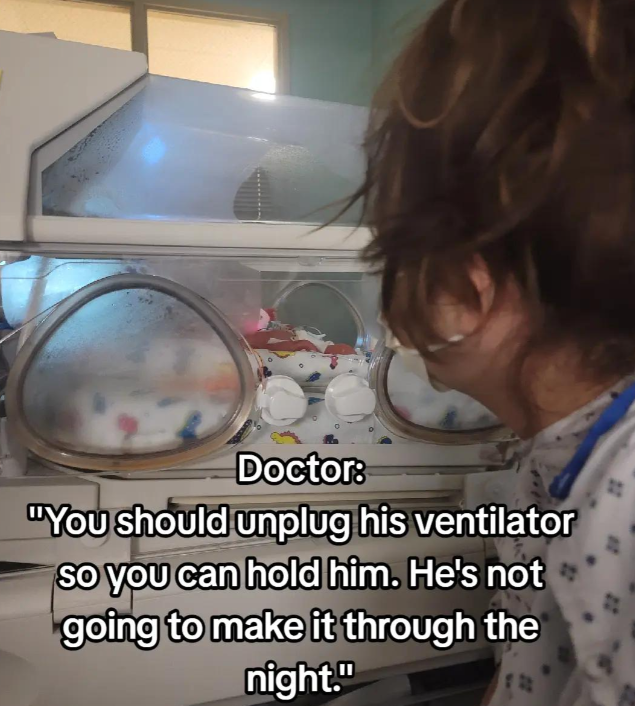
One mom was not ready to say goodbye to her baby boy, even when doctors advised her to take him off his ventilator. Instead, she chose to hold onto hope. Months later, she knows she made the right decision! This woman shared a post on social media telling the harrowing tale of how she almost lost her son shortly after he was born. Her story serves as a beautiful reminder not to give up on the people who are important to us! Please be aware that there’s some NSFW language in her post. After giving birth to her son, Grayson, this mom was told that he wouldn’t survive. Doctors said that the best option would be to remove his ventilator so that she could hold him during his final moments. Screengrab from TikTok “He’s not going to make it through the night,” they warned, according to her social media post. However, this woman had been through a lot in order to bring this little guy into the world. In her caption, she explained that she’d experienced “six years of infertility, two years of IVF and a procedure that put me in preterm labor.” She was determined to do everything she could to keep Grayson alive. This mom was not going to let her baby go without a fight! “The worst thing a mom can ever hear is that her child isn’t going to make it,” she wrote. “When they told me you couldn’t, I told them you could. 235 days later and you have made it through everything that the doctors said you couldn’t make it through.” Screengrab from TikTok Of course, it wasn’t easy. In a previous post, this mom shared that Grayson had been delivered early, at only 23 weeks, through an emergency C-section. His parents weren’t sure what was going to happen to their baby when doctors put him on a ventilator, but they were absolutely willing to fight for him. At this time, Grayson is still in the Neonatal Intensive Care Unit (NICU). He recently made it through an important surgery with flying colors, and his mom is still hoping for the best. Although this baby hasn’t been in the world long, he’s already very loved. We’re rooting for this little guy! You can find the source of this story’s featured image here. The post Doctors Told Mom To Unplug Baby’s Ventilator — She Refused appeared first on InspireMore.
Like
Comment
Share
Daily Caller Feed
Daily Caller Feed
1 y

US Braces For Tropical Storm Debby’s Next Move As Forecasts Suggest She’s The ‘Wettest’
Favicon 
dailycaller.com

US Braces For Tropical Storm Debby’s Next Move As Forecasts Suggest She’s The ‘Wettest’

Four people have died as a result of the storm system
Like
Comment
Share
Daily Caller Feed
Daily Caller Feed
1 y

‘Tiger King’ Star Makes Huge Life Announcement That’ll Change America
Favicon 
dailycaller.com

‘Tiger King’ Star Makes Huge Life Announcement That’ll Change America

What will America do without Joe?
Like
Comment
Share
The Lighter Side
The Lighter Side
1 y

Brad Paisley Wants to Open Another Free Grocery Store in Nashville After 5 Years of Dedicated Service
Favicon 
www.goodnewsnetwork.org

Brad Paisley Wants to Open Another Free Grocery Store in Nashville After 5 Years of Dedicated Service

In 2019, GNN reported that country star Brad Paisley had broken ground on a free grocery store that would allow residents of Nashville suffering from food insecurity to ‘shop’ with dignity and variety. Now, after five years of unexpected challenges, Pasiley is looking to expand by building another location in North Nashville. “We’re going to […] The post Brad Paisley Wants to Open Another Free Grocery Store in Nashville After 5 Years of Dedicated Service appeared first on Good News Network.
Like
Comment
Share
Pet Life
Pet Life
1 y

Dolce & Gabbana Launches New Dog Fragrance, RSPCA Issues Warning
Favicon 
www.dogingtonpost.com

Dolce & Gabbana Launches New Dog Fragrance, RSPCA Issues Warning

Dolce & Gabbana launches their newest fragrance – this time, it's for our four-legged friends! But the RSPCA issues its warning against the use of dog perfumes.
Like
Comment
Share
Hot Air Feed
Hot Air Feed
1 y

Thoughts on the Secret Service
Favicon 
hotair.com

Thoughts on the Secret Service

Thoughts on the Secret Service
Like
Comment
Share
Science Explorer
Science Explorer
1 y

Family Of Henrietta Lacks Launch A New Lawsuit Over Her "Stolen" Cells
Favicon 
www.iflscience.com

Family Of Henrietta Lacks Launch A New Lawsuit Over Her "Stolen" Cells

The family of Henrietta Lacks has launched a new lawsuit against two multi-billion-dollar pharmaceutical companies for using her genetic material without her consent. The living relatives of Lacks are suing Novartis Pharmaceuticals Corporation and Novartis Gene Therapies, Inc., as well as Viatris, Inc. and its subsidiary Mylan Pharmaceuticals, in the US District Court for the District of Maryland, claiming the companies have developed hundreds of patents using the "stolen" HeLa cell line and amassed huge profits doing so.The lawsuit calls for the profits derived from the use of these cells to be "rightfully transferred" to the estate of Henrietta Lacks."Novartis and Viatris made conscious choices to commercialize the living genetic material of Henrietta Lacks, a Black woman, grandmother, and community leader whose tissue was taken without her knowledge or consent by doctors she trusted with her life," Chris Ayers, an attorney at Seeger Weiss LLP representing the Lacks family, said in a statement sent to IFLScience."We will continue to pursue justice for Mrs. Lacks and her family,” added Ayers.Henrietta Lacks passed away from cervical cancer at the age of 31 on October 4, 1951 – although some of her cells continue to live on today. Just before her death, a physician at Johns Hopkins Hospital took a sample of her cervical cells without her knowledge during a cancer assessment. It was observed that her cells kept reproducing rapidly, long after cells from almost all other samples would have died outside their host.Recognizing the potential, scientists found these cells could be a cost-effective and easy-to-use resource for expanding research capabilities. Named the "HeLa immortal cell line", these cells have become an invaluable asset for biomedical research.Approximately 55 million tons of these cells have been used in over 75,000 scientific studies around the world, playing an essential role in advances like the polio vaccines, treatments for cancer, HIV, AIDS, and much more.However, all of this was achieved without Lacks' knowledge or consent. Her family was also unaware of the cells' commercial use for many years.The commercialization of HeLa cells raises serious questions about medical ethics and genetics. It also highlights ongoing issues of medical racism against disenfranchised minorities, as Lacks was a Black woman living in 1950s America.Despite the widespread awareness of these controversies, the HeLa cells continue to be used in commercial medical research – and help to make some corporations a lot of money. "The world now knows the story of Henrietta Lacks, which makes it all the more shocking, though not surprising, that pharmaceutical giants Novartis and Viatris continue to profit off the deeply unethical origins of HeLa cells and the disturbing history of medical racism,” explained Chris Seeger, another lawyer representing the family.In 2023, the family of Lacks reached a historic agreement after filing a lawsuit against another biotech company, Thermo Fisher Scientific, Inc., in the US District Court for the District of Baltimore. At the time, the attorneys indicated that the settlement was just the tip of the iceberg and there could potentially be dozens more lawsuits involving the use of HeLa cells.
Like
Comment
Share
Science Explorer
Science Explorer
1 y

World-First Mosquito Drone Deliveries Could Help Stop The Spread Of Diseases Like Dengue
Favicon 
www.iflscience.com

World-First Mosquito Drone Deliveries Could Help Stop The Spread Of Diseases Like Dengue

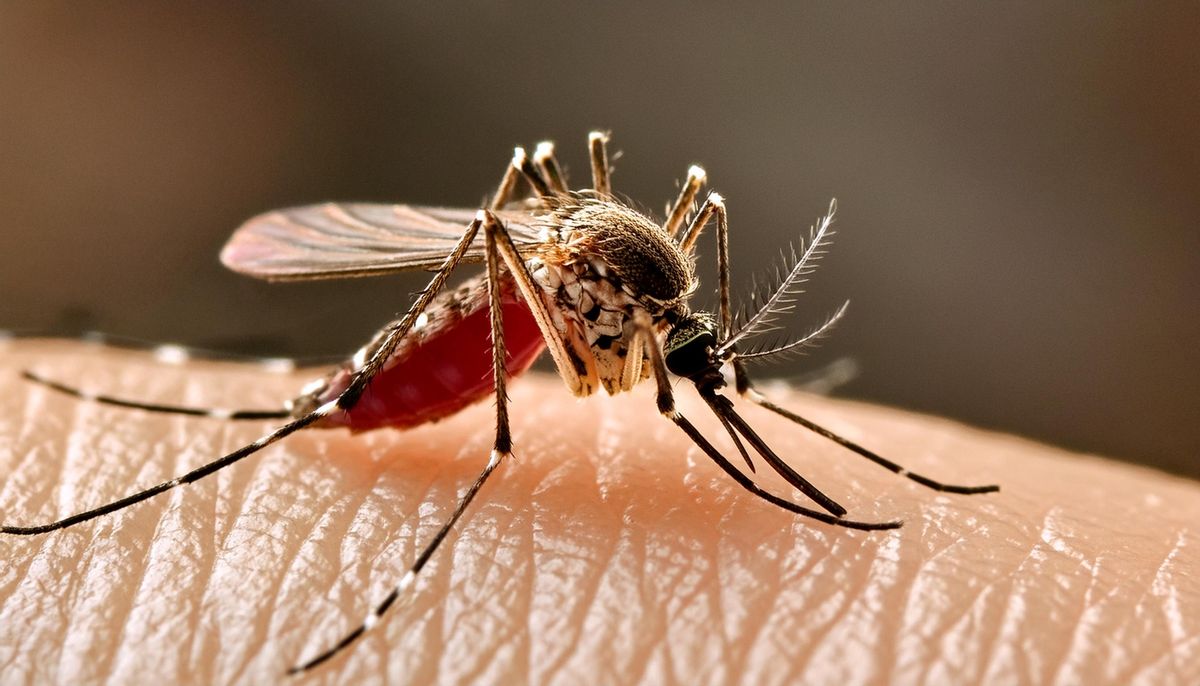
In the latest step in the fight against mosquito-borne disease, scientists have sent in the drones. Field trials have seen uncrewed aerial vehicles (UAVs) flying over Fiji, dropping hundreds of mosquitoes infected with bacteria that stop them from spreading diseases like dengue among the human population.Dengue is a viral disease that is spread by the bite of the Aedes aegypti mosquito. Around half of the world’s population live in areas with a high risk of dengue transmission. Cases this year have been surging, with the Pan American Health Organization (PAHO) reporting an increase of 233 percent in the first 28 weeks of 2024 compared to the previous year.There are no specific treatments for dengue. While many people will recover after a short illness, about 1 in 20 will develop severe disease, which is a medical emergency and can be fatal. Ae. aegypti mosquitoes don’t only transmit dengue either – they’re also vectors for Zika, chikungunya, and yellow fever.To try and combat the spread of all these diseases, the World Mosquito Program has developed a strategy that involves infecting the insects with Wolbachia bacteria. These don’t cause human disease or pose a threat to the environment – many other mosquito species carry them naturally. What Wolbachia can do is prevent viruses like dengue from taking hold inside the mosquitoes. If they can’t get infected with dengue, they can’t spread it to the next person they bite.It's a neat solution that has shown great promise in the field: Seeding a population of infected mosquitoes in the Indonesian city of Yogyakarta in 2017 led to a 77 percent decrease in dengue infections, in a country that sees more than 7 million cases per year. A 2023 study even suggested that these interventions could be more effective than trial data suggests.The next question: how could we replicate this success in a larger geographical area? That’s where a new study from World Mosquito Program scientists and robotics experts comes in.“[We] developed a fully automated mosquito dosing release system that released smaller cohorts of mosquitoes over a wide area and integrated it into [a UAV],” the authors write in their paper. “We established the effectiveness of this system using an aerial mark, release, and recapture approach. We then demonstrated that using only the aerial release method, we can establish Wolbachia infection in a naive Ae. aegypti population.”        With the cooperation of local communities, the team began with a 4-week trial in Nakasi, Fiji. The drones were deployed to release mosquitoes tagged with fluorescent powders, so they could later be identified and recaptured. This showed that the system worked, and the mosquitoes survived their journey.The second part of the study saw the team trialing the drones across a 2-square-kilometer (0.8-square-mile) zone in the town of Nausori. An average of 155 mosquitoes per hectare were released each week for 16 weeks in total (with a couple of short pauses to iron out technical issues). Overall, they calculated that around 31,000 insects infected with Wolbachia were released, with the aim that these individuals would establish the bacteria within the local mosquito population.When they reviewed the situation a year later, this is exactly what the team found, recording a Wolbachia prevalence of almost 60 percent.  “This proof-of-concept study provides the basis for the further development of improved dosing mechanisms, long-range delivery platforms, and the associated mosquito-handling systems required,” the team concluded. While they acknowledge that their system could use some refinement, it’s a promising step forward.Thanks to climate change, the range of Ae. aegypti mosquitoes is expanding, meaning more people will likely be at risk from the diseases they carry. We need all the help we can get, and drones might just be an important part of that.The study is published in the journal Science Robotics.
Like
Comment
Share
Strange & Paranormal Files
1 y

New Study Reveals Why Most Planets in the Milky Way Are Uninhabited
Favicon 
anomalien.com

New Study Reveals Why Most Planets in the Milky Way Are Uninhabited

Astronomers have found that red dwarf stars can produce such high levels of ultraviolet radiation that it could affect the possibility of life on planets close to them. The results of the study were published in the journal Monthly Notices of the Royal Astronomical Society. Red dwarf stars, which are cooler and smaller than the Sun, make up 75% of the stars in the Milky Way. Some scientists believe that rocky planets that orbit red dwarfs provide suitable conditions for the emergence and development of life. But the authors of a new study have found that red dwarfs can produce intense flares with enormous levels of ultraviolet radiation that are greater than previously thought. The findings could have sweeping implications for the search for extraterrestrial life on nearby rocky planets. For their study, the scientists used archived data from the GALEX space telescope, which operated from 2003 to 2013, to search for flares on red dwarf stars within 300 light-years of Earth. As a result, they discovered almost 200 flashes carrying both near and far ultraviolet radiation. Scientists say ultraviolet radiation from stellar flares could either destroy planets’ atmospheres, compromising their ability to be habitable, or help form the RNA building blocks that are needed to create life. The results of the new study challenge existing models of stellar flares, as scientists found that far-ultraviolet radiation is on average three times more energetic than expected. Scientists believe that the impact of such radiation on the planet can either destroy its atmosphere or destroy the life existing there. According to the authors of the study, it was believed that only a few stars create very strong ultraviolet radiation through flares, which can affect the habitability of the planet. But it turned out that a huge number of stars have this ability. Thus, a new study casts doubt on the assumption that rocky planets orbit red dwarfs, where extraterrestrial life could exist. So far, astronomers do not know why red dwarfs emit so much radiation and this is a subject for future research. The study’s findings may indicate that most stars in the Milky Way may not have habitable planets. And this could be the answer to the famous Fermi paradox: if aliens exist, where are they all? The post New Study Reveals Why Most Planets in the Milky Way Are Uninhabited appeared first on Anomalien.com.
Like
Comment
Share
Twitchy Feed
Twitchy Feed
1 y

Harrison Butker Gets a Big Contract Extension and the Left Reacts EXACTLY How You Would Expect
Favicon 
twitchy.com

Harrison Butker Gets a Big Contract Extension and the Left Reacts EXACTLY How You Would Expect

Harrison Butker Gets a Big Contract Extension and the Left Reacts EXACTLY How You Would Expect
Like
Comment
Share
Showing 67283 out of 104230
  • 67279
  • 67280
  • 67281
  • 67282
  • 67283
  • 67284
  • 67285
  • 67286
  • 67287
  • 67288
  • 67289
  • 67290
  • 67291
  • 67292
  • 67293
  • 67294
  • 67295
  • 67296
  • 67297
  • 67298
Advertisement
Stop Seeing These Ads

Edit Offer

Add tier


Select an image
Delete your tier
Are you sure you want to delete this tier?

Reviews

In order to sell your content and posts, start by creating a few packages. Monetization

Pay By Wallet

Payment Alert

You are about to purchase the items, do you want to proceed?

Request a Refund