YubNub Social YubNub Social
    #satire #democrats #loonylibs #iran #comedy
    Advanced Search
  • Login
  • Register

  • Night mode
  • © 2026 YubNub Social
    About • Directory • Contact Us • Developers • Privacy Policy • Terms of Use • shareasale • FB Webview Detected • Android • Apple iOS • Get Our App

    Select Language

  • English
Night mode toggle
Featured Content
Community
New Posts (Home) ChatBox Popular Posts Reels Game Zone Top PodCasts
Explore
Explore
© 2026 YubNub Social
  • English
About • Directory • Contact Us • Developers • Privacy Policy • Terms of Use • shareasale • FB Webview Detected • Android • Apple iOS • Get Our App
Advertisement
Stop Seeing These Ads

Discover posts

Posts

Users

Pages

Blog

Market

Events

Games

Forum

Daily Caller Feed
Daily Caller Feed
2 yrs

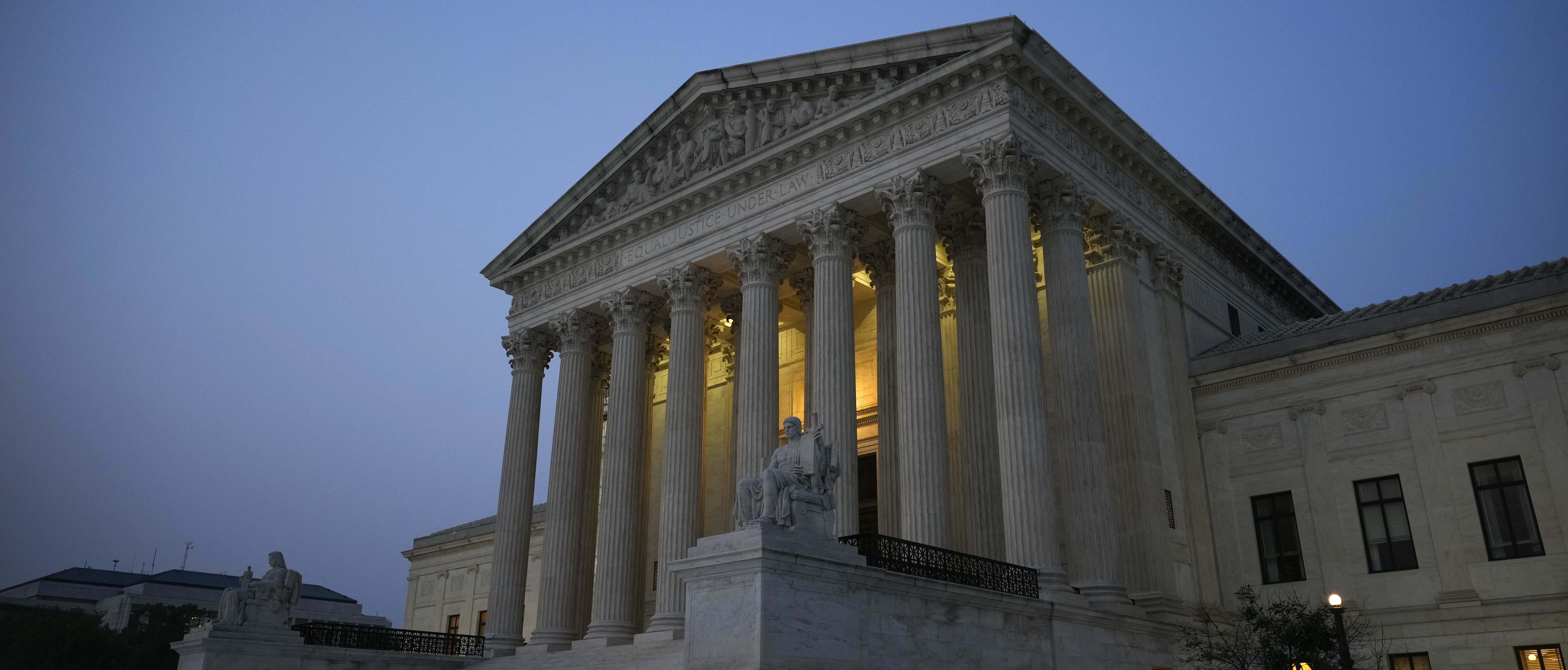
Here’s How A Few Fishermen Could Deal A Massive Blow To The Administrative State
Favicon 
dailycaller.com

Here’s How A Few Fishermen Could Deal A Massive Blow To The Administrative State

'Directly subverts our Constitution’s system'
Like
Comment
Share
Daily Caller Feed
Daily Caller Feed
2 yrs

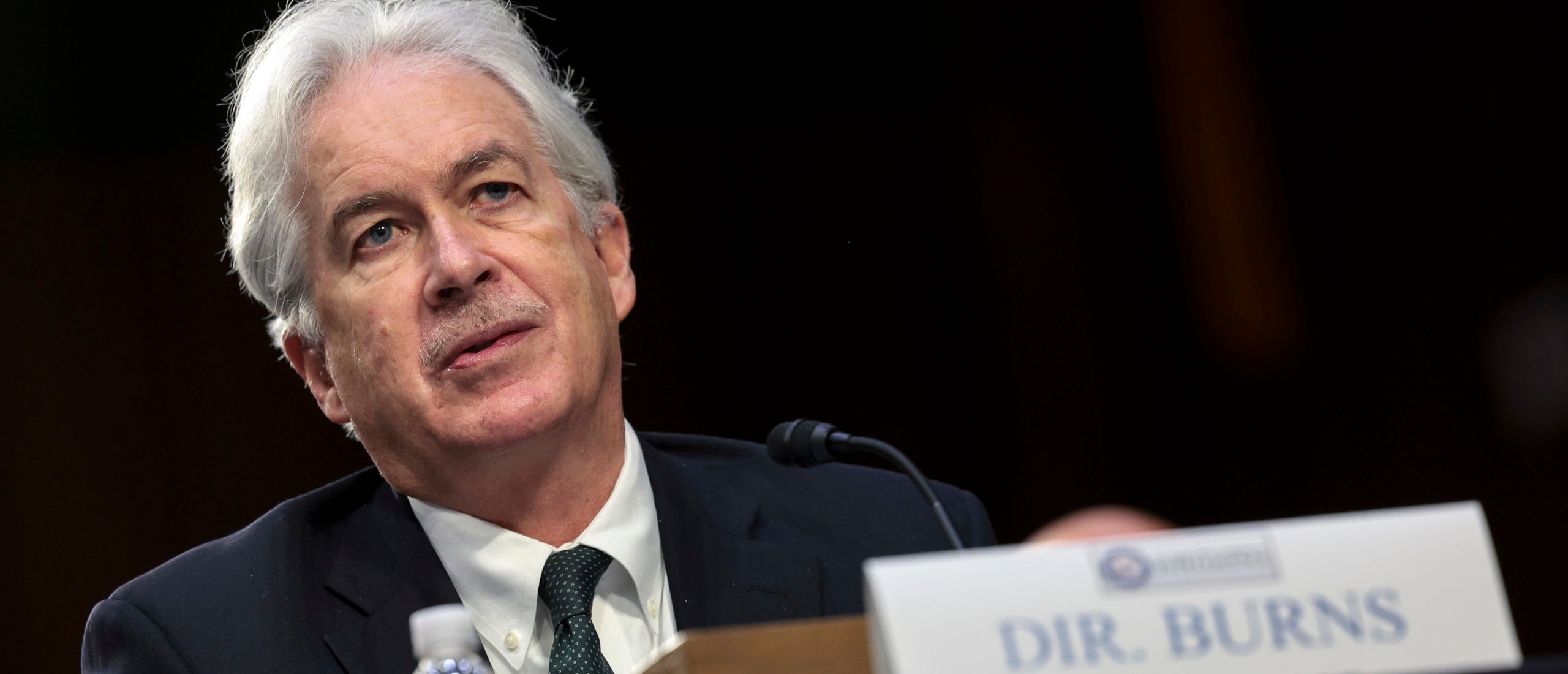
‘Red Flag’: Experts Raise Concerns Over History Of Biden CIA Director Overseeing Intel Push Into China
Favicon 
dailycaller.com

‘Red Flag’: Experts Raise Concerns Over History Of Biden CIA Director Overseeing Intel Push Into China

'
Like
Comment
Share
The Lighter Side
The Lighter Side
2 yrs

Zero Airline Crashes in 2023: It Was One of Aviation’s Safest Years Ever
Favicon 
www.goodnewsnetwork.org

Zero Airline Crashes in 2023: It Was One of Aviation’s Safest Years Ever

It simply doesn’t get enough publicity‚ considering the fact that modern aviation has reached a point where tens of thousands of giant metal tubes filled with the most flammable liquid can launch themselves into the air at hundreds of miles per hour every day and almost nothing ever goes wrong. 2023 was the safest year […] The post Zero Airline Crashes in 2023: It Was One of Aviation’s Safest Years Ever appeared first on Good News Network.
Like
Comment
Share
Survival Prepper
Survival Prepper  
2 yrs

Disease X: Governments Are Preparing for a Newer‚ Scarier Pandemic
Favicon 
www.theorganicprepper.com

Disease X: Governments Are Preparing for a Newer‚ Scarier Pandemic

Have you heard of the Disease X Act of 2023?  I hadn’t‚ until this week. In June‚ a bipartisan bill was introduced to the House of Representatives to develop medical countermeasures for viruses with pandemic potential.  Later in June‚ when the bill was introduced to the Senate‚ a section had been added suggesting a budget of $40 million per year for 2024 through 2028. This $40 million annually would be on top of the 5% of our healthcare budget we will be expected to pay the World Health Organization (WHO)‚ assuming the Pandemic Accord passes.   What is Disease X‚ how likely are we to encounter it‚ and how concerned should we be? Back in 2018‚ the WHO came up with the name “Disease X” as a placeholder for any disease that hadn’t been discovered yet.   The name “Disease X” gets thrown around in the press every few years for a few weeks at a time‚ stirring up fear of the next pandemic.  In fact‚ the New York Times referred to Covid as Disease X in a February 2020 opinion piece. And while the Disease X Act of 2023 was introduced to Congress quietly over the summer‚ in the past week‚ Disease X fearmongering has been everywhere‚ just in time for the World Economic Forum’s annual meeting in Davos.   On Wednesday‚ WHO chief Dr. Tedros Ghebreyesus will give a talk at Davos titled “Preparing for Disease X‚” in which he will attempt to sell the world on the “novel efforts needed to prepare healthcare systems for the multiple challenges ahead.”  This statement is based on the assumption that Disease X will be far deadlier than Covid. They’ve tied Disease X to climate change. WEF-affiliated figures like Tedros believe we should be living in fear of new diseases emerging due to climate change. What’s the rationale?  As permafrost melts and environments change‚ animals move around‚ and new interactions between humans and animals occur.  With increasing and varied human-animal interaction‚ so increases the threat of new diseases. We’re also supposed to be afraid of diseases mutating within livestock and then jumping to humans. This is actually a real issue. Concentrated animal feeding operations (CAFOS) have been known to spawn various strains of swine and avian flu viruses.   However‚ make no mistake about it.  Proposed measures within the Pandemic Accord will not be about improving animal welfare but about ending livestock agriculture and consolidating the food supply‚ as we’ve discussed elsewhere. If this sounds outrageous‚ look into OneHealth.  This refers to the idea that‚ since the health of humans‚ animals‚ and the environment is all interconnected‚ all sectors need to be looked at in conjunction with each other to address new diseases. We are all connected.  However‚ by linking animal and environmental health with human health‚ if the Pandemic Accord is implemented‚ governments will be able to take action regarding livestock practices if the WHO declares a pandemic.  It could also potentially give climate emergencies the same priority as health emergencies.   Again‚ this may sound far-fetched‚ but these conclusions have been drawn by people far more intelligent and qualified than I am.  In October‚ Bret Weinstein and Heather Heying‚ both professors in evolutionary biology‚ discuss the broader implications of the WHO Pandemic Accord as it relates to OneHealth. Wait…what about gain-of-function research? While it should be fairly obvious that any new pandemics will be blamed on zoonotic transmission‚ just as Covid was‚ I believe we should be far more concerned about the gain-of-function research that still takes place in laboratories around the world.  Chinese researchers recently developed a form of coronavirus that killed 100% of the mice exposed to it within eight days.  When Dr. John Campbell‚ a trusted British health practitioner‚ tried to draw attention to this research‚ YouTube removed his video‚ as explained by Russell Brand. The fact that mainstream media is trying to make us afraid of Disease X at the same time they’re trying to cover up gain-of-function research should be all the evidence we need that something nasty is being brewed up for the general population. Much of what goes on in the press is predictive programming.  In March 22‚ 2018‚ EcoHealthAlliance posited that Disease X might come from a cave in Guangdong Province. While it’s clear now that COVID came from a laboratory‚ in 2020 and 2021‚ groups like the EcoHealthAlliance spent a lot of time and money trying to convince the world that no‚ seriously‚ COVID came from bat caves. And though Covid was not particularly dangerous for young‚ healthy individuals‚ Disease X may be more serious.  The phrase “20 times deadlier than Covid” has been getting tossed around a lot.  I don’t think we should take it lightly. Three reason the next virus could be more deadly There are three possible reasons to expect a more lethal virus the next time around‚ besides the fact that the WHO and WEF keep saying to expect it. The first possibility is that the Davos-types have been surprised at the amount of pushback they received regarding the Covid response.  Many people‚ even in blue states‚ have gotten into the habit of ignoring recommendations.  Journalists like Matt Orfalea are making sure that the ridiculous things we were supposed to believe during Covid are not getting memory-holed. While I personally find the amount of peaceful noncompliance inspiring‚ I also don’t expect the folks at Davos to simply let this slide.  The British Covid inquiry has been postponed indefinitely for no clear reason. It wouldn’t surprise me at all if the Davos folks decided to throw something truly miserable our way out of spite.  Most of them should be fine. They’ve all got their Doomsday bunkers‚ as Daisy recently noted. The second possibility is that Davos believes if Disease X makes enough people seriously ill‚ the population will beg for the authoritarian controls Davos so wants to implement.  I’m not sure how that will work out; I think it depends on how tightly they can control the flow of information.  If they can convince enough people that Disease X emerged naturally‚ maybe average citizens will trust the “experts” enough to let them take the reins. However‚ if evidence emerges that Disease X comes from a lab‚ people are going to be furious.  The WEF knows this; it’s not a coincidence that their theme this year is “Rebuilding Trust.”  And the third possibility would be a desire for general mayhem.  Many of us have known since 2008 that our financial system is sick and that a crash is inevitable.  George Gammon explains here why he thinks the system will crash in March   He might get something wrong‚ but he’s not the only financial analyst anticipating a collapse fairly soon.   Naturally there will be a public uproar whenever that happens. An exotic disease can provide a major distraction.   Diseases = Mayhem An exotic disease could also distract from the many geopolitical disasters bubbling up around the world.  Or it could throw a monkey wrench into the next political cycle.  If we have some kind of Cyber 9/11 event‚ a disease could obscure who’s really behind it. And that’s the beautiful thing about disease if you want to create mayhem.  Diseases just happen.  And even if there’s evidence that gain-of-function research is behind new diseases‚ many people are not scientifically literate enough to seriously question what they are told by the mainstream media.   Thanks to modern sanitation and the availability of antibiotics and many other modern medicines‚ we should probably be less fearful of disease now than at any other time‚ simply because we have so many treatment options.  And‚ if we choose to do so‚ those of us living in countries with access to clean water and adequate food can take pretty good care of ourselves. However‚ we have not been told to take care of ourselves in the past few years.  We’ve not been told how amazing First World sanitation prevents most of the diseases developing countries still struggle with‚ such as cholera.  We’re not encouraged to get outside‚ get our Vitamin D‚ and exercise.  We’re not encouraged to eat healthy food.  We’re just encouraged to “trust the experts” and continue taking whatever newest pharmaceutical products they recommend. Don’t live in fear of Disease X. But take care of your health. I don’t think it’s wise to live in fear of the latest current thing; I do think it’s wise to take care of our own health.  I know Daisy’s been happy with the Wellness Company‚ a business that was created in response to the disaster created within the medical community during COVID madness.  I also think it’s wise to pay attention to what’s going on.  I’m going to watch Tedros’ speech when it’s available.  I want to know what they have planned. But I’m also going to plan my garden and continue planning for the future with my kids.  Prepping is not about living in fear; it’s about being situationally aware and doing your best with what you have so that you don’t have to be afraid of whatever comes next. What do you think? Any guesses as to what Disease X will be or how it will begin? Are you expecting another pandemic? How do you plan to handle it this time around? Will you make changes to how you responded the last time? Let’s discuss it in the comments section. About Marie Hawthorne A lover of novels and cultivator of superb apple pie recipes‚ Marie spends her free time writing about the world around her. The post Disease X: Governments Are Preparing for a Newer‚ Scarier Pandemic appeared first on The Organic Prepper.
Like
Comment
Share
Pet Life
Pet Life
2 yrs

Guinness Suspends Bobi’s ‘Oldest Dog Ever’ Record While Claim Is Under Review
Favicon 
www.dogingtonpost.com

Guinness Suspends Bobi’s ‘Oldest Dog Ever’ Record While Claim Is Under Review

Guinness World Records suspends Bobi's titles and launches and investigation after professionals questioned the legitimacy of the canine's age.
Like
Comment
Share
Hot Air Feed
Hot Air Feed
2 yrs

Canceling Kids With Cancer
Favicon 
hotair.com

Canceling Kids With Cancer

Canceling Kids With Cancer
Like
Comment
Share
Science Explorer
Science Explorer
2 yrs

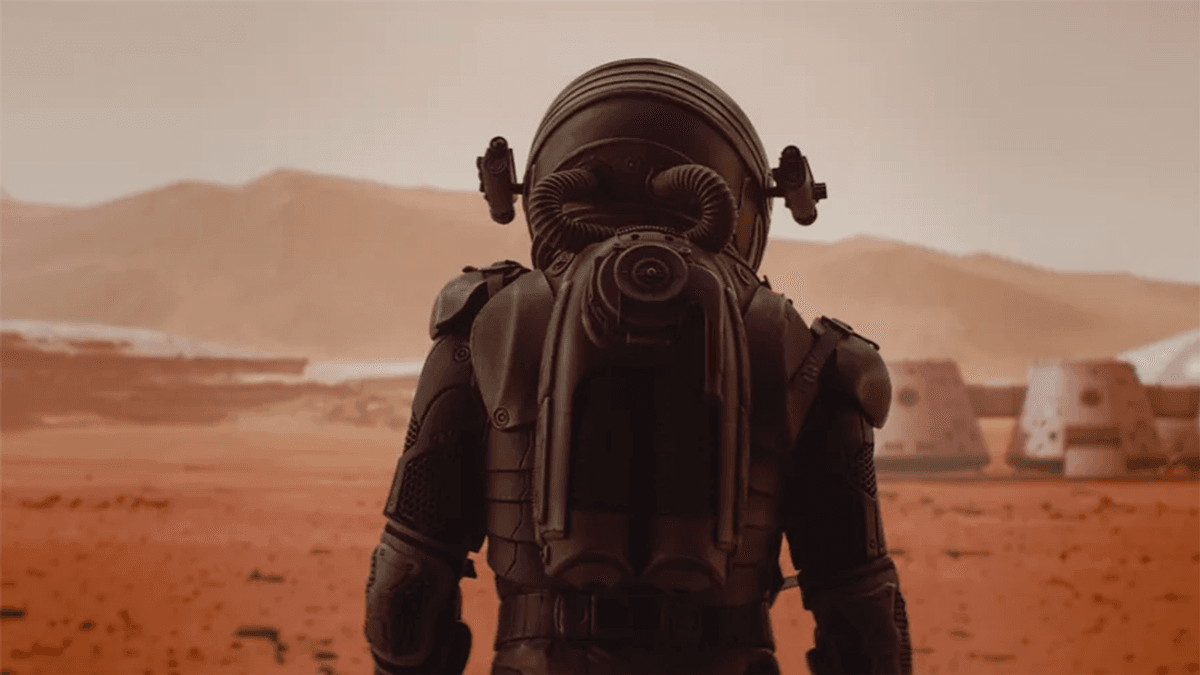
Astronauts Heading To Mars Will Experience The Effects Of Time Dilation
Favicon 
www.iflscience.com

Astronauts Heading To Mars Will Experience The Effects Of Time Dilation

When astronauts head to Mars‚ they will experience time dilation. That's to be expected. In fact‚ your feet and your head experience time dilation‚ with your head aging ever so slightly faster than your feet. But how much time dilation will they experience (relative to Earth observers)?First off‚ let's check we're all on the same page. Time passes at different rates for different observers‚ depending on their relative speeds‚ and their proximity to (and strength of) nearby gravitational fields. Time dilation is the difference between time elapsed on two clocks due to these causes‚ as described by special relativity and general relativity.Gravity curves spacetime. The result is that the stronger gravity is near you‚ and the closer you are to the mass creating it‚ the slower time moves (from the standpoint of an observer‚ or whoever has the second clock. From your perspective‚ time ran at the usual speed). This is how your foot is younger than your old (relatively speaking) haggard head.            The further you get away from Earth's gravity – say‚ by working at the top of a skyscraper – the more pronounced the time dilation effect (compared to observers on the ground). It's not a huge effect‚ measuring just a tiny fraction of a nanosecond a year.For astronauts and cosmonauts living in zero-gravity environments for long stretches‚ the effect is more pronounced‚ but effectively canceled out by the speed at which spacefarers tend to travel. "Because astronauts and satellites orbiting the Earth are slightly further away from the centre of the planet (compared to people on the ground) they actually experience less gravitational time dilation. On its own this would mean astronauts' time would run faster‚" astronomer Colin Stuart explained for Ted Ed. "However‚ this effect is quite small because Earth's gravity is quite weak and so the time dilation due to their speed wins out and astronauts really do travel a tiny amount into their futures."When cosmonaut Sergei Krikalev became stranded in space for 803 days‚ 9 hours‚ and 39 minutes as the Soviet Union collapsed‚ he technically traveled 0.02 seconds into the future according to Universe Today. Heading to Mars on a 21-month round trip‚ astronauts will experience small amounts of time dilation. From their point of view‚ time will pass normally – while compared to Earth observers‚ there will likely be a few nanoseconds difference. Though the speeds will be faster than any human has traveled in history‚ in comparison to light speed – where time dilation effects get extremely pronounced – it is peanuts.If astronauts are to stay on Mars for extended periods of time‚ then the effect of gravitational time dilation gets within the realms of noticeable. According to The Illinois Physics Van‚ a human living exactly 80 years on Mars would die about 12 seconds earlier than if they lived exactly 80 years on Earth. But from their point of view‚ it wouldn't have felt like that‚ spacetime is just weird.All “explainer” articles are confirmed by fact checkers to be correct at time of publishing. Text‚ images‚ and links may be edited‚ removed‚ or added to at a later date to keep information current.
Like
Comment
Share
Strange & Paranormal Files
2 yrs

Is there life on K2-18 b? What James Webb telescope might know
Favicon 
anomalien.com

Is there life on K2-18 b? What James Webb telescope might know

You may have heard some buzz about a mysterious exoplanet called K2-18 b. This distant world‚ located 120 light-years away from Earth‚ has been the subject of much speculation and excitement in recent years‚ especially after the launch of the James Webb Space Telescope (JWST) in 2021. The JWST is the most powerful space telescope ever built‚ capable of observing the faint infrared light from distant stars and planets. One of its main goals is to study the atmospheres of exoplanets – planets orbiting other stars – and look for signs of life‚ such as oxygen‚ methane‚ or other organic molecules. K2-18 b is one of the prime targets for JWST‚ because it is a rare type of exoplanet known as a “hycean” world. Hycean planets are larger and more massive than Earth‚ but smaller and less dense than gas giants like Jupiter. They have thick hydrogen-rich atmospheres and deep oceans of liquid water on their surfaces. These conditions could make them ideal habitats for life‚ even more so than Earth-like planets. But has JWST already found evidence of life on K2-18 b? That’s what some people believe‚ based on a cryptic statement made by British astronaut Tim Peake in 2020. In an interview with The Sun‚ Peake said: “Potentially‚ the James Webb telescope may have already found [alien life]… it’s just that they don’t want to release or confirm those results until they can be entirely sure‚ but we found a planet that seems to be giving off strong signals of biological life.” James Webb Telescope Peake did not name the planet he was referring to‚ but many assumed it was K2-18 b‚ since it was one of the most promising candidates for life at the time. Peake’s statement sparked a lot of excitement and curiosity among astrobiologists and space enthusiasts‚ who wondered if he had some insider information or was simply speculating. However‚ before you get too excited‚ you should know that there is no official confirmation or announcement from NASA or ESA (the agencies behind JWST) that they have found life on K2-18 b or any other exoplanet. In fact‚ JWST has not even observed K2-18 b yet‚ as it is still undergoing testing and calibration in orbit. According to Knicole Colon‚ the deputy project scientist for JWST at NASA’s Goddard Space Flight Center‚ JWST has not found definitive evidence of life on an exoplanet. She told Ars Technica: “It is anticipated that JWST observations may lead to the initial identification of potential biosignatures that could make habitability more or less likely for a given exoplanet.” “Future missions will be needed to conclusively establish the habitability of an exoplanet.” In other words‚ JWST will only be able to detect some clues that could indicate the presence or absence of life on an exoplanet‚ but not prove it conclusively. It will take more observations and analysis from other telescopes and missions to confirm or rule out the existence of alien life. So what can we expect from JWST when it comes to K2-18 b? Colon said that JWST will observe K2-18 b in 2024‚ as part of its Early Release Science program. This program will showcase some of the first scientific results from JWST and demonstrate its capabilities to the scientific community and the public. JWST will use its Near-Infrared Spectrograph (NIRSpec) instrument to measure the spectrum of light coming from K2-18 b as it passes in front of its host star. This will reveal the chemical composition and structure of its atmosphere‚ and possibly detect some biosignatures. However‚ Colon cautioned that detecting biosignatures on K2-18 b will not be easy‚ because its hydrogen-rich atmosphere makes it harder to see through than Earth-like atmospheres. She said: “Hydrogen-dominated atmospheres are more challenging to observe with JWST because they are more opaque than atmospheres with lower mean molecular weight (such as Earth’s atmosphere).” “This means that there are fewer wavelength regions where we can probe deeper into the atmosphere and potentially detect biosignatures.” She also noted that K2-18 b is not a perfect analog for Earth‚ because it is much larger and hotter than our planet. It receives about four times more radiation from its star than Earth does from the Sun‚ which could affect its climate and chemistry. Therefore‚ even if JWST detects some biosignatures on K2-18 b‚ such as oxygen or methane‚ they may not necessarily indicate life. They could also be produced by non-biological processes‚ such as photochemistry or volcanism. Colon said: “Detecting biosignatures on exoplanets is not a simple yes or no answer. It requires careful interpretation of the data and comparison with models and observations of other planets (including our own).” “Ultimately‚ we need to build up a statistical sample of exoplanets with different characteristics and look for trends and outliers that could point to the presence or absence of life.” So‚ while K2-18 b remains a fascinating and promising world to explore‚ we should not jump to conclusions based on rumors or speculation. JWST will soon give us a glimpse into its atmosphere‚ but it will take more time and effort to determine if it is truly habitable or inhabited. Until then‚ we can only wonder and hope that we are not alone in the universe. The post Is there life on K2-18 b? What James Webb telescope might know appeared first on Anomalien.com.
Like
Comment
Share
Classic Rock Lovers
Classic Rock Lovers  
2 yrs ·Youtube Music

YouTube
Soldier Of Fortune #shorts #viral #classicrock
Like
Comment
Share
NewsBusters Feed
NewsBusters Feed
2 yrs

Column: Joe Biden Squashes the Primaries in Darkness
Favicon 
www.newsbusters.org

Column: Joe Biden Squashes the Primaries in Darkness

Joe Biden's presidency is bursting with all the swagger and success of Jimmy Carter. There are even six American hostages in Israel. His polling is absolutely dismal. But Carter faced a rough primary season with Ted Kennedy in 1980. The Democrats and their media allies have suppressed all primary opponents for Biden. The polls clearly suggest broad distaste for this president. On Sunday‚ ABC This Week host Jonathan Karl was breaking the bad news to Illinois Gov. J.B. Pritzker. “Our poll this morning has Biden's approval rating at 33 percent. That's historically low.” (He left out the 58 percent disapproval.) Karl added only 31 percent approve of Biden’s handling of the economy. But all Karl could ask Pritzker was “How does he turn that around?” Does anyone think if Trump had an approval rating of 33 percent in 2020‚ Jon Karl wouldn’t ask a Republican how on Earth anyone expects him to win‚ and suggest he would help his party best by taking himself out of the race? For his part‚ Pritzker tried to accentuate the positive. So Karl unloaded another number: “Just 28 percent think that President Biden has the mental sharpness to effectively serve for another term. So how does he address those concerns‚ those very real concerns that voters have?” Later in the interview‚ Karl offered a number from a different network‚ that CBS found 68 percent disapprove of Biden’s handling of the border. And yet he asked “How does the president address this going forward?” Naturally‚ this spurred Pritzker to repeat all his attacks on Texas Gov. Greg Abbott for sending illegal immigrants to Illinois.  So why isn’t there major opposition to Biden? Start with this ugly fact: pro-Biden media outlets don’t want to give opponents any air time. Then there are the individual states blocking Biden opponents from getting on the ballot. ABCNews.com reported in December on some of those antics. In late November‚ Florida Democrats “quietly” submitted a list of candidates to their Secretary of State – and only Biden was on it. The move is expected to cause a cancellation of a primary. Democracy triumphs again? The campaigns of Rep. Dean Phillips‚ Marianne Williamson‚ and Cenk Uygur sounded the alarm over this “authoritarian” and “unconstitutional” decision‚ but you wouldn’t know from watching TV. Nothing died in darkness! You can’t prove it was Biden! The same thing happened in North Carolina and Tennessee and Massachusetts – Biden alone was “the list.” Perversely‚ a spokesman for North Carolina’s Democrat Party told the Biden challengers they did not reach the standards for their nomination: a candidacy that is "generally advocated and recognized in the news media."   Phillips complained to Politico that since declaring his candidacy on October 27‚ he hasn’t been interviewed once on MSNBC‚ or the big Sunday talk shows. CNN’s had him on‚ but not in a “town hall” setting like the Republicans this cycle‚ or congressman candidates like Eric Swalwell and Seth Moulton in the last cycle. The Republicans have held five debates‚ and the Democrats have had zero‚ even if polls show voters would like to see Biden debate (to see how spry he is). As Dean Phillips complained‚ “How can Democrats say we’re fighting for democracy…yet removing me from the ballot in Florida and North Carolina?…How can you say you are for free speech and protecting freedom and democracy and not even consent to doing one debate?” These would be great questions for reporters. But the people who march around touting themselves as the guardians of democracy are the ones squashing this primary race like a barrel of grapes. 
Like
Comment
Share
Showing 101437 out of 113351
  • 101433
  • 101434
  • 101435
  • 101436
  • 101437
  • 101438
  • 101439
  • 101440
  • 101441
  • 101442
  • 101443
  • 101444
  • 101445
  • 101446
  • 101447
  • 101448
  • 101449
  • 101450
  • 101451
  • 101452
Advertisement
Stop Seeing These Ads

Edit Offer

Add tier


Select an image
Delete your tier
Are you sure you want to delete this tier?

Reviews

In order to sell your content and posts, start by creating a few packages. Monetization

Pay By Wallet

Payment Alert

You are about to purchase the items, do you want to proceed?

Request a Refund