YubNub Social YubNub Social
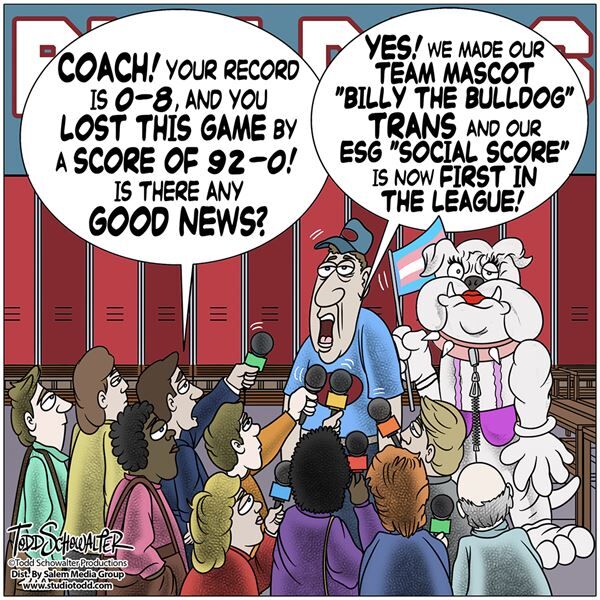
    #music #tew #tuba #militarymusic #armymusic #armyband #satire #democrats #loonylibs #iran #quintet #tew2026 #comedy #solocompetition #competition
    Advanced Search
  • Login
  • Register

  • Night mode
  • © 2026 YubNub Social
    About • Directory • Contact Us • Developers • Privacy Policy • Terms of Use • shareasale • FB Webview Detected • Android • Apple iOS • Get Our App

    Select Language

  • English
Night mode toggle
Featured Content
Community
New Posts (Home) ChatBox Popular Posts Reels Game Zone Top PodCasts
Explore
Explore
© 2026 YubNub Social
  • English
About • Directory • Contact Us • Developers • Privacy Policy • Terms of Use • shareasale • FB Webview Detected • Android • Apple iOS • Get Our App
Advertisement
Stop Seeing These Ads

Discover posts

Posts

Users

Pages

Blog

Market

Events

Games

Forum

Conservative Satire
Conservative Satire
2 yrs

January 12‚ 2024
Favicon 
twincitiesbusinessradio.com

January 12‚ 2024

January 12‚ 2024
Like
Comment
Share
Classic Rock Lovers
Classic Rock Lovers  
2 yrs

“We wrote a postscript which gives the listener the chance to choose their own end to the story… continue the cycle or give the character up to the sea”: iamthemorning’s path to Lighthouse
Favicon 
www.loudersound.com

“We wrote a postscript which gives the listener the chance to choose their own end to the story… continue the cycle or give the character up to the sea”: iamthemorning’s path to Lighthouse

Chamber music duo’s Marjana Semkina on the poetry and suicide spots that inspired their third album
Like
Comment
Share
Jihad & Terror Watch
2 yrs

HISTORY REPEATS ITSELF: Harvard University in the 1930’s was pro-Nazi and anti-Jewish; Today‚ Harvard is pro-IslamoNazi and anti-Jewish
Favicon 
barenakedislam.com

HISTORY REPEATS ITSELF: Harvard University in the 1930’s was pro-Nazi and anti-Jewish; Today‚ Harvard is pro-IslamoNazi and anti-Jewish

 Jewish students file federal discrimination suit against Harvard‚ accusing the university of ‘enabling antisemitism.’ NY Post (h/t Nita) The lawsuit filed Wednesday night alleges that the university has allowed students and faculty accused of engaging in antisemitic acts to remain on campus — and once even plied a mob of pro-Palestinian demonstrators “with burritos and […]
Like
Comment
Share
Front Page Mag Feed
Front Page Mag Feed
2 yrs

Glazov Gang: USA Boxing Allows Men To Fight Women
Favicon 
www.frontpagemag.com

Glazov Gang: USA Boxing Allows Men To Fight Women

Gender Utopia is finally here! What could possibly go wrong? The post Glazov Gang: USA Boxing Allows Men To Fight Women appeared first on Frontpage Mag.
Like
Comment
Share
BlabberBuzz Feed
BlabberBuzz Feed
2 yrs

Former Campaign Staffers Accuse WOKE Oregon Democratic Candidate Jamie McLeod-Skinner Of Physical Violence
Favicon 
www.blabber.buzz

Former Campaign Staffers Accuse WOKE Oregon Democratic Candidate Jamie McLeod-Skinner Of Physical Violence

Like
Comment
Share
The Lighter Side
The Lighter Side
2 yrs

Sewage heat: Vancouver’s steamy and sustainable energy source
Favicon 
www.optimistdaily.com

Sewage heat: Vancouver’s steamy and sustainable energy source

Since 2010‚ an innovative energy program in Vancouver’s False Creek has quietly transformed the city’s energy landscape. This novel technology harnesses the latent heat in sewage effluent‚ converting it into a renewable heat source for nearly 6‚000 apartments. Derek Pope‚ Vancouver’s manager of neighborhood energy‚ emphasizes the power of sewage heat: “There’s enough heat in the sewerage system to literally heat up neighborhoods.” This hidden energy‚ created by normal home activities‚ is funneled into a groundbreaking energy recovery technology. Unearthing the heat in sewage Despite the traditional path of wastewater down drains‚ everything that passes down the pipes contributes to this renewable resource. He explains‚ “The heat generated from everyday activities like dishwashing or taking a shower is usually forgotten once it goes down the drain.” However‚ once inside the sewage system‚ this heat becomes a readily available energy source for heating. Forgotten heat: a humble resource Pope explains how to efficiently acquire this subsurface resource: “Heat in water is relatively easy to harness once it’s in the sewage system because it’s contained.” Unlike heat lost through windows and doors‚ the warmth in wastewater is usually consistent‚ making it an excellent source of renewable energy. Explaining the technology behind sewage heat Under a Vancouver bridge‚ an energy center strategically placed atop the existing sewage pumping station efficiently absorbs heat from wastewater. This center’s sophisticated heat pumps raise the temperature from 20C (68F) to scalding hot water‚ which can reach 80C (176F). Pope emphasizes the process’s outstanding efficiency: “Our heat recovery system operates at efficiencies of more than 300 percent‚ providing a constant renewable energy source.” Shaping urban energy landscapes Vancouver’s forward-thinking solution handles major metropolitan energy concerns. “Utilizing waste heat is one of the tools in our tool-belt to transition away from high-emission practices‚” adds Pope‚ highlighting the city’s commitment to lowering greenhouse gas emissions through new and unexpected energy sources. Professor Semida Silveira emphasizes the worldwide implications of harvesting waste heat: “There’s a lot of heat in the world that we just throw away.” This overlooked energy inefficiency holds the potential to resolve substantial carbon reduction targets. Efforts to capture and use excess heat in wastewater systems have the potential to significantly reshape the global energy landscape. Scaling up and overcoming challenges The expansion of Vancouver’s sewage heat recovery system represents a significant milestone‚ with plans to increase heat pump capacity. Derek Pope envisions a greater dependence on waste heat‚ thermal storage‚ and other renewables to accomplish decarbonization goals by 2030. However‚ integrated urban planning is critical for fully utilizing this resource. Municipalities’ role in accepting wastewater heat Silveira underscores the pivotal role of municipalities in shaping energy policies: “Political organization and regulations influence decision-making.” Sweden’s success with district heating highlights the importance of political will in implementing long-term solutions. Wastewater heat recovery projects worldwide promise practical benefits such as reduced noise pollution and communal green spaces. False Creek in Vancouver exemplifies these benefits‚ which range from reduced reliance on traditional fuels to repurposed rooftops as green spaces. Inspiring decarbonization initiatives worldwide Vancouver’s sewage heat invention acts as a lighthouse‚ encouraging other governments to consider low-carbon energy initiatives. Cities around the world can invest in renewable energy with confidence after sharing their accomplishments and lessons learned‚ multiplying the effect of these revolutionary efforts.The post Sewage heat: Vancouver’s steamy and sustainable energy source first appeared on The Optimist Daily: Making Solutions the News.
Like
Comment
Share
The Lighter Side
The Lighter Side
2 yrs

10 simple and eco-friendly resolutions for the New Year
Favicon 
www.optimistdaily.com

10 simple and eco-friendly resolutions for the New Year

As we step into the new year‚ it’s normal to plan major changes. But let’s face it– implementing them can be difficult. These ten green resolutions are so straightforward that you won’t have an excuse not to keep them. Taking on these environmentally-centered goals is an easy and rewarding way to reduce your carbon footprint and contribute to a healthier planet. Never purchase bottled water again Switching to an at-home filtration system and carrying a reusable bottle might save you up to $1‚400 per year while decreasing the 17 million barrels of oil used in plastic bottles. Consider purchasing a filtering pitcher or faucet adapter to enjoy clean water without the environmental impact of single-use plastics. Brew your own fair trade coffee Choose Fair Trade coffee in an insulated travel mug to help minimize waste from disposable cups‚ which total 58 billion each year. Choose a French press over a coffee maker with disposable pods to reduce packaging waste while supporting ethical sourcing practices that assist farmers. Cut back on paper towels Replace disposable paper towels with reusable cotton cloths and fabric napkins to combat the 13 billion pounds of paper towel waste that ends up in landfills every day. Accept environmentally friendly cleaning methods; these cloth alternatives are just as simple to use and greatly minimize single-use waste. Remember your reusable bags Bringing reusable bags to the supermarket is a simple but efficient technique to reduce the roughly one million plastic bags discarded every minute. Keep reusable bags by the door or in your car to ensure they are always available for grocery shopping or other store visits. Use a bicycle for short trips Ride a bike for short distances of under two miles to reduce your carbon footprint‚ save money on petrol and vehicle maintenance‚ and improve your fitness. Incorporate cycling into your schedule for local errands‚ quick trips‚ or leisurely pastimes to promote a healthy lifestyle while lowering emissions. Is cycling not your thing? There are plenty of wonderful alternatives like skateboarding or rollerblading! Eliminate phantom power Turn off electrical devices in standby mode with power strips or invest in energy-efficient gadgets to save up to 10 percent on your annual energy expenses. Being mindful of electricity consumption can have a big influence on minimizing energy waste while maintaining convenience. Order from your local CSA Get fresh‚ local produce delivered to your house through a local Community-Supported Agriculture program‚ making healthy eating more easy. Supporting CSAs encourages sustainable farming while simultaneously lowering the carbon footprint of long-distance food transportation. Become a part-time vegetarian Reducing meat consumption by half can reduce your carbon footprint by around a ton per year‚ while also providing simple meat-free dinner options. Incorporate plant-based meals into your diet‚ experimenting with different vegetarian recipes to broaden your horizons while also helping the earth. Switch to green power Investigate renewable energy solutions provided by your local utility company to make a substantial environmentally friendly shift without requiring complex installations. Many energy providers provide renewable solutions‚ such as wind or solar energy‚ which allows you to power your home in a sustainable manner. Replace your lightbulbs Switching to efficient LED bulbs saves time and energy‚ reducing electricity consumption by as much as 80 percent. Consider replacing standard bulbs with LEDs‚ which not only last longer but also consume much less energy and result in cheaper electricity bills over time. Adopting these simple but effective resolutions can result in big beneficial changes for the environment without disturbing your daily routine or requiring undue effort.The post 10 simple and eco-friendly resolutions for the New Year first appeared on The Optimist Daily: Making Solutions the News.
Like
Comment
Share
Strange & Paranormal Files
2 yrs

Goblins in Black‚ Jellyfish UFOs‚ Ten-Foot Aliens‚ Crop Circle Cures and More Mysterious News Briefly
Favicon 
mysteriousuniverse.org

Goblins in Black‚ Jellyfish UFOs‚ Ten-Foot Aliens‚ Crop Circle Cures and More Mysterious News Briefly

A roundup of mysterious‚ paranormal and strange news stories from the past week.
Like
Comment
Share
Living In Faith
Living In Faith
2 yrs

‘The Iron Claw’ and a Foolish Father’s Legacy
Favicon 
www.thegospelcoalition.org

‘The Iron Claw’ and a Foolish Father’s Legacy

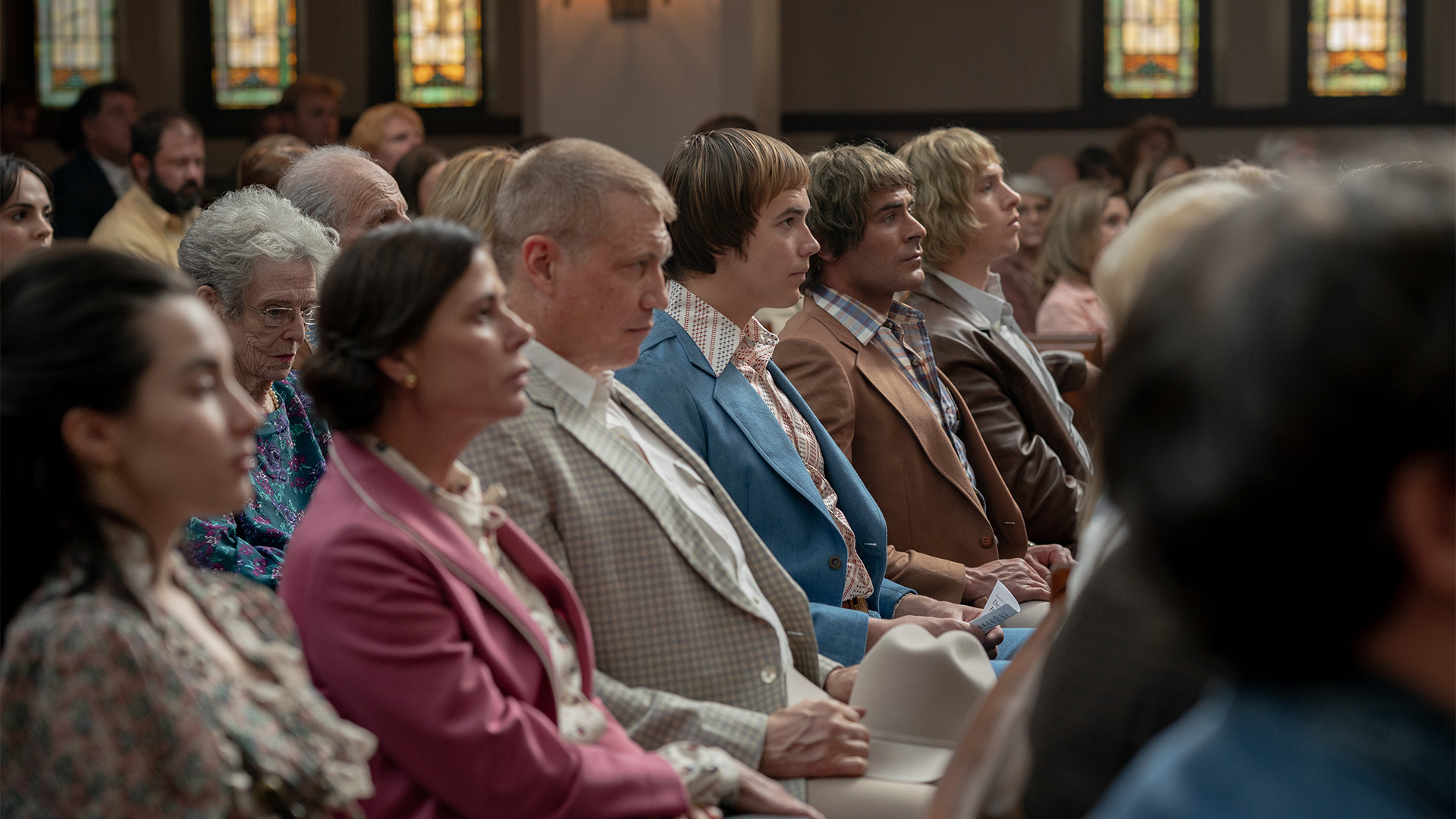
“If we’re the toughest‚ the strongest‚ the absolute best‚ the most successful‚ nothing can ever hurt us.” Fritz Von Erich (Holt McCallany) says a variation of this line a few times in The Iron Claw‚ a true-story film about the Von Erich family professional wrestling dynasty in the 1980s and early ’90s. Fritz is trying to instill in his sons an ethos of ruthless achievement and toughness he believes will be essential to their success in the sport. The line is tragically ironic. As much as the Von Erich brothers come close to the “toughest‚ strongest‚ most successful” superlatives in pro wrestling—in 2009 they were inducted into the WWE hall of fame—their dad’s promised result (“Nothing can ever hurt us”) proved painfully false. Before‚ during‚ and after their wrestling heyday‚ tragedy struck the family with startling‚ almost Job-like persistence. Clearly‚ success and fame provide no immunity to suffering. Directed by Sean Durkin‚ The Iron Claw is far more than just a wrestling movie. I convinced my reluctant wife to see it with me‚ and she was blown away. The extremely well-acted film chronicles the suffering that follows the Von Erich family (real surname: Adkisson) like a curse. It’s a gritty and often bleak film (rated R) but also powerfully redemptive. On one level a cautionary tale about the cost of athletic ambition‚ greed‚ addiction‚ and self-glory‚ the film’s deeper layers contain sobering insights about fatherhood and the ways a dad’s decisions and behavior can set his family on a course toward either life or death. Public Strength‚ Private Pain The world of professional wrestling is all about image‚ persona‚ and presenting superhuman strength and machismo. With steroid-enabled physiques and intimidating trademark moves (e.g.‚ the “iron claw” invented by Fritz and carried on by his sons)‚ these athletes are like chiseled‚ mythological Greek gods. But outside the ring‚ their private lives often more resemble Greek tragedies. That dichotomy is on clear display in The Iron Claw‚ where the wrestler’s mantra seems to echo what Ric Flair (Aaron Dean Eisenberg) pronounces at one point: “If you’re a real man you never go down. You just stay up!” But that performative vision of manhood hardly matches reality‚ where the real lives of wrestlers are full of addiction‚ depression‚ divorce‚ and other demons. In Claw‚ Durkin isn’t just observing an obvious point about the dualities at play in a performative culture (see also: Instagram influencing). He’s challenging audiences to beware the toxic tendency to stake one’s identity on something as fragile as a “performed self‚” where the volatile tastes of a fickle audience can become a ruthless‚ unappeasable master. In addition to this modern tragedy of succumbing to the pressures of public perception‚ the Von Erich story is decidedly a tragedy of fatherly failure. Fritz is positioned as the film’s villain‚ though his depiction is contested by at least one family member. Though a churchgoing “Sunday Christian” in the film‚ Fritz lives in a graceless manner that sidelines the gospel. He detests neediness and weakness and preaches an essentially Nietzschean message of will to power. He comes across as a greedy dad who sees his sons as means to a larger desired end: wrestling glory and the fortune that might come with it. He cultivates rivalry among his boys by saying things like this: “Everyone knows Kerry is my favorite‚ followed by Kevin‚ then David and Mike. But the rankings can change.” When the collateral damage of his hard-driving ways begins to mount‚ he merely pushes the other boys to strive harder. Foolish Man The Iron Claw reminded me on more than one occasion of Terrence Malick’s The Tree of Life. Both films follow Christian families in midcentury Texas as they deal with immense suffering‚ conflicted relationships with strict fathers‚ and the irreplaceable bonds of brotherhood. A scene near the end of Claw features a familial embrace that felt like an overt nod to memorable group hugs in the finale of Life. The dual influences of Christianity (grace) and dog-eat-dog ambition (nature) that shape the O’Brien brothers in Life are also at work in the Von Erich household. Early in Claw‚ we hear narrator and central protagonist Kevin (Zac Efron‚ in a remarkable performance) describe this duality in terms of his mother’s and father’s influences: “Mom tried to protect us with God. Dad tried to protect us with wrestling.” But where in Life suffering leads the family’s patriarch (played by Brad Pitt) to humbly acknowledge his weakness and the error of his pride (“I wanted to be loved cause I was great‚ a Big Man. Now I’m nothing . . . a foolish man”)‚ no such reckoning occurs for Fritz in Claw. Even though the suffering inflicted on Fritz is unfathomable (five of his six sons precede him in death‚ and three by suicide)‚ he’s unwilling to let it chasten him. He refuses to admit any personal folly that might have factored into his family’s ruin. Whatever pain he feels as he buries his sons‚ one by one‚ he suppresses completely. At one of the son’s funerals‚ he instructs the other boys that they dare not shed tears for their dead brother. Instead of acknowledging the normal realities of weakness and limitation‚ and embracing his sons amid pain‚ he models an impenetrable‚ ironclad masculinity that’s more than toxic; it’s literally deadly. Missing the Glory At the point in Malick’s Tree of Life when Brad Pitt’s father character finally breaks his exterior façade‚ he confesses that part of his folly was a misplaced understanding of glory. He’d focused too much on his own glory and “didn’t notice the glory” all around him (as he says these words‚ Malick turns the camera on Pitt’s on-screen wife‚ played by Jessica Chastain‚ as well as their sons). Fritz models an impenetrable‚ ironclad masculinity that’s more than toxic; it’s literally deadly. This is a realization every father should come to before it’s too late. The “glory” of leading a home isn’t about material success‚ net worth‚ trophy cases‚ or some other external achievement. It’s found in the quieter‚ more private commitments within the family itself: fidelity and love to one’s wife‚ secure love and provision for one’s children. God’s glory is on display in a healthy family where love in every direction is selfless and not contingent on earning or “getting something” out of the relationship. In Claw‚ Fritz’s “love” for his sons is tied up with their contributions to the overarching goal of the family claiming a heavyweight championship belt. The Von Erich boys must fight hard to earn Fritz’s favor‚ and the burden is crushing. More Fruitful Legacy One of the more powerful and hopeful moments in Claw comes in the final moments‚ as we see a photograph of the actual Kevin Adkisson with his wife‚ four kids‚ and many grandkids. It’s a picture of a better family legacy: not trophies‚ championship belts‚ or the accoutrements of success that quickly fade but rather the loving web of lives that have come to be as a result of Kevin’s choice to be a faithful husband‚ father‚ and grandfather. That’s where the true family glory resides (Eph. 5:25–27; Ps. 127:3; Prov. 17:6). God’s glory is on display in a healthy family where love in every direction is selfless and not contingent on earning or ‘getting something’ out of the relationship. Where Fritz leaves a trail of ruin because he seemingly prioritized wrestling glory as his family’s legacy‚ Kevin sees that a healthy family is the more important legacy. As a tale of father and sons‚ The Iron Claw would be utterly bleak if not for the way Kevin represents the hope of charting a better course. It’s a reminder that fatherly failure in one generation doesn’t guarantee failure in the next‚ just as a father’s bad example in one season doesn’t preclude him from modeling godliness in another. Through repentance‚ the gospel of grace‚ and the transformative power of the Holy Spirit‚ every father and son can learn‚ grow‚ and love in healthier ways than were modeled for him—or by him—before.

Like
Comment
Share
Living In Faith
Living In Faith
2 yrs

Jen Wilkin Takes a Second Look at the Sermon on the Mount
Favicon 
www.thegospelcoalition.org

Jen Wilkin Takes a Second Look at the Sermon on the Mount

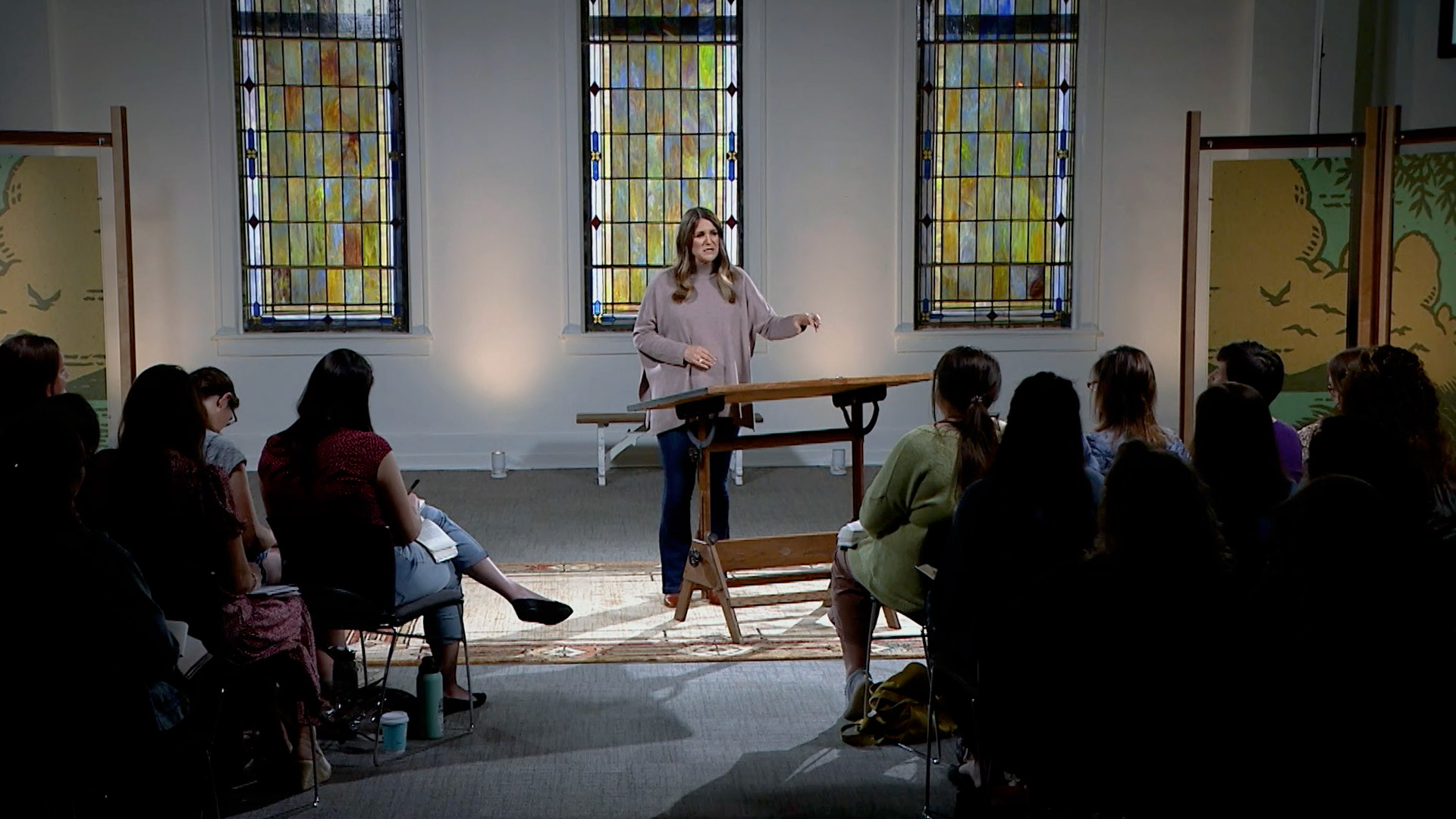
A decade ago‚ a little-known Bible teacher named Jen Wilkin published her first Bible study‚ an exploration of the Sermon on the Mount. She challenged herself and her students to wrestle with Jesus’s “inaugural address”—his vision for his kingdom. Ten years later‚ she’s still teaching Matthew 5–7 and has published an updated Bible study. I asked her to reflect on what she’s learned‚ how the world has changed‚ and what she hopes a new generation of women will gain from the most famous sermon of all time. What’s been the biggest blessing in teaching the Sermon on the Mount? How has it transformed you? Like many other Christians‚ I wrestled with a clear understanding of what my relationship to the law should be. Was I bound by it? Was it no longer relevant for me because of Christ’s perfect obedience? The Sermon on the Mount gave me a clear articulation of the ethics of the kingdom of heaven. It gave needful conviction and a clear delineation of the way of holiness. And it gave assurance as well. The Sermon on the Mount gave needful conviction and a clear delineation of the way of holiness. And it gave assurance. Until I studied the Sermon‚ I held a weak understanding of discipleship‚ particularly in the area of obedience. Jesus’s teaching about the necessary pairing of internal righteousness with external righteousness transformed my understanding of the work of the Spirit in our sanctification. It gave me language for the difference between a legalist and a lover of God’s law‚ and it gave me a framework for living as someone whose “righteousness exceeds that of the scribes and the Pharisees” (Matt. 5:20). Sometimes we see new things when we go back and study a portion of Scripture again. What did you notice the second time around that you missed the first time? All my studies originated in a living room before they ever found their way to a publishing house. Most of what I’ve published I’ve taught multiple times beforehand. I first taught the Sermon on the Mount to a group of about 10 women in 2002. This new release is the fourth or fifth time I’ve gotten to teach this content‚ and every time I find more treasures. Since the 2014 release‚ I’ve spent a great deal of time in Genesis and Exodus. This time through the Sermon on the Mount‚ I was surprised by how many connections to that Old Testament narrative can be found. Like others‚ I’ve said the Lord’s Prayer thousands of times‚ to the point that it can become overly familiar. For the first time‚ I heard the language of God’s provision in the wilderness wandering in its lines. Daily manna‚ forgiveness for our ongoing sins‚ faithful leading—they were God’s provision then‚ and they’re ours still as we walk the wilderness of our time on earth‚ traveling toward the fullness of the kingdom of heaven. What are some important interpretative strategies to remember when reading the Sermon on the Mount? It’s essential to see the Sermon as a cohesive unit with a flow of thought. Like any other good sermon‚ it has a crafted beginning‚ middle‚ and end. We typically hear teachings over small‚ familiar portions of its content like the Lord’s Prayer or the Beatitudes‚ but we rarely get to consider it in its entirety. In a sense‚ we’re overly familiar with sections of the Sermon but unfamiliar with how those sections fit together. Studying the Sermon as a whole gives us the context we need to understand its individual parts. But we also need to study the Sermon within the context of the Gospel of Matthew. It matters that it was preached at the beginning of Jesus’s public ministry versus at the end. Seen in its place in the timeline of Jesus’s ministry‚ we know to read it like an inaugural address. Jesus is telling his followers exactly what they can expect‚ both to redirect wrong expectations and to shape a positive vision of the kingdom. What did you learn from the first edition of the Sermon on the Mount study? What seemed to resonate with women most? What did they wrestle with most? I learned women were indeed hungry for a line-by-line study that asked something of them as thinkers. I saw this as I taught in my living room‚ but I didn’t have a sense of how widespread the hunger might be. Daily manna‚ forgiveness for our ongoing sins‚ faithful leading—they were God’s provision then‚ and they’re ours still. This was the first study I ever published. I think everyone involved wasn’t sure whether it would make its way very far into the world. It was longer than the average study‚ and it required a fair amount of work on the part of the participant. My approach to curriculum writing is to raise dissonance for the learner—to ask them to feel and sit in what they don’t know. This wasn’t a common approach to women’s Bible studies in 2014. Even the women in my local study didn’t love it when I asked them to wait to consult commentaries until after they’d completed the entire lesson. Would women who didn’t even know me embrace the method? But they did! In terms of the teachings‚ I heard what I’d experienced myself: many women had never had the opportunity to see the Sermon as a continuous whole‚ and their understanding of its individual parts changed dramatically as they viewed the sweep of the entire message. The confusing or confrontational passages grew in clarity‚ and the familiar ones grew in depth. In particular‚ the portion that reorients the Ten Commandments hit home—as it had for me. What can be difficult or confusing about Jesus’s words in the Sermon on the Mount? Jesus packs his longest recorded message with hard words. He speaks of persecution as normative and worry as irrational. He decries not just megawatt sins like murder and adultery but also the more subtle‚ related sins of anger and lust. He tells his followers to cut off offending hands. He demands single-minded allegiance. His view of the blessed life is by all earthly standards accursed. The boldest of modern preachers may place one or two convicting phrases in a sermon. Jesus’s preaching is relentless in delineating the difference between citizens of the kingdom of earth and citizens of the kingdom of heaven. We’ve grown unaccustomed to such directness‚ to calls to costly commitment‚ and it can take some time for us to absorb the sense of the Sermon as a whole. But with patience and repeated reading‚ it yields rich fruit. What has changed in the world since you released the first edition of this study? How do you think the Sermon on the Mount can help us today? The first edition released in 2014. When I first read this question‚ I thought about all the changes to my own life—I was parenting teens‚ and now I’m a grandmother. I’d just published Women of the Word‚ a book I didn’t expect anyone but my family would read. Because I typically write studies over entire books of the Bible‚ I had mixed emotions about this study being the first one to publish‚ but I knew how influential the Sermon had been on my formation. Ten years later‚ I’m so glad it was the first one to venture out into the world. And that world has seen much in those 10 years. I googled the headlines from 2014‚ and they were surprisingly similar: Ukraine‚ Israeli-Palestinian conflict‚ mass shootings‚ fears of an Ebola pandemic‚ the deaths of influential people. And yet we’ve grown familiar with the phrase “in these unprecedented times” in the past decade. Within Christian circles‚ our post-Christian reality has begun to sink in. It’s clear that to be a devoted follower of Christ will mean the very things Jesus indicated in the Sermon: rejection‚ persecution‚ and the daily renewal of our commitment to follow where he leads. His exhortation to long for a future kingdom and live as its citizen now has never been more needed.
Like
Comment
Share
Showing 102273 out of 113611
  • 102269
  • 102270
  • 102271
  • 102272
  • 102273
  • 102274
  • 102275
  • 102276
  • 102277
  • 102278
  • 102279
  • 102280
  • 102281
  • 102282
  • 102283
  • 102284
  • 102285
  • 102286
  • 102287
  • 102288
Advertisement
Stop Seeing These Ads

Edit Offer

Add tier


Select an image
Delete your tier
Are you sure you want to delete this tier?

Reviews

In order to sell your content and posts, start by creating a few packages. Monetization

Pay By Wallet

Payment Alert

You are about to purchase the items, do you want to proceed?

Request a Refund