YubNub Social YubNub Social
    #satire #democrats #loonylibs #iran #comedy
    Advanced Search
  • Login
  • Register

  • Night mode
  • © 2026 YubNub Social
    About • Directory • Contact Us • Developers • Privacy Policy • Terms of Use • shareasale • FB Webview Detected • Android • Apple iOS • Get Our App

    Select Language

  • English
Night mode toggle
Featured Content
Community
New Posts (Home) ChatBox Popular Posts Reels Game Zone Top PodCasts
Explore
Explore
© 2026 YubNub Social
  • English
About • Directory • Contact Us • Developers • Privacy Policy • Terms of Use • shareasale • FB Webview Detected • Android • Apple iOS • Get Our App
Advertisement
Stop Seeing These Ads

Discover posts

Posts

Users

Pages

Blog

Market

Events

Games

Forum

Intel Uncensored
Intel Uncensored
2 yrs

ALEX JONES GETS DUMB LEFTY CUCKS TO ADMIT ILLEGALS ARE VOTING
Favicon 
www.sgtreport.com

ALEX JONES GETS DUMB LEFTY CUCKS TO ADMIT ILLEGALS ARE VOTING

from The Salty Cracker:  TRUTH LIVES on at https://sgtreport.tv/
Like
Comment
Share
Intel Uncensored
Intel Uncensored
2 yrs

EXC DATA: 2/3rds of Americans Say ‘Invasion’ is Accurate Term to Describe Biden’s Border Crisis
Favicon 
www.sgtreport.com

EXC DATA: 2/3rds of Americans Say ‘Invasion’ is Accurate Term to Describe Biden’s Border Crisis

by Raheem Kassam‚ The National Pulse: WASHINGTON‚ D.C. – Sixty-five percent‚ or almost a full two thirds of Americans say it is “very accurate” or “somewhat accurate” to describe the Biden-made crisis at the U.S. border as an “invasion” of the United States. The data comes as part of new Rasmussen Reports polling of likely […]
Like
Comment
Share
Intel Uncensored
Intel Uncensored
2 yrs

Documents Claim Epstein Filmed ‘Sex Tapes’ of Clinton‚ Prince Andrew &; Richard Branson
Favicon 
www.sgtreport.com

Documents Claim Epstein Filmed ‘Sex Tapes’ of Clinton‚ Prince Andrew &; Richard Branson

by Niamh Harris‚ The Peoples Voice: A victim of Jeffrey Epstein has claimed that sex tapes were taken of the Duke of York‚ former US president Bill Clinton and billionaire businessman Sir Richard Branson‚ court documents have disclosed. Sarah Ransome said that Prince Andrew‚ Bill Clinton and Richard Branson were filmed by the pedophile financier. […]
Like
Comment
Share
Pet Life
Pet Life
2 yrs ·Youtube

YouTube
Dog Is The Best Nanny To Foster Kittens | The Dodo
Like
Comment
Share
History Traveler
History Traveler
2 yrs

How Usurper Emperor Magnus Maximus Became a Figure of Welsh Legend
Favicon 
www.thecollector.com

How Usurper Emperor Magnus Maximus Became a Figure of Welsh Legend

  There were many usurpers in the Roman Empire‚ some more successful than others. One of the most successful usurpers was a man named Magnus Maximus. He lived close to the fall of the Western Roman Empire‚ at a time when it started to experience serious troubles. Despite his defeat‚ Maximus left an indelible mark on Britain. How did this happen? And how does later Welsh legend depict him?   Who Was Magnus Maximus?   In the year 383‚ Magnus Maximus‚ who was serving in Britain‚ was proclaimed emperor by his troops. At the time‚ the Emperor of the West was Gratian‚ the son of Valentinian I‚ the Emperor of the East was Theodosius the Great.   Maximus launched an invasion into Gaul and quickly achieved considerable success. Emperor Gratian went out to defeat Maximus in battle. However‚ little more than a minor skirmish occurred‚ and then most of Gratian’s army switched sides. Maximus ultimately pursued Gratian and killed him. After about four years of reigning as emperor — during which he was even recognized by Emperor Theodosius of the East — war broke out again and Maximus was defeated.   Magnus Maximus in Britain Depiction of Romans fighting barbarians from Varusschlacht‚ by Otto Albert Koch‚ 1909‚ via Wikimedia Commons   What do we really know about Magnus Maximus and his service in Britain? The earliest connection between Maximus and Britain as far as the available records are concerned takes us back to the year 368. In the year prior to this‚ 367‚ the so-called Great Conspiracy occurred‚ in which the Picts‚ the Scots‚ and the Attacotti almost completely overran Britain. At least one‚ but possibly two‚ prominent Roman leaders of Britain were killed in these attacks. In the year 368‚ Theodosius the Elder (the father of Emperor Theodosius the Great) was sent to deal with this uprising. Evidence from Zosimus and other early historians indicates that Maximus served under Theodosius during this event.   It does not appear that Maximus remained in Britain for very long after this event. He seems to have been used in other parts of the empire in the decade that followed‚ although exactly where is disputed. In any case‚ he eventually returned to Britain.   The Gallic Chronicle of 452‚ edited by Theodor Mommsen‚ 1892‚ via the Internet Archive   Exactly when Magnus Maximus returned is unknown. In any case‚ most modern sources assert that he was assigned to Britain in about 380. The Gallic Chronicle of 425 records that he was made a “tyrannus‚” or unauthorized ruler‚ by his soldiers in that year. This contradicts all other literary evidence‚ which states that he was proclaimed emperor by his troops in 383. Perhaps the Gallic Chronicle’s statement comes from a confused memory of the fact that Maximus received a prominent position in Britain in 380‚ conflating it with his later usurpation.   Exactly what position Maximus held in Britain is debated. Many scholars believe he served as the dux Britanniarum‚ the chief commander of Roman troops in the north of Britain. This does seem like the most likely scenario. In 381‚ he won a victory against the Picts and the Scots‚ who usually raided from the north of Britain. And then‚ two years later‚ in 383‚ he was proclaimed emperor by his troops.   Remembered in Britain Statue of Gildas‚ Saint-Gildas-de-Rhuys‚ France‚ via Britannica   From the mere fact that Magnus Maximus was proclaimed emperor by his troops‚ we can see that he was evidently popular in Britain. It is no surprise‚ then‚ that he came to be remembered by the people there. He is one of the very few people mentioned by name in Gildas’ De Excidio‚ although this reference is an unfavorable one. Gildas was extremely pro-Roman‚ believing that the absence of the Romans was the reason the Britons were in such a difficult situation in his time. He focuses on the supposed fact that Maximus withdrew all of the Roman troops from Britain‚ which left the island extremely vulnerable.   Despite this‚ the vast majority of medieval Welsh texts which mention Maximus are positive. Exactly why there is this stark difference between Gildas and the other texts is likely because of their differing views on the Romans. Unlike Gildas‚ most later Welsh texts are not explicitly pro-Roman. Thus‚ deep in the era of powerful Welsh kingdoms‚ it may be that Maximus’ role in reducing the power of the Romans on the island was not viewed negatively‚ and perhaps was even viewed positively.   How Magnus Maximus Reorganized Britain Ruins of Corbridge Roman town‚ via English Heritage   While Gildas’ claim that Maximus withdrew all the troops from Britain to invade Gaul is incorrect‚ it does come from genuine facts. We know that many Roman troops remained in Britain even after Maximus but the archaeological evidence indicates that some places did become abandoned in his time. For example‚ no Roman coins have been found at the fort at Malton‚ Yorkshire‚ from after Maximus’ reign. Archaeology also shows the abandonment of a number of inland forts in Wales.   However‚ Maximus also reorganized and even strengthened some areas. While leaving much of inland Wales undefended‚ he appears to have strengthened the sea defenses of that region instead. There is also evidence of a renovation at the fort of Corbridge in the north of England at this time. In fact‚ there is evidence that he even strengthened the region north of Hadrian’s Wall. However‚ contrary to what is sometimes claimed‚ this is not in conflict with the tradition that Maximus left much of Britain undefended. After all‚ his invasion of Gaul at the beginning of his usurpation is not the only time he is recorded as withdrawing troops from Britain. Near the end of his reign‚ in 387‚ Maximus is recorded as raising “a large army of Britons‚” as well as other nations‚ when he attacked Italy.   Magnus Maximus as an Ancestor of Kings One of the dynasties allegedly descended from Maximus in the Harleian MS 3859‚ folio 195r‚ 12th century‚ via the British Library   Going by the major reorganization of Wales in the time of Maximus‚ it is no surprise that we find him portrayed as a type of founder in medieval Welsh texts. In a tenth-century genealogical record known as the Harleian genealogies‚ he appears as the ancestor of certain dynasties. One of these is the dynasty of Ynys Manaw — that is‚ the Isle of Man. Some scholars believe that this dynasty originally ruled over Galloway before later being expelled to the Isle of Man. Interestingly‚ Galloway is one of the regions which appears to have been strengthened by Maximus.   It is not impossible that Magnus Maximus really did have a son whom he set up as a type of ruler there as part of his reorganization of the region. Admittedly‚ though‚ only one son of his is mentioned in the contemporary Roman sources‚ and he was made the Augustus of Gaul.   Book of Llandaff‚ 12th century‚ Llandaff‚ Wales‚ via the National Library of Wales   Even if Maximus did not genuinely start a dynasty in the north of Britain‚ it may well be that his notable strengthening of the region led to him being remembered as a founder there. From the Harleian genealogies‚ we also find that he was remembered as the founder of the dynasty of Dyfed‚ in southwest Wales. In fact‚ we can compare this record with certain others‚ such as Jesus College MS 20 and the Book of Llandaff. When we do‚ we see that Maximus was believed to have founded the dynasty of southeast Wales as well.   It is interesting to note the correspondence between this and the areas Maximus is known from archaeology to have reorganized and strengthened. The archaeology shows that he strengthened the coast of Wales‚ and here we see that he was remembered as the founder of the dynasties on the south coast. Again‚ while Maximus may or may not have actually fathered children who became rulers in this area‚ he clearly left a mark on that region.   Magnus Maximus’ Legendary Wife Opening lines of The Dream of Macsen Wledig‚ via the National Library of Wales   One of the most prominent legends about Maximus involves him and his marriage to a British princess named Helen (spelled “Elen” in the Welsh records). The main source for this legend is a text known as The Dream of Macsen Wledig‚ part of a collection of tales called the Mabinogion. In this legend‚ Magnus Maximus‚ already emperor of Rome‚ dreams of a beautiful woman. He eventually finds her at Caernarvon‚ Wales‚ where she is Elen‚ the daughter of a king named Eudaf Hen. He marries her‚ and then he leaves Britain for the continent to fight against another emperor. Elen’s brother‚ Cynan‚ accompanies Maximus and helps him conquer Gaul and Italy.   It is clear that this legend derives from the historical career of Magnus Maximus‚ although in a highly distorted form. But the truth behind the legend of Maximus marrying Princess Elen is far from clear. One prominent scholar of this period‚ Peter Bartrum‚ wrote that “there is no reason to doubt this tradition.”    An illustration from The Mabinogion‚ by Charlotte Guest‚ 1877‚ via Wikimedia Commons   Notably‚ Maximus’ one recorded son is usually described as an “infant” by modern reference works. Since Maximus appointed his infant son as nominal Augustus in 383‚ this means that he must have been born while Maximus was in Britain. Therefore‚ the evidence shows that Maximus did have a wife who bore him a child while in Britain. But whether this was a local princess‚ we cannot say.   Of course‚ the very idea of there having been a king and a princess in Britain in this period might raise some eyebrows. Famously‚ the Romans did not allow independent kings within their realm‚ and they did not even have client kings in Britain after the first century CE. However‚ there is evidence of a more relaxed approach by the latter part of the fourth century. In the year 371‚ Emperor Valentinian I took Fraomar‚ the king of a Germanic tribe‚ and settled him in Britain with the rank of a tribune over his Germanic followers. For all intents and purposes‚ he was still the king of his people‚ yet ruling them within the empire. There may well have been de facto barbarian kings ruling in Britain‚ and Maximus may well have married into one of these dynasties to gain local support.   Magnus Maximus in Welsh Legend Coin of Magnus Maximus‚ 4th century CE‚ via Baldwin’s   We can see that Magnus Maximus left a strong mark on Britain. He was clearly a popular leader and was effective in battle. From Britain‚ he conquered a considerable portion of the Western Roman Empire. Yet it was likely his activities in Britain itself that led to him being remembered so well by the Britons. He was remembered as a founder of several dynasties‚ particularly in the north of Britain and on the south coast of Wales. These traditions may well be related to the fact that they are locations Maximus reorganized and strengthened.   Magnus Maximus’ principal role in Welsh legend concerns his marriage to Elen and his subsequent alliance with her dynasty. While it is impossible to confirm‚ it seems that Maximus did have a wife of child-bearing age while he was stationed in Britain. We know that other usurpers were keen to have the support of local populations. We also know that it was not unheard of to have de facto kings in Britain at this late date. Therefore‚ it is not impossible that these legends have a basis in fact‚ as accepted by researcher Peter Bartrum.
Like
Comment
Share
History Traveler
History Traveler
2 yrs

San Miniato’s Two Plaques: Should Memory Always Be Shared?
Favicon 
www.thecollector.com

San Miniato’s Two Plaques: Should Memory Always Be Shared?

  In Italy‚ the past has always been a “battlefield.” The same events have been interpreted through parallel‚ contrasting narratives. Public memory was generally the result of selective remembering and deliberate forgetting. Historians‚ political parties‚ and mnemonic communities have regularly engaged in highly politicized historical debates to impose their version of the events. In the 1990s‚ Italian historians started to describe Italy’s lack of consensus over the past with the term “divided memory.”   The case of San Miniato (located in Tuscany) is the perfect example of Italy’s divided memory landscape. For decades‚ the 1944 tragedy has been commemorated as a Nazi massacre. However‚ according to another theory‚ it was actually a US bomb that killed the 55 civilians inside the church. These two conflicting memories have led to the creation of two contradicting plaques.   July 22‚ 1944‚ 10:00 am: the Massacre of San Miniato  The interior of the cathedral of San Miniato destroyed by the bomb‚ Cesare Barzacchi‚ via Musei Civici di San Miniato   In July 1944‚ General Clark’s US Fifth Army was advancing toward Florence. The German army was retreating through Tuscany to reach the Gothic Line. During their fallback‚ Kesserling’s forces perpetrated several bloody massacres against the Italian population. Official records show that in Tuscany alone‚ around 4‚500 civilians were murdered between April and August 1944.   On July 22‚ 1944‚ the German divisions occupying San Miniato‚ a hill town near Pisa‚ gathered the local population near the Duomo (cathedral). They were women‚ children‚ older men‚ and refugees from other cities. Many young men had joined the partisans operating in the nearby countryside. The only authority left in town was Bishop Ugo Giubbi.   As the Allied forces started to bomb the area‚ the Germans‚ perhaps on Bishop Gubbi’s suggestion‚ moved all people inside the cathedral. Suddenly‚ at around 10 a.m.‚ an explosive device detonated in the church‚ killing at least 55 civilians. The Germans left the town the day after the tragedy. On July 24‚ the American army arrived in San Miniato.   The First Inquiries and the “Official Truth” The cathedral of San Miniato‚ via Valdarno Musei   In the immediate aftermath of the tragedy‚ the survivors and most of the local population believed that the responsibility for the killing lay with the German army. Many also claimed that Bishop Giubbi was partially to blame for the massacre and accused him of collaborating with the Germans. After all‚ Giubbi had supported the Fascist regime and was hostile towards the partisans.   The first official inquiry into the massacre‚ led by E.J. Ruffo‚ Captain of the 362nd Infantry Regiment of the US Army‚ confirmed the dominant narrative: it was a German mine or time bomb that caused the killing. In his final report‚ Captain Russo also wrote that the Germans had acted in retaliation for the partisans’ attacks against them. However‚ this first inquiry neglected to order a ballistic report on all fragments found in the church‚ including the remains of a US explosive device. In August‚ Chief of Staff of the Fifth Army Alfred M. Gruenther appointed a second commission to investigate the event. Its members reached the same conclusion: the Germans had perpetrated the massacre.   In 1945‚ the local government set up a commission to establish the final truth about the July 1944 event. The commission interviewed several witnesses‚ survivors‚ and military experts. After reviewing the findings‚ Florentine judge Carlo Gianattasio determined that two shells hit San Miniato’s Duomo‚ one American and one German. However‚ only the German device had caused the tragedy. The inquiry also cleared Bishop Giubbi of any wrongdoings. Nevertheless‚ the town residents continued to doubt his actions. In 1946‚  they celebrated his death with bonfires.   The First Plaque The 1954 plaque on the wall of the town hall of San Miniato‚ via Musei Civici di San Miniato   Over the following decades‚ the version established by the 1945 commission became the official narrative in the town. In the postwar era‚ this narrative served as the basis of San Miniatio’s antifascist identity and public memory of the war years. However‚ not all locals agreed with the official account of the 1944 event.   In 1954‚ the tenth anniversary of the massacre‚ the victims’ families asked the town council to commemorate the event with a plaque. The text‚ written by literary historian Luigi Russo‚ states that the killing was carried out with “pure ferocity as befitted an army that was denied victory because it was the enemy of all liberty.” Ferruccio Parri‚ one of the most prominent leaders of the Italian resistance and former prime minister of Italy‚ unveiled the plaque.   The 1954 plaque brought out in the open the lack of consensus over the local past. For the first time since the massacre‚ an alternative account of the event entered the public discourse. Don Enrico Giannoni‚ a local priest‚ refused to endorse the official narrative by stating that it had actually been US shelling that killed the civilians in the cathedral.   While Don Giannoni’s counter-memory remained mostly hidden for decades‚ doubts about the massacre continued dividing the town. In the 1990s‚ local historians began looking into new evidence that questioned the official narrative of the event. As a result‚ San Miniato’s memory became “divided.”   Italy’s Divided Memory: Origins of a Historiographical Concept Young men and women in San Miniato celebrate the proclamation of the Italian Republic‚ 1946‚ via Musei Civici di San Miniato   After the war‚ the newly established Italian republic constructed the so-called “anti-fascist paradigm‚” a self-exculpatory narrative of Fascism that claimed the Italians had never fully supported Mussolini’s dictatorship. In the 1990s‚ when Italy’s anti-fascist party system underwent a deep crisis‚ the work of several historians revealed the existence of an intricate microcosmos of alternative‚ conflicted memories. The newly discovered narratives often led to bitter political debates.   In 1997‚ Giovanni Contini published his research on the massacre of Civitella Val di Chiana‚ a town in Tuscany where the German troops killed 244 civilians in June 1944. Contini’s study‚ La memoria divisa (Divided Memory)‚ showed that many locals blamed the partisans for provoking the Germans’ attack against their community with their “useless” guerrilla warfare. Historian Lorenzo Paggi‚ whose father died in the massacre‚ also described Civitella’s memory landscape as “divided” in his 1996 Storia e memoria di un massacro ordinario. La memoria divisa. Civitella della Chiana 29 giugno 1944–94 (History and Memory of an Ordinary Massacre. The Divided Memory).   Paolo Pezzino’s work on the massacre of Guardistallo‚ Anatomia di un massacro. Controversia sopra una strage tedesca (Anatomy of a Massacre. Controversy over a German Killing)‚  and Alessandro Portelli’s research on the Fosse Ardeatine mass killing also unearthed a deep-rooted hostility toward the resistance fighters that many believed had instigated the occupying German soldiers’ violent retaliation against defenseless civilians. Most importantly‚ these historians pointed out that the anti-partisan memories survived even after official records had demonstrated that they were based on false accounts of events.   Divided Memory in San Miniato and the 2002 Commission The two plaques side-by-side on the town hall of San Miniato‚ via Della Storia d’Empoli   In San Miniato‚ contrasting narratives of the massacre continued to coexist. In 1982‚ movie directors Paolo and Lorenzo Taviani told the story of the killing in their critically acclaimed movie La notte di San Lorenzo (The Night of the Shooting Stars)‚ where the Germans were blamed for the mass murder of the civilians. The brothers’ father‚ Emilio Taviani‚ had been a member of the 1945 commission. The movie won the Grand Prix at the Cannes Film Festival and reopened the controversy surrounding the events of July 1944.   In the following decades‚ several historians published conflicting accounts of the killing. In Guerra ai civili (War against Civilians)‚ Michele Battini and Paolo Pezzino concluded that the responsibility for the massacre lay with the German troops. Lawyer and local historian Giuliano Lastraioli proposed a different theory in the 2001 La prova (The Proof). Quoting excerpts from the journal of the 337th Field Artillery of the US Army‚ Lastraioli stated that an American bomb had caused the killing. In San Miniato: tutta la verità sulla strage (The Whole Truth about the Massacre)‚ Paolo Paoletti denounced the German “version” as a cover-up. He further declared that archival documents clearly pointed toward an American responsibility.   In San Miniato‚ these works‚ particularly Paoletti’s study‚ greatly affected the public discourse concerning the massacre. In 2002‚ the local council appointed a new commission to investigate the events of July 1944. After taking into account old and new evidence‚ the scholars on the commission concluded that the killing had not been a premeditated crime of the German troops but an unfortunate consequence of a US shelling.   San Miniato’s Divided Memory Becomes Public Memory: The Second Plaque The 2008 plaque on the wall of the town hall of San Miniato‚ via Musei Civici di San Miniato   Giovanni Contini and Lorenzo Paggi‚ two of the first historians to coin the term “divided memory‚” were members of the 2002 commission appointed by the city council of San Miniato. After the inquiry‚ they published their findings in the book Stragi tedesche e bombardamenti alleati (German Massacres and Allied Bombings). Interestingly‚ the two scholars suggested that the divided memory surrounding the events of July 1944 needed to be taken into consideration. They argued that the anti-German account had played a key role in (re)shaping the town’s postwar identity. Thus‚ Paggi and Contini called for a “historicization” of San Miniato’s divided memory.   In 2008‚ on the 64th anniversary of the killing‚ the city council decided to put up a second plaque. The text of this “correcting” plaque‚ written by former Italian president Oscar Luigi Scalfaro‚ acknowledges the findings of the 2002 commission. At the same time‚ it reiterates the occupying German army committed several atrocities against civilians in the area near San Miniato. After a heated debate‚ the city council opted to place the second plaque side-by-side with the first one. Today‚ the two conflicting plaques are displayed in the local Museo della Memoria (Museum of the Remembrance).   Aerial view of the town hill of San Miniato (Tuscany)‚ via Valdarno Musei   The case of San Miniato raises crucial questions on the relationship between history‚ memory‚ and identity. In other words‚ should memory always be shared? In La morte della patria (The Death of the Fatherland)‚ Ernesto Galli della Loggia claimed that a “strong” nation requires a consensus over the past. On the other hand‚ Sergio Luzzatto stated that shared memory results in “negotiated forgetfulness.” Either way‚ there is no denying that the history of postwar Italy cannot be fully understood without analyzing its “divided memory.”
Like
Comment
Share
History Traveler
History Traveler
2 yrs

Who Won the Battle of Gettysburg?
Favicon 
www.thecollector.com

Who Won the Battle of Gettysburg?

  After a groundbreaking victory in the Battle of Chancellorsville‚ Confederate General Robert E. Lee hoped to continue that momentum and end the war with a decisive victory in an invasion of the North. Unlike the militarily indecisive Battle of Antietam in September 1862‚ when Lee had invaded the north for the first time‚ the Confederate commander led his troops into Pennsylvania to destroy a Union army under General Joe Hooker.   Victory Goes to the Union An image of Union troops (left) charging during the Battle of Gettysburg on July 3‚ 1863‚ via Voice of America (VOA)   The largest battle in the American Civil War – sparked by the Confederacy’s bombardment of Fort Sumter two years earlier – was won decisively by the Union and ended any further attempts by the Confederacy to incite panic by invading the North. On July 4‚ 1863‚ the Confederate army led by General Robert E. Lee retreated back to Virginia‚ with the date perhaps heralding the eventual victor in the war. In the Battle of Gettysburg‚ Confederate troops‚ despite being outnumbered after the first day of three‚ engaged in full-frontal assaults that were very costly in terms of casualties. Ultimately‚ a final full-frontal attack by the Confederacy failed to break through Union lines on July 3‚ resulting in Lee’s decision to retreat.   However‚ similar to the Battle of Antietam the previous September‚ the battle ended with a successful Confederate retreat‚ upsetting US President Abraham Lincoln. The victorious Union army‚ the Army of the Potomac‚ did not pursue Lee’s retreating Army of Northern Virginia. As a result‚ the Confederates were able to re-establish their firm defense of their capital city of Richmond‚ Virginia‚ and the war continued for almost two more years. The steep losses at Gettysburg were considered irreplaceable for the South and caused Confederate morale to sink. Conversely‚ Union troops enjoyed a morale boost due to the victory and were eager to press on and win the war.   Timeline of the Battle of Gettysburg A map and time of important American Civil War battles during the third year of the conflict (April 1863 – April 1864)‚ including the Battle of Gettysburg‚ via the Library of Congress   In late June 1863‚ Confederate troops under Robert E. Lee invaded the North‚ heading into Pennsylvania. Similar to Antietam the previous autumn‚ the goal was to surprise and intimidate the North into accepting a peace settlement. For days at the end of June‚ neither army (the Confederate Army of Northern Virginia or the Union Army of the Potomac) knew exactly where the other was.   On June 30‚ however‚ a Confederate brigade near Gettysburg‚ Pennsylvania spotted Union cavalry heading toward the town. The next day‚ July 1‚ the Confederates engaged the Union cavalry. Swiftly‚ other units on both sides arrived‚ increasing the size of the battle.   A map showing movements of Union and Confederate armies during the Battle of Gettysburg in July 1863‚ via the American Battlefield Trust   Robert E. Lee’s forces arrived in the middle of the afternoon on July 1‚ and Union forces retreated. By the end of July 1‚ despite the temporary retreat‚ Union general George Meade ordered all Union troops available into the battle‚ giving the North a significant numerical advantage.   The next morning‚ July 2‚ Lee ordered another attack on the Union forces‚ but the attack on the two separate flanks was not simultaneous and did not strike a crushing blow. The Union lines held.   The third day‚ July 3‚ saw Lee’s biggest gamble: an attack on the center of the Union lines‚ where it was likely to be least expected. The Union attacked with an artillery barrage before dawn‚ and the Confederates responded with their own artillery in the early afternoon before engaging in a full-frontal charge.   The massive charge was unsuccessful‚ with Union artillery knocking huge holes in the Confederate lines‚ and Lee eventually ordered a retreat from Gettysburg beginning on the evening of July 4.   What Caused the Battle of Gettysburg? An image of Confederate General Robert E. Lee after his victory at the Battle of Chancellorsville during the spring of 1863‚ via the WGBH Educational Foundation‚ PBS   The South’s greatest military victory during the war came in the Battle of Chancellorsville in May 1863. Robert E. Lee and “Stonewall” Jackson successfully surprised and attacked the much larger Union force under Joseph Hooker‚ inflicting tremendous losses for the North. However‚ although the Confederacy won the battle‚ it lost vaunted general “Stonewall” Jackson to friendly fire. Jackson was struck by a bullet and died days later from pneumonia‚ depriving the South of one of its best military commanders. Hooker’s defeat by May 3 and hasty retreat to Washington DC was a humiliation for the Union.   Hoping to capitalize on his victory and positive momentum‚ Lee chose to remain on the offensive. He assembled some 75‚000 experienced troops around Fredericksburg‚ Virginia and began to move out a month after Chancellorsville. On June 9‚ skirmishes between Union and Confederate cavalry began. By the middle of June‚ the large Confederate army had moved west through the Blue Ridge Mountains‚ somewhat screened from Union defenders. However‚ Union cavalry had followed and were able to send word to Washington DC of the Confederate offensive. On June 30‚ Confederate troops set off for the nearby town of Gettysburg‚ Pennsylvania to search for supplies. It found Union troops instead‚ and both armies converged near the small town.   Why Was the Battle of Gettysburg Significant? The remains of a stone wall where Confederate troops fought Union defenders during Pickett’s Charge‚ representing the “high water mark” of the Confederacy‚ via the National Park Service   The Battle of Gettysburg‚ which occurred between July 1 and July 3 of 1863‚ was the largest single battle of the American Civil War. Lee chose to make an aggressive stand at Gettysburg‚ despite not having his entire army ready at the moment. At 5:30 AM on July 1‚ he launched his first attack‚ and was successful…but only because the Union did not have its entire army present either. Lee faced a new opponent‚ General George Meade‚ who had been promoted to command the Army of the Potomac only days before.   On July 2‚ the entirety of both armies arrived at the battle. Again‚ Lee had the Confederate forces attack‚ ending the day in an exhausted draw. On the third and final day‚ Lee launched a final attack after a lengthy artillery duel with the North. This full-frontal assault was ultimately unsuccessful and cost the South some 5‚000 soldiers dead or wounded in a single hour. Although isolated units briefly broke through Union lines‚ the Confederacy was defeated. The sheer loss of manpower at Gettysburg meant the South could never again invade the North in force‚ rendering it on the defensive for the remaining two years of the war.   5 Facts About the Battle of Gettysburg A painting of Pickett’s Charge on July 3‚ 1863 by Confederate troops (pictured)‚ considered the most famous single attack during the American Civil War‚ via Virginia Humanities   1. Casualties There were over 51‚000 casualties at Gettysburg‚ making it the bloodiest battle in the war. However‚ because the battle occurred over three days‚ it did not replace Antietam as the bloodiest single day. As a result of its full-frontal attacks‚ the Confederacy suffered higher casualties‚ with 750 more battle deaths and over 4‚000 more injuries. Both armies suffered about 5‚400 missing and captured troops. Suffering some 5‚000 more casualties (dead‚ wounded‚ missing‚ and captured) than the North was a tremendous blow to the South‚ which lacked the capacity to replace the lost soldiers and equipment.   2. Commanders The Union commander was George Meade‚ a West Point graduate who had served briefly in the Indian Wars before retiring. In 1842‚ he returned to the Army and served during the Mexican-American War‚ along with most other future Civil War generals. On June 28‚ 1863‚ only days before the Battle of Gettysburg‚ Meade replaced Joseph Hooker as commander of the Army of the Potomac. Partially as a result of failing to pursue Lee after winning the battle‚ Meade was eventually replaced by Ulysses S. Grant in early 1864. Therefore‚ the popular imagery of Robert E. Lee versus Ulysses S. Grant did not include the Battle of Gettysburg.   Robert E. Lee was the commander of the Confederate Army of Northern Virginia. Lee had invaded the north once before‚ leading to the Battle of Antietam in September 1862. He was considered an excellent military tactician and was popular with his troops; he came from a military family (his father was a Revolutionary War hero) and was actually offered command of the most powerful Union army in the spring of 1861‚ shortly before the beginning of the civil war. Instead‚ Lee resigned when his home state of Virginia seceded and joined the Confederacy as its top commander.   3. Number of Forces Involved Gettysburg was a titanic battle that saw some 93‚000 Union troops engaged against almost 72‚000 Confederate soldiers. Added together‚ the total number of troops is greater than that of the preceding Battle of Chancellorsville. The huge number of troops‚ combined with the frontal assault tactics‚ resulted in Gettysburg being the battle with the greatest number of casualties during the American Civil War. There were more than twice as many casualties compared to Chancellorsville (24‚000) or Antietam (22‚700). To the engagement‚ Lee brought three infantry corps and a cavalry corps‚ compared to Meade’s seven infantry corps‚ a cavalry corps‚ and an artillery reserve corps.   4. Visiting Gettysburg Visitors today can explore Gettysburg National Military Park near the town of Gettysburg‚ Pennsylvania. As the site of America’s largest battlefield‚ the National Park Service hosts guided tours and many different history-related activities. The visitor center and museum is owned and operated by the Gettysburg Foundation‚ which also offers many history-related activities and events. Many tourists stay in the nearby town‚ which also hosts non-battle related events for tourists.   5. Trivia: Most Famous Single Attack of the War The climax of the Battle of Gettysburg‚ on its third and final day‚ was the famous Pickett’s Charge. After a one-hour artillery barrage beginning at about 1:00 PM on July 3‚ some 12‚000 soldiers led by Confederate general George E. Pickett marched across an open field to engage some 5‚000 Union troops. The dramatic scene has been memorialized in art and film‚ and is famously known as the “high water mark” of the Confederacy due to it being the last organized Confederate offensive on Northern soil.   Unfortunately for Pickett’s men‚ their artillery barrage had been unsuccessful in destroying the Union artillery on the other side of the field‚ resulting in the Confederate troops being decimated during their charge. When the two sides met‚ they engaged in intense‚ hand-to-hand combat. Pickett’s aggressive–many would say unwise–strategy led to a 42 percent casualty rate among his troops. Ultimately‚ Pickett’s charge failed and the Union had won the Battle of Gettysburg.   The Aftermath of the Battle of Gettysburg An image showing US President Abraham Lincoln giving his now-famous Gettysburg Address months after the battle‚ via the National Geographic Society   The costly battle had saved the Union by ruining the South’s chances of mounting any future major offensives against the North. Any chance of capturing Washington DC by force or panicking the North into submission was over. Although the war would continue‚ the Confederacy only had the means to maintain a defensive posture. Months after the battle‚ on November 19‚ 1863‚ Union President Abraham Lincoln delivered at the battle site one of the most famous speeches in American history: the Gettysburg Address.   Lincoln’s speech was very brief‚ but extremely powerful. While dedicating a portion of the battlefield as a national cemetery‚ the president reminded Americans of the uniqueness of their nation’s founding and reiterated that all men are created equal. He urged citizens to remain focused on the “great task remaining before us” so that the dead “shall not have died in vain.” The speech underlined Lincoln’s resolve to win the war and end the Southern secession‚ and reinforced public support behind him. He would go on to win re-election in 1864.
Like
Comment
Share
Country Roundup
Country Roundup
2 yrs

Dan + Shay Snag 10th Chart-Topper With 'Save Me the Trouble'
Favicon 
tasteofcountry.com

Dan + Shay Snag 10th Chart-Topper With 'Save Me the Trouble'

The duo is also celebrating 10 years of music together. Continue reading…
Like
Comment
Share
Disturbing History
Disturbing History
2 yrs

When Did People Start Cooking With Fire?
Favicon 
weird-history-facts.com

When Did People Start Cooking With Fire?

The Origin of Cooking with Fire. The exact origins of cooking are not known‚ but early humans did‚ at some time in the distant past‚ master fire and begin using it for food preparation. We know from archaeological evidence that When Did People Start Cooking With Fire?
Like
Comment
Share
The People's Voice Feed
2 yrs

Google Images Show Mass Graves of Hundreds of Children on Epstein Island
Favicon 
thepeoplesvoice.tv

Google Images Show Mass Graves of Hundreds of Children on Epstein Island

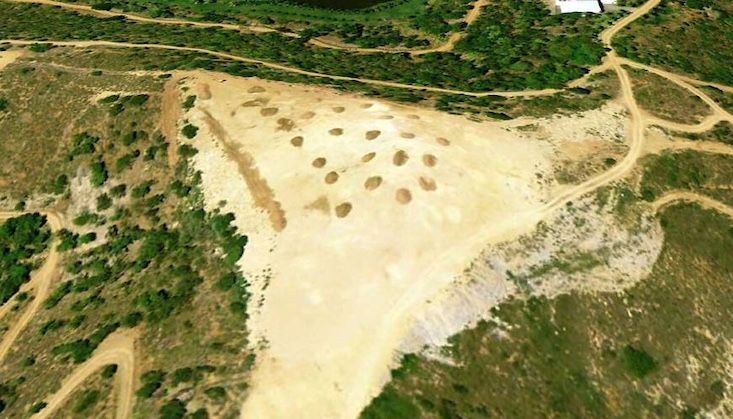
Google Earth’s history tool shows what appears to be hundreds of mass graves on Epstein’s pedophile island that were dug shortly before his arrest in 2006. In September of 2002‚ in the center of Epstein’s [...] The post Google Images Show Mass Graves of Hundreds of Children on Epstein Island appeared first on The People's Voice.
Like
Comment
Share
Showing 102276 out of 113231
  • 102272
  • 102273
  • 102274
  • 102275
  • 102276
  • 102277
  • 102278
  • 102279
  • 102280
  • 102281
  • 102282
  • 102283
  • 102284
  • 102285
  • 102286
  • 102287
  • 102288
  • 102289
  • 102290
  • 102291
Advertisement
Stop Seeing These Ads

Edit Offer

Add tier


Select an image
Delete your tier
Are you sure you want to delete this tier?

Reviews

In order to sell your content and posts, start by creating a few packages. Monetization

Pay By Wallet

Payment Alert

You are about to purchase the items, do you want to proceed?

Request a Refund