YubNub Social YubNub Social
    Advanced Search
  • Login
  • Register

  • Night mode
  • © 2026 YubNub Social
    About • Directory • Contact Us • Developers • Privacy Policy • Terms of Use • shareasale • FB Webview Detected • Android • Apple iOS • Get Our App

    Select Language

  • English
Night mode toggle
Featured Content
Community
New Posts (Home) ChatBox Popular Posts Reels Game Zone Top PodCasts
Explore
Explore
© 2026 YubNub Social
  • English
About • Directory • Contact Us • Developers • Privacy Policy • Terms of Use • shareasale • FB Webview Detected • Android • Apple iOS • Get Our App
Advertisement
Stop Seeing These Ads

Discover posts

Posts

Users

Pages

Blog

Market

Events

Games

Forum

Classic Rock Lovers
Classic Rock Lovers  
2 yrs

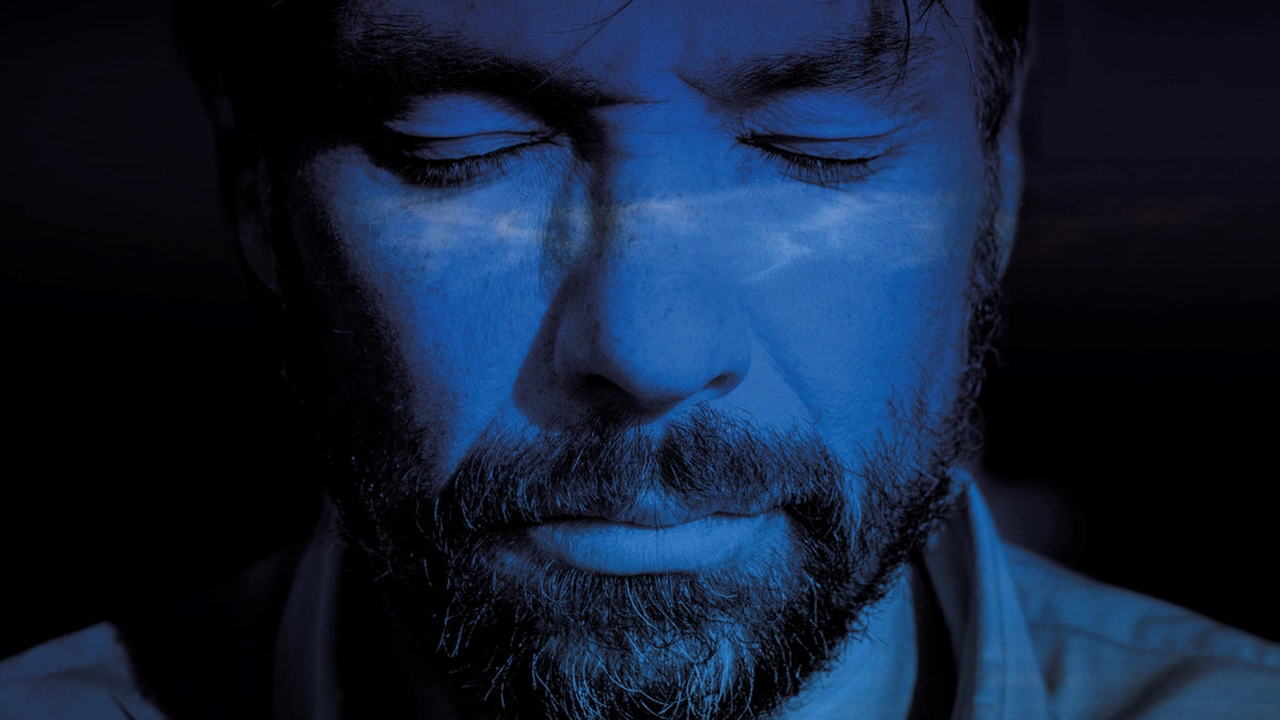
“It’s not until I’ve finished a record that I think‚ ‘Oh my God‚ I have to go out onstage in front of all these relative strangers‚ singing my heart out about all these personal‚ private things”: Bruce Soord’s struggle to deliver Luminescence
Favicon 
www.loudersound.com

“It’s not until I’ve finished a record that I think‚ ‘Oh my God‚ I have to go out onstage in front of all these relative strangers‚ singing my heart out about all these personal‚ private things”: Bruce Soord’s struggle to deliver Luminescence

Bruce Soord’s third solo album was 18 months in the making - then his son told him something that meant he had to go round again
Like
Comment
Share
Living In Faith
Living In Faith
2 yrs

What the Rich‚ Young Ruler Didn’t Know
Favicon 
www.crosswalk.com

What the Rich‚ Young Ruler Didn’t Know

What the Rich‚ Young Ruler Didn’t Know
Like
Comment
Share
Living In Faith
Living In Faith
2 yrs

10 Christian Podcasts to Listen to in 2024
Favicon 
www.crosswalk.com

10 Christian Podcasts to Listen to in 2024

10 Christian Podcasts to Listen to in 2024
Like
Comment
Share
Living In Faith
Living In Faith
2 yrs

10 Ways to Rebuild Trust in a Marriage on the Rocks
Favicon 
www.crosswalk.com

10 Ways to Rebuild Trust in a Marriage on the Rocks

10 Ways to Rebuild Trust in a Marriage on the Rocks
Like
Comment
Share
The Lighter Side
The Lighter Side
2 yrs

The Surprise Party Is For His Dad‚ But This Golden Retriever Steals The Show.
Favicon 
www.inspiremore.com

The Surprise Party Is For His Dad‚ But This Golden Retriever Steals The Show.

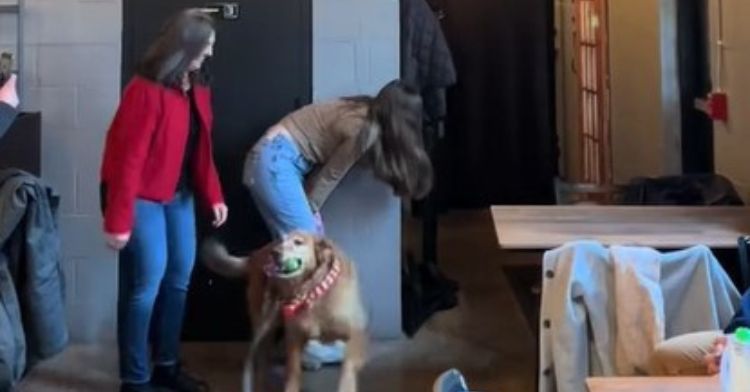
When you’re a golden retriever‚ any surprise party is good‚ even if it isn’t yours. If you have ever shared space with a golden retriever‚ you know they are full of personality. Each one is an individual‚ and they will never stop amazing you with their antics. We’ve seen them being “secret agents” on special missions‚ escaping to explore the neighborhood and helping with the groceries. Chances are‚ if there is doggy mischief afoot‚ a golden is involved. Image from TikTok. On the day of a surprise party for his dad‚ this golden retriever barged in and stole the show‚ almost ruining the surprise. The family was gathered‚ hiding‚ and waiting for the guest of honor. Right before he entered‚ his golden retriever inspected the establishment. The happy puppy gained illegal entry and greeted everyone who was hiding in wait‚ regardless of their stealth. Image from TikTok. The inquisitive golden retriever made his rounds throughout the entire room as if he thought the party was for him! There was tail-wagging and golden bounces for everyone. Image from TikTok. If you’re not sure that this golden is misbehaving‚ pay attention to the leash. At first‚ it is dragging behind the happy pup. After greeting the gentleman seated at the right‚ he grabbed the end of his own leash to continue his rounds! That proves that his actions were indeed intentional. The golden retriever may have been an invited guest to this surprise party. He came in like he owned the party‚ and it was all for him! We’re pretty sure the family is familiar with his antics because they all accepted his impromptu entry with giggles and pets. Watch the unscheduled entrance below. Share this with your friends. @.daisyfaye it’s not my birthday guys but thanks for the party ♬ original sound – daisy You can find the source of this story’s featured image here. The post The Surprise Party Is For His Dad‚ But This Golden Retriever Steals The Show. appeared first on InspireMore.

Like
Comment
Share
Pet Life
Pet Life
2 yrs

Do Cat Paw Pads Change Color? Vet-Approved Facts &; FAQ
Favicon 
www.catster.com

Do Cat Paw Pads Change Color? Vet-Approved Facts &; FAQ

The post Do Cat Paw Pads Change Color? Vet-Approved Facts &; FAQ by Rachael Gerkensmeyer appeared first on Catster. Copying over entire articles infringes on copyright laws. You may not be aware of it‚ but all of these articles were assigned‚ contracted and paid for‚ so they aren't considered public domain. However‚ we appreciate that you like the article and would love it if you continued sharing just the first paragraph of an article‚ then linking out to the rest of the piece on Catster.com. Lovingly referred to as toe beans by many people‚ a cat’s paw pads tend to be one of the most endearing features of a feline. They are soft‚ supple‚ and super cute when a cat stretches them out after a cozy nap. Paw pads come in different colors. Some are pink‚ others are black‚ and some are gray or even spotted. However‚ once a kitty is born‚ the color of their pads will not normally change; they will stay the same for the rest of their life. If the appearance of your cat’s paw pads changes‚ there is likely a reason for it that must be addressed. Here’s what you should know. What Exactly Are Paw Pads? We know what paw pads look like‚ but what are they for? A cat’s paw pads are like the bottoms of our own feet. They are cushions of thick tissue that are tough to help withstand abrasions from the surfaces a cat walks on. Paw pads act as a shield between the harsh environment and the soft‚ delicate tissue of a cat’s paw. Every cat paw consists of separate digital pads‚ four on the back paws and five on the front (typically). They also have a bigger metacarpal/metatarsal pad that sits just behind the digital pads. Each pad is situated to help support the weight of a cat when they move around and provide cushioning and shock absorption. The front legs also have a carpal pad higher up the leg that is responsible for traction‚ assists with safe jumping‚ and aids in slowing down skidding motions. Paw pads are covered in skin that is pigmented in different colors‚ including white‚ pink‚ black‚ gray‚ and spotted. Image Credit: Orhan Cam‚ Shutterstock What Purposes Do Cat Paw Pads Serve? Besides shock absorption and protection‚ a cat’s paw pads serve many purposes. Another important job that they do is to help insulate the feet so a cat can withstand moderately hot and cold temperatures when outdoors. This is not to say that a cat’s paw pads cannot get burned or frostbitten‚ but the paw pads can withstand extreme weather conditions much better than the skin on the rest of the feet. Paw pads also provide tactile information to cats so they can sense vibrations that could mean a predator or enemy is approaching and where they are approaching from. The pads also provide a cat with everything that they need to know about the surfaces that they are walking on. If a surface is sharp‚ hot or cold‚ or painful‚ a cat will avoid that surface and move elsewhere. Why Would a Cat’s Paw Pads Change Color? A cat’s paw pads should not change color during their life unless there is an underlying problem that forces the change. Here are the common reasons that a cat’s paw pads might change color and what can be done about it. Image Credit: Kevin Bidwell‚ Pexels 1. Injuries Injuries can cause a cat’s paw pad color to change. These color changes usually come in the form of darker pink‚ red‚  purple‚ and black colors. Insect and animal bites‚ overgrown claws‚ and cuts from sharp objects and rough surfaces can all contribute to injuries that might change the color of a cat’s paw pads. Sometimes‚ other signs of injury‚ such as limping and excessive licking of the paw or foot‚ are present. The treatment depends on the type of injury affecting the paw pad. If you suspect that your cat has injured their foot and/or paw‚ it’s important to schedule a checkup with your veterinarian as soon as possible. 2. Anemia Anemia is a condition in which red blood cells in the body are insufficient either due to increased loss or decreased production. Red blood cells carry much-needed oxygen to all the tissues in the body. When a cat has anemia‚ their tongue and gums might become lighter or even white. They are likely to become lethargic‚ weak‚ and disinterested in food. Once your veterinarian determines the cause of anemia‚ they can develop and prescribe a treatment plan. Another potential sign your cat is suffering from anemia is lightening of the paw pads. Pink pads can turn white‚ for example. Cats with naturally white paw pads that have anemia won’t be as visibly noticeable in the paw pads. Image Credits: Nynke van Holten‚ Getty Images 3. Vitiligo Like humans‚ cats can develop vitiligo in their adult years‚ which is a rare yet harmless condition that’s considered to be hereditary.  Vitiligo is the depigmentation of the skin‚ which includes the skin on cat paw pads. It’s thought that it develops when an animal’s body cannot properly produce melanin cells. Once it develops‚ it is not contagious. Vitiligo can make a cat with black paw pads develop lilac‚ pink‚ or even white pads. The point is that dark-colored paw pads could turn lighter in color if the cat has vitiligo. Fortunately‚ this condition produces no pain or health problems and is simply cosmetic. Therefore‚ there is no need to worry about treating the condition. 4. Plasma Cell Pododermatitis This rare condition is when the paw pads become inflamed with plasma cells‚ a regular component of the immune system. These plasma cells normally produce antibodies to fight infections. However‚ with plasma cell pododermatitis‚ plasma cells flood the foot pads often without a known infectious cause. Signs of plasma cell pododermatitis include mushy‚ swollen paw pads and a pillowy pad shape. They may also change to a purplish color and be lame on that foot.  Veterinarian-prescribed antibiotics are typically necessary for several months to help rid a cat of this potentially painful condition. Image Credit: Ed-Ni-Photo‚ Thinkstock 5. Cancers Some types of cancer can affect the foot and paw pads. The most common types are melanoma and squamous cell carcinoma. These may appear as raised‚ colored masses on the paw pads or other parts of the foot. Cats may limp or lick the foot excessively. If you notice any changes to your cat’s paw pad color or texture‚ see your veterinarian as soon as possible. Final Thoughts While a cat’s paw pads should stay the same color throughout their life‚ there are a few reasons that color changes might happen at some point. It is always a good idea to consult with a veterinarian to determine the cause of the color changes so it can be effectively and properly addressed. Sometimes‚ the changes can be reversible. Other times‚ the color changes indicate and can help diagnose health problems that may not have been noticed otherwise. Sources Stray H.E.L.P.: Why Are Cat Paw Pads Different Colors? Go Erie News: Cats’ Paws are Fascinating Pieces of Anatomy Animal Path: Cat Paw Pads Change Color PetMD: Vitiligo in Dogs and Cats Featured Image Credit: Jumnong‚ Shutterstock The post Do Cat Paw Pads Change Color? Vet-Approved Facts &; FAQ by Rachael Gerkensmeyer appeared first on Catster. Copying over entire articles infringes on copyright laws. You may not be aware of it‚ but all of these articles were assigned‚ contracted and paid for‚ so they aren't considered public domain. However‚ we appreciate that you like the article and would love it if you continued sharing just the first paragraph of an article‚ then linking out to the rest of the piece on Catster.com.
Like
Comment
Share
Pet Life
Pet Life
2 yrs

Why Is My Cat Pulling Their Hair Out? 7 Vet-Reviewed Reasons
Favicon 
www.catster.com

Why Is My Cat Pulling Their Hair Out? 7 Vet-Reviewed Reasons

The post Why Is My Cat Pulling Their Hair Out? 7 Vet-Reviewed Reasons by Rachael Gerkensmeyer appeared first on Catster. Copying over entire articles infringes on copyright laws. You may not be aware of it‚ but all of these articles were assigned‚ contracted and paid for‚ so they aren't considered public domain. However‚ we appreciate that you like the article and would love it if you continued sharing just the first paragraph of an article‚ then linking out to the rest of the piece on Catster.com. Cats can spend up to 50% of their day grooming themselves. They do it primarily to keep themselves clean‚ but grooming also helps regulate their body temperature and spreads oils through their coat‚ to name a few reasons. Cats also tend to groom each other for bonding purposes. However‚ grooming can become excessive and/or troublesome for various reasons. For example‚ a cat might start to pull their own hair out. If you notice that your cat is doing this‚ you’re likely wondering why and whether it’s something to worry about. There are a few reasons that your cat might be pulling out their hair. What to do about it depends on the cause. How to Know If Your Cat Is Excessively Grooming and Pulling Out Their Hair It can be tough to tell whether your cat is grooming themselves to the point that they’re pulling out hair. Just because you find a patch of fur on the ground doesn’t necessarily mean your cat has a problem with pulling their hair out. However‚ if you’re finding multiple chunks of hair lying around where your cat has been grooming themselves‚ chances are that there is a hair-pulling problem to address. Another sign that your cat is excessively grooming is that they start to develop patches of baldness and/or obvious hair loss all over their body. Even one bald patch is cause for concern. Excessive furball regurgitation is another sign of excessive grooming. Finally‚ you might simply notice that your cat is grooming more often than usual. Image Credit: Ilona Koeleman‚ Shutterstock The 7 Reasons That Your Cat Is Pulling Their Hair Out 1. Fleas and Flea Allergies Fleas in general cause skin itchiness in felines‚ which can result in excessive grooming and hair loss. Even indoor cats can get fleas‚ and it doesn’t take many of them to cause problems. Unfortunately‚ it can be tough to rid a kitty of fleas and alleviate their itchiness. Flea treatments are necessary immediately‚ and monthly ongoing ones are required to keep the pests away for good. Your veterinarian can recommend an effective flea control regimen. Some felines develop flea allergy dermatitis‚ which basically means they are allergic to flea saliva. The most common manifestation of flea allergy dermatitis is skin itchiness. As your cat itches their skin‚ they pull hair out in the process. The solution to this problem is to prevent flea infestations through regular veterinary prescribed flea treatments. 2. Other Allergies Image Credit: Goathouse Refuge‚ Flickr Cats may develop allergies at any time during their life. Allergens include foods‚ pollen‚ and house dust mites. Unfortunately‚ many cat allergies cause skin itchiness that can result in overgrooming and hair loss. Veterinarians will follow a step-by step approach to investigate possible allergies‚ as the signs can be similar to many other skin conditions. From there‚ a plan for allergy relief and maintenance can be created. 3. Mites Mites are tiny parasites that infest the skin and hair follicles of cats‚ which typically leads to problems like skin irritation‚ redness‚ itching‚ and even hair loss. Cheyletiella and demodex are two types of mites that can affect a cat’s skin. Demodex mites can be harder to detect because they live within the hair follicles‚ whereas cheyletiella mites live on the skin’s surface. 4. Ringworm Image Credit: Ameena Matcha‚ Shutterstock While ringworm might sound like a parasite‚ it is actually a fungal skin infection that can cause hair to fall out. These bald patches are often scaly and sometimes look red and inflamed. It might seem like your cat is pulling their hair out‚ but it’s the fungal infection causing the hair loss. Ringworm is usually diagnosed by fungal culture of a sample of the hair and scale. Your veterinarian may recommend topical washes and oral medication to treat the infection. 5. Stress and/or Anxiety Psychological problems like anxiety and stress can cause self-inflicted hair loss in felines‚ as they will try to find relief through chewing‚ pulling‚ and excessively grooming their hair. Moving to a new home‚ introducing a new animal or baby to the family‚ being boarded for a period‚ and even competing with other cats in the household can all cause stress and/or anxiety in a feline. This psychogenic overgrooming is much less common than other causes of similar signs such as allergy. It is imperative to rule out other causes of overgrooming and then try to figure out the cause of the stress or anxiety so it can be addressed and eliminated if possible. 6. Boredom Image Credit: Kginger‚ Shutterstock In a similar way to stress causing overgrooming‚ boredom can also cause a cat to pull their hair out‚ although this is also an uncommon cause of the problem. Cats are intelligent and a lack of environmental and mental stimulation can produce feelings of depression and overall lethargy. So‚ a feline might try to relieve these feelings by overgrooming and pulling out their hair. Introducing new stimulants‚ such as cat scratchers‚ towers‚ caves‚ and toys‚ can help greatly reduce a cat’s boredom and correct their overgrooming and hair loss problem. If the issue persists‚ a trip to the veterinarian to rule out other possible causes of the hair loss is a good idea. 7. Pain Unlike humans‚ cats cannot verbally tell anyone when they are in pain. They try to keep their pain a secret because in the wild‚ it would be perceived as weakness by predators and enemies. Therefore‚ you might not notice many signs of pain in your cat‚ but excessive licking that causes hair loss is something that shouldn’t be overlooked. Causes of pain could be anything from arthritis to an infection or injury. Diagnosing the reason for the pain is the first step in alleviating it‚ along with the hair loss and any other problems. Conclusion There are several reasons that a feline might be pulling out their hair. The key is to determine the exact reason for it. You will need the help of a veterinarian to diagnose the cause so it can be effectively addressed and avoided in the future. Sources VCA Animal Hospitals: Flea Allergy Dermatitis VCA Animal Hospitals: Allergies in Cats BeChewy: Help! My Cat is Pulling His Hair! Hill’s Pet: Why Cats Groom Themselves Merck Veterinary Manual: Mite Infestation in Cats Kingsdale Veterinary: Hair Loss in Cats Featured Image Credit: Dmitry Tkachuk‚ Shutterstock The post Why Is My Cat Pulling Their Hair Out? 7 Vet-Reviewed Reasons by Rachael Gerkensmeyer appeared first on Catster. Copying over entire articles infringes on copyright laws. You may not be aware of it‚ but all of these articles were assigned‚ contracted and paid for‚ so they aren't considered public domain. However‚ we appreciate that you like the article and would love it if you continued sharing just the first paragraph of an article‚ then linking out to the rest of the piece on Catster.com.
Like
Comment
Share
Science Explorer
Science Explorer
2 yrs

Unexpected New COVID Symptoms Arise As JN.1 Variant Continues To Spread‚ OSIRIS Mission Sets Sights On
Favicon 
www.iflscience.com

Unexpected New COVID Symptoms Arise As JN.1 Variant Continues To Spread‚ OSIRIS Mission Sets Sights On "God Of Destruction" Asteroid At Crucial Time‚ And Much More This Week

This week we take a closer look at the “Great Wall of Mongolia”‚ the quest for better energy storage takes a leap forward in the form of time-bending quantum batteries‚ and a 150-year-old pliosaur skull is examined by Sir David Attenborough as part of a new series for the BBC. Finally‚ we take a look at why your muscles hurt quite so much after the workout you did three days ago.Subscribe to the IFLScience newsletter for all the biggest science news delivered straight to your inbox every Wednesday and Saturday. Unexpected New COVID Symptoms Arise As JN.1 Variant Continues To SpreadThe JN.1 COVID variant had a rapid spread throughout December 2023 and has now become the most common strain of the virus spreading across the US‚ according to the US Centers for Disease Control and Prevention (CDC). Cases of JN.1 are also creeping up in the UK‚ as well as China and India. Read the full story here.OSIRIS Mission Sets Sights On "God Of Destruction" Asteroid At Crucial TimeAs NASA struggles to access the treasure obtained by the OSIRIS-REx mission to Bennu‚ it has also had to decide what to do with the valuable and still-operating spacecraft responsible. Now that decision has been made‚ confirming a long-standing plan‚ with the target set for an even more-famous Earth-crossing asteroid‚ 99942 Apophis‚ and a tweak to the mission name. Read the full story here.Mysterious 405-Kilometer-Long "Great Wall Of Mongolia" Studied For First TimeA section of the Great Wall of China that extends into Mongolia has been analyzed for the first time‚ allowing researchers to present some speculative insights into the history and function of this enormous structure. Spread over 405 kilometers (252 miles)‚ the wall has been dubbed the "Mongolian Arc" due to its curved trajectory.  Read the full story here.Time-Bending Quantum Batteries Could Surpass Chemical Versions For Energy StorageBatteries that make use of quantum phenomena that appear to mock our conventional understanding of the laws of physics could be harnessed for energy storage. Although these batteries have only been produced on a small scale in laboratories‚ one day they might offer advantages over conventional batteries that could see them be the preferred choice in at least some niches. Read the full story here.Pliosaur Skull Dating Back 150 Million Years May Be A New-To-Science SpeciesThe enormous teeth of a “giant sea monster” were restored by fossil expert Chris Moore after he and Steve Etches endured the painstaking task of removing a huge fossil skull 12 meters (39 feet) up a cliff in Dorset‚ UK. It belonged to a pliosaur‚ an ancient marine reptile with a bite force that could’ve bested Tyrannosaurus rex in a fight‚ according to scientists working on the discovery. Read the full story here. TWIS is published weekly on our Linkedin page‚ join us there for even more content.Feature of the week:Why Do Your Muscles Start To Ache Days After Working Out?Exercise can be amazing for you: regularly getting active can reduce your risk of a whole host of ailments‚ such as heart attacks and strokes‚ and simply getting out for a walk can reduce your risk of death. Indeed‚ the World Health Organization states that those who don’t work out enough have a 20-30 percent increased chance of death. But if exercise is so good for you‚ why can it hurt so much – and why can the pain commence days after you’ve staggered out of the gym? Read the full story here.More content:Have you seen our free e-magazine‚ CURIOUS? Issue 17 December 2023 is out now. Check it out for exclusive interviews‚ book excerpts‚ long reads‚ and more.PLUS‚ check out season 3 of IFLScience's The Big Questions Podcast‚ so far we've asked:• Is Jurassic Park Possible?• How Is Climate Change Affecting Polar Bear Populations?• Why Is Space Junk Such A Big Deal?• Can We Save A Species On The Very Brink Of Extinction?• How Does A Quantum Computer Work And How Will They Change The World?• What Is Space Weather And How Does It Affect Us?• What Is Ancient Ice Telling Us About The Future?• Are E-Fuels The Future Of Aviation?• How Are Glaciers Changing In A Warming World?• Are We Ready For The Next Massive Solar Flare?• Would You Eat Plant-Based Meat For Christmas Dinner?
Like
Comment
Share
Science Explorer
Science Explorer
2 yrs

Did Scientists Find Another Reason To Avoid Sharing A Bed With Our Partners?
Favicon 
www.iflscience.com

Did Scientists Find Another Reason To Avoid Sharing A Bed With Our Partners?

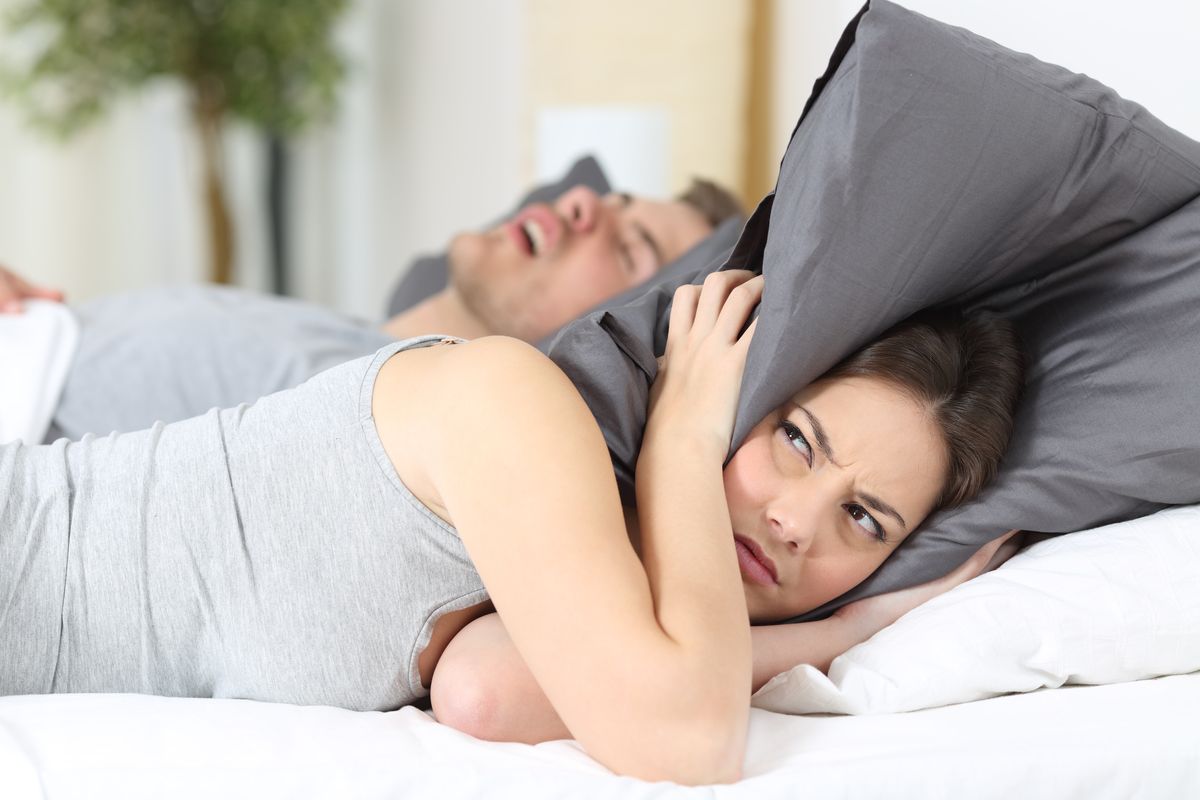
With the number of people these days opting for a sleep divorce‚ it’s clear that sometimes‚ sharing a bed with a significant other is not the pathway to restful slumber. As much as we may love them‚ sleeping alongside a partner (or indeed‚ a furry friend) can sometimes do more harm than good. Now‚ a study has added new evidence to this discussion from an animal that‚ just like us‚ doesn’t always select the best sleeping arrangements.Interactions with other members of the same species can have a profound effect on all sorts of aspects of animal physiology and behavior‚ but scientists know surprisingly little about the implications of socializing on sleep. A new study led by Ada Eban-Rothschild‚ assistant professor at the University of Michigan‚ found that mice like to cuddle when they sleep‚ even though this sometimes leads to a less restful snooze.The researchers called this drive towards physical contact at bedtime “somatolonging”‚ and it’s been observed in humans too. “The lack of this kind of contact was evident during the COVID-19 pandemic‚ during which people experienced somatolonging‚” Eban-Rothschild said in a statement.Through behavioral experiments that the team devised‚ they were able to show that mice will sacrifice their preferred sleeping location and will put up with a lower-than-optimal sleeping temperature‚ if it means they get to cuddle with a buddy. This demonstrates that they’re genuinely motivated by physical contact with another‚ sometimes at their own expense.As the study authors put it‚ “While home was warm and cozy‚ somatolonging was just too strong.”Not only is it scientifically intriguing‚ it's just plain adorbs.Image credit: Adrian Eugen Ciobaniuc/Shutterstock.comUsing wireless monitoring devices and video recordings‚ the researchers were able to keep tabs on the mice’s brain activity and behavior over a 24-hour period. They found that the timings of sleep/wake cycles were synchronized in co-sleeping individuals‚ as well as sleep intensity.The timing of rapid eye movement (REM) sleep – the period of sleep when we dream – was also found to sync up among male sibling mice sleeping together‚ but not among females or unfamiliar mice. The team suggested that the degree of synchronization is affected by other internal factors‚ such as how safe the individual feels.But along with all this synchronicity‚ there is also a cost to co-sleeping. Cuddling mice displayed a significantly more disrupted non-REM sleep phase. Video evidence demonstrated that this equally seemed to be true in the mice that were not wearing the wireless recording devices‚ likely ruling out the discomfort of these devices as a cause for the disrupted sleep. “These findings suggest that while mice actively seek physical contact prior to sleep and continue huddling throughout‚ such close physical proximity to conspecifics leads to a fragmentation of [non-REM sleep]‚” the authors concluded.The study establishes that mice‚ like many humans‚ will forgo undisturbed sleep if it means they get to cuddle with a partner. As to why this is the case‚ the scientists are not much closer to an answer. The authors highlight the need for further study‚ pointing out that their results go against one of the main hypotheses in this field to date: that huddling together is mostly a means for mammals to keep warm and survive harsh conditions.If the choice was between sleeping alone in a warm room‚ or knocking the thermostat down a few degrees but getting to share your bed‚ which would it be? For the mice in this study‚ the answer is clear; for those of you lying awake after being disturbed by a snoring partner for the fifth time this week‚ it could be a different story.   The study is published in Current Biology.[H/T: Newsweek]
Like
Comment
Share
NewsBusters Feed
NewsBusters Feed
2 yrs

Column: The Media's Bidenomics Boosters Demand Better Polling Results
Favicon 
www.newsbusters.org

Column: The Media's Bidenomics Boosters Demand Better Polling Results

One way you can tell that journalists are a panicked pack of partisans who earnestly feel Joe Biden’s pain is how they’re currently reporting on the economy. They don’t question whether the news is good. They question when will Biden receive credit for all the alleged great economic improvements since he took office. On ABC’s This Week on Christmas Eve‚ guest host Pierre Thomas complained‚ “The economy does seem to be doing better‚ but for the life of him‚ Joe Biden can't seem‚ the president can't seem to get any credit?” On NPR’s Morning Edition on December 27‚ they aired a segment with the online headline “Biden doesn't seem to be benefiting politically from [a] relatively strong economy.” White House correspondent Asma Khalid was guest-hosting. She reported the economy has “shown some strong signs as of late -- receding inflation‚ low unemployment‚ better-than-expected job growth‚ and people are even spending record amounts of money this holiday season. But President Biden does not seem to be benefiting politically. So what is going on here?” NPR political analyst Domenico Montanaro said the “fundamentals are strong‚” but that really isn't filtering down. “Polls have found that just 1 in 5 people rate the economy as at least good. And they say that they don't like how Biden is handling it.” He concluded: “the bottom line is I just don't think people look at this in a macroeconomics kind of way.” People know what they can afford‚ and cannot afford. Montanaro acknowledged the inflation rate has declined‚ but prices remain high. Paying $8 for a bottle of Tums is depressing. Mortgage rates are ridiculous for first-time home buyers. That doesn’t stop the media from engaging in happy talk. On the December 27 NPR Politics Podcast‚ economics reporter Scott Horsley cranked up the Biden hype: “His jobs record is unparalleled.” Taxpayer-funded radio wants you to know Biden’s an economic ubermensch! Horsley did admit the job growth is “coming back from a deep hole coming out of the pandemic.” Yes‚ that’s a pretty big asterisk. Jobs lost under the COVID lockdowns coming back – is that a “new job created”? But overall‚ Horsley insisted “by almost any objective measure‚ this is a good economy.” NPR can’t compete with New York Times columnist Paul Krugman‚ who fiercely shook the pom-poms in print: “From an economic point of view‚ 2023 will go down in the record books as one of the best years ever — a year in which inflation came down amazingly fast at no visible cost‚ defying the predictions of many economists that disinflation would require years of high unemployment.” This is the same shameless partisan who turned out to be massively incorrect when he pouted after Trump’s surprise victory in 2016 that the financial markets would never recover and “we are very probably looking at a global recession with no end in sight.” This makes it hilarious that Krugman’s new column carried the headline “Beware Economists Who Won’t Admit They Were Wrong.” I can’t find his retraction on the “endless recession” claims. Predictions are a dicey business‚ and so is the method of awarding politicians credit for job creation. When the economy is bad‚ liberals often complain it’s out of Biden’s control‚ like they complained it was out of Jimmy Carter’s control. Regardless‚ journalists expressing the opinion that Biden should be more popular betrays a tilt toward Biden’s re-election. It might be subtler than suggesting Trump will viciously end American democracy‚ but it’s still obvious. 
Like
Comment
Share
Showing 106207 out of 116056
  • 106203
  • 106204
  • 106205
  • 106206
  • 106207
  • 106208
  • 106209
  • 106210
  • 106211
  • 106212
  • 106213
  • 106214
  • 106215
  • 106216
  • 106217
  • 106218
  • 106219
  • 106220
  • 106221
  • 106222
Advertisement
Stop Seeing These Ads

Edit Offer

Add tier


Select an image
Delete your tier
Are you sure you want to delete this tier?

Reviews

In order to sell your content and posts, start by creating a few packages. Monetization

Pay By Wallet

Payment Alert

You are about to purchase the items, do you want to proceed?

Request a Refund