YubNub Social YubNub Social
    #astronomy #jesuschrist #nightsky #moon #liberals #fullmoon #planet #christ #jesus #jupiter #americafirst #socialists #easter #resurrection #christisrisen
    Advanced Search
  • Login
  • Register

  • Night mode
  • © 2026 YubNub Social
    About • Directory • Contact Us • Developers • Privacy Policy • Terms of Use • shareasale • FB Webview Detected • Android • Apple iOS • Get Our App

    Select Language

  • English
Night mode toggle
Featured Content
Community
New Posts (Home) ChatBox Popular Posts Reels Game Zone Top PodCasts
Explore
Explore
© 2026 YubNub Social
  • English
About • Directory • Contact Us • Developers • Privacy Policy • Terms of Use • shareasale • FB Webview Detected • Android • Apple iOS • Get Our App
Advertisement
Stop Seeing These Ads

Discover posts

Posts

Users

Pages

Blog

Market

Events

Games

Forum

Daily Signal Feed
Daily Signal Feed
2 yrs

Thoughts on Marriage in a Post-Wedding Dispatch
Favicon 
www.dailysignal.com

Thoughts on Marriage in a Post-Wedding Dispatch

I write this week as a very different man than I was when writing my last column. Then‚ I was merely engaged; now‚ after the single greatest week of my life culminated in the single greatest day and night of my life‚ I am married. I am filled with immense‚ overwhelming gratitude. My wife and I are blessed with wonderful family and loyal friends—in America and across the world. We are surrounded by those who love and care for us‚ and we are not wanting for material comforts. Perhaps most important‚ we are anchored by our Judaism and strive to live lives—and‚ God willing‚ build a family—rooted in a particular meaning and purpose‚ and guided by a particular set of values and customs. Even at the very beginning of our lifelong journey together‚ we therefore already have everything we truly need. Unfortunately‚ marriage these days is something of a countercultural phenomenon. According to a 2020 Pew Research survey‚ the percentage of 23- to 38-year-old Americans who are married steadily decreases by generation: 81% for the Silent Generation‚ 61% for baby boomers‚ 53% for Generation X‚ and 44% for millennials. The percentage of unmarried Americans 15 years or older has risen from 23% in 1950 to 34% in 2022. No one should expect Gen Z to stem the tide‚ either. According to a Thriving Center of Psychology survey‚ 41% of Gen Z men and a whopping 52% of Gen Z women believe that marriage is an “outdated tradition.” Alas‚ what else would we expect from a generation hopelessly addicted to Chinese TikTok spyware and indoctrinated by left-wing activist teachers to think of the nuclear family as “patriarchal” and “repressive”? Millennials and Gen Z are the “participation trophy” generations: They are the ones who came of age receiving trophies and accolades not for being victorious or otherwise triumphant‚ but for simply showing up and playing. “Second place is just the first-place loser‚” NASCAR legend Dale Earnhardt once said; “Everyone is always a winner‚” respond the cosseted brats of Gen Z and Gen Y (millennials). America has raised successive generations to believe demonstrably untrue things: Every person is of equal worth (not in the true sense that we are all God’s creations‚ but in the untrue sense that we are all of equal acumen‚ skills‚ and so forth); every culture and lifestyle is of equal dignity (including whether to marry and whether to raise children); and the only person who truly matters is “me” (and not one’s parents‚ grandparents‚ community members‚ countrymen‚ coreligionists‚ and so forth). In short‚ we have raised successive generations to reject the meritocratic‚ values-based‚ and sacrificial lifestyle of yesteryear for the uber-egalitarian‚ nihilistic‚ and solipsistic lifestyle flaunted by today’s elites. We have replaced the wisdom of traditional Judaism and Christianity with the moral relativism of the “Mystery Passage” from Planned Parenthood v. Casey (1992): “At the heart of liberty is the right to define one’s own concept of existence‚ of meaning‚ of the universe‚ and of the mystery of human life.” We have replaced the duty and altruism of the Greatest Generation—those who stormed the beaches of Normandy and risked life and limb for God‚ family‚ and country—with Ayn Rand’s “Virtue of Selfishness.” No wonder‚ then‚ that marriage rates have been declining for so long. The very essence of the marital relationship—the fusing of two into one‚ the subordinating of the individual to the couple‚ learning to approach life’s challenges not as “me” but as “us”—is anathema to the “newer” ways of thinking. There is no “participation trophy” in marriage; there is teamwork‚ sacrifice for one’s spouse and children alike‚ and a mutual commitment to a specific (ideally religiously based) lifestyle. Are millennials and Gen Z actually better off today for rejecting the tried-and-true ways of the past? Our skyrocketing rates of drug overdose‚ depression‚ and deaths of despair would seem to provide a clear answer: No. As I said‚ although we will grow and learn‚ and although we will (hopefully) acquire more wisdom and material possessions alike‚ my wife and I at this earliest stage already have everything we truly need. We greatly look forward to what is to come in the many decades ahead. And in our own small way‚ we hope to demonstrate a more viable and meaningful lifestyle than that pushed by societal elites today. Please pray for us as we embark on our journey. COPYRIGHT 2023 CREATORS.COM The Daily Signal publishes a variety of perspectives. Nothing written here is to be construed as representing the views of The Heritage Foundation.  Have an opinion about this article? To sound off‚ please email letters@DailySignal.com‚ and we’ll consider publishing your edited remarks in our regular “We Hear You” feature. Remember to include the URL or headline of the article plus your name and town and/or state.  The post Thoughts on Marriage in a Post-Wedding Dispatch appeared first on The Daily Signal.

Like
Comment
Share
Reclaim The Net Feed
2 yrs

Google’s New Patent: Using Machine Learning to Identify “Misinformation” on Social Media
Favicon 
reclaimthenet.org

Google’s New Patent: Using Machine Learning to Identify “Misinformation” on Social Media

If you're tired of censorship and dystopian threats against civil liberties‚ subscribe to Reclaim The Net. Google has filed an application with the US Patent and Trademark Office for a tool that would use machine learning (ML‚ a subset of AI) to detect what Google decides to consider as “misinformation” on social media. Google already uses elements of AI in its algorithms‚ programmed to automate censorship on its massive platforms‚ and this document indicates one specific path the company intends to take going forward. The patent’s general purpose is to identify information operations (IO) and then the system is supposed to “predict” if there is “misinformation” in there. Judging by the explanation Google attached to the filing‚ it at first looks like blames its own existence for proliferation of “misinformation” – the text states that information operations campaigns are cheap and widely used because it is easy to make their messaging viral thanks to “amplification incentivized by social media platforms.” But it seems that Google is developing the tool with other platforms in mind. The tech giant specifically states that others (mentioning X‚ Facebook‚ and LinkedIn by name in the filing) could make the system train their own “different prediction models.” Machine learning itself depends on algorithms being fed a large amount of data‚ and there are two types of it – “supervised” and “unsupervised‚” where the latter works by providing an algorithm with huge datasets (such as images‚ or in this case‚ language)‚ and asking it to “learn” to identify what it is it’s “looking” at. (Reinforcement learning is a part of the process – in essence‚ the algorithm gets trained to become increasingly efficient in detecting whatever those who create the system are looking for.) The ultimate goal here would highly likely be for Google to make its “misinformation detection‚” i.e.‚ censorship more efficient while targeting a specific type of data. The patent indeed states that it uses neural networks language models (where neural networks represent the “infrastructure” of ML). Google’s tool will classify data as IO or benign‚ and further aims to label it as coming from an individual‚ an organization‚ or a country. And then the model predicts the likelihood of that content being a “disinformation campaign” by assigning it a score. The post Google’s New Patent: Using Machine Learning to Identify “Misinformation” on Social Media appeared first on Reclaim The Net.
Like
Comment
Share
History Traveler
History Traveler
2 yrs

Why The War Hammer Was A Mighty Weapon
Favicon 
www.historynet.com

Why The War Hammer Was A Mighty Weapon

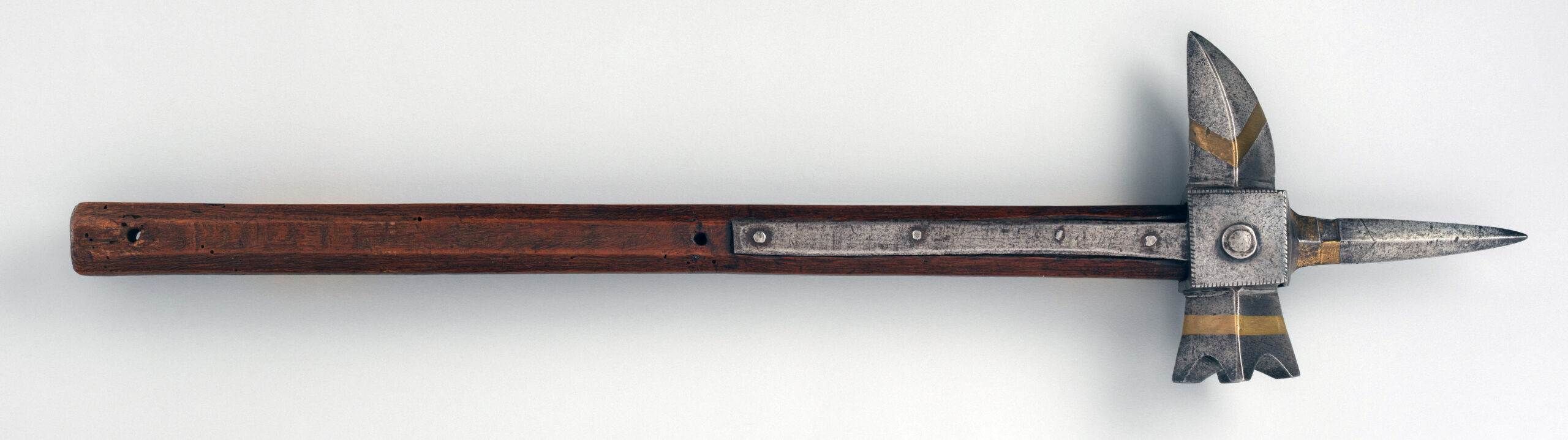
The war hammer‚ as crude as it seems‚ was a practical solution to a late-medieval arms race between offense and defense. From the 14th century‚ steel plate armor spread amongst the warrior classes. The angled and hardened surfaces of plate armor were highly resistant to thin-edged blows from swords and axes. The war hammer was one solution to defeat this protection. War hammers relied on concussion rather than penetration to fell armor-clad opponents. Although there are ancient examples of war hammers across cultures‚ the weapon became commonplace in Europe from the second half of the 14th century. Design The basic war hammer design consisted of a long haft (one-handed or two-handed versions were developed) terminating in a metal hammer head. Swung with force‚ the hammer would deliver a crushing blow to the head‚ limbs or body of an armored opponent‚ inflicting enough blunt force trauma to stun‚ disable or kill. Between the 14th and 15th centuries‚ war hammer design was improved for both functionality and lethality. In addition to the hammer head‚ the weapon acquired various designs of sharpened picks on the opposite side‚ these designed to penetrate armor or to act as hooks for pulling warriors off horses‚ or to grab reins or shield rims. Some war hammers also acquired a thin top spike for stabbing attacks; warriors soon learned to stun the opponent with the hammer‚ then finish him off with the pick or spike. Developments The Swiss refined the hammer head into a three- or four-pronged affair‚ which with a long spike and pick plus a 6 1/2-foot haft created the terrifying ‘Lucerne’ war hammer. Hafts were often strengthened with all-metal langets. War hammers were mainly used by cavalry‚ although they did find widespread service amongst infantry ranks. In Western Europe‚ they continued in use into the 16th century until the introduction of firearms rendered plate armor obsolete‚ but in Eastern Europe they were wielded by Polish hussars through the 17th century and into the early 18th century. Hammer The hammer head had a cross-section of only about 2 inches square‚ to concentrate the impact of the blow into a small area‚ increasing the concussive effect. Pick Spiked heads could be straight‚ hooked‚ thick‚ thin‚ short or long. If the weapon was swung with full force‚ the pick was capable of puncturing plate armor. Haft The haft of a war hammer varied anywhere between 2 feet to 6 1/2 feet in length‚ the short variants used for close-quarters combat‚ the longer variants for deep swinging attacks from the back of a horse.  Langets Metal reinforcement strips running up the side of the haft prevented the weapon from being shattered by enemy sword blows. this article first appeared in military history quarterly See more stories subscribe now!  
Like
Comment
Share
Hot Air Feed
Hot Air Feed
2 yrs

Jackboot Smith Aims to Silence Trump
Favicon 
hotair.com

Jackboot Smith Aims to Silence Trump

Jackboot Smith Aims to Silence Trump
Like
Comment
Share
Hot Air Feed
Hot Air Feed
2 yrs

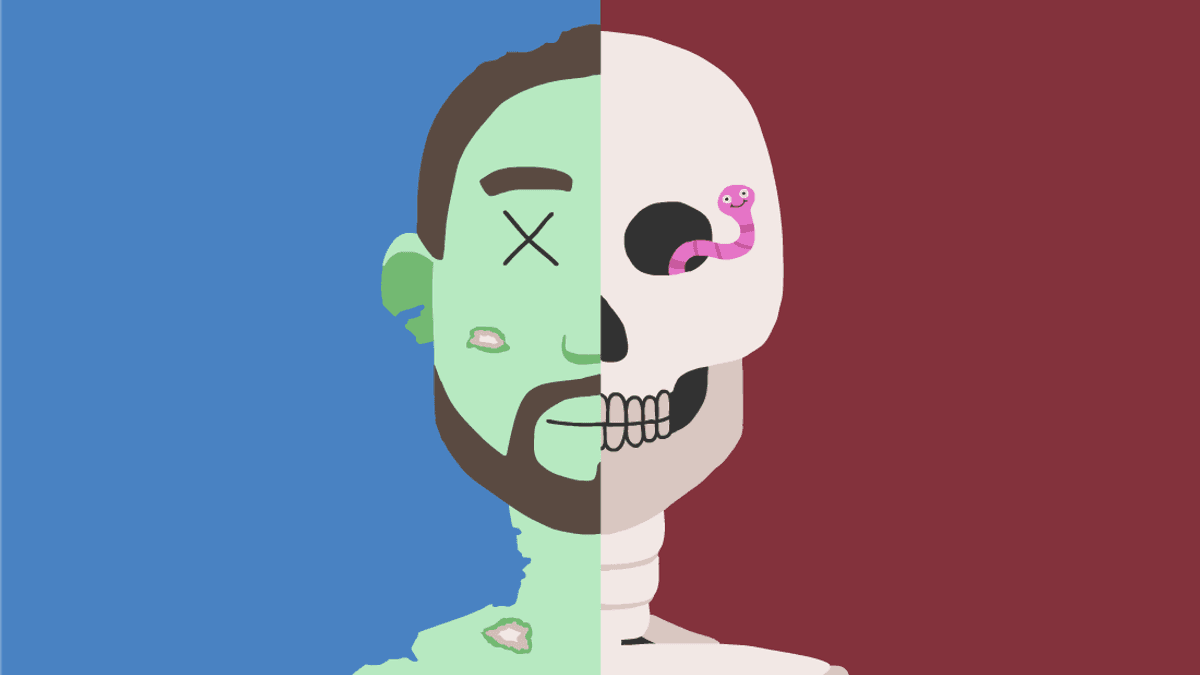
Corporate and Campus DEI is in Retreat
Favicon 
hotair.com

Corporate and Campus DEI is in Retreat

Corporate and Campus DEI is in Retreat
Like
Comment
Share
Hot Air Feed
Hot Air Feed
2 yrs

Chicago Mayor Impounds Buses from Texas‚ Citations Issued
Favicon 
hotair.com

Chicago Mayor Impounds Buses from Texas‚ Citations Issued

Chicago Mayor Impounds Buses from Texas‚ Citations Issued
Like
Comment
Share
Hot Air Feed
Hot Air Feed
2 yrs

Iran: October 7 Massacres Were Retaliation for Soleimani Hit! Hamas: Er ...
Favicon 
hotair.com

Iran: October 7 Massacres Were Retaliation for Soleimani Hit! Hamas: Er ...

Iran: October 7 Massacres Were Retaliation for Soleimani Hit! Hamas: Er ...
Like
Comment
Share
Science Explorer
Science Explorer
2 yrs

Macaques In Thailand Started Using Stone Tools When COVID-19 Stopped Tourists Feeding Them
Favicon 
www.iflscience.com

Macaques In Thailand Started Using Stone Tools When COVID-19 Stopped Tourists Feeding Them

Lots of things changed during the global COVID-19 pandemic – and while the effect of restrictions was felt keenly by the world's human population‚ the animal kingdom was also affected‚ with some surprising outcomes.On a small island along the Thai Gulf in Koh Ped (KPE)‚ eastern Thailand‚ a group of common long-tailed macaques (Macaca fascicularis fascicularis) were observed doing something that had never been seen in that group before: using stone tools to crack open rock oysters (Saccostrea forskali).The macaques have been watched frequently for more than 10 years‚ but were first observed using stone tools during the COVID-19 pandemic in July 2022. The researchers think these events are linked. The KPE island is a tourist hotspot‚ and the monkeys were frequently fed by the tourists during their visits to the islands. However‚ during the pandemic‚ no tourists were allowed onto the island – and thus the monkeys had to find new ways to make up for the loss of food from humans. These observations mark the sixth wild nonhuman primate to use stone tools to forage foods. Only one other species of macaque– the Burmese longtailed macaque (Macaca fascicularis aurea) – is part of that list.In March 2023‚ the team observed the macaques throwing stones‚ which is a known precursor to using the stones to access food and they named the technique “pound-hammering-like”. The team observed 17 adults and sub-adults using the stone tools and found that 15 of the 17 monkeys using the tools were males. They also observed that the macaques were mostly solitary when performing this behavior. Given that travel restrictions have now eased and tourists are once again returning to KPE‚ the team thinks that the tool use could even disappear as more food becomes available for the macaques once more. The paper is published in the American Journal of Primatology.
Like
Comment
Share
Science Explorer
Science Explorer
2 yrs

Death Isn’t A Single Moment‚ So What Happens When You Die?
Favicon 
www.iflscience.com

Death Isn’t A Single Moment‚ So What Happens When You Die?

Death is a natural and necessary part of life. As Chris Packham explained in Earth‚ even extinction has its upsides as it clears the way for new life. However‚ having a bunch of corpses lying around is a nightmare for disease spread‚ but fortunately life… uh… found a way‚ to take care of all the gooey stuff.Lecturer in Forensics at the University of Kent Dr Devin Finaughty calls this the decomposition ecosystem. It’s a sophisticated series of processes that takes a body and breaks it down until all that’s left is a skeleton‚ a process known as skeletonization. Before we reach the neat‚ and crucially‚ non-contagious skeleton‚ there are all kinds of tissues that have to be taken care of. In an interview with IFLScience for CURIOUS Live‚ a virtual event connected to our e-magazine CURIOUS‚ Finaughty walked us through those processes. But a curious point he also raised is that death itself is not a single moment. What happens when you die?Dr Devin Finaughty: Decomposition starts really soon after death‚ and one thing I just want to clarify is that death is not like a single moment. It is a cascade of reactions and processes that happens over time. What will typically happen is that the individual will lose consciousness and then they will proceed towards suppression of breathing and heart rate‚ at which point that will stop. Or they might lose consciousness as a result of those two processes stopping. Either way‚ that is what we term clinical death. So‚ that's the death that you can be brought back from‚ you can be revived multiple times if necessary. The problem is‚ once your heart stops pumping‚ once oxygen has stopped circulating‚ your cells only have so much oxygen available to produce their energy source‚ which is known as adenosine triphosphate (ATP). Once the cell runs out of oxygen to produce ATP‚ it can go into anaerobic respiration and produce ATP that way. The problem with that is that it's a very energy-inefficient process‚ and it generates lactic acid as a by-product. So‚ there's a limited period of time‚ and anyone who's gotten a major cramp whilst doing exercise knows all about this. Once the cell runs out of ATP‚ its cellular transport mechanism has stopped working‚ which means that it can no longer exchange with its extracellular environment. That means that the internal conditions in the cell start to deteriorate‚ it becomes more acidic‚ that acidity starts to dissolve the lysosome within the cell‚ and once the lysosome wall breaks open‚ all of the enzymes and lysosomes that are inside it come out‚ and they start damaging the cell.  Eventually‚ the cell will just rupture and this is a process known as necrosis and it's distinct from apoptosis‚ which is programmed cell death. That’s because apoptosis is technically reversible‚ whereas necrosis (or autolysis‚ as we would term it)‚ is a non-reversible process. The problem then is that the cell spills out all of these toxins and lysosomes and things into the extracellular environment and that starts damaging the adjacent cells‚ which are also experiencing the same kind of internal stress. So‚ you get this cascade of cellular death. It happens first in the tissues that have the highest oxygen‚ and the highest water content. So‚ your brain‚ stomach‚ your lungs‚ that kind of thing. Your brain would be the first one to really stop working because it takes 20 percent of the glucose that our bodies require. It’s very‚ very energy-demanding.That takes about four minutes‚ so from the time that your heart stops beating‚ you've got about four minutes until the brain cells start to die and that process is also irreversible. Once a sufficient quantity of brain cells have died‚ that is when you will experience brain death. Even bacteria‚ flies‚ and maggots can’t get rid of keratin. For that‚ you need carpet beetles.Image credit: Levente Nuber / Shutterstock.comOther parts of your body will persist and they can persist for quite a long time‚ surprisingly‚ but once you lose the neural control‚ the whole system that is working against equilibrium fails. And that‚ from a chemical perspective‚ is what death really is. It is a failure of our biological systems that prevents a return to chemical equilibrium‚ and everything that then proceeds from that point onwards is typified to an extent by return to equilibrium with the exception where you've got all these biotic agents acting on the body. That’s because once all of that stops working‚ your immune system stops working‚ and because your immune system stops working‚ the bacteria that are intrinsic to our guts‚ which outnumber our cells 20-to-one‚ they are no longer constrained. So‚ they have a massive food bonanza and will start to consume everything. They'll go through the lining of your gastrointestinal system and into your bloodstream and start to spread out throughout the body. They will start to metabolise substrates in your body‚ starting off with the sugars that are on the surface of our cells and that are being leached out of the cells.Then they'll proceed towards more complex carbohydrates and fats. That is truly the start of decomposition and their metabolism produces a range of by-products called volatile organic compounds‚ which is what we smell as death. Anyone who has smelled a dead body‚ not necessarily a human body‚ but anything dead that starts to go off‚ [that smell is] volatile organic compounds‚ and there about 400 to 500 of them that we've identified from humans so far‚ and that's what brings insects in. Want to find out what happens next? Check out the full interview on YouTube.
Like
Comment
Share
Science Explorer
Science Explorer
2 yrs

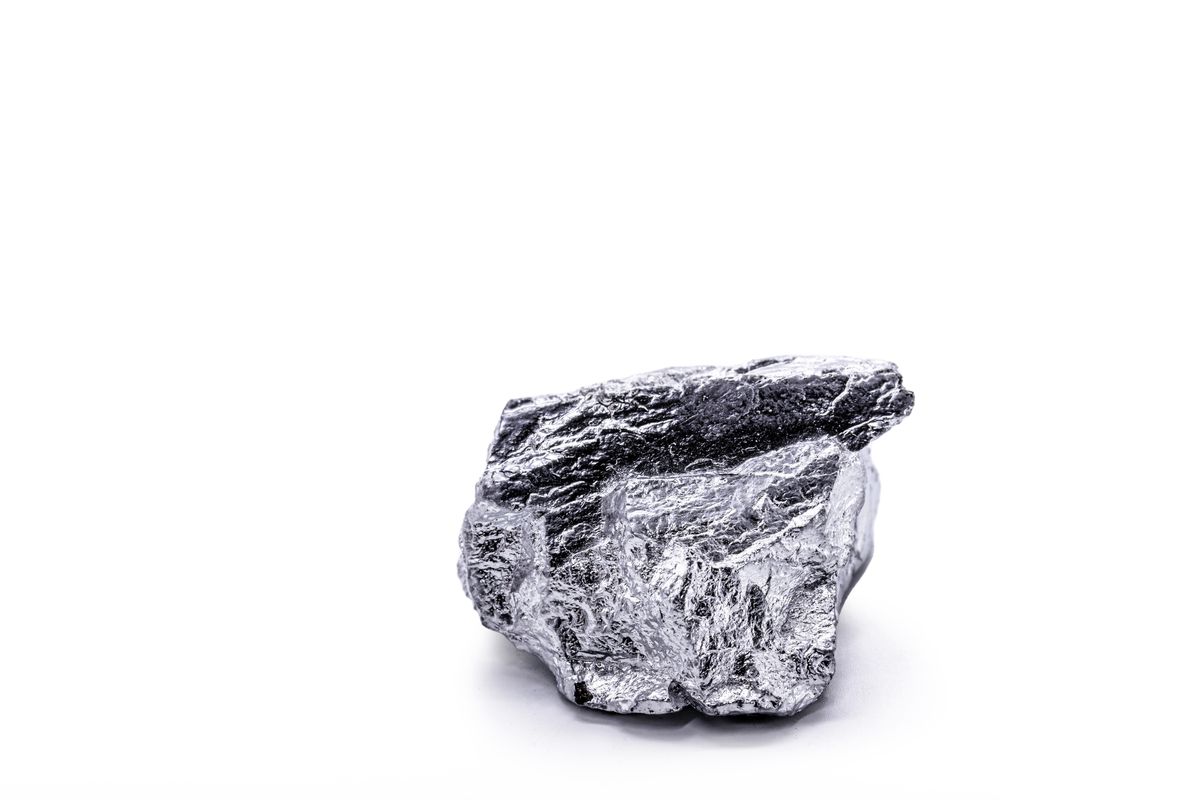
What Is Iridium And Is It More Expensive Than Gold?
Favicon 
www.iflscience.com

What Is Iridium And Is It More Expensive Than Gold?

There are quite a few examples of materials on Earth more expensive than gold. From glittering diamonds to shiny rhodium‚ the world’s precious natural resources can fetch high prices. But what about iridium?What is iridium?Iridium is a chemical element that has the atomic number 77 and is classed as a transition metal. Iridium is solid at room temperature. The name Iridium is said to come from the Greek word Iris meaning rainbow which represents the strongly colored compounds rather than the metal itself according to the Royal Society of Chemistry.  Like gold‚ iridium is pretty unreactive and has a very high density and melting point. In fact‚ iridium is the most corrosion-resistant element within the Periodic Table. Iridium sits in the middle of the transition metals - number 77.Image Credit: Sandbh via Wikimedia Commons CC BY 4.0Who discovered iridium?English chemist Smithson Tennant is the person most credited with discovering the element – however many people‚ including French chemists H.V. Collet-Descotils‚ A.F. Fourcroy‚ and N.L. Vauquelin are likely to have come across iridium roughly around 1803 in platinum ores‚ reports LiveScience. The metal was found by dissolving platinum in aqua regia‚ a mixture of very strong acids. What is iridium used for?Given the high density of this metal‚ the rare pure form of iridium is rarely used – indeed‚ the rare form might not even exist in nature. Most iridium-containing ores only contain a small percentage of iridium and can be found in South Africa‚ Alaska‚ Brazil‚ Myanmar‚ and Russia. Instead‚ the material is combined with platinum to create alloys that are typically 5-10 percent iridium. These alloys are then used for jewelry‚ the points of pens‚ surgical metals‚ and electrical contacts according to Britannica. How expensive is iridium?At the time of writing‚ Iridium is $4‚500 an ounce‚ whereas gold is roughly $2‚082 an ounce. Time to check those ballpoint pens! All “explainer” articles are confirmed by fact checkers to be correct at time of publishing. Text‚ images‚ and links may be edited‚ removed‚ or added to at a later date to keep information current.  
Like
Comment
Share
Showing 107321 out of 117001
  • 107317
  • 107318
  • 107319
  • 107320
  • 107321
  • 107322
  • 107323
  • 107324
  • 107325
  • 107326
  • 107327
  • 107328
  • 107329
  • 107330
  • 107331
  • 107332
  • 107333
  • 107334
  • 107335
  • 107336
Advertisement
Stop Seeing These Ads

Edit Offer

Add tier


Select an image
Delete your tier
Are you sure you want to delete this tier?

Reviews

In order to sell your content and posts, start by creating a few packages. Monetization

Pay By Wallet

Payment Alert

You are about to purchase the items, do you want to proceed?

Request a Refund