YubNub Social YubNub Social
    #jesuschrist #liberals #christ #jesus #americafirst #socialists #easter #resurrection #resurrectionsunday #heisrisen #christisrisen #happyeaster #recruitment #rebirth #nokings
    Advanced Search
  • Login
  • Register

  • Night mode
  • © 2026 YubNub Social
    About • Directory • Contact Us • Developers • Privacy Policy • Terms of Use • shareasale • FB Webview Detected • Android • Apple iOS • Get Our App

    Select Language

  • English
Night mode toggle
Featured Content
Community
New Posts (Home) ChatBox Popular Posts Reels Game Zone Top PodCasts
Explore
Explore
© 2026 YubNub Social
  • English
About • Directory • Contact Us • Developers • Privacy Policy • Terms of Use • shareasale • FB Webview Detected • Android • Apple iOS • Get Our App
Advertisement
Stop Seeing These Ads

Discover posts

Posts

Users

Pages

Blog

Market

Events

Games

Forum

Daily Caller Feed
Daily Caller Feed
1 y

New EPA Chief Has Message For Bureaucrats Hoping To Stymie Trump Agenda From Within
Favicon 
dailycaller.com

New EPA Chief Has Message For Bureaucrats Hoping To Stymie Trump Agenda From Within

'Work with all of the talented career staff'
Like
Comment
Share
Daily Caller Feed
Daily Caller Feed
1 y

Trump To Slap Mexico, Canada And China With Tariffs
Favicon 
dailycaller.com

Trump To Slap Mexico, Canada And China With Tariffs

'Promises made and promises kept'
Like
Comment
Share
Daily Caller Feed
Daily Caller Feed
1 y

Federal Bureaucrats Ordered To Remove Pronouns From Email Signatures
Favicon 
dailycaller.com

Federal Bureaucrats Ordered To Remove Pronouns From Email Signatures

I've never been told what I can and can't put in my email signature
Like
Comment
Share
Daily Caller Feed
Daily Caller Feed
1 y

‘Burning Them Off’: Pete Davidson Reveals He’s Removing Tattoos In Transformation
Favicon 
dailycaller.com

‘Burning Them Off’: Pete Davidson Reveals He’s Removing Tattoos In Transformation

'They have to burn off a layer of your skin'
Like
Comment
Share
Daily Signal Feed
Daily Signal Feed
1 y

Trump Reverses the Biden Pentagon’s Abortion Travel Reimbursement Policy
Favicon 
www.dailysignal.com

Trump Reverses the Biden Pentagon’s Abortion Travel Reimbursement Policy

The Trump administration has reversed the policy implemented by the Biden administration that reimbursed service members and their authorized dependents in the Department of Defense for expenses incurred in traveling across state lines to get abortions.  The new Trump policy, announced Wednesday, comes less than a week after Pete Hegseth, Trump’s nominee as defense secretary, was confirmed Jan. 24, and it’s just one of a flurry of moves made by President Donald Trump to deliver on his campaign promises.  The reversal also comes after a long campaign to end the practice by Sen. Tommy Tuberville. The Alabama Republican had taken the issue to heart, writing in The Daily Signal, “Federal law permits the U.S. military to only provide abortions in very narrow circumstances: rape, incest, and threat to the life of the mother. Yet, the Biden administration has turned our Department of Defense into an abortion travel agency.” A Rand survey estimated that as many as 4,100 active-duty servicewomen in the U.S. military seek abortions per year.  Tuberville vowed to hold up Defense Department promotions, of both general and civilian officers, until the policy was revoked. He then engaged in a 11-month effort to put pressure on the Pentagon to reverse course. The Alabama lawmaker’s campaign was backed by CatholicVote and 23 pro-life leaders, including Kevin Roberts, president of The Heritage Foundation; Marjorie Dannenfelser, president of Susan B. Anthony Pro-Life America; Dr. Ben Carson, former secretary of the Department of Housing and Urban Development; Tony Perkins, president of the Family Research Council; Jeanne Mancini, president of March for Life Action; and Brent Bozell, founder and president of the Media Research Center. The Defense Department under President Joe Biden ultimately refused to change course. Now that the federal government is under new management, change is happening at a breakneck pace. On Wednesday, the deputy director of the Defense Travel Management Office issued a memorandum revoking the Biden policy and citing compliance with Trump’s executive order that enforced the Hyde Amendment. The purpose of the executive order was to prevent federal funding for elective abortions in keeping with the Hyde Amendment.  The Hyde Amendment is a long-standing law, dating back to 1976, that prevents federal money, such Medicaid funding, from financing abortions. Biden signed an executive order while in office that appeared to contradict the law by directing the Department of Health and Human Services to consider covering expenses for pregnant women who travel to other states for abortions if their own state outlaws or restricts the procedure. The then-president’s actions were a bit surprising, given the fact that he had been a longtime supporter of the Hyde Amendment while serving in the Senate and as vice president. Biden reversed course when his 2020 Democratic presidential primary opponents came out against the federal provision.  In a statement to the press, Tuberville celebrated Trump’s policy reform. “For the past two years, I have been sounding the alarm about the Pentagon’s illegal and immoral practice of using taxpayer dollars to fund abortions,” he said. “I took a lot of heat when I stood alone for nearly a year in holding senior Pentagon promotions over this—but as of today, it was all worth it.” Tuberville added, “The Biden administration treated taxpayers like their own personal piggy bank that they could use to bankroll their woke agenda. President Trump and Secretary Hegseth affirmed today what I’ve been fighting for since I got to Washington: Zero taxpayer dollars should go towards abortions. “Under President Trump and Secretary Hegseth’s leadership, the Pentagon will once again be focused on lethality, not pushing a political agenda,” he said. “Thank God common sense has been restored to our military under President Trump’s leadership.” The post Trump Reverses the Biden Pentagon’s Abortion Travel Reimbursement Policy appeared first on The Daily Signal.
Like
Comment
Share
Daily Signal Feed
Daily Signal Feed
1 y

Here’s How We Find Out Who Killed JFK
Favicon 
www.dailysignal.com

Here’s How We Find Out Who Killed JFK

“The most transparent president in history is back,” a Jan. 20 post on X from White House press secretary Karoline Leavitt read. Never was that more clear than on Jan. 23, when President Donald Trump signed an executive order stating that the “continued redaction and withholding of information from records pertaining to the assassination of President John F. Kennedy is not consistent with the public interest, and the release of these records is long overdue.” Trump is now a singular public figure in the push for complete government transparency on the assassination, and his executive order is nothing short of historic; however, the devil is in the details. The Jan. 23 executive order directs government officials—specifically, the director of national intelligence and the attorney general, in coordination with the national security adviser and the president’s counsel—to propose a plan for declassification of those records rather than directing government agencies to declassify outstanding assassination-related records. That’s because certain government agencies have an interest in stalling or completely stopping declassification. The timeline for the submission of a plan for declassification and release of records is ambitious: 15 days from the date of the executive order, which would be Feb. 7. For point of reference, the Senate Judiciary Committee voted on advancing Trump’s nominee for attorney general, Pam Bondi, on Wednesday, and hearings for Trump’s nominee for the director of national intelligence, Tulsi Gabbard, were Thursday. If Trump intends to put Bondi and Gabbard in charge of the declassification plan—and there is no doubt that a successful declassification plan will require each of them to implement it (particularly Gabbard)—they will have precious little time to formulate it. Fortunately, the president’s team has precedent for a process of declassification of assassination records that operated with tremendous success in the past. In 1992, Congress passed the JFK Act, which stated that all government records related to the JFK assassination carried a “presumption of immediate disclosure” and authorized the creation of the Assassination Records Review Board, which facilitated the identification, and ultimately, declassification, of government records related to the assassination. Specifically, the review board was granted three important powers: (1) to determine whether a government record is assassination-related, (2) to compel government agencies to search for additional assassination-related records, and (3) to override requests by government agencies to postpone the declassification of records. The board was not your ordinary, buck-passing government office. The JFK Act mandated that members of the review board be experts in the history of the assassination and not be “presently employed by any branch of the government.” While this sounds like granting powers to a group of unelected individuals, in this case, it is a perfectly sensible and necessary countermeasure. Enshrining in law that review board members could not be employed by the government ensured that declassification decisions would not be made by members of the intelligence community who, for good or for ill, have the most to gain from the perpetual classification of these records. Therefore, the public could have reasonable assurance that declassification decisions and the prompt disclosure of assassination records were being made in its compelling interest—as opposed to the interest of shadowy government bureaucracies. By the time of its dissolution in 1998 due to lack of funding, the board had reviewed and released over 4 million pages of documents to the public. Yet, the board had also agreed with the request of some government agencies to postpone the release of some documents until the mandated deadline of Oct. 26, 2017. To postpone further would require a certification, made by the president, stating that continued postponement is necessary due to “clear and convincing evidence” that the disclosure of records would pose an “identifiable harm” to “military defense, intelligence operations, law enforcement, or conduct of foreign relations” that is “of such gravity that it outweighs the public interest in disclosure.” Unfortunately, the dissolution of the review board, and with it, the loss of the powers enumerated above, left advocates for full government transparency on the JFK assassination without a crucial mechanism to compel full and complete declassification of outstanding assassination-related records. No longer facing an independent review board devoted to complete government transparency on the assassination, government agencies have been able to convince both Trump and President Joe Biden for successive delays in declassification beyond the October 2017 deadline. Despite the review board’s success, there are still approximately 3,500 outstanding assassination-related records to date, the majority of which are records of the Central Intelligence Agency. In 2023, however, Biden took the extraordinary step of divesting himself, and by extension, the Office of the President, of any further decision-making with respect to declassification of these records. Instead, he directed government agencies to formulate “transparency plans” that stipulate specific “events” that will “trigger” a declassification review. Under these newly formulated transparency plans, what sort of events would “trigger” a declassification review? One such “event” would be the formal dissolution of “partnerships or diplomatic relationships.” So, if one wishes to know specific details about how the CIA’s station in Mexico City surveilled Lee Harvey Oswald during his visit there in late September 1963, one may have to wait until our government formally dissolves diplomatic ties with the state of Mexico. Or suppose one wishes to know specific details of the CIA’s use of the Directorio Revolucionario Estudantil, a militant group of Cuban exiles devoted to the overthrow of Fidel Castro, for “psychological warfare” operations in the summer of 1963 when members of that group interacted extensively with Oswald. According to the CIA’s transparency plan, the “condition” for public disclosure of those operational details is that said details are “generally known by the public” and the agency completes a “risk assessment” determining that disclosure would not pose a “high risk of harm to CIA sources, methods, and liaison relationships.” But if the details of a CIA operation are already public knowledge, what is there left to disclose? While it may appear that the aim of these “transparency plans” is to secure indefinite postponement of declassification, the true purpose is something more fundamental: control. Above all, the intelligence agencies want to maintain control over future declassification decisions regarding assassination records. The goal of these “transparency plans,” and the Biden order to enact them, was to secure “deep state” independence from future presidents like Trump, who advocate for full and complete transparency on the assassination. These “transparency” plans not only wrestle authority over declassification from the duly elected president but also are designed to do the exact opposite of what their name entails: They facilitate secrecy, not transparency. To reassert Trump’s authority over the process of declassification, any “plan” for declassification should begin with a presidential directive that explicitly revokes Biden’s “transparency plans.” More generally, what kind of “plan” should Trump implement to ensure true transparency—i.e., the “full and complete release of records relating to the assassination of President John F. Kennedy?” As attorney Larry Schnapf, an expert on the JFK Act, has recently argued, the most critical part of any future “plan” of declassification would be to create an independent review board within the Office of the President that has the same powers as the now-defunct Assassination Records Review Board. Before explaining why an independent review board is necessary, a distinction must be made. When people speak colloquially about releasing the “JFK files,” they are usually talking about the approximately 3,500 redacted documents contained in the National Archives. Any order to declassify the “JFK files” would only apply to those documents. Yet, it is public knowledge that there are assassination-related records that are not deemed part of the JFK collection contained in the National Archives but that shouldbe. To support this contention, two examples should suffice. First, it is now public knowledge that the Directorio Revolucionario Estudantil was involved in psychological warfare operations directed by a CIA agent named George Joannides during the summer of 1963 when the Directorio Revolucionario Estudantil engaged in a series of highly public interactions with Oswald. What remains unknown, and what the CIA has “denied in full,” is the content of over 40 documents relating to Joannides’ work in “psychological warfare,” including 17 monthly reports of his work with the group that spans from December 1962 to April 1964. These documents are not currently part of the JFK collection held at the National Archives and, therefore, would not be subject to any declassification order regarding the collection. Second, it is now public knowledge that the CIA, in the immediate aftermath of the assassination, instructed its field agents in Miami “to search for informational leads which might turn up an exile Cuban conspiratorial group possibly involved in the assassination.” According to an internal memo by a CIA officer involved in this investigation, the CIA station in Miami produced daily situation reports—from November 1963 to March 1964—containing information relating to the results of this investigation. Although the author of this memo provided specific instructions for how to locate these documents, they have never surfaced, and they are not part of the JFK collection at the National Archives. To achieve full transparency on the assassination, the CIA should not withhold records documenting its own investigation into the possibility of a conspiracy to kill Kennedy. Any declassification plan submitted to Trump should include a mechanism by which these documents, and others like them, can be located and promptly disclosed to the public. To achieve this, Trump should create a review board modeled on the original Assassination Records Review Board that has the power to (1) determine whether a government record is assassination-related, (2) compel government agencies to search for additional assassination-related records, (3) override those same agencies requests for postponement, and most importantly, (4) whose membership consists of individuals who are completely independent of the intelligence community. Without each of these four elements, any “plan” of declassification is likely to devolve, as it did after the dissolution of the original review board, into a complex scheme of agency obfuscation masquerading as transparency. Such a plan seems to have bipartisan support in Congress. A recent letter from members of Congress made clear that if Trump wishes to avoid continued stonewalling on the release of assassination related records, his “plan” for declassification should revoke the absurd “transparency” plans enacted by Biden. He should also direct the National Archives to remove all redactions and publicly release the approximately 3,500 JFK documents slated for perpetual postponement. Finally, he should create a review board comprised of members outside the government and independent of the intelligence community and invest the board with the same powers as the original Assassination Records Review Board. If Trump enacts such a plan, he will not only put much decades-old speculation about Kennedy’s assassination to rest but he will also take a monumental step in favor of government transparency and earn himself a very special place in the annals of American history. We publish a variety of perspectives. Nothing written here is to be construed as representing the views of The Daily Signal. The post Here’s How We Find Out Who Killed JFK appeared first on The Daily Signal.
Like
Comment
Share
Daily Signal Feed
Daily Signal Feed
1 y

Higher Education Must Reform—or Else
Favicon 
www.dailysignal.com

Higher Education Must Reform—or Else

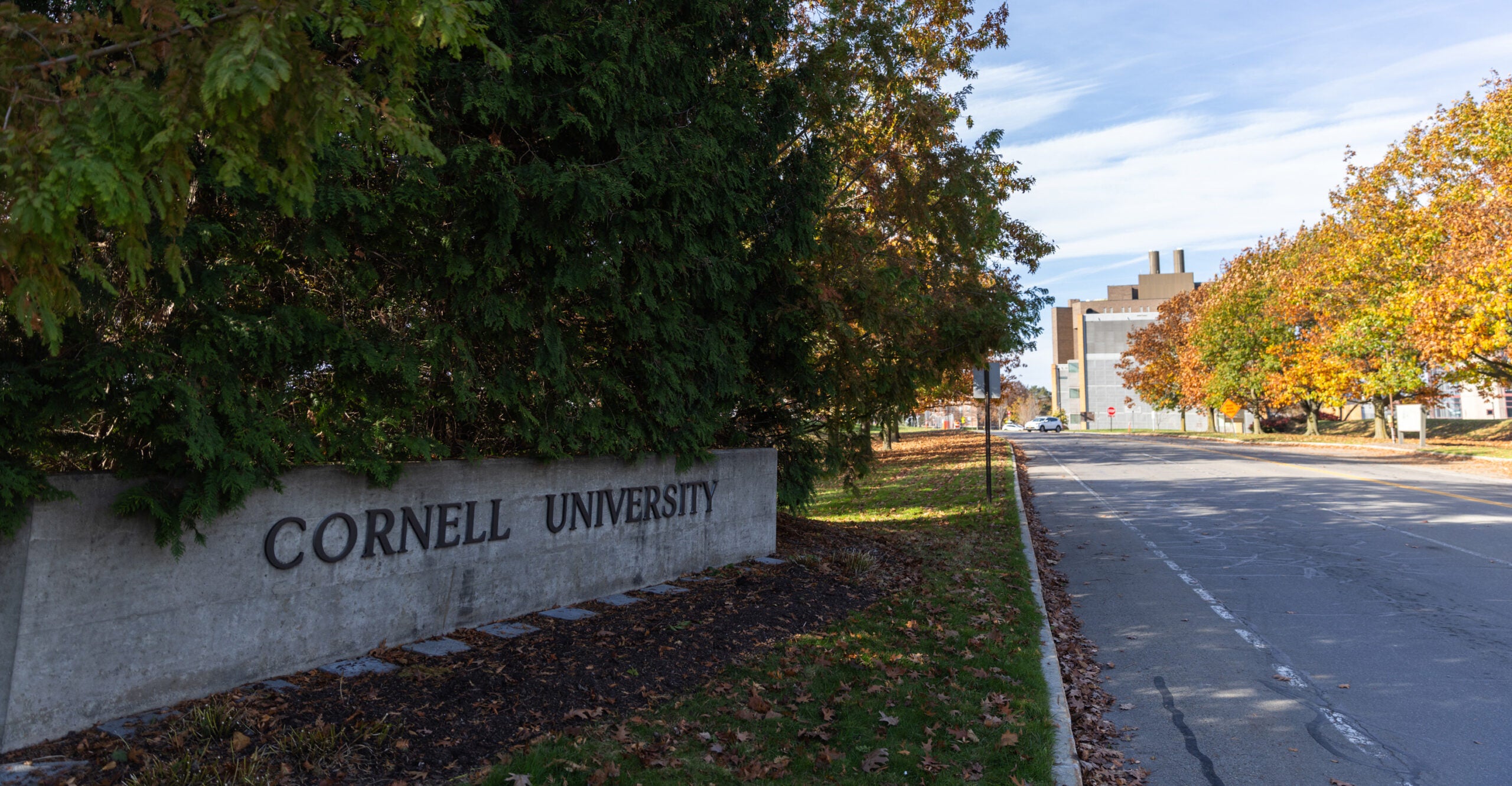
A day of reckoning has come for higher education. In the past four years, acolytes from America’s most prestigious universities not only continued their project of indoctrination on their own campuses, they also attempted to transform the whole country into a grander version of the higher education insane asylum. From tearing down history to defunding the police to promoting diversity, equity, and inclusion over merit and enforcing it with bureaucratic apparatchiks to suppressing speech in the name of tolerance, wherever the Democratic Party took power, there have been attempts to replicate the toxic culture of college campuses. With the change in the cultural tide has come a forceful de-wokification of government and corporate institutions. But what about the belly of the beast? What about in the woke madrassas themselves? Jack Fowler at National Review wrote about how alumni at Cornell University are organizing for the February elections (Feb. 1 to Feb. 28) to place two members on the 64-person board of trustees. “Some concerned graduates are refusing complacency while the university board relentlessly rubber-stamps the administration’s ideological obsessions, tarnishing the once-prestigious brand,” Fowler wrote. Cornell, like many other campuses and Ivy League schools, was hit by waves of anti-Israel protests that turned highly disruptive over the past year. Some students at the school called the administration’s response “weak.” I know for a fact the administrators are weak. In 2022, the school removed a bust of Abraham Lincoln from the Cornell University Library after somebody complained about it. Typical of many leftist institutions, they have been extremely hesitant to punish Democratic Party-linked activist groups, even in cases where protests get violent. That’s par for the course. The trustee elections are hardly free and democratic. The school doesn’t allow alumni candidates to actively campaign or tell others what their platforms are. The university polices all materials and information they send to alumni groups. They’ve essentially put a gag order on any candidates running who aren’t outright endorsed by the school administration. Even allowing two dissenters on a board of 64 people is apparently too much for them to handle. Fowler wrote that “the process for this election is another example of Cornell’s obtuseness, the administration’s fierce objection to dissent, and its unspoken rule for a board that exists to follow rather than lead.” The Alumni Free Speech Alliance, an organization that’s been active on more than 30 college campuses and is quickly growing in influence, has made a plea to Cornell to change its ways or face oblivion. The Alumni Free Speech Alliance published an open letter on Wednesday explaining why Cornell’s election rules are a joke and why the school’s mismanagement is damaging the institution’s reputation. The letter cited weak leadership, erosion of free speech, rampant antisemitism, and nonexistent viewpoint diversity at the school. “The student newspaper reports that a 99.5% pure monoculture dominates Cornell’s faculty and staff—creating unhealthy and grossly lopsided political alignments,” the letter read. “An atmosphere of GroupThink breeds a professoriate which is ‘exhilarated’ by the murder of innocent Israelis and indoctrinates students with one-sided dogma.” The trustee election could be won with 3,000 votes, the Alumni Free Speech Alliance wrote. The alliance made a final plea for reform: Like other Ivy League and elite schools across America, Cornell University is now in serious trouble. The current Administration and Trustees seem helpless in the face of the reputational decline Cornell is now experiencing—by being wedded to policies that have pushed the university far down the wrong road. Cornell needs new leadership. Cornell needs its alumni to step up. Cornell needs your help NOW! Will the administration listen and change course? It’s doubtful. In the past, it didn’t need to listen to criticism. For a generation, Ivy League schools such as Cornell have essentially blown off demands for free speech and ideological diversity. They are institutions by, for, and of the Left. In the past decade, they’ve essentially dropped any pretense of evenhandedness. It worked because higher ed is a feeder for all other elite institutions that are keenly interested in maintaining their privileged status. They were free to act as imperiously as they wanted to because they knew their access to wealth and power was unassailable. However, they may not be able to simply ignore disgruntled alumni anymore. Americans are angry. They’re tired of funding and essentially underwriting institutions that seem to be providing net negative value to American society. There is a real danger that they will now be bludgeoned from the outside. Taxpayers aren’t too keen on bailing out student loans unless the universities themselves pay up. There have been proposals in Congress to tax university endowments. One such piece of legislation was sponsored by former Ohio senator Vice President JD Vance. If the universities were wise, they would open themselves up to miffed alumni. They would provide a little more balance in their faculty. They would abandon their obnoxious, malignant, and in many cases downright illegal DEI programs. They would throw a bone to disgruntled alumni and at least pretend they are listening to demands for change. That would be the shrewd move as their power wanes and their opponents now hold the sword of Damocles over their heads. But you won’t find much wisdom in our modern-day institutions of higher learning. They appear to be constitutionally incapable of reforming from within and are arrogant enough to think they can remain impervious to criticism. Some institutions, such as Harvard, are gearing up for a legal fight against the Trump administration. At least they are paying enough attention to know what way the winds are blowing. A storm has been brewing outside. The cultural vibe shift is real. If Cornell and other institutions of higher education insist on changing nothing, or acting like the cultural revolution of 2020 is still in effect, they are going to face a lot worse than an alumni revolt. The post Higher Education Must Reform—or Else appeared first on The Daily Signal.
Like
Comment
Share
Homesteaders Haven
Homesteaders Haven
1 y

How to Plant and Grow Onions From Seed, Sets, or Seedlings
Favicon 
homesteadandchill.com

How to Plant and Grow Onions From Seed, Sets, or Seedlings

Homegrown onions are the best! Come learn how to grow onions from seed, seedlings, or sets. This guide will teach you everything you need to know, like how to choose the best onion varieties for your garden, how to start onions from seed, when and how to plant onions (including in containers), and ongoing care. We’ll also cover how to harvest, cure and store onions too. With these tips, you’ll be harvesting your own big beautiful onions in no time!As strange as it may sound, onions are one of my favorite crops to grow. They’re fairly fuss-free, last a long time in storage, and are really versatile to use in the kitchen. In addition to using fresh onions for cooking, I also love to make onion powder, quick pickled onions, use them in homemade fire cider and more! NOTE: This article was originally published in February 2021.I think homegrown onions are beautiful – and very rewarding to grow!Disclosure: Homestead and Chill is reader-supported. When you purchase through links on our site, we may earn an affiliate commission. Growing Onions: An OverviewYou can grow onions from seed, seedlings, or small bulbs called “sets”. Onions are usually planted in early spring and harvested in summer to early fall. In some locations, they can grow over winter too. After sprouting, onions take three to five months to reach a mature storage size, depending on climate and variety. However, you can harvest onions to eat fresh at virtually any stage. Onions love full sun, consistent moisture, and moderately rich but well-draining soil. Onions don’t attract many pests – they actually repel them! This makes onions great companion plants. Planting the right variety of onion for your location is paramount to success! Learn more about short day, long day, or intermediate day onion varieties below.When to Plant OnionsOnions are generally considered a cool season crop because onion seedlings like to start their life when conditions are still cool. Then as the weather warms up, they switch to focus their energy on bulb formation.Spring is the best time to plant onions in most places. If you hope to grow onions from seed, be prepared to get a jump start and plant seeds during winter (about 8 to 10 weeks before your last spring frost date), discussed more to follow.We’ve created handy planting calendars that show exactly when to start onion seeds indoors, plant seedlings outside, or direct sow seeds outside for every growing zone! Gardeners with mild winters can also plant onions in fall to harvest in the winter or early spring (starting from seed in late summer). Here on the temperate Central Coast of California, we can grow onions essentially year-round! In colder climates, it’s also possible to plant onion sets in fall, allow them to overwinter, and harvest mature onions in the spring to early summer. In that case, plant onion sets when the soil is still warm – at least a month before your first fall frost date. That gives them time to establish healthy roots before they go dormant for the winter. Add mulch over winter for protection.If you need a planting calendar, get one here! We’ve created free printable calendars for every USDA hardiness zone.Types of OnionsWhether you prefer red onions, white onions, or sweet yellow onions, they all have similar growing requirements. However, different onion varieties have varying storage potential, so be sure to read descriptions if you hope to store them long-term! Onions are called different things depending on the age they’re harvested. For instance, before forming large bulbs, immature onions may be picked and used as green onions – also known as scallions. If you allow them to mature a little longer and form a modest (but still underdeveloped) bulb, then they’re considered spring onions! In addition to size and color, different onion varieties are further classified as either short-day, long-day, or day-neutral onions – explained below. A handful of immature Walla Walla onions – usually grown as large dry onions, but we planned poorly and needed to clear their bed for other priority crops, so… we had Walla Walla spring/green onions! Perfect to eat fresh, or turn into onion powder.Short-day, long-day, and day-neutral onionsOnions are categorized as short-day, long-day, or day-neutral depending on the number of daylight hours required to trigger good bulb formation. So, a key to successfully grow onions is to choose the right variety of onion to plant for your specific location and latitude! Otherwise, onions may fail to grow bulbs.See the map below too see what type is best for you. If you’re located close to a boundary, have fun experimenting with a wider variety.Short-day onions form bulbs once daylight hours increase to 10 to 12 hours per day. They are ideal for southern gardeners (south of the 35th parallel) where daylight hours are consistently shorter throughout the growing season compared to the longer days up north. If grown in the north, short-day onions may go to flower too early in the season as the days become increasingly longer – resulting in stunted, small bulbs. Short-day onions are rumored to be sweeter than long-day. Some popular varieties of short day onions include Red Burgundy, Grano, White Bermuda, Southern Belle, and ‘Yellow Granex’ (also known as Vidalia). Long-day onions form bulbs once they’re provided 14 hours of daylight or more. Without sufficiently long days, they’ll stay small and stunted. Long-day onions perform best in the northern half of the US and Canada, north of the 35th parallel. Yellow Sweet Spanish, Walla Walla, Calibra, Southport White Globe, Rossa di Milano, Red Baron, Red Carpet, Cortland, and Sweet Spanish White are a few awesome long-day onion varieties. Day-neutral or “intermediate day” onion varieties form bulbs with 12 to 14 hours of daylight, and are perfect for folks gardening in the middle latitue across the United States. Check out these intermediate day onions: Cabernet, Gladstone, Sierra Blanca, Talon and Red Amposta. Where each type of onion grows best. The black star shows where we’re located, on the California Central Coast, almost right on the 35th parallel. According to this graphic we should be growing short day onions, but we grow stellar long-day varieties too! So, if you’re close to a latitude border or in the central “intermediate” area, don’t be afraid to experiment. Thanks for the great map, Johnnys Seed!Starting with Onion Seeds, Seedlings or “Sets”There are three main ways to grow onions: from seed, seedlings, or by purchasing onion sets. Every gardener has their preference between the three! We personally like to grow onions from seed, or from seedlings we buy at a local nursery. Onion sets are the most finicky and likely to have issues.Growing onions from seed is easy to do, and allows you to choose the exact varieties you want to grow. Onion seedlings are like tiny tender green onions, recently started from seed (within the last couple months). If you don’t grow your own, you can often find onion seedlings at your local garden center. Purchasing and planting onion seedlings will give you a head start over seed.  Onion ‘sets’ are small, dry, immature onion bulbs that were grown from seed the previous year. They are allowed to partially develop, then are harvested as a tiny bulb and kept dormant to later sell or plant as “seed” – though they’re not really a seed. Because they’re on their second year of life (and onions are biennial), onion sets have the tendency to bolt more readily or result in small, underdeveloped bulbs. So if you’ve ever planted onion sets and failed, try growing from seed or seedlings instead!TIP: If you’re growing onions from sets, either order online or visit a small locally-owned nursery. Big box garden centers are notorious for selling the wrong varieties for the given area! Onion seedlings on the left, sets on the right. Growing Onions from SeedTo grow onions from seed, you can either start seeds indoors, sow seeds directly outside, or use the winter sowing method (depending on where you live). To get a jump start on the growing season, I prefer to start onions indoors. Then we have onion seedlings ready to transplant in the garden right away in spring. Northern gardeners with short growing seasons should also start onion seeds indoors, since planting seeds outdoors won’t give the onions enough time to mature.Option 1: Plant Onion Seeds OutsidePlant onion seeds outside in late winter to early spring, once the ground is no longer frozen and can be worked in your area. Read the soil preparation and site selection tips below before you start, and check your zone’s planting calendar to see if you can also direct sow onions in the fall.  Sow onion seeds approximately 1/4 to 1/2″ deep and about 4 inches apart. Cover the seeds lightly with soil, and maintain damp to promote germination. (Note that germination rates will be slower and less consistent compared to indoors) Once they sprout, thin to one onion seedling per 4 inches to avoid crowding. Option 2: Starting Onion Seeds IndoorsStart onion seeds indoors about 8 to 10 weeks before the last spring frost date in your area. Follow common best practices for starting seeds indoors: use a fluffy seed starting mix, keep the soil damp but not soggy, and provide at least 12 hours of bright light per day after germination. You’ll need a few supplies such as seedling trays, small containers or pots, and a grow light or other supplemental light fixture. To maximize space, I like to plant about 6 to 12 onion seeds per seed starting container or cell and then gently tease them apart later at planting time. Onion seeds will readily sprout in consistently warm soil (70-75°F, a seedling heat mat will help!) but then can be moved to a cooler spot in the 60s.   Once the onion seedlings reach 5 or 6 inches (or taller), trim the tips of their greens down to 3 or 4 inches. This encourages thickening, stronger root development, and prevents them from flopping over. Eat those trimmed bits as green onions! See transplanting tips below.RELATED: See our complete guide on how to start seeds indoors for more details and our favorite supplies. Trimming the greens on our homegrown onion seedlings. Note how we grow several onions in each little cell/container, and will gently pull them apart later to plant individually.Trimmed onion seedlings = tasty green onions! Option 3: Winter Sowing MethodA final option is to use the ‘winter sowing method’: when you plant onion seeds inside a covered container outside, almost like a little mini greenhouse. (See photo below.) Winter sowing combines the pros and cons of the other options: you won’t get quite the same early advantage as starting indoors, but it’s almost as low-maintenance as directly sowing seeds outside. To grow onions with the winter sowing method, start onion seeds outdoors during the winter – between late December to February in most locations. The seeds will stay dormant while its cold but sprout in spring once the conditions are right. Then, you can transplant the already hardened-off seedlings to their final location in the garden. Choose a wide shallow container with drainage holes that can be covered with a clear or opaque dome or lid (or, one that already has one). Add at least a couple inches of seed-starting soil to the bottom, evenly sprinkle onion seeds inside, and then lightly cover the seeds with about ¼ to ½ inch of soil. Add at least one or two air holes for ventilation to the cover. Set the container in a sunny location, water as needed to maintain the soil damp, and wait for the seeds to germinate. Once the seeds sprout, open the container lid on warm days (but close them back up on cold nights). If snow or a hard frost is a threat, move the container to a protected location or cover it with a blanket for insulation. Old milk jugs, salad green tubs, or similar containers are a popular choice for winter sowing. Image courtesy of Joe Lamp’l. How to Plant Onion SetsFor the best results, choose the smallest bulbs you can find. Sets around a half-inch in diameter or smaller are ideal. Contrary to what you may think, bigger isn’t better! Experts say that larger onion sets are more likely to halt bulb development and bolt (go to seed and flower) sooner than more petite bulbs.  Plant onion sets in in the garden 2 to 4 weeks before the last spring frost date in your area. (Or, about a month before the first fall frost if you plan to overwinter them.) Space onion sets about 4 to 6 inches apart, depending on the expected mature size of the variety you’re planting.  Bury them deep enough that the bulb is mostly under the soil, but with the pointed tip level with the soil surface or just poking out.Planting onion sets.How to Plant Onion Seedlings (Transplanting)Before transplanting, be sure to harden off indoor-raised seedlings to prevent transplant shock. (You can skip this step if you’re planting nursery seedlings or if you used the winter sowing method.)Transplant homegrown or nursery onion seedlings outdoors about 2 to 3 weeks prior to your areas last spring frost date. Gently tease apart or separate clusters of seedlings, taking care to break as few roots as possible. Create a slender hole that is deep enough to accommodate the seedling’s roots (I use a pencil or chopstick) and bury the seedling so the base is about a half-inch to an inch deep. Plant each onion seedling 4 to 6 inches apart, depending on expected mature size for the given variety. Or, plant them closer if you want to harvest them as green onions or small spring onions. Rather than making individual holes, you can also dig a long shallow trench and plant onion seedlings in rows. If you haven’t already, cut off the tips of the greens with clean scissors, which helps focus energy on growing a large onion bulb. Take the seedlings down to about 5 inches tall. Onion seedlings that have been hardened off can usually withstand a light frost, but need to be protected from a hard freeze. If needed, shelter young onion transplants with frost cover, cloches, buckets, or other protective insulation. Learn more about protecting crops from frost here.I always grow many onions seedlings together in a clusterGently teasing them apart, taking care not to break too many roots.Tuck the roots in the hole, then gently backfill around the small bulbous base.Or, plant onion seedlings in a trench row and gently backfill over them.Sun and Soil RequirementsPlant onions in a location that receives full sun, or at least 6 hours of direct sunlight per day. If your garden is on the shady side, choose short day varieties to encourage bulb development. Some varieties of green onions can also grow in partial shade.Onions grow most happily in moderately rich, well-draining soil. Amend heavy clay soil with organic matter (e.g. compost) or potting soil to improve drainage.Fertilizing OnionsBefore planting, amend the soil with a balanced, mild, slow-release organic fertilizer. I also recommend lightly working in well-aged compost and/or worm castings to the top couple inches of soil. Avoid high-nitrogen fertilizers. Excess nitrogen will encourage ample green top growth, but at the expense of the bulb.It’s also a great idea to inoculate the soil with mycorrhizae, either by applying some to the soil or watering with a mycorrhizae solution after transplanting. Mycorrhizae are beneficial fungi that promote healthy root development and nutrient uptake for all plants. However, onions are especially reliant on root-mycorrhizal partnerships to take up phosphorus that’s essential for their growth!During the growing season, we also water our onions at least once with homemade compost tea to provide extra nutrients. Or you can use dilute fish fertilizer, watered in once they start to form bulbs.WaterOnions have shallow root systems, so it is important to keep them well-watered. A lack of consistent water will result in smaller onion bulbs. We use automated drip irrigation in all our raised beds. The onions (and all the other plants in the garden) love a consistent watering schedule!Adding a layer of mulch around the onions is an excellent way to prevent the soil from easily drying out. We love to use compost as mulch. It is dual purpose since it helps feed the soil as well as retain even moisture.Remember, good drainage is crucial too. Soggy soil or standing water increases chances of onions rotting.Happy, healthy young onions with a layer of mulch on top.Growing Onions in ContainersOnions are easy to grow in pots too. In addition to raised garden beds, we’ve planted onions in various containers over the years including in Earth Box planters, 15-gallon grow bags and half wine barrel planters.To grow onions in a pot, follow the same tips provided in this guide: use moderately rich but well-draining soil (such as quality potting soil), provide full sun, routine water, and mulch to prevent the soil surface from drying out.Ensure the container has excellent drainage since onions will rot if the soil becomes water-logged. A simple moisture meter can help you determine how wet (or dry) the soil in your pot is before watering again.FAQ: What size pot is best for onions?That depends on how many onions you want to grow! Keeping in mind that onions should be spaced 4 to 6 inches apart, I recommend using a wide container with ample surface area (as opposed to a deep narrow pot) to maximize the number of onions you can plant. Onions have fairly shallow roots, but choose a pot that is at least 8 to 10 inches deep.Onion Pests and DiseaseVery few pests are attracted to onions. Rather, onions and other alliums actually repel many pest insects! On the other hand, onions are susceptible to a number of diseases including botrytis, bacterial rot, and downy mildew. Using good crop rotation practices is key to preventing onion disease. We also search out varieties that are described to have good natural disease resistance – particularly those resistant to downy mildew, which is common in our garden. See a complete list of onion diseases and control measures here.Growing Onions as Companion PlantsOnions make excellent companion plants in the garden! Since they naturally deter pest insects including aphids, flea beetles, cabbage loopers, ants, and carrot rust flies, onions can be interplanted among other pest-prone crops to help provide natural, organic pest control. For example, we’ve had success keeping our Swiss chard plants almost completely aphid-free (usually a big issue) by tucking miscellaneous onions between them.RELATED: See our printable garden companion planting chart for more ideas and information.Interplanting onions between Swiss chard and other pest-prone leafy greens. Onion Flowers and BoltingAn onion will grow a large flowering spike for a couple different reasons. One, if a mature onion is left to sit in the garden too long past it’s prime harvest window, it will then start to flower with the intention of producing seed. Onions may also prematurely send up a flowering stalk (even before it forms a nice bulb), also known as “bolting“. Onions usually bolt in response to stress, triggered by a sudden cold snap, extreme heat, drought or inconsistent water, or insufficient daylight.If your onions go to flower, don’t stress! You can still eat around the tough center of the onion bulb. However, flowering onions won’t last well for long-term storage, so they’re prime candidates to make onion powder to preserve them! Removing the flowering stem can also help an onion re-focus on bulb development. We often just leave a few onions to flower in the garden. They’re beautiful, and the pollinators love them.Sometimes we let a few onions go to flower so the bees can enjoy them, and so we can also enjoy their beauty! Harvesting OnionsYou can technically harvest and eat onions at any stage. I love popping outside to pick a fresh young onion (or even just a couple greens) for dinner as-needed! Yet for maximum storage potential as dry bulbs, you must allow them to grow until they reach full maturity and then properly cure them.Onions are mature and ready to harvest once the bulbs reach the expected size for that variety, and the green tops gets weak, thin, and start to flop over just above the bulb. The greens will also start to turn yellow or brown, especially at the tips. If your onion tops don’t start to fall over on their own but you want to harvest them soon (e.g. they’ve reached a mature size, but freezing weather is in the forecast) you can also manually bend or push the stalks over a few days prior to harvesting to expedite the process.When the time is right, harvest onions by gently pulling the onions up out of the soil. Then leave them lying out on top of the soil to dry for a day or two in the sun. Also leave the roots and tops intact! Don’t cut those off until after curing. Onions are susceptible to bruising, and take care to not accidentally puncturing the skin or flesh. They won’t hold up in storage if damaged. Onion tops flopping over, a sign of maturity and time to harvest.After harvesting our onions, laying them out in the “field” (on top of the garden bed soil) to dry for several days – before relocating them to a drying rack to finish curing.How to Cure OnionsCuring onions is the process of allowing them to finish drying and sealing after harvest, which is essential for onions to last in long-term dry storage!In very hot, dry climates, those couple days onions spend lying and drying in the field after harvest may be sufficient curing time. Yet most gardeners further cure their onions by relocating them to a dry, shaded, well-ventilated area for 7 to 10 days. You can cure onions in a drafty garage, carport, patio, shed or even right outside (as long as it isn’t too humid).Hang onions from a homemade drying rack, or lay them out flat on a wire rack or screen. Curing onions on a solid tabletop can also suffice as long as there is ample air circulation. Again, take care not to ding them up in the process. As onions cure the roots will shrivel up, and the greens will dry and form a seal at the top of the onion bulb. Once they’re nice and dry, trim off the roots and tops before tucking them away for long-term storage.Our onions drying and curing in the shade. Our DIY potting/greenhouse benches double perfectly as a drying rack. You can create something similar with wire panels or fencing (with small enough openings) as well.How to Store OnionsStore cured onions in a cool, dark, dry location with decent airflow. For example, in wire baskets or cardboard boxes in a spare closet or cabinet, root cellar, basement, or similar temperate location. We store our onions, garlic, and winter squash on this nifty harvest storage rack in a a cool (north-facing) guest room closet.Flowering onions or dry onions that were not cured as well (or at all) should last at room temperature for several weeks, but they’ll last longer in the fridge. Be sure to use up any dinged or bruised ones first.Store immature onions (green, spring, scallions, etc) in an airtight container in the refrigerator for maximum freshness. Preserving OnionsIn addition to long-term dry storage, there are a number of ways to preserve onions. We love to make homemade dried onion powder, especially with immature onions or those that have started to flower and thus can’t be cured. We even dry the green tops for powder! Another great option for preserving onions is to make quick pickled onions. They’re awesome on top of salads, sandwiches and more.And that is all you need to know to successfully grow onions!Well friends, I hope you learned a few new tips that will enable you to grow big, beautiful, flavorful onions of your own! In all, they’re quite low-maintenance and fun to grow, especially once you figure out what varieties grow best in your area. Let me know if you have any questions in the comments below! If you found this information to be valuable, please spread the love by pinning or sharing this article. See ya next time!You may also like:How to Plant and Grow Garlic: The Ultimate Guide Preserving Onions: Oven-Roasted Onions for the Freezer Best Creamy Roasted Cauliflower Soup Recipe (Vegan Options + Freezer Tips) How to Make Chive Blossom Vinegar + 8 Ways to Use it Did you enjoy this article? Want to hear more? Stay in touch! Sign up below to receive weekly updates on new posts from Homestead and Chill. The post How to Plant and Grow Onions From Seed, Sets, or Seedlings appeared first on Homestead and Chill.

Like
Comment
Share
Homesteaders Haven
Homesteaders Haven
1 y

27 Campfire Recipes For Your Next Camping Trip | Homesteading
Favicon 
homesteading.com

27 Campfire Recipes For Your Next Camping Trip | Homesteading

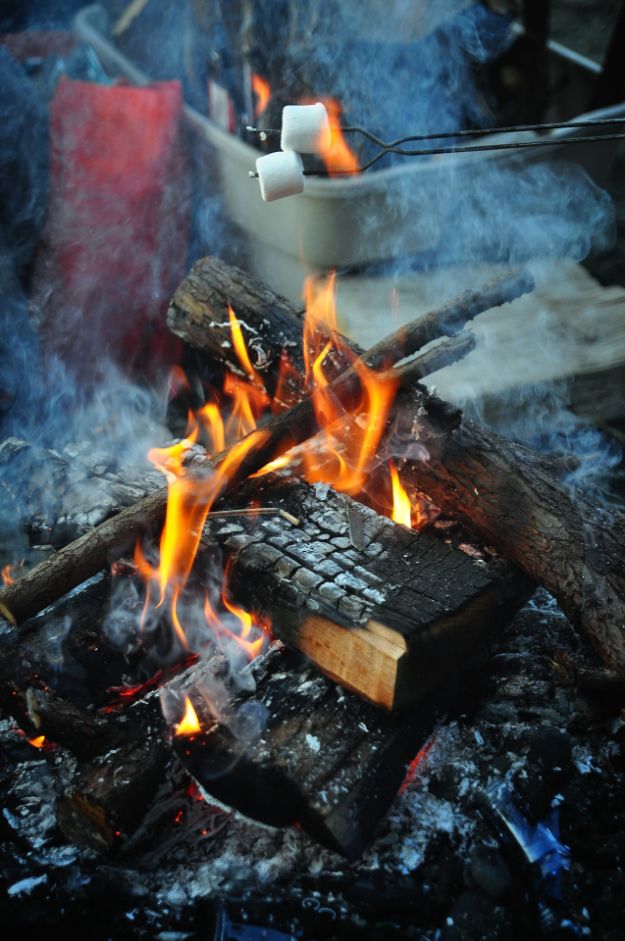
Do campfire recipes really have to consist of burgers and corn on the cob every night? Not really. It's time to mix things up! Whether you will prepare your meals the night before your camping day or not, campfire foods are made easy for you to prepare and devour. Before planning your next camping trip, or bug out, be sure to check out these scrumptious campfire recipes. Campfire Recipes to Enjoy in the Great Outdoors   1. Baked Beans and Bacon | Start with bacon and your favorite beans in your camping activity. You can be creative in placing the bacon on top of your baked beans to make the dish more fun and exciting to eat. But, don't limit to bacon and beans only because you can sweeten it up with brown sugar plus some apple slices. 2. Roasted Cinnamon Rolls Make your outdoor morning filled with the sweet scent of cinnamon rolls. Just twist the spiral dough around the other end of your stick and pinch the ends to make sure it won't fall off when roasting. Finally, roast it over a fire just like roasting a marshmallow on a stick. 3. Banana S'mores Of course, a s'mores recipe is always on your campfire recipes list. To make it more tempting, put a twist on the classic recipe by using bananas instead of graham crackers. Wrap them with aluminum foil, grill, and enjoy! 4. Cheesy Dutch Oven Potatoes Do you love potatoes? You can have one of these dutch oven recipes in the woods and enhance these recipes by adding more cheese. Add some bacon to the dish and mix salt and pepper to taste. Have a blast! 5. Sunrise Breakfast Bowl | The only campfire cooking equipment you'll be using in this recipe is a muffin pan. Prepare some slices of whole-grain bread, eggs, bacon, and butter, then create a savory breakfast on your family camping trip. Your kids will surely love this egg-cellent campfire recipe. 6. Blueberry Orange Muffins Your kids will love making this delightful campfire dessert. Do your part in mixing the blueberry muffin and instruct your kids to fill up the empty oranges, cut in half and flesh removed (only use the other half of each orange), with the blueberry mix. Cover the orange half with the other half and wrap them with aluminum foil, and these babies are ready for tossing over the fire. 7. Classic Campfire S'mores You can always go back to making the traditional campfire s'mores. Gather all your ingredients, graham crackers, chocolate bars, and large marshmallows together for some yummy s'mores. 8. Biscuit Campfire Donuts Campfire donuts are one of the easiest campfire recipes you can make. Prepare your biscuit dough and dip fry the donuts to golden brown perfection then sprinkle cinnamon sugar to make them more delicious. 9. Coconut Curry Soup How about making a soup recipe in one of your camping meals? Sounds good! Before camping, separate cayenne, curry powder, bouillon, and coconut cream powder from your noodles and dehydrated veggies. Cook this dish and let your friends or family experience a comforting campfire meal. 10. Campurritos Jazz up your potatoes with lots of cheese on your next outdoor trip. This savory campurritos won't allow you to miss eating potatoes even in camping. Don't forget to add some sausage and tortilla shells for a merrier campfire meal with everyone. 11. Campfire Paella | This campfire paella recipe is perfect to warm the whole family on a cold night. For this recipe, you need chorizo sausages, chicken thighs, prawns, and Arborio rice as your main ingredients. If you're a vegan, replace the meat with tofu cubes and it will be as tasty and satisfying. 12. Hot Whiskey Complement your camping food with a hot whiskey. Pour some whiskey in a glass and mix it with hot water. Complete the recipe with lemon and honey to make it more relaxing. This method is also a natural mosquito repellent! 13. Curly Dogs | Bread and hot dogs are meant to be. You can always bake them on camping for everyone. You just need to roll and twist the dough around the hotdogs and start baking them. 14. Grilled Potato Boat | Here's another potato recipe to add to your campfire menu This grilled potato boat will be more delightful when you add butter, cheddar cheese, and bacon strips. Pair it with some sour cream to taste an amazing camping meal. 15. Campfire Apple Crisp Campfire Apple Crisp Breakfast Photo by Faring WellCreate a crispy twist with your apple recipe. The added oats, chopped almonds, hemp seeds, and maple syrup will make this apple crisp more enticing. Not only that, it's also a healthy meal which will inspire you to keep going for the day. 16. Sausage and Fennel Grilled Campfire Pizza | Pizza party while camping? Why not? Here's a recipe for you! This wood-fired pizza recipe creates a mouth-watering combination of a smoky and crispy crust. Top the pizza with fennel and sausages and make camping a pleasurable activity. 17. Mixed Mushroom Hobo Pack Try this mixed mushroom hobo pack while camping. This recipe brings an earthy deliciousness which perfectly fits your outdoor activity. Just combine mushrooms, dill, and garlic together, wrapped with aluminum foil, and cook it over a campfire. 18. Dutch Oven Caramel Apple Pie Dutch ovens are quite popular among campers and here's a dutch oven recipe you shouldn't miss. This apple pie recipe is made more tasty with some cinnamon rolls. Nothing's more exciting eating a warm apple pie while staring at the starry night sky. 19. Campfire Quesadilla If you get tired of your camping activities and don't have the energy to cook food, this campfire quesadilla is your savior. Your key ingredients are mushrooms, corn, jack cheese, and tortillas to make this amazing recipe. Let it cool a bit and you're all set. 20. Pineapple Upside Down Cake Time for a tropical dessert! Gather pineapple chunks, pound cake, butter, and cinnamon to create this awesome recipe. It's just easy to cook, even your kids can do it. 21. Hot Ham and Pineapple Sandwiches This tin foil recipe is easy and simple to make with French rolls, deli sliced ham, pineapple rings, Dijon mustard, cheese, and honey. The crispy exterior of the sandwich will complement its soft inside. 22. Campfire Chicken Stew A chicken recipe is always on the go for camping. This chicken stew creates an equally good flavor, great for warming your tummy on a cold night. Potatoes, sliced carrots, and mushroom soup make this recipe worth the wait. 23. Lamb Kebabs with Mint Pesto Try something new with lamb kebabs. This brownish meat is made by mixing some flavorful spices, like coriander seeds, bell peppers, and red onion, to come up with the right flavor. Also, pesto is created with fresh mint leaves for a healthier and delicious dip. 24. Apple Pie On A Stick | Be creative with your apple pie! This apple pie placed on a stick has a filling made of butter, thinly sliced apples, lemon juice, and a caramel. It's filling is covered with a tasty crust you can't resist. 25. Campfire Cone If you have a cone, it doesn't mean you need an ice cream to fill it in. This campfire cone is made even better with peanut butter, mini marshmallows, chocolate chips, and bananas. Enjoy this ice cream-like recipe without literally getting an ice cream! 26. Campfire Nachos End your camping day with some cheesy nachos. You'll need tortilla chips, Mexican cheese blend, avocado, and lime. You have the option to mix some other fresh or canned ingredients and have it your way. 27. Mini Quiche This only requires a few ingredients like Swiss cheese, spinach, your favorite filling, and pie crusts. You can combine bacon bits, mushrooms, and ham to make a toothsome filling. Enjoy your mini cheese quiches with the whole family during snack time or as late-night treats.   Do you want more campfire recipes? Press play the video below from BuzzFeed Nifty:  Now go, master these campfire recipes and you'll be way ahead of the game in an emergency situation. These recipes are made easy and delicious to make the most out of your camping experience. You have a wide variety of different campfire recipes you can make in every camping activity you'll do in the future. And, being a campsite chef will make your homestead family love the outdoors even more!   Looking for a campfire stove? The Biolite Campstove runs on mere twigs and will provide enough heat to whip up any of these tasty outdoor recipes! Click To Learn More   Do you have a favorite campfire recipe from the list? Share it with us in the comments section below! Up Next: 20 Cast Iron Skillet Recipes From Appetizers To Dessert | Homesteading  Follow us on Facebook, Instagram, Pinterest, and Twitter!   Editor's Note – This post was originally published on March 26, 2017, and has been updated for quality and relevancy.
Like
Comment
Share
Hot Air Feed
Hot Air Feed
1 y

Paramount Looking to Settle 60 Minutes Lawsuit with Trump (and CBS Staffers Are Upset)
Favicon 
hotair.com

Paramount Looking to Settle 60 Minutes Lawsuit with Trump (and CBS Staffers Are Upset)

Paramount Looking to Settle 60 Minutes Lawsuit with Trump (and CBS Staffers Are Upset)
Like
Comment
Share
Showing 57540 out of 117328
  • 57536
  • 57537
  • 57538
  • 57539
  • 57540
  • 57541
  • 57542
  • 57543
  • 57544
  • 57545
  • 57546
  • 57547
  • 57548
  • 57549
  • 57550
  • 57551
  • 57552
  • 57553
  • 57554
  • 57555
Advertisement
Stop Seeing These Ads

Edit Offer

Add tier


Select an image
Delete your tier
Are you sure you want to delete this tier?

Reviews

In order to sell your content and posts, start by creating a few packages. Monetization

Pay By Wallet

Payment Alert

You are about to purchase the items, do you want to proceed?

Request a Refund