YubNub Social YubNub Social
    #astronomy #nightsky #newyork #physics #moon #astrophysics #fullmoon #supermoon #planet #zenith #wolfmoon #moonafteryule #coldmoon #privacy #supermoon2026
    Advanced Search
  • Login
  • Register

  • Night mode
  • © 2026 YubNub Social
    About • Directory • Contact Us • Developers • Privacy Policy • Terms of Use • shareasale • FB Webview Detected • Android • Apple iOS • Get Our App

    Select Language

  • English
Install our *FREE* WEB APP! (PWA)
Night mode toggle
Community
New Posts (Home) ChatBox Popular Posts Reels Game Zone Top PodCasts
Explore
Explore
© 2026 YubNub Social
  • English
About • Directory • Contact Us • Developers • Privacy Policy • Terms of Use • shareasale • FB Webview Detected • Android • Apple iOS • Get Our App
Advertisement
Stop Seeing These Ads

Discover posts

Posts

Users

Pages

Blog

Market

Events

Games

Forum

History Traveler
History Traveler
1 y

10 Historic Small Towns in Arizona You Must Visit
Favicon 
www.thecollector.com

10 Historic Small Towns in Arizona You Must Visit

  If you’ve got a passion for history, then you’re in for a treat. Packed with charming small towns that ooze character and stories yearning to be discovered, Arizona will feel like paradise to you. In this article, we will help you find places where the spirit of the Grand Canyon comes alive, and you will have the chance to step into legendary streets where the Wild West feels just a heartbeat away. You will find below ten historic small towns in Arizona that you absolutely must visit! Let’s make history come alive!   1. Williams Grand Canyon Railway Depot in Williams, Arizona. Source: Flickr   This charming, historic, small town serves as a gateway to the Grand Canyon. It was founded in 1881 and played a significant role in the expansion of the Santa Fe Railway. This is thanks to Williams becoming a bustling railroad town. Its significance particularly grew when it became a key stop along the famous and iconic Route 66. This fact earned it the nickname “The Gateway to the Grand Canyon.”   History buffs, if you’re visiting Arizona, then you need to add Williams to your bucket list for several reasons. For instance, you’ll enjoy exploring the Grand Canyon Railway Depot. The latter still offers vintage train rides to the canyon. Taking one of these will allow you to relive the golden age of rail travel.   As for the historic downtown of Williams, which is lined with impressive 19th-century buildings, it is preserved to reflect its heyday, filled with old-fashioned diners, saloons, and neon-lit motels.   It’s also worth visiting the Route 66 Museum where you can learn about Williams’ role in the Mother Road’s history. Also, you can add Bill Williams Mountain to the list of places to visit in town. This is where you’ll see stunning views and hiking trails. The mountain, as well as the town, were both named in honor of Bill Williams, a renowned 19th-century frontiersman, fur trapper, and mountain man.   2. Tombstone O.K. Corral, Tombstone, Arizona. Source: Flickr   If you’re looking for a really legendary town in the American Wild West, then Tombstone is the place to be. Founded in 1879, it’s famous for its silver, which brought fortune-seekers to its dusty streets. This historic Arizona town is known as “The Town Too Tough to Die” thanks to its role in the notorious Gunfight at the O.K. Corral in 1881. This legendary shootout involved lawmen Wyatt Earp, his brothers, Doc Holliday, and members of the Clanton-McLaury gang. It was a 30-second standoff that left a permanent mark on Western lore.   As a history lover visiting Tombstone, make sure to head to the O.K. Corral itself. This is where reenactments bring the events to life. Another thing to do in this charming historic town is stroll down Allen Street. This one is lined with original 19th-century buildings, boardwalks, and saloons. Once a lively saloon and gambling hall, the Bird Cage Theatre remains preserved, complete with bullet holes from its wilder days. Another must-see in Tombstone is the Boothill Graveyard. This is where outlaws and lawmen alike are buried.   3. Oraibi A distant view in the Hopi pueblo of Oraibi from the southwest, Arizona. Source: Picryl   This is not only one of the oldest continuously inhabited settlements in Arizona but in the whole of North America. It dates back to around 1100 AD. It’s located in the Hopi Reservation on Third Mesa and holds immense cultural and historical significance as the cultural and spiritual heart of the Hopi people. The town is known for formerly being a thriving village and a central hub for Hopi life, known for its deep traditions. It was also famous for its intricate arts as well as agricultural practices that sustained the community for centuries.   History buffs visiting Oraibi: this town will offer you a glimpse into the ancient heritage of the Southwest. While not a conventional tourist site, you can explore some interesting sites in town, such as the nearby Hopi Cultural Center, where you can learn about Hopi history, traditional crafts, and the significance of Oraibi. Centuries-old ways of life can be explored through the surrounding mesas and pueblos, where you can witness stunning views of the region.   4. Jerome Douglas Mansion, Jerome, Arizona. Source: Wikimedia Commons   Perched on Cleopatra Hill, this historic mining town in Arizona is known for its colorful past and dramatic setting. Jerome was founded in 1876 and quickly became one of the richest copper mining towns in the U.S. Because of that, it attracted investors, fortune-seekers, and miners. At its peak, the town had a population of 15,000.   Due to Jerome’s bustling red-light district as well as its wild saloons, it was called the “Wickedest Town in the West.” The mines in the town closed in the 1950s, leading Jerome to nearly become a ghost town. However, it’s considered today a living museum with a vibrant community.   A history lover’s best spot in this old Arizona town is the Jerome State Historic Park, which features the Douglas Mansion. The latter is filled with mining artifacts as well as panoramic views of the Verde Valley.   As for the Gold King Mine Museum, it’s also a must-see, and it offers a look into Jerome’s industrial past. You can also explore the Jerome Sliding Jail, which, due to unstable land, moved 200 feet downhill. This site is a testament to the unique ecology of the town.   5. Bisbee Bisbee Mining Historical Museum, Bisbee, Arizona. Source: Wikimedia Commons   This former mining boomtown is nestled in the Mule Mountains and offers a rich blend of architectural beauty, history, and culture. After being established in 1880, Bisbee quickly became one of the world’s top producers of copper, gold, and silver. All of this earned the town the title “Queen of the Copper Camps.”   Bisbee kept flourishing through the early 20th century when it was attracting entrepreneurs and miners. However, when the mines closed in the 1970s, the town reinvented itself as a historical and artistic haven.   Today, the well-preserved Victorian and early 20th-century architecture of Bisbee makes it a living museum. History lovers visiting the town must head to the Bisbee Mining & Historical Museum, a Smithsonian affiliate. The latter showcases the mining heritage of this charming historic Arizona town.   Touring the Queen Mine is also a must. This is where guides who are former miners themselves will take guests deep into the underground tunnels. If you want to explore the wilder side of the town, then you should visit Brewery Gulch. This was once a lively district filled with saloons. Today, it’s home to unique shops and cafes.   6. Ruby One-room jail or calaboose in the ghost town of Ruby, Arizona. Source: Wikimedia Commons   This remote ghost town in Arizona provides a fascinating glimpse into the rough-and-tumble life of early mining communities in the Southwest. Ruby was founded in the late 19th century, and it was a thriving mining camp famous for its rich gold, silver, and zinc deposits. In the 1930s, at its peak, the town housed around 1,200 residents. However, the turbulent past marked by lawlessness and violence is what is best remembered of Ruby. For example, the town was the site of the infamous Ruby Murders of 1920-1922.   Nowadays, Ruby is considered one of Arizona’s best-preserved ghost towns. It offers visitors the special experience of stepping back in time. The old schoolhouse, the jail, and the mercantile store remain intact to this day. You can see these original buildings and enjoy the surrounding scenic landscapes when visiting the beautiful town.   Exploring the abandoned structures of Ruby will help you learn about the area’s mining legacy and the lives of the people who called Ruby home.   7. Chloride Ghost town of Chloride, Arizona. Source: Wikimedia Commons   If you’re looking for a town that offers you a glimpse into the Old West, then Chloride is the place to be. This historic mining town was founded in 1863 during the silver rush and quickly became a bustling hub for miners looking for fortune in nearby mountains. Chloride was home to several saloons, businesses, and hotels that catered to miners and their families. It had a population of over 3,000 residents at its peak.   You can explore today the remnants of this once-thriving community by visiting the Chloride Historical Society which operates as a museum. This is where you can see photographs, artifacts, and stories from the mining days of Chloride. A key landmark site you also need to visit in this Arizona town is the old Chloride Cemetery. This is where many early settlers are buried. As for the well-preserved Chloride Silver Mine, it offers guided tours that provide you with insight into the mining processes of the 19th century.   8. Tubac Presidio State Historic Park in Tubac, Arizona. Source: Wikimedia Commons   In 1752, this history-rich town was founded as a Spanish presidio. Tubac was originally established with the purpose of protecting the region from hostile forces. It later evolved into a bustling center for trade and culture. The town is today one of Arizona’s oldest continuously inhabited communities.   History enthusiasts have plenty to explore in Tubac. One of the most significant sites to see is the Tubac Presidio State Historic Park, featuring the ruins of the original Presidio as well as a museum detailing the colonial history of the area. As for the Tubac Arts and Crafts Festival, it celebrates the vibrant artistic community of the town and showcases works inspired by its rich cultural heritage.   When visiting Tubac, you can also wander the charming streets lined with adobe buildings, many of which were converted into galleries, shops, and restaurants. These buildings reflect the artistic spirit of the town. Another must-see is the historic San Ignacio de Tubac Mission, which dates back to the late 18th century. You will particularly enjoy visiting this site if you’re interested in early mission history.   9. Goldfield Goldfield Ghost Town Museum in Goldfield, Arizona. Source: Flickr   This fascinating Arizona ghost town once thrived during the early 20th-century gold rush. Goldfield was initially a bustling mining camp when it was founded in 1893. It used to attract prospectors and fortune-seekers to its gold-laden hills. While the town boasted saloons, a schoolhouse, and hotels for its over 1,000 residents at its peak, Goldfield fell into decline as gold deposits dwindled. This is why it eventually became a ghost town by the late 1920s.   Historic buildings and well-preserved ruins are what you’ll see when visiting Goldfield. This includes the Goldfield Ghost Town Museum, which provides you with insights into the life and struggles of the early inhabitants of Goldfield. You can also take guided tours at the Goldfield Mine, a former working mine. This will help you learn about mining techniques. On top of that, you can see during these tours artifacts from the bustling past of Goldfield. You can explore all of these historic sites in this charming Arizona town while enjoying the breathtaking backdrop of the Superstition Mountains, which adds to the beauty of historic Goldfield.   10. Ajo Downtown Ajo, Arizona. Source: Flickr   This former bustling copper mining town is nestled in the Sonoran Desert and is home to plenty of historical sites that tell the story of its rich past. The Ajo Mining Company Headquarters, for example, is a striking structure with its distinctive Spanish Revival architecture. Exploring this iconic site in Ajo will provide you with insight into the town’s mining heritage. You can also find nearby the historic Ajo Plaza, which features charming adobe buildings, a testament to early 20th-century community life.   The nearby Organ Pipe Cactus National Monument should also be on your bucket list when visiting Arizona’s Ajo. This historic landmark showcases stunning landscapes as well as remnants of ancient Native American cultures. If you want to learn more about the area’s cultural tapestry, then a good idea would be to visit the old Ajo cemetery. This is where you can find the final resting places of early pioneers and miners. This site tells the stories of resilience and community spirit.
Like
Comment
Share
100 Percent Fed Up Feed
1 y

Report Shows How Many Counties In Battleground State Have Shifted To Republican Since 2020
Favicon 
100percentfedup.com

Report Shows How Many Counties In Battleground State Have Shifted To Republican Since 2020

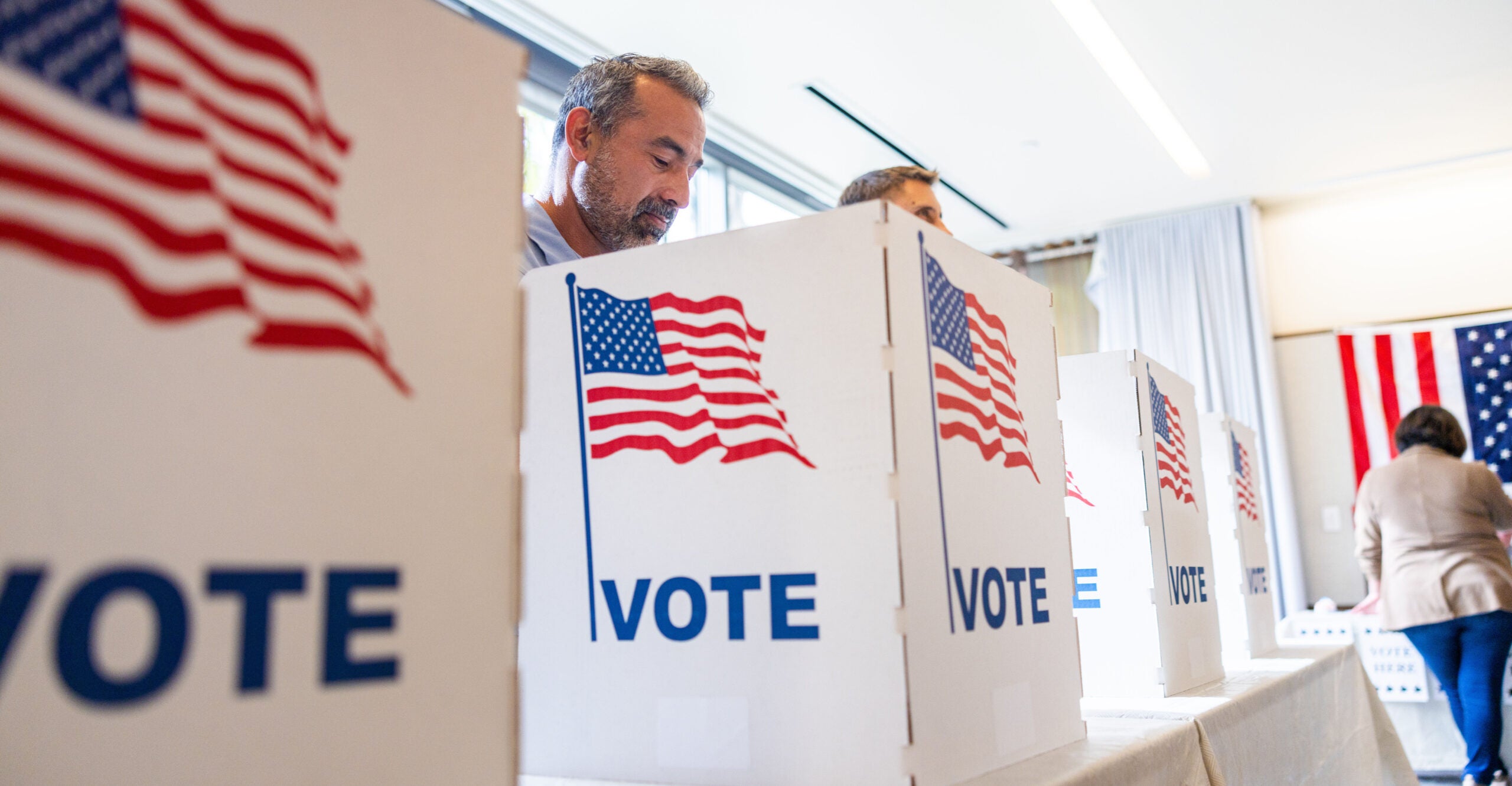
According to a report based on voter registration numbers, the overwhelming majority of Pennsylvania counties have shifted toward Republican since 2020. “PENNSYLVANIA – Change in Voter Registration by Party since 2020 63 of 67 counties shifted Republican, current as of 9/30/2024 update,” Seth Keshel writes. PENNSYLVANIA – Change in Voter Registration by Party since 2020 63 of 67 counties shifted Republican, current as of 9/30/2024 update pic.twitter.com/1p416eBoBm — Seth Keshel (@RealSKeshel) October 3, 2024 A closer look: Townhall reports: Although the Democratic Party has 338,000 more registered voters than the Republican Party, the left has lost nearly 5,000 voters since the primaries in April. Meanwhile, Bucks and Luzerne County have slowly turned red. Before the assassination attempt of former President Donald Trump in July, Democrats had the advantage in Bucks County. However, following the horrific attempt on Trump’s life, Republicans slowly took the lead. Meanwhile, in Luzerne County, an almost 2,000-voter lead on July 1 flipped last week to an 83-voter lead for the GOP. Breitbart highlighted that five Pennsylvania counties have flipped Republican since the 2020 presidential election. Report: Five Democrat Pennsylvania Counties Flip Majority Republican Ahead of Election – Breitbart pic.twitter.com/qUNTcYxbA9 — Ian Hansen (@IanHansensX) October 4, 2024 Per Breitbart: The counties that flipped Republican are just outside larger Pennsylvania cities in both the East and West parts of the state: Beaver: D+6.0 to R+2.5% (West of Pittsburgh) Berks: D+2.1% to R+2.5% (West of Allentown) Bucks: D+2.0% to R+0.5% (Southeast of Allentown) Fayette: D+6.5% to R+9.2% (South of Pittsburgh) Luzerne D=9.1% to R+0.2% (Southwest of Scranton) Republicans failed to secure key wins in recent Pennsylvania elections. Trump lost the state to President Joe Biden in 2020 by about 80,000 votes. Sen. John Fetterman (D) defeated Republican Dr. Oz by about 263,000 votes in 2022. Gov. Josh Shapiro (D) beat the GOP’s Douglas Mastriano by 790,000 votes in 2022. The losses caused Citizens Alliance, a grassroots organization, to launch an initiative in 2023 dubbed “Pennsylvania Chase” to increase Republican voter registration and mail-in voting results. “Our PA CHASE team in Philly has been targeting Bucks County, which scares the living daylights out of the Democrats,” PA Chase Chief Strategist Justin Greiss told Breitbart News. On Saturday, President Trump held a historic rally in Butler, Pennsylvania. The crowd total was estimated around 60,000. WATCH: #BREAKING: An estimated 60,000 people possibly more are expected at Trump’s rally this evening, as Elon Musk has just announced that he will be also speaking #Butler | #Pennsylvania Currently, thousands of people are gathering and waiting in long lines, having traveled… pic.twitter.com/TP2Reyd1OH — R A W S A L E R T S (@rawsalerts) October 5, 2024 WOW!! Look at the size of the crowd in Butler, PA. for Donald Trump's campaign rally today! Early estimates say there could be over 60,000 supporters there! pic.twitter.com/7kKx27KEDM — Conservative Brief (@ConservBrief) October 5, 2024 PURE BEAUTY! TRUMP FORCE ONE JUST FLEW OVER 60,000 PEOPLE AT HIS BUTLER, PA RALLY! PENNSYLVANIA IS TRUMP COUNTRY! The FAKE NEWS won't report this. Sure would be a shame if everyone shared this and it went viral! pic.twitter.com/e9ybAsBsZj — Bo Loudon (@BoLoudon) October 5, 2024 Will 2024 be a Pennsylvania red wave?
Like
Comment
Share
100 Percent Fed Up Feed
1 y

Democrats Reportedly Panicking Over U.S. Senate Race In Battleground State, Much Closer Than What Public Polling Indicates
Favicon 
100percentfedup.com

Democrats Reportedly Panicking Over U.S. Senate Race In Battleground State, Much Closer Than What Public Polling Indicates

According to Axios, Democrats are increasingly worried about a tightening race for the U.S. Senate in battleground Wisconsin between Sen. Tammy Baldwin (D-WI) and Republican challenger Eric Hovde. “Baldwin leads by just two points in internal Democratic polling, a source familiar with the campaign told Axios,” the outlet reports. Democrats are already on the cusp of potentially losing Senate seats in tight races in Ohio and Montana. Losing Wisconsin would be a disaster for Democrats and almost a guarantee they lose the Senate. Democratic fears emerge on Wisconsin Senate race https://t.co/eGj8OWPm4p — Axios (@axios) October 4, 2024 Per Axios: Democrats are on pace to be outspent by Republicans in the state every week until Election Day, with an infusion of around $20 million from GOP sources. A Baldwin loss to Republican Eric Hovde would probably doom any chance Democrats have of holding on to their Senate majority. Montana’s trouble for Democrats. Ohio and Michigan are toss-ups. But Wisconsin is supposed to be like Nevada and Arizona — a tight but safe-ish race, as long as nothing goes awry. Multiple Democratic sources told Axios there are “alarm bells” ringing in the state, arguing the race is much tighter than what public polling has shown. Report: Democrats are panicking about the Wisconsin Senate race. Supposedly Tammy Baldwin's internals only have her up by 2 points against Republican Businessman Eric Hovde. Via: Axios pic.twitter.com/Q7l0S6ZQP7 — The Calvin Coolidge Project (@TheCalvinCooli1) October 4, 2024 From The Guardian: On the campaign trail, Baldwin has made stops at farms and in rural areas, launching a “Rural Leaders for Tammy” coalition to make her case in areas of the state that tend to lean red. Issues like healthcare access and hospital deserts and subsidies for farmers form core aspects of her platform. She has highlighted populist-leaning bills, like one she drafted with JD Vance, the Republican senator and vice-presidential candidate, to require goods and services developed with federal dollars in the US to be manufactured in the US. She has even taken up issues that are less popular with liberals, like removing gray wolves from Wisconsin’s endangered species list – a move supported by some farmers but criticized by environmental and conservation groups. “She never shied away from going out into the countryside,” said Hans Breitenmoser, a dairy farmer from northern Wisconsin and a member of the Lincoln county Democratic party. “I think her message has resonated to an extent, because, you know, it’s not just all BS – she tries to understand the issues, and understands the issues at a level that some other politicians don’t.” For Hovde to win the seat, he will have to erode that support and hope for high turnout outside heavily Democratic areas like Milwaukee and Dane county, which have generated historic voter turnout in recent elections. Polling so far shows a close race, with Baldwin holding an approximately seven-point lead over Hovde, according to a poll conducted at the end of July by the Marquette University Law School. An earlier poll, conducted in June – before Joe Biden dropped out of the presidential race – showed Hovde trailing Baldwin more closely. “In the U.S. Senate race, Sen. Tammy Baldwin is supported by 53% to Eric Hovde’s 46% among registered voters. Among likely voters, the results are the same. These results include initially undecided voters who were then asked whom they would vote for if they had to choose. Among registered voters, when initially asked, Baldwin receives 48% and Hovde 43%, with 10% saying they are undecided. Among likely voters, 9% are undecided, while Baldwin remains at 48% and Hovde remains at 43%,” Marquette University stated this week regarding a new survey. However, a national Democratic strategist working on Senate campaigns said the race is much closer than the poll indicates.
Like
Comment
Share
Jihad & Terror Watch
1 y

Gee, I wonder who is trying to burn down all the churches in Canada?
Favicon 
barenakedislam.com

Gee, I wonder who is trying to burn down all the churches in Canada?

A massive fire has destroyed the historic Notre Dame des Sept Allégresses Church in Trois-Rivières, Canada. Since 2021, over 100 churches in Canada have been burned or vandalized. pic.twitter.com/U7C5qfwbvj — Harrison Faulkner (@Harry__Faulkner) October 4, 2024 The Quran has 123 verses that call for fighting and killing anyone who does not agree with the statement, […]
Like
Comment
Share
BlabberBuzz Feed
BlabberBuzz Feed
1 y

Surprise! Biden Shows Up To White House Briefing For First Time EVER...(See Video!)
Favicon 
www.blabber.buzz

Surprise! Biden Shows Up To White House Briefing For First Time EVER...(See Video!)

Like
Comment
Share
Living In Faith
Living In Faith
1 y

Love-based Obedience - First15 - October 6
Favicon 
www.christianity.com

Love-based Obedience - First15 - October 6

What I didn’t realize about God’s command to be obedient was the process by which I could grow in obedience. God will take our obedience however he can get it because he wants us to enjoy the incredible fruits of his perfect will, but his desire is always to love us to a place that our obedience would be a natural overflow of our love for him.
Like
Comment
Share
Conservative Voices
Conservative Voices
1 y

J.D. Vance’s Point of Departure for Peace in Ukraine
Favicon 
www.theamericanconservative.com

J.D. Vance’s Point of Departure for Peace in Ukraine

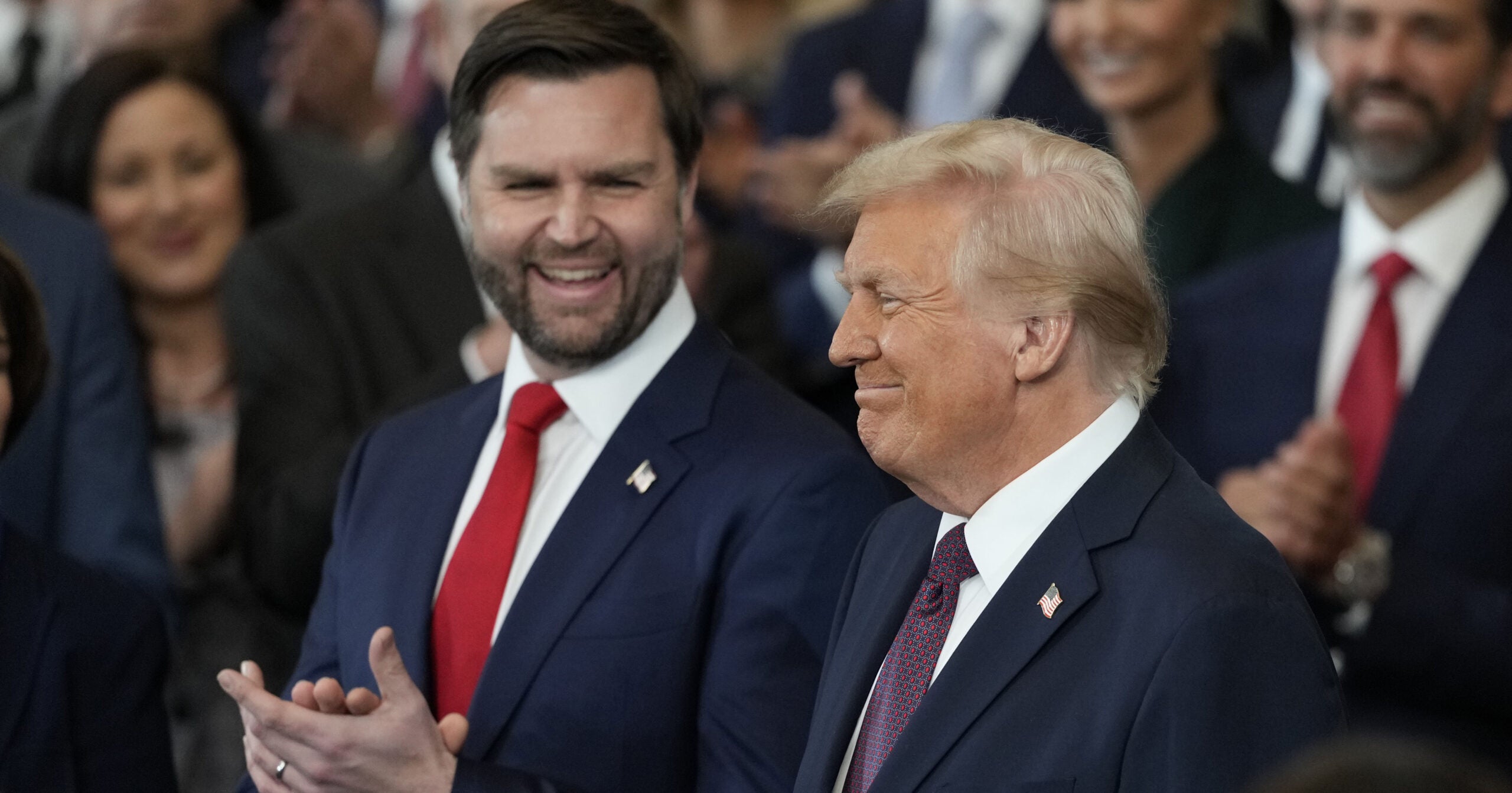
Foreign Affairs J.D. Vance’s Point of Departure for Peace in Ukraine A negotiated settlement is the most viable way to end the carnage. Credit: image via Shutterstock Ukraine’s President Volodymyr Zelensky recently spoke before the UN General Assembly and had meetings soliciting support from President Joe Biden, Vice President Kamala Harris, and allegedly even the Republican presidential candidate Donald Trump. Nevertheless, whether help is forthcoming or not, the war appears to be stalemated with no end in sight. The Republican vice-presidential candidate, J.D. Vance may have earlier hit upon a viable policy proposal. True, Vance’s proposal started out shakily by saying that the United States’ continued support for the NATO alliance hinged on the European Union not regulating Elon Musk and his social media platform X. Vance argued, “So what America should be saying is, if…NATO wants us to continue to be a good participant in this military alliance, why don’t you respect American values and respect free speech.” Elon Musk may very well have good free-speech arguments with the European Union over his platforming of Donald Trump, but linking US foreign policy with the issue is a mistake; it reeks of special pleading for a quirky billionaire who is a supporter of the presidential candidate. During the same interview, however, Vance suggested a proposal to end the war in Ukraine worth discussing: that the fighting stop where both sides’ troops are currently on the battlefield and a fortified demilitarized zone set up to prevent Russia from invading again. Ukraine would be guaranteed its sovereignty in exchange for its territory occupied by Russia and its neutrality—that is, it would not be admitted to NATO. Finally, Vance argues that Germany would need to fund Ukraine’s reconstruction.  At the very least, Vance’s proposal should be a jumping-off point to a more realistic discussion of an end to the Ukraine war, which has been devastating to Ukraine and increasingly costly to Russia (an estimated 600,000 casualties). Putin’s naked aggression against a non-threatening Ukraine must be vigorously condemned, and it is understandable that Ukraine wants all its territory back. Yet Vance seems to argue correctly that the huge costs of continuing a massive but largely stalemated war for even wealthy countries, such as the Untied States and Europe, is untenable in the long term, especially when Russia, which is much more locally potent (in fighters, equipment, and resources), has the advantage in a continuing war of attrition. Even now, despite the horrendous Russian casualties, Ukraine seems to be straining much more than Russia to get desperately needed fighters to the battlefield. The United States and Europe have the leverage to convince the Ukrainians, behind the scenes, to reach the realistic conclusion that they are not going to get all their territory back and that a negotiated settlement to the conflict is needed. What may provide both warring countries a fig leaf for any result that doesn’t meet nationalistic expectations would be holding referendums in the occupied territories of Ukraine and now Russia to determine which government the largely Russian speaking people there would like to live under. These would need to be internationally monitored referendums, not the sham ones the Russians earlier conducted there under military occupation and intimidation.  Vance is correct that Ukraine should retain its independent and neutral sovereignty but not be admitted to NATO. The foreign policy elites of the United States and Europe have had a hard time processing that Russia, invaded many times from the West, feels threatened by a hostile alliance expanded up to its borders. The United States likely would vigorously oppose  Mexico or Canada entering an anti-U.S. alliance with Russia or China.  The other concept that Joe Biden and the US foreign policy elite have never processed is that alliances are not ends in themselves, but a means to security.  If war erupts again between Ukraine and Russia—as it did in 2014 and 2022—and Ukraine is a member of NATO, the United States would be obligated under Article V of the treaty to directly come to Ukraine’s defense against a nuclear-armed great power. Dragging the United States into an unneeded and potentially cataclysmic war with Russia would hardly improve American security. And because the fate of Ukraine and Russia are less strategic to the faraway United States than to nearby Europe, Vance is right that Germany (and other wealthy European nations) should foot the bill for reconstruction.  The post J.D. Vance’s Point of Departure for Peace in Ukraine appeared first on The American Conservative.
Like
Comment
Share
Conservative Voices
Conservative Voices
1 y

Walz Is Not My Sort of Midwesterner
Favicon 
www.theamericanconservative.com

Walz Is Not My Sort of Midwesterner

Politics Walz Is Not My Sort of Midwesterner Boorish goofiness is not in fact a staple of America’s heartland. Credit: lev radin via Shutterstock Among the myriad reasons not to make Tim Walz the second-most powerful person on the planet—his radicalism, his propensity for overstating his international travels, his weirdness—the one that looms largest in my mind is entirely personal: As a native Midwesterner, I do not wish for Walz to become the standard-bearer of my region. In the course of his brief stint at Kamala Harris’s running mate, Walz—who was born in Nebraska and is the present Democratic governor of Minnesota—has attempted to make his goofily gregarious, distressingly demonstrative, and amiably annoying persona his central selling point.  During the vice-presidential debate on Tuesday, when asked to account for his misleading statements about his proximity to China at the time of the 1989 Tiananmen Square massacre, Walz was true to his “just a regular guy who doesn’t know any better” image. “I’ve not been perfect, and I’m a knucklehead at times,” he said, possibly becoming the first-major party presidential or vice-presidential candidate to call himself a “knucklehead.” Then, trying to mop up after that debate performance, Walz again attempted to excuse himself by implying he was just an ordinary dope. “Look, not bad for a football coach—not bad!” he said, reminding voters yet again that among his qualifications for being second in line to the presidency was coaching high-school football. This would be merely amusing, in an apocalyptic sort of way, were I not an inhabitant of the geographical region that Walz goes out of his way to represent each time he walks onto a stage or sits down for an interview. He is making all of us who hail from the Midwest seem like affable rubes. I write here with some authority. My father was from Marion, Ohio, and my mother was from Sioux City, Iowa. Both were serious, smart, and sober-minded people. I myself was born in, and live outside of, Columbus, Ohio. I am personally familiar with the widely agreed-upon virtues of Midwestern culture: neighborliness, commonsensical-ness, civic trust, enthusiasm for collegiate athletics, especially those played on the gridiron, and a high degree of respect for police officers, firemen, and snow-plow drivers.  All of this has very little to do with the frenetic hand-waving and brow-furrowing of Tim Walz. Staidness, not zaniness, is the quality I would more often associate with Midwesterners, including James Thurber (b. 1894, Columbus), who drew cartoons about listless, long-suffering men, and Charles Schulz (b. 1922, Minneapolis), who drew comic strips about depression-inclined schoolchildren.  In my state, the presiding political family for much of the last century were the Tafts, who were the picture of aristocratic understatement. In an anecdote recounted by sociologists E. Digby Baltzell and Howard G. Schneiderman in the book The Protestant Establishment Revisited, the wife of the future Ohio Republican Senator Robert A. Taft did not attempt to portray her husband, then running for office, as just one of the guys: “He did not start from humble beginnings. My husband is a very brilliant man. He had a fine education at Yale. He has been well trained for his job. Isn’t that what you prefer when you pick leaders to work for you?” His grandson, the former Ohio Republican Governor Bob Taft, boasted a similar unexciting competency.  These qualities were not unique to Ohio Republicans. Ohio’s Democratic Senator (and former astronaut) John Glenn had something of this same unpretentious reserve.  But wait, you say: Walz does not claim to be a dignified public servant—he’s a former football coach and therefore entitled to act nutty. I beg to differ. Where I live, everybody’s idea of a great football coach is one Wayne Woodrow Hayes, who, in his capacity as Ohio State University’s head football coach, had in common with Walz only two things: He was stocky and had white hair. Hayes was a hard-charging warrior, not a giddy follower of woke trends. Let us imagine what Hayes would have thought of men playing in women’s sports. Walz seems determined to confirm the coastal elites’ opinion of the Midwest as a bastion of poor taste and tackiness; it’s no coincidence that Jim Gaffigan, in his impression of Walz on Saturday Night Live last weekend, said his suit was purchased from Costco. Yet I associate my home region with the modest courtliness of the Midwestern narrator of F. Scott Fitzgerald’s The Great Gatsby, Nick Carraway, who, at one point in the novel, says this about his homeland: “That’s my Middle West—not the wheat or the prairies or the lost Swede towns, but the thrilling returning trains of my youth, and the street lamps and sleigh bells in the frosty dark and the shadows of holly wreaths thrown by lighted windows on the snow.” Nowhere in the novel does Carraway describe himself or anyone else as a knucklehead. Now, I have never been to Minnesota or Nebraska. Even so, I have known people from both states, and I have never met anyone who is anything like Tim Walz. His hokey dorkiness disqualifies him from becoming the highest-serving elected official from our region. Kurt Vonnegut once wrote, soaringly, of Midwesterners’ “awe for a fertile continent stretching forever in all directions”; Walz gets laughs for having committed to memory the jingle for Menards. We can do better than this.  Happily, there happens to be an Ohioan on the Republican ticket this November. The post Walz Is Not My Sort of Midwesterner appeared first on The American Conservative.
Like
Comment
Share
Conservative Voices
Conservative Voices
1 y

Whither Mexico?
Favicon 
www.theamericanconservative.com

Whither Mexico?

Foreign Affairs Whither Mexico? The end of the AMLO era leaves big questions on the table for America’s southern neighbor. (Octavio Hoyos/Shutterstock) Andrés Manuel López Obrador, former president of Mexico, departed his home Tuesday to the seat of government in the capital one last time. Thousands of citizens jammed the narrow streets around his car, desperately pushing for one last view of the beloved politician. López Obrador—or AMLO, as he is popularly known—was on his way to turn over the presidential sash of Mexico, his last official act before, he says, retiring to obscurity at his ranch in the southern Mexican state of Chiapas. He arrived at the Palace of San Lázaro, the seat of the Congress of Mexico, just after noon. He was joined by the star of the day, president-elect Claudia Sheinbaum, the first female president of Mexico and his political protege. Sheinbaum gave a speech eulogizing López Obrador’s political accomplishments and promising that her presidency would maintain the course he set- the so-called “Fourth Transformation” of Mexican politics. With tears in his eyes, the old president handed over his sash, the symbol of presidential power in the country, to thunderous applause from the audience, and Sheinbaum was sworn in. The second generation of Morena leadership in Mexico had begun. López Obrador leaves the presidency with one of the highest approval ratings of any Mexican president in history, and indeed one of the highest approval ratings of any political leader anywhere in the world today. More than 70 percent of Mexicans had a high opinion of the president on the final day of his presidency. He also leaves big questions about Mexico’s future. First, is he actually going to leave politics, as he has said he wants to? Or will he try to govern the country from afar through Morena, the party he built? Mexico has a strict term limit for presidential power—“effective suffrage, no reelection” was the slogan that launched the Mexican Revolution and continues to define the popular conception of democratic Mexico. That doesn’t mean, however, that one man can’t rule the country for more than a single term. Plutarco Calles, former president of Mexico and the founder of what is now known as the Institutional Revolutionary Party (PRI), controlled the nation through the party from 1928 through 1934 (a period known as the Maximato after Calles’ nickname, el jefe maximo), despite having other men fill the official seat of power. López Obrador’s party may seem the perfect means for him to do the same. Founded in 2014, the party was built almost entirely around López Obrador himself as a presidential candidate, and it has always been dominated by his overwhelming personality. His high approval ratings among the populace at large are even stronger among his own people, and if he decided to play kingmaker, it seems very unlikely that he wouldn’t get his way. Because Morena so thoroughly dominates the Mexican political arena—winning an outright majority in both houses of Congress as well as controlling the government of two-thirds of Mexican states—this would give him a great deal of control over everything in the country. Despite worries from the opposition about López Obrador becoming a second Calles, there are serious indications that this will not be the case. Greatest among them is his choice of an heir. Sheinbaum, though a loyal supporter of the former president, is a very capable politician of her own right, and does not seem the kind who would be content to sit back and let an older man rule in her name. If López Obrador had intended to follow the example of Calles and rule through power within a party, he would likely have chosen a weaker, more pliable successor, as Calles did during the Maximato. It seems more likely that the ex-president is sincere in his desire to leave, if not politics entirely, at least his position as prime decision maker in Mexico, and chose Sheinbaum as the successor most likely to capably take over and execute his vision for the country. Of course, there is always the possibility that he simply miscalculated, or even that he changes his mind later on, as successors often disappoint (think Roosevelt and Taft). If that is the case, it would be unwise to underestimate Sheinbaum, whose quiet competence makes her a fighting match for control of disputed party leadership. The second big question is whether Mexico returns to being institutionally dominated by a single party, as it was for almost a century after the establishment of the PRI. López Obrador’s constitutional reforms—including but not limited to the controversial judicial reform that he pushed through at the end of his term last month—certainly put his party, Morena, in a strong position to see that happen.  The de facto end of political independence for the judiciary and the National Electoral Institute (the agency that runs Mexican elections) provide a tempting opening for the kind of party entrenchment that Latin American countries have so frequently seen turn sour, including in Maduro’s Venezuela—a regime that López Obrador was a consistent ally of. And Sheinbaum seems to have no interest in changing course on this portion of the ex-president’s program: her recently-released policy platform “100 Steps for the Transformation” includes a section promoting the reconstitution of federal electoral bodies, reducing the number of seats and ending proportional representation in the Mexican Congress, and extending the principle of “no reelection” to Mexican deputies and senators, all of which strengthen the political power of incumbent Morena. Despite López Obrador’s strong rhetoric denouncing corruption, Mexican politics is far from squeaky-clean. The institutional reforms advocated by Morena also make it easier—and therefore more appealing—for corruption to enter the political process and for well-placed officials to hand out a favor or two (and get one or two in return), and as those favors mostly go to the party in power, Morena stands to benefit. As a result, Morena’s political strength is likely to grow, at least for the immediate future—both legitimately and less legitimately. The increased possibilities for corruption in the judiciary and electoral bodies will also make it likely that organized crime becomes harder for Mexico to control. Nevertheless, it would be very surprising if Mexico regressed to anything like the dictadura perfecta of the 20th-century PRI. Mexico now has a tradition of democracy, and the transfer of power, limited though it may be, something that Priista Mexico, only recently recovering from the ravages of the Revolution and the dictatorship of Porfirio Díaz, never had. Morena may be popular, but today, Mexicans demand that the will of the electorate be respected. They will no longer tolerate the kind of flagrant electoral fraud that the PRI used to maintain control of the country. When the party becomes legitimately unpopular, as all parties eventually must, its electoral adjustments will not be enough to save it. The post Whither Mexico? appeared first on The American Conservative.
Like
Comment
Share
Intel Uncensored
Intel Uncensored
1 y

People had a gut full of these greedy bastards at Coles ??????‍♂️?????
Favicon 
api.bitchute.com

People had a gut full of these greedy bastards at Coles ??????‍♂️?????

People had a gut full of these greedy bastards at Coles ??????‍♂️?????
Like
Comment
Share
Showing 60783 out of 105651
  • 60779
  • 60780
  • 60781
  • 60782
  • 60783
  • 60784
  • 60785
  • 60786
  • 60787
  • 60788
  • 60789
  • 60790
  • 60791
  • 60792
  • 60793
  • 60794
  • 60795
  • 60796
  • 60797
  • 60798
Advertisement
Stop Seeing These Ads

Edit Offer

Add tier


Select an image
Delete your tier
Are you sure you want to delete this tier?

Reviews

In order to sell your content and posts, start by creating a few packages. Monetization

Pay By Wallet

Payment Alert

You are about to purchase the items, do you want to proceed?

Request a Refund