YubNub Social YubNub Social
    #racism #elections #conservatives #gerrymandering
    Advanced Search
  • Login
  • Register

  • Night mode
  • © 2026 YubNub Social
    About • Directory • Contact Us • Developers • Privacy Policy • Terms of Use • shareasale • FB Webview Detected • Android • Apple iOS • Get Our App

    Select Language

  • English
Night mode toggle
Featured Content
Community
New Posts (Home) ChatBox Popular Posts Reels Game Zone Top PodCasts
Explore
Explore
© 2026 YubNub Social
  • English
About • Directory • Contact Us • Developers • Privacy Policy • Terms of Use • shareasale • FB Webview Detected • Android • Apple iOS • Get Our App
Advertisement
Stop Seeing These Ads

Discover posts

Posts

Users

Pages

Blog

Market

Events

Games

Forum

Classic Rock Lovers
Classic Rock Lovers  
1 y

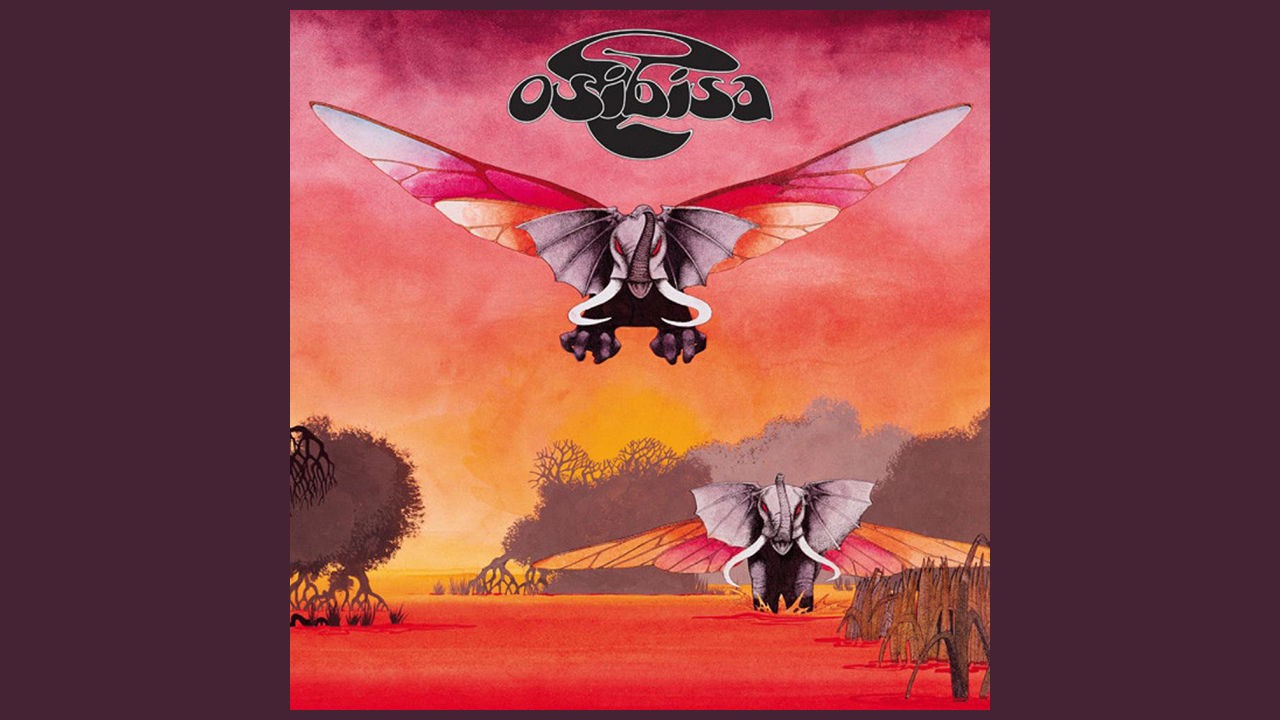
“We didn’t know we were creating a new style… we took sounds from anywhere and everywhere”: Tony Visconti, Roger Dean and the making of Osibisa’s debut album
Favicon 
www.loudersound.com

“We didn’t know we were creating a new style… we took sounds from anywhere and everywhere”: Tony Visconti, Roger Dean and the making of Osibisa’s debut album

Released in 1971, the African-tinged record pioneered what would become world music, and took prog into fresh new waters too.
Like
Comment
Share
BlabberBuzz Feed
BlabberBuzz Feed
1 y

One Ex-Cop Convicted In The George Floyd Case Is Leaving Prison EARLY...
Favicon 
www.blabber.buzz

One Ex-Cop Convicted In The George Floyd Case Is Leaving Prison EARLY...

Like
Comment
Share
The Lighter Side
The Lighter Side
1 y

European zoos are giving Christmas trees a second life
Favicon 
www.optimistdaily.com

European zoos are giving Christmas trees a second life

BY THE OPTIMIST DAILY EDITORIAL TEAM Once the holidays wrap up, many of us find ourselves dismantling the decorations, dragging our Christmas trees to the curb, and bidding adieu to the season. But in zoos across Europe, these festive trees are embarking on a second life—not in landfills, but as delightful sources of enrichment for animals. At the Noah’s Ark Zoo Farm in the UK, this eco-friendly initiative has been thriving for five years. Since its launch, over 15,000 trees have been saved from disposal. The zoo invites the public to drop off their decoration-free Christmas trees, which are then creatively repurposed to benefit the zoo’s animals. “Chippings from the trees are used in the Andean Adventure habitat, where our spectacled bears delight in the fresh scents and textures, much like the seasonal joy we feel with Christmas trees in our homes,” the zoo shared. But it’s not just the bears who reap the benefits—rhinos and meerkats also join the fun. “Their keepers bury food beneath the tree mulch to encourage natural foraging behaviors,” the team explained. A treat for every species For the zoo’s African Bull Elephants, the experience is particularly magical. Entire trees are added to their habitat, transforming the space into a festive forest. “Our elephants savor the branches as a treat and forage through piles of chippings for hidden snacks,” the zoo reported. The trees provide both nutrition and enrichment, offering a seasonal twist to their diet of willow and other foliage. According to Chris Wilkinson, the zoo’s curator, the trees offer an exciting sensory experience. “The trees have a really nice smell that they’re not used to, so some of the animals will have a good rub against them,” he told the BBC. A thoughtful approach in Berlin Instead of public donations, the Berlin Zoo‘s trees come from unsold stock provided by trusted vendors. This precaution ensures that the trees are free from leftover decorations or harmful chemicals. This year, the zoo’s giraffes were treated to an innovative display—trees hung upside down in their enclosure. “They don’t just serve as food, they are also used to keep the animals occupied,” explained the zoo’s curator for mammals Florian Sicks. “The animals can fight with them, rub themselves against them, throw themselves over them, and do various other things with these fir trees. And so we enrich the animals’ everyday lives, which they are very happy about.” A win for animals and the planet These initiatives are more than just clever—they’re a win-win. By repurposing discarded Christmas trees, zoos are reducing waste and creating new opportunities for animal engagement. From bears reveling in the fresh scent of pine to elephants enjoying a festive treat, these efforts highlight the creative ways humans can give back to nature. As Noah’s Ark Zoo Farm reminds us, “What might be waste to us is a treasure to them.”The post European zoos are giving Christmas trees a second life first appeared on The Optimist Daily: Making Solutions the News.
Like
Comment
Share
The Lighter Side
The Lighter Side
1 y

Belfast venues unite to eliminate single-use plastic cups
Favicon 
www.optimistdaily.com

Belfast venues unite to eliminate single-use plastic cups

BY THE OPTIMIST DAILY EDITORIAL TEAM Belfast is making history as the first city in Ireland and the UK to commit to eliminating single-use plastic cups in entertainment venues. This city-wide initiative, led by the Venue Sustainability Forum and supported by Visit Belfast, will see major and grassroots venues switch to reusable cups over the next 12 months. Participating venues include the SSE Arena, Waterfront Hall, Ulster Hall, Oh Yeah Centre, Black Box, Voodoo, and The MAC, with additional venues lined up for the next phase of the rollout. The ambitious project aims to eliminate an estimated two million single-use cups annually, significantly reducing plastic waste and setting an example for other cities to follow. How it works The scheme relies on a closed-loop system for managing reusable cups. North Down Marquees, a local company, will handle delivery and collection. After use, the cups will be taken to a central washing facility in Carryduff, sanitized, and redistributed back to the venues. The first to adopt the system will be the SSE Arena, where reusable cups are expected to debut by mid-January. “[We] are proud to be the first venue involved in the trial,” said Dermot McGinn, group head of food and beverage at The Odyssey Trust, which manages the arena. “This initiative supports a more sustainable future for entertainment in Northern Ireland.” A collaborative effort across Belfast The initiative has garnered enthusiastic support from a wide range of venues, each emphasizing the importance of sustainability in their operations. Waterfront Hall and Ulster Hall: Iain Bell, acting chief executive of these venues, described the effort as a step forward in addressing “one of the biggest sustainability challenges affecting us all—single-use plastic.” He highlighted the dual benefit of maintaining safety at gigs while prioritizing sustainability. Oh Yeah Centre: Chief executive Charlotte Dryden celebrated the initiative as a “brilliant success” for Belfast and its music community. “Sustainability is at the top of not just our organization’s agenda but also our community’s agenda,” she said. Black Box: Director Kathryn McShane echoed this sentiment, sharing how the venue had been seeking alternatives to single-use plastics for years. “This scheme will drastically reduce our waste and allow our audiences to make more sustainable choices,” she noted. The MAC: Facilities manager Emmett Ross described the project as aligning perfectly with the organization’s 2025/26 focus on “Climate in Action.” He praised the collaborative nature of the scheme, saying, “This city-wide initiative shows what can be achieved when organizations have a joint ambition to make a positive change for the future.” Big impact, bigger ambitions The reusable cup initiative is expected to remove 40 tonnes of plastic waste annually from Belfast’s nightlife. According to Jac Callan, senior manager of sustainability and impact at Visit Belfast, this “innovative” project showcases the city’s commitment to environmental stewardship across its diverse venues. But the success of this ambitious plan hinges on collaboration and public participation. As Wilton Farrelly, chair of the Venue Sustainability Forum, noted, “It’s not just about removing plastic—it’s about creating a cultural shift where sustainability becomes second nature for businesses and individuals alike.” Why it matters The environmental impact of single-use plastics is undeniable, with discarded plastic cups contributing to mounting pollution and waste. For cities like Belfast, which prides itself on vibrant nightlife and cultural offerings, adopting sustainable practices isn’t just a necessity—it’s an opportunity to lead by example. Belfast as a sustainability leader With this bold initiative, Belfast is not only setting a new standard for entertainment venues in Ireland and the UK but also demonstrating how collective action can drive meaningful change. By replacing single-use plastics with reusable solutions, the city is taking a critical step toward reducing waste and safeguarding the environment for future generations. As venues and audiences alike embrace the new system, Belfast’s nightlife is poised to become not just lively but also remarkably green.The post Belfast venues unite to eliminate single-use plastic cups first appeared on The Optimist Daily: Making Solutions the News.
Like
Comment
Share
Living In Faith
Living In Faith
1 y

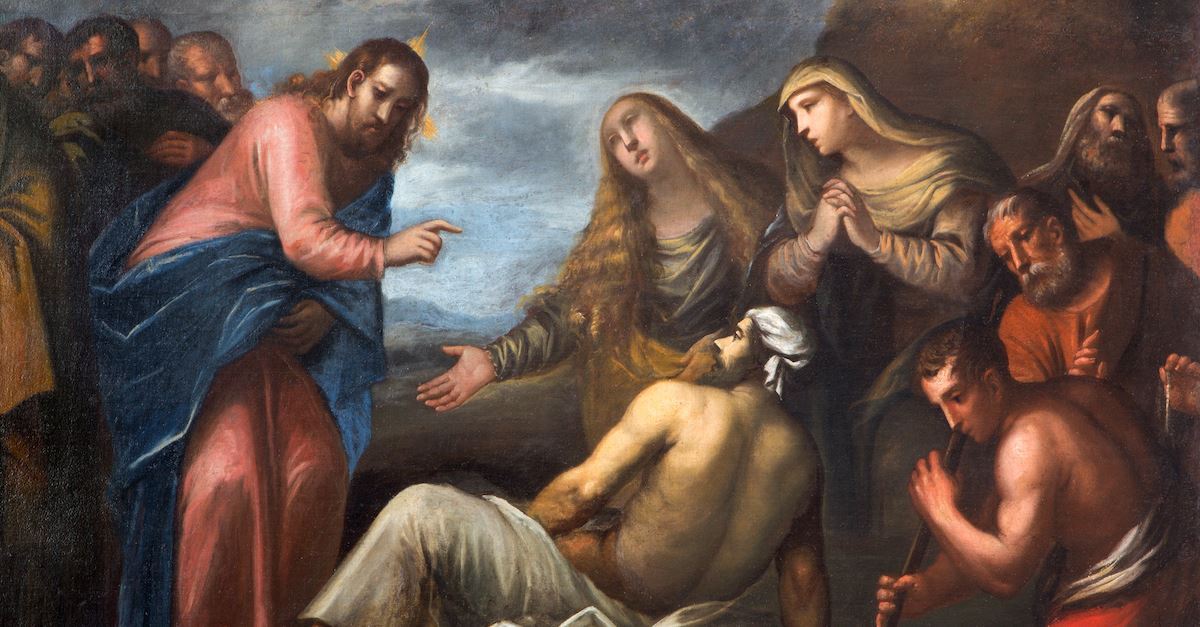
Lazarus Lives Again - Greg Laurie Devotion - January 17, 2025
Favicon 
www.christianity.com

Lazarus Lives Again - Greg Laurie Devotion - January 17, 2025

Lazarus’ walk out of the tomb opened a world of possibilities for everyone who trusts Jesus. If He can give life to a corpse after four days, He can change the most stubborn mind. He can soften the hardest heart. He can cure spiritual darkness.
Like
Comment
Share
Living In Faith
Living In Faith
1 y

Biblical Theology Is for Nerds
Favicon 
www.thegospelcoalition.org

Biblical Theology Is for Nerds

When Frodo stands before the Council of Elrond, learning how his uncle’s ring connects to an ancient story of darkness and hope, he’s experiencing something similar to what happens when we discover how Isaiah’s prophecies illuminate Christ’s coming. When Marvel fans piece together the interconnected stories of the MCU across multiple films, they’re exercising the same muscles needed to trace biblical themes from Genesis to Revelation. The skills that make someone an expert in Star Wars lore or DC Comics continuity might be preparing him or her for something far more profound: biblical theology. Scripture’s Complex Storyline Biblical theology is more than just studying the Bible—it’s a specific approach to understanding Scripture that uncovers how the entire Bible fits together as one unified story. As Andrew Naselli explains, it’s the practice of analyzing and synthesizing the Bible’s organic, salvation-historical connections across the whole canon, especially focusing on how the Old and New Testaments progress, integrate, and ultimately culminate in Christ. Unlike systematic theology, which organizes biblical teachings by topic, biblical theology traces the development of themes and promises as they unfold through Scripture’s historical narrative. It helps us see how earlier parts of the Bible lay the groundwork that later parts build on, creating an awe-inspiring tapestry of divine revelation. This approach to Scripture might seem daunting. Yet for those immersed in “nerd culture”—particularly the world of science fiction, fantasy, and comics—the journey into biblical theology could feel surprisingly familiar. When we talk about nerd culture in this context, we’re not referring to every aspect of what might be considered “nerdy” but specifically to the shared interests, activities, and reading practices that have emerged around these particular media forms. For those immersed in ‘nerd culture,’ the journey into biblical theology could feel surprisingly familiar. These are readers and viewers who have developed sophisticated skills of analysis: They trace complex storylines across volumes, engage with detailed world-building, and discover how seemingly minor details become crucial plot points. Consider the fan who can explain how The Silmarillion enriches every page of The Lord of the Rings, making seemingly minor details resonate with deeper significance. These practices go far beyond simple entertainment—they represent a particular way of reading that requires patience, attention to detail, and the ability to hold multiple storylines in tension while looking for meaningful connections. From Fandom to Faith The shared characteristics between nerd-culture media and biblical reading reveal why this connection works so naturally. Each rewards careful attention to prophetic foreshadowing and detailed world-building. Both present grand narratives that unfold across multiple books, with seemingly minor details becoming crucial to the story’s conclusion. This parallel extends beyond just reading practices to the way communities engage with these texts. The skills developed in parsing complex fictional universes can translate directly to biblical-theological reading. If you can track the complex relationships between X-Men characters across decades of comics, you’re developing the skills to understand the intricate associations between Old Testament prophets and their New Testament fulfillment. If you can appreciate how The Lord of the Rings weaves multiple storylines toward a final resolution, you’re preparing to see how Scripture weaves diverse genres and authors into one coherent testimony about Christ. Naselli illustrates this connection with a familiar example: When you read a masterful story like Harry Potter, the first time you read it is special because you are enjoying a spellbinding storyline. But the subsequent times you read the story can be even more significant because you can start tracing thematic trajectories that you were unable to detect in your first reading. That illustrates how we do biblical theology. As we read the Bible over and over and over, we can better trace thematic trajectories and make connections that the divine author brilliantly designed. This insight leads us to consider how we might intentionally apply these parallel skills to Scripture study. Practical Applications God often prepares his people for deeper scriptural engagement through unexpected means, and the analytical skills developed through years of engaging with complex fictional universes may be one such divine preparation. The transition from fandom expertise to biblical-theological study, therefore, may only require creative tweaks to help readers apply their abilities to reading Scripture’s unified narrative. For instance, those who excel at tracking complex fictional universes can channel these abilities into meaningful Bible study through several complementary approaches. Just as fans meticulously chart Doctor Who’s chronology or map the intricate timeline of the Wheel of Time series, readers can create rich visual representations of biblical narratives. This might involve developing a “Promise Timeline” that tracks God’s covenantal promises from their first appearance through their fulfillment, beginning with the protoevangelium in Genesis 3:15 and following the development of the Abrahamic covenant to its ultimate completion in Christ. The same dedication used to track character arcs in long-running series can be applied to biblical figures and themes. For instance, readers could create theme trees that branch out from major concepts, starting with the “seed of the woman” and tracing its development through the line of Seth, Abraham’s promised offspring, David’s royal lineage, and the prophetic servant songs, culminating in Christ. This approach allows readers to trace messianic expectations as they would a major character’s development, documenting each new revelation and showing how Jesus fulfills and transcends these expectations. Just as fans compile detailed wikis for fictional universes like Narnia or Star Trek, discussion groups can create comprehensive guides to the biblical world. This might take the form of a shared document in which they explain how words and ideas develop across Scripture while putting them in their cultural and historical contexts. Concept maps can demonstrate how ideas like “kingdom,” “covenant,” and “redemption” interconnect while tracing their development across different genres and identifying recurring patterns and motifs. Traditional Bible study can even be transformed using methods familiar to fan communities through collaborative study sessions. These sessions might begin with “Previously on . . .” summaries to maintain narrative continuity, encouraging members to present discoveries and interpretations while examining how biblical authors build on earlier texts. Group members can track different themes or promises, sharing insights through collaborative documents and creating visual presentations of the connections they find. Each of these approaches can be tailored to align with specific interests and skills within study groups. Those well versed in comic book continuity might particularly appreciate tracking typological connections, while fantasy readers might naturally gravitate toward the world-building aspects of Scripture. Whatever the approach, the goal remains the same: to channel the enthusiasm and attention to detail that characterizes fan engagement into deeper biblical understanding, all while maintaining appropriate reverence for the text. Greater Story For the person who can quote every line from Dune or name every member of the Justice League, biblical theology offers an invitation to apply those same passionate analytical skills to Scripture. The reward isn’t just knowledge of an invented world but insight into the story that underlies all of reality—God’s plan of redemption through Christ. The reward isn’t just knowledge of an invented world but insight into the story that underlies all of reality. The skills that make someone a “nerd” might be God’s way of preparing him or her for deeper engagement with his Word. After all, if we can spend hours immersed in fictional universes, how much more should we desire to understand the true story that gives meaning to all others? So embrace your inner nerd. Those countless hours spent analyzing plot theories, tracking character arcs, and mapping fictional worlds haven’t been wasted. They’ve been preparing for something greater: seeing how all Scripture points to Christ, the true hero of the greatest story ever told.
Like
Comment
Share
Living In Faith
Living In Faith
1 y

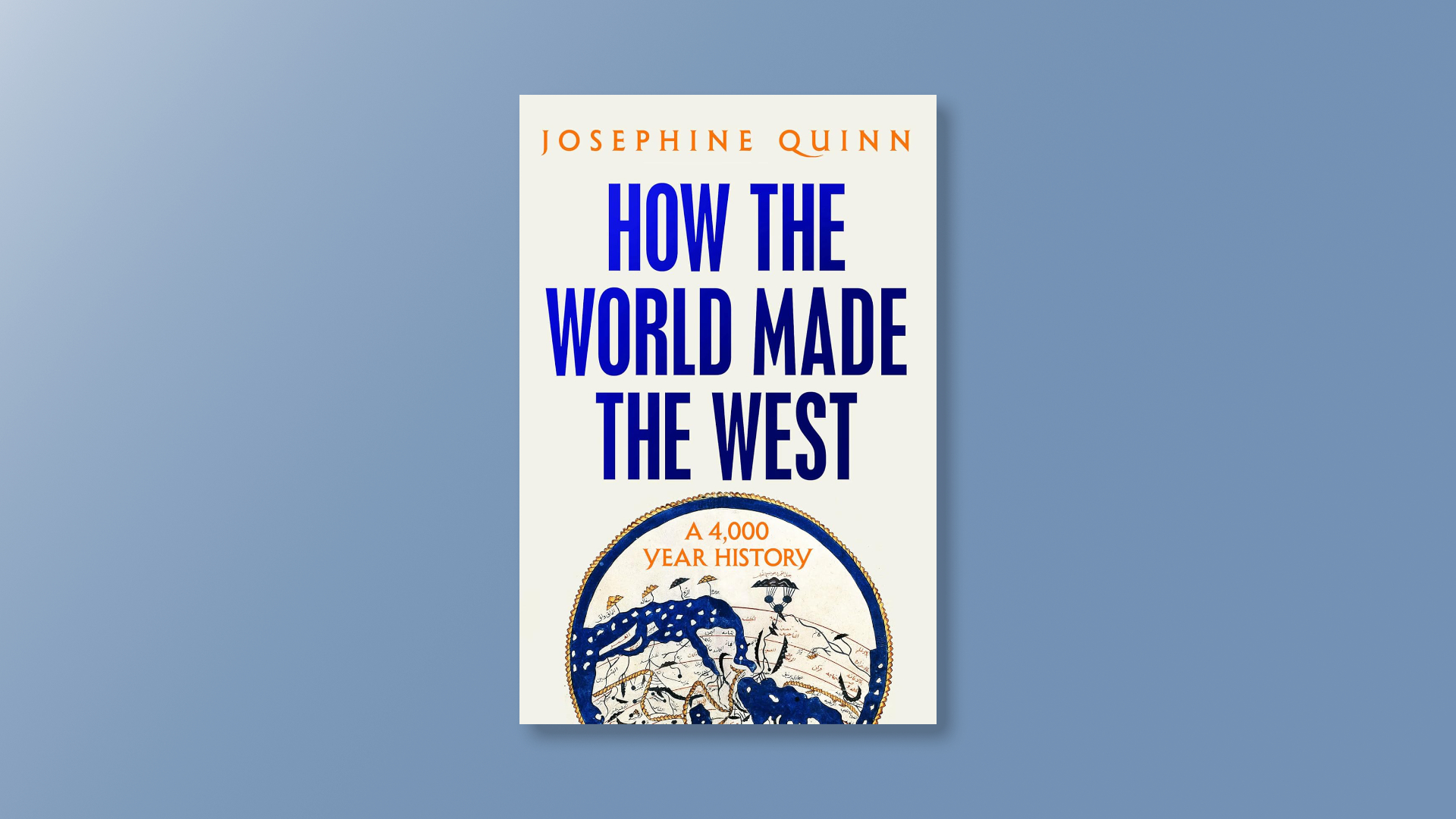
How Was the West Shaped? It’s Complicated.
Favicon 
www.thegospelcoalition.org

How Was the West Shaped? It’s Complicated.

Big history is fashionable again. Authors, publishers, and readers agree that large-scale, sweeping world histories, as ambitious and unwieldy as they might seem, can be engaging and serious, stimulating and fun to read. Pitfalls abound; the sheer amount of material is a daunting challenge for any researcher or writer, let alone editor. But if you get it right, you can win prizes, tour the television and podcast studios, and maybe even sell 25 million copies. With How the World Made the West: A 4,000 Year History, Josephine Quinn offers a new entry into the catalog of world histories, arguing we have to go beyond our study of the Greeks and Romans to understand the rise of the West. Moreover, she argues the way we usually approach the study of big history is unhelpful because it focuses on civilizations rather than on the connections between people groups. To be successful, world histories generally need to pass two tests. One is to find a way of making the topic smaller. You cannot possibly narrate the history of everything (unless you’re J. M. Roberts or Odd Arne Westad), so you need an angle: a history of the world in 100 objects, a history of the way humans have interacted with the environment, or a history of the oceans. Your local bookshop is probably full of examples, telling the story of the world through anything from cities and Christianity to wood and the horse, from the silk roads and salt to fear and the family. The other test such books must pass is to creatively drive the plot. History is always at risk of turning into a list, with dates, facts, battles, and inventions tumbling out of the cupboard in an unsorted mess. (There has never been a better summary of this problem than the opening line of The History of the Franks by Gregory of Tours: “A great many things keep happening, some of them good, some of them bad.”) So any world history needs a way of maintaining interest in the narrative. Will our curiosity be piqued by a good question to which we instantly want an answer? A new way of looking at a familiar story? An issue of great contemporary significance? A counterintuitive thesis, a defense of the apparently indefensible, a confident piece of debunking? A desire to know what happens next? Will it be a thriller or a detective story, a drama or even a comedy? Tracing Connections How the World Made the West passes the first of these two tests with flying colors. Despite ranging from China to West Africa in a tale that covers four millennia, Quinn narrows her scope by focusing on how the “West” was shaped by its connections to, and entanglement with, the rest of the world. Some examples Quinn provides will be familiar to the average reader (ancient Egypt, Carthage, Islam, the Mongols); some will be familiar to those who know their Bibles and less to those who don’t (Tyre, Assyria, Babylon, Persia); and some will be unfamiliar to nearly everybody outside academia (Uruk, Byblos, Ugarit, Parthia). But by and large, she finds ways of orienting the reader in these unknown worlds through a combination of maps, discoveries, celebrity shout-outs (Tutankhamen, Pythagoras, the Minotaur), and amusing vignettes. For example, the pettiness of the correspondence between the Egyptian pharaohs and their diplomatic neighbors feels comically contemporary. I was also delighted to learn that the North African geographer Muhammad al-Idrisi taught that Norwegians didn’t have necks and lived inside trees. As you’d expect from a professor of ancient history at Oxford University, Quinn’s breadth of learning is genuinely impressive. With such a vast range of sources at her command, she highlights all kinds of ways in which the “West” didn’t develop in isolation but was shaped by the “world,” from relatively trivial goods that quickly became embedded in European societies (food, wine, clothing, animals) to utterly transformative innovations like the Phoenician alphabet, Indian numbers, Chinese technology, and Arabic math. She describes cities like ancient Rome and Islamic Córdoba vividly and evocatively, and writes with a nice turn of phrase: “They live happily ever after,” she says of Scheherazade and the sultan in One Thousand and One Nights, “though he was probably happier than her” (388). As you’d expect from a professor of ancient history at Oxford University, Quinn’s breadth of learning is genuinely impressive. Quinn peppers her story with interesting facts, several of which shed light on biblical stories. For example, I had no idea that Pharaoh Necho II, whom we meet in 2 Kings 23, was the man “who established that Africa was surrounded by sea by sending Phoenician sailors to circumnavigate the continent from the Red Sea to the Pillars of Hercules” (209). Nor did I know that Babylonian mathematicians were aware of what we now call Pythagorean theorem more than a thousand years before Pythagoras was born, nor that all modern alphabetic scripts are descended from the alphabet used in Tyre, with the exception of Korean Hangul. It was also news to me that the city of Uruk “developed the first known system of standard weights and measures, based on the load an average man could carry (a talent) and on the length of his forearm (a cubit)” (16). We could quibble with some of Quinn’s claims about biblical narratives—she dismisses the Queen of Sheba on the grounds that “there is no evidence outside the Bible for a powerful Sabean queen” (114), despite acknowledging on the previous page that extrabiblical evidence for the house of David in Judah was only discovered in 1993. But on balance, she takes the biblical material seriously and often confirms it. Her section on Phoenician child sacrifice, and the difference between the way Greco-Romans and Israelites reacted to it, is a striking example. Tilting at Windmills The book is less compelling, however, when it comes to the overall narrative or plot. As we’ve seen, Quinn has no difficulty in showing that we cannot understand the West without understanding its neighbors, and that “a narrative focused solely on Greece and Rome impoverishes our view of the past, and impoverishes our understanding of our own world” (1–2). I doubt anyone today will finish the book disagreeing with her central claim that “understanding societies in terms of lonely trees and isolated islands is 200 years out of date and . . . demonstrably, historically wrong” (415). The problem is that few people today would even start the book disagreeing with it. As such, it feels like the book’s overarching purpose is to debunk an argument that no longer needs debunking. The thesis was probably more necessary a hundred years ago. In her introduction, Quinn cites a Cambridge lecturer in 1912 who began his book by announcing that “Athens and Rome stand side by side as the parents of Western civilization” (7), and John Stuart Mill’s even more bizarre claim “that the Athenian defeat of the Persians at the Battle of Marathon was one of the most important events in English history” (5). Later, she quotes an Australian in 1925 who proclaimed that “the Minoan spirit was thoroughly European and in no sense oriental” (28). She returns to the 19th-century myth, whereby civilizations developed geographically and in isolation, in the book’s final chapter. But does anyone talk like this now? Granted, the Enlightenment attempt to ground Western identity without reference to Christianity produced some fanciful back-projection in the 18th and 19th centuries; if the West was to be successfully post-Christian, it needed a new intellectual and cultural genealogy, and classical antiquity was the obvious alternative. And it isn’t surprising that prospective Oxford students, like the ones with whom the book opens, explain their desire “to study the ancient world because Greece and Rome are the roots of Western Civilisation” (1). That’s exactly the sort of thing 18-year-olds write on application forms for academic degrees they haven’t started. Sleight of Hand But how many people seriously think the Greco-Roman world is the exclusive fountainhead of the modern West, without reference to Christianity or Judaism? How many people who’ve read the Bible would object to the inclusion of Babylon, Persia, Nineveh, and Tyre as formative influences on God’s people in the ancient world? How many of the “zealots for a White West” who believe in “enduring and meaningful difference between human societies” would tell the Western story without reference to the Middle Eastern religion we now call Christianity (9)? The thesis was probably more necessary a hundred years ago. Quinn’s response to this objection has a motte-and-bailey feel to it. Maybe nobody today (besides eager classics undergraduates) sees the Greco-Roman world as an isolated, independent, and exclusive source of Western identity—but she’s concerned that people do still think in terms of civilizations that are distinguishable from each other, that preserve characteristics across several centuries, and that often “clash” with each other, as Samuel Huntington put it (7–9). Indeed they (and we) do. But not only is this claim different from one of a “narrative solely focused on Greece and Rome”; it’s also entirely compatible with the argument she mounts in the rest of the book. It’s perfectly possible to believe both that societies trade with, learn from, adapt to, and become entangled with other societies and that they retain an inner coherence that remains meaningfully distinct from (and in competition with) that of their neighbors over many centuries. The relationship between Christendom and the house of Islam from the Umayyads to the Reconquista is an obvious example. Joseph Henrich makes this point brilliantly about the eastern and western parts of Christian Europe, though he does it from a different perspective. (Read my review of his book.) Entertaining but Imperfect At times, it’s unclear which book we’re reading. If it’s a debunking of the idea that the West’s roots are entirely found in Greece and Rome, with minimal exchange of ideas and practices from anywhere else, then it’s convincing but not particularly necessary. At one point, I wrote in the margin, “Didn’t we already know that?” If, on the other hand, it’s an argument for the position that civilizations don’t really exist, cannot be meaningfully distinguished from each other, and/or should be jettisoned from our vocabulary, then it’s intriguing and potentially explosive but not very persuasive or even substantiated by the rest of the book. It’s also curiously similar in intention, if not approach, to Naoíse Mac Sweeney’s The West: A New History in Fourteen Lives, released in 2023. In the end, How the World Made the West represents something between these two poles: a tale of many interactions between the “West” and the “world” from the beginning of writing to the Columbian exchange, the conclusion of which is neither as dramatic as the latter summary nor as mundane as the former. The book has lots going for it—including Quinn’s range, scholarship, and prose, which aren’t insignificant strengths—but its overall narrative is less satisfying than recent equivalents like William Dalrymple’s The Golden Road or David Abulafia’s magnificent The Boundless Sea. Lovers of big history, and pastors interested in why the West is the way it is, may want to look elsewhere first.

Like
Comment
Share
Living In Faith
Living In Faith
1 y

Longing for the Holy Spirit’s Power
Favicon 
www.thegospelcoalition.org

Longing for the Holy Spirit’s Power

Jesus told his disciples it’d be to their advantage that he was going away because, if he didn’t, the Helper wouldn’t come to them. Then in Acts, we read about the Holy Spirit’s descent on believers. So what advantage does the Holy Spirit bring? In this breakout session from TGCW24, Nancy Guthrie considers how our experience of the Holy Spirit today differs from that of Old Testament saints. She also unpacks the advantages of the Spirit’s indwelling and what the Spirit-empowered life looks like. She discusses the following: The biblical imagery of wind and fire A survey of the Holy Spirit in the Bible Longing for guidance Longing for power Longing for more of Christ Longing for spiritual fruit Longing for glory
Like
Comment
Share
Twitchy Feed
Twitchy Feed
1 y

Sunday Shocker! J. Ann Selzer to Drop Devastating Pre-Inauguration Day Poll - Kamala Triumphant!
Favicon 
twitchy.com

Sunday Shocker! J. Ann Selzer to Drop Devastating Pre-Inauguration Day Poll - Kamala Triumphant!

Sunday Shocker! J. Ann Selzer to Drop Devastating Pre-Inauguration Day Poll - Kamala Triumphant!
Like
Comment
Share
RedState Feed
RedState Feed
1 y

The Dem Failure Just Won't Stop: Huge Fire Erupts at CA Lithium Battery Facility, Evacuations Ordered
Favicon 
redstate.com

The Dem Failure Just Won't Stop: Huge Fire Erupts at CA Lithium Battery Facility, Evacuations Ordered

The Dem Failure Just Won't Stop: Huge Fire Erupts at CA Lithium Battery Facility, Evacuations Ordered
Like
Comment
Share
Showing 63139 out of 120892
  • 63135
  • 63136
  • 63137
  • 63138
  • 63139
  • 63140
  • 63141
  • 63142
  • 63143
  • 63144
  • 63145
  • 63146
  • 63147
  • 63148
  • 63149
  • 63150
  • 63151
  • 63152
  • 63153
  • 63154
Advertisement
Stop Seeing These Ads

Edit Offer

Add tier


Select an image
Delete your tier
Are you sure you want to delete this tier?

Reviews

In order to sell your content and posts, start by creating a few packages. Monetization

Pay By Wallet

Payment Alert

You are about to purchase the items, do you want to proceed?

Request a Refund