YubNub Social YubNub Social
    Advanced Search
  • Login
  • Register

  • Night mode
  • © 2025 YubNub Social
    About • Directory • Contact Us • Developers • Privacy Policy • Terms of Use • shareasale • FB Webview Detected • Android • Apple iOS • Get Our App

    Select Language

  • English
Install our *FREE* WEB APP! (PWA)
Night mode toggle
Community
New Posts (Home) ChatBox Popular Posts Reels Game Zone Top PodCasts
Explore
Explore
© 2025 YubNub Social
  • English
About • Directory • Contact Us • Developers • Privacy Policy • Terms of Use • shareasale • FB Webview Detected • Android • Apple iOS • Get Our App
Advertisement
Stop Seeing These Ads

Discover posts

Posts

Users

Pages

Blog

Market

Events

Games

Forum

Daily Signal Feed
Daily Signal Feed
1 w

19 Countries Blocked From Immigrating to US 
Favicon 
www.dailysignal.com

19 Countries Blocked From Immigrating to US 

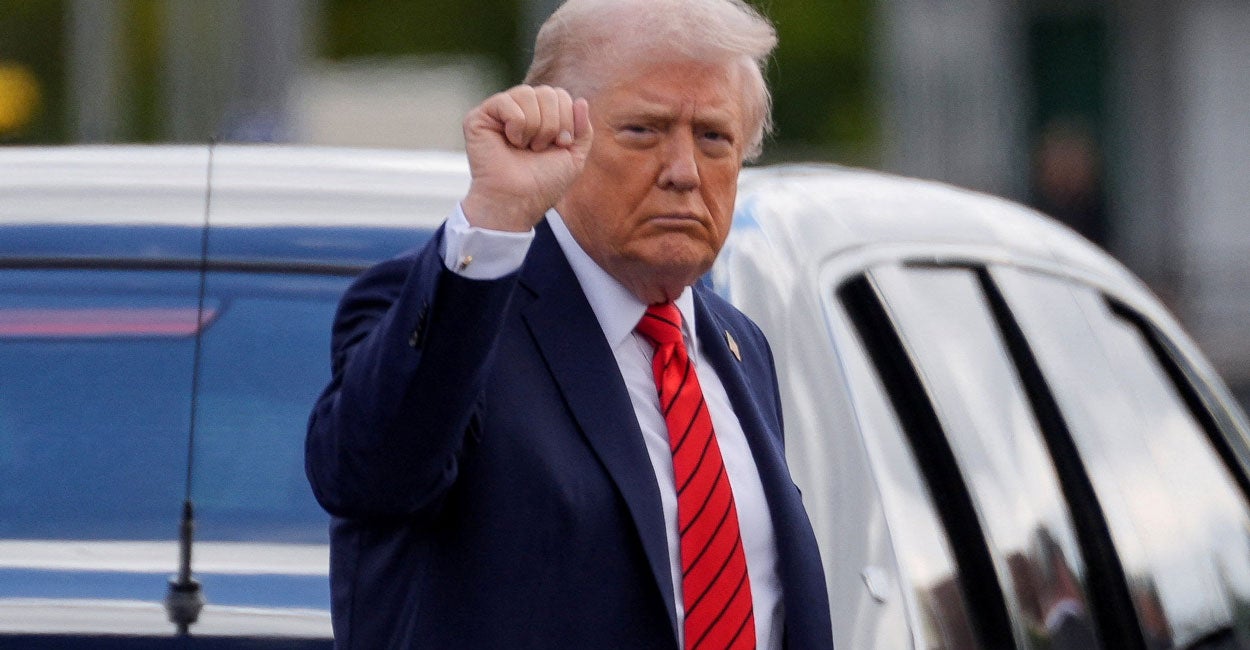
The Trump administration is pushing pause on immigration applications from 19 countries and reviewing approved applications from those same nations. Multiple reports indicate the list of nations could be expanded.   For now, the immigration application pause applies to foreigners from: Afghanistan, Myanmar, Burundi, Chad, Cuba, Republic of the Congo, Equatorial Guinea, Eritrea, Haiti, Iran, Laos, Libya, Sierra Leone, Somalia, Sudan, Togo, Turkmenistan, Venezuela, and Yemen.   The 19 counties were already considered “high-risk,” and in June President Donald Trump announced full or partial restrictions on entry of individuals from these nations into the U.S.  Additionally, the U.S. government will conduct a re-review of any foreigner from one of the 19 counties who entered the U.S. since the start of the Biden administration and was granted asylum or withholding of removal.   U.S. Citizenship and Immigration Services “has determined the operational necessity to ensure that all asylum applicants and aliens from high-risk countries of concern who entered the United States do not pose a threat to national security or public safety,” USCIS wrote in a Tuesday memo.   The re-evaluation of approved immigration applications is expected to slow the process for those waiting for approval, but “USCIS has determined the operational necessity to ensure that all asylum applicants and aliens from high-risk countries of concern who entered the United States do not pose a threat to national security or public safety,” according to the agency.   The action is being taken following a shooting in the District of Columbia last week that left one National Guard member dead, and another seriously injured. The suspected shooter is an Afghan national who worked with U.S. troops in Afghanistan but came to the U.S. after the fall of Kabul in 2021. The alleged shooter yelled “Allahu akbar,” translated “God is most great,” during the attack, according to documents filed in court on Tuesday and reported by the Washington Post.   The Trump administration has also paused the progressing of all visas for Afghan nationals.   The post 19 Countries Blocked From Immigrating to US  appeared first on The Daily Signal.
Like
Comment
Share
Daily Signal Feed
Daily Signal Feed
1 w

Rand Paul Says Trump Boat Strikes ‘Prelude to War’ With Venezuela
Favicon 
www.dailysignal.com

Rand Paul Says Trump Boat Strikes ‘Prelude to War’ With Venezuela

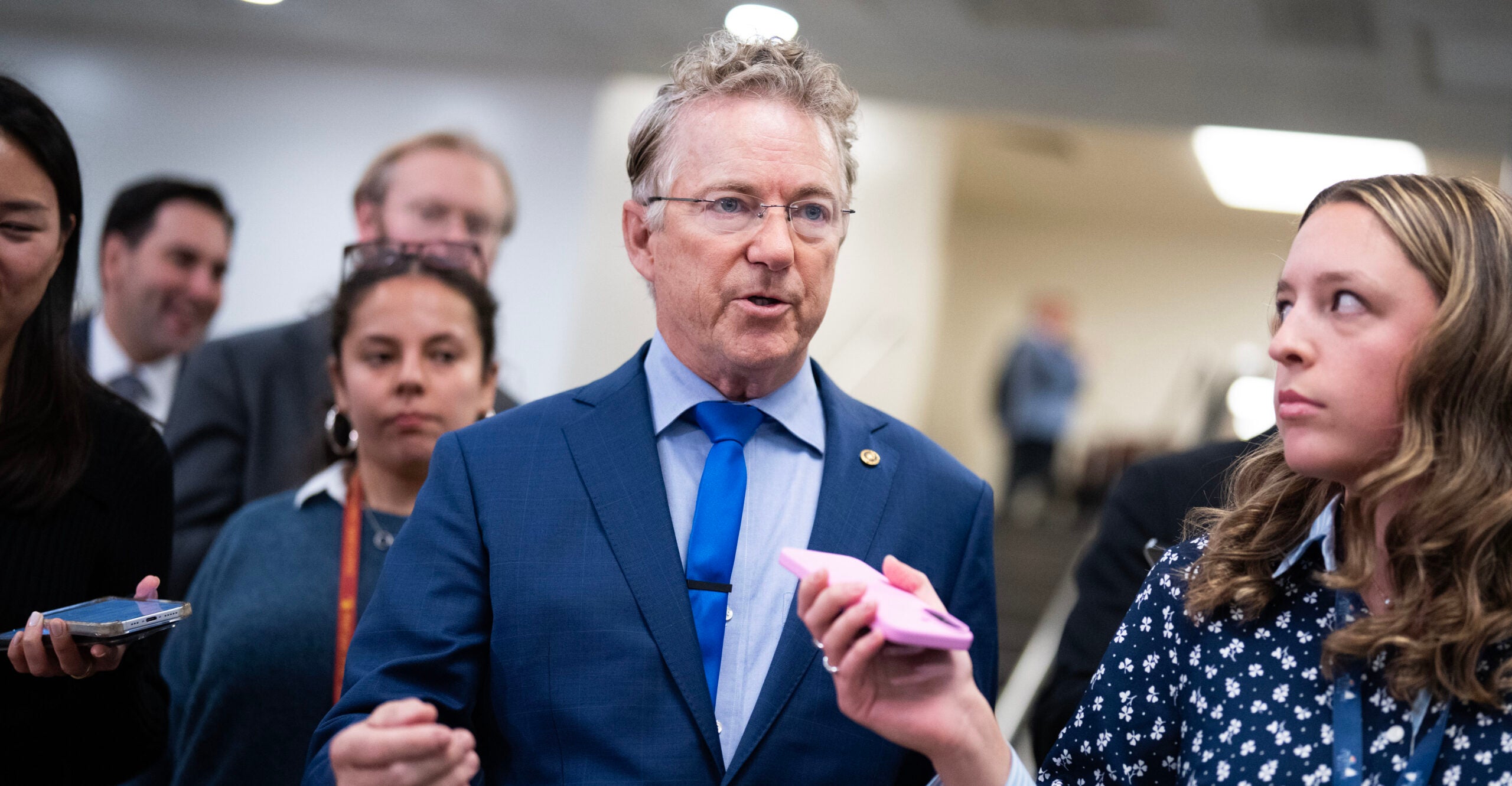
DAILY CALLER NEWS FOUNDATION—Republican Kentucky Sen. Rand Paul said Tuesday that the Trump administration’s strikes on alleged drug boats is bringing the United States closer to war with Venezuela. Paul, a leading critic of foreign intervention, has sharply criticized Trump’s continued strikes on alleged drug traffickers and warned the president against pursuing regime change. Trump declared Venezuelan air space to be closed over the weekend, ratcheting up his pressure campaign against dictator Nicolás Maduro, whom the White House views as an illegitimate leader. “I think most of this is a prelude to war with Venezuela. All of this is a lead up,” Paul told reporters in the Capitol. “I hope it’s not a prelude to war, but I feel like they’re building up towards war,” the senator continued. “Hopefully this second bombing of survivors … which is clearly illegal, hopefully there’ll be enough of an uproar over this, that will slow down the drumbeats.” His comments on Tuesday came in response to Sept. 2 strikes on an alleged drug vessel in the Caribbean Sea, which sparked outrage over concerns that a follow-up strike on two survivors violated the laws of war. White House Press Secretary Karoline Leavitt said Monday that Admiral Frank Bradley ordered the strikes, but acted within his authority to eliminate the alleged drug traffickers. The White House referred the Daily Caller News Foundation to Secretary of War Pete Hegseth’s comments during a Tuesday afternoon cabinet meeting. “We’ve only just begun striking narco boats and putting narcoterrorists at the bottom of the ocean because they’ve been poisoning the American people,” Hegseth said. “And [former President] Joe Biden tried to approach it with kid gloves.” Paul has faulted the administration for failing to show proof the vessels are trafficking drugs. The boat strikes remain politically popular, according to recent polling. A Nov. 23 CBS News/YouGov poll found that 53% of American adults support military strikes against alleged drug boats. However, the same poll found that seven-in-10 American adults oppose potential U.S. military action Maduro’s regime. Though the Pentagon has limited its strikes against drug traffickers to the Caribbean Sea, Trump has repeatedly floated expanding the military operation to land. “That was what people liked about Donald Trump, was that he wasn’t for these offensive wars of choice,” Paul said. “He wasn’t for regime change.” Republican North Carolina Sen. Thom Tillis joined Paul in criticizing the Sept. 2 strikes, pressing for congressional oversight and accountability in the incident. “Somebody made a horrible decision—somebody needs to be held accountable,” Tillis told the DCNF on Tuesday. “You don’t have to have served in the military to understand that that was a violation of ethical, moral, and legal code. And so if the facts play out the way they’re currently being reported, then somebody needs to get the hell out of Washington.” Both the House Armed Services Committee and the Senate Armed Services Committee have launched inquiries into the lethal double-strike. Republican Missouri Sen. Eric Schmitt defended the Secretary of War, calling the Washington Post story that first reported on the Sept. 2 strikes “totally debunked.” “This nonsense about it being a war crime is total bulls—. It’s all they have,” Schmitt told reporters on Tuesday. “And the desire then to treat [Hegseth] as a war criminal, to treat servicemen as war criminals, is beyond just a normal political debate.” Democrat lawmakers have largely denounced the deadly strike and called for Hegseth’s resignation despite the White House saying Hegseth did not make an order to kill the survivors. “This is beyond the pale, and we would not accept it, and we never have accepted it, from any other administration in my lifetime,” Democrat Nevada Sen. Jacky Rosen told the DCNF. “And so we cannot normalize this. Laws are not suggestions. The rules of engagement are not suggestions at someone’s whim.” “[Hegseth] likes to tout his position as a secretary: He’s the one in charge. Everything stops with him. The buck stops at his desk for everything that happens … He needs to take responsibility. He needs to resign,” Rosen continued. Originally published by the Daily Caller News Foundation The post Rand Paul Says Trump Boat Strikes ‘Prelude to War’ With Venezuela appeared first on The Daily Signal.
Like
Comment
Share
Reclaim The Net Feed
1 w

Edmonton Becomes First in Canada to Test Facial Recognition Body Cameras in Police Pilot Program
Favicon 
reclaimthenet.org

Edmonton Becomes First in Canada to Test Facial Recognition Body Cameras in Police Pilot Program

If you're tired of censorship and dystopian threats against civil liberties, subscribe to Reclaim The Net. When fifty Edmonton, Alberta, police officers stepped onto city streets this week, they carried more than their standard-issue equipment. Clipped to their uniforms were small, black devices capable of something no other police body camera in Canada has done before: recognizing faces. The Edmonton Police Service (EPS) has become the country’s first force to test facial recognition-equipped body cameras, entering a new and deeply contested phase of public surveillance. The pilot program, which runs through the end of December, puts the technology directly into daily policing. The cameras, built by Axon Enterprise, the American company behind the ubiquitous Taser and many of North America’s police tech systems, connect field officers to a biometric network that scans faces against EPS’s existing database of mugshots. Acting Superintendent Kurt Martin presented the move as a practical, safety-oriented upgrade. More: The Next Surveillance Boom Is Taking Flight With more than 6,300 individuals currently flagged for serious offenses, he said, the technology could help officers “recognize people who have outstanding warrants for serious offenses.” For Martin, this is not about creating a digital dragnet but about closing cases faster and reducing risks in uncertain encounters. The mechanics of the system reveal its complexity. When a camera records, every face within roughly four meters enters a digital pipeline where software compares it to known offenders in the EPS database. Images without a match are supposed to be erased. The facial recognition feature is not always active; it remains off during routine patrols and switches on only when enforcement begins or during later investigative reviews. Yet the question remains: how much discretion can a human exercise once the algorithm has made a suggestion? Not everyone is convinced this experiment is ready for the real world. What makes Edmonton’s pilot remarkable is how it integrates facial recognition directly into an officer’s line of sight. Traditional systems rely on fixed cameras at airports or stadiums, where surveillance is static and predictable. Body-worn cameras, by contrast, move through neighborhoods, homes, and private businesses, gathering footage that reflects the rhythms of daily life. Even if non-matching faces are deleted, the simple act of scanning them reframes what it means to appear in public space. Such technology edges society toward continuous, automated observation, a state where anonymity in public becomes a relic. The EPS pilot is only a few weeks old, yet it is already a bellwether for Canadian law enforcement. If you're tired of censorship and dystopian threats against civil liberties, subscribe to Reclaim The Net. The post Edmonton Becomes First in Canada to Test Facial Recognition Body Cameras in Police Pilot Program appeared first on Reclaim The Net.
Like
Comment
Share
Reclaim The Net Feed
1 w

Australia’s Top Censor Warns of Surveillance While Hypocritically Expanding It
Favicon 
reclaimthenet.org

Australia’s Top Censor Warns of Surveillance While Hypocritically Expanding It

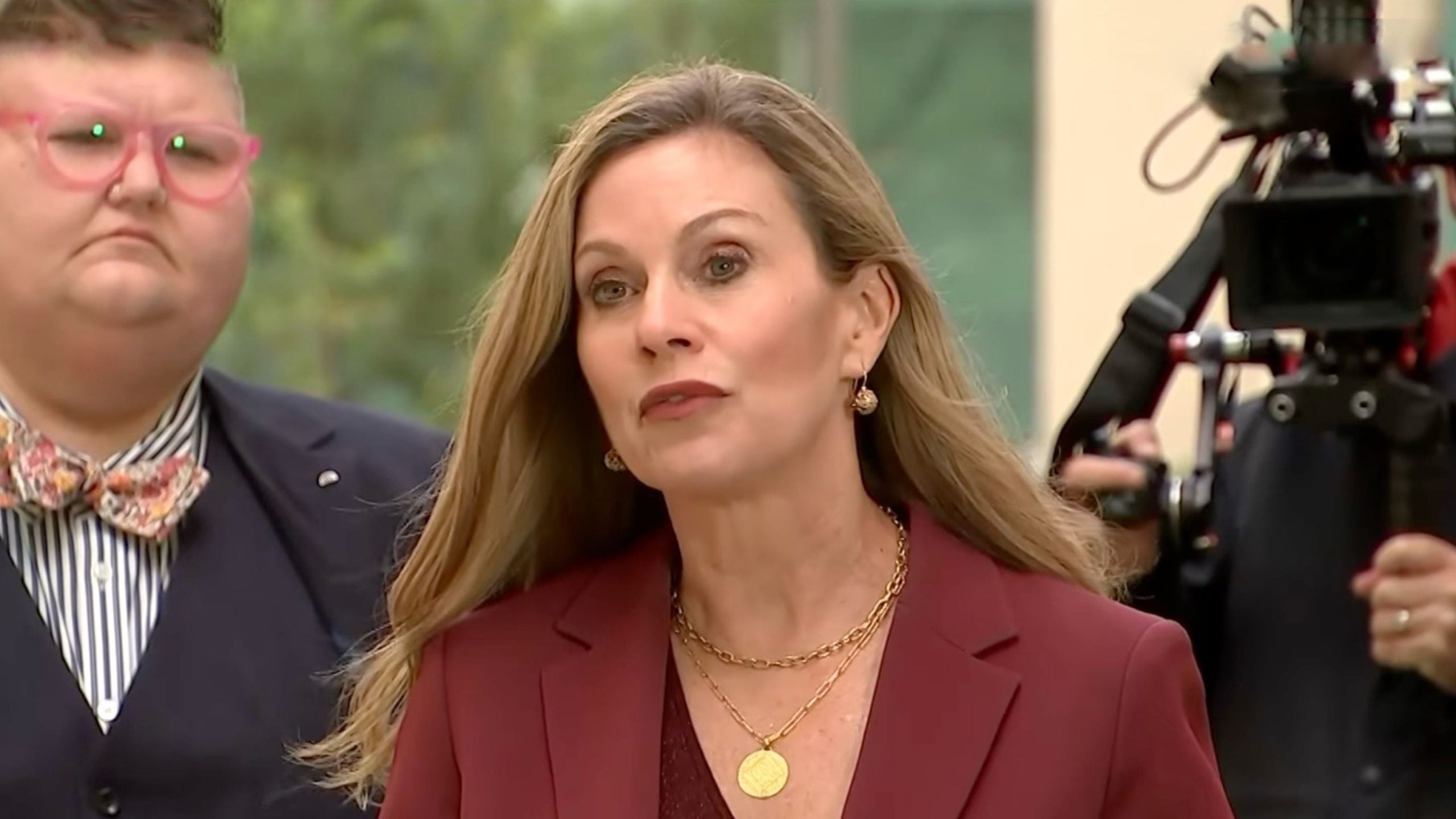
If you're tired of censorship and dystopian threats against civil liberties, subscribe to Reclaim The Net. At a press conference that could have been a comedy sketch idea, Australia’s “eSafety” Commissioner Julie Inman Grant and Social Services Minister Tanya Plibersek stood before the cameras and solemnly warned the nation about the perils of surveillance. Not from government programs or sweeping digital mandates, but from smart cars and connected devices. The irony was not lost on anyone paying attention. Both Grant and Plibersek are enthusiastic backers of the country’s new online age verification law, the so-called Social Media Minimum Age Bill 2024, a law that has done more to expand digital surveillance than any gadget in a Toyota. The legislation bans under-16s from social media and requires users to prove their age through “assurance” systems that often involve facial scans, ID uploads, and data analysis so invasive it would make a marketing executive blush. But on the same day she cautioned the public about the dangers of “connected” cars sharing sensitive information with third parties, Grant’s agency was publishing rules that literally require social media platforms to share sensitive data with third parties. During the press conference, Grant complained that “it’s disappointing” YouTube and other platforms hadn’t yet released their guidance on how they’ll implement verification. She announced that eSafety will begin issuing “gathering information notices” on December 10, demanding details from companies about how they plan to comply once her expanded powers take effect. She also warned that some of the smaller apps users are migrating to may soon “become age-restricted social media platforms.” The Office of the Australian Information Commissioner (OAIC) explains that compliance under this law can involve “age estimation” using facial analysis, “age inference” through data modeling of user activity, or “age verification” with government ID. All three options amount to building a surveillance apparatus around everyday users. Facial recognition, voice modeling, behavioral tracking; pick your poison. Most platforms outsource this work to private firms, which means that the same sensitive data the law claims to protect is immediately handed to a commercial intermediary. Meta, for example, relies on Yoti, a third-party ID verification company. Others use firms like Au10tix, which famously left troves of ID scans exposed online for over a year. The law includes what politicians like to call “strong privacy safeguards.” Platforms must only collect the data necessary for verification, must destroy it once it’s used, and must never reuse it for other purposes. It’s the same promise every company makes before it gets hacked or “inadvertently” leaks user data. Even small dating apps that claimed to delete verification selfies “immediately after completion” managed to leak those same selfies. In every case, the breach followed the same pattern: grand assurances, then exposure. Julie Inman Grant calls it protecting the public. Tanya Plibersek calls it social responsibility. The rest of us might call it what it actually is: institutionalized data collection, dressed in the language of child safety. If you're tired of censorship and dystopian threats against civil liberties, subscribe to Reclaim The Net. The post Australia’s Top Censor Warns of Surveillance While Hypocritically Expanding It appeared first on Reclaim The Net.
Like
Comment
Share
Reclaim The Net Feed
1 w

As Expected, a Hearing on Kids Online Safety Becomes a Blueprint for Digital ID
Favicon 
reclaimthenet.org

As Expected, a Hearing on Kids Online Safety Becomes a Blueprint for Digital ID

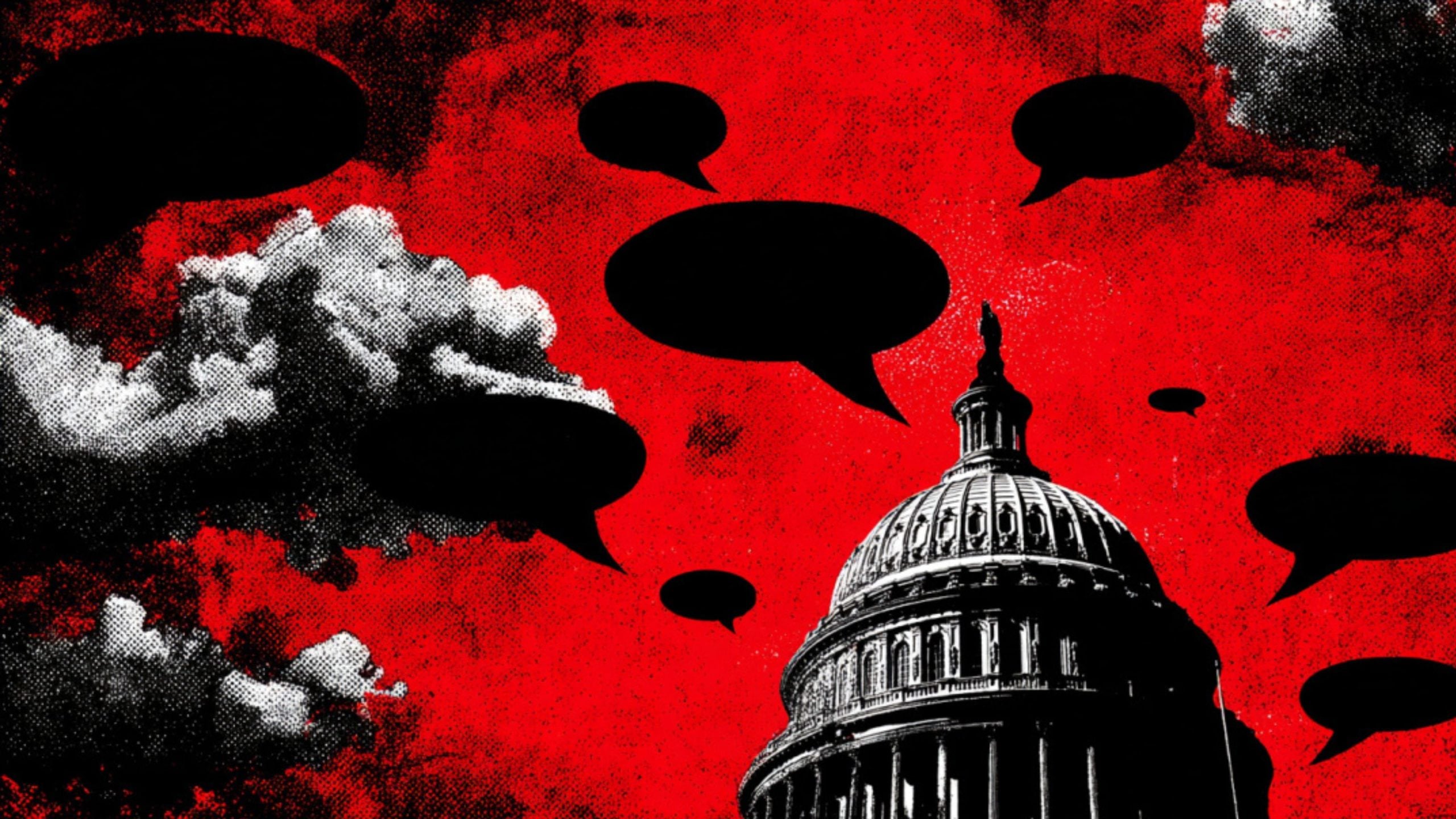
If you're tired of censorship and dystopian threats against civil liberties, subscribe to Reclaim The Net. The latest congressional hearing on “protecting children online” opened as you would expect: the same characters, the same script, a few new buzzwords, and a familiar moral panic to which the answer is mass surveillance and censorship. The Subcommittee on Commerce, Manufacturing, and Trade had convened to discuss a set of draft bills packaged as the “Kids Online Safety Package.” The name alone sounded like a software update against civil liberties. The hearing was called “Legislative Solutions to Protect Children and Teens Online.” Everyone on the dais seemed eager to prove they were on the side of the kids, which meant, as usual, promising to make the internet less free for everyone else. Rep. Gus Bilirakis (R-FL), who chaired the hearing, kicked things off by assuring everyone that the proposed bills were “mindful of the Constitution’s protections for free speech.” He then reminded the audience that “laws with good intentions have been struck down for violating the First Amendment” and added, with all the solemnity of a man about to make that same mistake again, that “a law that gets struck down in court does not protect a child.” They know these bills are legally risky, but they’re going to do it anyway. Bilirakis’s point was echoed later by House Energy & Commerce Committee Chairman Brett Guthrie (R-KY), who claimed the bills had been “curated to withstand constitutional challenges.” That word, curated, was doing a lot of work. Guthrie went on to insist that “age verification is needed…even before logging in” to trigger privacy protections under COPPA 2.0. The irony of requiring people to surrender their private information in order to be protected from privacy violations was lost in the shuffle. Guthrie praised the TAKE IT DOWN Act, signed by President Trump in May, as a model of legislative virtue, despite the fact that digital rights groups have flagged it for censorship risks and missing safeguards. “Countless other harms exist,” Guthrie warned, “and it is our responsibility to find a solution.” The phrase “find a solution” is Capitol Hill’s version of the blue screen of death: a signal that the machine has crashed, but no one wants to admit it. The only people complaining were Democrats, and not because the bills threatened privacy or free expression. Their gripe was that the bills didn’t go far enough. Rep. Jan Schakowsky (D-IL) called the current proposals “really frustrating,” adding that “the legislation that has been offered by the Republicans does not do the job” and “we have a long, long way to go to protect our children.” Rep. Kathy Castor (D-FL) joined in, labeling the Republican-backed versions of COPPA and KOSA “weak,” “ineffectual,” and “a slap in the face to the parents, the experts, and the advocates.” She called for Congress to strengthen the bills, which in practice means adding even more enforcement power to age verification and content moderation regimes. Rep. Lori Trahan (D-MA) said the proposals had been “gutted and co-opted by Big Tech.” That line played well for cameras, but it rang hollow coming from a party that spent years demanding that tech companies police speech harder and faster. It was a bipartisan competition to see who could sound more outraged about the dangers of screens. The private sector witnesses tried to slow the rush toward universal ID checks. Paul Lekas of the Software & Information Industry Association gently reminded lawmakers that while the Supreme Court had upheld some forms of age verification for “unprotected sexually explicit material,” broader mandates could be unconstitutional. He offered “age estimation” as a compromise, a technology that guesses your age from data like facial features or online behavior, a system that sounds like surveillance with a smile. Kate Ruane from the Center for Democracy & Technology (CDT) took a sharper tone. She warned that the bills carried “significant privacy risks” and lacked “sufficient guardrails to protect and require security practices within the age assurance requirements.” In other words, the proposals could create a sprawling, insecure ID infrastructure in the name of keeping kids safe. Still, CDT, an organization that has previously supported crackdowns on “disinformation,” wasn’t opposed to the idea of more regulation. They just wanted it done right. Every side at this hearing had a version of “we agree with censorship, but only ours.” Marc Berkman, CEO of the Organization for Social Media Safety, did his part for the cause, declaring that “we need to find consensus and pass meaningful social media safety legislation this year to protect our children.” The phrase “meaningful legislation” is another Beltway placeholder, something you say when the substance doesn’t hold up but the sentiment polls well. Joel Thayer of the Digital Progress Institute endorsed the whole package, particularly the App Store Accountability Act, the SCREEN Act, and KOSA. His testimony provided cover for lawmakers eager to claim bipartisanship while ignoring the reality that the bills collectively amount to a new system of mandatory content filters and identity checks. Then came Rep. Neal Dunn (R-FL), who pitched his Safe Messaging for Kids Act like a public service announcement from 1999. Dunn warned that ephemeral messages, the kind that disappear after you send them, were a “dangerous feature.” His bill would ban social media platforms from offering them to “any user they know is a minor under 17.” That standard all but forces companies to collect proof of age from everyone or treat all users like minors. The hearing was supposedly about protecting children, but every fix circled back to tagging and tracking everyone. Rep. Jay Obernolte (R-CA) wrapped up the policy side with a tidy summary: age verification, he said, is “key to the protections we’re trying to provide here.” His preferred version would happen at the operating system level, meaning your phone, computer, or console would verify your age for everything else. By the end, it was hard to tell whether lawmakers believed their own talking points or were simply keeping up with the moral fashion of the day. The hearing wasn’t about solving anything; it was about signaling concern. Each side spoke about protecting children while ignoring the real tension between privacy, speech, and power. As always, the session ended without progress and without reflection on what happens when the government starts requiring people to prove who they are to speak, read, or log in. If you're tired of censorship and dystopian threats against civil liberties, subscribe to Reclaim The Net. The post As Expected, a Hearing on Kids Online Safety Becomes a Blueprint for Digital ID appeared first on Reclaim The Net.

Like
Comment
Share
Reclaim The Net Feed
1 w

How One Patent Envisions a Nation Under Surveillance
Favicon 
reclaimthenet.org

How One Patent Envisions a Nation Under Surveillance

In August 2022, a company named Flock Group Inc., already running a nationwide web of license-plate cameras, secured a US patent that quietly sketches out the next logical step: total video integration. It is called US 11,416,545 B1, a bureaucratic title for what amounts to a manual on building a surveillance organism. Become a Member and Keep Reading… Reclaim your digital freedom. Get the latest on censorship, cancel culture, and surveillance, and learn how to fight back. Join Already a supporter? Sign In. (If you’re already logged in but still seeing this, refresh this page to show the post.) The post How One Patent Envisions a Nation Under Surveillance appeared first on Reclaim The Net.

Like
Comment
Share
Hot Air Feed
Hot Air Feed
1 w

Gavin Newsom Comes Out Against California Wealth Tax
Favicon 
hotair.com

Gavin Newsom Comes Out Against California Wealth Tax

Gavin Newsom Comes Out Against California Wealth Tax
Like
Comment
Share
Science Explorer
Science Explorer
1 w

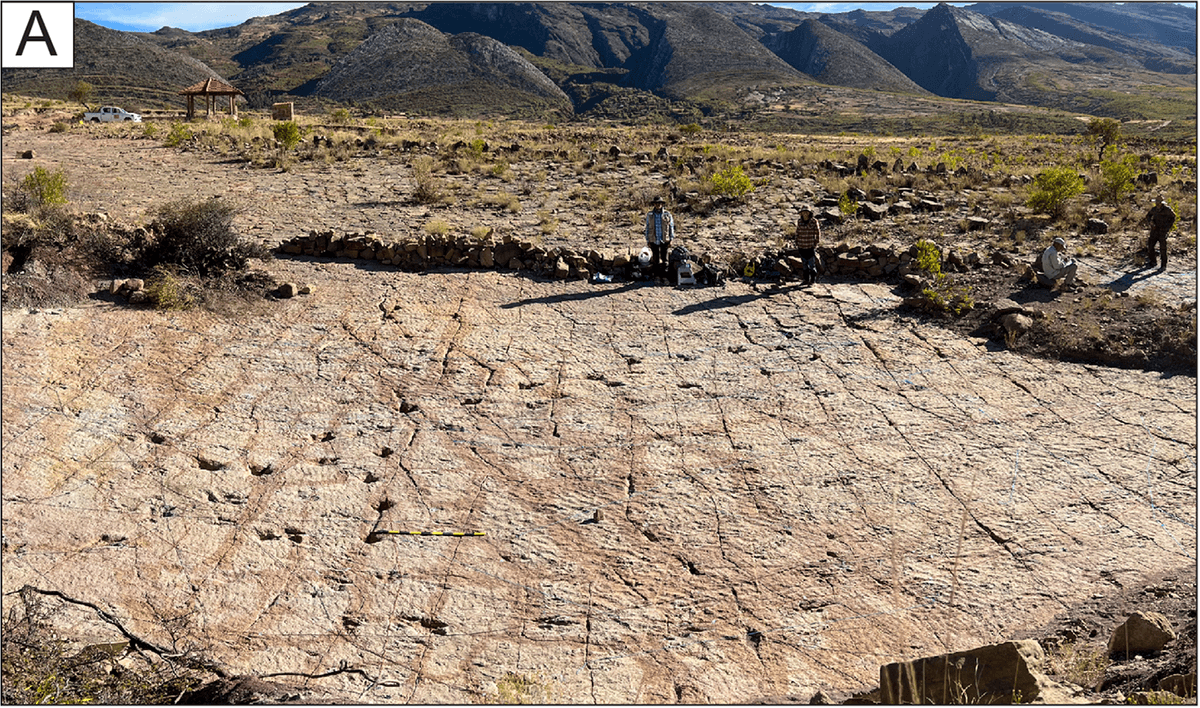
World’s Largest Dinosaur Tracksite Has At Least 16,600 Footprints And Sets Many World Records
Favicon 
www.iflscience.com

World’s Largest Dinosaur Tracksite Has At Least 16,600 Footprints And Sets Many World Records

We don’t know why so many were gathered here, but we like to think it was Woodstock for small theropod dinosaurs.
Like
Comment
Share
NewsBusters Feed
NewsBusters Feed
1 w

Poor Thing! Afghan Shooter 'Struggled to Adapt' to Our Strange Country
Favicon 
www.newsbusters.org

Poor Thing! Afghan Shooter 'Struggled to Adapt' to Our Strange Country

MRC Bulldog Award winner Drew Holden is always assembling X threads of disturbing media framing. Right now, it's noticing that several "mainstream" media outlets are posting pieces showing an alarming degree of sympathy for Rahmanullah Lakwanal, the suspected shooter of two National Guard members in DC (one has died). The killer is part of a morally complex story, they report.  ABCNews.com put three reporters on the Poor Thing story: Pierre Thomas, Aleem Agha, and Luke Barr. Shooting innocent people is a "potential mental health crisis." As investigators continue to delve into what may have motivated the suspect in the deadly National Guardsmen shooting last week, a portrait of a life of increasing financial stress and a potential mental health crisis has emerged, sources familiar told ABC News.  Additionally, multiple sources said that investigators are looking into the impact of the recent death of an Afghan commander, who allegedly worked with the suspect, 29-year-old Rahmanullah Lakanwal. The death of the commander -- whom Lakanwal is said to have revered -- had deeply saddened the suspect, sources said. This may have compounded on Lakanwal’s financial burdens, including not being employed, having an expired work permit and allegedly struggling to pay rent and feed his children, sources said. The Washington Post needed four reporters -- Susannah George, Antonio Olivo, Warren P. Strobel and Jeremy Roebuck -- for a report headlined "After service in CIA-trained unit, alleged National Guard shooter struggled to adapt in U.S." The killer "struggled to adapt," the poor thing. (Meanwhile, Wednesday's Post Opinion newsletter leads with this headline on a George Will column spinning off a Post story alleging the shooting of survivors of a drug-boat bombing: “A sickening moral slum of an administration.”) The shooter was not "sickening." He was "solid" in his CIA-trained unit: Lakanwal was a “solid” soldier with “decent English,” according to a person who worked with the Zero Units in Afghanistan and met him in the months before the Taliban takeover of the country… “They are extremely proficient in combat, very loyal,” they said, speaking about the Zero Units in general. Anonymous sources can be so helpful in establishing narratives! An "Afghan commander" also added a sympathetic touch:  Many former Zero Unit fighters have been struggling, both financially and mentally, during their time in the United States as they deal with their war injuries, any post-traumatic stress carrying over from battle, and an inability to adjust to life in a country whose language and culture they don’t understand Then there's the "Americans die, minorities hardest hit" angle. Our friends at KTRH in Houston sent us this story from Chris Kenning at USA Today: “Fear and anxiety: Afghans in the US seek answers after DC shooting". The suspect is an Afghan national, and that revelation has led to policy changes, political fallout and anxiety for [Tamim] Bedar and others. Across the country, shaken Afghan communities have strongly condemned the shooting while pleading to not let one person’s violence define a community. “There’s a lot of fear within the community that there will be collective punishment because of the act of one individual,” Bedar said. There is no need to find something "complicated" when it's not.
Like
Comment
Share
RedState Feed
RedState Feed
1 w

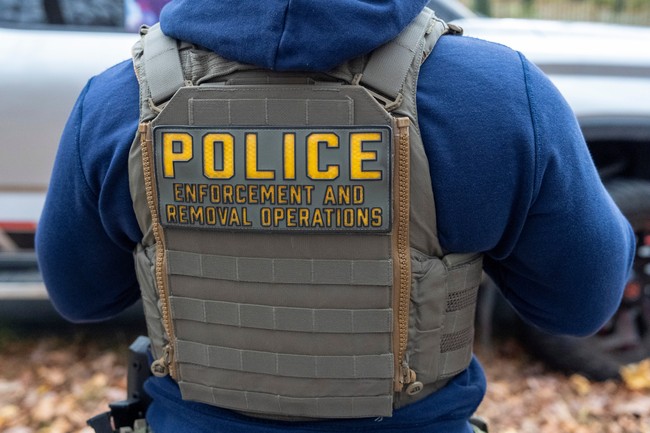
ICE Storm Reportedly Hits Minneapolis After Massive Somali Welfare Fraud Schemes Uncovered
Favicon 
redstate.com

ICE Storm Reportedly Hits Minneapolis After Massive Somali Welfare Fraud Schemes Uncovered

ICE Storm Reportedly Hits Minneapolis After Massive Somali Welfare Fraud Schemes Uncovered
Like
Comment
Share
Showing 1765 out of 102939
  • 1761
  • 1762
  • 1763
  • 1764
  • 1765
  • 1766
  • 1767
  • 1768
  • 1769
  • 1770
  • 1771
  • 1772
  • 1773
  • 1774
  • 1775
  • 1776
  • 1777
  • 1778
  • 1779
  • 1780
Advertisement
Stop Seeing These Ads

Edit Offer

Add tier


Select an image
Delete your tier
Are you sure you want to delete this tier?

Reviews

In order to sell your content and posts, start by creating a few packages. Monetization

Pay By Wallet

Payment Alert

You are about to purchase the items, do you want to proceed?

Request a Refund