YubNub Social YubNub Social
    #libtards #terrorism #patriots #antifa #americafirst #loonyleft #police\ #foundingfathers #patriotichistory #wethepeople
    Advanced Search
  • Login
  • Register

  • Night mode
  • © 2026 YubNub Social
    About • Directory • Contact Us • Developers • Privacy Policy • Terms of Use • shareasale • FB Webview Detected • Android • Apple iOS • Get Our App

    Select Language

  • English
Community
New Posts (Home) ChatBox Popular Posts Reels Game Zone Top PodCasts
Explore
Explore
© 2026 YubNub Social
  • English
About • Directory • Contact Us • Developers • Privacy Policy • Terms of Use • shareasale • FB Webview Detected • Android • Apple iOS • Get Our App
Advertisement
Stop Seeing These Ads

Discover posts

Posts

Users

Pages

Blog

Market

Events

Games

Forum

Intel Uncensored
Intel Uncensored
5 d

Epstein Survivor Preyed Upon at Age 5 Reveals Elite Cannibal Pedo Ring
Favicon 
www.sgtreport.com

Epstein Survivor Preyed Upon at Age 5 Reveals Elite Cannibal Pedo Ring

from Stew Peters Network: TRUTH LIVES on at https://sgtreport.tv/
Like
Comment
Share
History Traveler
History Traveler
5 d

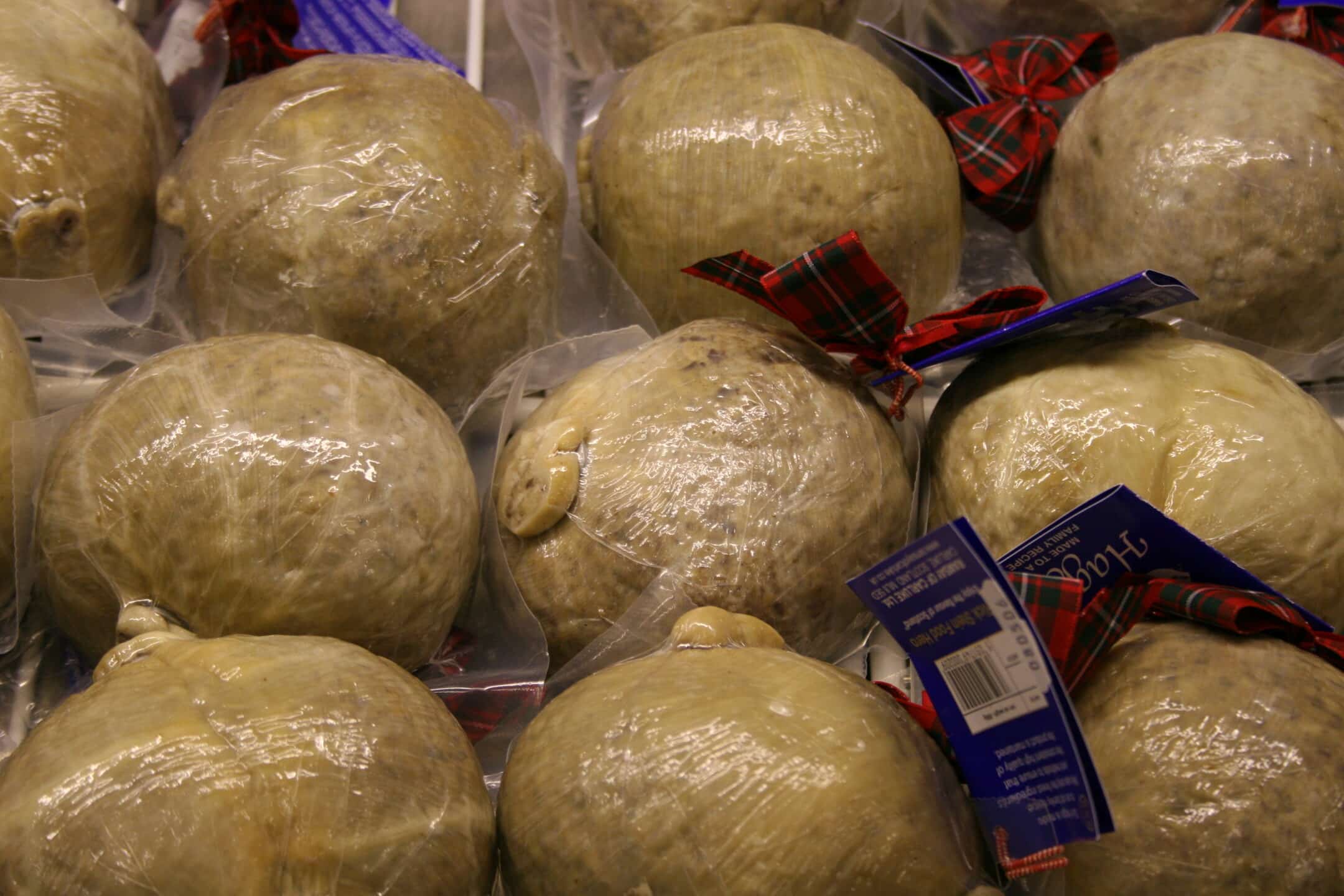
Haggis: History of the quintessential Scottish dish
Favicon 
www.historydefined.net

Haggis: History of the quintessential Scottish dish

Most countries have at least one food closely associated with their unique history, and for Scotland, haggis fills this role. It is made with the offal (internal organs) of a sheep, using the stomach as the casing in which to cook the meal. Typically, haggis combines the sheep’s heart, liver, and lungs and minces them together with oatmeal, suet, onions, and spices. Although Scotland is the country that typically comes to mind when people think of haggis, its historical origins are much more complex. Dishes made of chopped offal cooked in animal stomachs appear across numerous ancient culinary traditions, and even written mentions of “haggis” or similarly named food items can be found in medieval English texts. Over several centuries, haggis evolved from merely a practical method of utilizing animal parts that would otherwise spoil to a cultural symbol tied inextricably to Scottish identity. It has been especially important to rural populations, who benefited from a nutritious, economical meal made of animal parts that would otherwise simply be discarded. The history of haggis reflects broader patterns in European food history, as well as how and why cuisine is tied so closely to national identity. The Origins of Haggis Historians are not entirely sure exactly where haggis came from. Outside of Scotland (and, to some extent, inside as well), myths abound; this includes one particularly unique suggestion that haggis is derived from a creature called a wild haggis. This unusual beast of folklore is said to resemble a small sheep that lives in the mountains of the Highlands. Many claim that one set of its legs is shorter than the other so that it can run easily along the sides of mountains. Fantastical tales tell of two types: one whose right legs are shorter, and another whose left legs are shorter. Because one type can only run around mountains clockwise and the other counterclockwise, they do not interbreed because they can only ever face each other, never the same direction. Of course, the more common belief is that haggis is simply a food made of sheep (although more than a quarter of US visitors to Scotland believe the wild haggis to be real, based on a survey from one of Scotland’s largest haggis producers). Dishes using chopped offal and animal stomachs have been found for centuries across Europe and the Mediterranean region. Even the Roman food connoisseur Marcus Gavius Apicius described foods containing organ meats that had been stuffed into animal casings, seasoned, and cooked. This type of preparation was common in societies where livestock made up a notable portion of food intake. Highly perishable internal organs would easily go to waste, leading to the development of an entire category of foods resembling haggis (such as slátur, of Iceland). These appeared independent of each other and alongside offal-based puddings, likely as a reflection of the overarching need for practical solutions for preserving food. For haggis specifically, the word itself provides some clues about how it developed. Some etymologists point to the Old French hacheiz or hachis, which come from the verb “to chop.” Others trace it to höggva of Old Norse, also meaning “to chop” or “to hew.” Regardless of its exact origins, the linguistics point to an old and multicultural history. The earliest known recipe that closely resembles haggis appeared in Liber Cure Cocorum, a medieval English cookbook dated to around 1430. The instructions reference a dish called “hagese,” which uses sheep offal and herbs. However, it is possible that recipes were available even earlier. In The Forme of Cury of 1390, the cooks of King Richard II described a dish made of minced meat cooked inside a pig’s stomach casing (called a caul). The recipe does not call the dish haggis, but the concept remains as evidence of the long-standing history of this meal. Although some of the earliest references to haggis appear in English texts, it can be found in Scottish literary sources as early as 1520, when Scottish poet William Dunbar referenced “haggeis” in his poem Flyting of Dunbar and Kennedy. This suggests that not only did haggis exist at this time, but that it was familiar enough to be in the common lexicon. However, the first printed recipe that explicitly used the word “haggis” comes from The English Huswife, a 1615 written work by English author Gervase Markham. Of note, the recipe called for oatmeal, not wheat. Because northern Britain and especially Scotland was less suitable for wheat and often used oats instead, this helps to trace the true origins of the dish and tie it more strongly to Scotland. The Role of Haggis in Scottish Culture During the sixteenth and seventeenth centuries, Scotland saw the rise of haggis as a common and widely known dish. It was especially popular in rural communities for numerous reasons. First, sheep farming was widespread, particularly in the Scottish Highlands. Turning the organs of slaughtered animals, which spoiled faster than muscle meat, into a meal offered a practical alternative to discarding a large portion of the animals families were taking great effort to raise. Additionally, as mentioned, oats were a staple crop in Scotland due to the climate. Thus, oatmeal became a key component of meals, leading to its natural inclusion in haggis (as well as other traditionally Scottish dishes, such as porridge and oatcakes). Oats flourish in colder weather and provide numerous nutritional benefits that were sometimes challenging to find in the environments of Scotland. By the eighteenth century, haggis had become associated with the working class of Scotland as an everyday meal. The dish was inexpensive, and laborers were able to make use of the discarded animal parts that wealthier households neglected. In this way, haggis represented, in some sense, an economic and societal divide as well. In 1786, the cultural role of haggis would be cemented into Scotland’s identity forever. Scottish poet Robert Burns wrote a poem entitled Address to a Haggis, which begins:“Fair fa’ your honest, sonsie face, Great chieftain o’ the puddin’-race.” These famous lines celebrated the dish as a symbol of the honest and rustic life lived by many Scottish families. The poem drew a comparison between this authenticity in the form of haggis and the “fashionable” European cuisine of the nearby regions, elevating haggis to a beacon of national character. This was the primary origin of haggis’ embedded link to Scottish culture. By Burns’ death in 1796, he had amassed a number of admirers. They began organizing commemorative dinners, dubbed “Burns suppers.” These annual celebrations on Burns’ birthday (January 25) featured the formal presentation of haggis, brought to the dining hall alongside bagpipe music. One participant recites Address to a Haggis and slices open the dish, often at a dramatic moment in their speech. This cultural celebration wove haggis into the rituals of the country, and Romanticism spurred increasing interest in establishing stronger national traditions overall. Thus, cultural symbols such as bagpipes and tartan rose with haggis as symbols of Scottish identity recognized both at home and abroad. Haggis in the Wide World The twentieth century saw haggis rise from national pride to commercialized production. Food manufacturers began to produce packaged versions that used artificial casings rather than authentic sheep’s stomachs in order to facilitate mass dissemination. It also allowed for year-round distribution internationally. However, this transition was anything but simple. In some countries, food safety regulations do not cooperate with the formulation of haggis made in the traditional manner. For example, the United States has prohibited the use of sheep lungs in food products since 1971. Thus, many types of haggis, which typically contain lungs, cannot be exported to the US. The United States is not the only country to restrict the entry of either specific parts of haggis or the dish entirely. While it is true that some producers have modified their recipes to address international food regulations, the challenges associated with this process have significantly hampered the sharing of haggis internationally. It is common for consumers to find modified versions that resemble authentic haggis less and less, including vegetarian and vegan options or those made of beef and pork. While these adaptations have reflected the broader international shift toward contemporary cuisine and rising trends such as veganism, many Scottish food connoisseurs continue to note that true, authentic haggis is rarely encountered by anyone outside of Scotland. Still, Scotland’s culture reaches far. Burns suppers are still celebrated in numerous countries, including Canada, Australia, and New Zealand. While it is impossible to say whether traditional haggis will ever make its way to the United States and other food-restricted countries, the Scottish people are typically very open with sharing their cultural cuisine, and any visitor is likely to find haggis should they like to sample this historic dish themselves.The post Haggis: History of the quintessential Scottish dish first appeared on History Defined.

Like
Comment
Share
Conservative Voices
Conservative Voices
5 d

Dem Rep Floats Unhinged Conspiracy Theory About Trump Using 'Special New Drug' to Combat 'Terminal Illness'
Favicon 
www.westernjournal.com

Dem Rep Floats Unhinged Conspiracy Theory About Trump Using 'Special New Drug' to Combat 'Terminal Illness'

When it comes to opposing President Donald Trump, Democrats regard themselves as unrestrained by truth or common decency. Still, each time you think they have reached the bottom, they descend to new depths of audacity. In a clip posted Wednesday to the social media platform X, Democratic Rep. Ted Lieu...
Like
Comment
Share
Conservative Voices
Conservative Voices
5 d ·Youtube Politics

YouTube
What are they even doing? @beamanwithme
Like
Comment
Share
Bikers Den
Bikers Den
5 d ·Youtube General Interest

YouTube
Every Motorcycle Style Explained (And What It Says About You)
Like
Comment
Share
100 Percent Fed Up Feed
5 d

JUST IN: Sean Hannity Addresses Viewer Concerns, Opens Up About Recent Health Problems.
Favicon 
100percentfedup.com

JUST IN: Sean Hannity Addresses Viewer Concerns, Opens Up About Recent Health Problems.

Sean Hannity has heard the questions, and he is answering them directly. Over the past few days, viewers noticed that the Fox News host looked a little puffy and sounded rougher than usual on air. Online speculation followed, the way it always does. So on June 24, 2026, Hannity decided to clear the air himself. In a post on X, Hannity thanked everyone who had checked in on him and noted that he had already addressed the matter several times on his radio show. His explanation was simple: while training, he developed a painful pinched nerve in his neck, the kind of ordinary injury that can suddenly make a public-facing job messy. His doctor put him on prednisone to bring down the inflammation. The medicine has been helping, but it came with side effects, including laryngitis, a raspy voice, and a puffy face. That matters because Hannity did not leave the story in rumor territory. He gave viewers a specific timeline, a specific cause, and a specific treatment instead of letting internet theories run the day. He closed with the kind of line his longtime listeners would expect. Thanks to everyone who has checked in. I’ve already addressed this several times on my radio show, but while training, I developed a painful pinched nerve in my neck. My doctor put me on prednisone to reduce the inflammation, and while it’s helping, it led to laryngitis and some… — Sean Hannity (@seanhannity) June 24, 2026 The visible text in his post put it plainly: “Sorry to disappoint them, but a pinched nerve, a raspy voice, and a puffy face aren’t taking me out anytime soon.” That is the whole story, straight from the man himself. The concern did not come out of nowhere. Hannity is one of the most recognizable faces in cable news, and people notice when he looks or sounds off. The entertainment outlet Distractify reported on June 23 that viewers had spotted a changed, swollen appearance and started posting theories about it on social media. That report pointed readers to Hannity’s recent radio show, where he had already talked about his health. According to Distractify, Hannity said he had been diagnosed with a bad sinus infection that led to laryngitis. The outlet also noted the kind of speculation that was spreading online, from questions about swelling to questions about whether something more serious was going on. That is why Hannity’s direct answer mattered. He also said he resisted prednisone at first, but his doctor told him to ride it out, giving viewers the missing context behind the raspy voice and puffy look. "Why is Hannity’s face so swollen?" https://t.co/77eGyshZN7 — Distractify (@Distractify) June 23, 2026 Anyone listening to his radio program already had the answer before the online chatter peaked. The June 22, 2026 episode of The Sean Hannity Show on 710 WOR opened with Hannity celebrating the return of his voice after a sinus infection and laryngitis, which shows the issue was already being handled openly on his own program. Then he got right back to work. The episode notes show he moved into the 2026 midterm landscape, the Graham Platner controversies, and the broader fight with the radical left. From there he turned to Iran, President Trump’s leverage after Midnight Hammer and Epic Fury, nuclear inspections, the Strait of Hormuz, Israel, Hezbollah, and Iran’s worsening economic crisis. In other words, a raspy voice did not slow down the show. The health note was the opening explanation, not the whole broadcast. The reason this became a story at all comes down to reach. Hannity is not a small player having a quiet bad week. His official Fox News profile notes that he hosts “Hannity” weeknights at 9 PM ET, joined the network back in 1996, and also hosts Fox News Media’s “Hang Out With Sean Hannity” podcast. Fox calls him the longest-running current primetime host in cable news history and one of the most prominent conservative voices in the country, with a signature monologue built around the day’s biggest political fights. His radio show is syndicated to more than 675 stations, reaches all top 50 markets, and carries a loyal listenership of 20 million. When a man with that kind of audience looks under the weather, people notice. The same profile lists years of major interviews, from President Trump to foreign leaders, governors, senators, athletes, and cultural figures. That kind of visibility turns even a temporary voice problem into a national media story. What happened to Sean Hannity? Fox News host opened up about health issues before “swollen” face triggered a new wave of concern https://t.co/ICX7YY0nIt pic.twitter.com/QEldBcwECI — Soap Central (@soapcentral) June 24, 2026 What matters here is that Hannity addressed the speculation head-on and kept it honest. A pinched nerve from training, a round of prednisone, and the side effects that came with it. Nothing more dramatic than that, by his own account. So if you were one of the people who checked in, he heard you, and he gave his answer. The voice is coming back, the inflammation is easing, and he plans to be behind the microphone for a long time yet. This is a Guest Post from our friends over at WLTReport. View the original article here. The post JUST IN: Sean Hannity Addresses Viewer Concerns, Opens Up About Recent Health Problems. appeared first on 100PercentFedUp.com.
Like
Comment
Share
Classic Rock Lovers
Classic Rock Lovers  
5 d

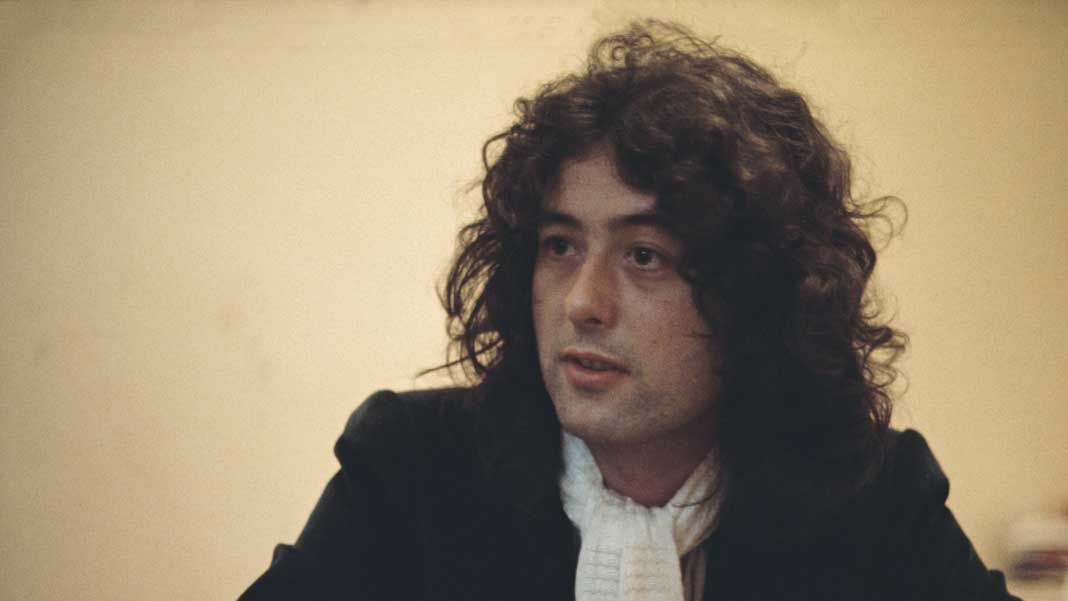
Jimmy Page on Presence: "You don't make music like that falling about in the street drunk"
Favicon 
www.loudersound.com

Jimmy Page on Presence: "You don't make music like that falling about in the street drunk"

Led Zeppelin's seventh studio album Presence wasn't the easiest to make. Robert Plant was recovering after the August 1975 car crash in Crete that had left him with serious arm and leg injuries, and the band's touring schedule had been pitched into turmoil.The show had to keep rolling, and the following month the band gathered for writing sessions in Malibu Colony, 30 miles south of Los Angeles, before recording commenced at Musicland Studios in Munich, Germany. Over the years Presence has frequently been cited as Jimmy Page's favourite album, presumably because – as with Led Zeppelin I – he was fully in control. With Plant's input restricted, there were, as Tight But Loose editor Dave Lewis says, "no Mellotrons, acoustic guitars or keyboards of any kind – no Jonesy! It was all Jimmy. No one else really got a look in.” Below, Jimmy Page recalls the recording of Presence. A lot of people presume that Presence is your favourite albumI don’t know why they think it’s my favourite album; I don’t have any one favourite album because they all mean different things from the whole journey of Led Zeppelin. Presence was recorded in real stressful circumstances, Robert was in plaster with his leg and we didn’t know what the outcome was going to be of all that at the time. It’s a very dark album, it’s really intense. That’s the one where it took three weeks to record and do overdubs. We did it in the Musicland Studios, Munich and after us were the Rolling Stones. I called them up and asked if I could get a couple more days, because they were busy trying out various guitars, and they said OK. The tracks were done and Robert’s vocals were done and I was going to do what I had normally done and still do – the overdubs and production.There was me and the engineer Keith Harwood, and whoever woke first would get the other up and we’d get straight into the studio and do the guitar overlays. It was the same with the mixing. Jagger was staying in the same hotel and I went up to see him to say thanks for letting us use the studio in their downtime. He said, “What have you done?” I said “I’ve done an album, do you want to hear some?” I put on Nobody’s Fault But Mine, which he sort of knew as a blues song and he was quite startled by it.Although doing an album in three weeks was an exception, I never worked slowly, nor did anyone else. We were all very fast and to the point. If we were recording something and it wasn’t happening we would stop that number and do something else, there was no point labouring it. That’s something I brought with me from the session days – you know when the spark’s there and you know when it’s gone and there’s no point proceeding, especially if you have other numbers to do.When Presence came out, everyone thought it was the direction Zeppelin would be taking in the future.Yeah, for example, Tea For One is exceptional. It was to the point, recorded in a couple of takes. Robert’s vocals are tremendous. He was doing that his leg was in a cast, miles away from home.Weren’t you particularly out of it during the recording of Presence?I was into it. [laughs] I was seriously focussed. You don’t make music like that in such a short amount time falling about in the street drunk. You do it when you’re one hundred per cent focussed.This interview originally appeared in Classic Rock's Led Zeppelin Special, in November 2007.
Like
Comment
Share
Classic Rock Lovers
Classic Rock Lovers  
5 d

Rival Sons announce Domestic Bliss US tour
Favicon 
www.loudersound.com

Rival Sons announce Domestic Bliss US tour

California rockers Rival Sons have announced their first run of US dates since 2024's Two-Headed Beast schedule. The Domestic Bliss tour kicks off at the Knitting Factory in Boise, ID, on October 30, and finishes on November 29 at the Clyde Theatre in Fort Wayne, IN. "A lot of irons in the Rival Sons fire right now, but we wanted to break off a quick one domestically, get out there and run it hot for a minute," says frontman Jay Buchanan. "24 US dates in the fall, the Domestic Bliss Tour let's go!”"We are elated to get back out touring across the U.S., it's been a while," adds guitarist Scott Holiday. "We weren't able to tour the US properly on the last two records, so it's going to be great to get back to some of those territories we missed. We're going to mix it up and try to play songs from across the catalogue - this is going to be fun for us!"Support will come from Canadian blues rock duo The Blue Stones and Colorado rock'n'rollers The Velveteers, and tickets go on sale this Friday, June 26, at 10am local time. Full dates below.Meanwhile, the band have also revealed that they're currently working on their ninth studio album, the follow-up to 2023's Darkfighter and Lightbringer sets."It's been great to get back to writing and recording with my brothers in Rival Sons," says drummer Michael Davis. "It's early days, and we're doing this one a bit differently, but I'm so excited about how it's turning out!"The new album is expected to be released in 2027.Rival Sons: Domestic Bliss UK tour 2026Oct 30: Boise Knitting Factory, IDOct 31: Seattle The Showbox, WANov 01: Portland Roseland Theater, ORNov 02: Spokane Knitting Factory, WANov 04: Sacramento Ace Of Spades, CANov 05: Reno Grand Theatre At Sierra Resort And Casino, NVNov 06: Las Vegas Brooklyn Bowl, NVNov 07: Albuquerque Shine Theater, NMNov 09: Austin Emo’s, TXNov 10: Tulsa Cain’s Ballroom, OKNov 12: Moline The Rust Belt, ILNov 13: Green Bay Epic Event Center, WINov 14: Milwaukee The Rave, WINov 16: Silver Spring Fillmore Silver Spring, MDNov 17: Cincinnati Bogart’s, OHNov 18: Cleveland House Of Blues, OH *Nov 20: New Haven College Street Music Hall, CTNov 21: Huntington The Paramount, NYNov 22: Worcester The Palladium, MA *Nov 24: Buffalo Town Ballroom, NYNov 25: Montclair The Wellt, NJNov 27: Memphis Minglewood Hall, TNNov 28: Indianapolis The Vogue, INNov 29: Fort Wayne Clyde Theatre, IN*support from The Blue Stones onlyFind Rival Sons tickets.
Like
Comment
Share
One America News Network Feed
5 d ·Youtube News & Oppinion

YouTube
Man dresses as dead mom to steal $60K pension, AI layoffs reverse, library wrestling sparks backlash
Like
Comment
Share
One America News Network Feed
5 d ·Youtube News & Oppinion

YouTube
President Trump: 6 Arrested in Reflecting Pool Vandalism Investigation
Like
Comment
Share
Showing 473 out of 127663
  • 469
  • 470
  • 471
  • 472
  • 473
  • 474
  • 475
  • 476
  • 477
  • 478
  • 479
  • 480
  • 481
  • 482
  • 483
  • 484
  • 485
  • 486
  • 487
  • 488
Advertisement
Stop Seeing These Ads

Edit Offer

Add tier


Select an image
Delete your tier
Are you sure you want to delete this tier?

Reviews

In order to sell your content and posts, start by creating a few packages. Monetization

Pay By Wallet

Payment Alert

You are about to purchase the items, do you want to proceed?

Request a Refund